• Home
  • About Us
  • Toolkit
  • Getting Finances Done
    • Hiring Advisors
    • Debt Management
    • Spending Plan
  • Insurance
    • Life Insurance
    • Health Insurance
    • Disability Insurance
    • Homeowners/Renters Insurance
  • Contact Us
  • Privacy Policy
  • Risk Tolerance Quiz

The Free Financial Advisor

You are here: Home / Archives for Home insurance

13% of California Realtors Report Sales Falling Through Due to Insurance Issues

February 5, 2026 by Brandon Marcus Leave a Comment

13% of California Realtors Report Sales Falling Through Due to Insurance Issues

Image source: shutterstock.com

Buying a home is supposed to be exciting—stressful, yes, but exciting. You find “the one,” you make an offer, you imagine where the couch will go, and you start mentally arguing with yourself about paint colors.

But in California, a growing number of buyers never make it to the moving‑in stage. Deals are falling apart not because of bad inspections, cold feet, or financing disasters, but because buyers simply can’t get homeowners insurance. And according to recent data from the California Association of Realtors, 13% of realtors in the state say a home sale fell out of escrow this year due to insurance problems. That’s nearly double last year’s number—and a sign of a crisis that’s reshaping the state’s housing market in real time.

When Insurance Becomes the Dealbreaker No One Saw Coming

For decades, homeowners’ insurance was the quiet, predictable part of buying a home. You called a company, answered a few questions, and got a policy without much drama. But in today’s California, insurance has become one of the biggest wild cards in the entire transaction. With major insurers scaling back coverage, pausing new policies, or raising rates dramatically, buyers are discovering that securing insurance can be harder than securing the mortgage itself.

Realtors report that even well‑qualified buyers are being blindsided when insurers decline coverage due to wildfire risk, location, or property age. When that happens, the deal often collapses—not because the buyer doesn’t want the home, but because they literally can’t insure it. And without insurance, lenders won’t fund the loan. It’s a domino effect that’s catching many buyers off guard.

Why Insurers Are Pulling Back—and How It’s Hitting Buyers

California’s insurance challenges didn’t appear overnight. Years of severe wildfire seasons, rising climate‑related risks, and increasing rebuilding costs have pushed several major insurers to pause or limit new policies. Companies have all scaled back new homeowner coverage in the state in recent years.

Insurers say the math simply doesn’t work anymore: the cost of covering high‑risk areas has outpaced what they can sustainably charge. For buyers, this means fewer options, higher premiums, and more hoops to jump through. Even homes outside high‑risk zones are feeling the ripple effects as insurers tighten underwriting standards across the board. The result is a market where insurance availability—not just price—is becoming a deciding factor in whether a sale moves forward.

13% of California Realtors Report Sales Falling Through Due to Insurance Issues

Image source: shutterstock.com

Escrow Chaos: How Deals Collapse at the Last Minute

One of the most stressful parts of this trend is how late in the process the problem often appears. Buyers may enter escrow feeling confident, only to discover during the insurance‑shopping phase that no company will write a policy for the home. Realtors say this is happening more frequently.

Sometimes buyers can secure coverage through the California FAIR Plan, the state’s insurer of last resort, but even that option comes with limitations and higher costs. When buyers can’t find affordable coverage—or any coverage—the deal stalls. Sellers are left scrambling, buyers are heartbroken, and realtors are stuck navigating a problem that didn’t exist at this scale just a few years ago.

The FAIR Plan: Lifeline or Last Resort?

The California FAIR Plan has become a critical fallback for buyers who can’t secure traditional insurance. According to recent surveys, roughly one in five realtors say their clients ended up using the FAIR Plan to close a deal. While it provides essential fire coverage, it doesn’t offer the full protection of a standard homeowners policy.

Buyers often need to purchase additional “wraparound” coverage to fill the gaps, which can significantly increase costs. For some, the FAIR Plan is a temporary solution until the insurance market stabilizes. For others, it’s the only option available. Either way, relying on the FAIR Plan adds complexity, cost, and uncertainty to the homebuying process—three things no buyer wants more of.

How Realtors Are Adapting to the New Insurance Reality

Realtors aren’t just watching this crisis unfold—they’re actively adjusting how they guide clients. Many now encourage buyers to start the insurance process early, sometimes even before making an offer. Others are working closely with insurance agents to identify which properties are insurable and which may pose challenges.

Some realtors are advising sellers to obtain an insurance quote upfront to reassure potential buyers. And in high‑risk areas, realtors are spending more time educating clients about wildfire mitigation, defensible space, and home‑hardening strategies that may improve insurability. The role of a realtor is expanding, not by choice, but by necessity.

What Buyers Can Do to Protect Themselves

If you’re thinking about buying a home in California, there are smart steps you can take to avoid insurance‑related surprises. Start by checking insurance availability early—don’t wait until you’re deep into escrow. Ask your realtor whether the property is in a high‑risk zone and whether other buyers have had trouble securing coverage in the area. Contact multiple insurers, not just one, because underwriting varies widely.

If the FAIR Plan is your only option, make sure you understand what it covers and what it doesn’t. And most importantly, build insurance costs into your budget. Premiums can be significantly higher than they were just a few years ago, and being prepared can prevent sticker shock later.

A Housing Market Shaped by Risk—and Resilience

California’s insurance crisis isn’t just a temporary inconvenience—it’s reshaping the housing market in ways that will likely continue for years. With 13% of realtors reporting canceled sales due to insurance issues, the problem is too big to ignore. Yet Californians are nothing if not resilient. Buyers, sellers, insurers, and policymakers are all adapting, innovating, and searching for solutions. Whether it’s new regulations, improved wildfire mitigation, or shifts in how insurers assess risk, the landscape is evolving.

What’s your take? Should insurance availability play a bigger role in how buyers choose homes, or is this just a temporary market shake‑up? Share your thoughts in the comments.

You May Also Like…

California’s Insurance Cancellation Crisis: 3.18% of Homeowners Lost Coverage in 2024

California FAIR Plan Exposure Doubles to $650 Billion — 35.8% Rate Hike Requested

Buddhism in California: 10 Interesting Facts About The City of Ten Thousand Buddhas

The Credit Score That Adds $2,000/Year to Florida Homeowner’s Insurance Premiums

The Florida Insurance Trap: Why “Safe” Neighborhoods Are Facing a $500 Monthly Payment Hike This Week


Brandon Marcus
Brandon Marcus

Brandon Marcus is a writer who has been sharing the written word since a very young age. His interests include sports, history, pop culture, and so much more. When he isn’t writing, he spends his time jogging, drinking coffee, or attempting to read a long book he may never complete.

Filed Under: Insurance Tagged With: California, California real estate, escrow issues, Home insurance, homebuyers, housing challenges, Housing Market, insurance crisis, property insurance, real estate agents, real estate trends, wildfire risk

The Drone Inspection Finding That’s Triggering Homeowner Policy Cancellations

February 4, 2026 by Brandon Marcus Leave a Comment

The Drone Inspection Finding That's Triggering Homeowner Policy Cancellations

Image source: shutterstock.com

It used to take a ladder, a clipboard, and a very brave insurance inspector to assess your roof. Now? It takes a drone, a high-resolution camera, and about ten minutes of flight time. And that quiet little technological upgrade is creating very loud consequences for homeowners everywhere.

Insurance companies are increasingly using drone inspections to evaluate properties, and one specific finding is quietly triggering policy cancellations, non-renewals, and coverage denials—often without homeowners ever seeing it coming.

The Roof Issue Drones Are Exposing That Homeowners Rarely See

The most common red flag drones are identifying isn’t dramatic storm damage or missing chunks of roof. It’s something far sneakier: deteriorating shingles, soft spots, granular loss, and structural roof wear that’s invisible from the yard but crystal clear from above.

Insurance companies don’t see this as cosmetic. They see it as a future claims risk. A roof that looks “fine” from the street can look like a liability from 60 feet in the air. Even minor deterioration signals increased chances of water intrusion, mold, structural damage, and storm vulnerability. From an underwriting perspective, that’s not a “maybe problem,” that’s a “future payout” problem.

Why Insurance Companies Are Leaning Hard Into Drone Inspections

This shift isn’t random. Drone inspections are cheaper, faster, safer, and more consistent than human inspections. No climbing, no liability risk, no scheduling delays, and no subjective judgment calls. Insurers get standardized imagery, AI-assisted analysis, and digital records that integrate directly into risk models.

From a business standpoint, it’s a no-brainer. Drones can inspect thousands of properties quickly, especially after storms, natural disasters, or policy renewals. Instead of inspecting only high-risk properties, companies can now inspect almost everything. That means more data, more scrutiny, and more reasons to reclassify risk.

Drones Triggering Non-Renewals

This common trigger isn’t catastrophic damage, it’s roof aging and material degradation. That includes worn shingles, brittle materials, exposed underlayment, patchwork repairs, curling edges, granule loss, and uneven wear patterns. These signs suggest a roof that’s nearing the end of its functional lifespan, even if it isn’t leaking yet.

Drones also identify moisture retention zones, algae and moss growth patterns, and structural sagging that indicate water infiltration risks. These aren’t dramatic visuals, but they’re statistically powerful predictors of claims. In insurance language, this falls under “deferred maintenance risk.”

The Drone Inspection Finding That's Triggering Homeowner Policy Cancellations

Image source: shutterstock.com

Why Homeowners Feel Blindsided by the Process

Homeowners think insurance reacts to damage. Insurers now react to probability. That’s a fundamental mindset shift. People expect inspections after claims, not before renewals. They expect notice, not silent evaluations.

Because drone inspections don’t require homeowner presence, people often don’t know they happened. No knock at the door or appointment request. No explanation. Just a data update in an insurance system that changes your risk profile overnight.

What Homeowners Can Do to Protect Themselves

Don’t wait for your insurer to find the problem. Proactive roof inspections matter more than ever. A professional inspection every few years isn’t just maintenance—it’s insurance protection. Documentation matters. If your roof is in good condition, proof helps.

Maintenance is now a financial strategy, not just a homeownership habit. Small repairs prevent big red flags. Cleaning debris, addressing algae growth, replacing damaged shingles, and fixing flashing issues can materially change how your roof appears in aerial imaging.

Also, understand your policy language. Many policies allow cancellation or non-renewal based on “property condition risk.” That language gives insurers broad discretion. Knowing that helps you act before you’re forced to react.

The Wake-Up Call Hidden in the Sky

Drones are revealing problems that were always there, just out of sight and out of mind. The real danger isn’t inspection technology; it’s the assumption that “no visible damage” equals “no risk.” That belief doesn’t hold up in a world of aerial imaging, predictive analytics, and algorithm-driven underwriting.

For homeowners, this is a mindset shift moment. Insurance isn’t just protection anymore—it’s a data relationship. The better your property looks to technology, the safer you are financially.

The sky isn’t falling—but the sky is watching.

Should insurance companies be allowed to cancel policies based on drone inspections that homeowners never knew happened? Give us your thoughts in the comments.

You May Also Like…

Why Major Insurers Are Quietly Canceling 2026 Policies Using Satellite Photos

Why Are So Many DIY Projects Actually Illegal in Your County?

California’s Insurance Cancellation Crisis: 3.18% of Homeowners Lost Coverage in 2024

7 Ways Your Neighbor Could Be Spying on You Without Breaking the Law

The Credit Score That Adds $2,000/Year to Florida Homeowner’s Insurance Premiums

Brandon Marcus
Brandon Marcus

Brandon Marcus is a writer who has been sharing the written word since a very young age. His interests include sports, history, pop culture, and so much more. When he isn’t writing, he spends his time jogging, drinking coffee, or attempting to read a long book he may never complete.

Filed Under: Insurance Tagged With: drone inspections, Home insurance, home protection, homeowner insurance, homeowners, homeownership, insurance cancellations, insurance underwriting, property insurance, risk assessment, roof damage, roof maintenance, smart home tech

The Home Insurance Review Clause That’s Triggering Surprise Policy Cancellations in 2026

January 26, 2026 by Brandon Marcus Leave a Comment

There Is A Home Insurance Review Clause That’s Triggering Surprise Policy Cancellations in 2026

Image source: shutterstock.com

The letter arrives on a random Tuesday, sandwiched between grocery ads and a utility bill. It looks boring. It is not. Inside is a calm, corporate notice explaining that your home insurance policy will be canceled in thirty days due to a “review finding.” No fire or claim. No missed payment. Just a clause you probably skimmed past years ago, now flexing its full power.

Across the country in 2026, homeowners are discovering that insurance isn’t only about disasters anymore. It’s about ongoing scrutiny, and the surprise factor is what’s rattling people the most.

The Clause Most Homeowners Never Notice

The clause at the center of these cancellations usually goes by names like “Underwriting Review,” “Condition Reassessment,” or “Mid-Term Eligibility Review.” It has existed in various forms for years, quietly sitting in policy language without much attention.

What’s changed in 2026 is how aggressively insurers are using it and how broadly they interpret it. This clause allows an insurance company to reevaluate a home’s risk profile during the policy period, not just at renewal time.

Rising rebuilding costs, more frequent severe weather, and tighter profit margins have made insurers far less patient with homes that drift outside their guidelines. The review clause gives them flexibility, and flexibility for insurers often translates to uncertainty for homeowners. The shock comes from timing, because most people assume cancellations only happen after claims or missed payments.

Why Insurers Are Pulling The Trigger More Often

The insurance industry is under serious pressure, and that pressure is shaping behavior. Construction costs have climbed steadily, making even small claims far more expensive than they were five years ago. Climate-driven risks like hail, wind, and wildfire are no longer confined to a few hotspots, which means more homes fall into higher-risk categories overnight. Insurers are responding by tightening underwriting rules mid-policy instead of waiting for renewal cycles.

Another factor is data. Insurers now rely heavily on aerial imagery, satellite data, and third-party property reports that update automatically. A roof that looked fine when your policy started might be flagged months later due to age estimates, discoloration, or nearby storm activity.

The Home Features Raising Red Flags In 2026

Certain property characteristics are showing up again and again in review-related cancellations. Roof age is the biggest one by far, especially asphalt shingles over a certain number of years. Even a well-maintained older roof can trigger action if it exceeds an insurer’s updated age threshold. Exterior maintenance issues, like peeling paint, damaged siding, or visible debris, are also common triggers, particularly when detected by automated imaging.

Secondary structures such as detached garages, sheds, or fences can also cause trouble if they appear poorly maintained or weren’t disclosed originally. In some cases, homeowners are surprised to learn that a backyard feature added years ago is now considered a liability.

How This Clause Is Catching Responsible Owners Off Guard

The most frustrating part for many homeowners is that these cancellations feel deeply unfair. Payments are current. No claims have been filed. The house feels the same as it did last year. The problem is that insurance risk is now judged by shifting standards, not just personal behavior. A home that was acceptable in 2024 may be unacceptable in 2026 under new internal guidelines.

Communication doesn’t always help. Review notices often use vague language, citing “condition concerns” without detailed explanations. Homeowners are left scrambling to interpret what went wrong and whether it can be fixed in time. Some insurers allow corrections or documentation, while others move straight to cancellation.

What Homeowners Can Do To Stay Ahead Of Reviews

Staying insured in 2026 requires a more proactive mindset. Regular exterior maintenance matters more than ever, even for cosmetic issues that once seemed harmless. Keeping records of roof replacements, repairs, and upgrades can make a real difference during a review. Photos, receipts, and inspection reports give you leverage if an insurer questions your home’s condition.

It’s also wise to actually read renewal notices and policy updates, especially any mention of underwriting changes. If your insurer announces stricter guidelines, that’s a signal to assess your home before a review forces the issue.

There Is A Home Insurance Review Clause That’s Triggering Surprise Policy Cancellations in 2026

Image source: shutterstock.com

Why This Trend Isn’t Going Away Anytime Soon

Everything about the insurance landscape suggests that review-based cancellations are here to stay. Insurers see them as necessary tools for managing unpredictable risk, and regulators generally allow them as long as notice requirements are met. Technology will only make reviews faster and more frequent, not less. Homes are being evaluated constantly, whether owners realize it or not.

This doesn’t mean homeowners are powerless, but it does mean expectations need to adjust. Insurance is no longer a “set it and forget it” product. It’s an ongoing relationship that requires attention, upkeep, and occasional negotiation.

When The Fine Print Finally Speaks Up

The home insurance review clause isn’t evil, but it is unapologetically disruptive. In 2026, it’s forcing homeowners to confront how much their coverage depends on evolving definitions of risk rather than personal responsibility. The surprise comes from not knowing the rules changed until the consequences arrive. Awareness, preparation, and a little vigilance can soften the blow, even if they can’t eliminate it entirely.

If you’ve experienced a sudden cancellation or navigated a stressful review, your perspective could help others make sense of this shifting landscape. Let’s hear it in the comments below.

You May Also Like…

Top 3 Water Damage Claims Home Insurance Actually Covers

The One Household Appliance That Will Spike Your Insurance Premiums if Discovered During Inspection

Family Homes Done Right: Kid-Friendly Interior Design on a Budget

7 Homeowner Insurance Exclusions That Void Entire Policies

The Rental Car Insurance Mistake That Can Cost You a Fortune

Brandon Marcus
Brandon Marcus

Brandon Marcus is a writer who has been sharing the written word since a very young age. His interests include sports, history, pop culture, and so much more. When he isn’t writing, he spends his time jogging, drinking coffee, or attempting to read a long book he may never complete.

Filed Under: Insurance Tagged With: 2026 laws, buying a home, buying a house, Home insurance, homeowners, homeownership, Insurance, Insurance policy, insurance review, insurers, owning a home, owning a house

The One Household Appliance That Will Spike Your Insurance Premiums if Discovered During Inspection

January 18, 2026 by Brandon Marcus Leave a Comment

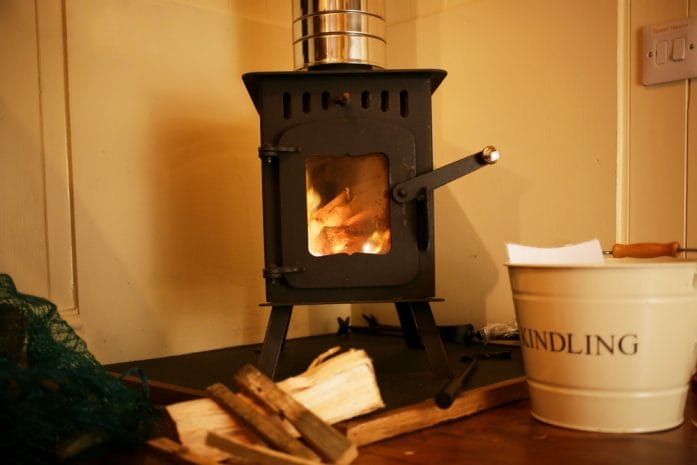
This Is The One Household Appliance That Will Spike Your Insurance Premiums if Discovered During Inspection

Image source: shutterstock.com

Your home is your sanctuary, but what if one seemingly innocent appliance could turn your cozy haven into a red flag for insurance companies? Most people think about home insurance in terms of fire, flood, or burglary, but there’s one specific appliance that can send premiums soaring faster than a popcorn kernel in a hot pan.

It’s not a flashy new gadget, and it doesn’t beep or flash in neon lights—but insurers treat it like a ticking time bomb. Understanding why this appliance is so problematic can save you a lot of money and, more importantly, a lot of stress.

Why Insurance Companies Fear This Appliance

Insurance companies operate on risk assessment, plain and simple. They look at the likelihood that something in your home could cause a claim, and some appliances immediately raise red flags. The one appliance that consistently triggers higher premiums is the indoor wood-burning stove or fireplace insert. These devices, while cozy and charming, have a track record for fire hazards and smoke damage. Insurers worry because even a small ember that escapes or a buildup of creosote in a chimney can lead to catastrophic damage. In other words, a single moment of negligence or poor maintenance could turn a dream of a warm, crackling fire into a costly nightmare.

Beyond fire, these appliances can impact air quality, create unseen smoke damage in walls, and even void certain parts of a home insurance policy if installed incorrectly. Insurance adjusters are trained to spot these stoves, and if one is found during an inspection, they often consider it high-risk. That can translate to immediate premium hikes, expensive add-ons, or even outright refusal to cover your home until modifications are made.

Common Mistakes Homeowners Make With High-Risk Appliances

Many homeowners don’t realize just how many small errors can turn an indoor stove from a cozy feature into an insurance headache. One of the biggest mistakes is improper installation. Some homeowners try DIY projects, failing to comply with local building codes or manufacturer instructions. This alone can lead to denied claims if a fire occurs. Another common error is neglecting regular cleaning and chimney inspections. Creosote buildup is extremely flammable, and insurers see it as a ticking time bomb. Even using the wrong type of wood or overloading the stove can make your policy more expensive or even invalidate it.

Some people also install stoves in spaces that are too confined or lack proper ventilation. While it may look stylish, insurers know that confined stoves dramatically increase fire risk. Even accessories like hearth pads or protective barriers must meet code. Skipping these details is tempting for a homeowner who wants a seamless look, but insurers notice—and they react with higher premiums.

How To Legally Protect Your Premiums

If you absolutely love the ambiance of a wood-burning stove or fireplace, there are steps you can take to minimize insurance complications. First and foremost, hire a certified professional for installation. Insurers trust professionally installed units, and proper permits and inspections can make a huge difference. Regular maintenance is crucial, too. Have your chimney swept and inspected annually, and follow the manufacturer’s guidelines for wood and fuel usage. These steps don’t just protect your home—they protect your wallet.

It’s also smart to inform your insurer upfront if you plan to install one of these appliances. Transparency allows the company to properly adjust your coverage and may prevent future disputes if a claim arises. Some insurers offer discounts for certain safety measures, like carbon monoxide detectors, spark guards, or high-efficiency stoves that produce less creosote. By following code and implementing safety measures, you show your insurer that you’re mitigating the very risks that could otherwise spike your premium.

Alternative Options That Won’t Break Your Budget

If the potential premium increase feels too steep, there are creative alternatives that still give you warmth and ambiance without triggering insurance headaches. Electric or gas fireplace inserts mimic the visual appeal of a traditional stove but are far safer in the eyes of insurers. These options have a lower fire risk, don’t produce creosote, and often come with built-in safety features. Portable heaters and bioethanol fireplaces are other alternatives that provide warmth and style without major insurance implications.

Many homeowners overlook the fact that decorative stoves or fake fireplace setups can deliver the same cozy vibe for a fraction of the risk. While they won’t produce the same crackling fire experience, they provide atmosphere without jeopardizing your coverage. Insurance companies love it when risk is minimized, and these alternatives are often treated just like any other standard appliance.

This Is The One Household Appliance That Will Spike Your Insurance Premiums if Discovered During Inspection

Image source: shutterstock.com

The Bottom Line On Household Appliances And Insurance

The key takeaway is simple: not all appliances are created equal in the eyes of insurers. While a wood-burning stove can transform your living room into a scene from a rustic magazine, it can also transform your insurance bill into something much less cozy.

Being proactive, following code, and prioritizing maintenance can protect both your home and your wallet. For many homeowners, understanding the potential financial implications before installation is the smartest move. After all, a warm home isn’t worth much if it comes with a sky-high insurance premium or denied claims in the event of an accident.

Have you ever had to adjust your home insurance because of an appliance, or do you have tips for staying cozy without raising premiums? Tell us about your experiences and thoughts in the comments below. Learning from each other’s real-life stories is a great way to navigate the tricky intersection of home comfort and insurance.

You May Also Like…

These 6 Appliances Are Now Banned in Certain States—Do You Own One?

6 Dangerous Home Appliances That You’re Using Every Day

7 Costs That Sneak Up on Fixed-Income Households

7 Fine-Print Exclusions in Your Homeowner’s Policy That Could Cost You Everything

5 Reasons Boomers Are Staying Home Instead of Retiring Away

Brandon Marcus
Brandon Marcus

Brandon Marcus is a writer who has been sharing the written word since a very young age. His interests include sports, history, pop culture, and so much more. When he isn’t writing, he spends his time jogging, drinking coffee, or attempting to read a long book he may never complete.

Filed Under: Lifestyle Tagged With: appliances, Home, home and garden, home appliances, Home insurance, homeowners, homeownership, household essentials, household expenses, household finances, household items, Insurance, insurance companies, Life, Lifestyle, stove, wood-burning stove

Home Insurance Premiums Are About to Spike Again—Here’s Why

July 16, 2025 by Travis Campbell Leave a Comment

home insurance

Image Source: pexels.com

Home insurance premiums are rising again, and it’s not just a small bump. Many homeowners are opening renewal letters and seeing numbers that make them pause. If you own a home, this matters. Higher premiums mean less room in your budget for other things. And if you’re shopping for a new policy, you might be shocked by the quotes. Understanding why home insurance premiums are going up can help you plan, avoid surprises, and maybe even save some money. Here’s what’s driving the spike and what you can do about it.

1. Extreme Weather Is Getting Worse

Storms, wildfires, floods, and hurricanes are happening more often. And they’re causing more damage. Insurance companies pay out billions after these disasters. To cover those costs, they raise home insurance premiums for everyone, not just people in high-risk areas. Even if you live far from the coast or in a place that rarely floods, you’re still affected. The risk is spread out. This means your premium goes up, even if you’ve never filed a claim. The trend isn’t slowing down. Scientists say severe weather will keep getting worse, which means insurance costs will keep rising.

2. Home Repair Costs Are Climbing

It costs more to fix a house now than it did a few years ago. Lumber, roofing, drywall, and even labor are all more expensive. When a storm or fire damages a home, insurance companies have to pay more to repair it. They pass those costs on to you through higher home insurance premiums. Even small claims cost more than they used to. If your policy hasn’t been updated in a while, you might be underinsured. That means you could pay out of pocket if something big happens. Review your coverage and make sure it matches today’s repair costs.

3. Reinsurance Rates Are Up

Insurance companies buy their own insurance, called reinsurance, to protect themselves from big losses. Reinsurance rates have gone up a lot in the past year. When reinsurers charge more, regular insurance companies have to raise their own prices. This is a behind-the-scenes cost, but it affects your home insurance premium directly. You can’t control reinsurance rates, but you can shop around for the best deal. Some companies are better at managing these costs than others.

4. More Lawsuits and Bigger Settlements

Lawsuits over property damage and liability claims are more common. And the payouts are bigger. When someone slips on your icy sidewalk or a tree falls on a neighbor’s car, the costs can be huge. Insurance companies have to cover these risks. As legal costs go up, so do home insurance premiums. Some states see more lawsuits than others, but the trend is nationwide. You can lower your risk by keeping your property safe and well-maintained. Trim trees, fix broken steps, and clear ice in winter.

5. Insurers Are Pulling Out of Risky Areas

Some insurance companies are leaving states or regions that have too many claims. This is happening in places with lots of wildfires, hurricanes, or floods. When companies leave, there’s less competition. Fewer choices mean higher home insurance premiums for everyone who stays. If your insurer pulls out, you might have to buy coverage from a state-run plan, which can be expensive and offer less protection. If you live in a risky area, start looking for alternatives now. Don’t wait until your policy is canceled.

6. Inflation Is Hitting Insurance Hard

Inflation affects everything, including home insurance premiums. When the cost of living goes up, so does the cost to rebuild or repair a home. Insurance companies adjust their rates to keep up. This isn’t just about materials and labor. Administrative costs, technology, and even customer service are more expensive. Inflation is a big reason why your premium might jump, even if nothing else has changed. Review your policy every year and ask your agent if you qualify for any discounts.

7. More People Are Filing Claims

There’s been an increase in the number of claims filed, even for small issues. Some people file claims for things they used to pay for themselves, like minor water damage or theft. When more people file claims, insurance companies pay out more money. To make up for it, they raise home insurance premiums for everyone. Think carefully before filing a small claim. Sometimes it’s better to pay out of pocket and keep your claims history clean.

8. New Technology Is Changing Risk

Smart home devices, like water leak detectors and security cameras, can lower risk. But not everyone uses them. Insurance companies are still figuring out how to price policies for homes with and without these devices. If you don’t have smart tech, you might pay more. On the other hand, some companies offer discounts if you install certain devices. Ask your insurer if you can save by adding smart home features. It could help offset rising home insurance premiums.

What You Can Do to Protect Your Budget

Home insurance premiums are going up, but you’re not powerless. Shop around every year. Compare quotes from at least three companies. Ask about discounts for bundling, security systems, or loyalty. Raise your deductible if you can afford it. Keep your home in good shape to avoid claims. And review your coverage to make sure you’re not paying for things you don’t need.

Have you seen your home insurance premium go up this year? What steps are you taking to manage the cost? Share your experience in the comments.

Read More

5 Expensive Emergencies That Happen Right After You Cancel Insurance

10 Types of Insurance You Didn’t Know You Needed

Travis Campbell
Travis Campbell

Travis Campbell is a digital marketer/developer with over 10 years of experience and a writer for over 6 years. He holds a degree in E-commerce and likes to share life advice he’s learned over the years. Travis loves spending time on the golf course or at the gym when he’s not working.

Filed Under: Insurance Tagged With: budgeting, Home insurance, homeowners, Inflation, insurance premiums, insurance tips, Personal Finance, property insurance

Why Certain Zip Codes Are No Longer Being Serviced by Major Insurers

July 16, 2025 by Travis Campbell Leave a Comment

insurance

Image Source: pexels.com

Some people wake up to find their home insurance policy canceled. Others try to buy coverage and get denied. It’s not just bad luck. More and more, major insurers are pulling out of certain zip codes. This isn’t just happening in wildfire-prone California or hurricane-hit Florida. It’s spreading to places that never used to worry about insurance at all. If you own a home, rent, or just want to understand what’s going on, this matters. Here’s why some zip codes are now off-limits for big insurance companies—and what you can do about it.

1. Climate Risks Are Changing Fast

The weather is getting more extreme. Wildfires, floods, hurricanes, and hailstorms are hitting harder and more often. Insurers use data to predict risk, but the old models don’t work as well anymore. When a single storm wipes out hundreds of homes, the losses add up fast. Some companies decide it’s just not worth the risk. They stop offering new policies or even cancel existing ones in high-risk zip codes. If you live in an area with more wildfires, floods, or storms than before, you might find it harder to get coverage. This isn’t just a problem for people in obvious danger zones. Even places that never used to flood are now seeing more claims.

2. Reinsurance Costs Are Skyrocketing

Insurance companies don’t carry all the risk themselves. They buy “reinsurance” to protect against big disasters. But reinsurance is getting more expensive. When reinsurers raise their prices, insurers have to pay more to cover the same homes. Sometimes, the cost is so high that it doesn’t make sense to keep offering policies in certain zip codes. This is especially true in places hit by repeated disasters. If your area has seen several big claims in a few years, your insurer might decide to leave. This isn’t just about one company’s decision. It’s a chain reaction that affects everyone in the area.

3. State Regulations Can Limit Flexibility

Some states have strict rules about how much insurers can charge. That sounds good for consumers, but it can backfire. If insurers can’t raise rates to match the real risk, they might lose money. Instead of taking a loss, they sometimes pull out of entire zip codes or states. This leaves homeowners scrambling for coverage. In some cases, state-run insurance pools step in, but these policies can be expensive and offer less protection. If you live in a state with tight insurance rules, you might see fewer options in your zip code.

4. High Claim Payouts in Certain Areas

Some zip codes have a history of big insurance claims. Maybe it’s because of weather, crime, or even lawsuits. When insurers pay out more than they collect in premiums, they have to make a choice. They can raise rates, limit coverage, or leave the area. In many cases, they choose to stop writing new policies or renewals in those zip codes. This isn’t always about natural disasters. Sometimes, it’s about theft, vandalism, or even water damage from old pipes. If your neighborhood has a lot of claims, you could be at risk of losing your coverage.

5. Building Costs and Supply Chain Issues

It costs more to rebuild a home now than it did a few years ago. Lumber, labor, and materials are all more expensive. When a disaster hits, insurers have to pay these higher costs. If they can’t raise premiums to match, they might decide to stop offering coverage in areas where rebuilding is especially pricey. Supply chain problems make it even harder. If it takes longer and costs more to fix homes, insurers face bigger losses. Some zip codes, especially in fast-growing or remote areas, are seeing insurers pull out for this reason.

6. Fraud and Litigation Hotspots

Some areas see more insurance fraud or lawsuits than others. This can drive up costs for everyone. If a zip code becomes known for fraudulent claims or frequent legal battles, insurers may decide it’s not worth the trouble. They might stop offering coverage or add strict requirements. This can leave honest homeowners stuck with higher bills or no coverage at all. If you live in a place with a reputation for lawsuits or scams, your options may shrink.

7. Shifting Demographics and Urban Development

As cities grow and change, so do the risks. New construction, denser housing, and changing populations can all affect insurance decisions. Sometimes, a zip code that was once low-risk becomes more expensive to insure. Maybe there’s more traffic, more crime, or just more people. Insurers monitor these trends and adjust their coverage accordingly. If your area is experiencing rapid growth or undergoing other changes, you may also notice adjustments to your insurance options.

8. What You Can Do If Your Zip Code Is Affected

If you find yourself in a zip code that insurers are leaving, don’t panic. Start by shopping around. Some smaller or regional insurers may still offer coverage. Check if your state has a “last resort” insurance pool. These policies can be expensive, but they’re better than nothing. You can also take steps to lower your risk. Install fire alarms, upgrade your roof, or add security systems. Sometimes, these changes can help you qualify for coverage or lower your premiums. Stay informed about changes in your area, and don’t be afraid to ask questions when shopping for insurance.

Facing the New Insurance Reality

Insurance isn’t a guarantee anymore, especially in certain zip codes. The world is changing, and insurers are changing with it. If you live in an area that’s losing coverage, you’re not alone. Stay proactive, keep your home as safe as possible, and look for every option. The insurance landscape will keep shifting, but you can still protect yourself by staying informed and prepared.

Have you lost insurance coverage in your zip code? What steps did you take? Share your story in the comments.

Read More

DIY Projects That Can Void Your Homeowner’s Insurance

10 Types of Insurance You Didnt Know You Needed

Travis Campbell
Travis Campbell

Travis Campbell is a digital marketer/developer with over 10 years of experience and a writer for over 6 years. He holds a degree in E-commerce and likes to share life advice he’s learned over the years. Travis loves spending time on the golf course or at the gym when he’s not working.

Filed Under: Insurance Tagged With: climate risk, Home insurance, Insurance, insurance market, property insurance, reinsurance, state regulations, zip codes

8 Things To NEVER Tell The Insurance Company If You’ve Been Robbed

April 13, 2025 by Travis Campbell Leave a Comment

car thief

Image Source: pixabay.com

Being robbed is a traumatic experience that leaves victims feeling violated and vulnerable. When filing an insurance claim, what you say to your insurance company can significantly impact whether your claim is approved or denied. Insurance adjusters are trained to look for reasons to minimize payouts, so being careful with your words is crucial. This guide will help you navigate conversations with your insurer after a robbery, ensuring you don’t inadvertently jeopardize your claim.

1. “I Think I Left the Door Unlocked”

Admitting to potential negligence can give insurance companies grounds to deny your claim entirely. Many policies contain clauses that void coverage if the policyholder fails to take reasonable precautions to secure their property. Even if you suspect you might have forgotten to lock a door or window, avoid speculating about this with your insurance adjuster. Insurance companies may interpret such statements as an admission that you contributed to the theft through negligence. Instead, stick to verifiable facts about the incident without making assumptions about how the thief gained entry. Remember that determining the point of entry is the responsibility of law enforcement and insurance investigators, not yours to speculate about. Focus on reporting what items were stolen and providing documentation of ownership rather than theorizing about security lapses.

2. “I Don’t Have Receipts for Everything”

While having receipts strengthens your claim, immediately admitting you lack documentation for all stolen items can weaken your position. Insurance companies may use this admission to undervalue or deny portions of your claim without proper investigation. Many legitimate alternatives exist for proving ownership, including credit card statements, bank records, photographs, or even statements from witnesses who can confirm your possession of the items. Digital records from online purchases can often be retrieved even years after the original purchase date. Take time to gather all possible evidence of ownership before discussing documentation with your adjuster. Remember that insurance companies are responsible for investigating claims fairly, not simply dismiss them due to incomplete paperwork.

3. “I’m Not Sure Exactly What Was Taken”

Making vague statements about stolen items creates opportunities for insurance companies to question the validity of your entire claim. Providing inconsistent information about what was stolen may raise red flags and trigger a more intensive investigation of your claim. Take time to thoroughly inventory your belongings before filing your claim, comparing what remains against what you know you own. Document everything methodically, including descriptions, estimated values, and any identifying information such as serial numbers or distinctive features. Consider creating room-by-room lists to ensure you don’t overlook anything during this stressful time. Remember that most policies allow you to amend your claim if you discover additional missing items later, so accuracy is more important than rushing.

4. “I Upgraded My Policy Right Before This Happened”

Mentioning recent policy changes can trigger fraud investigations, even when your claim is entirely legitimate. Insurance companies are particularly vigilant about claims filed shortly after coverage increases or new policy purchases. While the timing may be purely coincidental, adjusters are trained to look for patterns that might suggest insurance fraud. If you did recently change your coverage, let the documentation speak for itself rather than drawing attention to the timing. Focus instead on the robbery details and provide evidence to support your claim. Remember that insurance companies have access to your policy history and will note any recent changes without you pointing them out. Maintain a matter-of-fact approach to the incident itself rather than discussing your insurance history.

5. “The Stolen Items Were Worth More Than I Initially Reported”

Changing the value of stolen items after initial reporting can raise suspicions of claim inflation. Insurance adjusters are trained to identify inconsistencies that might indicate someone exaggerates their losses for financial gain. If you genuinely discover that items were worth more than initially reported, provide clear documentation supporting the revised valuation. Approach any necessary corrections transparently, explaining why your initial estimate needed adjustment rather than simply increasing the amount. Remember that insurance fraud is a serious offense with potential legal consequences beyond claim denial. Maintain consistency in your communications and ensure all valuations are reasonable and supported by evidence. Consider consulting with an independent appraiser for high-value items to establish objective valuations.

6. “I’ve Filed Several Claims Before”

Revealing a history of multiple insurance claims may trigger extra scrutiny of your current claim. Insurance companies maintain databases tracking claims history, and multiple claims can flag your file for special investigation. While previous legitimate claims shouldn’t affect your current claim’s validity, drawing attention to this history serves no beneficial purpose. Let the insurance company access your claims history through their normal procedures rather than volunteering this information. Focus instead on the specific details of the current incident and provide thorough documentation. Remember that insurance is designed to protect you from legitimate losses, and you shouldn’t feel guilty about filing valid claims. However, discussing claim history unnecessarily may complicate the process and delay your settlement.

7. “I’m Not Sure If This Item Is Covered”

Expressing uncertainty about coverage gives adjusters an opening to interpret policy exclusions in the company’s favor. Insurance policies contain specific language about covered perils and excluded items, and adjusters are trained to apply these terms strictly. Rather than admitting uncertainty, review your policy carefully before discussing it with your adjuster to understand what should be covered. If you’re genuinely unsure about certain items, consider consulting with an independent insurance professional or public adjuster before your official claim interview. Remember that the burden of proving an exclusion applies typically falls on the insurance company, not on you, to prove coverage. Approach conversations confidently about what your policy should cover based on your understanding of the terms. Avoid asking hypothetical coverage questions that might suggest you’re uncertain about your claim’s validity.

8. “I Need This Money Right Away”

Expressing financial desperation can make adjusters suspicious of your motives and potentially flag your claim for fraud investigation. While the financial impact of theft is real, emphasizing urgent need may create the impression you’re filing a claim primarily for quick cash. Insurance companies are more likely to investigate claims thoroughly when they sense pressure for rapid payment. Instead, focus on providing complete and accurate information to facilitate efficient claim processing. Maintain a professional tone throughout all communications, even if you’re experiencing financial hardship. Remember that insurance claims take time to process properly, and pushing for unusually quick resolution may actually delay your payment. If you’re facing genuine financial hardship, consider exploring emergency assistance programs through local community organizations rather than rushing your insurance claim.

Protecting Your Rights After a Robbery

Navigating an insurance claim after being robbed requires balancing honesty with strategic communication. While you should never lie to your insurance company, you also don’t need to volunteer information that could be used against your legitimate claim. Consider consulting with a public adjuster or attorney if your claim involves significant value or if you encounter resistance from your insurance company. Document all communications with your insurer, including dates, names, and summaries of conversations. Remember that insurance policies are contracts, and you have rights that deserve respect throughout the claims process. By avoiding these common communication pitfalls, you can significantly improve your chances of receiving fair compensation for your stolen property.

Have you ever had to file an insurance claim after a theft? What challenges did you face during the process? Share your experiences in the comments below to help others in our community navigate this difficult situation.

Read More

Your Home Isn’t as Safe as You Think: 5 Security Flaws Burglars Love

How Criminals Use Simple Chalk Marks to Target Homes for Burglary

Travis Campbell
Travis Campbell

Travis Campbell is a digital marketer/developer with over 10 years of experience and a writer for over 6 years. He holds a degree in E-commerce and likes to share life advice he’s learned over the years. Travis loves spending time on the golf course or at the gym when he’s not working.

Filed Under: Insurance Tagged With: claim denials, Home insurance, insurance adjusters, insurance advice, insurance claims, robbery claims, theft protection

5 Surprising Things Not Covered By Homeowners Insurance

June 29, 2020 by Tamila McDonald Leave a Comment


5 Surprising Things Not Covered By Homeowners Insurance

Overall, homeowner’s insurance is fairly comprehensive. It financially protects you from the burden associated with a variety of potential events. This ensures that you can move forward with repairs or replace stolen or damaged belongings. However, homeowners insurance doesn’t cover everything. In fact, there are some gaps that many don’t expect. These gaps can lead to a rude awakening if certain kinds of events occur. If you are wondering what is not covered by homeowners insurance. Here are five things that usually aren’t.

[Read more…]

Tamila McDonald
Tamila McDonald

Tamila McDonald is a U.S. Army veteran with 20 years of service, including five years as a military financial advisor. After retiring from the Army, she spent eight years as an AFCPE-certified personal financial advisor for wounded warriors and their families. Now she writes about personal finance and benefits programs for numerous financial websites.

Filed Under: Personal Finance, Real Estate Tagged With: Home insurance, homeowners insurance

Lower Your Homeowners Insurance Costs by Getting a CLUE

September 12, 2013 by Joe Saul-Sehy 2 Comments

Scoring a CLUE report might help you avoid nasty surprises with your homeowners coverage.

The majority of homeowners do not have a clue when it comes to the insurance industry database known as CLUE, despite the fact that this computerized tracking system can significantly impact their insurance premiums. If your property becomes red flagged within the system, for example, you may see your rates skyrocket for no apparent reason.

What is CLUE?

The Comprehensive Loss Underwriting Exchange is essentially a vast computer database that keeps track of insurance claims for properties all over the United States. Insurance companies who pay a fee to subscribe to CLUE are provided with up-to-date reports related to information about damage to properties or insurance claims to pay for repairs. Those insurers can then use that data to help them make decisions about who to insure, how much to charge for insurance, and so forth. CLUE also offers similar services to track auto insurance information.

Your Home’s Track Record

In a way, CLUE is kind of like a credit reporting agency. Each of us has a credit history, or should, and credit bureaus keep track of that history by filling our confidential files with information pertaining to things like income, our ability to repay loans on time, and how much debt we carry. When you apply for credit the lender will analyze your credit report and decide whether or not to lend to you. Similarly, insurance companies rely on CLUE to help them manage their risks when issuing homeowner’s or auto insurance policies. There are no laws that prohibit this kind of reporting and it is perfectly legal for insurers to use the data for underwriting or rating purposes.

What’s in a CLUE Property Report

Your home’s CLUE report will contain information like the name on your homeowner’s policy and a description of the home that’s insured. Beyond that basic data, however, it also shows claim information. If you filed a claim after a tree fell on your house during a hurricane, for instance, the CLUE report will probably show the date you filed your claim and how much the insurance company paid you to cover your losses. CLUE maintains those kinds of records for up to seven years. The insurance company will check your CLUE report when you apply for insurance and if they find you have multiple expensive claims, they may be reluctant to insure your home or even raise your premiums.

Nightmare Scenarios

About 10 years ago, when the use of CLUE was gaining widespread acceptance and popularity within the insurance industry, several news outlets reported on some of the more harrowing CLUE-related homeowner experiences. One couple said they bought a home, for example, and two months later their homeowner’s insurance premiums rose by more than $200. The insurance company explained that, three years prior to purchasing the property, there was a claim against it, and based on that claim the premium had been adjusted upward. Before long, the insurance company dumped them and cancelled the policy.

Negative Impact Even without Filing Claims

Other consumers said they wound up in the database even though they never filed a claim. Some homeowners told their insurance agents that there was damage to their home after vandalism or an accident, but that they were going to pay for the repairs out of pocket instead of filing an official claim. Just because they shared that information with the insurer, however, the damage report went into their CLUE report. One homeowner said that after he paid for flood damage himself – but told his insurance company about the incident – they cancelled his policy. That was despite the fact that he never filed a claim in 30 years as a loyal customer.

Access to Your CLUE Report

The bottom line is that if you own a home, it’s a good idea to obtain a copy of your CLUE report and scan it for errors that could impact your insurance. If you are planning to buy a home, you may want to ask the seller to show you a copy of a recent CLUE report, just to make sure you aren’t buying a property that could have exceptionally high insurance costs. CLUE reports are, incidentally, protected by the Fair Credit Reporting Act and can only be accessed by the owner or lender for the property.

To receive your report, call toll free at 1-866-312-8076 or visit the website personalreports.lexisnexis.com, and request it. Should you discover any mistakes or discrepancies, you can report them directly to LexisNexis – the company that now operates CLUE. They will be obligated to get in touch with your insurance company, investigate your complaint, and notify you of the results of their inquiry within 30 days. You also have the right to submit an explanation in writing – basically telling your side of the story – so that LexisNexis can include that statement in future CLUE reports.

Tom Kerr writes for CompareWallet.com in addition to others. He has been an avid writer for years, even winning awards for work he’s done.

Enhanced by Zemanta
Photo of Joe Saul-Sehy
Joe Saul-Sehy

Joe is a former financial advisor and media representative for American Express and Ameriprise. He was the “Money Man” at Detroit television WXYZ-TV, appearing twice weekly. He’s also appeared in Bride, Best Life, and Child magazines, the Los Angeles Times, Chicago Sun-Times, Detroit News and Baltimore Sun newspapers and numerous other media outlets.  Joe holds B.A Degrees from The Citadel and Michigan State University.

joesaulsehy.com/

Filed Under: Insurance Tagged With: CLUE, coprehensive loss underwriting exchange, Fair Credit Reporting Act, Financial services, Home insurance, Insurance, LexisNexis

  • « Previous Page
  • 1
  • 2

FOLLOW US

Search this site:

Recent Posts

  • Can My Savings Account Affect My Financial Aid? by Tamila McDonald
  • 12 Ways Gen X’s Views Clash with Millennials… by Tamila McDonald
  • What Advantages and Disadvantages Are There To… by Jacob Sensiba
  • 10 Tactics for Building an Emergency Fund from Scratch by Vanessa Bermudez
  • Call 911: Go To the Emergency Room Immediately If… by Stephen Kanaval
  • 7 Weird Things You Can Sell Online by Tamila McDonald
  • 10 Scary Facts About DriveTime by Tamila McDonald

Copyright © 2026 · News Pro Theme on Genesis Framework