• Home
  • About Us
  • Getting Finances Done
    • Hiring Advisors
    • Debt Management
    • Spending Plan
  • Insurance
    • Life Insurance
    • Health Insurance
    • Disability Insurance
    • Homeowners/Renters Insurance
  • Contact Us
  • Our Editorial Commitment

The Free Financial Advisor

You are here: Home / Archives for refund processing

Refunds Are Being Delayed Over One Missing IRS Verification Step

May 27, 2026 by Brandon Marcus Leave a Comment

Refunds Are Being Delayed Over One Missing IRS Verification Step
The IRS will make sure you are who you say you are with a verification letter – Shutterstock

Tax season often brings one major expectation: a refund landing in the bank account without complications. But this year, a growing number of taxpayers face frustrating delays tied to one overlooked IRS verification step. The issue does not always stem from math errors or missing forms. Instead, the IRS now flags returns when identity details do not fully match federal records, which instantly slows processing.

That slowdown often catches people off guard because the return looks completely correct on the surface. The IRS places these returns into a review queue that can stretch processing times from days into weeks. Even simple mismatches like a misspelled name, outdated address, or incorrect filing status can trigger the hold. As more filings move through automated systems, this single verification step now plays a much bigger role in refund timing than many taxpayers realize.

Why One IRS Verification Step Is Slowing Down Refunds

The IRS uses automated systems to scan returns for accuracy and identity consistency before releasing any refund. These systems compare tax filings against Social Security records, prior-year filings, and banking information. When anything fails to line up, the system pauses the refund and sends the return into a manual or semi-manual review queue. That queue often stretches processing times significantly, especially during peak filing season. Taxpayers then experience delays even when they submit perfectly legitimate returns.

Identity verification sits at the center of this process because fraud prevention remains a top priority for the IRS. Criminals frequently attempt to file fake returns using stolen personal information, so the agency tightened its review standards. That tighter security means real taxpayers now face more frequent verification checks. Even small inconsistencies, like a new last name after marriage or a recent address change, can trigger a review flag. The IRS prioritizes accuracy over speed, which directly affects refund timelines.

The Missing Step That Triggers Delays for Taxpayers

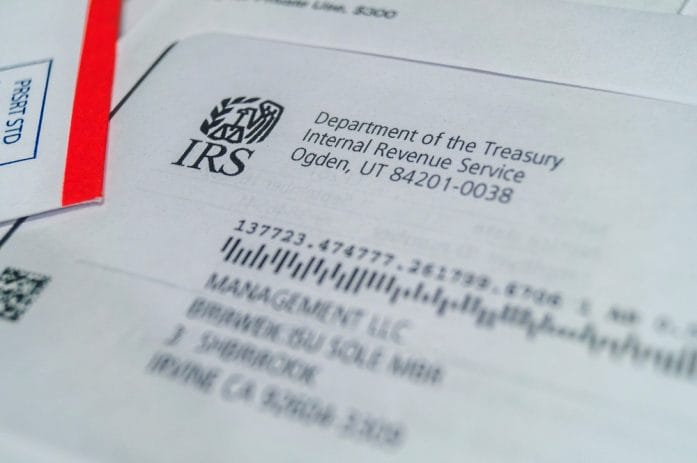
Many delays begin when taxpayers skip or overlook identity confirmation prompts that appear during filing. The IRS often sends verification letters or online notices that require immediate action, but some filers miss them or respond late. When taxpayers fail to confirm identity through the required channels, the IRS pauses the refund until verification completes. This step often involves confirming personal details through an online portal or phone system. The delay continues until the IRS receives and approves the confirmation.

Another common trigger involves mismatched financial information tied to direct deposit accounts. The IRS rejects refunds when bank account names do not match the primary taxpayer listed on the return. Tax software sometimes auto-fills outdated banking details, which creates additional friction during processing. The IRS also flags returns when Social Security numbers do not match official records exactly. These small inconsistencies create a chain reaction that leads to extended refund delays.

How to Fix IRS Verification Issues Before They Stall Your Refund

Taxpayers can reduce delays by reviewing all personal information carefully before submitting a return. This includes checking the spelling of names, ensuring Social Security numbers match official cards, and confirming that filing status reflects current circumstances. Tax software users should also verify that banking details remain accurate and updated. Taking a few extra minutes during filing prevents many of the common triggers that send returns into review. Accuracy at the start protects refund speed later.

When the IRS sends a verification notice, immediate action matters. Taxpayers should respond through the IRS online portal or follow instructions in the mailed letter without delay. Waiting too long extends processing time and may even place the refund on hold for additional verification steps. Keeping IRS communication channels open and checking mail or online accounts regularly helps avoid unnecessary slowdowns. Fast responses often shorten the review period and move refunds back into the processing pipeline.
Refunds Are Being Delayed Over One Missing IRS Verification Step
Many tax refunds are being delayed due to a vital IRS verification step – Shutterstock

What Taxpayers Should Watch for This Filing Season

Taxpayers should stay alert for IRS letters labeled with identity verification requests or return review notices. These letters often include deadlines that directly affect refund timing. Missing a deadline can push a refund into extended review or even require re-filing in some cases. The IRS also updates online account notifications, so checking those accounts regularly helps prevent surprises. Awareness of these signals gives taxpayers more control over the refund process.

Tax software updates also play a major role in preventing errors that trigger verification steps. Many platforms now prompt users to confirm identity details before final submission, and those prompts deserve careful attention. Rushing through filing increases the risk of mismatched data, especially when users rely on pre-filled forms. Reviewing each section line by line helps catch small but costly errors. This simple habit often separates quick refunds from long delays.

What This IRS Step Means for Refund Timing Going Forward

IRS verification checks now shape refund timing more than ever, and that trend continues to grow as fraud prevention systems improve. Taxpayers who treat identity verification as a core part of filing avoid most delays and reduce stress during tax season. Small details like updated addresses, correct banking information, and prompt responses to IRS notices play a major role in keeping refunds on track. The system rewards accuracy and responsiveness, not speed or shortcuts.

What steps do you take to avoid tax refund delays, and have IRS verification issues ever slowed down your return? Share your thoughts in the comments.

You May Also Like…

IRS Won’t Automatically Reissue Paper Checks for Rejected Direct Deposits—You Must Update Bank Info

IRS Will Freeze Your Refund Without Correct Bank Info—And Won’t Send a Paper Check Until You Fix It

South Carolina Newcomers Are Paying Higher Property Taxes Until Homestead Eligibility Kicks In

Property Taxes Are Catching Homeowners Off Guard — Especially After Buying or Renovating

Texas Has No Income Tax — But Property Taxes Can Get Close To 2% in Some Areas

Brandon Marcus
Brandon Marcus

Brandon Marcus is a writer who has been sharing the written word since a very young age. His interests include sports, history, pop culture, and so much more. When he isn’t writing, he spends his time jogging, drinking coffee, or attempting to read a long book he may never complete.

Filed Under: tax tips Tagged With: finance tips, identity verification, IRS, IRS delays, refund processing, tax filing, tax refunds, tax season

Refunds Are Being Frozen Over Missing Bank Details—And Some Filers Won’t Get Paid for Weeks

May 12, 2026 by Brandon Marcus Leave a Comment

Refunds Are Being Frozen Over Missing Bank Details—And Some Filers Won’t Get Paid for Weeks
Tax Returns under a 1040 tax form – Pexels

Tax refund season usually brings a wave of anticipation, but this year, a growing number of payments are stalling before they ever hit bank accounts. Financial institutions and federal processors are flagging missing or mismatched banking details, which immediately triggers an automatic hold on refunds. That hold does not disappear quickly, and it often locks funds for days or even weeks while systems verify account ownership. Many taxpayers assume everything looks fine on their end, only to discover a silent error has paused their money. This slowdown creates frustration at a time when households rely heavily on refund cash for bills, rent, and debt payments.

The issue does not come from one single system failure, but from strict verification rules tied to fraud prevention. Refund processors now prioritize accuracy over speed, which means even a small typo in routing or account numbers can freeze a payout instantly. Banks also reject deposits when names do not perfectly match account records, adding another layer of delay. Once a refund gets flagged, the IRS or payer typically switches the method to a paper check, which extends the wait even further. The result turns a simple tax refund into a waiting game that can stretch far beyond expected timelines.

Why Missing Bank Details Shut Down Refund Processing Instantly

Refund systems rely on automated banking networks that require exact data to move money safely and quickly. When account details fail verification, the system halts the transaction immediately to prevent funds from landing in the wrong place. That safeguard protects consumers from fraud, but it also punishes simple mistakes like transposed numbers or outdated accounts. Many filers do not realize how sensitive these systems have become until their refund disappears into processing limbo. Even minor inconsistencies can trigger full payment reversals without warning.

Banks also play a significant role in the delay chain because they reject deposits that fail identity matching checks. Some financial institutions enforce stricter standards than others, especially when accounts have recently changed ownership or remain inactive. When a deposit bounces back, the refund does not simply retry—it often resets the entire issuance process. That reset forces government or payroll systems to reissue funds through slower channels, usually paper checks. The combination of automation and strict compliance rules creates a system where small errors cause outsized delays.

Who Feels the Pinch When Refunds Get Frozen

Taxpayers expecting IRS refunds feel the impact most directly, especially those relying on direct deposit timelines to manage monthly expenses. Families waiting on earned income credits or child tax credits face some of the longest processing interruptions when banking details fail verification. Gig workers and freelancers also encounter delays when refund systems struggle to match irregular income profiles with outdated banking records. In many cases, people only learn about the issue after checking refund trackers that show vague “processing” or “pending verification” statuses.

Employers and payroll providers also see ripple effects when tax-related banking errors overlap with benefit adjustments or corrections. Stimulus-related payments and state tax refunds can experience similar holds when systems detect inconsistencies across federal and state databases. Financial stress increases quickly when expected money fails to arrive on schedule, especially for households living close to their monthly budget limits. Many consumers then turn to banks for clarification, only to find that the delay originated outside the banking system entirely. That disconnect often adds confusion on top of already frustrating wait times.

How Long Refund Holds Last and Why Timelines Stretch Without Warning

Refund delays tied to banking errors rarely resolve within a few days, even when corrections happen quickly. Processing systems often require full re-verification before releasing funds, which can take one to three weeks depending on the agency involved. Paper checks extend that timeline further because mail delivery adds additional processing and transit days. During peak tax season, backlogs push timelines even longer, especially when multiple verification failures occur across large batches of returns. That unpredictability leaves many taxpayers guessing when money will actually arrive.

Government agencies do not always provide precise timelines for corrected refunds, which adds another layer of uncertainty. Once a refund enters manual review, automated tracking systems lose visibility, and updates slow down significantly. Banks also cannot speed up the process because they only respond after funds clear the issuing authority. That gap between systems creates a delay window where no party fully controls the outcome. As a result, taxpayers often face extended waits without clear communication about progress.

Refunds Are Being Frozen Over Missing Bank Details—And Some Filers Won’t Get Paid for Weeks
Someone filling out their tax returns – Pexels

How to Avoid Refund Freezes and Speed Up Payment Delivery

Careful review of banking details before filing prevents most refund holds from happening in the first place. Taxpayers who double-check routing numbers, account numbers, and account ownership details reduce the risk of automatic rejection. Filing systems also allow updates before submission, which gives users a chance to correct small errors that could trigger major delays later. Many professionals recommend avoiding last-minute changes to bank accounts during tax season to reduce mismatches. That small step often prevents weeks of waiting.

Taxpayers also benefit from monitoring refund status tools regularly to catch issues early. When systems flag a problem, quick response times help switch delivery methods before delays grow longer. Choosing a stable and active bank account instead of recently opened or frequently changed accounts also improves verification success rates. Some filers even opt for split deposits only when they fully confirm all account details across institutions. These precautions may feel simple, but they often determine whether refunds arrive in days or disappear into processing limbo.

The Cost of Small Banking Errors in Refund Processing

Refund freezes tied to missing bank details highlight how tightly modern payment systems depend on perfect data accuracy. One incorrect digit can push a refund from a fast direct deposit into a slow paper check cycle that stretches for weeks. That delay affects household budgets, bill payments, and financial planning in ways that feel much larger than the original mistake. Financial systems continue tightening verification rules to reduce fraud, but those safeguards also increase the consequences of human error. Awareness and careful filing remain the strongest defenses against unexpected refund delays.

What steps should taxpayers take to avoid refund delays, and have banking errors ever slowed down an important payment for months instead of weeks?

You May Also Like…

The Next Government Shutdown Threat Could Delay Refunds Again

6 Mistakes People Make When Appealing an IRS Identity Check

7 New IRS Changes That Could Delay Your 2026 Tax Refund

Colorado TABOR Refunds Are Reduced When Residents Owe State Debts

Why Do Families Rely Too Much on Tax Refunds

Brandon Marcus
Brandon Marcus

Brandon Marcus is a writer who has been sharing the written word since a very young age. His interests include sports, history, pop culture, and so much more. When he isn’t writing, he spends his time jogging, drinking coffee, or attempting to read a long book he may never complete.
Filed Under: tax tips Tagged With: ACH payments, banking errors, direct deposit issues, frozen refunds, IRS delays, missing bank details, Personal Finance, refund processing, refund status, stimulus delays, tax refunds, tax season problems

Waiting on a Refund? New IRS Identity Flags Are Pulling More Returns

May 10, 2026 by Brandon Marcus Leave a Comment

Waiting on a Refund? New IRS Identity Flags Are Pulling More Returns
Front door to an IRS office – Shutterstock

Tax season already comes with enough stress to power an entire coffee industry, but this year many taxpayers hit an extra speed bump after filing their returns. Refunds that normally show up within a couple of weeks suddenly stalled out, and confusion spread fast when IRS notices started landing in mailboxes. Some people discovered the agency flagged their returns for identity verification, while others watched their refund status sit frozen with little explanation.

The delays left plenty of households frustrated, especially families counting on refunds to cover bills, pay down debt, or finally tackle that home repair hanging over their heads since last summer. The IRS says the tougher screening process helps stop tax fraud, but for honest taxpayers the experience often feels like getting stuck in airport security because someone else tried to sneak something suspicious onto the plane.

Why the IRS Suddenly Tightened Identity Checks

Tax scams exploded over the last several years, and criminals keep getting smarter about stealing personal information. Fraudsters use stolen Social Security numbers, fake W-2 forms, and even artificial intelligence-generated documents to file bogus returns before real taxpayers submit theirs. The IRS responded by adding stronger identity filters that automatically flag returns showing unusual activity or inconsistencies. A return might trigger extra review because it came from a new bank account, included a different address, or showed income patterns that sharply changed from previous years. Those filters catch millions of fraudulent attempts annually, but they also snag legitimate taxpayers who simply changed jobs, moved, or updated financial information.

The crackdown intensified after the IRS reported billions of dollars in attempted refund fraud in recent filing seasons. Identity thieves target refunds because direct deposits move fast, and stolen money often disappears before authorities can react. IRS systems now compare current filings against historical tax records, employer data, and fraud risk models in real time. That means even small discrepancies can send a return into manual review territory. While the agency insists the additional checks protect taxpayers overall, the growing number of flagged returns created a frustrating bottleneck during peak filing months.

The Most Common Reasons Refunds Get Flagged

One of the biggest triggers involves mismatched personal information. A typo in a Social Security number, a name that does not exactly match Social Security Administration records, or a birthdate entered incorrectly can stop processing cold. Taxpayers who recently married, divorced, or legally changed their names often encounter this issue because databases do not always update instantly. Even something as simple as switching from direct deposit to a paper check may raise a temporary red flag if the IRS notices a sudden pattern change. The system looks for anything that appears unusual compared to previous returns.

Gig workers and side hustlers also land under extra scrutiny more often now. Freelance income, online selling, and app-based work create complicated reporting situations because third-party forms sometimes arrive late or contain errors. The IRS increasingly cross-checks reported income against 1099 forms and employer submissions before releasing refunds. If information does not line up perfectly, the agency may pause the refund until someone verifies the details manually. Taxpayers claiming certain credits, including the Earned Income Tax Credit or Additional Child Tax Credit, may also face additional review because those programs historically attract fraud attempts.

What Happens After the IRS Flags a Return

Most taxpayers first notice trouble when the “Where’s My Refund?” tracker stops updating normally. Instead of showing a refund approval date, the tool may display a message saying the return requires further review. Shortly afterward, the IRS often sends a letter requesting identity verification through the agency’s online system or over the phone. Some taxpayers must confirm prior-year filing details, while others need photo identification and financial account information ready before proceeding. The process sounds simple on paper, but delays often pile up because millions of people receive similar notices during busy filing periods.

The timeline varies wildly depending on the issue involved. Some taxpayers complete verification and receive refunds within a couple of weeks, while others wait several months for processing to finish. IRS staffing shortages and outdated technology still create major slowdowns despite modernization efforts. Phone lines regularly back up during tax season, and many taxpayers struggle to reach a live representative for clarification. That communication gap fuels anxiety because people often worry the delay signals an audit or larger financial problem when the issue simply involves identity confirmation.

Waiting on a Refund? New IRS Identity Flags Are Pulling More Returns
The IRS website on a smartphone – Shutterstock

How Taxpayers Can Avoid Refund Delays

Accuracy matters more than ever when filing a return this year. Double-checking Social Security numbers, banking information, and employer data before hitting submit can dramatically reduce the chances of triggering a review. Filing electronically instead of mailing paper returns also helps because digital systems catch certain errors immediately. Tax professionals recommend gathering all tax forms before filing rather than rushing to submit early with incomplete information. An amended return often creates far bigger headaches than waiting an extra week for missing paperwork.

Taxpayers can also strengthen account security to reduce fraud risks tied to identity theft. Creating an IRS online account allows users to monitor filings and notices more closely throughout the year. The IRS Identity Protection PIN program adds another layer of security by requiring a unique six-digit code before a return can process. Criminals cannot easily file fake returns without that PIN, even if they steal someone’s Social Security number. Experts also encourage people to freeze credit reports and watch financial accounts carefully because tax fraud frequently overlaps with broader identity theft activity.

What’s Behind Longer Refund Waits?

The growing number of identity checks reflects a larger shift in how tax enforcement works in the digital age. Financial systems move faster than ever, but criminals exploit that speed just as aggressively as legitimate consumers do. The IRS faces enormous pressure to release refunds quickly while also stopping fraudulent claims before money disappears permanently. That balancing act creates tension because taxpayers understandably expect timely refunds after filing correctly. Nobody enjoys waiting weeks longer for money that already belongs to them.

What has your experience with IRS refund delays been this year, and do tougher identity checks feel worth the extra wait? Please give your advice and guidance below in our comments.

You May Also Like…

Tennessee Residents Still Pay Federal Taxes on Investment Income Despite State Changes

Why Wills Need Updating Before the 2026 Tax Sunset

Selling a Long-Term Home Can Lead to Capital Gains Taxes—Even for Retirees

Texas Has No Income Tax — But Property Taxes Can Get Close To 2% in Some Areas

Missing This IRS Filing Deadline Leads to Automatic Penalties—No Exceptions

Brandon Marcus
Brandon Marcus

Brandon Marcus is a writer who has been sharing the written word since a very young age. His interests include sports, history, pop culture, and so much more. When he isn’t writing, he spends his time jogging, drinking coffee, or attempting to read a long book he may never complete.

Filed Under: tax tips Tagged With: financial news, identity protection, identity theft, IRS, IRS verification, Personal Finance, refund processing, refund status, tax filing tips, tax fraud, tax refunds, tax return delays, taxes 2026

Follow Us

Search this site:

Recent Posts

  • Can My Savings Account Affect My Financial Aid? by Tamila McDonald
  • 12 Ways Gen X’s Views Clash with Millennials… by Tamila McDonald
  • What Advantages and Disadvantages Are There To… by Jacob Sensiba
  • 10 Tactics for Building an Emergency Fund from Scratch by Vanessa Bermudez
  • Call 911: Go To the Emergency Room Immediately If… by Stephen Kanaval
  • 7 Weird Things You Can Sell Online by Tamila McDonald
  • 10 Scary Facts About DriveTime by Tamila McDonald

Copyright © 2026 · News Pro Theme on Genesis Framework