• Home
  • About Us
  • Getting Finances Done
    • Hiring Advisors
    • Debt Management
    • Spending Plan
  • Insurance
    • Life Insurance
    • Health Insurance
    • Disability Insurance
    • Homeowners/Renters Insurance
  • Contact Us
  • Our Editorial Commitment

The Free Financial Advisor

You are here: Home / Archives for international transfers

5 Financial Transactions That Now Trigger the IRS’s New 1% Remittance Tax

May 15, 2026 by Brandon Marcus Leave a Comment

5 Financial Transactions That Now Trigger the IRS’s New 1% Remittance Tax
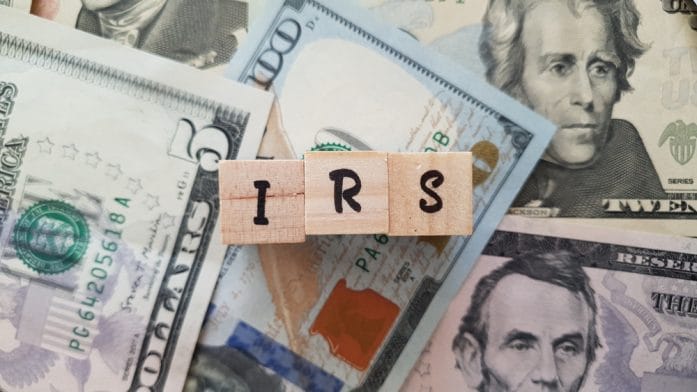
The letters “IRS” on top of a pile of cash – Shutterstock

Sending money overseas suddenly got more expensive, and plenty of Americans have no idea the change even happened. The IRS’s new 1% remittance tax now applies to certain international money transfers, adding another fee to transactions that millions of families already depend on every month. For households sending support to relatives abroad, even a small percentage can snowball into a serious annual expense.

The tax especially affects cash-based transfers, prepaid cards, money orders, and other financial tools commonly used outside traditional banking systems. Before sending another dollar overseas, Americans need to know exactly which transactions now trigger the extra charge and why the costs may climb faster than expected.

1. Cash Transfers Sent Through Money Transfer Services

Americans who regularly send money overseas through services like Western Union or MoneyGram now face a new financial wrinkle that could quietly chip away at every transaction. The IRS’s new 1% remittance tax targets certain international cash transfers, especially those funded through cash, money orders, or similar payment methods. That means a $1,000 transfer could suddenly cost an extra $10 before regular service fees even enter the picture. While that amount may sound small at first glance, families who send money monthly could lose hundreds of dollars every year. Financial experts already warn that frequent remittance users may need to rethink how they move money internationally.

The tax mainly affects people who use traditional walk-in transfer locations rather than digital banking tools tied directly to verified accounts. A worker sending emergency money to relatives abroad after a hurricane or medical crisis may suddenly face extra costs during an already stressful moment. Critics argue the rule unfairly hits lower-income households that rely heavily on cash-based financial services. Banks and fintech companies have started promoting account-to-account transfers as a way to legally avoid the added charge. Americans who still prefer cash transactions should carefully check receipts because the tax may appear as a separate line item rather than getting bundled into regular fees.

2. International Transfers Funded With Money Orders

Money orders once carried a reputation as one of the safest low-tech ways to send funds overseas, especially for people without traditional bank accounts. Now they sit directly in the IRS spotlight because the new remittance tax applies to many transfers funded this way. A customer purchasing a $500 money order to send abroad could face both the money order fee and the additional 1% tax. That combination can make older payment methods far more expensive than many consumers expect. Some neighborhood financial centers have already posted warning signs explaining the added charges to confused customers.

The rule especially affects older Americans and immigrant households that still trust paper-based payment methods over mobile apps or online banking platforms. Many people grew comfortable using money orders after years of avoiding fraud risks tied to digital systems. Unfortunately, the IRS rule does not care whether the sender chooses paper for security, convenience, or habit. Financial advisors now encourage consumers to compare costs between money orders and direct bank transfers before sending large sums abroad. Even a few percentage points in savings can matter when someone regularly supports family members in another country.

3. Certain Prepaid Debit Card Transfers

Prepaid debit cards exploded in popularity over the last decade because they offered flexibility without requiring a traditional checking account. Millions of Americans use reloadable cards to pay bills, shop online, and send money internationally. Under the new IRS remittance tax framework, some international transfers funded through prepaid cards now trigger the extra 1% charge. The key factor usually depends on how the card gets funded and whether the transaction qualifies as a remittance under federal guidelines. Consumers who assumed prepaid cards offered a loophole may discover an unpleasant surprise at checkout.

This change creates particular headaches for gig workers and younger consumers who use prepaid cards as their primary financial tool. Someone driving for delivery apps or working freelance jobs may keep most earnings on a reloadable debit card instead of a bank account. Sending money overseas from that card could now cost more than expected, especially when paired with existing transfer fees and exchange-rate markups. Financial analysts expect more people to migrate toward digital bank accounts that connect directly to ACH systems. The IRS has not hidden the fact that it wants greater transaction visibility, and prepaid products often operate in murkier territory than traditional banking services.

4. Cross-Border Cash Payments Made Through Retail Kiosks

Retail payment kiosks inside grocery stores, convenience shops, and check-cashing centers became wildly popular because they offered quick international transfers without much paperwork. Customers could walk in with cash, complete a short form, and send money abroad within minutes. The new IRS remittance tax now applies to many of those cash-funded kiosk transactions. A customer sending $2,000 through one of these services may now pay an extra $20 on top of standard transfer costs. That sudden increase has already sparked frustration in communities where kiosk services dominate the local financial landscape.

These kiosks often serve workers who do not maintain traditional bank accounts or who need immediate transfer options outside normal banking hours. Construction workers, restaurant employees, and seasonal laborers frequently rely on late-night cash transfers to support relatives overseas. The IRS argues the tax creates greater consistency across remittance channels while helping fund federal programs. Critics counter that the policy effectively punishes working-class households that lack easy access to cheaper digital alternatives. Consumers should now compare several transfer methods before sending large amounts because the cost difference between providers can vary dramatically.

5 Financial Transactions That Now Trigger the IRS’s New 1% Remittance Tax
A digital money transfer – Shutterstock

5. Some Cryptocurrency-to-Cash International Transfers

Cryptocurrency enthusiasts once believed digital assets would completely bypass old-school banking regulations and government oversight. That belief now looks shakier as the IRS tightens rules surrounding international money movement. Certain crypto-to-cash transfers that convert digital currency into cash for recipients abroad may trigger the new 1% remittance tax. The exact rules depend on how the transaction gets processed and whether regulated intermediaries participate in the transfer. Crypto investors who assumed blockchain technology automatically shielded them from remittance-related fees may need a serious reality check.

This area remains especially confusing because cryptocurrency regulations continue evolving at breakneck speed across the United States. One transfer platform may classify a transaction differently than another, creating inconsistent costs for consumers. Financial compliance experts strongly recommend reviewing exchange policies before sending large crypto-funded transfers overseas. A person converting Bitcoin into cash for a relative abroad could face taxes, exchange fees, and volatility losses all at once. The IRS clearly wants digital assets to operate inside the same regulatory framework as traditional financial systems, and this remittance tax signals that tighter oversight has already arrived.

The Bigger Money Lesson Hiding Behind This Tax

The new IRS remittance tax may only add 1% to certain transactions, but its ripple effects could hit millions of Americans who regularly send money overseas. Families already juggling inflation, rising rent, and higher grocery bills now face another layer of financial pressure every time they move money internationally. The smartest consumers will compare transfer methods carefully, read fee disclosures closely, and explore lower-cost digital banking options before making future transfers. Small percentage-based fees often feel harmless until they pile up month after month across an entire year. In personal finance, tiny leaks can sink a budget faster than most people realize.

Which of these new remittance tax rules surprised you the most, and do you think the government should tax international money transfers at all?

You May Also Like…

Tennessee Residents Still Pay Federal Taxes on Investment Income Despite State Changes

Wyoming Property Tax Relief Deadline: Missing the May Filing Window Can Cost Homeowners Thousands

5 Reasons Your 401(k) Could Trigger a Tax Surprise Next Year

7 Inheritance Protection Moves: How Families Shield Assets From Creditors Under 2026 Rules

Rebuilding Credit and Confidence: Financial Recovery Tips for Post-Divorce Life

Brandon Marcus
Brandon Marcus

Brandon Marcus is a writer who has been sharing the written word since a very young age. His interests include sports, history, pop culture, and so much more. When he isn’t writing, he spends his time jogging, drinking coffee, or attempting to read a long book he may never complete.


Filed Under: tax tips Tagged With: banking, financial transactions, international transfers, IRS, money transfers, Newsbreak, Personal Finance, remittance payments, remittance tax, saving advice, tax law, taxes

The New Remittance Transfer Tax Begins January 1—Here’s How It Works

May 13, 2026 by Brandon Marcus Leave a Comment

The New Remittance Transfer Tax Begins January 1—Here’s How It Works
A money transfer on a smartphone, surrounded by cash – Pexels

Money moves fast these days. A few taps on a phone can send cash across borders in seconds, whether someone helps family overseas, pays international workers, or covers expenses abroad. Starting January 1, though, those transfers could come with a brand-new cost that many Americans never saw coming.

The new remittance transfer tax has sparked major conversation among financial experts, immigrant communities, banks, and everyday consumers who regularly send money internationally. Some people worry about higher fees eating into already-tight budgets, while others question how companies will track and collect the tax in real time. One thing already feels clear: millions of Americans who use money transfer apps, banks, and wire services need to know how this rule works before it officially kicks in.

What the New Remittance Transfer Tax Actually Does

The remittance transfer tax adds an extra charge to certain international money transfers sent from the United States beginning January 1. Lawmakers designed the tax to apply to cross-border remittance payments, which typically include wire transfers, app-based transfers, and some cash-to-cash services. Financial institutions and transfer companies will generally collect the tax during the transaction process instead of forcing taxpayers to handle it later during tax season. That means consumers may notice the added cost immediately when they hit the “send” button. The biggest impact will likely fall on households that send money abroad regularly to support relatives, pay tuition, or cover medical expenses.

Many Americans already pay transfer fees that range from a few dollars to much higher percentages depending on the service provider. The new tax stacks on top of those existing costs, which could make small transfers much more expensive than they appear at first glance. For example, someone sending $300 each month to family members overseas could suddenly face noticeably larger transaction totals throughout the year. Financial analysts expect some consumers to shop aggressively for cheaper transfer platforms once the rule begins. Banks and fintech companies also may roll out promotions or pricing changes as competition heats up.

Who Will Likely Pay the Most

Families who send money internationally every month may feel the biggest financial squeeze under the new system. Many workers in the United States routinely send portions of their income abroad to help parents, children, or relatives pay rent, buy groceries, or afford healthcare. Even a relatively small tax can pile up quickly when transfers happen every week or every month. Households already balancing inflation, housing costs, and rising utility bills could feel especially frustrated by the added expense. Some advocacy groups already warn that the tax may reduce the amount of money families receive overseas.

Small business owners could also run into complications if they rely on frequent international payments. Companies that pay contractors abroad or handle overseas supply costs may suddenly need to account for extra transaction expenses throughout the year. A business sending multiple international transfers each week could see operating costs rise fast, especially in industries with tight profit margins. Financial planners recommend reviewing payment structures now instead of waiting until January arrives. Businesses that prepare early may avoid nasty budgeting surprises during the first quarter of the year.

Banks and Payment Apps Face Big Changes Too

The companies handling international transfers will carry major responsibility once the new tax takes effect. Banks, wire services, and digital payment apps must build systems that calculate, collect, track, and report the tax accurately during each eligible transaction. That process sounds simple on paper, but technology experts say implementation could become messy during the first few months. Some smaller financial platforms may struggle to update systems quickly enough before the deadline arrives. Consumers may also notice delays, policy changes, or updated user agreements as companies adjust.

Major transfer services already compete fiercely on convenience, speed, and low fees. The new tax could intensify that battle because customers will likely compare total transfer costs more carefully than ever before. A difference of only a few dollars per transaction suddenly matters much more when taxes enter the picture. Some companies may absorb small portions of the cost temporarily to attract new users, while others may pass every penny directly onto consumers. Industry watchers expect a flood of marketing campaigns promising “lower-cost international transfers” once January hits.

The New Remittance Transfer Tax Begins January 1—Here’s How It Works
Someone initiating a money transfer online – Shutterstock

Could People Try to Avoid the Tax?

Whenever new taxes appear, people immediately start looking for loopholes. Financial experts expect some consumers to explore unofficial transfer methods, including peer-to-peer cash exchanges or cryptocurrency alternatives. That trend worries regulators because informal money movement systems can create fraud risks and reduce financial transparency. Consumers who attempt workarounds could expose themselves to scams, lost funds, or legal trouble if transactions violate financial reporting laws. Saving a few dollars rarely feels worth the headache of disappearing money or frozen accounts.

Cryptocurrency discussions have exploded alongside news of the remittance tax. Some digital currency advocates argue that blockchain-based transfers may provide faster and cheaper international payments outside traditional banking systems. Critics, however, point to crypto volatility, security risks, and inconsistent regulations that still make many consumers nervous. Sending money through unstable digital assets can become risky if values swing dramatically overnight. Most financial advisors still encourage consumers to prioritize secure, regulated transfer methods instead of chasing questionable shortcuts.

What Americans Should Do Before January 1

Consumers who regularly send money abroad should start reviewing transfer habits now instead of waiting for the deadline to arrive. Looking at monthly transfer totals can help households estimate how much additional cost the tax may create over a full year. Comparing banks, transfer apps, and wire services may also reveal cheaper options before pricing changes spread across the industry. Even small differences in fees can add up significantly after twelve months of repeated transactions. Preparation now could prevent financial stress later.

Financial experts also encourage consumers to watch for scams tied to the new tax rollout. Fraudsters often exploit confusion surrounding new laws, taxes, and government policies by creating fake payment requests or phishing schemes. Nobody should trust text messages, emails, or social media posts demanding immediate “tax verification” payments related to remittance transfers. Legitimate banks and transfer companies communicate policy updates directly through official channels and account notices. A little skepticism can save consumers from major financial damage.

The Bigger Money Story Behind the Tax

The remittance transfer tax represents more than just another banking fee because it highlights how deeply connected global money movement has become. Millions of households rely on international transfers as part of everyday life, not luxury spending. A policy change in Washington can instantly affect grocery budgets, school tuition payments, and family support systems thousands of miles away. That reality explains why the tax already generates heated debate across financial, political, and community circles. January 1 may arrive quickly, but the conversation surrounding this policy probably will not disappear anytime soon.

What do you think about the new remittance transfer tax: is it fair policy or another financial burden for working families? Let’s hear your opinions below in our comments.

You May Also Like…

Pennsylvania’s Inheritance Tax Applies to Most Estate Transfers

Banks Are Moving Toward All-Digital Payments—What That Means for Your Money

High-Tax States vs Low-Tax States — Where Retirees Keep More Money

The 2027 COLA May Radically Change American Households

8 Financial Mistakes That Quietly Cost Americans Thousands Every Year

Brandon Marcus
Brandon Marcus

Brandon Marcus is a writer who has been sharing the written word since a very young age. His interests include sports, history, pop culture, and so much more. When he isn’t writing, he spends his time jogging, drinking coffee, or attempting to read a long book he may never complete.

Filed Under: Finance Tagged With: America, banking, finance tips, financial news, international transfers, IRS, money transfers, Personal Finance, remittance rules, remittance tax, tax changes, taxes 2026, wire transfers

7 Long-Range Transfer Steps That Can Be Reversed by Banks

August 22, 2025 by Travis Campbell Leave a Comment

money
Image source: pexels.com

Long-range transfer steps can be complex, especially when you need to move money across accounts or banks. Sometimes, mistakes happen—maybe you sent funds to the wrong account, or the transaction details were incorrect. Knowing which long-range transfer steps can be reversed by banks is crucial for protecting your finances and reducing stress. While not every transfer can be undone, banks do have protocols for certain situations. Understanding these can help you act quickly and confidently if a transfer goes awry. Whether you’re a business owner or managing family finances, knowing your options can make a real difference.

1. ACH Transfers with Errors

Automated Clearing House (ACH) transfers are commonly used for payroll, bill payments, and moving funds between banks. If an ACH transfer is made in error—say, the wrong amount or account number—banks can reverse the transaction under specific conditions. The reversal must usually happen within five business days, and you’ll need to notify the bank as soon as possible. This is one of the most common types of long-range transfer steps that banks can reverse, provided you act quickly and provide accurate details about the mistake.

2. Duplicate Wire Transfers

Wire transfers are often considered final, but there are exceptions. If a bank processes a wire transfer twice by mistake, the duplicate transaction may be reversed. Both sending and receiving banks will work together to correct the error. However, intentional transfers are much harder to recover, so it’s important to report any duplicate activity immediately. This type of long-range transfer step that banks can reverse typically involves strict documentation and swift action.

3. Fraudulent or Unauthorized Transfers

If your bank account is compromised and an unauthorized long-range transfer occurs, banks have protocols to reverse the transaction. This usually requires you to file a fraud claim and provide supporting evidence. Banks take fraud seriously and will often work with other institutions to retrieve your funds. The timeline for reversal can vary, but prompt reporting increases your chances of recovery. While this process can be stressful, banks are legally required to investigate and, in many cases, restore lost funds.

4. Incorrect Recipient Information

Entering the wrong recipient information during a long-range transfer can lead to panic. Fortunately, if you catch the mistake quickly, banks may be able to reverse the transaction. The key is speed—once the unintended recipient claims the funds, recovery becomes more difficult. If you realize the error, contact your bank immediately and provide all relevant details. Banks may place a hold or initiate a recall request to recover the funds, but there’s no guarantee if the recipient refuses to cooperate.

5. Returned Checks via Mobile Deposit

Mobile deposit is convenient, but mistakes happen. If you accidentally deposit the same check in two banks, one of the long-range transfer steps that can be reversed by banks is to return the duplicate. This protects both banks and account holders from unintentional double credits. The reversal process is typically initiated by the bank that receives the duplicate deposit notification. You might see a debit in your account for the reversed amount, but you won’t be penalized if it was a genuine error and you report it promptly.

6. International Transfer Recalls

International transfers are tricky, but banks can reverse some long-range transfers under specific circumstances. If you provide the wrong SWIFT code or beneficiary details, banks may be able to recall the funds—especially if the error is reported before the recipient claims the money. This process isn’t always successful, and fees may apply. Still, it’s worth trying if you realize a mistake has occurred. Timely communication with your bank and the recipient’s bank is essential for the best possible outcome.

7. Bill Payment Errors

Many people set up automatic bill payments through their bank. If you accidentally pay the wrong amount or send money to the wrong company, banks may reverse the transaction if you catch it early. This is one of the long-range transfer steps that can be reversed by banks, particularly when the payment hasn’t cleared yet. Some banks also offer a “stop payment” feature for scheduled transfers, giving you an extra layer of control over your finances. Always double-check payment details before confirming, but know that options exist if something goes wrong.

Taking Control of Your Money Transfers

Understanding which banks can reverse long-range transfer steps puts you in a stronger position to handle mistakes. While banks have systems in place to help recover funds, acting quickly and providing accurate information is critical. Not every transfer can be undone, but knowing your options can prevent panic and save you time and money. If you’re ever unsure, contact your bank’s customer service right away—they’re there to help and can guide you through the process.

Have you ever had to reverse a long-range transfer? What was your experience with your bank? Share your story or ask a question in the comments below!

Read More

7 Bank Terms That Let Institutions Freeze Funds Without Warning

Could a Bank Freeze Your Account Without Telling You?

Travis Campbell
Travis Campbell

Travis Campbell is a digital marketer/developer with over 10 years of experience and a writer for over 6 years. He holds a degree in E-commerce and likes to share life advice he’s learned over the years. Travis loves spending time on the golf course or at the gym when he’s not working.

Filed Under: Banking Tagged With: ACH, bank transfers, bill payment, fraud prevention, international transfers, money management, wire transfers

Follow Us

Search this site:

Recent Posts

  • Can My Savings Account Affect My Financial Aid? by Tamila McDonald
  • 12 Ways Gen X’s Views Clash with Millennials… by Tamila McDonald
  • What Advantages and Disadvantages Are There To… by Jacob Sensiba
  • 10 Tactics for Building an Emergency Fund from Scratch by Vanessa Bermudez
  • Call 911: Go To the Emergency Room Immediately If… by Stephen Kanaval
  • 7 Weird Things You Can Sell Online by Tamila McDonald
  • 10 Scary Facts About DriveTime by Tamila McDonald

Copyright © 2026 · News Pro Theme on Genesis Framework