• Home
  • About Us
  • Getting Finances Done
    • Hiring Advisors
    • Debt Management
    • Spending Plan
  • Insurance
    • Life Insurance
    • Health Insurance
    • Disability Insurance
    • Homeowners/Renters Insurance
  • Contact Us
  • Our Editorial Commitment

The Free Financial Advisor

You are here: Home / Archives for financial news

The Student Loan Servicer Transfer That “Lost” Payments and Triggered Defaults

February 8, 2026 by Brandon Marcus 1 Comment

The Student Loan Servicer Transfer That “Lost” Payments and Triggered Defaults
Image source: shutterstock.com

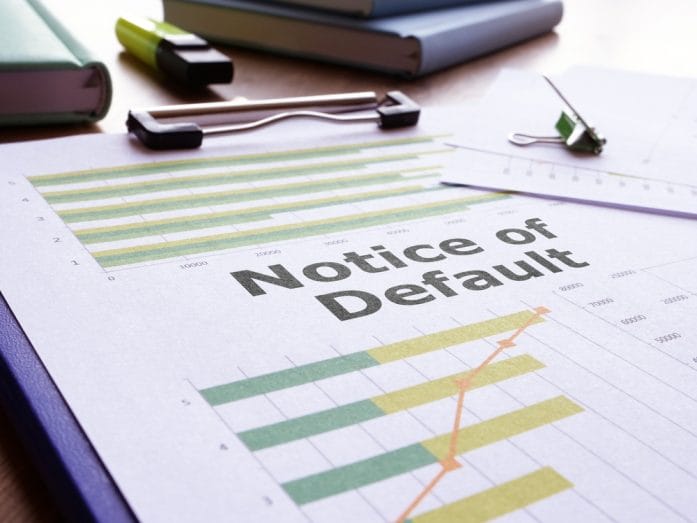
Imagine checking your student loan account one morning and seeing a giant red alert that says “default”—even though you’ve been paying on time for years. You frantically refresh the page, hoping it’s a glitch. But it’s not. And the worst part? The mistake isn’t yours. It’s the result of a messy student loan servicer transfer that scrambled payment histories, delayed processing, and left thousands of borrowers dealing with errors they never caused.

This isn’t a hypothetical horror story. It’s something that has actually happened during real‑world servicer transitions in the federal student loan system. When loans move from one company to another, the process is supposed to be seamless. But sometimes, it’s anything but. Payments get misapplied. Records get delayed. Borrowers get incorrect delinquency notices. And in the most extreme cases, people are marked as in default even though they did everything right.

The Servicer Shuffle: How a Routine Transfer Became a Borrower Meltdown

Loan servicer transfers happen more often than most borrowers realize. The Department of Education periodically shifts accounts between companies for contract changes, performance issues, or system upgrades. In theory, your payment history, enrollment status, and repayment plan should move over cleanly. But during some transitions, borrowers experienced delays in payment posting, missing records, and incorrect delinquency statuses.

When a servicer receives millions of accounts at once, even small data mismatches can snowball. Payments that were made on time at the old servicer sometimes didn’t show up immediately at the new one. Auto‑pay setups didn’t always transfer correctly. Some borrowers logged in to find their balances wrong, their payment counts missing, or their accounts showing months of “missed” payments that never actually happened.

When Payments Go Missing, Borrowers Pay the Price

One of the most alarming issues during problematic transfers was the appearance of “lost” payments. Borrowers would see payments deducted from their bank accounts, but the new servicer wouldn’t show them as received. In some cases, payments were delayed for weeks. In others, they were temporarily missing altogether.

This created a domino effect. A missing payment could trigger a delinquency notice. Multiple missing payments could trigger a default designation. And once a default hits, the consequences escalate quickly: damaged credit, collection fees, wage garnishment, and loss of eligibility for certain repayment plans.

The irony? Borrowers who were doing everything right were suddenly treated as if they had done everything wrong.

The Student Loan Servicer Transfer That “Lost” Payments and Triggered Defaults
Image source: shutterstock.com

Why These Errors Happen—and Why They’re So Hard to Fix

Servicer transfers involve massive amounts of data: payment histories, interest calculations, repayment plan details, income‑driven recertification dates, and more. When millions of accounts move at once, even a small technical issue can create widespread problems.

Once an error appears in a borrower’s account, fixing it isn’t always simple. Servicers must verify records, reconcile data from the previous servicer, and sometimes escalate cases to the Department of Education. Meanwhile, borrowers are left refreshing their accounts daily, hoping to see their status corrected.

What Borrowers Can Do to Protect Themselves During a Servicer Transfer

While you can’t control when your loans get transferred, you can take steps to protect yourself from the fallout.

Start by locating and downloading your complete payment history before the transfer occurs. Save copies of your monthly statements, auto‑pay confirmations, and any correspondence from your servicer. If you’re on an income‑driven plan, keep proof of your recertification dates.

After the transfer, log in to your new account as soon as it’s available. Check your balance, payment history, and repayment plan details. If anything looks off, contact the servicer immediately and keep a written record of the conversation. If you made a payment during the transition window, verify that it posted correctly.

Borrowers Deserve Better Than Administrative Chaos

Servicer transfers are supposed to make the system more efficient, not more stressful. But when errors happen, borrowers are the ones who feel the impact—financially, emotionally, and sometimes for years afterward. The good news is that these issues can be corrected, and regulators have taken steps in recent years to hold servicers accountable for inaccurate reporting and poor transfer practices.

Have you ever dealt with a servicer transfer that caused chaos, or are you bracing for one now? Share any student loan horror stories in the comments section below.

You May Also Like…

Student Loan Interest Resumed August 2025 — Costing SAVE Borrowers $300/Month

7 Million Student Loan Borrowers Must Switch Plans as SAVE Program Ends

Student Loan Default Crisis: Millions Of Borrowers Are Now Delinquent or in Default

Public Service Loan Forgiveness Changes: The July 1, 2026 Rule Affecting Government Workers

Student Loan Wage Garnishment Could Return After 5-Year Pause — 15% of Paychecks at Risk

Brandon Marcus
Brandon Marcus

Brandon Marcus is a writer who has been sharing the written word since a very young age. His interests include sports, history, pop culture, and so much more. When he isn’t writing, he spends his time jogging, drinking coffee, or attempting to read a long book he may never complete.
Filed Under: Lifestyle Tagged With: borrower rights, Consumer Protection, credit reporting, financial news, Higher education, loan defaults, loan servicers, loan transfers, payment errors, repayment issues, student loans

Florida Homeowners Are Seeing Insurance Rates Decreasing In 2026

February 7, 2026 by Brandon Marcus Leave a Comment

Florida Homeowners Are Seeing Insurance Rates Decreasing In 2026
Image source: shutterstock.com

If you’re a Florida homeowner, you’ve probably spent the last few years opening your insurance renewal notices with the same energy you’d reserve for a horror movie. Premium hikes became so routine that many people stopped asking “if” rates would rise and started asking “by how much.”

But as 2026 begins, something genuinely surprising is happening: multiple insurers have filed for rate decreases with the Florida Office of Insurance Regulation (OIR). After years of market instability, litigation costs, and reinsurance spikes, the tide is finally shifting — and homeowners are more than ready for the relief. These filings aren’t rumors or wishful thinking; they’re part of a real, documented trend showing that Florida’s insurance market is stabilizing in ways many thought impossible just a few years ago.

Several Private Insurers Have Filed for Rate Decreases With the Florida OIR

Florida’s OIR has confirmed that multiple private insurers have submitted filings requesting rate decreases for 2026. These filings reflect improved financial performance, better loss ratios, and a more predictable claims environment.

While each company’s filing varies, the overall direction is unmistakable. Insurers are confident enough in the market to reduce rates rather than raise them, something that hasn’t been common in Florida for quite some time. For homeowners, this means 2026 is shaping up to be one of the most promising years in recent memory for potential savings.

Some Insurers Are Lowering Rates in Counties With Improved Loss Histories

Not all rate decreases apply statewide. Several insurers have filed for reductions in counties where claims have been lower or where storm activity has been less severe in recent years. This targeted approach allows insurers to pass savings on to homeowners in areas where risk has genuinely declined. It also reflects a more nuanced understanding of Florida’s diverse risk landscape, where one county may experience repeated storm losses while another remains relatively stable.

If you live in a region that hasn’t seen major storm damage recently, you may be among the homeowners who benefit the most from these filings.

Legislative Reforms Are Finally Producing Measurable Results

Florida’s insurance reforms are beginning to show tangible effects. Insurers have publicly stated that these reforms have reduced legal expenses and improved predictability in the claims process. Lower operating costs mean some companies can now justify rate decreases, something that would have been nearly impossible just a few years ago.

For homeowners, this is proof that policy changes can eventually translate into real‑world financial relief, even if the improvements take time to materialize.

Reinsurance Stabilization Is Helping Insurers Lower Premiums

Reinsurance — the insurance that insurance companies buy — has been one of the biggest drivers of Florida’s premium increases. When reinsurance prices spike, insurers have little choice but to pass those costs on to policyholders. But as the reinsurance market stabilizes and pricing becomes more predictable, insurers are gaining breathing room. Several companies have cited improved reinsurance conditions as a key reason they can file for rate decreases heading into 2026.

This is a promising sign for long‑term market health and a major factor behind the shift toward lower premiums.

Some Insurers Are Offering Decreases for Homes With Strong Mitigation Features

Homes with hurricane‑resistant features are becoming increasingly attractive to insurers. As a result, some companies have filed for rate decreases specifically for homeowners who meet certain mitigation standards. These reductions reward homeowners who invest in strengthening their properties and help reduce overall risk in the market.

If you’ve made improvements to your home, it’s worth checking whether you qualify for additional savings in 2026.

Florida Homeowners Are Seeing Insurance Rates Decreasing In 2026
Image source: shutterstock.com

Competitive Pressure Is Encouraging More Insurers to Adjust Rates

As more insurers file for decreases, others may follow suit to remain competitive. Florida’s insurance market has been gradually attracting new companies and encouraging existing ones to expand their offerings.

When one insurer lowers rates, others often respond to avoid losing customers — especially in regions where homeowners finally have multiple options again. This competitive environment is one of the reasons 2026 is shaping up to be a turning point for Florida homeowners.

Citizens’ Market Changes Are Influencing Private Insurer Pricing

Citizens Property Insurance, the state‑backed insurer, plays a major role in Florida’s insurance landscape. As Citizens adjusts its own rates and continues efforts to shift homeowners back into the private market, private insurers are responding with more competitive pricing.

While Citizens’ rates are regulated differently, its market influence is significant — and its actions often encourage private insurers to adjust their filings accordingly. For homeowners, this means more opportunities to compare quotes and potentially save money.

Florida Homeowners Finally Have a Reason to Feel Hopeful

After years of skyrocketing premiums and shrinking options, Florida’s homeowners insurance market is showing real signs of recovery. Rate decrease filings from multiple insurers — combined with legislative reforms, improved reinsurance conditions, and increased competition — are creating a more stable environment for 2026.

While not every homeowner will see a decrease, the overall trend is undeniably positive. This year, take the time to review your policy, compare quotes, and ask your insurer whether you qualify for any new reductions. Even a small decrease can make a meaningful difference.

Are you a Florida homeowner? Has your insurer mentioned any rate changes for 2026? Give us your stories in the comments section.

You May Also Like…

The Roof Age That Automatically Disqualifies Florida Homes From Coverage

Florida Homeowners See First Rate Decrease in 10 Years — Citizens Property Insurance Dropping Premiums 2.6%

6 States Where Homeownership Is Getting More Expensive in 2026 — Here’s Why

The Credit Score That Adds $2,000/Year to Florida Homeowner’s Insurance Premiums

The Sunshine State Squeeze: Why Florida Retirees are Seeing Smaller Social Security Checks This Week


Brandon Marcus
Brandon Marcus

Brandon Marcus is a writer who has been sharing the written word since a very young age. His interests include sports, history, pop culture, and so much more. When he isn’t writing, he spends his time jogging, drinking coffee, or attempting to read a long book he may never complete.

Filed Under: Insurance Tagged With: 2026 trends, Citizens Property Insurance, Consumer Protection, financial news, Florida homeowners, Florida insurance, homeowners insurance, insurance rates, insurance reforms, property insurance, State Farm

  • « Previous Page
  • 1
  • 2

Follow Us

Search this site:

Recent Posts

  • Can My Savings Account Affect My Financial Aid? by Tamila McDonald
  • 12 Ways Gen X’s Views Clash with Millennials… by Tamila McDonald
  • What Advantages and Disadvantages Are There To… by Jacob Sensiba
  • Call 911: Go To the Emergency Room Immediately If… by Stephen Kanaval
  • 7 Weird Things You Can Sell Online by Tamila McDonald
  • 10 Scary Facts About DriveTime by Tamila McDonald
  • How to Avoid NJ Exit Tax by Jacob Sensiba

Copyright © 2026 · News Pro Theme on Genesis Framework