• Home
  • About Us
  • Toolkit
  • Getting Finances Done
    • Hiring Advisors
    • Debt Management
    • Spending Plan
  • Insurance
    • Life Insurance
    • Health Insurance
    • Disability Insurance
    • Homeowners/Renters Insurance
  • Contact Us
  • Privacy Policy
  • Risk Tolerance Quiz

The Free Financial Advisor

You are here: Home / Archives for financial literacy

Americans Carry $1.23 Trillion in Credit Card Debt as 2026 Begins

February 7, 2026 by Brandon Marcus Leave a Comment

Americans Carry $1.23 Trillion in Credit Card Debt as 2026 Begins

Image source: shutterstock.com

Welcome to the new year—it already has a price tag.

Unfortunately, the start of the year comes with some bad news. As 2026 kicks off, Americans are carrying a staggering $1.23 trillion in credit card debt, according to widely reported Federal Reserve data. It’s a record that feels less like a milestone and more like a collective stress headache. Many households entered the new year juggling holiday spending, higher everyday costs, and interest rates that make even small balances feel like they’re growing on their own.

If you’ve been feeling the financial squeeze, you’re far from alone—and understanding what’s driving this surge can help you navigate the months ahead with a little more clarity and a lot less panic.

Why Credit Card Balances Have Climbed So High—And Why It Matters

Credit card debt didn’t balloon overnight. Rising prices over the past few years have pushed many families to rely on credit just to keep up with essentials like groceries, utilities, and transportation. Even as inflation has cooled from its peak, the cost of living remains noticeably higher than it was just a few years ago.

Combine that with interest rates that have hovered at elevated levels, and suddenly carrying a balance becomes far more expensive. Many Americans are finding that even when they make consistent payments, their balances barely budge because interest is eating up so much of their monthly contribution. This creates a cycle that’s difficult to break, especially for households already stretched thin.

High Interest Rates Are Turning Small Balances Into Long-Term Burdens

One of the biggest contributors to the debt surge is the cost of borrowing itself. Credit card interest rates have remained high, with many cards charging APRs above 20 percent. That means even a modest balance can snowball quickly if it isn’t paid off in full. For example, carrying a $1,000 balance at a 22 percent APR and making only minimum payments can stretch repayment into years.

Many consumers don’t realize how much interest they’re paying until they look closely at their statements. If you’re feeling stuck, consider strategies like transferring a balance to a lower‑interest card, paying more than the minimum whenever possible, or targeting the highest‑interest card first to reduce long‑term costs.

Everyday Expenses Are Quietly Fueling the Debt Surge

While holiday spending often gets blamed for rising credit card balances, the truth is that everyday expenses are the real culprit for many families. Groceries, rent, insurance premiums, and medical costs have all increased in recent years, and wages haven’t always kept pace. When budgets are tight, credit cards become a safety valve—something to lean on when the checking account runs dry before the next paycheck arrives.

The problem is that using credit for essentials makes it harder to pay down balances later, especially when those essentials never stop coming. One helpful approach is reviewing your monthly expenses and identifying areas where small adjustments could free up cash for debt repayment. Even minor changes can add up over time.

Americans Carry $1.23 Trillion in Credit Card Debt as 2026 Begins

Image source: shutterstock.com

Buy Now, Pay Later Isn’t Replacing Credit Cards—It’s Adding to the Pile

Buy Now, Pay Later (BNPL) services have exploded in popularity, offering shoppers the ability to split purchases into smaller payments. While these services can be useful when used responsibly, they can also create a false sense of affordability. Many consumers end up juggling multiple BNPL plans alongside their credit card bills, which can make budgeting more complicated.

Unlike credit cards, BNPL plans don’t always show up on statements in a way that’s easy to track, leading some people to underestimate how much they owe. If you use BNPL, consider keeping a simple list of active plans and their due dates. It’s a small step that can prevent accidental overspending.

Rising Debt Doesn’t Mean Americans Are Irresponsible—It Means They’re Stretched

It’s easy to assume that rising credit card debt is the result of overspending, but the reality is far more nuanced. Many households are using credit cards to bridge gaps created by higher costs, unexpected expenses, or irregular income. Others are dealing with medical bills, car repairs, or childcare costs that simply don’t fit into their monthly budgets.

The narrative that Americans are “bad with money” doesn’t reflect the lived experience of millions of people who are doing their best in a challenging economic environment. Recognizing this can help reduce the shame that often accompanies debt—and make it easier to take practical steps toward improvement.

What Americans Can Do to Protect Their Finances in 2026

While the national debt total may feel overwhelming, there are actionable steps individuals can take to regain control. Start by reviewing your interest rates and prioritizing the highest ones first. Even small extra payments can reduce long‑term costs significantly.

Consider calling your credit card issuer to request a lower APR—many people are surprised to learn that this sometimes works. Building a small emergency fund, even just a few hundred dollars, can help prevent future reliance on credit when unexpected expenses pop up. And if your debt feels unmanageable, nonprofit credit counseling agencies can help you explore options without judgment or pressure.

Debt Is High, But Knowledge Is Rising

The $1.23 trillion figure is undeniably daunting, but it’s also a reminder of how important financial awareness is in times like these. Understanding how interest works, recognizing spending patterns, and making small but consistent changes can help you stay grounded even when the economic landscape feels uncertain.

You don’t need to overhaul your entire financial life overnight—just taking one step at a time can make a meaningful difference. And as 2026 unfolds, staying informed and proactive will be one of the most powerful tools you have.

Have rising costs or interest rates changed the way you use your credit cards? Give us your financial tips in the comments section so you can help others.

You May Also Like…

The 48-Hour Debt Collection Rule: How New Laws Let Lenders Freeze Accounts Faster in 2026

Retail Store Credit Cards Now Charging 30% APR on Average

7 Ways Credit Card Debt Builds Faster Than Expected

6 Warning Signs That Your Credit Card Is A Problem

Holiday Debt: 9 Warning Signs Your Spending Is Already Off Track

Brandon Marcus
Brandon Marcus

Brandon Marcus is a writer who has been sharing the written word since a very young age. His interests include sports, history, pop culture, and so much more. When he isn’t writing, he spends his time jogging, drinking coffee, or attempting to read a long book he may never complete.


Filed Under: Debt Management Tagged With: 2026 finance trends, Budgeting Tips, consumer spending, Credit card debt, Debt, Debt Management, financial literacy, Inflation, interest rates, money advice, Personal Finance, U.S. economy

7 Money Decisions That Feel Responsible — Until You Do the Math

February 7, 2026 by Brandon Marcus Leave a Comment

These Are 7 Money Decisions That Feel Responsible — Until You Do the Math

Image source: shutterstock.com

There’s nothing quite like the smug satisfaction of making a “responsible” financial decision. You know the feeling—the little internal pat on the back, the mental gold star, the sense that Future You will be eternally grateful.

But some of the choices that feel the most responsible are actually the ones that quietly sabotage your budget. They sound smart, they look smart, and they’re often encouraged by well‑meaning friends or even financial influencers. Yet when you sit down and run the numbers, the math tells a very different story. If you’ve ever wondered why you’re doing “everything right” but still not getting ahead, these seven sneaky decisions might be the reason.

1. Choosing the Lowest Monthly Payment Instead of the Lowest Total Cost

It’s incredibly tempting to choose the smallest monthly payment when financing something big—whether it’s a car, furniture, or even a phone. Smaller payments feel manageable, predictable, and safe, especially when you’re juggling multiple expenses. But stretching a loan over a longer term almost always means paying significantly more in interest, even if the monthly hit feels gentle.

Many people don’t realize how much those extra months or years inflate the total cost until they finally add it up. A better approach is to compare the total repayment amount across different terms and choose the shortest one you can comfortably afford. Your future self will thank you for avoiding years of unnecessary interest.

2. Buying in Bulk Without Checking the Unit Price

Bulk shopping has a reputation for being the ultimate frugal move, and sometimes it truly is. But not every oversized package is a bargain, and many shoppers assume “bigger equals cheaper” without checking the unit price. Retailers know this and occasionally price bulk items higher because they look like a deal.

On top of that, buying more than you can realistically use often leads to waste—especially with perishable items. Before tossing a giant container into your cart, compare the cost per ounce or per item. If it’s not actually cheaper, or if you won’t use it before it expires, it’s not a deal at all.

These Are 7 Money Decisions That Feel Responsible — Until You Do the Math

Image source: shutterstock.com

3. Paying Extra for Extended Warranties You’ll Probably Never Use

Extended warranties feel like a safety net, especially when you’re buying electronics or appliances. The salesperson’s pitch can make it sound like disaster is practically guaranteed unless you add that extra protection. But many products already come with a manufacturer warranty, and some credit cards automatically extend coverage at no additional cost.

Many extended warranties have exclusions that limit what they actually cover. Teachers, tech experts, and consumer advocates often point out that most people never end up using them.

4. Keeping a Paid Subscription Because “It’s Only a Few Dollars”

A few dollars here, a few dollars there—it doesn’t seem like much. But subscription creep is real, and those small recurring charges add up faster than most people realize. Streaming services, apps, cloud storage, fitness platforms, and premium features can quietly drain your budget month after month. The responsible‑feeling part is that you’re not overspending in one big burst; the sneaky part is that you’re overspending in tiny increments that slip under the radar.

A smart habit is reviewing your subscriptions every few months and canceling anything you haven’t used recently. Think of it as giving your budget a deep breath of fresh air.

5. Overpaying Your Mortgage While Carrying High‑Interest Debt

Paying extra toward your mortgage sounds like the ultimate responsible move. After all, who doesn’t want to own their home sooner? But if you’re carrying high‑interest debt—especially credit card balances—putting extra money toward a low‑interest mortgage doesn’t make mathematical sense. High‑interest debt grows faster than you can chip away at it, even with aggressive payments.

Financial experts consistently recommend tackling high‑interest balances first because the savings are immediate and significant. Once those debts are gone, you can redirect that freed‑up money toward your mortgage with far more impact.

6. Buying a “Cheap” Car That Turns Into a Repair Money Pit

A low purchase price feels like a win, especially when you’re trying to stay within a tight budget. But a car that’s cheap upfront can become incredibly expensive if it needs constant repairs, replacement parts, or specialized service. Many drivers learn this the hard way when they realize they’ve spent more fixing the car than they saved by buying it.

A better strategy is researching reliability ratings, maintenance costs, and common issues before committing. Sometimes spending a little more upfront saves you thousands over the life of the vehicle.

7. Skipping Preventive Maintenance Because Everything Seems Fine

Whether it’s your car, your HVAC system, or even your own health, skipping preventive maintenance feels like a responsible way to save money in the moment. After all, why pay for something when nothing appears to be wrong? But small issues often grow into expensive problems when ignored, and routine maintenance is almost always cheaper than major repairs.

Many homeowners and drivers discover this only after a preventable breakdown forces them into an urgent—and costly—fix. Setting aside a small budget for regular checkups can save you from financial surprises later on.

Choosing Decisions That Help Future You Thrive

The truth is, most people make these choices with good intentions. They’re trying to be responsible, thoughtful, and financially smart. But when you look closely at the numbers, some of these “responsible” decisions quietly work against your long‑term goals. By paying attention to total costs, avoiding unnecessary add‑ons, and prioritizing high‑impact financial moves, you can stretch your money further without feeling deprived.

Now it’s your turn. Have you ever made a money decision that felt smart at the time but didn’t hold up under the math? If you have something to share, please do so in the comments below.

You May Also Like…

8 Personal Finance Beliefs That No Longer Apply

12 Generational Beliefs That Keep Gen X, Millennials, and Boomers Fighting

10 Toxic Beliefs About Money Passed Down From Your Parents

Why Do So Many People Say Money Stress Is Constant

Why Does Money Anxiety Increase With Age Instead of Decrease

Brandon Marcus
Brandon Marcus

Brandon Marcus is a writer who has been sharing the written word since a very young age. His interests include sports, history, pop culture, and so much more. When he isn’t writing, he spends his time jogging, drinking coffee, or attempting to read a long book he may never complete.

Filed Under: Finance Tagged With: 2026 finance trends, budgeting, consumer habits, Debt Management, financial literacy, money mistakes, money psychology, Personal Finance, Planning, saving tips, Smart Spending

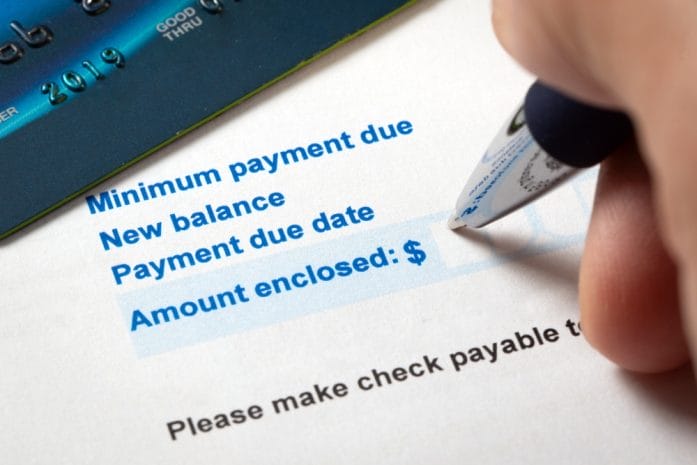
Why Paying Only the Minimum Creates $4,200 in Interest on a $5,000 Balance

February 6, 2026 by Brandon Marcus Leave a Comment

Why Paying Only the Minimum Creates $4,200 in Interest on a $5,000 Balance

Image source: shutterstock.com

There’s a moment many people experience: you open your credit card statement, see the minimum payment, and think it’s not so bad. It feels like a tiny financial victory—like the bank is giving you a break.

But behind that deceptively small number is a trap that quietly drains your wallet month after month. Paying only the minimum on a $5,000 balance can lead to over $4,200 in interest, turning a manageable debt into a long‑term financial burden.

Most people don’t realize how this happens until they’ve already paid far more than they borrowed. Let’s break down why minimum payments are so sneaky, how interest piles up, and what you can do to escape the cycle.

Minimum Payments Are Designed to Keep You in Debt Longer

Credit card minimum payments are usually calculated as a small percentage of your total balance—often around 1% to 3% plus interest. That means the payment barely dents the principal. When you pay only the minimum, most of your money goes toward interest, not the actual debt. This is why balances shrink painfully slowly.

Credit card companies aren’t being generous by offering low minimums; they’re ensuring the debt sticks around long enough to generate significant interest. This structure turns a $5,000 balance into a long‑term commitment, even if you never make another purchase. The math works quietly in the background, and unless you’re watching closely, it’s easy to underestimate how much interest is accumulating.

How Interest Snowballs Even When You’re Paying Every Month

Credit card interest is typically calculated using a daily rate based on the card’s annual percentage rate (APR). If your APR is, for example, 20%, that interest compounds every single day. When you only pay the minimum, the principal barely moves, so the next month’s interest is calculated on almost the same balance. This creates a snowball effect where interest keeps building on top of interest.

Even though you’re making payments, the balance doesn’t fall quickly enough to reduce the interest meaningfully. This is how a $5,000 balance can generate more than $4,200 in interest over time. It’s not because you’re doing anything wrong—it’s because the system is designed to stretch out repayment as long as possible.

Why a $5,000 Balance Can Take Years to Pay Off

If you stick to minimum payments, it can take many years to pay off a $5,000 balance. The exact timeline depends on your APR and the minimum payment formula, but it’s common for repayment to stretch well beyond a decade. During that time, interest keeps accumulating, and the total amount you pay ends up being far higher than the original balance.

This is why credit card statements now include a “minimum payment warning” showing how long repayment will take if you only pay the minimum. It’s meant to help consumers understand the long‑term cost of carrying a balance. The numbers can be shocking, but they’re accurate—and they highlight how expensive minimum payments can be.

Why Paying Only the Minimum Creates $4,200 in Interest on a $5,000 Balance

Image source: shutterstock.com

The $4,200 Interest Example: What’s Actually Happening

When a $5,000 balance generates more than $4,200 in interest, it’s because the minimum payment barely reduces the principal each month. For example, if your minimum payment is around $100, a large portion of that goes toward interest. Only a small amount—sometimes just a few dollars—reduces the actual balance.

As a result, the principal decreases slowly, and interest continues to accumulate on a high balance for a long time. Over the full repayment period, the total interest paid can exceed 80% of the original balance. This isn’t a rare scenario; it’s a common outcome for anyone who relies on minimum payments as their primary repayment strategy.

Why Minimum Payments Feel Manageable—But Cost More in the Long Run

Minimum payments are intentionally low to make debt feel manageable. They’re designed to fit easily into a monthly budget, which is why so many people rely on them. But the trade‑off is that low payments extend the life of the debt and increase the total interest paid. It’s a psychological trap: the payment feels small, so the debt feels small, even though the long‑term cost is huge.

This is why financial educators emphasize paying more than the minimum whenever possible. Even small increases—like an extra $20 or $30 a month—can significantly reduce interest and shorten repayment time.

Simple Strategies to Reduce Interest Without Overhauling Your Budget

You don’t need a massive financial overhaul to avoid paying thousands in interest. Small, consistent changes can make a big difference. One strategy is to round up your payment—if the minimum is $100, pay $150 or $200 instead. Another option is to set up automatic payments that exceed the minimum, ensuring you stay on track.

You can also target one card at a time using a focused repayment method, such as paying extra toward the highest‑interest balance. These strategies reduce the principal faster, which lowers the amount of interest charged each month. Over time, the savings add up significantly.

The Power of Paying a Little More Each Month

Paying more than the minimum doesn’t just reduce interest—it gives you control over your financial future. When you chip away at the principal, you shorten the repayment timeline and reduce the total cost of the debt. Even modest increases can save hundreds or thousands of dollars in interest.

It’s not about paying off the entire balance at once; it’s about making steady progress. The key is consistency. Once you get into the habit of paying more than the minimum, the balance starts to fall faster, and the interest becomes less overwhelming. It’s a small shift that leads to big results.

Breaking Free From the Minimum Payment Cycle

Minimum payments may seem convenient, but they come with a hidden price tag. By understanding how interest accumulates and why minimum payments keep you in debt longer, you can make smarter choices that save money over time.

What’s the biggest challenge you’ve faced when trying to pay down credit card debt? Share your experience and story in the comments.

You May Also Like…

Retail Store Credit Cards Now Charging 30% APR on Average

5 Invisible Service Charges Eating Into Your Bank Balance

The Hidden Costs of Balance Transfers You Should Know

Why “Work-Life Balance” Is a Lie for Most People

The Single Late Payment That Raises APR to 29.99% Permanently at Discover

Brandon Marcus
Brandon Marcus

Brandon Marcus is a writer who has been sharing the written word since a very young age. His interests include sports, history, pop culture, and so much more. When he isn’t writing, he spends his time jogging, drinking coffee, or attempting to read a long book he may never complete.

Filed Under: credit cards Tagged With: budgeting, consumer finance, credit card tips, credit cards, debt payoff, financial literacy, interest charges, minimum payments, money mistakes, Personal Finance, saving money

The Federal Reserve Rate Cut That Did Nothing for Credit Card Holders

February 5, 2026 by Brandon Marcus Leave a Comment

The Federal Reserve Rate Cut That Did Nothing for Credit Card Holders

Image source: shutterstock.com

The Federal Reserve made headlines with its long‑awaited rate cut, and for a brief, shining moment, millions of credit card holders dared to hope. Maybe—just maybe—their sky‑high APRs would finally ease up. Perhaps carrying a balance wouldn’t feel like dragging a boulder uphill. And maybe this was the break everyone had been waiting for.

And then… nothing happened. Credit card interest rates barely blinked, balances didn’t get cheaper, and consumers were left wondering why the Fed’s big move felt like a firework that fizzled before it left the ground. If you’ve been staring at your statement wondering why your APR still looks like a bad joke, you’re not imagining it. There’s a very real reason the Fed’s rate cut didn’t help—and understanding it can save you money in ways the Fed never will.

Why Credit Card APRs Don’t Drop Just Because the Fed Says So

When the Federal Reserve cuts rates, it affects a lot of things—mortgages, auto loans, personal loans, and even savings account yields. But credit cards live in their own universe, one where interest rates are tied to the prime rate and to whatever margin your card issuer decides to tack on.

Yes, your APR is technically variable, but that doesn’t mean it moves in lockstep with the Fed. Even when the prime rate drops, issuers can keep their margins high, which means your APR barely budges. And because credit card rates are already at historic highs, many issuers simply choose not to pass along the full benefit of a rate cut. It’s not illegal, it’s not hidden—it’s just how the system works.

The Credit Card Industry Has Zero Incentive to Lower Your Rate

Credit card companies make money from interest, and right now, they’re making a lot of it. With average APRs sitting well above 20%, issuers have little motivation to reduce rates unless they absolutely have to. A Fed rate cut gives them the option to lower rates, but not the requirement. And because consumer demand for credit remains strong, issuers know they can maintain high APRs without losing customers.

Even when the prime rate shifts, the margin they add on top can stay exactly the same. This is why your APR might drop by a fraction of a percent—just enough to technically reflect the Fed’s move—but not enough to make any meaningful difference on your monthly bill. It’s a system designed to benefit lenders first and borrowers last.

The Federal Reserve Rate Cut That Did Nothing for Credit Card Holders

Image source: shutterstock.com

Variable APRs Move Slowly—And Sometimes Not at All

Many credit cards come with variable APRs, which means they’re supposed to adjust when benchmark rates change. But “adjust” doesn’t mean “drop dramatically.” In reality, variable APRs often move in tiny increments, and issuers can delay adjustments depending on their internal policies.

Some cards only update APRs quarterly, while others adjust monthly. And even when they do adjust, the change is usually small—think tenths of a percentage point, not whole numbers. For someone carrying a balance, that tiny shift barely makes a dent. So while the Fed’s rate cut may technically ripple through the system, it’s more like a gentle ripple in a bathtub than a wave strong enough to lower your debt burden.

Record‑High Consumer Debt Keeps APRs Elevated

Another reason credit card rates remain stubbornly high is the sheer amount of consumer debt in circulation. Americans are carrying record levels of credit card balances, and delinquency rates have been rising. When lenders see increased risk, they raise margins to protect themselves. Even if the Fed lowers rates, issuers may keep APRs high to offset the risk of borrowers falling behind.

This means your interest rate is influenced not just by economic policy, but by the behavior of millions of other cardholders. It’s a collective effect that keeps APRs elevated even when the broader financial environment becomes more favorable.

Why Your Minimum Payment Didn’t Shrink Either

Even if your APR technically dropped a little, your minimum payment probably didn’t. That’s because minimum payments are calculated using formulas that prioritize fees, interest, and a small percentage of your principal. A tiny APR reduction doesn’t change the math enough to lower your minimum.

And if your balance has grown due to everyday spending, inflation, or unexpected expenses, your minimum payment may actually increase despite the Fed’s rate cut. It’s a frustrating reality, but it’s also a reminder that relying on minimum payments is one of the most expensive ways to manage credit card debt.

What You Can Do When the Fed Won’t Save You

The good news is that you’re not powerless. Even if the Fed’s rate cut didn’t help, there are strategies that can. One of the most effective is calling your credit card issuer and asking for a lower APR. Many companies will reduce your rate if you have a strong payment history or if you mention that you’re considering transferring your balance elsewhere.

Speaking of balance transfers, 0% APR offers can be a game‑changer if you qualify and can pay off the balance before the promotional period ends. You can also explore debt‑consolidation loans, which often have lower rates than credit cards, especially after a Fed rate cut. And if you’re feeling overwhelmed, nonprofit credit counseling agencies can help you create a plan that reduces interest and simplifies payments.

Rate Cuts Don’t Fix Credit Card Debt—You Do

The Federal Reserve can influence a lot of things, but it can’t force credit card companies to lower your APR in a meaningful way. That power still lies with you. Whether it’s negotiating your rate, switching to a better card, consolidating your debt, or adjusting your spending habits, the most effective changes come from your own actions. The Fed may set the stage, but you’re the one who gets to rewrite the script. And the more you understand how credit card interest really works, the easier it becomes to take control of your financial story.

What’s the most surprising thing you’ve learned about credit card interest rates lately? Give us your thoughts in the comments.

You May Also Like…

Retail Store Credit Cards Now Charging 30% APR on Average

Why Credit Card APRs Only Dropped 0.35% Even After Three Fed Rate Cuts in 2025

7 Ways Credit Card Debt Builds Faster Than Expected

The Quiet Credit Score Rule Change That’s Raising Borrowing Costs for Older Americans

10 Reasons Your Credit Card Fraud Claim Was Denied—and What You Can Do About It

Brandon Marcus
Brandon Marcus

Brandon Marcus is a writer who has been sharing the written word since a very young age. His interests include sports, history, pop culture, and so much more. When he isn’t writing, he spends his time jogging, drinking coffee, or attempting to read a long book he may never complete.

Filed Under: credit cards Tagged With: APR, banking, consumer debt, credit cards, credit credit card problems, Debt, Fed rate cut, federal reserve, financial literacy, interest rates, money tips, Personal Finance

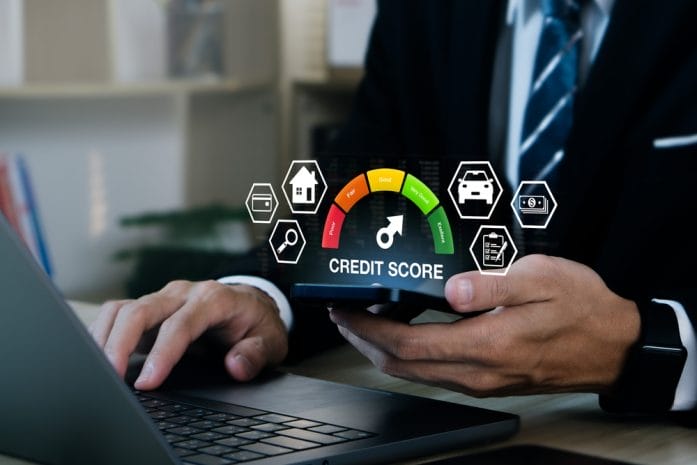
Why Good Credit (670–739 Score) Gets You 21%–24% APR in 2026

February 4, 2026 by Brandon Marcus Leave a Comment

Why Good Credit (670–739 Score) Gets You 21%–24% APR in 2026

Image source: shutterstock.com

You did everything right. You paid your bills on time. You kept your balances under control. You worked your way into the “good credit” range with a score between 670 and 739, expecting better rates, better offers, and better financial breathing room. And then 2026 shows up… and your APR offers land between 21% and 24%.

Here’s the truth most lenders won’t say out loud: “good credit” doesn’t mean “cheap money.” It means “less risky than average,” and in today’s financial environment, that distinction matters more than ever. This isn’t about you messing up — it’s about how modern lending, inflation pressure, and risk models collide in a world where money simply costs more to borrow.

The Economy Changed the Game, Not Your Credit Score

APR doesn’t exist in a vacuum. It’s tied to broader interest rates, inflation trends, and how expensive it is for lenders themselves to access capital. When base rates stay elevated, everything built on top of them rises too, including credit card APRs, personal loan rates, and revolving credit costs.

In 2026, lenders aren’t pricing loans based on how responsible you feel, they’re pricing them based on systemic risk and funding costs. Even borrowers with solid histories now live in a higher-rate ecosystem where “cheap debt” is no longer the default. A 670–739 score still signals reliability, but it doesn’t override macroeconomic reality.

Risk Models Don’t See “Good,” They See “Probability”

Lenders don’t think in emotional categories like “good” or “bad.” They think in probabilities, data sets, and default risk curves. A 670–739 score still statistically carries more risk than a 760+ borrower, even if you’re financially responsible in real life.

That gap matters because lending algorithms price risk in percentages, not personalities. You might be a stable earner with great habits, but models look at aggregated behavior across millions of borrowers. If people in your score range default more often during economic pressure cycles, rates rise accordingly.

“Good Credit” Is a Marketing Term, Not a Pricing Tier

Always remember that credit categories are designed for consumers, not for lenders. Labels like “fair,” “good,” and “excellent” simplify complexity, but lenders use internal tiers that are far more granular. Your 710 score might look great on an app, but in underwriting systems, it’s often grouped into mid-risk pricing brackets.

That’s why you can work hard for “good credit” and still see 22% APR offers. From a lender’s perspective, the premium rates are attached to ultra-low-risk profiles — long credit history, high income stability, low utilization, diverse credit mix, and top-tier scores. Everyone else pays the risk tax. The label feels flattering, but the pricing tells the real story.

Inflation Didn’t Just Raise Prices — It Repriced Borrowing

Inflation doesn’t just hit groceries and rent, it changes the entire cost structure of money. When inflation stays elevated, lenders build protection into their APRs to preserve profitability and manage default exposure.

Therefore, even responsible borrowers feel squeezed. In 2026, APR inflation is less about borrower behavior and more about systemic financial caution. The lending industry is in defensive mode, and “good credit” borrowers are no longer shielded the way they once were.

Why 21%–24% APR Is the New “Normal Good”

A decade ago, 21% APR felt punitive. Today, it’s increasingly standard for mid-tier borrowers. Lenders know demand for credit still exists, even at higher rates, and consumer borrowing behavior hasn’t slowed enough to force widespread repricing.

As long as people keep using credit, offers stay elevated. The system responds to behavior, not outrage. And because most borrowers in the 670–739 range still qualify — even at higher rates — the pricing structure holds. Accessibility doesn’t equal affordability, and that gap defines modern credit markets.

Smart Borrower Moves in a High-APR World

If 21%–24% APR is the environment, strategy matters more than ever. Carrying balances becomes expensive fast, so utilization discipline isn’t optional anymore. Paying your statements in full, avoiding long-term revolving debt, and using credit cards as tools instead of funding sources becomes crucial.

It also means shopping aggressively for offers, using pre-qualification tools, and leveraging competition between lenders. Credit unions, relationship banking, and secured products often offer better terms than national issuers. You’re not powerless, but you do need to be intentional.

Why Good Credit (670–739 Score) Gets You 21%–24% APR in 2026

Image source: shutterstock.com

The Emotional Side of “Good Credit” in 2026

There’s a psychological hit that comes with doing everything right and still feeling punished by the system. That frustration is real. The promise of credit scoring was fairness: better behavior equals better outcomes. But modern lending blends behavior with macroeconomics, and the result feels less personal and more mechanical.

Understanding that shift matters, because it reframes the story. You didn’t fail. The system evolved. And adapting to it means changing expectations, not just chasing numbers. Financial literacy now includes understanding the environment, not just your score.

Good Credit Still Matters — Just Not the Way You Think It Does

Good credit in 2026 doesn’t buy you low rates — it buys you entry into the system. And that distinction changes everything. APRs are shaped by economic forces bigger than any single borrower, but smart decisions still shape outcomes.

Give us your thoughts! Should “good credit” still mean affordable credit, or is the entire system due for a rethink? Drop your thoughts in the comments, and let’s talk about it.

You May Also Like…

The Credit Score That Adds $2,000/Year to Florida Homeowner’s Insurance Premiums

The Quiet Credit Score Rule Change That’s Raising Borrowing Costs for Older Americans

Why Credit Card APRs Only Dropped 0.35% Even After Three Fed Rate Cuts in 2025

Why Major Banks Are Quietly Lowering Credit Limits for Customers With Holiday Debt

Retail Store Credit Cards Now Charging 30% APR on Average

Brandon Marcus
Brandon Marcus

Brandon Marcus is a writer who has been sharing the written word since a very young age. His interests include sports, history, pop culture, and so much more. When he isn’t writing, he spends his time jogging, drinking coffee, or attempting to read a long book he may never complete.

Filed Under: credit score Tagged With: APR, borrowing, credit cards, credit health, credit score, debt strategy, financial literacy, interest rates 2026, loans, money tips, Personal Finance

The Single Late Payment That Raises APR to 29.99% Permanently at Discover

February 3, 2026 by Brandon Marcus Leave a Comment

The Single Late Payment That Raises APR to 29.99% Permanently at Discover

Image source: shutterstock.com

It happens in a blink. One forgotten due date, one autopay glitch, one chaotic week where life just steamrolls your calendar—and suddenly your credit card balance becomes a financial monster. If you have a Discover card, that single late payment can trigger a penalty APR of 29.99%, a number so high it practically deserves its own warning label.

The scariest part? Many people think it’s permanent. While that’s not technically true, the impact can feel permanent in your wallet if you don’t know how the system works.

The Moment Everything Changes: How One Late Payment Can Flip Your APR Switch

Discover, like most major credit card issuers, includes something called a penalty APR in its cardmember agreements. If your payment is late—typically 60 days past due—Discover can raise your interest rate to as high as 29.99%. No, that’s not a typo. This is nearly double the standard APR many people start with, and it applies to existing balances, not just future purchases.

Many cardholders believe that once the penalty APR hits, they’re stuck with it forever. Technically, Discover does allow for the penalty APR to be reviewed and potentially reduced after six consecutive on-time payments, but that’s not automatic, guaranteed, or fast. For many people, life doesn’t suddenly get calmer just because interest rates went nuclear, and missed payments can snowball.

Why 29.99% Is Financially Dangerous (and Not Just “High Interest”)

29.99% isn’t just “a little expensive.” It’s mathematically punishing. At that rate, interest compounds aggressively, meaning your balance grows faster than most people can realistically pay it down—especially if you’re only making minimum payments. It’s like trying to walk up a downward-moving escalator while carrying groceries and emotional baggage.

What makes this worse is psychological. When balances stop shrinking despite payments, people often get discouraged, avoid checking statements, and fall into financial avoidance mode. That’s how debt becomes sticky. The penalty APR isn’t just a financial hit—it’s a behavioral trap that makes recovery harder because progress feels invisible.

The Myth of “Permanent” vs. the Reality of Long-Term Damage

Discover’s penalty APR is not technically permanent. According to cardmember agreements, issuers may reduce it after consistent on-time payments (typically six months). But just because something isn’t permanent on paper doesn’t mean it isn’t long-lasting in real life. Many people never get the rate reduced because they miss another payment, carry high balances, or don’t even realize they need to request a review.

Even if the APR does eventually drop, the financial damage lingers. You’ve already paid extra interest. Your credit report may reflect late payments. So while the word “permanent” may not be legally accurate, the consequences absolutely can be long-term if you’re not proactive.

How to Protect Yourself From Ever Triggering a Penalty APR

The best strategy is boring, but powerful. Automation beats discipline every time. Set up autopay for at least the minimum payment. Put due date alerts on your phone. Sync your credit card due dates with your calendar. Use one financial app to track all bills in one place. These systems protect you from bad weeks, bad months, and bad mental health days.

If you’re already behind, act fast. Call Discover immediately. Sometimes, late fees can be negotiated and potentially waived, and while penalty APRs are harder to reverse, early communication helps.

The Single Late Payment That Raises APR to 29.99% Permanently at Discover

Image source: shutterstock.com

Why Credit Card Companies Use Penalty APRs in the First Place

Penalty APRs aren’t accidental. Credit card companies use them to manage risk and maximize revenue. From a business perspective, a late payment signals higher default risk. The response? Increase the interest rate to compensate for that risk and profit from it. It’s not personal—it’s math, data, and financial modeling.

But understanding this gives you power. When you realize that the system is designed to profit from mistakes, you stop blaming yourself and start building defenses. Systems beat willpower. Structure beats motivation. Financial safety isn’t about perfection—it’s about designing your life so one mistake doesn’t trigger a financial avalanche.

The Real Lesson Behind Discover’s 29.99% Penalty APR

One missed payment shouldn’t feel like financial doom—but with penalty APRs, it often does. The real lesson is that credit cards are powerful tools, but unforgiving ones. They reward consistency and punish chaos. They amplify habits, good or bad.

If you treat credit like a convenience tool instead of a long-term loan, automate your payments, and stay proactive, you’ll probably never see 29.99% on your statement. But if you rely on memory, stress, or luck to manage your bills, the system eventually catches you slipping. And when it does, it charges interest.

The One Mistake That Can Turn a Good Credit Card Into a Financial Nightmare

It only takes one late payment to turn a useful financial tool into a debt accelerator. Discover’s 29.99% penalty APR is a perfect example of how fast things can flip. One missed due date can reshape your entire financial trajectory for months—or longer. The difference between safety and struggle isn’t income level, intelligence, or even discipline. It’s systems, structure, and awareness.

What do you think? Should penalty APRs even exist, or are they just another way banks profit from everyday mistakes? Give us all of your thoughts in the comments.

You May Also Like…

Why Credit Card APRs Only Dropped 0.35% Even After Three Fed Rate Cuts in 2025

Credit Card Interest Rates Average 23.79% in January 2026 Despite Fed Rate Cuts

7 Ways Credit Card Debt Builds Faster Than Expected

The Truth About “0% APR” Balance Transfer Cards and Their Hidden Fees

10 Reasons Your Credit Card Fraud Claim Was Denied—and What You Can Do About It

Brandon Marcus
Brandon Marcus

Brandon Marcus is a writer who has been sharing the written word since a very young age. His interests include sports, history, pop culture, and so much more. When he isn’t writing, he spends his time jogging, drinking coffee, or attempting to read a long book he may never complete.

Filed Under: credit cards Tagged With: APR, Consumer Protection, credit cards, credit score, Debt, Discover Card, financial literacy, interest rates, Late payment, Penalty APR, Personal Finance

Retail Store Credit Cards Now Charging 30% APR on Average

February 3, 2026 by Brandon Marcus Leave a Comment

Retail Store Credit Cards Now Charging 30% APR on Average

Image source: shutterstock.com

Once upon a time, retail store credit cards felt like a harmless little perk. You’d get 10% off your purchase, maybe a birthday coupon, and the occasional “exclusive” sale invite. It felt friendly. Convenient. Almost cozy.

But today, that friendly plastic card in your wallet is starting to look more like a financial landmine. Across the U.S., store credit cards are now charging interest rates that hover around 30% APR on average, turning everyday shopping into one of the most expensive ways to borrow money. This isn’t just a finance nerd issue—it’s a real-life, everyday money problem that affects millions of shoppers who just wanted a discount at checkout and ended up paying triple-digit interest over time.

How Store Credit Cards Quietly Became Some of the Most Expensive Debt You Can Carry

Retail credit cards were originally designed as loyalty tools, not serious lending products. But over time, they’ve evolved into full-blown credit products with interest rates that rival—or even exceed—some of the most expensive consumer credit options available. Many major store cards now advertise APRs that land close to 30%, especially for customers who don’t qualify for top-tier credit pricing.

What makes this tricky is how these cards are marketed. The focus is always on the discount: “Save 15% today!” or “Get $40 off your first purchase!” Meanwhile, the APR is buried in fine print that nobody reads while standing in a checkout line with a cart full of clothes. Psychologically, it feels like a reward card, not a loan. Financially, though, it behaves like high-interest debt, and that disconnect is where people get hurt.

Why Interest Rates on Retail Cards Are So High Right Now

The rise in store card APRs didn’t happen in a vacuum. Over the last few years, overall interest rates in the U.S. have climbed as the Federal Reserve raised benchmark rates to fight inflation. When base rates go up, borrowing gets more expensive across the board—from mortgages to credit cards to auto loans. Retail credit cards feel this pressure more than most and have been rising steadily year after year.

There’s also the business model itself. Store cards are often issued by third-party banks that specialize in retail lending, and they assume a higher risk of default because many applicants have fair or average credit, not excellent credit. Higher risk equals higher interest rates. On top of that, store cards typically lack the competitive pressure that general-purpose credit cards face.

The result is a perfect storm: rising national interest rates, higher-risk borrowers, and a business model that doesn’t prioritize low APRs.

Smarter Ways to Use Store Cards Without Getting Burned

Store cards aren’t automatically evil—they’re just dangerous if used casually. If you’re going to use one, the smartest approach is to treat it like a debit card with a delay, not a credit line. That means only charging what you can pay off in full before interest hits. If you’re using a store card for a one-time discount, set up an immediate payoff plan so the balance doesn’t linger.

If you already carry balances on store cards, prioritizing them in your debt payoff strategy can make a huge difference. High-interest debt should usually be paid down faster than low-interest debt because it’s actively draining your money every month.

What This Says About Consumer Spending and Debt Culture

The rise of 30% APR store cards says something bigger about modern consumer culture. We’ve normalized borrowing for everyday life—clothes, home goods, electronics, even basic essentials. Credit has become frictionless, invisible, and easy, which makes it dangerously seductive. Store cards sit right at the intersection of convenience and temptation.

This isn’t about shame or blame. It’s about understanding the system. Retailers want loyalty. Banks want interest income. Consumers want affordability. The tension between those goals creates products that look helpful on the surface and expensive underneath.

Retail Store Credit Cards Now Charging 30% APR on Average

Image source: shutterstock.com

The Real Win Isn’t the Discount—It’s Control Over Your Money

The biggest takeaway isn’t “never use store cards.” It’s “don’t let store cards use you.” When you understand how these products work, you stop making emotional money decisions at checkout and start making strategic ones. You realize that a 10% discount doesn’t matter if you’re paying 30% interest later. You stop confusing convenience with value. And you start treating credit as a tool instead of a trap.

Have you ever opened a store credit card for a discount and regretted it later, or do you use them strategically without paying interest? Talk about your experiences in the comments section.

You May Also Like…

Why Credit Card APRs Only Dropped 0.35% Even After Three Fed Rate Cuts in 2025

8 Times Retailers Don’t Owe You A Refund

6 Sneaky Ways Retailers Make People Overspend

7 Ways Credit Card Debt Builds Faster Than Expected

10 Reasons Your Credit Card Fraud Claim Was Denied—and What You Can Do About It

Brandon Marcus
Brandon Marcus

Brandon Marcus is a writer who has been sharing the written word since a very young age. His interests include sports, history, pop culture, and so much more. When he isn’t writing, he spends his time jogging, drinking coffee, or attempting to read a long book he may never complete.
Filed Under: credit cards Tagged With: APR, budgeting, consumer finance, credit awareness, Debt Management, financial literacy, Inflation, interest rates, personal finance tips, retail credit cards, shopping habits, store cards

Why Credit Card APRs Only Dropped 0.35% Even After Three Fed Rate Cuts in 2025

February 2, 2026 by Brandon Marcus Leave a Comment

Why Credit Card APRs Only Dropped 0.35% Even After Three Fed Rate Cuts in 2025

Image source: shutterstock.com

If you watched the Federal Reserve cut rates three times in 2025 and thought, “Finally, some breathing room,” you weren’t alone. Millions of cardholders expected lower balances, cheaper interest, and at least a noticeable dip in those brutal APR numbers.

Instead, many people saw their credit card rates barely move, dropping by only a fraction of a percent, which felt less like relief and more like a financial prank. The frustration makes sense, but credit card APRs play by a very different set of rules, and those rules are not designed with everyday consumers in mind.

The Fed Doesn’t Control Credit Card APRs The Way People Think

The Federal Reserve controls the federal funds rate, not the rates lenders charge you directly. Credit card APRs are tied loosely to benchmarks like the prime rate, but banks layer their own margins, risk pricing, and profit targets on top of that base. Even when the Fed cuts rates, lenders decide how much of that benefit they actually pass on to customers.

For credit cards, which are considered high-risk, unsecured debt, banks protect their margins aggressively. That means small Fed cuts often translate into tiny APR changes, if any, especially compared to mortgages or auto loans. If you’re waiting for Fed policy alone to rescue your credit card balance, you’re waiting on the wrong lever of the financial system.

Banks Price Risk, Not Just Interest Rates

Credit card lending isn’t treated like home loans or business financing because there’s no collateral backing it. If someone stops paying a mortgage, the lender has a house; if someone defaults on a card, the bank has nothing but a loss. That risk gets baked into APRs through higher pricing, regardless of what the Fed does.

In uncertain economic conditions, lenders often tighten standards and keep rates elevated to offset potential defaults. Even small signs of economic instability make banks defensive, not generous. That’s why APRs stay stubbornly high even when broader rates move downward.

Profit Margins Matter More Than Consumer Relief

Credit cards are one of the most profitable products that banks offer. Interest revenue, late fees, balance transfer fees, and interchange fees create massive income streams that shareholders expect to keep growing. When the Fed cuts rates, banks don’t feel pressure to sacrifice profits unless competition forces them to. Because most major issuers move together, there’s little incentive to slash APRs aggressively.

The result is a slow, symbolic drop that looks good in headlines but barely helps cardholders. The system rewards stability and profits, not consumer relief.

Variable APRs Move Slowly By Design

Most credit cards use variable APR formulas tied to benchmark rates plus a fixed margin. When rates rise, increases hit fast; when rates fall, decreases move like molasses. That asymmetry isn’t accidental—it’s structural. Lenders update rates based on internal schedules, billing cycles, and risk assessments, not real-time Fed announcements.

Even multiple cuts can get absorbed into those systems gradually. So while headlines talk about rate changes, your statement tells a much slower story.

Inflation Still Shapes Lending Behavior

Even with rate cuts, inflation expectations continue influencing how lenders price credit. If banks believe costs will rise or economic pressure will persist, they protect their interest income. Lower rates don’t erase operational costs, fraud losses, or charge-offs from defaults.

Credit card APRs reflect long-term risk outlooks, not short-term monetary policy shifts. Until inflation feels truly under control at a structural level, lenders will keep pricing defensively. That caution shows up directly in your APR.

What You Can Actually Do Instead Of Waiting

Waiting for macroeconomic policy to fix personal finance problems rarely works. If high APRs and interest rates are hurting your budget, proactive moves matter more than headlines. Balance transfer offers with 0% introductory rates can create breathing room if used strategically. Credit unions often offer lower APRs than major banks and are worth exploring.

Negotiating directly with your card issuer sometimes works, especially if your payment history is strong. And paying more than the minimum, even in small extra amounts, dramatically reduces long-term interest costs.

Why The 0.35% Drop Feels Like An Insult

A tiny APR drop feels offensive because it highlights how disconnected consumer debt is from economic optimism. People hear “rate cuts” and expect relief, not symbolic gestures. That emotional disconnect fuels frustration and financial fatigue. But the system isn’t broken—it’s operating exactly as designed. Understanding that design gives you power instead of confusion.

Why Credit Card APRs Only Dropped 0.35% Even After Three Fed Rate Cuts in 2025

Image source: shutterstock.com

Why Financial Control Beats Financial Hope

Hope feels good, but control works better. Fed policy will always move more slowly than personal financial needs. Small APR drops won’t fix big balances. Real progress comes from strategy, not headlines. The people who win financially focus on leverage, not luck.

If credit card APRs barely budged after three Fed rate cuts, what does that say about how much control consumers actually have over their financial lives—and what’s the next move you’re willing to make to change yours?

You May Also Like…

8 Times “0% Interest” Credit Cards Turn Into Financial Traps

8 Hidden Risks People Overlook When Financing a Car at High APR

6 Foolish Mistakes That Can Lead to High APRs When Buying a Used Car

Why Closing an Old, Unused Credit Card Can Wreck Your Credit Score

Why Does Interest Rate Talk Suddenly Affect Everyday Spending

Brandon Marcus
Brandon Marcus

Brandon Marcus is a writer who has been sharing the written word since a very young age. His interests include sports, history, pop culture, and so much more. When he isn’t writing, he spends his time jogging, drinking coffee, or attempting to read a long book he may never complete.
Filed Under: credit cards Tagged With: APR, budgeting, consumer finance, credit cards, Debt Management, federal reserve, financial literacy, Inflation, interest rates, money tips, Personal Finance

8 Choices Rich People Will Never Make, But Poor People Make Everyday

January 31, 2026 by Brandon Marcus Leave a Comment

These Are 8 Choices Rich People Will Never Make, But Poor People Make Everyday

Image source: shutterstock.com

Have you ever wondered why some people seem to effortlessly climb the financial ladder while others stay stuck on the same rung for years? It’s not luck, genetics, or secret handshakes—it’s choices. Wealthy people don’t stumble into riches; they make deliberate, sometimes uncomfortable decisions every single day that protect and grow their money.

Meanwhile, habits that might seem harmless or convenient to the average person can quietly drain income, time, and opportunities. By examining the differences in mindset and action, you can start steering your own life toward financial freedom. So grab your coffee, buckle up, and get ready to learn eight choices rich people never make—and why these decisions matter more than you think.

1. Ignoring the Power of Compound Interest

You’ve probably heard of compound interest, but ignoring it is one of the most common financial traps. Poorer individuals often leave their money in checking accounts or spend windfalls immediately, missing out on decades of potential growth. Wealthy people, on the other hand, invest consistently, letting even modest sums snowball over time. A dollar invested wisely today can be worth ten, twenty, or even a hundred dollars decades later. It’s not magic—it’s patience, discipline, and smart financial planning.

Start small if you need to; even $50 a week invested in index funds can grow substantially over 30 years. Don’t wait for the “perfect moment” because, in investing, time is your superpower.

2. Living Paycheck to Paycheck

It may feel normal to spend every dollar you earn, but living paycheck to paycheck is a choice with huge consequences. Emergencies, unexpected expenses, or sudden job loss can create financial chaos. Wealthy individuals prioritize building a safety net before indulging in luxuries. They understand that security isn’t about cutting all fun—it’s about controlling the chaos.

Creating a buffer of even three to six months’ worth of expenses can be life-changing. Once you’ve built a cushion, you’ll find yourself making bolder, smarter financial decisions without the constant stress.

3. Ignoring the Difference Between Assets and Liabilities

A Ferrari may look impressive on Instagram, but it’s not an asset—it’s a liability. Poorer people often confuse possessions with wealth, buying things that depreciate while ignoring investments that generate income. Rich people focus on acquiring assets: rental properties, stocks, businesses, and intellectual property that put money in their pocket while they sleep. The key distinction is cash flow versus consumption.

Learning the difference can help you shift your spending habits, turning purchases into tools for growth rather than traps for debt. Start small—invest in something that earns rather than something that merely impresses.

4. Letting Small Debts Snowball Into Big Problems

Carrying credit card balances or payday loans may seem manageable at first, but high-interest debt grows like a snowball rolling downhill. Wealthy people rarely, if ever, allow debt to pile up—they pay off balances aggressively or avoid unnecessary debt altogether. They understand that a few hundred dollars in interest today can become thousands over time.

Debt is not inherently bad; strategic borrowing for education, property, or business is smart. The difference is avoiding high-interest, low-value obligations that quietly rob your financial future. Track every loan, interest rate, and due date—awareness alone can save you thousands.

5. Failing to Prioritize Learning and Self-Improvement

Rich people are lifelong students. They read, attend seminars, hire mentors, and continually expand their knowledge and skills. Many people struggling financially neglect personal development, assuming school or formal training is enough. But skills, knowledge, and strategic thinking compound over time just like money.

The more you know, the better decisions you make, whether in investments, career moves, or starting your own business. Even dedicating 20 minutes a day to learning can set you apart in the long run. Knowledge isn’t just power—it’s financial leverage.

6. Reacting Instead of Planning

Poor financial choices are often reactive: paying bills at the last minute, splurging after a stressful week, or following impulse trends. Wealthy people plan ahead, budgeting and projecting cash flow, taxes, and expenses months or even years in advance. Strategic foresight prevents stress and maximizes opportunity.

Planning doesn’t mean eliminating fun; it means scheduling indulgences, investments, and emergencies thoughtfully. A little preparation can turn chaos into control and stress into opportunity. Start with one aspect of your finances—like monthly spending—and build a habit of proactive management.

7. Ignoring Health as a Wealth Factor

Money and health are more connected than most realize. Poor health leads to expensive medical bills, lost income, and reduced quality of life, yet many people neglect diet, exercise, and mental wellness. Wealthy individuals treat health as an investment, not an afterthought. Regular exercise, preventive care, and stress management aren’t just about feeling good—they save money and protect your ability to earn.

Think of your body as a high-yield asset; maintaining it pays dividends in energy, productivity, and longevity. Small, consistent choices—like walking, drinking water, or reducing sugar—compound into major savings over time.

These Are 8 Choices Rich People Will Never Make, But Poor People Make Everyday

Image source: shutterstock.com

8. Chasing Instant Gratification Over Long-Term Rewards

If it feels urgent to buy the latest gadget, a designer bag, or take a luxury vacation, you’re not alone—but wealthy people resist the temptation. They understand the long-term payoff of delayed gratification: investing, saving, or pursuing education instead of fleeting pleasure. Psychology studies show that the ability to delay rewards is strongly correlated with financial success.

Each choice to prioritize future gains over immediate satisfaction adds up, creating freedom and wealth over time. Start small by waiting 24 hours before major purchases—you’ll be surprised how often the urge fades.

Stop Letting Everyday Decisions Control Your Financial Future

Money doesn’t magically appear in bank accounts; it’s the sum of countless small choices, repeated day after day. Wealthy people are deliberate, informed, and disciplined about how they handle money, time, and energy. By avoiding the eight mistakes above, you can take control of your financial destiny. Start by identifying just one habit to change this week. Turn your financial awareness into action and watch your life transform over time.

What’s the one daily choice you make that could be quietly draining your potential wealth? Share your thoughts in the comments.

You May Also Like…

7 Lesser-Known Ways Rich People Protect Their Money

7 “Boring” Businesses That Make People Quietly Rich

Why Wealthy Families Are Moving Cash Out of Traditional Banks Before Jan 31st

Legacy Design: 5 Ways to Pass on Wealth Without Passing on Pressure

10 Traits the Rich and Poor Surprisingly Share

Brandon Marcus
Brandon Marcus

Brandon Marcus is a writer who has been sharing the written word since a very young age. His interests include sports, history, pop culture, and so much more. When he isn’t writing, he spends his time jogging, drinking coffee, or attempting to read a long book he may never complete.

Filed Under: Spending Habits Tagged With: compound interest, Debt Management, financial freedom, financial habits, financial literacy, investing, lifestyle choices, money tips, Personal Finance, saving money, Wealth Building, wealth mindset

Regulation Watch: 8 Compliance Changes That May Affect Advisory Fees

January 1, 2026 by Brandon Marcus Leave a Comment

Regulation Watch: 8 Compliance Changes That May Affect Advisory Fees

Image Source: Shutterstock.com

Financial regulation is moving faster than ever, and if you think advisory fees are safe from scrutiny, think again. New rules and compliance shifts are shaking up the way advisors operate, and that could impact your bottom line as a client or a firm. From disclosure updates to fee transparency requirements, the landscape is transforming into something more complex—and more exciting—than anyone expected.

Advisors, brace yourselves, because understanding these changes now could mean the difference between smooth sailing and regulatory headaches. Let’s dig into the eight compliance changes that could affect advisory fees in ways you might not have considered.

1. Enhanced Fee Disclosure Requirements

Regulators are now demanding far greater transparency in fee disclosures than ever before. Clients will have access to more detailed breakdowns of advisory costs, from flat fees to percentage-based charges. Firms will need to provide clear, easy-to-read statements that explain exactly what each fee covers. This level of transparency is designed to protect investors but could require firms to adjust pricing models. Advisors who get ahead of this change may turn disclosure into a competitive advantage.

2. Increased Scrutiny On Conflicts Of Interest

Conflicts of interest are under the microscope like never before. Advisors must now demonstrate that recommendations are truly in the client’s best interest, not swayed by hidden incentives. This could mean adjusting commissions, referral arrangements, or preferred product relationships. Firms failing to comply could face steep fines or reputational damage. The shift is designed to foster trust while pushing advisors to prioritize client outcomes over internal profits.

3. Performance-Based Fee Adjustments

Performance-linked fees are becoming more tightly regulated, especially for higher-net-worth accounts. Advisors must provide precise methodologies showing how returns correlate with fees charged. This prevents opaque calculations and ensures clients understand exactly what they are paying for. Some firms may need to restructure their performance fee models entirely. Investors could benefit from this change as it aligns fees more directly with actual investment success.

4. Mandatory Cybersecurity Reporting

With cyber threats escalating, regulators are requiring advisors to report on their cybersecurity protocols. Any breach, whether successful or attempted, must be documented, and clients must be informed. Firms may incur higher compliance costs as they implement more robust monitoring and reporting systems. Those costs could, in turn, influence advisory fees. The upside is increased security for client assets and sensitive financial information.

Regulation Watch: 8 Compliance Changes That May Affect Advisory Fees

Image Source: Shutterstock.com

5. Expanded Fiduciary Responsibility Standards

The definition of fiduciary responsibility is broadening, holding advisors to stricter standards of care. Advisors may now be required to document every recommendation and justify it based on client goals, risk tolerance, and investment objectives. This adds a layer of accountability that could impact operational workflows. Firms might need to invest in technology or staff training to maintain compliance. For clients, it promises more trustworthy guidance and fewer surprises in fee assessments.

6. Disclosure Of Third-Party Payments

Third-party payments, including referral fees and marketing incentives, are facing disclosure mandates. Clients will know exactly who is paying the advisor and for what purpose. Firms may need to renegotiate arrangements with third parties to maintain compliance. This level of clarity is likely to influence how advisory services are priced. Transparency in these payments strengthens client trust but could create new administrative challenges for advisors.

7. Streamlined Regulatory Filings

Regulators are pushing for streamlined, digital-first filings to make compliance easier to track and audit. Advisors must ensure all fee structures, disclosures, and client agreements are up-to-date and digitally accessible. This modernization could reduce paperwork but may require investment in software and training. Some firms might pass those costs along in advisory fees. In the long run, this change can speed up reporting and improve accuracy across the board.

8. Enhanced Client Education Requirements

Advisors are now expected to educate clients on fees, risks, and investment strategies more thoroughly. Written explanations, webinars, and interactive tools may become standard practice. This ensures clients understand exactly what they’re paying for and why. Firms might adjust fees slightly to account for the additional time and resources spent on education. In return, clients can make better-informed financial decisions with fewer surprises.

What These Changes Mean For You

The landscape of advisory fees is evolving rapidly, and staying informed is crucial for both clients and advisors. Transparency, accountability, and education are no longer optional—they’re the new standard. Understanding these eight compliance changes now can help you anticipate potential shifts in costs and services.

Whether you’re an investor or a financial professional, proactive adaptation is the key to thriving under these new rules. We’d love to hear your thoughts or experiences with these changes in the comments section below.

You May Also Like…

12 Practical Tips for Minimizing Brokerage Account Fees Effectively

The Truth About “0.0% APR” Balance Transfer Cards and Their Hidden Fees

5 Bank Fees That Are Secretly Draining Hundreds From Your Account Annually

Regulation Checklist: 9 Conversations Advisors Are Having With Clients Right Now

Regulation Echo: 10 Under-the-Radar Rules Affecting Future Wealth


Brandon Marcus
Brandon Marcus

Brandon Marcus is a writer who has been sharing the written word since a very young age. His interests include sports, history, pop culture, and so much more. When he isn’t writing, he spends his time jogging, drinking coffee, or attempting to read a long book he may never complete.
Filed Under: Finance Tagged With: advisory fees, cybersecurity, family finance, family finances, fees, fiduciary advice, fiduciary duty, fiduciary responsibility, financial advice, financial advisor, financial freedom, financial habits, financial literacy, financial regulations, Hidden Fees, rules and regulations

  • « Previous Page
  • 1
  • 2
  • 3
  • 4
  • 5
  • 6
  • …
  • 15
  • Next Page »

FOLLOW US

Search this site:

Recent Posts

  • Can My Savings Account Affect My Financial Aid? by Tamila McDonald
  • 12 Ways Gen X’s Views Clash with Millennials… by Tamila McDonald
  • What Advantages and Disadvantages Are There To… by Jacob Sensiba
  • 10 Tactics for Building an Emergency Fund from Scratch by Vanessa Bermudez
  • Call 911: Go To the Emergency Room Immediately If… by Stephen Kanaval
  • 7 Weird Things You Can Sell Online by Tamila McDonald
  • 10 Scary Facts About DriveTime by Tamila McDonald

Copyright © 2026 · News Pro Theme on Genesis Framework