• Home
  • About Us
  • Toolkit
  • Getting Finances Done
    • Hiring Advisors
    • Debt Management
    • Spending Plan
  • Insurance
    • Life Insurance
    • Health Insurance
    • Disability Insurance
    • Homeowners/Renters Insurance
  • Contact Us
  • Privacy Policy
  • Risk Tolerance Quiz

The Free Financial Advisor

You are here: Home / Archives for credit cards

How Can Everyday Fees Add Up to Thousands Without Notice

September 8, 2025 by Travis Campbell Leave a Comment

interest

Image source: pexels.com

It’s easy to overlook the small charges that sneak into our daily routines. Yet, these everyday fees can quietly drain your bank account over time. Many people don’t realize how much is leaving their wallets each month because the amounts seem minor on their own. But when you add them up, these fees can easily reach thousands of dollars a year. Understanding how everyday fees accumulate is crucial for anyone who wants to keep more of their hard-earned money. Let’s break down where these fees come from and how you can spot them before they take a toll on your finances.

1. Bank Account Maintenance and ATM Fees

Bank fees are everywhere, from monthly maintenance charges to out-of-network ATM withdrawals. These charges are often buried in your statements and can be easy to miss if you don’t check regularly. A few dollars here and there may not seem like much, but over a year, they can total hundreds of dollars. For example, a $12 monthly account fee adds up to $144 annually. Add a couple of $3 ATM fees each month, and that’s another $72 per year.

These everyday fees are especially common if you have multiple accounts or use ATMs outside your bank’s network. To avoid them, check your bank’s fee schedule and consider switching to a no-fee account or using only in-network ATMs.

2. Subscription Services You Forgot About

Subscription fees are a perfect example of how everyday fees add up without notice. Streaming services, cloud storage, apps, and even gym memberships can quietly renew each month or year. Many people sign up for free trials and forget to cancel before the billing period begins. Some subscriptions cost just $5 or $10 monthly, but if you have several, they can easily reach $50 or more each month—over $600 per year.

Take the time to review your credit card and bank statements. Cancel subscriptions you no longer use. There are also services that help track and manage recurring charges, so you don’t pay for what you don’t need.

3. Credit Card Interest and Late Payment Fees

Carrying a balance on your credit card means paying interest—an everyday fee that can add up fast. Even a small balance with a high interest rate can cost you hundreds yearly. For instance, a $2,000 balance at 18% APR costs about $360 in interest per year if you only make minimum payments. Add in late payment fees, which can be $30 or more each time, and the total climbs quickly.

To avoid these everyday fees, pay your balance in full each month and set up automatic payments. If you’re struggling with debt, consider a balance transfer to a lower-interest card or work with a nonprofit credit counselor.

4. Cell Phone and Internet Overages

Data overages, international calls, and roaming charges can catch you off guard. Cell phone and internet providers are notorious for tacking on extra fees when you exceed your plan’s limits. Although these everyday fees may seem small per use, repeated overages can add up to hundreds of dollars each year.

Review your usage regularly and adjust your plan if needed. Many providers offer alerts when you’re nearing your limit. Taking a few minutes to monitor your account can make a big difference over the long run.

5. Convenience Fees for Online Payments

Many companies charge a small “convenience fee” when you pay bills online or by phone. Utility companies, ticketing websites, and even some government agencies add these extra charges. While a $2 or $3 fee may seem minor, if you pay ten bills a month this way, that’s $20-$30 monthly—or $240-$360 per year.

Whenever possible, use payment methods that don’t incur extra charges. Set up direct payments from your bank or mail a check if it’s free. These steps help you avoid unnecessary everyday fees that add up over time.

6. Hidden Travel and Hotel Fees

Travel is another area where everyday fees can pile up. Airlines charge for checked bags, seat selection, and even snacks. Hotels may tack on “resort fees” or extra charges for Wi-Fi and parking. Individually, these fees are manageable, but a family vacation can easily include hundreds of dollars in unexpected costs.

Before booking, read the fine print and ask about all potential fees.

7. Everyday Retail and Service Fees

Retailers and service providers often add small fees you might not notice. Examples include bag fees at grocery stores, service charges at restaurants, or processing fees for tickets and events. While these everyday fees seem insignificant, if you encounter them regularly, they add up fast.

Be mindful of where fees are applied. Some businesses offer discounts for paying cash or using their loyalty programs. Over time, small adjustments can help you keep more money in your pocket.

Small Fees, Big Impact: How to Take Control

Everyday fees have a sneaky way of draining your finances, often without you realizing it. By paying attention to the small charges on your bank, credit card, and service accounts, you can avoid letting these everyday fees add up to thousands over time. Take a few minutes each month to review your statements and question any unfamiliar charges. This simple habit can save you a significant amount in the long run.

Want more tips on managing your money and avoiding hidden charges?

Have you ever discovered everyday fees that surprised you? Share your story or your best tip for avoiding hidden charges in the comments below!

What to Read Next…

  • Are These 7 Little Expenses Quietly Costing You Thousands a Year?
  • 7 Hidden Fees That Aren’t Labeled as Fees at All
  • Are Automatic Renewals Draining More Than You Realize?
  • 6 Monthly Bills You Should Cancel Immediately Even If You Can Afford Them
  • 5 Invisible Service Charges Eating Into Your Bank Balance
Travis Campbell
Travis Campbell

Travis Campbell is a digital marketer/developer with over 10 years of experience and a writer for over 6 years. He holds a degree in E-commerce and likes to share life advice he’s learned over the years. Travis loves spending time on the golf course or at the gym when he’s not working.

Filed Under: Finance Tagged With: banking, budgeting, credit cards, fees, hidden costs, money tips, Personal Finance

Why Do Some People Refuse to Use Credit Cards but Still Pay More

September 8, 2025 by Catherine Reed Leave a Comment

Why Do Some People Refuse to Use Credit Cards but Still Pay More

Image source: 123rf.com

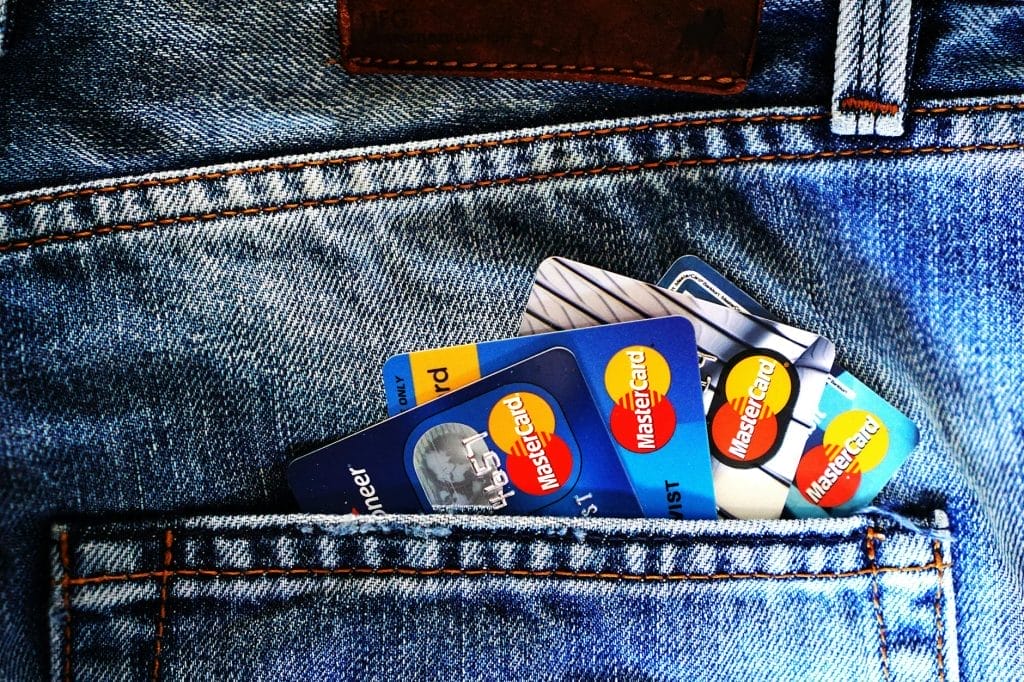
For many people, credit cards represent financial danger, a gateway to debt they would rather avoid at all costs. Yet while staying away from credit cards feels like the safe choice, it can actually cost more money in the long run. From missed rewards to higher prices on everyday purchases, the decision not to use credit often backfires financially. Understanding why some people refuse to use credit cards but still pay more reveals how fear, habits, and misconceptions can get in the way of smarter money management.

1. Fear of Falling Into Debt

The most common reason behind why some people refuse to use credit cards but still pay more is fear of debt. Many households have seen how credit misuse can spiral into financial hardship. Avoiding credit altogether feels like a safer path to prevent overspending. However, by refusing credit, people miss out on rewards programs and protections that make purchases cheaper or safer. This caution, while understandable, often means paying more out of pocket.

2. Missing Out on Rewards and Cash Back

Credit card perks are a major factor in why some people refuse to use credit cards but still pay more. Cash back, airline miles, and retail rewards provide value that debit cards and cash cannot. Someone who spends thousands of dollars a year without a rewards card leaves money on the table. Even a basic card offering 1–2% cash back could save hundreds annually. Without those benefits, consumers essentially pay more for the same purchases.

3. Paying Higher Prices Without Discounts

Another angle to why some people refuse to use credit cards but still pay more is the lack of access to cardholder discounts. Retailers often partner with card issuers to offer exclusive deals, early access sales, or special financing. Consumers who only use cash or debit miss these opportunities entirely. Over time, not taking advantage of these promotions means higher costs for everything from electronics to travel. In this way, sticking to cash can make someone a less savvy shopper.

4. Lack of Purchase Protection

A hidden cost behind why some people refuse to use credit cards but still pay more involves protection benefits. Credit cards often include extended warranties, fraud protection, and dispute resolution that cash and debit cards lack. If a product arrives defective or a charge is unauthorized, credit users can resolve it without losing their money. Cash-only spenders risk absorbing those losses themselves. By avoiding credit, they may save stress but not necessarily money.

5. Paying Extra for Travel and Bookings

Travel-related expenses highlight another reason why some people refuse to use credit cards but still pay more. Hotels, rental car companies, and airlines frequently require credit cards to secure reservations. While debit cards may work in some cases, they often come with higher deposits or added fees. Using cash makes the process even harder, sometimes eliminating discounts altogether. This leaves non-credit users paying more for the same services.

6. Building No Credit History

One of the long-term costs of why some people refuse to use credit cards but still pay more is the lack of credit history. Without responsible card use, individuals may struggle to qualify for loans, apartments, or even jobs that require credit checks. This often means paying higher interest rates later when financing becomes unavoidable. Ironically, avoiding credit in the short term can create higher costs in the future. Responsible use, even with small monthly purchases, helps build valuable financial credibility.

7. Missing Out on Convenience and Safety

The final piece of why some people refuses to use credit cards but still pay more lies in convenience. Credit cards make it easier to shop online, book travel, and avoid carrying large amounts of cash. They also protect against theft, since stolen cards can be canceled while stolen cash is gone forever. Refusing to use credit creates extra hurdles that can lead to hidden costs and less financial flexibility. In many ways, convenience itself saves money over time.

Choosing Balance Over Fear

When exploring why some people refuse to use credit cards but still pay more, the theme is clear: fear and caution often lead to financial disadvantages. While avoiding credit may feel safe, it prevents access to rewards, protections, and opportunities that make money stretch further. The smartest path is not eliminating credit but learning how to use it responsibly. A balanced approach builds financial confidence while unlocking benefits that cash alone cannot provide.

Do you avoid credit cards or embrace them for rewards and protection? Share your perspective and experiences in the comments below!

What to Read Next…

Why Do So Many People Believe Credit Cards Are Safer Than They Really Are

10 Financial Risks That Come From Ignoring Small Debts

Why Do Some Believe Debt Is Freedom Instead of a Burden

7 Times Living Paycheck to Paycheck Comes With Hidden Costs

10 Shocking Fees That Advisors Say Clients Never Notice

Catherine Reed
Catherine Reed

Catherine is a tech-savvy writer who has focused on the personal finance space for more than eight years. She has a Bachelor’s in Information Technology and enjoys showcasing how tech can simplify everyday personal finance tasks like budgeting, spending tracking, and planning for the future. Additionally, she’s explored the ins and outs of the world of side hustles and loves to share what she’s learned along the way. When she’s not working, you can find her relaxing at home in the Pacific Northwest with her two cats or enjoying a cup of coffee at her neighborhood cafe.

Filed Under: credit cards Tagged With: building credit, cash vs credit, credit cards, debt fears, Personal Finance, rewards programs, saving money

5 Situations Where Borrowing Small Amounts Leads to Big Trouble

September 3, 2025 by Travis Campbell Leave a Comment

lending

Image source: pexels.com

Borrowing small amounts of money might seem harmless. After all, a little cash here or there can help you cover a surprise bill or tide you over until payday. But the reality is that borrowing small amounts can quickly spiral into bigger financial problems. What starts as a quick fix can lead to mounting debt, high fees, and a cycle that’s hard to break. Whether it’s from payday lenders, credit cards, or friends and family, these small debts can snowball. Understanding when borrowing a little becomes a big deal is crucial for your financial health. That’s why it’s important to know the situations where borrowing small amounts leads to big trouble.

1. Using Payday Loans for Everyday Expenses

Payday loans are marketed as a fast solution for unexpected costs. But using them for regular expenses—like groceries, gas, or utility bills—can cause real headaches. These loans often come with sky-high interest rates and fees. Even if you only borrow a small amount, the cost of repaying it can be overwhelming.

People often find themselves unable to pay back the full amount when it’s due. So, they roll the loan over or take out another one, triggering a cycle of debt. Before long, the money you borrowed to get by ends up costing you much more than you expected. This is a classic example of how borrowing small amounts leads to big trouble.

2. Covering Credit Card Minimum Payments with More Debt

When money is tight, it’s tempting to use one credit card to pay off another, or to take a cash advance to make a minimum payment. This approach might keep creditors at bay for now, but it only delays the problem. Interest rates on cash advances are usually higher than those on regular purchases, and you may face additional fees.

Over time, the balance grows while your available credit shrinks. Soon, you’re maxed out and struggling to keep up with payments. This creates stress and damages your credit score. Borrowing small amounts to cover minimum payments can turn a manageable situation into a long-term financial mess.

3. Borrowing from Friends and Family to “Get By”

Asking loved ones for small loans feels less risky than dealing with a bank. But relying on friends or family to cover shortfalls can strain relationships. It’s easy to promise repayment when the amount is small, but repeated requests can lead to resentment or awkwardness.

If you’re always borrowing small amounts to get by, the underlying financial problem remains unsolved. You might avoid interest charges, but you risk damaging trust. In some cases, this can lead to permanent rifts that are hard to repair. Borrowing small amounts can lead to significant trouble, affecting not just your budget but also your personal life.

4. Using “Buy Now, Pay Later” for Non-Essentials

“Buy now, pay later” services are everywhere these days. They let you split payments on small purchases—clothes, electronics, even meals. At first glance, it sounds like smart budgeting. But each new payment plan adds another bill to your list. Missing a payment can led to late fees, and too many plans can be tough to track.

If you’re not careful, these small debts add up. They can sneak up on you, especially if you’re juggling multiple plans at once. Before long, you’re spending more on fees and interest than you ever saved.

5. Taking Out Small Personal Loans for Non-Emergencies

Personal loans can help in a real emergency, but borrowing small amounts for non-essential spending is risky. Maybe you want the latest phone or a quick weekend getaway. The loan terms might seem reasonable, but fees and interest can turn a small debt into a bigger problem.

When you borrow for non-essentials, you’re spending future money on today’s wants. This can make it harder to handle real emergencies down the road. Plus, missing payments on even a small loan can hurt your credit. This is another way borrowing small amounts leads to big trouble, especially if it becomes a habit.

Building Better Habits Around Small Borrowing

It’s easy to underestimate the impact of borrowing small amounts. The truth is, these little debts can pile up fast, creating stress and limiting your financial freedom. If you find yourself relying on small loans often, it might be time to rethink your budget and spending habits. Setting aside a small emergency fund or cutting back on non-essentials can help you avoid the cycle.

If you’re struggling with debt, there are resources available. Remember, borrowing small amounts leads to big trouble when it becomes a pattern rather than a rare exception. Staying mindful about your borrowing can help you build a stronger financial future.

Have you ever borrowed a small amount and regretted it later? What strategies have helped you avoid falling into the small debt trap? Share your story in the comments below!

What to Read Next…

  • The Benefits Of Taking Personal Loans And Their Impact On Credit Scores
  • 5 Things That Instantly Decrease Your Credit Score By 50 Points
  • What Happens When You Co Sign A Friends Loan By Accident
  • 5 Emergency Repairs That Could Force You Into Debt Overnight
  • Are Budgeting Apps Designed To Push You Into Debt
Travis Campbell
Travis Campbell

Travis Campbell is a digital marketer/developer with over 10 years of experience and a writer for over 6 years. He holds a degree in E-commerce and likes to share life advice he’s learned over the years. Travis loves spending time on the golf course or at the gym when he’s not working.

Filed Under: Debt Management Tagged With: borrowing, buy now pay later, credit cards, Debt, payday loans, Personal Finance

5 Financial Moves That Sound Smart but Hurt Over Time

September 2, 2025 by Travis Campbell Leave a Comment

money moves

Image source: pexels.com

Financial advice is everywhere, and some tips just sound right. But not everything that looks smart on the surface actually helps you in the long run. In fact, some common financial moves that sound smart can quietly drain your wallet or limit your growth over time. It’s easy to fall for conventional wisdom, especially when it comes to money. But taking a closer look at these financial decisions can save you headaches and lost dollars. Let’s break down five financial moves that seem smart but can hurt over time, so you can make choices that actually support your financial health.

1. Paying Off Your Mortgage Early at All Costs

Getting rid of debt is usually a good thing, but aggressively paying off your mortgage isn’t always the best move. Many homeowners rush to pay extra on their mortgage, thinking they’ll save tons in interest and gain peace of mind. But if your mortgage has a low interest rate, those extra payments could be put to better use.

By sending extra money to your mortgage, you might miss out on higher returns from investing. For example, the stock market historically offers better growth than the average mortgage rate. Once you’ve locked that money into your house, it’s hard to get it back in an emergency. Before choosing this financial move, consider if you have enough saved for retirement, emergencies, or other goals. Sometimes, keeping a manageable mortgage and investing your extra funds is the smarter play for long-term financial health.

2. Putting Every Spare Dollar into Retirement Accounts

Maxing out your retirement accounts is a great goal, but it shouldn’t come before building a solid emergency fund. Many people funnel every extra dollar into their 401(k) or IRA, believing this move guarantees security. But life’s surprises—like medical bills or sudden job loss—can hit when you least expect them. If all your cash is tied up in retirement accounts, you might face penalties or taxes for early withdrawals.

A more balanced approach is to first create an emergency fund with three to six months’ living expenses. Once you have that cushion, you can boost your retirement savings without risking your short-term stability. Financial moves that sound smart sometimes overlook the importance of liquidity and flexibility.

3. Avoiding All Debt, No Matter What

Debt gets a bad rap, and for good reason: high-interest debt like credit cards can be a financial trap. But not all debt is created equal. Swearing off all forms of debt—even manageable, low-interest loans—can actually hold you back. For example, using a reasonable mortgage to buy a home or taking out a low-interest student loan to invest in your education can be wise moves that pay off down the road.

Being debt-averse might mean missing out on opportunities to build wealth or improve your life. The key is understanding the difference between “good” and “bad” debt. Strategic borrowing can help you buy a house, start a business, or further your career, while still keeping your finances healthy.

4. Using Credit Cards Only for the Rewards

Credit card rewards programs are tempting. Who doesn’t want cash back, points, or free travel? It sounds smart to use credit cards for everything, pay the balance in full, and rack up the perks. But this financial move can backfire if you’re not careful.

Studies show that people tend to spend more when using credit cards instead of cash. The convenience and rewards can nudge you to buy things you wouldn’t have otherwise. Even if you pay off the balance each month, overspending can erode your savings or derail your budget. Plus, chasing rewards can lead to opening multiple cards, increasing your risk of missed payments or identity theft. Focus on using credit cards as a tool, not a strategy, and always prioritize your budget over bonus points.

5. Refinancing Loans Too Frequently

Refinancing your mortgage, student loans, or other debt can lower your payments or interest rate. That sounds like a win, right? But refinancing too often comes with hidden downsides. Every time you refinance, you may pay closing costs, fees, or extend the loan term. Over time, these costs can outweigh the savings from a lower interest rate.

Additionally, refinancing resets the clock on your loan. If you keep extending your payoff date, you could end up paying more interest in the long run. Before refinancing, carefully crunch the numbers and consider the total cost—not just the monthly payment. Make sure the move fits your long-term financial goals.

How to Make Financial Moves That Truly Help

It’s easy to get caught up in financial moves that sound smart but hurt over time. The key is to look beyond the surface and consider both the short-term and long-term effects. Ask yourself: Does this decision help me build wealth, provide flexibility, and prepare for the unexpected?

Instead of following blanket advice, tailor your actions to your own needs and goals. Remember, the smartest financial moves are the ones that keep you moving forward—not just today, but for years to come.

What’s one financial move you once thought was smart, but realized later it wasn’t? Share your experience in the comments!

What to Read Next…

  • 10 Smart Purchases That Are Slowly Making You Broke
  • Are These 6 Helpful Budget Tips Actually Ruining Your Finances?
  • 7 Hidden Fees That Aren’t Labeled As Fees At All
  • 5 Financial Habits That Quietly Void Long Term Care Policies
  • 5 Costly Retirement Moves Men Realize Only After The Damage Is Done
Travis Campbell
Travis Campbell

Travis Campbell is a digital marketer/developer with over 10 years of experience and a writer for over 6 years. He holds a degree in E-commerce and likes to share life advice he’s learned over the years. Travis loves spending time on the golf course or at the gym when he’s not working.

Filed Under: Personal Finance Tagged With: credit cards, Debt, financial mistakes, money management, mortgage, Personal Finance, retirement planning

What Happens When Someone Lives Without Any Credit History

September 2, 2025 by Travis Campbell Leave a Comment

credit

Image source: pexels.com

In today’s world, credit history is a key part of financial life. From renting an apartment to getting a phone plan, your credit report can affect everyday decisions. But what actually happens when someone lives without any credit history? It’s more common than you might think, especially for young adults or recent immigrants. Living “credit invisible” comes with its own set of challenges and unique situations. Understanding the effects can help you make better choices for your financial future.

1. Limited Access to Loans and Credit Cards

The most obvious impact of living without any credit history is finding it tough to borrow money. Lenders use your credit history to decide if you’re a good risk. Without it, they have no information about how you handle debt. This makes banks and credit card companies less likely to approve you for loans or credit cards. If you do get approved, you’ll probably face higher interest rates and lower credit limits.

Even getting a basic starter credit card can be a hurdle. Many people are surprised to learn that some lenders won’t work with applicants who have no credit history at all. This creates a frustrating cycle: you need credit to build credit, but you can’t get credit without a history.

2. Difficulty Renting an Apartment

Landlords often check credit reports before renting out a property. A strong credit history shows you pay bills on time and manage money well. Without any credit history, landlords may see you as a risk. Some might require a larger deposit or ask for a co-signer. In competitive rental markets, applicants with no credit history can get passed over for those with established records.

If you’re living without any credit history, it helps to provide proof of income, references, or even bank statements. Still, the process can be more stressful and uncertain.

3. Higher Insurance Premiums

Many insurance companies use credit-based insurance scores to set rates for auto, renters, or homeowners’ insurance. No credit history often means you’ll pay higher premiums. Insurers see people without credit as unpredictable, so they hedge their bets with pricier policies.

While some states limit how much credit can affect insurance rates, it’s still a common practice. Living without any credit history can mean paying more, even if you’ve never had a claim.

4. Trouble Getting Utilities and Cell Phones

Setting up utilities like electricity, water, or internet often involves a credit check. Providers want to know you’ll pay your bills. No credit history can lead to requests for hefty security deposits. The same goes for cell phone contracts—carriers may require you to pay in advance or stick to prepaid plans.

This doesn’t mean you can’t get these services, but it can be more expensive and less convenient. For young adults just starting out, this adds to the challenge of living independently.

5. Challenges with Employment Background Checks

Some employers, especially in finance or government, check credit reports as part of the hiring process. While they don’t see your credit score, they do see your history of managing debt. No credit history might not disqualify you, but it stands out. Employers may worry about financial responsibility or stability.

If you’re applying for jobs that require handling money or sensitive information, living without any credit history could make the process longer or more complicated.

6. Limited Rewards and Perks

Many of the best credit cards offer rewards like cash back, travel points, or purchase protection. These cards usually require good or excellent credit. Without a credit history, you’re limited to basic or secured cards, which rarely offer perks. Over time, this means missing out on valuable benefits that can make everyday spending more rewarding.

Building a credit history opens the door to better offers and more financial flexibility.

7. More Reliance on Cash or Alternative Options

Living without any credit history often means relying more on cash, debit cards, or alternative financial products. While this can help you avoid debt, it also limits your options. You can’t easily rent a car, book a hotel room, or shop online with the same ease as someone with a credit card.

Some people turn to payday lenders or other high-cost services when emergencies arise, which can be risky and expensive. Lacking a credit history can make it harder to handle unexpected expenses.

Building Credit Takes Time

If you’re living without any credit history, it’s not the end of the world. Many people start out this way. The key is to take small steps. Consider opening a secured credit card, becoming an authorized user on someone else’s card, or taking out a credit-builder loan. These actions can help you start building a positive record.

Living without any credit history has real consequences, but it’s possible to move forward. Over time, building credit opens up more financial opportunities and makes life a bit easier. Have you ever lived without any credit history? What challenges did you face? Share your experience in the comments below.

What to Read Next…

  • The Benefits Of Taking Personal Loans And Their Impact On Credit Scores
  • 5 Things That Instantly Decrease Your Credit Score By 50 Points
  • Why Are More Seniors Ditching Their Credit Cards Completely?
  • Why Credit Limits Are Being Lowered Without Consent
  • 7 Credit Card Features Disappearing Without Any Notice
Travis Campbell
Travis Campbell

Travis Campbell is a digital marketer/developer with over 10 years of experience and a writer for over 6 years. He holds a degree in E-commerce and likes to share life advice he’s learned over the years. Travis loves spending time on the golf course or at the gym when he’s not working.

Filed Under: credit score Tagged With: credit cards, Credit history, Insurance, Personal Finance, Planning, Renting

Why Do So Many People Believe Credit Cards Are Safer Than They Really Are

August 30, 2025 by Travis Campbell Leave a Comment

credit card

Image source: pexels.com

Credit cards are everywhere. You probably have at least one in your wallet right now. Most people see them as a safe way to pay, shop online, and manage money. But is that reputation really deserved? The idea that credit cards are safer than they truly are can lead to risky habits, overspending, or even ignoring warning signs of fraud. Knowing the real risks and limits of credit card safety can help you make smarter decisions with your money. Let’s break down why so many people believe credit cards are safer than they really are, and what you can do to protect yourself.

1. Strong Marketing by Credit Card Companies

Credit card companies know how to sell peace of mind. They highlight features like “zero liability,” fraud protection, and secure transactions in their ads. These promises are repeated so often that people start to believe using a credit card is nearly risk-free. The truth is, while these features exist, they are not absolute. There are exceptions and fine print that many cardholders never read.

For example, “zero liability” usually applies only if you report a problem within a certain timeframe. If you miss that window, you could be responsible for unauthorized charges. Marketing language can make credit card safety sound absolute, but the reality is more complicated.

2. Overconfidence in Fraud Protection

The primary SEO keyword for this article is “credit card safety.” Many people think credit card safety is guaranteed because of fraud monitoring systems. Banks often advertise their ability to detect suspicious transactions and block fraud automatically. While these systems work well in many cases, they are not perfect.

Fraudsters are clever and constantly adapting. Sometimes, fraudulent transactions slip through the cracks. Other times, legitimate purchases are flagged, causing frustration. If you assume your bank will catch every scam, you might let your guard down. Good credit card safety starts with your own vigilance—checking statements, setting up alerts, and reporting anything unusual quickly.

3. Misunderstanding Liability Limits

Many cardholders don’t fully understand how liability for unauthorized charges works. Credit card safety does include legal protections, but there are limits. Under U.S. law, your maximum liability for unauthorized use is $50 if you report the loss promptly. But if you delay, your liability could increase. Online and international transactions may have different rules, and laws vary outside the U.S.

Some people believe these protections are automatic, but they often depend on you taking action. Waiting too long to report a lost card or suspicious charge can leave you on the hook for more than you expect. Always review your cardholder agreement and know your responsibilities.

4. Belief That Digital Payments Are Always Secure

Many consumers assume that paying with a credit card online is always safe. Encryption, tokenization, and secure payment gateways do add layers of protection. But cybercriminals still find ways to steal credit card numbers through phishing, malware, and data breaches.

Credit card safety online requires more than just using your card on a major retailer’s website. You need to watch for fake sites, avoid public Wi-Fi for purchases, and use strong, unique passwords. Relying on technology alone can give a false sense of security.

5. Confusing Purchase Protection With Total Coverage

Some cards offer purchase protection or extended warranties, which sound like blanket coverage for anything that might go wrong. This can lead people to think credit card safety means total protection from loss, theft, or damage. But these benefits come with limits, exclusions, and claim requirements.

For instance, purchase protection may not cover certain items, may have dollar limits, or may require you to file a claim within a short period. Not knowing the details can leave you disappointed if something goes wrong. Always check what your card actually covers and what’s excluded.

6. Underestimating the Impact of Data Breaches

It’s easy to think that if your credit card information is stolen in a breach, your bank will simply issue a new card and you’ll move on. But data breaches can have lasting effects. Stolen credit card numbers can be sold on the dark web and used months or years later. You might face repeated headaches with fraudulent charges or even identity theft.

Credit card safety isn’t just about what happens today. It’s about staying alert and monitoring your accounts for the long haul, especially after a major breach. Freezing your credit and using credit monitoring tools can help, but vigilance is still required.

7. Trust in Mobile Wallets and Contactless Payments

Mobile wallets and contactless payments are becoming more popular. They offer convenience and some extra security features, like tokenization. But they aren’t foolproof. If your phone is lost or hacked, your credit card safety could be compromised. Some mobile wallets also store sensitive information that could be accessed if your device isn’t secured.

Always use strong passwords, enable biometric authentication, and keep your devices updated. Don’t assume that every new payment technology is automatically safer than the last.

How to Take Real Control of Your Credit Card Safety

It’s clear that credit card safety is not as automatic or absolute as many people believe. The best way to protect yourself is to stay informed and take proactive steps. Read your card’s terms, monitor your accounts, and act quickly if something seems wrong. Don’t let marketing or technology lull you into a false sense of security.

Understand the true risks, and use your credit cards wisely. What steps do you take to keep your credit card use safe? Share your tips and questions in the comments below!

What to Read Next…

  • 7 Credit Card Features Disappearing Without Any Notice
  • 6 Credit Card Perks That Come With Under The Radar Stringent Conditions
  • Why Are More Seniors Ditching Their Credit Cards Completely
  • What Are Banks Really Doing With Your Personal Spending Data
  • 7 Financial Loopholes That Lenders Exploit Behind The Scenes
Travis Campbell
Travis Campbell

Travis Campbell is a digital marketer/developer with over 10 years of experience and a writer for over 6 years. He holds a degree in E-commerce and likes to share life advice he’s learned over the years. Travis loves spending time on the golf course or at the gym when he’s not working.

Filed Under: credit cards Tagged With: Consumer Protection, credit card safety, credit cards, data breaches, fraud prevention, Personal Finance

5 Dangerous “Money Shortcuts” That End in Financial Ruin

August 28, 2025 by Travis Campbell Leave a Comment

broke

Image source: pexels.com

Everyone wants to get ahead financially, and it’s tempting to look for quick fixes. Promises of fast results, easy gains, or ways to “beat the system” are everywhere. But most money shortcuts come with serious risks. Instead of building wealth, they can lead you straight into financial ruin. The truth is, there are no magic tricks in personal finance—only smart habits and long-term planning. Understanding which money shortcuts to avoid can protect you from costly mistakes and help you make better decisions for your future.

1. Payday Loans: Fast Cash, Steep Price

Payday loans might look like a lifesaver when you’re in a pinch. The process is quick and the requirements are minimal. But this money shortcut comes at a huge cost. Payday lenders often charge interest rates that can exceed 400% APR. If you can’t pay the loan back right away, fees pile up fast.

Many people get trapped in a cycle, borrowing more just to pay off previous loans. Instead of solving your financial problem, payday loans can make it worse. They drain your paycheck and leave you with less money for essentials. For anyone serious about avoiding financial ruin, steering clear of payday loans is a must. Instead, try building an emergency fund or exploring community resources for help during tough times.

2. Minimum Credit Card Payments: The Slow Debt Spiral

It’s easy to fall into the habit of making only the minimum payment on your credit card each month. This shortcut feels safe because it keeps your account in good standing and leaves you with more cash now. But the reality is harsh. By paying only the minimum, you stretch your debt over years and accumulate hundreds or even thousands of dollars in interest charges.

This money shortcut can quietly erode your financial health. The longer your balance lingers, the more you owe. Your credit score can also suffer if your credit utilization stays high. If you’re serious about avoiding financial ruin, make it a goal to pay more than the minimum—ideally, the full balance—whenever possible. It’s one of the best ways to break free from debt and keep more of your hard-earned money.

3. Get-Rich-Quick Schemes: Too Good to Be True

We’ve all seen the ads: “Make thousands a week from home!” or “Guaranteed investment returns!” These are classic get-rich-quick schemes, and they’re one of the riskiest money shortcuts out there. The promise of fast, easy money is appealing, but these schemes usually end in disappointment—or worse, financial loss.

Many of these scams require upfront fees, ask you to recruit others, or push you to invest in shady products. Sometimes, they’re outright frauds. Even if you make a little money at first, it rarely lasts. Most people lose more than they gain. Instead of chasing quick wins, focus on proven ways to grow your wealth, like steady investing or building new skills.

4. Cashing Out Retirement Accounts Early

When money is tight, dipping into your 401(k) or IRA might seem like a harmless shortcut. After all, it’s your money, right? But withdrawing from retirement accounts before age 59½ usually means paying taxes and hefty penalties—often 10% or more. You also lose out on future growth and compound interest, which can significantly shrink your nest egg over time.

This money shortcut can derail your long-term security. What feels like a small sacrifice now can add up to tens of thousands lost in retirement. If you’re tempted to cash out, look into alternatives like a hardship withdrawal, a loan from your plan, or adjusting your budget. Protecting your retirement is crucial for avoiding financial ruin later in life.

5. Ignoring Insurance to “Save Money”

Insurance can feel like an unnecessary expense, especially if you’ve never had a claim. Some people try to save money by skipping health, auto, renters, or life insurance. But this shortcut can backfire badly. One accident, illness, or disaster can wipe out years of savings—or worse, leave you deep in debt.

Insurance is about protecting yourself from the unexpected. Without it, you’re exposed to risks that can quickly lead to financial ruin. Instead of seeing insurance as wasted money, view it as a smart investment in your financial stability. Shop around for the best rates, but don’t go without essential coverage.

Building Wealth, the Right Way

Tempting money shortcuts may promise immediate relief, but they often set you up for long-term trouble. Avoiding these traps is key to protecting yourself from financial ruin. Instead, focus on building good money habits, like budgeting, saving, and making informed decisions. Remember, real financial progress comes from patience and consistency—not risky shortcuts.

What money shortcuts have you seen people take, and how did they turn out? Share your experiences in the comments below.

What to Read Next…

  • Are These 8 Money Saving Tricks Actually Keeping You Broke?
  • 5 Things That Instantly Decrease Your Credit Score By 50 Points
  • 7 Hidden Fees That Aren’t Labeled As Fees At All
  • 10 Ways You’re Wasting Money Just Trying To Keep Up Appearances
  • 5 Emergency Repairs That Could Force You Into Debt Overnight
Travis Campbell
Travis Campbell

Travis Campbell is a digital marketer/developer with over 10 years of experience and a writer for over 6 years. He holds a degree in E-commerce and likes to share life advice he’s learned over the years. Travis loves spending time on the golf course or at the gym when he’s not working.

Filed Under: Personal Finance Tagged With: credit cards, Debt, financial mistakes, Insurance, money shortcuts, Personal Finance, Retirement

10 Purchases That Secretly Cost Double When You Swipe Instead of Pay Cash

August 19, 2025 by Travis Campbell Leave a Comment

swipe card

Image source: pexels.com

Paying with a credit or debit card is fast and convenient, but it can quietly drain your wallet. When you swipe instead of paying cash, you may not notice the true price of your purchase. Hidden fees, interest charges, and less awareness of spending often mean you actually pay much more. For many people, these extra costs add up over time, especially if you’re not tracking your spending closely. In this article, we’ll look at 10 purchases that secretly cost double when you swipe instead of paying cash. Avoiding these common pitfalls can help you keep more money in your pocket.

1. Takeout and Food Delivery

Ordering takeout with your card feels effortless, but it often leads to spending more than you would with cash. Delivery apps add service fees, small order fees, and tips—all charged to your card. If you don’t pay off your balance each month, interest from your credit card can make your $20 dinner cost $40 or more. Paying cash forces you to see what you’re spending, and helps you avoid those sneaky charges that double the cost of convenience meals.

2. Coffee Shop Visits

It’s easy to swipe for a $5 coffee every morning, but those small charges add up quickly. Swiping your card can also mean you’re less likely to notice just how often you indulge. If you carry a balance on your credit card, that daily latte could cost you double in the long run. With cash, you’ll think twice about making it a habit, helping you cut back on these frequent, low-value purchases.

3. Streaming Subscriptions

Monthly streaming services are a perfect example of purchases that secretly cost double when you swipe instead of paying cash. Since these charges are automatic, you may forget about them altogether, letting them rack up for months or even years. Paying with cash would require more intention and regular review, so you’re less likely to pay for services you don’t use. Swiping removes that friction, making it easy for these recurring costs to quietly balloon over time.

4. Gas Station Purchases

Many gas stations charge more per gallon if you pay with a card instead of cash. That small difference—often 5 to 10 cents per gallon—adds up fast, especially for frequent drivers. In addition, some stations place holds on your card for more than you actually spend, tying up your available funds. When you pay cash, you get the lowest advertised price and avoid unexpected charges that can double the real cost of filling up.

5. Groceries

Swiping your card at the grocery store makes it easy to overspend. Without the physical limit of cash, it’s tempting to toss extra items into your cart. If you don’t pay your credit card bill in full, you’ll pay interest on those groceries—sometimes doubling the actual cost. Using cash encourages you to stick to your budget and avoid buying things you don’t really need.

6. Clothing and Accessories

When you use a card to buy clothes, you’re more likely to overspend or buy on impulse. You may not feel the impact until your bill arrives, and if you carry a balance, interest can quickly double the price of that new shirt or pair of shoes. Paying cash helps you stay accountable and can even make you reconsider whether you really want that extra item.

7. Event Tickets

Buying tickets online nearly always requires a card, but convenience comes with extra fees. Service charges, processing fees, and delivery fees all sneak onto your bill. If you use a credit card and don’t pay it off right away, interest can double your total cost. Paying cash at the venue or box office, when possible, can help you avoid many of these hidden expenses.

8. Electronics and Gadgets

Big-ticket items like phones or laptops are tempting to buy on credit. But if you can’t pay off your card right away, the interest charges can double the cost over time. Plus, some stores offer discounts for cash payments or charge extra for credit transactions. When you pay cash, you’re less likely to make impulse upgrades and more likely to shop around for the best deal.

9. Travel and Vacations

Booking flights, hotels, and rental cars with a card is convenient, but it can also lead to overspending. Travel websites often tack on extra fees for card payments. If you finance your trip with a credit card and don’t pay it off quickly, interest will inflate your getaway’s price tag. Using cash or a debit card tied to a travel fund helps you stick to your budget and avoid doubling your travel costs.

10. Home Improvement Projects

It’s easy to swipe your card for supplies or contractor fees, especially on big projects. But interest charges can quickly pile up if you don’t pay off the balance. That $1,000 kitchen upgrade can turn into $2,000 if you’re not careful. Paying cash helps you plan ahead, prioritize your spending, and avoid the hidden costs that come with swiping.

How to Avoid Paying Double When You Swipe Instead of Paying Cash

Being aware of purchases that secretly cost double when you swipe instead of paying cash is the first step to smarter spending. Try using cash for everyday purchases. Set a budget and track your expenses—apps and envelopes both work. If you must use a card, pay off your balance in full each month to avoid interest charges. Small changes in your payment habits can add up to big savings over time.

Have you noticed your spending habits change when you swipe instead of paying cash? Share your experience in the comments below!

Read More

7 Tactics Grocery Stores Use to Keep You from Thinking About Price

7 Credit Card Features Disappearing Without Any Notice

Travis Campbell
Travis Campbell

Travis Campbell is a digital marketer/developer with over 10 years of experience and a writer for over 6 years. He holds a degree in E-commerce and likes to share life advice he’s learned over the years. Travis loves spending time on the golf course or at the gym when he’s not working.

Filed Under: Smart Spending Tagged With: cash vs card, credit cards, hidden costs, interest charges, Personal Finance, saving money

8 At-Risk Accounts Awaiting Freeze Without Notification

August 18, 2025 by Travis Campbell Leave a Comment

freeze

Image source: pexels.com

Most people assume they’ll always get a heads-up before any of their financial accounts are frozen. The reality? Many at-risk accounts can be frozen without warning, leaving you suddenly locked out of your own money. This can disrupt your life, delay bill payments, and even impact your credit score. Understanding which accounts are most at risk is crucial for protecting your finances. If you’re not actively monitoring your accounts, you could find yourself facing a freeze without any notification—and a lot of unnecessary stress.

1. Bank Checking Accounts

Your checking account is the hub of your financial life. But if you fall behind on certain debts, a creditor or even a government agency can obtain a court order to freeze your account. This often happens without any advance notice. You might not realize your account is at risk until your debit card is declined or checks start bouncing. Keeping an eye on your balance and any legal communications can help you avoid this unpleasant surprise. The risk of an account freeze increases if you ignore collection notices or legal summons related to unpaid debts.

2. Savings Accounts

Savings accounts feel secure, but they’re not immune. If a bank suspects fraud or receives a legal order related to unpaid taxes, child support, or other debts, your savings can be frozen instantly. The worst part? You typically won’t get prior warning. It’s smart to regularly review your account for unusual activity and ensure you’re in good standing with required payments. If you rely on your savings for emergencies, an unexpected freeze could put you in a tight spot.

3. Brokerage Accounts

Brokerage accounts can be frozen for several reasons, including suspicious trading activity, regulatory investigations, or disputes over account ownership. If your broker detects anything unusual, they may lock you out while they investigate. Sometimes, you’ll only find out when you try to make a trade or withdraw funds. Since these accounts often hold large sums, an account freeze here can have a major impact on your financial plans. Stay in touch with your broker and check your statements for anything out of the ordinary.

4. PayPal and Digital Wallets

PayPal, Venmo, and other digital wallets are convenient, but they’re also at risk. These platforms have automated fraud detection systems that can freeze your funds without prior notice. A single flagged transaction, a spike in activity, or a disputed payment can trigger a freeze. If you use digital wallets for business or to receive payments, this can be especially disruptive. Always read the terms of service and respond promptly to any messages from the platform.

5. Retirement Accounts

While retirement accounts like IRAs and 401(k)s have some legal protections, they can still be frozen under certain circumstances. Divorce settlements, IRS levies, or court orders related to unpaid taxes may result in a hold on your account. You might not get advance notice, especially if the freeze is for legal reasons. This can complicate your retirement planning and may delay required distributions. To avoid surprises, keep your beneficiary information up to date and address any legal issues promptly.

6. Credit Card Accounts

Credit card issuers can freeze your account if they detect suspicious activity, missed payments, or changes in your credit profile. You may not receive a warning, and your card can be declined without explanation at checkout. An account freeze on your credit card can be especially embarrassing and inconvenient. Monitor your statements for unfamiliar charges and always pay at least the minimum by the due date. If your card is frozen, contact the issuer right away to resolve the issue.

7. Utility and Service Provider Accounts

Utility accounts, such as electricity, water, or internet, can be frozen if payments are missed or if there’s suspected fraud. Many providers won’t send multiple warnings before suspending service or locking your online account. This can make it hard to pay bills or access important information. Set up payment reminders and check for messages from your service providers to avoid accidental freezes. If you move or change your contact details, update them everywhere to keep receiving notifications.

8. Health Savings Accounts (HSAs)

HSAs are a great way to save for medical expenses, but they’re vulnerable to freezes if there’s a dispute about account ownership, suspicious transactions, or a legal order. You may log in only to find your funds inaccessible. Since many people depend on their HSA for healthcare costs, an account freeze can be more than just an inconvenience—it can delay necessary medical care. Review your HSA activity regularly and respond quickly to any requests for documentation from your provider.

Stay Vigilant to Prevent Account Freezes

Being proactive is the best way to avoid an unexpected account freeze. Regularly check your accounts, set up alerts, and respond promptly to any suspicious activity or official notices. Keep your contact information current across all your financial institutions so you never miss an important message.

Have you ever experienced an account freeze without warning? Share your story or tips in the comments below!

Read More

Could a Bank Freeze Your Account Without Telling You?

7 Bank Terms That Let Institutions Freeze Funds Without Warning

Travis Campbell
Travis Campbell

Travis Campbell is a digital marketer/developer with over 10 years of experience and a writer for over 6 years. He holds a degree in E-commerce and likes to share life advice he’s learned over the years. Travis loves spending time on the golf course or at the gym when he’s not working.

Filed Under: Banking Tagged With: account freeze, bank accounts, credit cards, digital wallets, Financial Security, Personal Finance, retirement accounts

6 Large-Print Disclosures You Need to Reread Carefully

August 18, 2025 by Travis Campbell Leave a Comment

contract

Image source: pexels.com

When you sign up for a new bank account, credit card, or loan, you probably notice those bold or large-print disclosures at the top of the paperwork. They’re meant to grab your attention, but it’s easy to skim past them in a hurry. Large-print disclosures are designed to highlight key details, but even the most obvious statements can hide important information. If you don’t reread these sections carefully, you might miss out on crucial terms that affect your finances.

Many people assume that if something is in big, bold letters, it must be the most honest part of the document. But large-print disclosures often summarize complicated rules or fees. If you don’t slow down and read every word, you risk agreeing to terms you don’t fully understand. In this article, we’ll break down six types of large-print disclosures you need to reread carefully. Paying extra attention to these sections can help you avoid hidden fees, rate changes, and other unwelcome surprises.

Let’s look at the most common large-print disclosures and why revisiting them is essential for protecting your finances.

1. Interest Rate Changes

Large-print disclosures about interest rates might seem straightforward, but they often come with fine print attached. It’s common to see bold statements like “0% APR for 12 months” or “Introductory Rate.” These offers can look appealing, but the details matter. After the promotional period, your rate could jump significantly. Make sure you know exactly when the rate will change and what the new rate will be. Some disclosures will also mention conditions that could cause your rate to increase early, such as a late payment.

Rereading these large-print disclosures helps you plan for future payments and avoid unexpected debt. If you’re comparing credit cards or loans, pay close attention to how and when those rates change.

2. Annual Fees and Maintenance Charges

Fees are often highlighted in their own large-print disclosures, especially for credit cards and some checking accounts. You might see “No Annual Fee” or “$95 Annual Fee” in bold right at the top. But don’t stop there—check for additional maintenance charges, such as monthly account fees, inactivity fees, or paper statement charges. Sometimes, these extra costs are only mentioned briefly in the large-print section before being explained in more detail later.

Understanding these disclosures can help you avoid accounts that cost more than you expected. If an account advertises “no annual fee,” double-check the large print and the detailed terms to ensure there aren’t other regular charges that could add up each year.

3. Early Withdrawal Penalties

If you’re opening a certificate of deposit (CD) or another savings product, you’ll likely see large-print disclosures about early withdrawal penalties. These are designed to warn you about the costs of taking your money out before the maturity date. The disclosure might state, “Penalty for Early Withdrawal,” but the specifics are often buried in the following paragraphs.

Reread these sections so you know exactly what you’ll lose if you need to access your funds early. Some penalties are a few months’ worth of interest, while others might eat into your principal. Being aware of these terms can help you choose the right account and avoid costly mistakes if your plans change.

4. Minimum Balance Requirements

Many checking and savings accounts feature large-print disclosures about minimum balance requirements. You may see “$1,500 Minimum Balance to Avoid Fees” or similar language in bold at the top of your agreement. These rules can impact whether you pay monthly fees or earn interest. However, the details—like how the minimum is calculated and what happens if you dip below it—are often explained in smaller print.

Carefully rereading these large-print disclosures ensures you understand the real requirements. Some banks calculate the minimum based on your daily balance, while others use your average monthly balance. Missing these details could mean unexpected fees if your balance drops, even for a day.

5. Arbitration Agreements

Arbitration agreements are increasingly common in large-print disclosures for credit cards, loans, and even some bank accounts. You might see language like, “By signing, you agree to resolve disputes through arbitration instead of court.” This is a critical financial disclosure that can affect your legal rights. Arbitration usually means you can’t participate in a class-action lawsuit and must resolve disputes outside of court.

Rereading this large-print disclosure helps you understand what rights you may be giving up. If you’re uncomfortable with arbitration, some agreements allow you to opt out within a certain period. Don’t let a bold headline rush you into giving up important protections.

6. Overdraft and Non-Sufficient Funds Policies

Overdraft policies are often summarized in large, bold text at the start of account agreements. You might read, “Overdraft Fees: $35 per Item,” or “No Overdrafts Allowed.” These financial disclosures are crucial for anyone who occasionally cuts it close with their checking account.

While the large-print disclosure tells you the fee amount, it may not explain when or how the fee is triggered. For example, some banks charge multiple fees per day, while others only charge once. Reread this section and the supporting details.

How Rereading Financial Disclosures Protects You

Large-print disclosures are meant to highlight important terms, but they can also oversimplify complex agreements. By making a habit of rereading every financial disclosure, you give yourself the chance to spot fees, rate hikes, and restrictions that could impact your wallet. Don’t rely solely on the big, bold text—instead, use it as a prompt to dig deeper into the fine print.

If you want more tips on understanding financial disclosures, check out resources from the Federal Trade Commission. Taking extra time now can save you money and stress later on. Have you ever caught a surprise in a large-print disclosure? Share your story or questions in the comments below!

Read More

What Happens When Your Bank Changes The Terms Without Warning

How Recurring Charges Keep Running After Death Without Intervention

Travis Campbell
Travis Campbell

Travis Campbell is a digital marketer/developer with over 10 years of experience and a writer for over 6 years. He holds a degree in E-commerce and likes to share life advice he’s learned over the years. Travis loves spending time on the golf course or at the gym when he’s not working.

Filed Under: Finance Tagged With: bank accounts, credit cards, fees, financial disclosure, interest rates, overdraft, Personal Finance

  • « Previous Page
  • 1
  • …
  • 5
  • 6
  • 7
  • 8
  • 9
  • 10
  • Next Page »

FOLLOW US

Search this site:

Recent Posts

  • Can My Savings Account Affect My Financial Aid? by Tamila McDonald
  • 12 Ways Gen X’s Views Clash with Millennials… by Tamila McDonald
  • What Advantages and Disadvantages Are There To… by Jacob Sensiba
  • 10 Tactics for Building an Emergency Fund from Scratch by Vanessa Bermudez
  • Call 911: Go To the Emergency Room Immediately If… by Stephen Kanaval
  • 7 Weird Things You Can Sell Online by Tamila McDonald
  • 10 Scary Facts About DriveTime by Tamila McDonald

Copyright © 2026 · News Pro Theme on Genesis Framework