• Home
  • About Us
  • Toolkit
  • Getting Finances Done
    • Hiring Advisors
    • Debt Management
    • Spending Plan
  • Insurance
    • Life Insurance
    • Health Insurance
    • Disability Insurance
    • Homeowners/Renters Insurance
  • Contact Us
  • Privacy Policy
  • Risk Tolerance Quiz

The Free Financial Advisor

You are here: Home / Archives for credit cards

10 Signs Your Credit Limit Is Hurting Your Score

April 29, 2025 by Travis Campbell 1 Comment

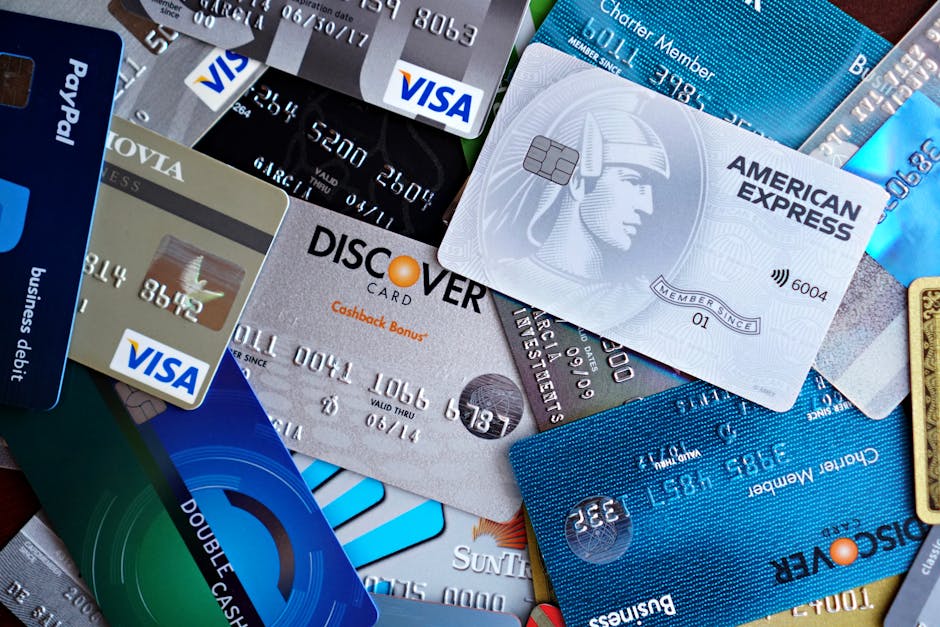
credit card

Image Source: pexels.com

Your credit limit isn’t just a spending boundary—it’s a powerful factor directly impacting your credit score. Many consumers focus solely on making timely payments without realizing how their credit limits affect their financial health. Whether your limits are too low, too high, or improperly managed, they can silently damage your credit score and limit your financial opportunities. Understanding these warning signs can help you take control of your credit health and make strategic adjustments before severe damage occurs.

1. Your Credit Utilization Ratio Exceeds 30%

Your credit utilization ratio—the percentage of available credit you use—significantly impacts your credit score. When this ratio exceeds 30%, credit scoring models flag it as a risk factor. For example, if you have a $10,000 credit limit and maintain a $4,000 balance, your 40% utilization ratio is likely dragging down your score. According to Experian, consumers with excellent credit scores maintain utilization ratios below 10%.

High utilization suggests you’re overly dependent on credit, potentially signaling financial distress to lenders. Even if you pay your balance in full each month, your score could still suffer if the issuer reports your balance before you make your payment.

2. You’re Maxing Out Individual Cards

While your overall utilization ratio matters, maxing out individual cards can be equally damaging. Credit scoring models evaluate both your total utilization and per-card utilization. Having one maxed-out card among several with zero balances is worse for your score than maintaining moderate balances across all cards.

This pattern suggests inconsistent credit management and potential cash flow problems. Regardless of your total available credit across all accounts, aim to keep all individual card utilization below 30%.

3. Your Credit Limits Are Too Low Relative to Your Spending

Low credit limits can make maintaining healthy utilization ratios nearly impossible if they don’t align with your regular spending needs. For instance, if your monthly expenses typically reach $3,000 but your total credit limit is only $5,000, you’ll struggle to keep utilization below 30% even with diligent payment habits.

This mismatch forces you to either exceed recommended utilization ratios or significantly alter your spending patterns, both of which can negatively impact your financial health.

4. Recent Credit Limit Decreases

Credit card issuers periodically review accounts and may decrease credit limits based on changing risk assessments. According to the Consumer Financial Protection Bureau, issuers can reduce your limit for various reasons, including decreased credit scores or changes in spending patterns.

These reductions can suddenly increase your utilization ratio without any change in your spending habits. If you’ve experienced unexpected limit decreases, your credit score may already suffer the consequences.

5. You’ve Been Denied Credit Limit Increases

Repeatedly being denied credit limit increase requests suggests that issuers view you as a higher risk. This assessment is often based on factors that already affect your credit score, such as payment history, income changes, or overall debt levels.

These denials indicate potential underlying credit issues that merit attention. They also prevent you from accessing the higher limits that could help improve your utilization ratio and boost your score.

6. Your Credit Limits Haven’t Grown With Your Income

As your income increases, your credit limits should generally follow suit. When they don’t, your utilization ratio may remain unnecessarily high despite your improved financial position. This misalignment can artificially suppress your credit score.

Regularly updating income information with your credit card issuers and requesting appropriate limit increases can help ensure your credit limits accurately reflect your current financial status.

7. You Have Too Many Cards With High Limits

While high credit limits can help keep utilization low, having excessive available credit across numerous accounts can raise red flags with lenders. This situation creates significant potential for rapid debt accumulation, which lenders view as risky.

Additionally, managing multiple accounts increases the likelihood of missed payments or account mismanagement. Focus on maintaining a reasonable number of accounts with appropriate limits rather than continuously opening new cards.

8. Your Credit Limits Encourage Overspending

Credit limits that significantly exceed your reasonable spending needs can tempt you into accumulating more debt than you can comfortably manage. This pattern often leads to higher balances, increased utilization, and potential payment difficulties, damaging your credit score.

The ideal credit limit provides enough flexibility for necessary expenses and emergencies without enabling unsustainable spending habits.

9. You’re Frequently Approaching Your Credit Limits

Regularly approaching your credit limits, even temporarily, can harm your score if these high balances are reported to credit bureaus. Credit card companies typically report balances once per billing cycle, regardless of whether you pay in full by the due date.

This reporting timing means your utilization ratio could appear consistently high even if you never carry a balance. Consider making mid-cycle payments to keep reported balances lower.

10. You Have a Poor Mix of Credit Types

Relying exclusively on credit cards without other credit types (like installment loans) can limit your credit score potential. While credit limits primarily affect revolving accounts, having a poor credit mix overall can magnify the negative impact of suboptimal credit card limits.

A diverse credit portfolio demonstrates your ability to manage various financial obligations responsibly, potentially offsetting some adverse effects of high credit card utilization.

Finding Your Credit Limit Sweet Spot

The ideal credit limit balances sufficient availability for your legitimate needs while discouraging excessive debt accumulation. Regularly monitoring your credit utilization, requesting strategic limit increases, and maintaining disciplined spending habits can help you leverage your credit limits to improve rather than harm your score.

Remember that credit limits are tools—their impact on your score depends entirely on how you use them. By recognizing these warning signs and taking proactive steps to address them, you can transform your credit limits from potential liabilities into assets that strengthen your overall financial profile.

Have you noticed any of these warning signs affecting your credit score? What strategies have you found most effective for managing your credit limits?

Read More

How to Boost Your Credit Score and Avoid Loan Rejection

7 Common Mistakes People Make Regarding Debt Management

Travis Campbell
Travis Campbell

Travis Campbell is a digital marketer/developer with over 10 years of experience and a writer for over 6 years. He holds a degree in E-commerce and likes to share life advice he’s learned over the years. Travis loves spending time on the golf course or at the gym when he’s not working.

Filed Under: credit cards Tagged With: credit cards, credit limit, credit score, credit utilization, Debt Management, Financial Health

These Are The Best Credit Cards For 18 Year Olds

August 15, 2022 by Tamila McDonald Leave a Comment


These Are The Best Credit Cards For 18 Year Olds

Having a strong credit history is often essential, but it takes time to build up a solid record and secure a great credit score. For young adults, this can create some challenges. When someone turns 18, they usually just gain access to credit-building options since they typically have no credit. Fortunately, some credit cards can help them on their journey. Here’s a look at the best credit cards for 18-year-olds.

Can 18-Year-Olds Have Credit Cards?

Before diving into the best credit cards for 18-year-olds, it’s important to talk about various rules and restrictions that may limit young adults who want a credit card. Technically, 18-year-olds can have a credit card. However, they need to meet specific criteria.

Anyone under 21 may be required to either have a cosigner or provide proof of independent income. Without that, lenders won’t allow them to open a credit card account. The reason for that is a relatively recent law that was passed by Congress that legally requires lenders to ensure young adults have the means to pay off what they charge. Income shows they can handle the payments, while a cosigner makes someone else equally responsible for the debt, limiting the overall risk.

The Best Credit Cards for 18-Year-Olds

Which credit card is best for an 18-year-old can vary depending on a few factors. However, certain options are potentially better choices than others for those without any credit history, a situation that usually applies to 18-year-olds. As a result, focusing on credit cards that are more open to applicants with little or no credit history is typically the ideal strategy.

Here’s a look at some of the best credit cards for 18-year-olds.

Discover it Student Cash Back

Since it focuses on college students, the Discover it Student Cash Back credit card doesn’t require a credit score or history to qualify. Additionally, it comes with perks you may not see with other cards available to young adults.

Along with no annual fee, users can earn up to 5 percent cash back in the currently listed spending categories (which rotate every quarter). Additionally, they can earn 1 percent cash back on everything else.

In some cases, new users may also qualify for a 0 percent introductory APR for six months. After that, the card has a reasonably competitive rate, particularly for young adults without credit histories.

Petal 2 Cash Back No Fees

For young adults that want to avoid credit card fees, the Petal 2 Cash Back No Fees credit card is a solid option. The issuer advertised no fees of any type, so users won’t have to worry about annual, foreign transaction, or late fees at all. Plus, by making on-time payments, cardholders can start earning unlimited cash back.

Another reason this option is great for 18-year-olds is that it’s an unsecured card that is open to applicants without credit histories. For young adults with a credit score, that can factor into the lender’s decision. However, if no credit score is present, the lender also looks at the activity in a linked bank account to see if the person demonstrates sound financial judgment. As a result, a lack of a substantial credit history may not hold a young applicant back.

Chase Freedom Student

Another student-oriented card, the Chase Freedom Student credit card also comes with no annual fee and 1 percent cash back on every dollar spent. While the rewards rate is lower than some other cards that may work well for 18-year-olds, the lack of credit requirements can make it a solid choice.

Additionally, after five on-time payments during the initial ten months of opening the account, borrowers can qualify for an automatic credit line increase. That allows a young adult to start small and receive a boost in relatively short order, something that may not happen with some of the other cards on the list.

Capital One Platinum Secured

Often, secured credit cards are easier to open than their unsecured brethren. Since 18-year-olds can seem like a significant financial risk, this approach may help young adults secure better interest rates or increase their odds of approval.

One benefit of the Capital One Platinum Secured card is that the initial security deposit can be quite low. As a result, young adults may not have to send in hundreds or thousands of dollars to open an account.

After demonstrating good financial habits and meeting other criteria, it’s also possible to transition the account to an unsecured version. As a result, this is a credit card that can functionally grow with a young adult, allowing them to avoid having to get a new credit card later after their situation changes.

Journey Student Rewards from Capital One

Another option from Capital One is the Journey Student Rewards credit card. Initially, users can earn 1 percent cash back on purchases. However, with on-time payments, the cashback reward rate can increase to 1.25 percent.

Like other student cards, this option focuses on borrowers with little to no credit history. Plus, it has a few other perks, including no foreign transaction fees. If a student may want to study abroad, this could be a boon, as it allows them to earn rewards and avoid a costly fee for using the card overseas.

Do you know of any other credit cards for 18-year-olds that people should consider? Do you think that 18-year-olds should avoid credit cards, or are they a smart way to start building their credit? Did you have a credit card at 18 and want to tell others about your experience? Share your thoughts in the comments below.

Read More:

  • 5 Simple Habits to Help Build Credit
  • The Typical Credit Card Processor Fees You Should Know
  • How to Improve Credit Rating for Beginners
Tamila McDonald
Tamila McDonald

Tamila McDonald is a U.S. Army veteran with 20 years of service, including five years as a military financial advisor. After retiring from the Army, she spent eight years as an AFCPE-certified personal financial advisor for wounded warriors and their families. Now she writes about personal finance and benefits programs for numerous financial websites.

Filed Under: credit cards Tagged With: credit cards, credit cards for 18 year olds

Don’t Keep These 7 Things In Your Wallet

November 9, 2020 by Tamila McDonald Leave a Comment

please don't keep these 7 things in your wallet

When you choose items to go into your wallet, you typically have a few goals in mind. Usually, the first priority is to ensure certain necessary items are accessible, like your driver’s license or debit card. However, some people also carry around additional items, predominately because it seems convenient. The issue is, some things are incredibly risky to keep with you, leaving you open to identity theft, fraud, or other hardships if you misplace your wallet or the items fall out. If you want to make sure you’re as protected as possible, don’t keep these 7 things in your wallet.

1. Social Security or Passport Card

Identity theft is much easier for a fraudster to pull off if they have access to your Social Security number. Since your Social Security card isn’t something you regularly use, carrying it around means you’re taking an unnecessary risk.

Ideally, your Social Security card should be stored in a safe place, such as a fireproof safe in your home or a safe deposit box at a bank. That way, it is accessible on days you do need it – such as if you have to present it to complete an I-9 verification for a new job – but won’t easily fall into the hands of someone else.

Technically, you also shouldn’t carry any documents or notes with your Social Security number on them, especially in your wallet. Your ID card or driver’s license contains a lot of your personal information. If you lose your wallet and it also has your Social Security number on a piece of paper inside, you’re making it particularly easy for them to steal your identity.

The same goes for passport cards. While they are convenient for border crossings, they also contain a ton of personal information. Unless you’re planning on crossing a border or need it for an I-9 verification, leave it securely stored elsewhere.

2. Credit Cards You Don’t Use Regularly

Carrying credit cards that you don’t use frequently creates an extra level of risk. Even if you notice your wallet is missing quickly, it takes time to contact every issuer to let them know your card is missing. That could give a criminal enough time to use your card before you get it canceled.

While you may want to keep your main credit card and debit card with you, reconsider any extras. For example, you may want to lock up your store cards in a fireproof safe, only removing them when you plan to shop at that store. Not only is that safer, but it could also reduce the urge to impulse shop, which could make it easier to keep your budget on track.

3. PINs and Passwords

Some people struggle to remember their debit card PIN and various account passwords. While keeping it on a piece of paper might seem convenient, it also means that someone else gets access to it if you lose your wallet. Thieves will have an easier time using your card, as they can enter the PIN directly, or could the passwords to break into your bank accounts.

Similarly, writing your PIN on the back of the card is a no-go. You never want a copy of your PIN and your card in the same place, as that makes it much easier for someone to use the card without your permission.

If you have trouble remembering, you may want to use a password keeper app. That way, you only need to remember one password, and the rest will be securely encrypted inside the app.

4. Checks

A check – whether blank or filled out – contains a lot of information that a fraudster could use to steal money from the connected account. Along with the accountholder’s name and address, the routing number and account number both appear on paper checks. That could be enough detail for a criminal to initiate a transaction, allowing them to take money out of your account.

If the check is blank, that’s even riskier. If you drop your wallet and it contains an ID card, driver’s license, debit card, or another item with your signature, the person who finds it could use that as a reference. Then, they could write themselves a check, fake your signature, and get the money that way, too.

5. Extra Cash

If you’re a fan of the envelope budgeting system, you may get in the habit of carrying large sums of cash. While that may be necessary if you’re about to handle a major shopping trip, it isn’t wise to walk about with big amounts of money when you’re not about to shop.

Instead of keeping all of the envelopes on you at all times, leave them secured in a fireproof safe. Then, remove only the ones you need when you’re about to shop.

Additionally, while it might be less comfortable, you may want to avoid carrying large bills, like $100 bills. If someone notices that you’re removing large bills from your wallet, that could make you a target. While having to carry a stack of $20s means a thicker wallet, it could be a wise move.

It’s important to remember that, unlike with credit or debit cards, there’s no fraud protection with cash. Often, if you lose your wallet and someone removes the money, recovering it is practically impossible.

6. Extra Gift Cards

Like cash, gift cards are hard to recover if they are stolen. As a result, it’s best not to carry any you aren’t planning on using that day in your wallet. That way, if you misplace your wallet, you don’t have to worry about their value being stolen.

Additionally, if you have the option of registering your gift card online, consider doing it. Usually, this process is required for online purchases, allowing the card to be associated with a physical address for traditional verifications. As an added bonus, it could make it harder for a thief to use your card, suggesting they didn’t manage to get their hands on your driver’s license or ID, too.

Without your zip code, they can’t make it through the verification process. However, if they do have your ID, they can input the right information while checking out. But that doesn’t mean that registering isn’t worth doing, as it could offer you a degree of protection.

7. Spare House, Car, or Valet Keys

While many people worry about what they’ll do if they lose their house or car key, keeping the spares – even the valet key – in your wallet isn’t ideal. If you do happen to misplace your wallet, the person who finds it can do more damage than just take your money. For example, they could use the address on your driver’s license or ID to locate your home, using the key to gain access. They could then keep an eye out for your arrival and take advantage of the spare car keep to steal your vehicle.

If you’re concerned about getting locked out of your home or car, your best bet may be to give the spare to a trusted friend or family member. Then, if you lose your keys, you can contact them for assistance.

Can you think of anything else people shouldn’t keep in their wallets? Share your thoughts in the comments below.

Read More:

  • Is It Safe to Throw Away Bank Statements?
  • Is It a Good Idea to Pay Off Student Loan Debt Quickly?
  • 7 Essential Benefits of Using Prepaid Cards


Tamila McDonald
Tamila McDonald

Tamila McDonald is a U.S. Army veteran with 20 years of service, including five years as a military financial advisor. After retiring from the Army, she spent eight years as an AFCPE-certified personal financial advisor for wounded warriors and their families. Now she writes about personal finance and benefits programs for numerous financial websites.

Filed Under: Personal Finance Tagged With: credit cards, Social Security card

Family Member Opened an Account in My Name-Now What?

May 18, 2020 by Tamila McDonald Leave a Comment

family member opened an account in my name

When people envision identity theft, they picture some stranger masquerading as them. But that isn’t always what plays out. During one year, about 550,000 victims of identity theft said that a person they knew took their information, not a stranger. While getting your identity stolen is always a difficult situation, when a family member is responsible, it’s even more complex. So if you have the question, if a family member opens an account in my name? Here’s what you need to know.

[Read more…]

Tamila McDonald
Tamila McDonald

Tamila McDonald is a U.S. Army veteran with 20 years of service, including five years as a military financial advisor. After retiring from the Army, she spent eight years as an AFCPE-certified personal financial advisor for wounded warriors and their families. Now she writes about personal finance and benefits programs for numerous financial websites.

Filed Under: credit cards Tagged With: credit cards, identity theft

  • « Previous Page
  • 1
  • …
  • 8
  • 9
  • 10

FOLLOW US

Search this site:

Recent Posts

  • Can My Savings Account Affect My Financial Aid? by Tamila McDonald
  • 12 Ways Gen X’s Views Clash with Millennials… by Tamila McDonald
  • What Advantages and Disadvantages Are There To… by Jacob Sensiba
  • 10 Tactics for Building an Emergency Fund from Scratch by Vanessa Bermudez
  • Call 911: Go To the Emergency Room Immediately If… by Stephen Kanaval
  • 7 Weird Things You Can Sell Online by Tamila McDonald
  • 10 Scary Facts About DriveTime by Tamila McDonald

Copyright © 2026 · News Pro Theme on Genesis Framework