• Home
  • About Us
  • Toolkit
  • Getting Finances Done
    • Hiring Advisors
    • Debt Management
    • Spending Plan
  • Insurance
    • Life Insurance
    • Health Insurance
    • Disability Insurance
    • Homeowners/Renters Insurance
  • Contact Us
  • Privacy Policy
  • Risk Tolerance Quiz

The Free Financial Advisor

You are here: Home / Archives for credit cards

8 Credit Score Secrets That Most Never Hear About

October 24, 2025 by Travis Campbell Leave a Comment

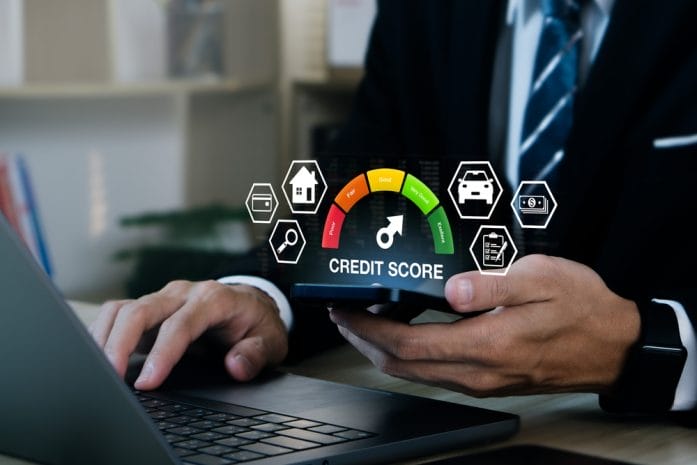
credit score

Image source: shutterstock.com

Your credit score is more than just a number. It can affect your mortgage rate, ability to rent an apartment, or even land a job. But while most people know the basics—pay your bills on time, keep balances low—there are lesser-known tactics that can make a real difference. These aren’t just tips you’ll find on every finance blog. They’re practical, often overlooked strategies that can help you take charge of your financial future. If you’re serious about boosting your credit score, these secrets are worth knowing.

1. Credit Utilization Gets Calculated Per Card and Overall

Most people have heard that keeping your credit card balances low is good for your credit score. But did you know that credit utilization is looked at both per card and across all your cards? If you max out one card but leave the others untouched, your score could still dip. Aim to keep each card’s balance below 30% of its limit, and try to do the same for your total credit usage. This simple move can have a big impact on your credit score, sometimes within just a month or two.

2. Old Accounts Hold More Power Than You Think

It’s tempting to close old credit cards you don’t use anymore. However, the length of credit history is a major factor in your credit score. Those older accounts give your score a boost simply by showing you’ve managed credit for a long time. If there’s no annual fee, consider keeping old cards open. Use them occasionally for small purchases to prevent closure due to inactivity.

3. Credit Inquiries Aren’t All Equal

Not all credit inquiries hit your credit score the same way. “Hard” inquiries—like when you apply for a loan or new card—can lower your score a bit. But “soft” inquiries—like checking your own score or getting pre-approved offers—don’t affect your score at all. So, feel free to check your own credit regularly. It’s smart to keep tabs on your credit report and make sure everything looks right.

4. Timing Your Payments Can Make a Difference

Most people pay their credit card bill by the due date, but did you know the balance reported to the credit bureaus is often your statement balance? If you pay down your balance before your statement closes, a lower amount gets reported. This can instantly lower your credit utilization and give your credit score a quick lift. Even if you pay in full every month, timing matters.

5. You Can Piggyback on Someone Else’s Good Credit

Becoming an authorized user on a family member’s or friend’s credit card can help your credit score—if the primary user has good habits. Their positive payment history and low credit utilization can show up on your credit report, sometimes improving your score quickly. But make sure you trust the person and that the card issuer reports authorized user activity to the credit bureaus. It’s a smart shortcut, but it comes with risks if the account isn’t managed well.

6. Not All Debts Are Treated the Same

Did you know installment loans—like mortgages and auto loans—impact your credit score differently than credit cards? Revolving debt (credit cards) has a bigger effect on your credit utilization ratio, which is a key score factor. Paying down your cards can often boost your credit score faster than paying off an installment loan. If you’re focused on improving your credit score, prioritize lowering credit card balances first.

7. Errors on Your Credit Report Are More Common Than You Think

Many people never check their credit reports, assuming everything is correct. Yet, errors are surprisingly common and can drag down your credit score. Regularly review your reports from all three bureaus. If you spot a mistake, dispute it right away. You’re entitled to a free report from each bureau every year at AnnualCreditReport.com. Fixing even one error can mean a big jump in your credit score.

8. Rent and Utility Payments Can Help—If Reported

Traditionally, rent and utility payments didn’t show up on credit reports. That’s changing thanks to new services that let you report these payments to the credit bureaus. If you’re paying rent on time, consider signing up for a service that will add this history to your report. This is especially helpful for people with thin credit files.

Take Charge of Your Credit Score Today

Improving your credit score doesn’t have to be a mystery. With these eight credit score secrets, you have actionable steps that go beyond the usual advice. Understanding how credit utilization, account age, and even things like rent payments affect your score gives you an edge. Don’t forget to check your credit report for errors and time your payments for the best impact.

Building a strong credit score is about knowing the rules—and sometimes the exceptions. Start with one or two of these strategies, and you might see your credit score climb sooner than you think.

What’s the most surprising thing you’ve learned about your credit score? Share your experience or tips in the comments!

What to Read Next…

  • 5 Things That Instantly Decrease Your Credit Score By 50 Points
  • The Benefits Of Taking Personal Loans And Their Impact On Credit Scores
  • Why Some Credit Reports Are Withholding Important Data
  • Why Are More Seniors Ditching Their Credit Cards Completely
  • Are These 6 Helpful Budget Tips Actually Ruining Your Finances
Travis Campbell
Travis Campbell

Travis Campbell is a digital marketer/developer with over 10 years of experience and a writer for over 6 years. He holds a degree in E-commerce and likes to share life advice he’s learned over the years. Travis loves spending time on the golf course or at the gym when he’s not working.

Filed Under: credit score Tagged With: credit cards, credit report, credit score, credit utilization, Debt Management, Financial Tips, Personal Finance

10 Reasons Your Credit Card Fraud Claim Was Denied—and What You Can Do About It

October 21, 2025 by Travis Campbell Leave a Comment

credit card

Image source: shutterstock.com

Credit card fraud can feel like a punch to the gut. You spot a suspicious charge, report it, and wait for your bank to make things right. But then you get the dreaded notice: your credit card fraud claim was denied. This happens more often than you might think, and it can leave you feeling powerless and frustrated. Understanding why your claim was denied can help you avoid future headaches—and even turn things around if you act quickly. Here are the most common reasons your credit card fraud claim was denied, and what you can do about each one.

1. You Waited Too Long to Report the Fraud

Timing is everything when it comes to credit card fraud claims. Most card issuers require you to report unauthorized charges within 60 days of the statement date. If you miss this window, your credit card fraud claim could be denied automatically. Always review your statements promptly and act as soon as you spot anything unusual. If your claim was denied for this reason, call your issuer and ask if any exceptions can be made, but know that the rules are strict.

2. The Charge Was Actually Authorized

Sometimes, what looks like fraud is just a forgotten purchase or a charge from a business using a different name. If the bank investigates and determines that you or someone in your household authorized the charge, your claim will be denied. Double-check with family members and review your receipts before filing a claim. If you disagree with the bank’s findings, ask for documentation and file an appeal with additional evidence.

3. Insufficient Documentation

Your bank may request evidence to support your fraud claim, like receipts, emails, or police reports. If you don’t provide what’s needed, or if your documentation is unclear, your credit card fraud claim may be denied. Always keep a record of your correspondence and any supporting documents. If your claim was denied for lack of evidence, gather stronger proof and resubmit your claim, or escalate it with a supervisor.

4. You Shared Your Card or PIN

If you willingly gave your card or PIN to someone, even temporarily, banks may consider you responsible for any resulting charges. This often includes situations where you let a friend or family member borrow your card. To prevent this, never share your card or account details. If you think your card was used without your permission after sharing it, explain the circumstances clearly when you file your claim, though a reversal is unlikely.

5. The Transaction Was Made with a Chip or PIN

Card issuers often deny claims if the transaction was completed using your card’s chip or your PIN, as this suggests the card was present and used by someone with access. If you still have your card, but someone cloned it or guessed your PIN, make this clear in your claim. Request a detailed explanation from your bank and ask about additional steps you can take to prove the use was fraudulent.

6. The Fraud Claim Was for a Dispute, Not Fraud

There’s a difference between credit card fraud and a billing dispute. Fraud involves unauthorized use, while a dispute usually means you didn’t receive something you paid for or are unhappy with a purchase. If you file a credit card fraud claim for what’s really a merchant dispute, your claim will likely be denied. Be clear about the situation when contacting your issuer and use the correct process, such as a chargeback, for disputes.

7. You Didn’t Respond to the Bank’s Requests

After you file a credit card fraud claim, your bank may reach out for more details. If you don’t respond in a timely manner, they can close your case and deny your claim. Always keep an eye on your email and voicemail during the investigation. If your claim was denied because of missed communication, contact your bank immediately to ask if you can reopen the case.

8. The Bank Suspects Friendly Fraud

Friendly fraud happens when someone you know—like a child or partner—uses your card without your permission, but you don’t want to press charges or admit the relationship. Banks are cautious with these cases and often deny the credit card fraud claim if the story doesn’t add up. If this happens, be honest with your bank and consider filing a police report if needed. Some issuers may reconsider if you provide more information.

9. The Fraudulent Activity Didn’t Meet the Bank’s Definition

Banks have specific definitions for what counts as credit card fraud. For example, if you gave out your card info on a suspicious website, your bank may say you didn’t take reasonable precautions and deny your claim. Always read your cardholder agreement to understand what’s covered.

10. Your Account Wasn’t in Good Standing

If your account is past due, over the limit, or has been flagged for suspicious activity, your bank may deny your claim. Some issuers argue that customers who aren’t in good standing are more likely to file false claims. If this is the case, bring your account up to date and then follow up with your bank. Good standing can increase your chances of a successful credit card fraud claim in the future.

What to Do If Your Credit Card Fraud Claim Was Denied

A denied credit card fraud claim isn’t always the end of the road. Start by requesting a detailed explanation from your card issuer. Gather any missing documentation, clarify misunderstandings, and file a formal appeal. Persistence and clear communication can make a difference.

No one wants to deal with credit card fraud, but knowing the common pitfalls can help you protect your finances. Have you ever had a credit card fraud claim denied? Share your story or questions in the comments below—we’d love to hear from you.

What to Read Next…

  • 7 Credit Card Features Disappearing Without Any Notice
  • 5 Things That Instantly Decrease Your Credit Score By 50 Points
  • 6 Credit Card Perks That Come With Under The Radar Stringent Conditions
  • 8 Things You’re Doing That Make Criminals Think You’re An Easy Target
  • 10 Credit Report Errors That Saddled Retirees With Denied Loans
Travis Campbell
Travis Campbell

Travis Campbell is a digital marketer/developer with over 10 years of experience and a writer for over 6 years. He holds a degree in E-commerce and likes to share life advice he’s learned over the years. Travis loves spending time on the golf course or at the gym when he’s not working.

Filed Under: credit cards Tagged With: banking, Consumer Protection, credit card fraud, credit cards, fraud claims, Personal Finance

Why Closing an Old, Unused Credit Card Can Wreck Your Credit Score

October 17, 2025 by Travis Campbell Leave a Comment

credit card

Image source: pexels.com

Thinking about closing an old, unused credit card? You might assume it’s a smart move—one less card to worry about, right? But before you call your issuer, it’s important to understand how this decision can affect your financial health. Your credit score is more sensitive to changes than many realize, and closing a credit card can have ripple effects. For many people, keeping old accounts open is actually better for their credit profile. Let’s look at why closing an old, unused credit card can wreck your credit score and what you should consider before making a move.

1. Credit Utilization Ratio Gets Worse

Your credit utilization ratio is a key factor in your credit score. This ratio compares your total credit card balances to your total available credit. When you close an old, unused credit card, you reduce your available credit, which can cause your utilization rate to jump—even if your spending stays the same. For example, if you have $5,000 in total credit limits and carry $1,000 in balances, your utilization is 20%. Close a card with a $2,000 limit, and suddenly your utilization jumps to 33%.

Credit scoring models like FICO prefer utilization below 30%, and ideally under 10%. Higher utilization can signal to lenders that you’re a riskier borrower, which can drag down your score. That’s why keeping old cards open, even if you don’t use them, can actually help keep your credit utilization—and your credit score—in better shape.

2. Shortens Your Credit History

Length of credit history is another important piece of your credit score. Lenders like to see that you’ve managed credit responsibly over time. When you close an old credit card, you risk shortening the average age of your accounts. This can especially hurt if the card you’re closing is your oldest account.

While closed accounts may stay on your credit report for several years, they eventually drop off, and your average account age can take a hit. A shorter credit history can make you look less experienced with credit, which can lower your credit score. The longer your credit history, the better your score tends to be.

3. Fewer Accounts Mean Less Credit Diversity

Credit scoring models reward diversity in the types of credit you use. This could include credit cards, installment loans, mortgages, and more. By closing an old, unused credit card, you reduce the number of revolving accounts on your credit report. Less diversity can be a negative if you don’t have many other accounts.

Maintaining a mix of credit types shows lenders you can handle different forms of borrowing. Even if you don’t use your old card much, just having it open contributes to your overall credit profile. If you’re considering a major loan in the future, like a mortgage, keeping more accounts open could help your case.

4. Potential Loss of Positive Payment History

Positive payment history is the backbone of a strong credit score. If you’ve had an old card for years and always paid on time, that account is helping your score. Closing it won’t erase the history right away, but eventually, closed accounts fall off your credit report—usually after 7-10 years.

When that happens, you lose the benefit of those on-time payments in your credit score calculation. If your other accounts are newer or have less positive history, your credit score could dip when the old account disappears. In short, closing an old, unused credit card means you’re eventually giving up a valuable piece of your financial track record.

5. Unintended Effects on Future Credit Applications

Planning to apply for a loan, car financing, or even a new apartment? Closing an old credit card can lower your credit score just when you need it to be at its best. Lenders and landlords often use your score to judge your reliability. Even a small drop can make a difference in the terms you’re offered—or whether you’re approved at all.

Many people don’t realize that the impact of closing a card can stay with them for months or even years. If you’re thinking about making a big financial move, keeping your old, unused credit card open could work in your favor.

How to Handle Old, Unused Credit Cards Wisely

Now that you know why closing an old, unused credit card can wreck your credit score, you might be wondering what to do with those dormant accounts. If the card doesn’t have an annual fee and isn’t posing a security risk, consider leaving it open. You can use it for a small recurring charge (like a streaming subscription) to keep it active, then pay it off in full every month. This way, you maintain a healthy credit utilization ratio and preserve your long credit history.

If you’re worried about fraud or can’t resist the temptation to overspend, look for ways to secure the card, like lowering the credit limit or keeping the card in a safe place. The bottom line: keeping your old, unused credit card open is often the smarter choice for your credit score.

Have you ever closed an old credit card and noticed a change in your credit score? Share your experience or questions in the comments below!

What to Read Next…

  • 5 Things That Instantly Decrease Your Credit Score By 50 Points
  • The Benefits Of Taking Personal Loans And Their Impact On Credit Scores
  • 7 Credit Card Features Disappearing Without Any Notice
  • Why Are More Seniors Ditching Their Credit Cards Completely
  • 6 Credit Card Perks That Come With Under The Radar Stringent Conditions
Travis Campbell
Travis Campbell

Travis Campbell is a digital marketer/developer with over 10 years of experience and a writer for over 6 years. He holds a degree in E-commerce and likes to share life advice he’s learned over the years. Travis loves spending time on the golf course or at the gym when he’s not working.

Filed Under: credit cards Tagged With: credit cards, Credit history, credit management, credit score, credit utilization, Personal Finance

The Truth About “0% APR” Balance Transfer Cards and Their Hidden Fees

October 17, 2025 by Travis Campbell Leave a Comment

apr

Image source: pexels.com

“0% APR” balance transfer cards are everywhere, promising relief from high-interest debt. If you’re juggling credit card balances, these offers can look like a shortcut to financial freedom. But before you jump in, it’s important to know exactly what you’re signing up for. The truth is, these cards come with fine print that can cost you more than you expect. Understanding the hidden fees and pitfalls can help you make smarter choices with your money. Let’s break down what you really need to know about 0% APR balance transfer cards.

1. The Balance Transfer Fee Isn’t Always Obvious

The term “0% APR” grabs your attention, but the real cost often hides in the balance transfer fee. Most credit card companies charge a fee to move your balance, typically between 3% and 5% of the amount transferred. For example, transferring $5,000 could cost you $150 to $250 right off the bat. This fee is usually added to your balance, so you start with a bigger debt than you intended.

Some cards advertise no balance transfer fee, but those offers are rare and usually come with other trade-offs, like a shorter 0% APR period or higher ongoing interest rates. Always read the fine print and do the math to see if the savings on interest outweigh the upfront cost.

2. The 0% APR Period Is Temporary

The main draw of 0% APR balance transfer cards is the promise of no interest for a set time. But this period is temporary—often 12 to 18 months. After that, any remaining balance will be subject to the card’s regular interest rate, which can be as high as 20% or more. If you don’t pay off your transferred balance before the promotional period ends, you could find yourself back where you started, or worse.

Mark your calendar with the exact date the 0% APR expires. Set a payoff plan that ensures you clear the debt before interest kicks in. Otherwise, you risk undoing any progress you’ve made.

3. New Purchases Might Not Be Interest-Free

It’s easy to assume that every purchase you make with your new card will also benefit from the 0% APR. But in many cases, the promotional rate only applies to balance transfers—not new purchases. Any new spending might rack up interest immediately, at the card’s standard rate. This can make it even harder to pay down your debt.

If you’re using the card to transfer a balance, avoid making new purchases until your transferred debt is paid off. Some cards offer a 0% APR on both transfers and purchases, but not all. Double-check the offer details before you swipe.

4. Late Payments Can End Your 0% APR Early

Missing a payment on your 0% APR balance transfer card can be costly. Many issuers will revoke your promotional rate if you’re late, meaning your entire balance could start accruing interest at the regular rate. You might also face a late fee, which can add up quickly.

To protect your savings, set up automatic payments or reminders. Even one slip-up can erase the benefits of the 0% APR period and leave you with unexpected charges.

5. Your Credit Score Matters—A Lot

Not everyone will qualify for the best 0% APR balance transfer cards. Lenders reserve these offers for people with good to excellent credit. If your credit score is below average, you might get approved for a card with less favorable terms or be denied altogether.

Applying for a new card also creates a hard inquiry on your credit report, which can temporarily lower your score. Plus, opening new accounts and shifting balances can affect your credit utilization ratio. Before applying, check your score and weigh whether the benefits outweigh the risks. If you’re not sure where you stand, you can get a free copy of your credit report from AnnualCreditReport.com.

6. Deferred Interest vs. True 0% APR

Not all “0% APR” offers are created equal. Some cards advertise 0% interest but actually use a deferred interest model. With deferred interest, if you don’t pay off the full balance by the end of the promotional period, you’ll owe interest on the entire original amount—not just what’s left. This can be a nasty surprise.

Be sure to distinguish between true 0% APR, where no interest is charged during the promo period, and deferred interest, which can backfire if you’re not careful. Always read the terms and ask questions if you’re unsure.

7. Hidden Fees Beyond the Transfer

Balance transfer cards can come with other fees that add up fast. Some cards charge annual fees, which can eat into your savings. Others may have cash advance fees, foreign transaction fees, or penalty APRs for certain behaviors. These extra costs can erode the benefits you hoped to gain from your 0% APR balance transfer card.

Before you apply, review all fees listed in the card’s terms and conditions. If you travel or plan to use the card for anything beyond the transfer, factor those charges into your decision.

Making the Most of Your 0% APR Balance Transfer Card

0% APR balance transfer cards can be a smart tool for paying down debt, but only if you know the rules and avoid the traps. By understanding the hidden fees, time limits, and other fine print, you can make an informed decision that actually saves you money. The primary keyword to focus on when researching these offers is “0% APR balance transfer cards,” as that will help you find the most relevant and up-to-date information.

Remember, these cards aren’t a cure-all for debt. They work best when paired with a solid payoff plan and disciplined spending. If you’re strategic, a 0% APR balance transfer card can give you breathing room to tackle your balances, but only if you’re aware of every potential pitfall along the way.

Have you used a 0% APR balance transfer card before? What hidden fees or surprises did you encounter? Share your experience in the comments!

What to Read Next…

  • 7 Hidden Fees That Aren’t Labeled As Fees At All
  • 7 Credit Card Features Disappearing Without Any Notice
  • The Benefits Of Taking Personal Loans And Their Impact On Credit Scores
  • 5 Things That Instantly Decrease Your Credit Score By 50 Points
  • Why Credit Limits Are Being Lowered Without Consent
Travis Campbell
Travis Campbell

Travis Campbell is a digital marketer/developer with over 10 years of experience and a writer for over 6 years. He holds a degree in E-commerce and likes to share life advice he’s learned over the years. Travis loves spending time on the golf course or at the gym when he’s not working.

Filed Under: Finance Tagged With: 0% APR, balance transfers, credit cards, Debt Management, Hidden Fees, Personal Finance

The Sneaky “Deferred Interest” Trap That Adds Thousands to Your Bill

October 11, 2025 by Travis Campbell Leave a Comment

interest

Image source: shutterstock.com

Have you ever seen a “no interest if paid in full” deal on a credit card or a store financing offer? These offers can look like an easy way to buy what you need and avoid interest. But lurking behind the fine print is the deferred interest trap—a sneaky feature that can cost you thousands if you’re not careful. Many people don’t realize how quickly these deals can backfire, turning a smart-sounding purchase into a debt nightmare. Understanding how deferred interest works is crucial before you swipe your card or sign that agreement. Otherwise, you might end up paying far more than you expected. Let’s break down what makes deferred interest offers so risky and how you can protect yourself from this common financial pitfall.

1. What Is Deferred Interest?

Deferred interest is a financing arrangement where you don’t pay interest on your purchase if you pay off the full balance within a set promotional period, usually 6, 12, or 18 months. Sounds good, right? But if you don’t pay every penny by the deadline, you’ll be hit with all the interest that’s been building up since day one—not just on what’s left, but on the entire original purchase amount.

Deferred interest is not the same as 0% interest. With true 0% interest offers, you only pay interest on any remaining balance after the promo period ends. With deferred interest, you’re on the hook for all the interest if you’re even a dollar short when the clock runs out. This difference can add up to big money, especially on large purchases.

2. How the Deferred Interest Trap Works

Let’s say you buy a $2,000 appliance with a 12-month deferred interest offer at 25% APR. If you pay off the full $2,000 by the end of the year, you pay no interest. But if you miss the deadline or leave even $50 unpaid, you’ll suddenly owe all the interest that would have accumulated over the year—on the full $2,000. That could mean hundreds of dollars in surprise charges.

This trap is easy to fall into because the minimum payments required during the promo period often aren’t enough to pay off the full balance. If you’re not paying close attention, you could make all your payments on time and still get hit with a huge bill at the end. The deferred interest trap is especially common with store cards and financing deals on electronics, furniture, and medical expenses.

3. Why Deferred Interest Costs So Much

Retailers and lenders love deferred interest because it sounds appealing, but it often works in their favor. The interest rates on these deals are usually sky-high—often 20% or more. The catch is that interest is “accrued” the whole time, even though you don’t see it on your statements during the promo period. If you slip up, all that hidden interest becomes due at once. That’s why the deferred interest trap can add thousands to your bill, especially on big-ticket items.

Many customers don’t realize they’re in trouble until it’s too late. They assume making the minimum payment is enough or forget to mark their calendars for the payoff deadline. Even a small balance left unpaid can trigger the full interest charge, erasing any savings you thought you were getting.

4. Common Places You’ll See Deferred Interest

Deferred interest offers pop up in many places. You’ll often see them at electronics stores, furniture retailers, and dental or medical offices. Store-branded credit cards are notorious for these kinds of deals. Retailers push them hard because they know many shoppers won’t pay off the full balance in time, resulting in hefty interest payments.

If you’re considering a deferred interest offer, always read the fine print. Look for phrases like “interest will be charged from the purchase date if not paid in full.” If you’re unsure, ask the salesperson or lender to explain exactly what happens if you miss the deadline.

5. How to Avoid the Deferred Interest Trap

The best way to avoid the deferred interest trap is to pay off your balance in full before the promotional period ends. Set up automatic payments, or divide the total amount by the number of months in the offer to create a payoff plan. That way, you’re never caught off guard by a big bill. If you’re not sure you can pay the full amount on time, consider skipping the offer or looking for a true 0% interest deal instead.

Always read the terms and conditions carefully. Watch for high interest rates, short promotional periods, and tricky payment schedules. If you have questions, don’t be afraid to ask. Remember, the deferred interest trap is designed to catch people who aren’t paying attention. Stay alert, and you can keep more money in your pocket.

Smart Moves to Keep Your Finances Safe

Deferred interest can seem like a good deal at first glance, but it’s one of the most common ways people end up with unexpected debt. By understanding how the deferred interest trap works and taking steps to avoid it, you can protect yourself from surprise charges and keep your financial goals on track. Always pay close attention to the fine print, and don’t be afraid to walk away from a deal that seems too good to be true.

Have you ever been caught by a deferred interest trap or narrowly avoided one? Share your experience or tips in the comments below!

What to Read Next…

  • 7 Credit Card Features Disappearing Without Any Notice
  • 9 Tax Deferred Accounts That Cost More In The Long Run
  • 7 Hidden Fees That Aren’t Labeled As Fees At All
  • 5 Things That Instantly Decrease Your Credit Score By 50 Points
  • 9 Surprising Penalties For Paying Off Loans Too Early
Travis Campbell
Travis Campbell

Travis Campbell is a digital marketer/developer with over 10 years of experience and a writer for over 6 years. He holds a degree in E-commerce and likes to share life advice he’s learned over the years. Travis loves spending time on the golf course or at the gym when he’s not working.

Filed Under: credit cards Tagged With: consumer tips, credit cards, debt traps, deferred interest, Personal Finance

7 Best Practices for Using Credit Cards Like the Rich Do

October 10, 2025 by Travis Campbell Leave a Comment

Credit

Image source: shutterstock.com

Ever wondered how wealthy people seem to benefit from credit cards without falling into debt? The difference isn’t just about having more money—it’s about using credit cards strategically. When managed wisely, credit cards can unlock perks, improve your financial standing, and even help build wealth. But if you use them carelessly, they can just as quickly become a burden.

Credit card best practices aren’t a secret reserved for the rich. Anyone can learn to use credit cards in a way that boosts their finances instead of draining them. In this article, we’ll break down the seven best practices for using credit cards like the rich do. You’ll learn practical steps to maximize rewards, avoid common pitfalls, and make your cards work for you.

Ready to approach credit cards like a pro? Let’s dive in.

1. Pay the Full Balance Every Month

This is the golden rule of credit card best practices. Wealthy individuals almost never carry a balance. Instead, they pay off their cards in full every month. Why? Because interest rates on credit cards are notoriously high. If you only pay the minimum, those interest charges add up fast, eroding any rewards you might earn.

By clearing your balance each month, you avoid interest entirely. This habit protects your credit score and keeps your financial life stress-free. Set up automatic payments if you can, so you never miss a due date.

2. Maximize Rewards and Perks

The rich pay attention to credit card rewards programs, and so should you. From cash back to travel points, the right card can offer significant benefits. But don’t just chase sign-up bonuses. Look for ongoing perks that match your lifestyle—like airport lounge access, purchase protections, or extended warranties.

To get the most out of these programs, use your card for regular expenses you’d pay anyway, like groceries or gas. Then, redeem your rewards strategically. Some cards offer better value for travel bookings, while others shine with statement credits or gift cards.

3. Monitor Spending Closely

Wealthy cardholders don’t leave their statements unchecked. They review their transactions regularly to spot any unauthorized charges or errors. This not only protects against fraud but also helps keep spending in check.

Many credit cards offer budgeting tools or instant alerts. Use them to categorize expenses and set limits. Staying aware is a key part of credit card best practices. If you notice a problem, report it right away to avoid liability.

4. Choose Cards That Fit Your Lifestyle

Not all credit cards are created equal. The rich tend to be selective, choosing cards that align with their spending habits and financial goals. For example, frequent travelers might opt for a premium travel card, while big families could benefit from generous cash-back cards for groceries and gas.

Before applying, compare features like annual fees, interest rates, and reward structures. Make sure the card’s benefits outweigh any costs.

5. Leverage Introductory Offers—But Don’t Overspend

Introductory bonuses can be tempting. The rich take advantage of these offers, but they never let them dictate their spending. If a card offers a big sign-up bonus for spending a certain amount in the first few months, make sure those purchases fit your normal budget.

Don’t buy things you don’t need just to earn points. Instead, time big planned purchases—like insurance payments or home improvements—to coincide with these offers. This way, you benefit from the bonus without going overboard.

6. Protect Your Credit Score

Your credit score affects everything from loan approvals to insurance rates. The rich know this and treat their credit with care. Key credit card best practices include keeping your credit utilization low—ideally under 30% of your total available credit. This shows lenders you’re responsible and can boost your score over time.

Also, don’t open too many new cards at once. Each application triggers a hard inquiry, which can temporarily lower your score. Space out new applications and keep old accounts open, as a longer credit history works in your favor.

7. Use Credit Cards for Security and Convenience

Credit cards offer better fraud protection than debit cards or cash. The wealthy often use their cards for online shopping, travel, and large purchases. If a fraudulent charge appears, it’s easier to dispute and resolve with a credit card.

Some cards even offer zero liability for unauthorized transactions. Using credit cards wisely means you get peace of mind and added convenience—without the risks of carrying cash.

Building Wealth With Smart Credit Card Habits

Practicing these credit card best practices doesn’t require a huge bank account. It’s about discipline, awareness, and making your cards work for you—not the other way around. By paying in full, maximizing rewards, monitoring spending, and protecting your credit score, you set yourself up for financial success. Over time, these habits help you save money, earn valuable perks, and avoid costly mistakes.

Don’t be afraid to compare new card offers or switch when your needs change. Start treating your credit cards like tools for building wealth, not just spending.

How do you use your credit cards to get ahead financially? Share your favorite tips or questions in the comments below!

What to Read Next…

  • 7 Credit Card Features Disappearing Without Any Notice
  • 6 Credit Card Perks That Come With Under The Radar Stringent Conditions
  • Why Are More Seniors Ditching Their Credit Cards Completely
  • 5 Things That Instantly Decrease Your Credit Score By 50 Points
  • What Are Banks Really Doing With Your Personal Spending Data
Travis Campbell
Travis Campbell

Travis Campbell is a digital marketer/developer with over 10 years of experience and a writer for over 6 years. He holds a degree in E-commerce and likes to share life advice he’s learned over the years. Travis loves spending time on the golf course or at the gym when he’s not working.

Filed Under: credit cards Tagged With: credit cards, credit score, Debt Management, Personal Finance, rewards programs, Wealth Building

10 Uncommon Tactics for Boosting Your Credit Score Rapidly

October 9, 2025 by Travis Campbell Leave a Comment

credit score

Image source: shutterstock.com

Improving your credit score quickly can open doors to better loan rates, higher credit limits, and more financial freedom. While most people know the basics—like paying bills on time and keeping balances low—there are less common strategies that can make a big impact. Understanding these lesser-known tactics can help you gain a competitive edge and achieve results more quickly. Whether you’re trying to qualify for a mortgage or just want to lower your interest rates, a higher credit score is a valuable tool. Let’s look at ten uncommon ways to boost your credit score rapidly and set yourself up for financial success.

1. Request Higher Credit Limits on Existing Cards

One effective way to boost your credit score rapidly is to request a higher credit limit on your existing credit cards. This approach can improve your credit utilization ratio, which is the percentage of your available credit you’re actually using. If your income has increased or you’ve had your card for over six months, contact your issuer and request a limit increase. Just avoid spending more simply because you have extra room.

2. Become an Authorized User (Strategically)

Many people know about becoming an authorized user, but few take a strategic approach. Ask a family member or close friend with a long, positive credit history and low card balances to add you as an authorized user. Their good payment record will appear on your credit report, giving your credit score a rapid boost—sometimes in as little as 30 days.

3. Use a Rapid Rescore Service

If you’re in the middle of a loan application, some lenders offer a service called Rapid Rescore. This can update your credit file within a few days after you pay down debts or correct errors. It’s not something you can request directly—you’ll need to work with a lender. This tactic is especially useful if you need to boost your credit score rapidly to qualify for a better mortgage or refinance rate.

4. Open a Credit Builder Loan

Credit builder loans aren’t just for people with no credit. Even if you have some credit history, opening a small loan at a credit union or community bank and making on-time payments can add positive activity to your credit file. These loans work by holding the loan amount in a savings account while you make payments. When you’ve paid it off, you get the funds—and a better credit score.

5. Remove Authorized User Status from Problem Accounts

If you were added as an authorized user to a card with missed payments or high balances, it could be hurting your credit score. Contact the card issuer and request removal. This can quickly erase negative information from your credit report and help your credit score recover more rapidly than waiting for late payments to age off naturally.

6. Dispute Old, Small Collection Accounts

Small collection accounts, especially those that are a few years old, can drag down your credit score. Dispute any errors or inaccuracies related to these accounts. Sometimes, the collection agency won’t bother to verify, and the account will be removed. Even if the debt is valid, you can often negotiate a “pay for delete” agreement, where the agency removes the account in exchange for payment.

7. Time Your Payments to Lower Your Reported Balances

Most card issuers report your balance to the credit bureaus on your statement closing date, not your payment due date. If you pay down your balance right before the statement closes, the lower balance is reported, improving your credit utilization ratio. This can give your credit score a rapid boost, especially if you usually carry a balance from month to month.

8. Diversify Your Credit Mix with a New Type of Account

Your credit mix—meaning the variety of credit accounts you have—makes up about 10% of your credit score. Adding a different type of account, such as a personal loan if you only have credit cards, can help. But don’t open new accounts too often; only do this if you know you can manage the payments responsibly.

9. Use Experian Boost or Similar Tools

Services like Experian Boost can add positive payment history from utilities and streaming services to your credit report. This tactic is best for those with limited credit history or thin credit files. It’s free, easy to use, and can often raise your credit score rapidly, especially if you’ve consistently paid your bills on time.

10. Ask Creditors to Remove Recent Late Payments

If you have just one or two late payments, contact your creditor and request a “goodwill adjustment.” Explain your situation and ask if they’ll remove the late payment from your credit report as a courtesy. This approach isn’t guaranteed, but if you have a strong payment history, many creditors will accommodate the request. Removing even a single late payment can have a significant impact on your credit score rapidly.

Taking Charge of Your Credit Score Rapidly

Boosting your credit score rapidly doesn’t have to involve risky moves or waiting years for improvement. With these uncommon tactics, you can take control and see results in a matter of weeks or months. Focus on the strategies that match your situation and always keep your long-term financial health in mind.

What uncommon strategies have you used to boost your credit score rapidly? Share your experience in the comments below!

What to Read Next…

  • 5 Things That Instantly Decrease Your Credit Score By 50 Points
  • The Benefits Of Taking Personal Loans And Their Impact On Credit Scores
  • Why Are More Seniors Ditching Their Credit Cards Completely?
  • Why Credit Limits Are Being Lowered Without Consent
  • Why Some Credit Reports Are Withholding Important Data
Travis Campbell
Travis Campbell

Travis Campbell is a digital marketer/developer with over 10 years of experience and a writer for over 6 years. He holds a degree in E-commerce and likes to share life advice he’s learned over the years. Travis loves spending time on the golf course or at the gym when he’s not working.

Filed Under: credit score Tagged With: credit cards, credit improvement, credit score, credit tips, Debt Management, Personal Finance

ADHD and Credit Cards: Why Impulse Spending Feels Inevitable

October 8, 2025 by Travis Campbell Leave a Comment

credit

Image source: pexels.com

If you live with ADHD, managing money often feels like an uphill battle. Credit cards, with their instant access to funds, can make impulse spending especially hard to resist. Many people with ADHD struggle to control urges, making it easy to rack up debt without realizing it. Understanding why this happens is the first step toward regaining control. Let’s break down the connection between ADHD and credit cards, and why that swipe can feel almost automatic.

1. Executive Function Challenges

ADHD affects executive function—the brain’s ability to plan, organize, and control impulses. When you’re faced with a tempting purchase, your brain may struggle to hit the brakes. This makes it harder to pause and think before using your credit card. The instant gratification of buying something new can outweigh the long-term consequences, leading to more frequent impulse spending.

For people with ADHD and credit cards, these executive function hurdles mean budgets and spending limits can fade into the background. Even with the best intentions, it’s easy to lose track of how much you’ve spent until the bill arrives.

2. Emotional Regulation and Shopping

People with ADHD often feel emotions more intensely. Stress, boredom, or even excitement can trigger the urge to spend. Credit cards make it effortless to act on these feelings. A rough day or a burst of energy might lead to a shopping spree, with the card providing instant relief or pleasure.

Unfortunately, this pattern can become a cycle. The temporary boost from a purchase fades, leaving guilt or regret. This emotional rollercoaster is a big reason why impulse spending feels so inevitable for many with ADHD.

3. The Allure of Instant Gratification

Credit cards are designed to offer convenience, but for people with ADHD, they also offer instant rewards. The brain’s reward center lights up with every purchase, making it hard to resist buying now and worrying later. Delayed gratification—waiting for a reward—can be especially tough for those with ADHD.

Impulse spending with ADHD and credit cards isn’t just about lacking willpower. It’s about how your brain processes rewards and responds to temptation. The promise of something new or exciting can easily override the intention to save or stick to a budget.

4. Forgetting the Details

Short-term memory struggles are common with ADHD. Remembering how much you’ve already spent, or when a payment is due, can be difficult. Credit cards don’t help—they separate the act of buying from the act of paying. This disconnect can make it easier to overspend without realizing the full impact.

Many people with ADHD find themselves surprised when the credit card statement arrives. The small charges add up, and without a clear record in mind, it’s easy to lose track of them. This isn’t carelessness—it’s a real challenge tied to the way ADHD affects memory and attention.

5. Overwhelmed by Financial Systems

Managing money requires organization. Budgets, statements, and due dates—these systems can feel overwhelming for someone with ADHD. When tasks feel too complex, it’s tempting to avoid them altogether. Credit cards simplify the buying process but add layers of complexity to financial management.

This overwhelm can lead to procrastination. Bills pile up, and important decisions get delayed. The result? More late fees, higher balances, and a growing sense that impulse spending is just part of life with ADHD and credit cards.

6. Marketing Tactics and Triggers

Credit card companies and retailers know how to push your buttons. Flash sales, rewards points, and limited-time offers are designed to trigger instant decisions. For someone with ADHD, these tactics are even harder to resist. The sense of urgency and novelty can override logical thinking, leading to more frequent and impulsive purchases.

Understanding these triggers is key. Recognizing when you’re being nudged by clever marketing can help you pause and reconsider—though it’s never easy, especially when ADHD is in the mix.

Practical Steps for Regaining Control

If you’re struggling with ADHD and credit cards, know that you’re not alone. There are practical steps you can take to break the cycle of impulse spending. Start by setting up automatic payments and reminders so nothing slips through the cracks. Try using budgeting apps designed for individuals with ADHD—tools that simplify rather than complicate your finances.

Consider carrying only one credit card or switching to debit for everyday purchases. Some people find success with accountability partners or financial coaches. Small changes add up, and progress is possible.

What tricks or strategies have helped you manage impulse spending with ADHD and credit cards? Share your thoughts in the comments below!

What to Read Next…

  • 7 Credit Card Features Disappearing Without Any Notice
  • Are These 7 Little Expenses Quietly Costing You Thousands A Year?
  • 5 Budgeting Tools That Trick You Into Higher Spending
  • Are Budgeting Apps Designed To Push You Into Debt?
  • Why Are More Seniors Ditching Their Credit Cards Completely?
Travis Campbell
Travis Campbell

Travis Campbell is a digital marketer/developer with over 10 years of experience and a writer for over 6 years. He holds a degree in E-commerce and likes to share life advice he’s learned over the years. Travis loves spending time on the golf course or at the gym when he’s not working.

Filed Under: Debt Management Tagged With: ADHD, credit cards, Debt, impulse spending, mental health, money management, Personal Finance

These Are 9 Of The Worst Financial Mistakes College Students Make

October 4, 2025 by Travis Campbell Leave a Comment

money financial

Image source: pexels.com

College is an exciting time, but it’s also a period when many young adults make decisions that can significantly impact their financial future for years to come. The worst financial mistakes college students make often seem harmless in the moment but can lead to big headaches. Student loans, credit cards, and limited income make this stage uniquely risky. Understanding these pitfalls is crucial to establishing a solid financial foundation. If you’re in college—or about to be—knowing what to avoid can help you graduate with more than just a degree: you’ll have smarter financial habits, too.

1. Racking Up High-Interest Credit Card Debt

One of the worst financial mistakes college students make is overusing credit cards. It’s easy to swipe now and worry later, but high-interest rates can turn small balances into big problems. Many students only pay the minimum due, stretching out payments for years and paying far more than they borrowed. Learning to use credit responsibly, or even waiting before getting a card, can save you a lot down the line.

2. Ignoring a Budget

Budgeting might sound boring, but not having one is a classic error. Without tracking where your money goes, you can overspend on eating out, entertainment, or shopping without realizing it. A simple monthly budget doesn’t need to be complicated. There are plenty of budgeting apps that make it easy. The sooner you start tracking your spending, the more control you’ll have over your finances.

3. Taking Out More Student Loans Than Necessary

Student loans are a necessity for many, but borrowing too much is a common mistake. It’s tempting to accept the full amount offered, but you’ll have to pay it back—with interest. Only borrow what you need for tuition, books, and essentials. Consider part-time work or scholarships to cover other costs. The less debt you graduate with, the easier your financial future will be.

4. Not Building Credit Responsibly

Building good credit early is crucial, but some students overlook it entirely. Others open cards but don’t manage them well. Responsible use—like paying bills on time and keeping balances low—can set you up for future loans, apartments, or even jobs. If you don’t have a credit card, consider a student card or becoming an authorized user on a parent’s account. Remember that reckless use is one of the most common and costly financial mistakes college students make.

5. Skipping Emergency Savings

Life is unpredictable, and not having an emergency fund can leave you scrambling for resources. Car repairs, medical bills, or a lost job can derail your plans. Even saving a small amount each month helps. Set up a separate savings account and aim for at least $500 to start. It’s not about how much you save, but about building the habit of saving regularly.

6. Overpaying for Textbooks and Supplies

Textbooks are expensive, but paying full price at the campus store isn’t your only option. Many students don’t realize they can save by renting, buying used, or sharing with classmates. Online marketplaces and textbook rental sites can cut costs dramatically. Ask professors if older editions are acceptable. Every dollar you save on supplies is a dollar you can put elsewhere.

7. Not Taking Advantage of Student Discounts

Many businesses offer discounts to students, but these often go unused. From software to streaming services and public transportation, discounts can add up. Always ask if a student rate is available before you buy. Making this a habit can stretch your budget further and help you avoid some of the worst financial mistakes college students make.

8. Failing to Plan for Life After Graduation

It’s easy to focus on the present, but not thinking about what comes next is risky. Start learning about repayment options for student loans and researching entry-level salaries in your field. Create a loose budget plan for your post-graduation expenses. Even if your plans change, you’ll be better prepared for the transition from student to working adult.

9. Letting Lifestyle Inflation Take Over

As you get older or take on part-time jobs, it’s tempting to upgrade your lifestyle. New clothes, gadgets, or more nights out seem harmless. But if your spending rises every time your income does, saving becomes impossible. Focus on keeping your expenses steady and saving extra income. Avoiding this trap is key to long-term financial health.

Building Better Habits for a Strong Financial Future

College is the ideal time to establish good financial habits. Avoiding the worst financial mistakes college students make isn’t about being perfect—it’s about being aware and making smarter choices. Small steps now lead to huge rewards later.

What financial mistake do you wish you could go back and fix from your college days? Share your story in the comments!

What to Read Next…

  • 5 Things That Instantly Decrease Your Credit Score By 50 Points
  • The Benefits Of Taking Personal Loans And Their Impact On Credit Scores
  • Are Budgeting Apps Designed To Push You Into Debt?
  • Are These 6 Helpful Budget Tips Actually Ruining Your Finances?
  • Why Are So Many Seniors Being Sued Over Student Loans They Didn’t Take Out?
Travis Campbell
Travis Campbell

Travis Campbell is a digital marketer/developer with over 10 years of experience and a writer for over 6 years. He holds a degree in E-commerce and likes to share life advice he’s learned over the years. Travis loves spending time on the golf course or at the gym when he’s not working.

Filed Under: College Planning Tagged With: budgeting, college money mistakes, credit cards, financial literacy, student loans

8 Cruel Truths About Debt That Nobody Wants to Hear Loudly

October 3, 2025 by Travis Campbell Leave a Comment

money

Image source: pexels.com

Debt is a topic most people would rather ignore than face head-on. Yet, the harsh realities of debt can quietly shape your financial future in ways you never expected. Whether you’re struggling with credit cards, student loans, or medical bills, understanding the true nature of debt is essential for anyone seeking financial stability. These truths aren’t always pleasant, but they’re necessary if you want to break free from the cycle. If you’re ready for a dose of honesty, keep reading to learn the cruel truths about debt that rarely get talked about openly.

1. Debt Steals Your Future Income

Every dollar you borrow today is a dollar you’ve already committed from your future earnings. That means when your paycheck arrives, a portion is already spoken for—sometimes for years or even decades. This is one of the most sobering truths about debt: it limits your ability to make choices down the road. Vacations, home upgrades, or investing in your future all take a back seat to debt payments. Over time, this can leave you feeling trapped and frustrated, as your financial goals stay just out of reach.

2. Interest Never Sleeps

Interest is relentless. While you’re sleeping, working, or relaxing on the weekend, interest on your debt is quietly growing. This is especially true with high-interest forms of debt like credit cards. Even if you make minimum payments, the balance can balloon over time, leaving you paying far more than you borrowed. The cruel truth about debt is that interest charges can turn a small purchase into a long-term financial burden.

3. Minimum Payments Are a Trap

Making only the minimum payment might seem manageable, but it’s a financial trap. Lenders design these payments to keep you in debt for as long as possible, maximizing their profits through interest. If you stick to the minimum, you could be paying off the same debt for years and shelling out much more than the original balance. It’s a cycle that’s hard to break unless you make a conscious effort to pay more each month.

4. Debt Can Impact Your Mental Health

Few people realize the emotional toll that debt can take. The constant worry, stress, and even shame can affect your relationships, sleep, and overall well-being. The burden of owing money isn’t just financial; it’s psychological. Studies have shown that high levels of debt are linked to anxiety and depression. Facing this reality is the first step toward regaining peace of mind, but it requires acknowledging just how deeply debt can affect your life.

5. Not All Debt Is “Good” Debt

You might hear that some debt is “good”—like student loans or a mortgage. While it’s true that certain debts can help you build assets or improve your earning potential, every debt comes with risk. The cruel truth about debt is that even so-called good debt can become unmanageable if your circumstances change. A job loss, illness, or market downturn can quickly turn manageable payments into a crisis. Don’t assume any debt is truly safe.

6. Debt Can Limit Your Opportunities

Debt doesn’t just affect your bank account; it can hold you back in other areas of life. High debt loads can prevent you from qualifying for a mortgage, starting a business, or even taking a new job if it pays less but offers more satisfaction. Employers and landlords sometimes check your credit, so your debt could impact where you live or work. This is a reality many people overlook until it’s too late.

7. You Can’t Out-Earn Bad Debt Habits

It’s tempting to think that a higher salary will solve your debt problems. But if your spending habits don’t change, more income often just means more debt. The cruel truth about debt is that without discipline and planning, your financial situation won’t improve with a bigger paycheck. Real change comes from budgeting, cutting expenses, and making intentional choices about borrowing and spending.

8. Debt Relief Isn’t a Magic Wand

There are many companies and programs promising quick fixes for debt. While some can help, many charge high fees or offer solutions that only provide temporary relief. Bankruptcy and debt settlement can have long-term consequences for your credit and financial future. Remember, there’s no instant way out—resolving debt takes time, patience, and a willingness to change your approach.

What Facing Debt Really Means

Facing the cruel truths about debt isn’t easy, but it’s necessary if you want to regain control of your finances. Accepting these realities can help you make more informed choices, avoid common pitfalls, and begin building the financial life you desire. Debt doesn’t have to define your future, but it will if you keep ignoring it.

If you want more guidance on managing debt, resources like MyMoney.gov offer practical tools and tips for getting started. The path to financial freedom is rarely smooth, but it always starts with honesty and a plan.

What’s the hardest debt truth you’ve had to face? Share your experience or tips in the comments below!

What to Read Next…

  • The Benefits Of Taking Personal Loans And Their Impact On Credit Scores
  • 5 Emergency Repairs That Could Force You Into Debt Overnight
  • Are Budgeting Apps Designed To Push You Into Debt
  • 5 Things That Instantly Decrease Your Credit Score By 50 Points
  • Why Are So Many Seniors Being Sued Over Student Loans They Didn’t Take Out
Travis Campbell
Travis Campbell

Travis Campbell is a digital marketer/developer with over 10 years of experience and a writer for over 6 years. He holds a degree in E-commerce and likes to share life advice he’s learned over the years. Travis loves spending time on the golf course or at the gym when he’s not working.

Filed Under: Debt Management Tagged With: credit cards, Debt, debt relief, mental health, money management, Personal Finance, Planning

  • « Previous Page
  • 1
  • …
  • 3
  • 4
  • 5
  • 6
  • 7
  • …
  • 10
  • Next Page »

FOLLOW US

Search this site:

Recent Posts

  • Can My Savings Account Affect My Financial Aid? by Tamila McDonald
  • 12 Ways Gen X’s Views Clash with Millennials… by Tamila McDonald
  • What Advantages and Disadvantages Are There To… by Jacob Sensiba
  • 10 Tactics for Building an Emergency Fund from Scratch by Vanessa Bermudez
  • Call 911: Go To the Emergency Room Immediately If… by Stephen Kanaval
  • 7 Weird Things You Can Sell Online by Tamila McDonald
  • 10 Scary Facts About DriveTime by Tamila McDonald

Copyright © 2026 · News Pro Theme on Genesis Framework