• Home
  • About Us
  • Toolkit
  • Getting Finances Done
    • Hiring Advisors
    • Debt Management
    • Spending Plan
  • Insurance
    • Life Insurance
    • Health Insurance
    • Disability Insurance
    • Homeowners/Renters Insurance
  • Contact Us
  • Risk Tolerance Quiz
  • Our Editorial Commitment

The Free Financial Advisor

You are here: Home / Archives for banking

10 Reasons Your Credit Card Fraud Claim Was Denied—and What You Can Do About It

October 21, 2025 by Travis Campbell Leave a Comment

credit card
Image source: shutterstock.com

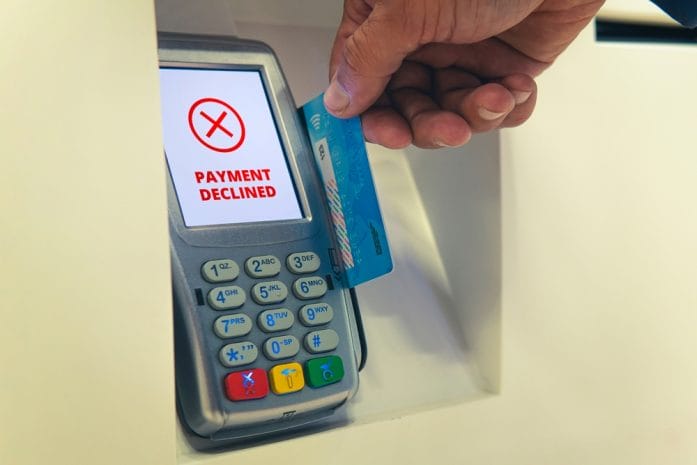
Credit card fraud can feel like a punch to the gut. You spot a suspicious charge, report it, and wait for your bank to make things right. But then you get the dreaded notice: your credit card fraud claim was denied. This happens more often than you might think, and it can leave you feeling powerless and frustrated. Understanding why your claim was denied can help you avoid future headaches—and even turn things around if you act quickly. Here are the most common reasons your credit card fraud claim was denied, and what you can do about each one.

1. You Waited Too Long to Report the Fraud

Timing is everything when it comes to credit card fraud claims. Most card issuers require you to report unauthorized charges within 60 days of the statement date. If you miss this window, your credit card fraud claim could be denied automatically. Always review your statements promptly and act as soon as you spot anything unusual. If your claim was denied for this reason, call your issuer and ask if any exceptions can be made, but know that the rules are strict.

2. The Charge Was Actually Authorized

Sometimes, what looks like fraud is just a forgotten purchase or a charge from a business using a different name. If the bank investigates and determines that you or someone in your household authorized the charge, your claim will be denied. Double-check with family members and review your receipts before filing a claim. If you disagree with the bank’s findings, ask for documentation and file an appeal with additional evidence.

3. Insufficient Documentation

Your bank may request evidence to support your fraud claim, like receipts, emails, or police reports. If you don’t provide what’s needed, or if your documentation is unclear, your credit card fraud claim may be denied. Always keep a record of your correspondence and any supporting documents. If your claim was denied for lack of evidence, gather stronger proof and resubmit your claim, or escalate it with a supervisor.

4. You Shared Your Card or PIN

If you willingly gave your card or PIN to someone, even temporarily, banks may consider you responsible for any resulting charges. This often includes situations where you let a friend or family member borrow your card. To prevent this, never share your card or account details. If you think your card was used without your permission after sharing it, explain the circumstances clearly when you file your claim, though a reversal is unlikely.

5. The Transaction Was Made with a Chip or PIN

Card issuers often deny claims if the transaction was completed using your card’s chip or your PIN, as this suggests the card was present and used by someone with access. If you still have your card, but someone cloned it or guessed your PIN, make this clear in your claim. Request a detailed explanation from your bank and ask about additional steps you can take to prove the use was fraudulent.

6. The Fraud Claim Was for a Dispute, Not Fraud

There’s a difference between credit card fraud and a billing dispute. Fraud involves unauthorized use, while a dispute usually means you didn’t receive something you paid for or are unhappy with a purchase. If you file a credit card fraud claim for what’s really a merchant dispute, your claim will likely be denied. Be clear about the situation when contacting your issuer and use the correct process, such as a chargeback, for disputes.

7. You Didn’t Respond to the Bank’s Requests

After you file a credit card fraud claim, your bank may reach out for more details. If you don’t respond in a timely manner, they can close your case and deny your claim. Always keep an eye on your email and voicemail during the investigation. If your claim was denied because of missed communication, contact your bank immediately to ask if you can reopen the case.

8. The Bank Suspects Friendly Fraud

Friendly fraud happens when someone you know—like a child or partner—uses your card without your permission, but you don’t want to press charges or admit the relationship. Banks are cautious with these cases and often deny the credit card fraud claim if the story doesn’t add up. If this happens, be honest with your bank and consider filing a police report if needed. Some issuers may reconsider if you provide more information.

9. The Fraudulent Activity Didn’t Meet the Bank’s Definition

Banks have specific definitions for what counts as credit card fraud. For example, if you gave out your card info on a suspicious website, your bank may say you didn’t take reasonable precautions and deny your claim. Always read your cardholder agreement to understand what’s covered.

10. Your Account Wasn’t in Good Standing

If your account is past due, over the limit, or has been flagged for suspicious activity, your bank may deny your claim. Some issuers argue that customers who aren’t in good standing are more likely to file false claims. If this is the case, bring your account up to date and then follow up with your bank. Good standing can increase your chances of a successful credit card fraud claim in the future.

What to Do If Your Credit Card Fraud Claim Was Denied

A denied credit card fraud claim isn’t always the end of the road. Start by requesting a detailed explanation from your card issuer. Gather any missing documentation, clarify misunderstandings, and file a formal appeal. Persistence and clear communication can make a difference.

No one wants to deal with credit card fraud, but knowing the common pitfalls can help you protect your finances. Have you ever had a credit card fraud claim denied? Share your story or questions in the comments below—we’d love to hear from you.

What to Read Next…

  • 7 Credit Card Features Disappearing Without Any Notice
  • 5 Things That Instantly Decrease Your Credit Score By 50 Points
  • 6 Credit Card Perks That Come With Under The Radar Stringent Conditions
  • 8 Things You’re Doing That Make Criminals Think You’re An Easy Target
  • 10 Credit Report Errors That Saddled Retirees With Denied Loans
Travis Campbell
Travis Campbell

Travis Campbell is a digital marketer/developer with over 10 years of experience and a writer for over 6 years. He holds a degree in E-commerce and likes to share life advice he’s learned over the years. Travis loves spending time on the golf course or at the gym when he’s not working.

Filed Under: credit cards Tagged With: banking, Consumer Protection, credit card fraud, credit cards, fraud claims, Personal Finance

The Credit Score Hack Financial Advisors Use That Banks Hope You Never Learn

September 18, 2025 by Travis Campbell Leave a Comment

credit
Image source: pexels.com

Your credit score is more than just a number. It determines the rates you pay on loans, your eligibility for mortgages, and even your ability to rent an apartment. Yet, most people don’t realize that a simple credit score hack can make a dramatic difference. Financial advisors have been using this strategy for years while banks quietly hope you remain in the dark. If you’re looking to save money and boost your financial health, understanding this credit score hack is essential. Let’s break down exactly what you need to know about this powerful technique and how you can start using it today.

1. The Primary Credit Score Hack: Authorized User Status

The most effective credit score hack financial advisors recommend is becoming an authorized user on someone else’s well-managed credit card. When you’re added as an authorized user, the card’s payment history and credit limit are reported on your credit file. This can quickly improve your own credit score, especially if your credit history is thin or your score is lower than you’d like.

Banks don’t publicize this because it allows you to piggyback on someone else’s good credit habits without taking on new debt. In fact, this strategy can be especially helpful for young adults or those recovering from past credit mistakes. Just make sure the primary cardholder pays their bills on time and keeps balances low. Otherwise, negative activity could also show up on your report.

2. Choose the Right Credit Card Account

Not all credit cards are created equal when it comes to this credit score hack. The best accounts for authorized user status are those with a long history of on-time payments and low credit utilization. The account should be several years old, as older accounts positively influence your average age of credit, a key factor in your credit score calculation.

Before asking someone to add you, have an honest conversation about their payment habits. Being linked to a card with late payments or high balances can actually hurt your credit score. If you have a family member or close friend with excellent credit, that’s your best bet. Remember, you don’t need to use the card—just being added is enough.

3. Monitor Your Credit Reports Closely

After you’re added as an authorized user, keep an eye on your credit reports. You should see the new account show up within a month or two. If it doesn’t, contact the credit card issuer to make sure they report authorized users to all three major bureaus. Some cards only report to one or two, so choose accordingly when planning this credit score hack.

Regularly checking your credit report is a smart habit anyway. You can get a free copy from each bureau every year through AnnualCreditReport.com. Look for errors or unexpected changes. If you spot trouble, address it right away to protect your score.

4. Use the Hack Responsibly and Ethically

While the authorized user credit score hack is powerful, it comes with responsibility. Never pressure someone to add you if they’re uncomfortable, and don’t attempt to “rent” authorized user status from strangers online. This can backfire and may even violate card issuer rules.

Instead, focus on building a trusting relationship. Offer to help the primary cardholder in other ways or explain how this move could help you reach your financial goals. Be transparent and always prioritize honesty. Used correctly, this strategy can benefit both parties and set you up for long-term financial success.

5. Combine With Other Credit Score Boosting Habits

Don’t rely solely on the authorized user method. Combine this credit score hack with good habits like paying your own bills on time, keeping your credit utilization below 30%, and avoiding unnecessary inquiries. Over time, these steps work together to build a strong and resilient credit profile.

Consider setting up payment reminders or enrolling in automatic payments. If you’re working to pay down debt, tackle high-interest balances first. If you’re unsure where to start, a financial advisor can help you plan a strategy tailored to your goals.

Why Banks Don’t Want You to Know This

Banks profit when customers have lower credit scores. Higher rates and fees mean more money for them. That’s why they rarely talk about the authorized user credit score hack. If more people used this technique, banks would see a drop in revenue from interest and penalty charges. Knowledge really is power when it comes to your financial future.

By taking control of your credit score, you’re not just saving money—you’re opening doors to better opportunities. Whether you want a new car, a home, or simply peace of mind, this credit score hack can give you an edge. If you’ve tried this strategy or have questions, what was your experience? Share your story or ask below!

What to Read Next…

  • 5 Things That Instantly Decrease Your Credit Score By 50 Points
  • The Benefits Of Taking Personal Loans And Their Impact On Credit Scores
  • Why Some Credit Reports Are Withholding Important Data
  • Why Are More Seniors Ditching Their Credit Cards Completely
  • Why Credit Limits Are Being Lowered Without Consent
Travis Campbell
Travis Campbell

Travis Campbell is a digital marketer/developer with over 10 years of experience and a writer for over 6 years. He holds a degree in E-commerce and likes to share life advice he’s learned over the years. Travis loves spending time on the golf course or at the gym when he’s not working.

Filed Under: credit score Tagged With: authorized user, banking, credit card, credit report, credit score, financial advisor, Personal Finance

Could Your Bank Be Profiting From Your “Free” Checking Account

September 17, 2025 by Travis Campbell Leave a Comment

checking accounts
Image source: pexels.com

Many people love the idea of a “free” checking account. It sounds simple and straightforward: no monthly fees, no hidden charges, just a safe place to keep your money. But is it really free? Banks are businesses, and they need to make money to survive. So how can they offer free checking accounts and still turn a profit?

This question matters because your everyday banking habits could be lining your bank’s pockets in ways you might not realize. Even if you never pay a direct fee, your “free” checking account might generate plenty of income for the bank in the background. Here’s a closer look at how banks profit from these accounts—and what you can do about it.

1. Overdraft and Non-Sufficient Funds Fees

Even with a free checking account, you’re not immune to overdraft fees or non-sufficient funds (NSF) charges. If you accidentally spend more than you have, the bank can charge you a hefty fee—often $30 or more per incident. These fees are a major revenue source for banks, and they add up quickly if you’re not careful.

Many banks offer overdraft “protection,” but this can actually lead to more fees. So while your account itself might not have a monthly cost, the penalties for small mistakes can be steep. For banks, these fees turn free checking accounts into profit centers.

2. Minimum Balance Requirements and Hidden Charges

Some free checking accounts come with strings attached. If you don’t maintain a certain minimum balance, you might be hit with a fee. Other hidden charges can include paper statement fees, ATM usage outside the network, or charges for using a teller instead of an ATM.

These requirements and fees are easy to overlook when signing up for a free checking account. But if you’re not careful, they can eat away at your balance and provide a steady income for the bank.

3. Debit Card Interchange Fees

Every time you swipe your debit card, your bank collects a small fee from the merchant. These are called interchange fees, and while each one is tiny, they add up across millions of transactions. For banks, this is a significant way to profit from free checking accounts without charging you directly.

This means that simply using your debit card for groceries, gas, or online shopping is making your bank money. The more you use your card, the more revenue your bank earns—without you ever seeing a bill.

4. Account Data and Cross-Selling

When you open a free checking account, you share a lot of personal and financial information. Banks analyze this data to build profiles of their customers. They use these profiles to target you with offers for other products—like credit cards, loans, or investment accounts.

This process, known as cross-selling, is a powerful way for banks to increase profits. Your “free” checking account is a gateway to a broader relationship, and banks hope you’ll buy more of their products. Some even work with third parties, sharing aggregated information to generate advertising revenue.

If you’re interested in how banks use your data, check out how banks use your data for more details.

5. Low or No Interest on Your Balances

One of the less obvious ways banks profits from free checking accounts is by paying you little or no interest on your deposits. Meanwhile, they lend out your money at much higher rates for mortgages, auto loans, and business loans.

This “spread” between what the bank pays you and what it earns from lending is a core part of their business model. Even if your checking account is free, your deposit is still working hard—for the bank, not for you.

6. Encouraging Costly Behaviors

Some banks structure their free checking accounts to encourage behaviors that generate more revenue. For example, they might promote features that make it easy to overdraft, or design their mobile apps to steer you toward services with fees.

While these features are often marketed as convenient, they can lead to increased costs for customers and higher profits for banks. It’s important to read the fine print and understand how your bank account is set up.

What You Can Do About Your “Free” Checking Account

Now that you know how banks profit from free checking accounts, you can make smarter choices. Look closely at your account terms and keep an eye out for potential fees or requirements. If you find your bank is profiting at your expense, consider switching to a credit union or an online bank with more transparent policies.

Compare features, read reviews, and don’t be afraid to ask questions. Remember, your money should work for you—not just for your bank.

Have you ever been surprised by fees or practices tied to your “free” checking account? Share your experience in the comments below!

What to Read Next…

  • What Are Banks Really Doing With Your Personal Spending Data?
  • 7 Hidden Fees That Aren’t Labeled As Fees At All
  • 5 Invisible Service Charges Eating Into Your Bank Balance
  • What Happens When Your Bank Changes The Terms Without Warning?
  • Could A Bank Freeze Your Account Without Telling You?
Travis Campbell
Travis Campbell

Travis Campbell is a digital marketer/developer with over 10 years of experience and a writer for over 6 years. He holds a degree in E-commerce and likes to share life advice he’s learned over the years. Travis loves spending time on the golf course or at the gym when he’s not working.

Filed Under: Banking Tagged With: bank fees, banking, checking accounts, Financial Tips, free checking account, overdraft, Personal Finance

9 Hidden Costs of Switching Banks Nobody Warns You About

September 15, 2025 by Travis Campbell Leave a Comment

change banks
Image source: pexels.com

Thinking about switching banks? It seems simple: close your old account, open a new one, and move your money. But the reality is more complicated. The hidden costs of switching banks often catch people off guard. These little-known fees and hassles can add up, making your financial transition more stressful than expected. Before you make the leap, it’s important to understand what’s really involved. Here are nine unexpected expenses and headaches you might encounter when changing your bank.

1. Overlapping Monthly Fees

One of the most common hidden costs of switching banks is overlapping monthly account fees. If you open your new account before closing the old one, you could end up paying maintenance fees for both. Sometimes, banks require a minimum balance to waive these fees, and transferring your funds too soon might cause you to dip below the threshold. Make sure to time your account closure carefully and double-check all fee schedules before moving your money.

2. Lost Interest During Transfers

When you move money between accounts, there may be a few days when your cash isn’t earning any interest. This is especially true if you’re transferring funds by check or through slower ACH transfers. If you have a large balance, even a few days without earning interest can mean real money lost. Consider the timing and ask both banks about potential interest gaps before making the switch.

3. Automatic Payment Disruptions

Changing banks means updating all your automatic payments. Miss one, and you could face late fees from service providers or lenders. Worse, if a bill payment tries to process from your old account after you’ve closed it, you might get hit with returned payment fees. Make a detailed list of every automatic withdrawal and update your information with each company before closing your old account.

4. Check Reordering and Stationery Costs

Even in the digital age, you might still use checks for rent, gifts, or certain bills. When you open a new account, you’ll need new checks, deposit slips, and perhaps address labels. Banks rarely offer these for free. These small costs add up, especially if you use personalized or business checks. Don’t forget to destroy your old checks to avoid confusion or potential fraud.

5. Early Account Closure Penalties

Some banks charge a fee if you close your account soon after opening it—sometimes within 90 or even 180 days. If you’re switching banks because of a sign-up bonus or a better rate, this penalty can wipe out your gains. Review your current bank’s policies before making any moves. If you’re not sure, call customer service and ask directly about early closure penalties.

6. Missed Rewards and Loyalty Benefits

Many banks offer rewards for long-term customers, such as reduced loan rates or fee waivers. By switching banks, you could lose these perks. Some institutions even have relationship pricing that benefits you the longer you stay. If you’re considering a switch, weigh the value of these rewards against the potential savings at your new bank. Sometimes, staying put is the better financial move.

7. Transfer and Wire Fees

Moving your money from one bank to another isn’t always free. Some banks charge for outgoing wire transfers or even for standard electronic transfers above a certain amount. If you have to move large sums, these fees can be significant. It’s wise to ask both your old and new banks about their transfer fee policies. You don’t want to be surprised by a $25 charge just to move your own money.

8. Time and Hassle Costs

Not all costs are financial. The time you spend updating direct deposits, automatic payments, and account information can add up quickly. You might need to visit branches, fax documents, or spend hours on the phone. If you run a small business, these hidden costs of switching banks are even greater. Consider whether the benefits of your new account outweigh the effort required to make the transition smooth.

9. Impact on Your Credit and Financial Records

Switching banks can affect your credit and financial records more than you might think. If you close an account with a linked overdraft line of credit, it could impact your credit utilization ratio. A missed automatic loan payment due to a switch can also hurt your credit score. Additionally, if you’re applying for a mortgage or loan soon, lenders may want to see a stable banking history. Plan your timing—it’s safer to switch banks when you don’t have major financial events on the horizon.

Smart Moves When Facing the Hidden Costs of Switching Banks

The hidden costs of switching banks don’t have to derail your financial plans. Start by making a checklist of all the accounts, payments, and services connected to your old account. Take your time moving automatic deposits and withdrawals to your new bank. These extra steps can save you money and frustration.

It’s also helpful to research new banks thoroughly before making a move. Compare fee schedules, online reviews, and customer service options. By being proactive, you can minimize the hidden costs of switching banks and make your transition as smooth as possible.

Have you encountered any unexpected costs or hassles when changing banks? Share your experience in the comments below!

What to Read Next…

  • What Are Banks Really Doing With Your Personal Spending Data?
  • What Happens When Your Bank Changes The Terms Without Warning?
  • Could A Bank Freeze Your Account Without Telling You?
  • 7 Hidden Fees That Aren’t Labeled As Fees At All
  • 5 Invisible Service Charges Eating Into Your Bank Balance
Travis Campbell
Travis Campbell

Travis Campbell is a digital marketer/developer with over 10 years of experience and a writer for over 6 years. He holds a degree in E-commerce and likes to share life advice he’s learned over the years. Travis loves spending time on the golf course or at the gym when he’s not working.

Filed Under: Banking Tagged With: automatic payments, banking, credit, fees, money management, Personal Finance, switching banks

5 Outrageous Fees Hidden in Everyday Banking Services

September 10, 2025 by Travis Campbell Leave a Comment

fees
Image source: pexels.com

Banking is supposed to make managing your money easier, not more expensive. Yet, many people are paying extra without realizing it. Hidden banking fees can quietly drain your account over time, making it harder to reach your financial goals. These charges often sneak into everyday transactions, buried in the fine print or disguised as “service” or “convenience” fees. If you’ve ever been surprised by a smaller balance than you expected, hidden banking fees might be the culprit.

Understanding these charges is the first step to keeping more of your hard-earned cash. With a bit of knowledge, you can spot and avoid the most outrageous fees hidden in everyday banking services. Let’s break down five of the worst offenders so you can protect your wallet.

1. Overdraft Protection Fees

Overdraft protection sounds helpful, but it can be one of the most expensive hidden banking fees. When you accidentally spend more than you have in your account, your bank may automatically cover the difference. But this “protection” usually comes at a steep price—sometimes $35 or more per transaction.

Even if you only go a few dollars over, the fee is the same. Worse, multiple transactions in a row can trigger several charges in a single day. Some banks even charge a daily fee until your account is back in the black. Overdraft fees are a big reason why hidden banking fees add up so fast. If you want to avoid them, consider opting out of overdraft protection or linking your checking account to a savings account for automatic transfers.

2. Maintenance Fees on “Free” Checking Accounts

Many banks advertise free checking, but the reality is often different. Monthly maintenance fees can quietly eat away at your balance, especially if you don’t meet certain requirements. These hidden banking fees can range from $5 to $15 a month, costing you up to $180 a year.

Banks might waive these fees if you maintain a minimum balance or set up direct deposit, but the rules are often buried in the account agreement. If your balance dips below the threshold—even for a day—you could be charged. Always read the fine print and ask your bank to clarify how to avoid maintenance fees. If your account isn’t truly free, it may be time to shop around for a better deal.

3. ATM Fees for “Out-of-Network” Withdrawals

Using an ATM outside your bank’s network can trigger a cascade of hidden banking fees. First, your bank may charge you a fee for using another institution’s machine. Then, the ATM owner might tack on a separate surcharge. Combined, these fees can easily total $4 or more per withdrawal.

Frequent travelers and people who live far from their bank’s ATMs are hit hardest. Some online banks offer ATM fee reimbursements, but most traditional banks do not. If you find yourself paying these charges often, look for banks that have large ATM networks or offer fee-free withdrawals.

4. Paper Statement Fees

With the rise of online banking, many banks now charge for paper statements. This hidden banking fee is often only a few dollars a month, but it adds up over time. Banks claim it’s about reducing environmental impact, but in reality, it’s another way to boost profits.

If you prefer a physical record, you could end up paying $24 or more per year for the privilege. The good news? You can usually switch to e-statements for free. Just make sure you regularly download and save your statements, so you have a record for tax or budgeting purposes.

5. Excessive Transaction Fees on Savings Accounts

Did you know that making too many transfers or withdrawals from your savings account can trigger hidden banking fees? Many banks limit you to six “convenient” transactions per month. Go over that limit, and you could face a fee of $10 or more each time.

This rule, originally set by federal regulations, is enforced by most banks even though some restrictions have eased. If you use your savings account like a checking account, you’ll pay the price. To avoid these hidden banking fees, keep transfers to a minimum and use your checking account for everyday spending.

How to Keep More of Your Money

Hidden banking fees are frustrating, but you don’t have to accept them as a fact of life. Start by reviewing your monthly statements and looking for charges you don’t recognize. Call your bank and ask them to explain any fees you find. Sometimes, they’ll waive a fee if you ask—especially if it’s your first time.

Consider switching to an online bank or credit union, which often have fewer hidden banking fees and better terms. The more you know about hidden banking fees, the better you can avoid them—and keep more money in your pocket where it belongs.

What’s the most surprising banking fee you’ve ever encountered? Share your experience in the comments below!

What to Read Next…

  • 7 Hidden Fees That Aren’t Labeled As Fees At All
  • 5 Invisible Service Charges Eating Into Your Bank Balance
  • 6 Bank Services That Start Charging After Just 60 Days
  • What Happens When Your Bank Changes The Terms Without Warning
  • Could A Bank Freeze Your Account Without Telling You
Travis Campbell
Travis Campbell

Travis Campbell is a digital marketer/developer with over 10 years of experience and a writer for over 6 years. He holds a degree in E-commerce and likes to share life advice he’s learned over the years. Travis loves spending time on the golf course or at the gym when he’s not working.

Filed Under: Banking Tagged With: ATM Fees, banking, checking accounts, fees, overdraft, Personal Finance, saving money

How Can Everyday Fees Add Up to Thousands Without Notice

September 8, 2025 by Travis Campbell Leave a Comment

interest
Image source: pexels.com

It’s easy to overlook the small charges that sneak into our daily routines. Yet, these everyday fees can quietly drain your bank account over time. Many people don’t realize how much is leaving their wallets each month because the amounts seem minor on their own. But when you add them up, these fees can easily reach thousands of dollars a year. Understanding how everyday fees accumulate is crucial for anyone who wants to keep more of their hard-earned money. Let’s break down where these fees come from and how you can spot them before they take a toll on your finances.

1. Bank Account Maintenance and ATM Fees

Bank fees are everywhere, from monthly maintenance charges to out-of-network ATM withdrawals. These charges are often buried in your statements and can be easy to miss if you don’t check regularly. A few dollars here and there may not seem like much, but over a year, they can total hundreds of dollars. For example, a $12 monthly account fee adds up to $144 annually. Add a couple of $3 ATM fees each month, and that’s another $72 per year.

These everyday fees are especially common if you have multiple accounts or use ATMs outside your bank’s network. To avoid them, check your bank’s fee schedule and consider switching to a no-fee account or using only in-network ATMs.

2. Subscription Services You Forgot About

Subscription fees are a perfect example of how everyday fees add up without notice. Streaming services, cloud storage, apps, and even gym memberships can quietly renew each month or year. Many people sign up for free trials and forget to cancel before the billing period begins. Some subscriptions cost just $5 or $10 monthly, but if you have several, they can easily reach $50 or more each month—over $600 per year.

Take the time to review your credit card and bank statements. Cancel subscriptions you no longer use. There are also services that help track and manage recurring charges, so you don’t pay for what you don’t need.

3. Credit Card Interest and Late Payment Fees

Carrying a balance on your credit card means paying interest—an everyday fee that can add up fast. Even a small balance with a high interest rate can cost you hundreds yearly. For instance, a $2,000 balance at 18% APR costs about $360 in interest per year if you only make minimum payments. Add in late payment fees, which can be $30 or more each time, and the total climbs quickly.

To avoid these everyday fees, pay your balance in full each month and set up automatic payments. If you’re struggling with debt, consider a balance transfer to a lower-interest card or work with a nonprofit credit counselor.

4. Cell Phone and Internet Overages

Data overages, international calls, and roaming charges can catch you off guard. Cell phone and internet providers are notorious for tacking on extra fees when you exceed your plan’s limits. Although these everyday fees may seem small per use, repeated overages can add up to hundreds of dollars each year.

Review your usage regularly and adjust your plan if needed. Many providers offer alerts when you’re nearing your limit. Taking a few minutes to monitor your account can make a big difference over the long run.

5. Convenience Fees for Online Payments

Many companies charge a small “convenience fee” when you pay bills online or by phone. Utility companies, ticketing websites, and even some government agencies add these extra charges. While a $2 or $3 fee may seem minor, if you pay ten bills a month this way, that’s $20-$30 monthly—or $240-$360 per year.

Whenever possible, use payment methods that don’t incur extra charges. Set up direct payments from your bank or mail a check if it’s free. These steps help you avoid unnecessary everyday fees that add up over time.

6. Hidden Travel and Hotel Fees

Travel is another area where everyday fees can pile up. Airlines charge for checked bags, seat selection, and even snacks. Hotels may tack on “resort fees” or extra charges for Wi-Fi and parking. Individually, these fees are manageable, but a family vacation can easily include hundreds of dollars in unexpected costs.

Before booking, read the fine print and ask about all potential fees.

7. Everyday Retail and Service Fees

Retailers and service providers often add small fees you might not notice. Examples include bag fees at grocery stores, service charges at restaurants, or processing fees for tickets and events. While these everyday fees seem insignificant, if you encounter them regularly, they add up fast.

Be mindful of where fees are applied. Some businesses offer discounts for paying cash or using their loyalty programs. Over time, small adjustments can help you keep more money in your pocket.

Small Fees, Big Impact: How to Take Control

Everyday fees have a sneaky way of draining your finances, often without you realizing it. By paying attention to the small charges on your bank, credit card, and service accounts, you can avoid letting these everyday fees add up to thousands over time. Take a few minutes each month to review your statements and question any unfamiliar charges. This simple habit can save you a significant amount in the long run.

Want more tips on managing your money and avoiding hidden charges?

Have you ever discovered everyday fees that surprised you? Share your story or your best tip for avoiding hidden charges in the comments below!

What to Read Next…

  • Are These 7 Little Expenses Quietly Costing You Thousands a Year?
  • 7 Hidden Fees That Aren’t Labeled as Fees at All
  • Are Automatic Renewals Draining More Than You Realize?
  • 6 Monthly Bills You Should Cancel Immediately Even If You Can Afford Them
  • 5 Invisible Service Charges Eating Into Your Bank Balance
Travis Campbell
Travis Campbell

Travis Campbell is a digital marketer/developer with over 10 years of experience and a writer for over 6 years. He holds a degree in E-commerce and likes to share life advice he’s learned over the years. Travis loves spending time on the golf course or at the gym when he’s not working.

Filed Under: Finance Tagged With: banking, budgeting, credit cards, fees, hidden costs, money tips, Personal Finance

5 Outrageous Ways Consumers Get Nickel-and-Dimed Daily

September 7, 2025 by Travis Campbell Leave a Comment

nickle and dime
Image source: pexels.com

It seems like everywhere you turn, there’s a new fee or a sneaky charge. From your morning coffee to your monthly subscriptions, companies are finding creative ways to squeeze a little extra out of your wallet. These daily “nickel-and-dime” tactics may not seem like much at first, but over time, they add up. Paying attention to these small charges matters because they can quietly sabotage your budget and long-term financial goals. If you’re tired of feeling like your money is slipping away unnoticed, it’s time to get wise to these outrageous ways consumers get nickel-and-dimed daily.

1. Sneaky Banking Fees

Banking used to feel straightforward. Now, it’s a maze of charges: maintenance fees, overdraft penalties, ATM surcharges, and even “inactivity” fees if you don’t touch your account for a while. It’s easy to overlook a $2 monthly maintenance fee or a $3 ATM charge, but these nickel-and-dime costs can quietly drain your account. Banks count on consumers not noticing or not wanting the hassle of switching banks.

To avoid these charges, review your statements each month and ask your bank about ways to waive fees. Sometimes, simply setting up direct deposit or maintaining a minimum balance can help.

2. Fast Food and Coffee Shop “Extras”

Craving a burger or a latte? You may be surprised at how small add-ons inflate your bill. Want an extra slice of cheese, a dollop of whipped cream, or a side of sauce? Many chains now charge for these little extras, often without clear signage. Even asking for a non-dairy milk or a flavor shot can tack on 50 cents to a dollar or more per order.

It’s not just about the food—it’s about the experience of being nickel-and-dimed. These small charges can become a daily expense, especially for busy consumers who grab coffee or lunch on the go. Over a month, those “extras” add up and eat into your budget.

3. Airlines and Travel Fees

Remember when airfare included your seat, a checked bag, and maybe even a snack? Now, airlines have turned nickel-and-dime tactics into an art form. You’ll pay for checked bags, carry-on luggage, seat selection, early boarding, and sometimes even printing your boarding pass at the airport. Want to sit next to your family? That will cost extra. Prefer a window seat? That’s another fee.

Travelers often underestimate these costs when booking a flight. The advertised price rarely reflects the true amount you’ll pay. To avoid surprises, research the airline’s fee structure before booking and factor in all potential charges.

4. Streaming Service Add-Ons

Cord-cutting was supposed to save us money. Yet, streaming platforms are now experts at nickel-and-diming their subscribers. Basic plans often come with ads, and commercial-free viewing costs extra. Want to share your account? That could mean an additional monthly charge. Even high-definition streaming or downloading content for offline viewing may require an upgrade.

Consumers often sign up for a low introductory rate, only to face price hikes and optional add-ons later. These incremental charges, though small on their own, can turn an affordable entertainment option into a monthly budget buster. Keep close tabs on your subscriptions, and don’t be afraid to cancel services you aren’t using regularly.

5. Automatic Gratuity and Service Charges

You might expect to tip for good service, but many restaurants and service providers have started adding automatic gratuity or “service charges” to bills. Sometimes, these charges are buried in the fine print or added for larger parties, but increasingly, they appear on bills for even small groups. While the intent may be to ensure fair wages for workers, these fees can feel like another way consumers get nickel-and-dimed.

It’s important to review your receipt before adding a tip. You may find that gratuity has already been included, and adding more could result in over-tipping. Awareness is key, especially as more businesses adopt these policies in response to rising labor costs.

Watch Out for These Daily Money Traps

Nickel-and-dime charges are everywhere, and they often fly under the radar. Whether it’s a hidden fee on your bank statement or an extra charge for oat milk in your coffee, these small expenses can make a big difference over time. By recognizing the most common ways consumers get nickel-and-dimed daily, you can start to make smarter choices and keep more of your hard-earned money.

Staying informed and reviewing your spending habits regularly is the best defense against these sneaky costs. Take a closer look at your monthly statements, receipts, and subscriptions to spot patterns. Small changes—like switching to a fee-free bank or making your own coffee—can add up to significant savings.

Have you noticed any outrageous ways you’re getting nickel-and-dimed daily? Share your experiences and tips in the comments below!

What to Read Next…

  • 7 Hidden Fees That Aren’t Labeled As Fees At All
  • Are These 7 Little Expenses Quietly Costing You Thousands A Year?
  • 8 Everyday Services That Are Slowly Becoming Subscription Only
  • 5 Invisible Service Charges Eating Into Your Bank Balance
  • Are Automatic Renewals Draining More Than You Realize?
Travis Campbell
Travis Campbell

Travis Campbell is a digital marketer/developer with over 10 years of experience and a writer for over 6 years. He holds a degree in E-commerce and likes to share life advice he’s learned over the years. Travis loves spending time on the golf course or at the gym when he’s not working.

Filed Under: Smart Shopping Tagged With: airline fees, banking, budgeting, Hidden Fees, nickel-and-dimed, Personal Finance, subscriptions

Why Do Poorer Families Pay Higher Interest Rates Than Wealthy Ones

September 5, 2025 by Travis Campbell Leave a Comment

interest
Image source: pexels.com

Interest rates affect nearly every financial decision a family makes, from buying a home to using a credit card. For poorer families, higher interest rates can make it much harder to get ahead, turning necessary purchases into long-term burdens. The difference in rates between low-income and wealthy families isn’t just a small detail—it can mean the difference between building wealth and falling deeper into debt. Understanding why poorer families pay higher interest rates than wealthy ones is key for anyone trying to make sense of financial inequality. It also gives insight into the broader challenges faced by those with fewer resources.

1. Credit Scores Reflect Financial History

One of the biggest reasons poorer families pay higher interest rates than wealthy ones is their credit scores. Lenders use these scores to determine the risk associated with lending money. People with lower incomes often have lower credit scores, sometimes because they’ve missed payments or have higher debt relative to their income. Even a few late payments or a high credit card balance can push a score down.

Wealthier families are more likely to have the means to pay bills on time and keep balances low. That higher score translates directly into lower interest rates. So, when two people apply for the same loan, the one with the stronger credit history—often the person with more financial security—will pay less in interest over time.

2. Limited Access to Mainstream Banking

Many low-income families don’t have easy access to traditional banks. Instead, they may rely on payday lenders, check-cashing services, or other alternative financial products. These options often come with much higher interest rates and fees. Without a relationship with a mainstream bank, it’s harder to qualify for lower-rate loans or credit cards.

This lack of access creates a cycle where poorer families are forced to use costly financial products simply because they don’t have other options. Wealthy families, on the other hand, are more likely to have established banking relationships, which opens the door to better rates and more favorable terms.

3. Smaller Loan Amounts Lead to Higher Costs

Poorer families often borrow smaller amounts of money, whether it’s a small personal loan or a lower-limit credit card. Lenders still need to cover their costs so that they may charge higher interest rates or fees on small loans. The result? The cost of borrowing is disproportionately high for those who can least afford it.

Wealthier borrowers can access larger loans at lower rates because the lender’s risk is spread over a bigger amount. This structural difference means that poorer families end up paying more, percentage-wise, for the same kinds of credit.

4. Fewer Assets to Use as Collateral

Collateral—like a home, car, or investment account—can help secure a loan and bring down the interest rate. Poorer families usually have fewer valuable assets to offer as collateral, making their loans riskier from the lender’s perspective. This added risk gets priced into the interest rate, making borrowing more expensive.

Wealthy families can often use their homes or investments to secure loans, reducing the risk for lenders and qualifying for better rates. Without this safety net, low-income borrowers face higher costs simply because they have less to put on the line.

5. Less Financial Flexibility in Emergencies

Emergencies happen to everyone, but poorer families have fewer resources to handle them. When an unexpected expense comes up, they may need to borrow quickly, sometimes at very high interest rates. Payday loans and emergency credit cards can fill the gap, but the interest rates are steep.

Wealthy families can often dip into savings or use low-interest lines of credit to manage emergencies. This difference in financial flexibility means that poorer families are more likely to pay higher interest rates when life throws them a curveball.

The Long-Term Impact of High Interest Rates

The reasons why poorer families pay higher interest rates than wealthy ones are deeply rooted in how the financial system works. From credit scores to collateral, the deck is often stacked against those with fewer resources. These higher rates make it much harder for low-income families to build wealth, as more of their money goes toward paying down interest instead of saving or investing for the future.

Over time, these differences add up. A family paying higher interest on everything from car loans to credit cards will have less room in their budget for essentials, let alone for building a financial cushion. The result is a cycle that’s tough to break.

Have you or someone you know faced high interest rates because of your financial situation? Share your experiences and thoughts in the comments below.

What to Read Next…

  • The Benefits Of Taking Personal Loans And Their Impact On Credit Scores
  • 5 Things That Instantly Decrease Your Credit Score By 50 Points
  • 7 Financial Loopholes That Lenders Exploit Behind The Scenes
  • Why Credit Limits Are Being Lowered Without Consent
  • 9 Silent Bank Policy Changes That Eat Into Your Savings
Travis Campbell
Travis Campbell

Travis Campbell is a digital marketer/developer with over 10 years of experience and a writer for over 6 years. He holds a degree in E-commerce and likes to share life advice he’s learned over the years. Travis loves spending time on the golf course or at the gym when he’s not working.

Filed Under: Finance Tagged With: banking, credit scores, Debt, financial inequality, interest rates, lending, Personal Finance

Could Too Much Cash in the Bank Actually Be a Financial Risk

August 29, 2025 by Travis Campbell Leave a Comment

bank

It’s easy to think that piling up cash in your bank account is always smart. After all, a big savings balance can feel like a safety net. But is there such a thing as too much cash in the bank? Many people don’t realize that holding onto large amounts of cash can actually be a financial risk. Instead of helping you reach your goals, excess cash might slow your progress or even put your money at risk in ways you haven’t considered. Let’s explore why too much cash in the bank can be more dangerous than it seems, and what you can do to strike the right balance.

1. Losing Out to Inflation

The biggest financial risk of keeping too much cash in the bank is inflation. Inflation slowly erodes the value of your savings over time. When prices rise and your cash sits in a low-interest account, your money buys less each year. For example, if inflation is 3% but your savings account pays just 0.5%, you’re effectively losing 2.5% of your money’s value annually.

While having a cash cushion is important for emergencies, holding more than you need means the rest is losing purchasing power. Instead, consider putting surplus funds to work in investments that offer better long-term growth potential.

2. Opportunity Cost of Missed Investments

Another reason why too much cash in the bank can be a financial risk is the opportunity cost. Money that sits idle isn’t growing. Over decades, the difference between earning 0.5% in a savings account and 7% in the stock market is massive. The longer you wait to invest, the harder it becomes to catch up.

Consider how compound growth works. Even small amounts invested early can snowball over time. By letting excess cash sit on the sidelines, you may be missing out on future wealth.

3. Bank Account Limits and FDIC Coverage

There are also practical limits to how much cash you should keep in a single bank account. In the U.S., the Federal Deposit Insurance Corporation (FDIC) only insures up to $250,000 per depositor, per bank, for each account ownership category. If your total cash exceeds these limits and your bank fails, any amount above that threshold could be lost.

This risk is minor for most people, but it becomes real if you’re holding large sums in one place. Spreading your money across several banks or account types can help protect your cash. Still, it’s another reason not to let too much cash accumulate unnecessarily.

4. Temptation to Overspend

Having a large cash balance can be tempting. When you see a hefty amount in your checking or savings account, you might feel more comfortable making impulse purchases. This “wealth effect” can lead to overspending and financial decisions you later regret.

To avoid this, consider moving surplus funds into separate accounts or even into investments. Out of sight often means out of mind, making it easier to resist spending on things that don’t align with your goals.

5. Lack of Diversification

Diversification is a core principle in financial planning. By spreading your money across different asset classes—stocks, bonds, real estate, and cash—you reduce your overall risk. Too much cash in the bank means you’re not diversified. If the economy changes or inflation spikes, your cash-heavy strategy could backfire.

Instead, aim for a balanced approach. Keep enough cash for emergencies and short-term needs, but don’t neglect other investment opportunities that can help your money grow and protect against inflation.

6. Not Taking Advantage of Better Savings Options

Many people default to keeping their excess cash in a basic savings account. But there are often better options out there. High-yield savings accounts, money market accounts, or even short-term certificates of deposit (CDs) can offer higher interest rates with similar safety.

It’s worth shopping around. For example, these high-yield savings accounts often pay several times more than traditional banks. Even a small increase in interest can add up over time, especially if you’re holding a significant cash balance.

Finding Your Cash Comfort Zone

So, how much cash in the bank is too much? There’s no single answer—it depends on your personal situation. Most experts recommend keeping three to six months’ worth of living expenses in an emergency fund. If you have major expenses coming up, like a home purchase or tuition, holding extra cash makes sense. But beyond that, consider moving surplus funds into investments or higher-yield accounts to reduce your financial risk and help your money work harder.

Too much cash in the bank might feel safe, but it can quietly hold you back. Review your accounts, set a target for your emergency fund, and put the rest to better use. Your future self will thank you.

How do you decide how much cash to keep in the bank? Share your thoughts in the comments below!

What to Read Next…

  • 9 Silent Bank Policy Changes That Eat Into Your Savings
  • 6 Financial Traps Retirees Walk Into Without Questioning
  • 8 Everyday Services That Are Slowly Becoming Subscription Only
  • 5 Invisible Service Charges Eating Into Your Bank Balance
  • What Are Banks Really Doing With Your Personal Spending Data?
Travis Campbell
Travis Campbell

Travis Campbell is a digital marketer/developer with over 10 years of experience and a writer for over 6 years. He holds a degree in E-commerce and likes to share life advice he’s learned over the years. Travis loves spending time on the golf course or at the gym when he’s not working.

Filed Under: Banking Tagged With: banking, cash management, emergency fund, financial risk, Inflation, investing, Personal Finance

10 Surprise Transfers in Your Account You Didn’t Authorize

August 25, 2025 by Travis Campbell Leave a Comment

money
Image source: pexels.com

Few things are more unsettling than logging into your bank account and spotting a transaction you don’t recognize. Surprise transfers in your account can throw off your budget, cause overdrafts, and even signal identity theft. These unauthorized movements of money can happen for many reasons—some innocent, some not. Understanding the possible causes helps you respond quickly and protect your finances. Let’s look at ten common types of surprise transfers in your account you didn’t authorize, and what you can do if you spot one.

1. Subscription Renewals You Forgot About

It’s easy to sign up for a free trial and forget to cancel before the renewal date. Many streaming services, apps, or online memberships automatically renew and charge your account. If you don’t track your subscriptions, these charges can take you by surprise. Check your bank statements regularly and use a subscription-tracking app to avoid unwanted renewals.

2. Double Charges from Merchants

Sometimes a merchant’s payment system glitches and charges you twice for the same purchase. These duplicate transactions are a common source of surprise transfers in your account. Always review receipts and online statements after shopping, especially for larger purchases. If you spot a duplicate charge, contact the merchant and your bank to resolve it quickly.

3. Fraudulent Transfers by Hackers

One of the most worrying causes of surprise transfers in your account is fraud. Cybercriminals can gain access to your bank details and move money without your permission. They might use phishing emails, malware, or data breaches to get your information. If you see a suspicious transfer—especially for an odd amount or to an unfamiliar recipient—contact your bank immediately. Change your passwords and consider adding extra security measures like two-factor authentication.

4. Family or Friends Using Linked Accounts

Shared or linked accounts can lead to unexpected transfers. Maybe you let a family member use your debit card or linked your account to a roommate’s payment app. If they transfer money without telling you, it still counts as an unauthorized transaction. Set clear boundaries and regularly check your account for any activity you didn’t approve.

5. Bank Fees and Automated Adjustments

Banks sometimes move money between your accounts to cover overdrafts or apply maintenance fees. These surprise transfers in your account can be frustrating, especially if you weren’t expecting them. Review your bank’s fee schedule, and consider switching to a no-fee account if you’re getting hit with charges too often.

6. Mistaken Deposits or Withdrawals by Your Bank

Banks aren’t perfect. Occasionally, they might accidentally deposit or withdraw funds from your account due to clerical errors or system mistakes. If you see a transfer you didn’t authorize, contact your bank right away. Most banks will correct the error, but you need to report it quickly to avoid complications.

7. Recurring Payments for Old Services

Maybe you canceled a gym membership or a magazine subscription, but the company kept charging you. These recurring payments can show up as surprise transfers in your account months after you thought they ended. Always get written confirmation when canceling a service, and dispute charges if the company refuses to stop billing you.

8. Peer-to-Peer Payment App Errors

Apps like Venmo, PayPal, and Zelle make it easy to send and receive money. But they’re also a source of unauthorized transfers if someone gets access to your phone or account. Sometimes, a friend could type in the wrong amount or recipient, leading to accidental withdrawals. Set strong passwords and enable app-specific security features to minimize risk.

9. Hidden Charges from Travel or International Purchases

Traveling abroad or buying from international websites can trigger surprise transfers in your account. Foreign transaction fees, currency conversion costs, or even dynamic currency conversion scams can all result in unexpected charges. Read the fine print before making international purchases and consider using cards that don’t charge foreign transaction fees.

10. Account Linking Gone Wrong

Linking your bank account to third-party services—like budgeting apps, investment platforms, or online retailers—can be convenient. But if those services have security issues or unclear billing practices, you might find surprise transfers in your account. Always review the permissions you grant and monitor which apps have access to your bank. If you notice a problem, contact both the service and your bank to resolve it.

How to Respond to Surprise Transfers in Your Account

If you spot a surprise transfer in your account you didn’t authorize, act quickly. Start by contacting your bank or credit union to report the transaction. They can freeze your account or start an investigation if fraud is suspected. Next, change your online banking passwords and review your recent activity for other suspicious transactions. It’s also a good idea to check your credit report for signs of identity theft.

Regularly monitoring your accounts is the best defense against unauthorized transfers. Set up account alerts, review your statements each month, and use secure passwords for all financial apps. Staying vigilant helps you catch problems early and keep your money safe.

Have you ever noticed an unauthorized transfer in your account? How did you handle it? Share your experience in the comments below!

Read More

Could a Bank Freeze Your Account Without Telling You?

What Happens When Your Loved Ones Open an Account in Your Name?

Travis Campbell
Travis Campbell

Travis Campbell is a digital marketer/developer with over 10 years of experience and a writer for over 6 years. He holds a degree in E-commerce and likes to share life advice he’s learned over the years. Travis loves spending time on the golf course or at the gym when he’s not working.

Filed Under: Banking Tagged With: banking, fraud, identity theft, money management, Personal Finance, unauthorized transactions

  • « Previous Page
  • 1
  • 2
  • 3
  • 4
  • 5
  • 6
  • 7
  • Next Page »

FOLLOW US

Search this site:

Recent Posts

  • Can My Savings Account Affect My Financial Aid? by Tamila McDonald
  • 12 Ways Gen X’s Views Clash with Millennials… by Tamila McDonald
  • What Advantages and Disadvantages Are There To… by Jacob Sensiba
  • 10 Tactics for Building an Emergency Fund from Scratch by Vanessa Bermudez
  • Call 911: Go To the Emergency Room Immediately If… by Stephen Kanaval
  • 7 Weird Things You Can Sell Online by Tamila McDonald
  • 10 Scary Facts About DriveTime by Tamila McDonald

Copyright © 2026 · News Pro Theme on Genesis Framework