• Home
  • About Us
  • Getting Finances Done
    • Hiring Advisors
    • Debt Management
    • Spending Plan
  • Insurance
    • Life Insurance
    • Health Insurance
    • Disability Insurance
    • Homeowners/Renters Insurance
  • Contact Us
  • Our Editorial Commitment

The Free Financial Advisor

You are here: Home / Archives for government shutdown

FTC Freezes Civil Penalty Amounts for 2026 After Government Shutdown Disrupted Inflation Data

September 16, 2026 by Amanda Blankenship Leave a Comment

FTC civil penalties 2026
The Federal Trade Commission says its civil penalty amounts will remain at 2025 levels throughout 2026 because the government shutdown prevented federal officials from producing the October 2025 inflation data required to calculate the annual increase. Tada Images/Shutterstock

The Federal Trade Commission will keep its civil penalty amounts at 2025 levels for the remainder of 2026 after a government shutdown prevented federal officials from producing inflation data required to calculate this year’s increase.

The FTC formally announced the unusual move in a Federal Register notice published September 15. Federal law normally requires agencies to adjust applicable civil monetary penalties annually for inflation, but 2026 will be different.

The reason traces back to the federal government shutdown in late 2025.

Why FTC Penalties Aren’t Increasing in 2026

Under the Federal Civil Penalties Inflation Adjustment Act Improvements Act of 2015, federal agencies generally make annual inflation adjustments to civil monetary penalties under their jurisdiction.

The calculation relies on the Consumer Price Index for All Urban Consumers, or CPI-U, produced by the Bureau of Labor Statistics. Specifically, the annual adjustment depends on comparing CPI-U data for October of the preceding year with October data from the year before that.

But the government shutdown prevented BLS from producing the required October 2025 CPI-U figure.

Without that number, federal agencies didn’t have the data needed to calculate the 2026 adjustment using the formula established by law.

On April 17, the Office of Management and Budget issued Memorandum M-26-11, announcing that there would be no updated cost-of-living multiplier for 2026 and instructing agencies to continue using their 2025 civil monetary penalty amounts.

The FTC’s September notice formally confirms that the agency is following that guidance.

This Isn’t an FTC Decision to Lower Penalties

Consumers and businesses shouldn’t interpret the announcement as the FTC reducing its civil penalties or backing away from enforcement.

The agency isn’t lowering its 2025 penalty levels. It simply isn’t applying the inflation increase that would normally occur in 2026.

The FTC says it will continue applying the penalty amounts established for 2025.

This situation also isn’t unique to the FTC. OMB’s April guidance applies across federal agencies subject to the inflation-adjustment law because they face the same missing October 2025 CPI-U data.

OMB noted that 2026 is the first year since implementation of the 2015 law in which annual adjustments aren’t required because the necessary inflation data aren’t available.

How FTC Civil Penalties Work

The FTC enforces numerous consumer-protection and competition laws, but a civil penalty isn’t automatically available every time the agency believes a business engaged in unfair or deceptive conduct.

The legal authority depends on the particular violation.

For example, the FTC explains in its enforcement guidance that civil penalties can be available for violations of certain FTC rules, statutes, and final Commission orders.

The agency can also use its Penalty Offense Authority in certain circumstances. Under that process, the FTC may seek civil penalties when a company engages in conduct it knows has previously been found unfair or deceptive in a written Commission decision.

The FTC says civil penalties are intended in part to deter conduct that harms consumers and can sometimes exceed the amount a company earned from the misconduct.

The maximum amount applicable to a particular case depends on the law or rule involved and potentially factors such as the number and timing of violations.

Some FTC Penalties Can Reach Tens of Thousands of Dollars Per Violation

The 2025 penalty schedule contains different maximum amounts depending on the statutory provision involved.

For example, the FTC currently says companies that receive certain Notices of Penalty Offenses and then engage in prohibited conduct can face civil penalties of up to $53,088 per violation under the applicable 2025 adjustment.

Other statutes enforced by the FTC carry different maximum penalty amounts.

The complete schedule is contained in 16 CFR § 1.98, which lists the inflation-adjusted civil monetary penalties within the Commission’s jurisdiction.

Those are the amounts the FTC will continue using in 2026 rather than applying another inflation adjustment.

Why the September Notice Didn’t Go Through Public Comment

Normally, federal regulatory changes can involve notice-and-comment procedures and a waiting period before taking effect.

This announcement is different because the FTC isn’t changing the regulatory text or establishing new penalty amounts.

Instead, it’s notifying the public that the 2025 amounts will remain in place because the federal government lacks the CPI-U figure needed to calculate the annual adjustment.

The FTC therefore said prior public notice and comment under the Administrative Procedure Act and a delayed effective date weren’t required.

The notice took effect when it was published in the Federal Register on September 15.

What the 2026 Penalty Freeze Means

For consumers, the announcement doesn’t change what conduct the FTC can investigate or which consumer-protection laws businesses must follow.

For companies subject to statutes, rules, or orders carrying FTC civil penalties, however, it means the maximum inflation-adjusted amounts won’t receive the increase that ordinarily would have occurred in 2026.

The unusual pause stems from missing government inflation data rather than a change in the underlying enforcement laws.

The Office of Management and Budget’s guidance directed federal agencies to continue using their 2025 civil penalty levels, and the FTC’s September notice formally confirms that it will do exactly that.

Consumers and businesses looking for the penalty amount associated with a particular FTC law or rule can consult the agency’s current schedule in 16 CFR § 1.98.

What to Read Next

7 Refund Payments Consumers Could Receive From the FTC Right Now

FTC Finalizes $930,000 Settlement Over ‘Active Listening’ AI Ad Service That Allegedly Didn’t Work as Advertised

FTC Raises National Do Not Call Registry Access Fees for Telemarketers Starting October 1

Amanda Blankenship

Amanda Blankenship is the Chief Editor for District Media.  With a BA in journalism from Wingate University, she frequently writes for a handful of websites and loves to share her own personal finance story with others. When she isn’t typing away at her desk, she enjoys spending time with her daughter, son, husband, and dog. During her free time, you’re likely to find her with her nose in a book, hiking, or playing RPG video games.
Filed Under: news Tagged With: Business Regulation, Civil Penalties, Consumer Protection, CPI, Federal Trade Commission, FTC', government shutdown, Inflation

The Next Government Shutdown Threat Could Delay Refunds Again

May 11, 2026 by Brandon Marcus Leave a Comment

The Next Government Shutdown Threat Could Delay Refunds Again
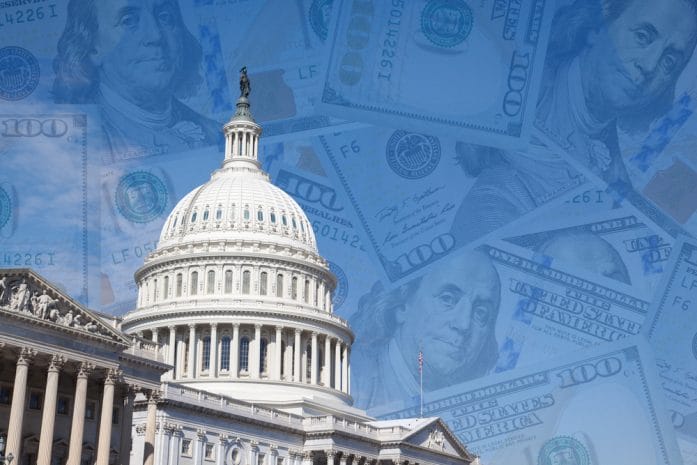
The US Capitol building with dollar bills behind it – Shutterstock

Tax season already delivers enough stress to power a small city, and now Washington threatens to add another layer of chaos to the mix. Lawmakers continue to spar over spending bills, budget deadlines, and political priorities while millions of taxpayers watch the calendar with growing anxiety. A government shutdown could once again slam the brakes on IRS operations right when Americans count on refunds to cover rent, groceries, car repairs, and credit card bills.

Families still remember the refund slowdowns that rattled previous tax seasons and left bank accounts hanging in limbo for weeks. This latest showdown carries real financial consequences for households that rely on every dollar arriving on time.

Congress Keeps Marching Toward Another Budget Cliff

Congress loves dramatic countdown clocks almost as much as cable news loves flashing red banners, and the latest budget fight already looks messy. Lawmakers from both parties continue to battle over federal spending levels, border security, defense funding, and agency budgets while deadlines creep closer every day. Even a short shutdown could disrupt IRS staffing, slow customer service, and delay refund processing during one of the busiest stretches of the tax calendar.

During previous shutdowns, taxpayers faced long phone wait times, delayed paperwork handling, and massive frustration as uncertainty spread across the country. Washington politicians often treat shutdown threats like political poker chips, but regular Americans usually pay the price first.

Tax Refund Delays Hit Harder Than Many People Realize

Many households treat tax refunds like a yearly financial reset button because that money often covers overdue bills, emergency expenses, or major purchases. A delayed refund can quickly create a chain reaction that affects utility payments, rent deadlines, grocery budgets, and even medical appointments. The average federal tax refund reached several thousand dollars in recent years, which means millions of Americans suddenly lose access to a meaningful chunk of their income during a shutdown disruption.

Parents frequently use refunds for back-to-school shopping, debt payoff plans, or family travel, while retirees sometimes rely on the money for property taxes and insurance costs. A refund delay may sound like a Washington paperwork problem, but many families feel the impact almost immediately at kitchen tables across America.

The IRS Already Faces Serious Pressure This Year

The IRS entered this tax season with ongoing staffing challenges, aging technology systems, and intense public scrutiny over customer service problems. Taxpayers still complain about long hold times, confusing notices, and processing bottlenecks that create headaches even during normal government operations. A shutdown could stretch those problems further by limiting support staff, slowing return reviews, and reducing access to taxpayer assistance centers across the country.

Electronic filing would likely continue in some capacity, but slower manual processing could still delay certain refunds, especially for people who claim tax credits or submit paper documents. Americans who expect fast turnaround times may face a rude surprise if political gridlock drags into the heart of filing season.

The Next Government Shutdown Threat Could Delay Refunds Again
The IRS building – Shutterstock

Smart Taxpayers Already Prepare for Possible Delays

Financial experts continue to urge taxpayers to file early, double-check returns carefully, and avoid last-minute scrambling if shutdown concerns intensify. Early filers often reduce the risk of paperwork complications because the IRS processes returns before political drama reaches full meltdown mode. Taxpayers should also avoid relying on refunds for immediate emergency expenses because shutdown disruptions can create unpredictable delays that nobody fully controls.

Many financial planners recommend building a temporary cash cushion, paying critical bills early, and tracking refund status closely through official IRS tools rather than social media rumors. Americans cannot control congressional battles, but smart preparation can soften the blow if Washington turns another budget fight into a full-scale shutdown spectacle.

Wall Street Watches the Drama Too

Government shutdown threats rarely stay trapped inside Washington because financial markets, consumer confidence, and business activity often react quickly to prolonged uncertainty. Investors tend to dislike chaos, and shutdown headlines can fuel nervous market swings that ripple through retirement accounts and household finances. Federal workers and government contractors may also face paycheck interruptions, which can reduce spending in local economies across the country and create broader economic pressure.

Small businesses that depend on federal contracts or tourism in government-heavy regions often feel immediate strain when agencies close their doors. Even Americans who never call the IRS or work for the government can still feel economic aftershocks from political dysfunction in the nation’s capital.

Washington’s Budget Battles Keep Landing in American Wallets

Americans already juggle stubborn inflation, expensive groceries, rising insurance costs, and high interest rates, so another shutdown threat arrives at the worst possible moment. Many taxpayers simply want reliable refund processing, clear communication, and basic financial stability instead of another round of political brinkmanship. Congress still has time to strike a budget deal, but recent history shows that lawmakers often wait until the final hours before making serious compromises. Families across the country should pay close attention to filing deadlines, refund timelines, and official IRS announcements as budget negotiations continue unfolding. A government shutdown may begin inside the halls of Congress, but the financial stress often spreads straight into everyday American households.

What steps would help families protect themselves if another government shutdown delays tax refunds this year? Let us hear your thoughts below in our comments.

You May Also Like…

How Overlooking a Simple Bank Error Can Lead To Government Garnishments

The “Too Late” Rule: When Missed Government Doors Close Forever

5 Reasons Your Valuables Might Not Be Fully Protected in a Safe Deposit Box

6 Mistakes People Make When Appealing an IRS Identity Check

Selling a Long-Term Home Can Lead to Capital Gains Taxes—Even for Retirees

Brandon Marcus
Brandon Marcus

Brandon Marcus is a writer who has been sharing the written word since a very young age. His interests include sports, history, pop culture, and so much more. When he isn’t writing, he spends his time jogging, drinking coffee, or attempting to read a long book he may never complete.

Filed Under: tax tips Tagged With: Congress, federal budget, federal workers, government shutdown, IRS delays, IRS refunds, Personal Finance, saving money, stimulus concerns, tax refunds, tax season, Washington DC

What Happens to Your Social Security If the Government Shuts Down Again?

July 26, 2025 by Travis Campbell 2 Comments

social security
Image Source: unsplash.com

A government shutdown can feel like a looming storm. You hear about it on the news, see the headlines, and wonder what it means for your daily life. If you rely on Social Security, the worry can hit even harder. Will your check arrive? Will you be able to reach someone if you have a problem? These are real concerns for millions of Americans. Understanding what happens to your Social Security if the government shuts down again can help you plan and stay calm. Here’s what you need to know.

1. Social Security Payments Will Still Go Out

The most important thing to know: Social Security payments do not stop during a government shutdown. The Social Security Administration (SSA) is considered an essential service. This means the people who process and send out your payments keep working, even if other parts of the government close. Your monthly check or direct deposit should arrive on time, just like usual. This is true for retirement, disability, and survivor benefits. The money for Social Security comes from a trust fund, not from the annual budget Congress fights over. So, even if lawmakers can’t agree, your Social Security payment is safe.

2. New Applications May Face Delays

If you need to apply for Social Security benefits during a shutdown, be ready for possible delays. While payments keep going out, some SSA offices may have fewer staff. This can slow down how fast new applications are processed. If you’re planning to retire soon or need to file for disability, try to get your paperwork in before a possible shutdown. If you can’t, just know it might take longer to get a decision. The same goes for appeals or requests for reconsideration. The process keeps moving, but it may crawl instead of walk.

3. Customer Service Will Be Limited

During a government shutdown, many SSA employees are furloughed. This means fewer people are available to answer phones or help at local offices. You might wait longer on hold or have trouble getting an appointment. Some offices may close or offer only basic services. If you have a simple question, try using the SSA’s online tools first. You can check your benefits, update your address, or print a benefit letter online. For more complex issues, patience will be key.

4. Online Services Remain Available

Even if local offices are short-staffed, the SSA’s website stays up and running. You can use it to apply for benefits, check your status, or manage your account. This is often the fastest way to get things done during a shutdown. The online system is designed to handle most routine tasks. If you haven’t set up a “my Social Security” account yet, it’s a good idea to do so. This gives you more control and can help you avoid long waits if the government shuts down again.

5. Medicare and Other Related Benefits Are Not Affected

Social Security and Medicare are closely linked, so it’s natural to worry about both. The good news: Medicare benefits continue as usual during a shutdown. You can still go to the doctor, fill prescriptions, and use your coverage. The same goes for Social Security Disability Insurance (SSDI) and Supplemental Security Income (SSI). These programs are funded separately from the annual budget. Your health and income support are not at risk, even if Congress can’t agree on funding.

6. Some Services May Be Suspended

While payments keep coming, some non-essential services may pause. This can include things like replacing a lost Social Security card or getting help with certain paperwork. If you need a service that isn’t urgent, you may have to wait until the government reopens. Planning ahead can help you avoid surprises.

7. Plan Ahead for Possible Disruptions

If you rely on Social Security, it’s smart to plan for possible hiccups. Keep extra copies of important documents. Make sure your bank information is up to date. If you need to contact the SSA, try to do it before a shutdown starts. If you’re helping a family member or friend, remind them to check their mail and bank account for any changes. Being prepared can make a stressful situation easier to handle.

8. Stay Informed and Watch for Scams

Shutdowns can create confusion, and scammers know this. Be careful if you get calls or emails claiming your Social Security is at risk. The SSA will never threaten to cut off your benefits or ask for your personal information by phone or email. If you’re unsure, hang up and call the official SSA number. Staying informed through trusted sources can help you avoid falling for a scam.

9. What If the Shutdown Lasts a Long Time?

Most government shutdowns are short, but some have lasted weeks. Even in a long shutdown, Social Security payments have always continued. The SSA has plans in place to keep essential services running. If you’re worried, keep an eye on the news and the SSA website for updates. If anything changes, you’ll hear about it from official sources first.

Your Social Security: Reliable Even in Uncertain Times

A government shutdown can be stressful, but your Social Security is built to withstand it. Payments keep coming, and most services continue, even if some things slow down. The best thing you can do is stay informed, use online tools, and plan ahead for possible delays. Your benefits are a promise, not a bargaining chip.

Have you ever experienced a government shutdown while receiving Social Security? How did it affect you? Share your story in the comments.

Read More

Social Security Offices Are Facing Backlogs—What It Means for You

5 Measures You Can Take If You’re Barely Getting By on Your Social Security

Travis Campbell
Travis Campbell

Travis Campbell is a digital marketer/developer with over 10 years of experience and a writer for over 6 years. He holds a degree in E-commerce and likes to share life advice he’s learned over the years. Travis loves spending time on the golf course or at the gym when he’s not working.

Filed Under: Retirement Tagged With: benefits, Disability, government shutdown, Medicare, Personal Finance, Retirement, Social Security, SSA, SSI

Follow Us

Search this site:

Recent Posts

  • Can My Savings Account Affect My Financial Aid? by Tamila McDonald
  • 12 Ways Gen X’s Views Clash with Millennials… by Tamila McDonald
  • What Advantages and Disadvantages Are There To… by Jacob Sensiba
  • 10 Tactics for Building an Emergency Fund from Scratch by Vanessa Bermudez
  • Call 911: Go To the Emergency Room Immediately If… by Stephen Kanaval
  • 7 Weird Things You Can Sell Online by Tamila McDonald
  • 10 Scary Facts About DriveTime by Tamila McDonald

Copyright © 2026 · News Pro Theme on Genesis Framework