• Home
  • About Us
  • Toolkit
  • Getting Finances Done
    • Hiring Advisors
    • Debt Management
    • Spending Plan
  • Insurance
    • Life Insurance
    • Health Insurance
    • Disability Insurance
    • Homeowners/Renters Insurance
  • Contact Us
  • Privacy Policy
  • Risk Tolerance Quiz

The Free Financial Advisor

You are here: Home / Archives for Travis Campbell

10 Date-Sensitive Clauses in Estate Documents That Can Cancel Everything

August 19, 2025 by Travis Campbell Leave a Comment

documents

Image source: pexels.com

Estate planning is about more than just dividing up your assets. The details in your estate documents can make or break your entire plan. Some clauses are especially risky because they depend on specific dates. If you miss or misinterpret these, your wishes might not be carried out at all. That’s why understanding date-sensitive clauses in estate documents is so important. These details can override everything else, leading to unintended consequences or even canceling your entire plan.

1. Expiration Dates on Powers of Attorney

Many people assume their power of attorney lasts indefinitely. But some estate documents include expiration dates. If the power of attorney lapses before it’s needed, your chosen agent loses all authority. That means banks, hospitals, and other institutions won’t recognize their power. You could end up with a court-appointed guardian instead of someone you trust. Always double-check for expiration dates and update your documents as needed.

2. Conditional Bequests Based on Age

It’s common to leave assets to children or grandchildren when they reach a certain age. But if the estate documents specify an age that’s already passed, or if the beneficiary dies before reaching that age, the bequest can be void. This date-sensitive clause in estate documents can cancel the gift entirely. Make sure these ages are realistic and updated as your heirs grow older.

3. Deadlines for Contesting a Will

Most wills include a set period for contesting the terms—often 30 to 90 days after probate begins. If someone who might challenge the will misses this window, the will stands as written. But if there’s confusion about when probate officially started, disputes can arise. Make sure your executor and heirs know these deadlines, so no one is left out unfairly.

4. Trust Termination Dates

Some trusts are set up to end on a particular date or after a specific number of years. If the assets aren’t distributed as planned by that time, the trust may dissolve, and your wishes could be ignored. This is one of the most overlooked date-sensitive clauses in estate documents. Regularly review your trust’s terms, especially if your family situation changes.

5. Marriage or Divorce Cutoff Dates

Clauses that name a spouse as a beneficiary or executor can become problematic if the marriage ends. Some estate documents specify that a divorce before a certain date will remove the ex-spouse. But if the divorce is finalized after that date, the ex may still inherit. Double-check these cutoff dates to ensure they match your current relationship status.

6. Required Dates for Asset Transfers

Some estate plans require assets to be transferred by a specific date—such as funding a trust or gifting money to family. If the transfer doesn’t happen on time, the opportunity could be lost. For example, missing a deadline might mean higher taxes or losing eligibility for certain benefits. Stay on top of these date-sensitive clauses in estate documents to avoid costly mistakes.

7. Life Insurance Policy Deadlines

Life insurance policies tied to your estate plan often have their own time-sensitive rules. If a beneficiary doesn’t claim the policy within a certain period after your death, the payout could revert to the estate or even lapse. This can disrupt your entire estate plan. Make sure your beneficiaries know about these deadlines and how to file a claim promptly.

8. Time Limits on Charitable Donations

Leaving money to charity can be a meaningful part of your legacy. But many charitable bequests come with time limits. If the donation isn’t made by a certain date, the organization may not receive the funds. This date-sensitive clause in estate documents can also affect your estate’s tax benefits. Work closely with both your attorney and chosen charities to ensure all deadlines are met.

9. Guardianship Appointments with Age Restrictions

Parents often name guardians for minor children in their wills. But if the named guardian reaches a certain age before the appointment takes effect, the clause could be void. Some states have age limits for guardianship, and your estate documents might as well. Review these clauses regularly, especially as your children and potential guardians get older.

10. Statutes of Limitations on Creditor Claims

After someone passes away, creditors have a limited time to file claims against the estate. The statute of limitations varies by state, but is usually just a few months. If claims are filed after this period, they may be dismissed. However, if your estate documents are unclear about these dates, creditors might try to challenge the timeline. Clear, date-sensitive clauses in estate documents help protect your estate from unnecessary disputes.

Keeping Your Estate Plan Up to Date

It’s easy to overlook the importance of date-sensitive clauses in estate documents, but they can have a considerable impact. These details often control when, how, and even if your wishes are carried out. Regularly reviewing your estate plan with a qualified attorney is essential. Laws and family circumstances change, and what worked five years ago may not work today.

The key takeaway? Don’t let a missed date undo everything you’ve worked for.

Have you ever run into problems with date-sensitive clauses in estate documents? Share your experiences or questions below!

Read More

6 Estate Mistakes That Could Make Your Will Invalid Overnight

Forgetting To Update What Documents That Break Estate Distribution

Travis Campbell
Travis Campbell

Travis Campbell is a digital marketer/developer with over 10 years of experience and a writer for over 6 years. He holds a degree in E-commerce and likes to share life advice he’s learned over the years. Travis loves spending time on the golf course or at the gym when he’s not working.
Filed Under: Estate Planning Tagged With: beneficiaries, Estate planning, legal documents, Planning, powers of attorney, trusts, wills

7 Loan Offers That Look Good But Unsheathe Hidden Conditions

August 19, 2025 by Travis Campbell Leave a Comment

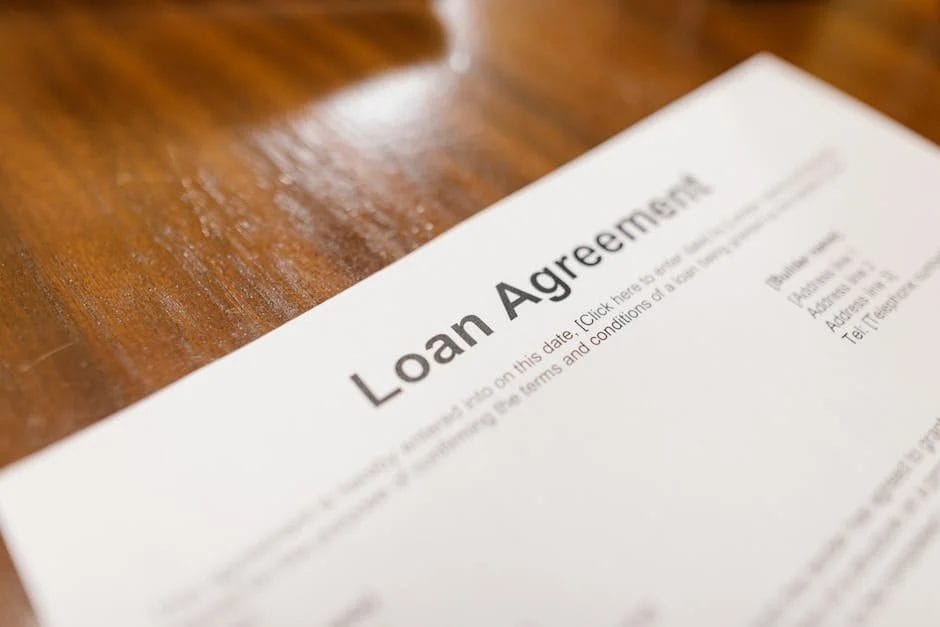
loan agreement

Image source: pexels.com

Loan offers are everywhere—online, in your mailbox, even popping up on your phone. Many look attractive at first glance, offering low rates, instant approval, or no credit checks. But beneath the surface, some of these loan offers hide terms that can cost you more than you expect. Navigating these hidden conditions is key to making smart decisions about borrowing money. When you understand what to watch for, you can avoid financial headaches, unexpected fees, and long-term debt traps. This article breaks down seven types of loan offers that seem great but often come with hidden conditions. Knowing what’s really in the fine print will help you protect your wallet and your peace of mind. Our focus: spotting and understanding hidden loan conditions before you sign anything.

1. 0% Interest Introductory Loans

That 0% interest rate on a personal loan or credit card might sound like a dream. But these offers often include hidden loan conditions. The 0% rate usually lasts for a limited time, often six to eighteen months. After that, the interest rate can skyrocket, sometimes to 20% or more. If you haven’t paid off the balance by the end of the intro period, you’ll suddenly owe a lot more in interest. Some lenders even apply deferred interest, meaning if you miss the payoff deadline, you’ll be charged interest retroactively from day one. Always read the full terms and plan how you’ll pay off the balance before the rate jumps.

2. No Credit Check Loans

No credit check loans are tempting if your credit score isn’t great. The catch? They almost always come with high interest rates and fees. Lenders use the lack of a credit check to justify charging much more. In some cases, annual percentage rates (APRs) can exceed 100%. These loans also tend to have short repayment terms, making it easy to fall behind and rack up penalties. If you’re considering one, look for hidden loan conditions like origination fees, prepayment penalties, or requirements to buy add-on products you don’t need.

3. Payday Loans With “Flexible” Terms

Payday loans often market themselves as flexible or easy. But the reality is that these loans are packed with hidden loan conditions. The fees are usually disguised as “service charges” that, when annualized, translate to sky-high APRs—sometimes over 400%. Rollovers or extensions may seem like a lifeline if you can’t pay on time, but they pile on even more fees. The result: you could end up owing far more in fees than you originally borrowed. If you’re considering a payday loan, look for all the repayment details and think twice.

4. Auto Title Loans with Small Print Surprises

Auto title loans let you borrow against your car’s value, but the risks are big. Hidden loan conditions often include high interest rates and short repayment periods—sometimes just 30 days. If you miss a payment, you risk losing your car to repossession. Some lenders add extra fees for processing, late payments, or even for making payments in person. It’s easy to borrow more than you can afford to repay, putting your vehicle—and your finances—on the line. Before signing, ask about every fee and what happens if you’re late on a payment.

5. Personal Loans with Prepayment Penalties

Many borrowers assume they can pay off a loan early to save on interest. But some personal loans include prepayment penalties—fees for paying off your balance ahead of schedule. These hidden loan conditions are buried in the contract and can eat up any savings you hoped to gain by paying early. Some lenders also use “rule of 78s” interest calculations, which front-load interest payments, making early repayment even less advantageous. Always ask if there’s a prepayment penalty and how your interest is calculated before you commit.

6. “No Fee” Balance Transfer Offers

Some credit cards offer “no fee” balance transfers to lure you in. But sometimes, the lender shifts costs in other ways. For example, they might offer no fee on transfers made within a short window, then charge steep fees after that. The promotional interest rate may only apply to the transferred balance, while new purchases rack up interest immediately. There may also be hidden loan conditions about minimum payments or limits on how much you can transfer. If you’re considering a balance transfer, read every term and watch for traps.

7. Home Equity Loans with Adjustable Rates

Home equity loans can be a smart way to borrow at lower rates. But some come with adjustable rates that seem fixed at first. After a few years, the rate can change—sometimes dramatically. Lenders may not highlight these hidden loan conditions, leaving you exposed to payment shocks down the road. Some home equity lines of credit (HELOCs) also have “draw periods” after which you must start repaying the principal, causing your monthly payment to jump. To avoid surprises, look for details about how and when your rate can change.

How to Outsmart Hidden Loan Conditions

Spotting hidden loan conditions isn’t always easy, but it’s essential for protecting your finances. Always read every word of the loan agreement, including the fine print. Ask questions about interest rates, fees, penalties, and what happens if you miss a payment. If any terms seem unclear or too good to be true, don’t be afraid to walk away. Comparing offers from multiple lenders can help you spot red flags and find the best deal for your situation.

Have you ever run into hidden loan conditions? What did you do? Share your experience or questions in the comments below!

Read More

The Benefits of Taking Personal Loans and Their Impact on Credit Scores

7 Hidden Fees That Aren’t Labeled as Fees at All

Travis Campbell
Travis Campbell

Travis Campbell is a digital marketer/developer with over 10 years of experience and a writer for over 6 years. He holds a degree in E-commerce and likes to share life advice he’s learned over the years. Travis loves spending time on the golf course or at the gym when he’s not working.

Filed Under: Finance Tagged With: borrowing, credit, Debt, Hidden Fees, interest rates, loans, Personal Finance

10 Purchases That Secretly Cost Double When You Swipe Instead of Pay Cash

August 19, 2025 by Travis Campbell Leave a Comment

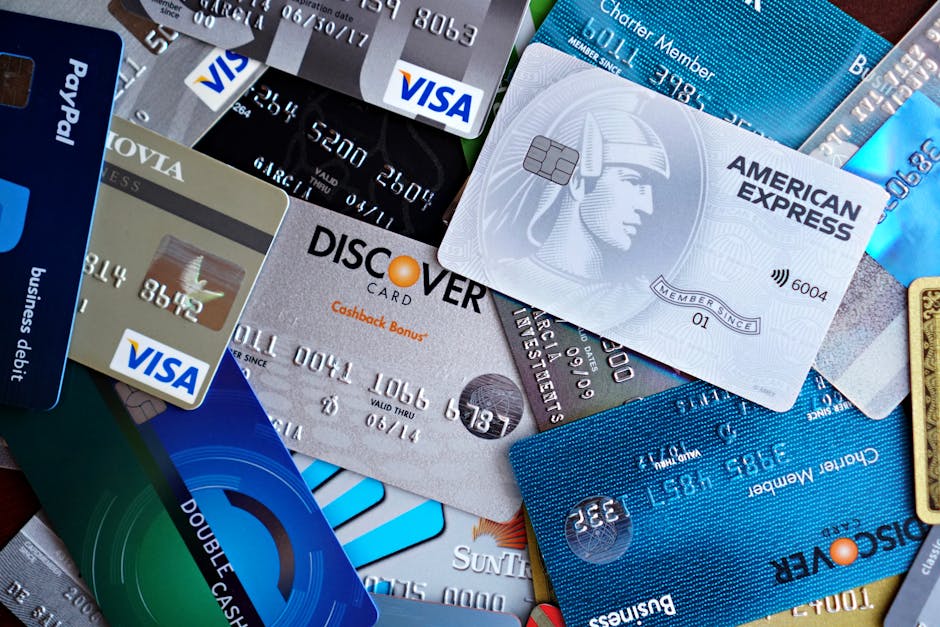
swipe card

Image source: pexels.com

Paying with a credit or debit card is fast and convenient, but it can quietly drain your wallet. When you swipe instead of paying cash, you may not notice the true price of your purchase. Hidden fees, interest charges, and less awareness of spending often mean you actually pay much more. For many people, these extra costs add up over time, especially if you’re not tracking your spending closely. In this article, we’ll look at 10 purchases that secretly cost double when you swipe instead of paying cash. Avoiding these common pitfalls can help you keep more money in your pocket.

1. Takeout and Food Delivery

Ordering takeout with your card feels effortless, but it often leads to spending more than you would with cash. Delivery apps add service fees, small order fees, and tips—all charged to your card. If you don’t pay off your balance each month, interest from your credit card can make your $20 dinner cost $40 or more. Paying cash forces you to see what you’re spending, and helps you avoid those sneaky charges that double the cost of convenience meals.

2. Coffee Shop Visits

It’s easy to swipe for a $5 coffee every morning, but those small charges add up quickly. Swiping your card can also mean you’re less likely to notice just how often you indulge. If you carry a balance on your credit card, that daily latte could cost you double in the long run. With cash, you’ll think twice about making it a habit, helping you cut back on these frequent, low-value purchases.

3. Streaming Subscriptions

Monthly streaming services are a perfect example of purchases that secretly cost double when you swipe instead of paying cash. Since these charges are automatic, you may forget about them altogether, letting them rack up for months or even years. Paying with cash would require more intention and regular review, so you’re less likely to pay for services you don’t use. Swiping removes that friction, making it easy for these recurring costs to quietly balloon over time.

4. Gas Station Purchases

Many gas stations charge more per gallon if you pay with a card instead of cash. That small difference—often 5 to 10 cents per gallon—adds up fast, especially for frequent drivers. In addition, some stations place holds on your card for more than you actually spend, tying up your available funds. When you pay cash, you get the lowest advertised price and avoid unexpected charges that can double the real cost of filling up.

5. Groceries

Swiping your card at the grocery store makes it easy to overspend. Without the physical limit of cash, it’s tempting to toss extra items into your cart. If you don’t pay your credit card bill in full, you’ll pay interest on those groceries—sometimes doubling the actual cost. Using cash encourages you to stick to your budget and avoid buying things you don’t really need.

6. Clothing and Accessories

When you use a card to buy clothes, you’re more likely to overspend or buy on impulse. You may not feel the impact until your bill arrives, and if you carry a balance, interest can quickly double the price of that new shirt or pair of shoes. Paying cash helps you stay accountable and can even make you reconsider whether you really want that extra item.

7. Event Tickets

Buying tickets online nearly always requires a card, but convenience comes with extra fees. Service charges, processing fees, and delivery fees all sneak onto your bill. If you use a credit card and don’t pay it off right away, interest can double your total cost. Paying cash at the venue or box office, when possible, can help you avoid many of these hidden expenses.

8. Electronics and Gadgets

Big-ticket items like phones or laptops are tempting to buy on credit. But if you can’t pay off your card right away, the interest charges can double the cost over time. Plus, some stores offer discounts for cash payments or charge extra for credit transactions. When you pay cash, you’re less likely to make impulse upgrades and more likely to shop around for the best deal.

9. Travel and Vacations

Booking flights, hotels, and rental cars with a card is convenient, but it can also lead to overspending. Travel websites often tack on extra fees for card payments. If you finance your trip with a credit card and don’t pay it off quickly, interest will inflate your getaway’s price tag. Using cash or a debit card tied to a travel fund helps you stick to your budget and avoid doubling your travel costs.

10. Home Improvement Projects

It’s easy to swipe your card for supplies or contractor fees, especially on big projects. But interest charges can quickly pile up if you don’t pay off the balance. That $1,000 kitchen upgrade can turn into $2,000 if you’re not careful. Paying cash helps you plan ahead, prioritize your spending, and avoid the hidden costs that come with swiping.

How to Avoid Paying Double When You Swipe Instead of Paying Cash

Being aware of purchases that secretly cost double when you swipe instead of paying cash is the first step to smarter spending. Try using cash for everyday purchases. Set a budget and track your expenses—apps and envelopes both work. If you must use a card, pay off your balance in full each month to avoid interest charges. Small changes in your payment habits can add up to big savings over time.

Have you noticed your spending habits change when you swipe instead of paying cash? Share your experience in the comments below!

Read More

7 Tactics Grocery Stores Use to Keep You from Thinking About Price

7 Credit Card Features Disappearing Without Any Notice

Travis Campbell
Travis Campbell

Travis Campbell is a digital marketer/developer with over 10 years of experience and a writer for over 6 years. He holds a degree in E-commerce and likes to share life advice he’s learned over the years. Travis loves spending time on the golf course or at the gym when he’s not working.

Filed Under: Smart Spending Tagged With: cash vs card, credit cards, hidden costs, interest charges, Personal Finance, saving money

8 At-Risk Accounts Awaiting Freeze Without Notification

August 18, 2025 by Travis Campbell Leave a Comment

freeze

Image source: pexels.com

Most people assume they’ll always get a heads-up before any of their financial accounts are frozen. The reality? Many at-risk accounts can be frozen without warning, leaving you suddenly locked out of your own money. This can disrupt your life, delay bill payments, and even impact your credit score. Understanding which accounts are most at risk is crucial for protecting your finances. If you’re not actively monitoring your accounts, you could find yourself facing a freeze without any notification—and a lot of unnecessary stress.

1. Bank Checking Accounts

Your checking account is the hub of your financial life. But if you fall behind on certain debts, a creditor or even a government agency can obtain a court order to freeze your account. This often happens without any advance notice. You might not realize your account is at risk until your debit card is declined or checks start bouncing. Keeping an eye on your balance and any legal communications can help you avoid this unpleasant surprise. The risk of an account freeze increases if you ignore collection notices or legal summons related to unpaid debts.

2. Savings Accounts

Savings accounts feel secure, but they’re not immune. If a bank suspects fraud or receives a legal order related to unpaid taxes, child support, or other debts, your savings can be frozen instantly. The worst part? You typically won’t get prior warning. It’s smart to regularly review your account for unusual activity and ensure you’re in good standing with required payments. If you rely on your savings for emergencies, an unexpected freeze could put you in a tight spot.

3. Brokerage Accounts

Brokerage accounts can be frozen for several reasons, including suspicious trading activity, regulatory investigations, or disputes over account ownership. If your broker detects anything unusual, they may lock you out while they investigate. Sometimes, you’ll only find out when you try to make a trade or withdraw funds. Since these accounts often hold large sums, an account freeze here can have a major impact on your financial plans. Stay in touch with your broker and check your statements for anything out of the ordinary.

4. PayPal and Digital Wallets

PayPal, Venmo, and other digital wallets are convenient, but they’re also at risk. These platforms have automated fraud detection systems that can freeze your funds without prior notice. A single flagged transaction, a spike in activity, or a disputed payment can trigger a freeze. If you use digital wallets for business or to receive payments, this can be especially disruptive. Always read the terms of service and respond promptly to any messages from the platform.

5. Retirement Accounts

While retirement accounts like IRAs and 401(k)s have some legal protections, they can still be frozen under certain circumstances. Divorce settlements, IRS levies, or court orders related to unpaid taxes may result in a hold on your account. You might not get advance notice, especially if the freeze is for legal reasons. This can complicate your retirement planning and may delay required distributions. To avoid surprises, keep your beneficiary information up to date and address any legal issues promptly.

6. Credit Card Accounts

Credit card issuers can freeze your account if they detect suspicious activity, missed payments, or changes in your credit profile. You may not receive a warning, and your card can be declined without explanation at checkout. An account freeze on your credit card can be especially embarrassing and inconvenient. Monitor your statements for unfamiliar charges and always pay at least the minimum by the due date. If your card is frozen, contact the issuer right away to resolve the issue.

7. Utility and Service Provider Accounts

Utility accounts, such as electricity, water, or internet, can be frozen if payments are missed or if there’s suspected fraud. Many providers won’t send multiple warnings before suspending service or locking your online account. This can make it hard to pay bills or access important information. Set up payment reminders and check for messages from your service providers to avoid accidental freezes. If you move or change your contact details, update them everywhere to keep receiving notifications.

8. Health Savings Accounts (HSAs)

HSAs are a great way to save for medical expenses, but they’re vulnerable to freezes if there’s a dispute about account ownership, suspicious transactions, or a legal order. You may log in only to find your funds inaccessible. Since many people depend on their HSA for healthcare costs, an account freeze can be more than just an inconvenience—it can delay necessary medical care. Review your HSA activity regularly and respond quickly to any requests for documentation from your provider.

Stay Vigilant to Prevent Account Freezes

Being proactive is the best way to avoid an unexpected account freeze. Regularly check your accounts, set up alerts, and respond promptly to any suspicious activity or official notices. Keep your contact information current across all your financial institutions so you never miss an important message.

Have you ever experienced an account freeze without warning? Share your story or tips in the comments below!

Read More

Could a Bank Freeze Your Account Without Telling You?

7 Bank Terms That Let Institutions Freeze Funds Without Warning

Travis Campbell
Travis Campbell

Travis Campbell is a digital marketer/developer with over 10 years of experience and a writer for over 6 years. He holds a degree in E-commerce and likes to share life advice he’s learned over the years. Travis loves spending time on the golf course or at the gym when he’s not working.

Filed Under: Banking Tagged With: account freeze, bank accounts, credit cards, digital wallets, Financial Security, Personal Finance, retirement accounts

6 Large-Print Disclosures You Need to Reread Carefully

August 18, 2025 by Travis Campbell Leave a Comment

contract

Image source: pexels.com

When you sign up for a new bank account, credit card, or loan, you probably notice those bold or large-print disclosures at the top of the paperwork. They’re meant to grab your attention, but it’s easy to skim past them in a hurry. Large-print disclosures are designed to highlight key details, but even the most obvious statements can hide important information. If you don’t reread these sections carefully, you might miss out on crucial terms that affect your finances.

Many people assume that if something is in big, bold letters, it must be the most honest part of the document. But large-print disclosures often summarize complicated rules or fees. If you don’t slow down and read every word, you risk agreeing to terms you don’t fully understand. In this article, we’ll break down six types of large-print disclosures you need to reread carefully. Paying extra attention to these sections can help you avoid hidden fees, rate changes, and other unwelcome surprises.

Let’s look at the most common large-print disclosures and why revisiting them is essential for protecting your finances.

1. Interest Rate Changes

Large-print disclosures about interest rates might seem straightforward, but they often come with fine print attached. It’s common to see bold statements like “0% APR for 12 months” or “Introductory Rate.” These offers can look appealing, but the details matter. After the promotional period, your rate could jump significantly. Make sure you know exactly when the rate will change and what the new rate will be. Some disclosures will also mention conditions that could cause your rate to increase early, such as a late payment.

Rereading these large-print disclosures helps you plan for future payments and avoid unexpected debt. If you’re comparing credit cards or loans, pay close attention to how and when those rates change.

2. Annual Fees and Maintenance Charges

Fees are often highlighted in their own large-print disclosures, especially for credit cards and some checking accounts. You might see “No Annual Fee” or “$95 Annual Fee” in bold right at the top. But don’t stop there—check for additional maintenance charges, such as monthly account fees, inactivity fees, or paper statement charges. Sometimes, these extra costs are only mentioned briefly in the large-print section before being explained in more detail later.

Understanding these disclosures can help you avoid accounts that cost more than you expected. If an account advertises “no annual fee,” double-check the large print and the detailed terms to ensure there aren’t other regular charges that could add up each year.

3. Early Withdrawal Penalties

If you’re opening a certificate of deposit (CD) or another savings product, you’ll likely see large-print disclosures about early withdrawal penalties. These are designed to warn you about the costs of taking your money out before the maturity date. The disclosure might state, “Penalty for Early Withdrawal,” but the specifics are often buried in the following paragraphs.

Reread these sections so you know exactly what you’ll lose if you need to access your funds early. Some penalties are a few months’ worth of interest, while others might eat into your principal. Being aware of these terms can help you choose the right account and avoid costly mistakes if your plans change.

4. Minimum Balance Requirements

Many checking and savings accounts feature large-print disclosures about minimum balance requirements. You may see “$1,500 Minimum Balance to Avoid Fees” or similar language in bold at the top of your agreement. These rules can impact whether you pay monthly fees or earn interest. However, the details—like how the minimum is calculated and what happens if you dip below it—are often explained in smaller print.

Carefully rereading these large-print disclosures ensures you understand the real requirements. Some banks calculate the minimum based on your daily balance, while others use your average monthly balance. Missing these details could mean unexpected fees if your balance drops, even for a day.

5. Arbitration Agreements

Arbitration agreements are increasingly common in large-print disclosures for credit cards, loans, and even some bank accounts. You might see language like, “By signing, you agree to resolve disputes through arbitration instead of court.” This is a critical financial disclosure that can affect your legal rights. Arbitration usually means you can’t participate in a class-action lawsuit and must resolve disputes outside of court.

Rereading this large-print disclosure helps you understand what rights you may be giving up. If you’re uncomfortable with arbitration, some agreements allow you to opt out within a certain period. Don’t let a bold headline rush you into giving up important protections.

6. Overdraft and Non-Sufficient Funds Policies

Overdraft policies are often summarized in large, bold text at the start of account agreements. You might read, “Overdraft Fees: $35 per Item,” or “No Overdrafts Allowed.” These financial disclosures are crucial for anyone who occasionally cuts it close with their checking account.

While the large-print disclosure tells you the fee amount, it may not explain when or how the fee is triggered. For example, some banks charge multiple fees per day, while others only charge once. Reread this section and the supporting details.

How Rereading Financial Disclosures Protects You

Large-print disclosures are meant to highlight important terms, but they can also oversimplify complex agreements. By making a habit of rereading every financial disclosure, you give yourself the chance to spot fees, rate hikes, and restrictions that could impact your wallet. Don’t rely solely on the big, bold text—instead, use it as a prompt to dig deeper into the fine print.

If you want more tips on understanding financial disclosures, check out resources from the Federal Trade Commission. Taking extra time now can save you money and stress later on. Have you ever caught a surprise in a large-print disclosure? Share your story or questions in the comments below!

Read More

What Happens When Your Bank Changes The Terms Without Warning

How Recurring Charges Keep Running After Death Without Intervention

Travis Campbell
Travis Campbell

Travis Campbell is a digital marketer/developer with over 10 years of experience and a writer for over 6 years. He holds a degree in E-commerce and likes to share life advice he’s learned over the years. Travis loves spending time on the golf course or at the gym when he’s not working.

Filed Under: Finance Tagged With: bank accounts, credit cards, fees, financial disclosure, interest rates, overdraft, Personal Finance

10 Monthly Spending Areas That Make Financial Advisors Frown

August 18, 2025 by Travis Campbell Leave a Comment

spending

Image source: pexels.com

When it comes to building wealth and reaching financial goals, where your money goes each month really matters. Even small, repeated expenses can add up and get in the way of saving or investing for the future. That’s why financial advisors pay close attention to monthly spending areas that often slip under the radar. These routine habits can quietly drain your bank account and create stress over time. By being aware of the most common problem spots, you can make smarter choices and avoid mistakes that slow your progress. Let’s look at ten monthly spending areas that make financial advisors frown, and see where you might want to adjust your own budget.

1. Dining Out and Takeout

Eating at restaurants or grabbing takeout can be fun and convenient, but it’s a major culprit when it comes to monthly spending areas that make financial advisors frown. The cost of a single meal out is often several times what it would cost to cook at home. When dining out becomes a habit—lunches during workdays, weekend dinners, coffee shop stops—it can easily eat up hundreds of dollars each month. Financial advisors encourage clients to track these expenses closely and try meal prepping or cooking at home more often.

2. Subscription Services

From streaming platforms to monthly beauty boxes, subscription services are everywhere. While each one seems affordable on its own, these costs add up fast. Many people forget about subscriptions they rarely use or let free trials roll into paid plans. Advisors recommend reviewing all your subscriptions every few months and canceling any that aren’t truly valuable. This is one of those monthly spending areas that makes financial advisors’ frown because it’s so easy to overlook.

3. Unused Gym Memberships

Signing up for a gym membership can feel like an investment in your health, but only if you actually use it. Advisors often see clients paying for memberships they rarely use, sometimes for years. If you find yourself skipping the gym more often than not, consider pausing your membership or switching to free at-home workouts. This frees up money for other priorities and keeps your budget in check.

4. Convenience Fees and ATM Charges

It may not seem like much to pay a couple of dollars for an ATM withdrawal or a bill payment fee. But over the course of a month, these small charges can add up. Financial advisors frown on paying avoidable fees, as they offer no real value. Look for ways to bank and pay bills that don’t cost extra and try to plan ahead so you’re not caught off guard.

5. High-Interest Credit Card Payments

Carrying a balance on high-interest credit cards is one of the most damaging monthly spending areas that make financial advisors’ frown. Interest charges can quickly snowball, making it much harder to pay off your debt. If you’re stuck with high rates, work on paying down your balance as quickly as possible or consider consolidating your debt. The less you pay in interest, the more you can save or invest for your future.

6. Impulse Purchases

Online shopping and “one-click” purchases have made it easier than ever to buy on impulse. These unplanned expenses can seriously disrupt your budget. Financial advisors recommend waiting 24 hours before making non-essential purchases. This simple habit can help you avoid regret and keep your monthly spending under control.

7. Regular Convenience Store Stops

Quick stops for snacks, drinks, or lottery tickets may seem harmless, but they’re another common monthly spending area that makes financial advisors frown. Items at convenience stores typically cost more than at grocery stores, and frequent visits can add up to a surprising amount. Try planning ahead to avoid these extra trips and keep snacks or drinks on hand from bulk purchases.

8. Overpriced Cell Phone Plans

Many people stick with expensive cell phone plans out of habit, even when cheaper options are available. Advisors often suggest reviewing your plan every year to see if you’re paying for features you don’t need. Switching to a lower-cost provider or trimming unnecessary extras can free up money for more important financial goals.

9. Auto-Renewing Insurance Policies

Insurance is essential but letting policies automatically renew without review can cost you. Rates often creep up over time, and you may be paying for coverage you no longer need. Financial advisors recommend shopping around for new quotes every year or two. You might find better rates or discounts just by asking.

10. Excessive Grocery Spending

Grocery bills are a necessary part of life, but it’s easy to overspend without realizing it. Impulse buys, shopping without a list, or choosing convenience foods can inflate your monthly total. Advisors suggest planning meals, making a shopping list, and sticking to it. Buying in bulk and using coupons can also help you save in this critical monthly spending area that makes financial advisors frown.

Building Better Money Habits

Paying attention to monthly spending areas that make financial advisors’ frown doesn’t mean you have to cut out all fun or convenience. Instead, it’s about making intentional choices and understanding where your money is really going. Even small changes can have a big impact over time, freeing up funds for your savings, investments, or future goals.

Which monthly spending areas are you working on right now? Share your thoughts in the comments below!

Read More

Are These 7 Little Expenses Quietly Costing You Thousands A Year?

6 Monthly Bills You Should Cancel Immediately Even If You Can Afford Them

Travis Campbell
Travis Campbell

Travis Campbell is a digital marketer/developer with over 10 years of experience and a writer for over 6 years. He holds a degree in E-commerce and likes to share life advice he’s learned over the years. Travis loves spending time on the golf course or at the gym when he’s not working.

Filed Under: Spending Habits Tagged With: budgeting, financial advisors, monthly expenses, Personal Finance, saving money, Spending Habits

7 Unexpected Asset Types That Banks Block When You Die

August 18, 2025 by Travis Campbell Leave a Comment

paypal

Image source: pexels.com

When someone passes away, banks immediately take certain actions to protect assets and prevent fraud. While many people expect checking and savings accounts to be frozen, there are other, less obvious asset types that can also get blocked. These blocks can delay access for your loved ones, complicate the estate settlement process, and sometimes even cause financial hardship. Knowing which assets banks block when you die helps you plan more effectively, making things easier for family and beneficiaries. If you want to avoid unnecessary surprises and ensure your wishes are honored, understanding these unexpected asset types is essential.

Let’s look at seven unexpected asset types that banks block when you die, and what you can do about it.

1. Safe Deposit Boxes

Many people store valuable items or important documents in safe deposit boxes, thinking they’re secure and accessible for heirs. However, banks typically seal these boxes immediately after learning of an account holder’s death. Access is restricted until the estate’s executor presents the proper legal documents, such as a court order or letters testamentary. This means your family could be unable to retrieve critical items—like a will or insurance policies—right when they need them most. If you rely on a safe deposit box for essential paperwork, consider keeping copies elsewhere or letting your executor know how to access them.

2. Joint Bank Accounts Without Right of Survivorship

It’s a common misconception that all joint accounts automatically transfer to the surviving account holder. In reality, unless the account is specifically set up with “right of survivorship,” banks may freeze the account upon one holder’s death. This is done to ensure that the deceased’s share is properly distributed according to the will or state law. As a result, funds in these accounts could be tied up for weeks or months, leaving loved ones without access to needed cash. If you want to avoid this issue, make sure your joint accounts are structured to transfer ownership smoothly when you die.

3. Uncashed Checks and Pending Transfers

When it comes to asset types that banks block when you die, uncashed checks and pending electronic transfers are often overlooked. If you receive a check or initiate a transfer before passing away, the bank may block or reverse these transactions once notified of your death. This applies to both incoming and outgoing funds. For example, a final paycheck or insurance reimbursement could get stuck in limbo, forcing heirs to go through extra steps to claim the money. To minimize complications, keep beneficiaries informed about expected payments and consider direct deposits where possible.

4. Certificates of Deposit (CDs)

Certificates of deposit are usually viewed as straightforward investments, but they also fall under asset types that banks block when you die. The bank will freeze the CD account to prevent unauthorized withdrawals. Heirs may have to wait for the probate process to play out before accessing the funds. Additionally, early withdrawal penalties may apply unless the CD is set up as “payable on death” or has a designated beneficiary. If you have CDs, it’s wise to check your beneficiary designations and update them as needed to avoid unnecessary delays and fees.

5. Credit Card Rewards and Points

Credit card points and airline miles may not seem like traditional assets, but they can hold significant value. Unfortunately, banks and credit card issuers often freeze or cancel these rewards accounts when they receive notice of a cardholder’s death. Each company has its own policies, and some may allow heirs to claim or transfer points, but many do not. To prevent these rewards from vanishing, review the terms of your rewards programs and share account details with a trusted person. Some families have successfully claimed points by contacting customer service and providing a death certificate, but there’s no guarantee.

6. Digital Wallets and Online Payment Accounts

Digital wallets like PayPal, Venmo, or Apple Pay are increasingly popular, but they’re also asset types that banks block when you die. Once notified, these companies typically freeze accounts to prevent fraud and unauthorized access. Funds in these accounts may not be immediately available to heirs, and accessing them often requires providing legal documents and proof of authority. Since digital assets can be easily overlooked during estate planning, it’s important to include them in your will and provide clear instructions for your executor.

7. Investment Accounts Without Beneficiary Designations

Brokerage accounts, mutual funds, and other investment vehicles are often assumed to transfer smoothly upon death. However, if you haven’t named a beneficiary or set up a transfer-on-death (TOD) designation, the bank will freeze these assets. They then become part of the probate estate, which can delay access for months or even longer. To avoid complications, regularly review your investment accounts and make sure each one has a current beneficiary or TOD instruction.

Planning Ahead for Blocked Asset Types

Understanding asset types that banks block when you die is a key step in effective estate planning. While it’s impossible to anticipate every scenario, you can minimize delays and stress for your loved ones by keeping account information updated, naming beneficiaries, and storing important documents in accessible locations. This proactive approach not only saves time but also ensures your assets are distributed according to your wishes.

If you’re unsure about how to handle certain asset types, talking with a financial advisor or estate planning attorney can be invaluable. They can help you navigate the specifics of your accounts and recommend strategies that fit your needs.

Have you or your family ever faced challenges with blocked assets? Share your experiences or questions in the comments below!

Read More

Why Financial Institutions Freeze Accounts After a Death Even With a Will

Could a Bank Freeze Your Account Without Telling You?

Travis Campbell
Travis Campbell

Travis Campbell is a digital marketer/developer with over 10 years of experience and a writer for over 6 years. He holds a degree in E-commerce and likes to share life advice he’s learned over the years. Travis loves spending time on the golf course or at the gym when he’s not working.
Filed Under: Estate Planning Tagged With: asset protection, bank accounts, beneficiaries, Estate planning, Inheritance, Planning, probate

Are Retirement Payment Structures Flawed for Couples?

August 18, 2025 by Travis Campbell Leave a Comment

retirement

Image source: pexels.com

Retirement is a major milestone, but navigating the financial side can be tricky—especially for couples. Many people assume retirement payment structures are designed to offer security, but some couples end up surprised by how their benefits are calculated and distributed. These systems, often set up decades ago, may not reflect today’s diverse family setups or financial realities. The choices you make about how and when to take payments can have lasting effects, especially if you share your life—and your income—with someone else. Understanding whether retirement payment structures are flawed for couples is crucial for making the right decisions together.

1. Joint Life vs. Single Life Annuities: A Big Decision

The most common retirement payment structures offer a choice between single life and joint life annuities. With a single life annuity, payments are higher but stop when the main retiree passes away. Joint life annuities pay less each month, but continue for the surviving spouse. This sounds fair, but the math isn’t always on the couple’s side. The reduced payout can strain budgets, and the surviving spouse may still face a financial shortfall.

Choosing between these options is rarely straightforward. Couples have to weigh longevity, health, and other income sources. Sometimes, the drop in monthly income with a joint annuity is so steep that couples feel forced into riskier choices just to make ends meet. This leaves many wondering if retirement payment structures are flawed for couples who want both security and a comfortable lifestyle.

2. Social Security Rules Can Penalize Dual-Earner Couples

Social Security is a backbone of retirement income in the U.S., but its payment rules can disadvantage couples—especially when both partners have worked and paid into the system. Spousal and survivor benefits are based on the higher earner’s record, but if both partners earned similar incomes, the net benefit as a couple can actually be less than for a single-earner household.

This means two people working hard for decades can end up with less combined Social Security than a couple with just one high earner. It’s a quirk in the way benefits are calculated, and it doesn’t always match the reality of modern dual-income families. For couples, this is a clear sign that retirement payment structures might be out of step with today’s workforce.

3. Pension Plans Rarely Account for Modern Relationships

Traditional pensions, while becoming less common, still play a role in many retirement plans. But these plans often use rigid definitions of spouse and beneficiary. Couples in second marriages, those with significant age differences, or same-sex couples (especially those married before legal changes) may find themselves navigating outdated policies.

Sometimes, survivor benefits are only available to legal spouses, excluding long-term partners or stepchildren. Even when allowed, adding a spouse as a beneficiary often reduces monthly pension payments, which can be a tough trade-off. The way these retirement payment structures are set up doesn’t always fit the reality of how people live and partner today.

4. Required Minimum Distributions Can Cause Tax Surprises

Once you hit your early 70s, you’re required to start taking minimum distributions from traditional retirement accounts like IRAs and 401(k)s. For couples, this rule can cause unexpected tax headaches, especially if both partners have sizable accounts. Taking out more than you need just to meet the rules can push you into a higher tax bracket or impact Medicare premiums.

There’s also the risk that if one spouse passes away, the survivor may have to take larger distributions as a single filer, facing even higher taxes. This is another way retirement payment structures may be flawed for couples who want to manage taxes efficiently throughout retirement.

5. Survivor Benefits and the Income Gap

Many retirement income sources, from pensions to annuities to Social Security, offer survivor benefits. But these benefits are often a fraction of the original payment—sometimes just 50%. If the main earner passes away, the surviving spouse could see their income drop dramatically, even though many expenses remain the same.

This income gap can be a shock, especially if the couple relied on the higher payment for housing, healthcare, or daily expenses. Couples need to plan for this possibility, but the structure itself often feels stacked against them. It’s a core reason why so many people argue that retirement payment structures are flawed for couples, leaving survivors financially vulnerable at the worst possible time.

What Can Couples Do to Protect Themselves?

Given these challenges, it’s important for couples to take a proactive approach. Start by reviewing every source of retirement income, including Social Security, pensions, and personal savings. Consider the impact of joint versus single life payouts and look closely at survivor benefits. Don’t assume the default option is the best one for your specific situation.

It’s also wise to consult a financial advisor who understands the nuances of retirement payment structures for couples. By asking questions and planning ahead, couples can avoid some of the pitfalls built into the current system. The key is to recognize that these structures aren’t always fair, and to take steps to protect each other financially—no matter what life brings.

Do you think retirement payment structures are flawed for couples? Share your experiences and thoughts in the comments below.

Read More

How Many of These 8 Retirement Mistakes Are You Already Making?

Are These 7 Retirement States As Affordable As They Claim?

Travis Campbell
Travis Campbell

Travis Campbell is a digital marketer/developer with over 10 years of experience and a writer for over 6 years. He holds a degree in E-commerce and likes to share life advice he’s learned over the years. Travis loves spending time on the golf course or at the gym when he’s not working.

Filed Under: Retirement Tagged With: annuities, couples, Pension, retirement planning, Social Security, survivor benefits, taxes

8 Credit Usage Habits That Bark Alarm for Lenders

August 18, 2025 by Travis Campbell Leave a Comment

credit

Image source: pexels.com

Credit usage habits are at the heart of how lenders evaluate your financial trustworthiness. If you’re planning to apply for a loan, a mortgage, or even a new credit card, the way you use existing credit can make or break your application. Lenders use your credit usage habits to predict how you’ll handle their money. Some patterns set off alarm bells, signaling you could be a risky borrower. Others show you’re responsible and reliable. Understanding which credit usage habits lenders watch for can help you avoid red flags and improve your chances of approval. Let’s break down eight habits that can spook lenders—and what you can do about them.

1. Maxing Out Credit Cards

One of the biggest warning signs for lenders is consistently maxing out your credit cards. High credit card balances relative to your credit limit—also known as your credit utilization ratio—suggest you’re relying heavily on borrowed money. This can indicate financial distress or poor money management. Lenders prefer to see a credit utilization ratio below 30%, showing that you’re not living on the edge with your credit usage habits. If you’re close to your limits, it’s time to pay down those balances and give your credit score some breathing room.

2. Making Only Minimum Payments

Paying only the minimum due each month may keep your account in good standing, but it sends a negative signal to lenders. It suggests you might be struggling to pay off your debts or are stretched too thin financially. Over time, this habit racks up interest and slows your progress toward debt freedom. Lenders want to see that you pay more than the minimum when possible, as it reflects responsible credit usage habits and a proactive approach to managing debt.

3. Frequently Applying for New Credit

If you’re constantly filling out applications for new credit cards or loans, lenders take notice. Each application triggers a hard inquiry on your credit report, which can lower your score and indicate a need for more credit than you can handle. Too many inquiries in a short period may suggest desperation or financial instability. Instead, be selective about when and why you apply for new credit, focusing on offers that genuinely fit your needs.

4. Closing Old Credit Accounts

It might seem smart to close unused cards, but shutting down old credit accounts can actually hurt your credit profile. These accounts contribute to your overall credit history length, which lenders use to assess your long-term credit usage habits. Closing them also reduces your total available credit, potentially raising your utilization ratio. Before closing an account, consider how it may impact your credit score and whether it’s better to keep it open with a zero balance.

5. Missing or Late Payments

Payment history is a huge factor in your credit score. Missing payments or paying late sends a strong signal to lenders that you might not meet your future obligations. Even one missed payment can have a big impact. Consistently paying on time shows lenders you’re dependable and makes your credit usage habits look solid. Set up reminders or automatic payments to avoid missed due dates and keep your record clean.

6. Taking Out Cash Advances

Using your credit card for cash advances is another red flag. Cash advances typically carry high fees and interest rates, indicating to lenders that you may be struggling to cover everyday expenses. Regularly taking cash advances can make lenders question your financial stability and judgment. If you find yourself relying on this option, it’s a good idea to look for alternative solutions and revisit your budget.

7. Ignoring Your Credit Report

Not checking your credit report can lead to unpleasant surprises. Errors, fraudulent accounts, or outdated information can all affect how lenders view your credit usage habits. Regularly reviewing your credit report lets you spot mistakes early and dispute them before they cause damage. You can get a free copy of your credit report from each of the three major bureaus every year.

8. Having Only One Type of Credit

Lenders like to see a mix of credit types—such as credit cards, installment loans, and retail accounts—because it shows you can handle different financial responsibilities. Relying on only one type, like just credit cards, can make you look less experienced or adaptable. If your profile is limited, consider diversifying responsibly.

Building Better Credit Usage Habits

The way you use credit tells lenders a lot about your financial habits. By understanding which credit usage habits set off alarm bells, you can take steps to build a stronger, more trustworthy credit profile. Focus on paying on time, keeping balances low, and monitoring your credit report regularly. These simple actions can make a big difference in how lenders see you.

What credit usage habits have you found most challenging, and how did you overcome them? Share your thoughts in the comments below!

Read More

5 Things That Instantly Decrease Your Credit Score By 50 Points

7 Credit Card Features Disappearing Without Any Notice

Travis Campbell
Travis Campbell

Travis Campbell is a digital marketer/developer with over 10 years of experience and a writer for over 6 years. He holds a degree in E-commerce and likes to share life advice he’s learned over the years. Travis loves spending time on the golf course or at the gym when he’s not working.

Filed Under: credit score Tagged With: borrowing, credit cards, credit score, credit usage habits, Debt Management, lenders, Personal Finance

6 Real Estate Investments That Hide Disaster Liability

August 18, 2025 by Travis Campbell Leave a Comment

investing real estate

Image source: pexels.com

Real estate investments come with the promise of stable income and long-term growth. But sometimes, hidden risks lurk beneath the surface. Disaster liability is one of those risks that can turn a profitable property into a financial nightmare. When you invest in real estate, you may unknowingly take on exposure to floods, fires, earthquakes, or other calamities. These events can lead to massive repair costs, legal issues, and even personal bankruptcy. Understanding which real estate investments hide disaster liability is crucial if you want to protect your portfolio and your peace of mind.

1. Coastal Vacation Rentals

Coastal vacation rentals are popular for their scenic views and high rental demand. However, these properties often hide disaster liability in the form of hurricane and flood risks. While insurance can help, coverage gaps are common, and premiums are high. Storm surges, erosion, and even rising sea levels can damage your investment or make it uninsurable. Many investors don’t realize that short-term rental income can evaporate after a major storm, while repair and cleanup costs soar.

Before buying a coastal property, check local flood maps and the history of natural disasters in the area. Some areas require expensive upgrades to meet building codes, especially after a disaster. The true cost of owning a coastal rental often extends far beyond the purchase price.

2. Older Multi-Family Buildings

Older multi-family buildings can look like a great deal thanks to lower purchase prices and high cash flow potential. But these properties often hide disaster liability related to outdated wiring, plumbing, and fire safety systems. Buildings constructed before modern codes may not withstand earthquakes or fires as well as newer properties. In some cases, landlords are legally responsible for injuries or deaths caused by these hidden hazards.

Investors should always order a thorough inspection and budget for major upgrades. Retrofitting an old building to meet disaster standards can be costly. If you skip this step, you risk both your investment and your legal standing.

3. Rural Properties in Wildfire Zones

Investors are increasingly drawn to rural properties for their privacy and potential for appreciation. But many rural areas, especially in the western U.S., face high wildfire risk. These real estate investments hide disaster liability because fires can spread rapidly, destroying homes and infrastructure. Access to emergency services is often limited, and insurance can be hard to obtain or keep.

Wildfire-prone areas may also have strict building codes that require expensive materials and landscaping. If a fire hits, rebuilding can take years and cost far more than expected. Always check local fire maps and talk to insurance agents before buying in these regions.

4. Downtown Commercial Buildings

Downtown commercial buildings can be lucrative, but they hide disaster liability in a different way. Older city centers often have aging infrastructure, including water mains, gas lines, and electrical grids. These systems can fail during earthquakes, floods, or even extreme weather. If your building is damaged and tenants can’t operate, you may face lost rent and expensive repairs.

Some cities require owners to retrofit buildings for earthquake or flood safety, which can be a six-figure expense. Tenants may also sue if they believe you failed to provide a safe environment. To reduce risk, consider a FEMA flood map review and a professional structural assessment before investing.

5. Manufactured Home Parks

Manufactured home parks are attractive for their steady cash flow and lower entry costs. But these real estate investments hide disaster liability because manufactured homes are especially vulnerable to storms, tornadoes, and floods. Even with tie-downs and skirting, mobile homes often suffer more damage than site-built houses. Owners may be liable for infrastructure failures, such as collapsing roads or failing drainage systems, that worsen disaster impacts.

Insurance for manufactured home parks can be tricky and expensive. If a major disaster strikes, you could be on the hook for cleanup and legal claims from tenants. Always research local disaster history and talk to other park owners before buying.

6. Properties in Unincorporated Areas

Properties located outside city limits can offer fewer regulations and more land. But these real estate investments hide disaster liability because they often lack access to municipal services. Fire protection, water, and emergency response may be limited or nonexistent. If a fire, flood, or other disaster hits, you could face long delays for help—which means more damage and higher costs.

Unincorporated areas may also have less oversight of building standards, making it easier for hidden hazards to go unnoticed. Before investing, ask about local emergency resources and consider the true cost of self-sufficiency in a crisis. Sometimes, the savings on the purchase price are quickly lost to disaster recovery expenses.

How to Protect Yourself from Hidden Disaster Liability

Every real estate investment comes with risk, but disaster liability is often overlooked until it’s too late. The key is to do your homework before you buy. Research local hazards, review insurance options, and talk to professionals who know the area. Don’t assume that popular areas or attractive deals are free from hidden dangers.

It’s also wise to consult with a knowledgeable real estate attorney or risk management expert. They can help you spot potential problems before you sign on the dotted line. What steps have you taken to protect your properties from disaster liability? Share your experiences in the comments below!

Read More

8 Real Estate Mistakes That Erode Wealth Before Retirement Ever Starts

6 Reasons Real Estate Wealth Disappears Within One Generation

Travis Campbell
Travis Campbell

Travis Campbell is a digital marketer/developer with over 10 years of experience and a writer for over 6 years. He holds a degree in E-commerce and likes to share life advice he’s learned over the years. Travis loves spending time on the golf course or at the gym when he’s not working.

Filed Under: Real Estate Tagged With: disaster liability, Insurance, investment tips, property management, property risk, Real Estate Investments, risk assessment

  • « Previous Page
  • 1
  • …
  • 86
  • 87
  • 88
  • 89
  • 90
  • …
  • 198
  • Next Page »

FOLLOW US

Search this site:

Recent Posts

  • Can My Savings Account Affect My Financial Aid? by Tamila McDonald
  • 12 Ways Gen X’s Views Clash with Millennials… by Tamila McDonald
  • What Advantages and Disadvantages Are There To… by Jacob Sensiba
  • Call 911: Go To the Emergency Room Immediately If… by Stephen Kanaval
  • 10 Tactics for Building an Emergency Fund from Scratch by Vanessa Bermudez
  • 7 Weird Things You Can Sell Online by Tamila McDonald
  • 10 Scary Facts About DriveTime by Tamila McDonald

Copyright © 2026 · News Pro Theme on Genesis Framework