• Home
  • About Us
  • Toolkit
  • Getting Finances Done
    • Hiring Advisors
    • Debt Management
    • Spending Plan
  • Insurance
    • Life Insurance
    • Health Insurance
    • Disability Insurance
    • Homeowners/Renters Insurance
  • Contact Us
  • Privacy Policy
  • Risk Tolerance Quiz

The Free Financial Advisor

You are here: Home / Archives for student loans

Student Loan Default Crisis: Millions Of Borrowers Are Now Delinquent or in Default

February 2, 2026 by Brandon Marcus Leave a Comment

Student Loan Default Crisis: Millions Of Borrowers Are Now Delinquent or in Default

Image source: shutterstock.com

The student loan system in the U.S. isn’t just strained — it’s buckling under the weight of a repayment restart that collided with the most expensive cost‑of‑living environment in a generation. Millions of borrowers are now behind on payments, and a rapidly growing share are slipping into delinquency or edging dangerously close to default.

For many people, student debt no longer feels like a manageable monthly bill; it feels like a financial shadow that follows every job change, rent increase, and grocery run. This crisis isn’t just about money — it’s about stress, stalled life plans, delayed homeownership, and mental exhaustion.

When the Payment Pause Ended, Budgets Snapped

The pandemic‑era payment pause offered temporary relief, but it also reshaped budgets in ways no one fully anticipated. For more than three years, millions of borrowers lived without student loan payments and built entire financial lives around that reality. When payments resumed, they collided with higher rent, higher food costs, and higher everything else. Wages didn’t keep up. Savings were thin.

Suddenly, hundreds of dollars in new monthly obligations felt impossible to absorb. For borrowers already living paycheck to paycheck, the restart didn’t feel like a return to normal — it felt like a financial ambush.

Today, it is estimated that about 5.3 million borrowers are in default, while another 4.3 million are in “late stage delinquency.” The number is already high, but it is only growing as this quiet plague sweeps across America. Millions of borrowers are already in default, and millions more are in late‑stage delinquency.

Delinquency Is Quiet — And That’s What Makes It Dangerous

Delinquency doesn’t announce itself. Miss one payment and nothing dramatic happens. No alarms. No flashing warnings. Life keeps moving. But behind the scenes, interest keeps growing, credit scores start slipping, stress compounds, and options shrink.

Many borrowers fall behind not because they’re careless, but because the system is confusing, servicers make mistakes, and repayment options feel overwhelming. A missed notice or a misunderstood plan can snowball into months of delinquency before someone even realizes what’s happening. Checking your loan status regularly and setting up alerts can stop a small slip from becoming a long‑term setback.

Default Isn’t Just a Financial Event — It’s a Life Event

Default reshapes a person’s financial life in ways most people don’t understand until it hits. Wage garnishment, tax refund seizure, damaged credit, blocked access to housing or car loans, and even lost eligibility for certain jobs or security clearances all become real consequences.

And then there’s the emotional toll of student loan debt and missing payments.  Shame, fear, avoidance, and the feeling of being trapped all pile up. Default also limits access to repayment plans and forgiveness programs that could otherwise help. If you’re nearing default, reaching out to your servicer early isn’t weakness — it’s self‑preservation.

Income‑Driven Repayment Isn’t Perfect — But It’s a Lifeline

Income‑driven repayment (or IDR) plans get a bad reputation for being confusing, but for millions of borrowers, they’re the difference between staying afloat and drowning. These plans adjust payments based on income and family size, making them more realistic for people with unstable or lower earnings.

Student Loan Default Crisis: Millions Of Borrowers Are Now Delinquent or in Default

Image source: shutterstock.com

Interest may still accrue, and the paperwork can be frustrating, but staying in good standing protects your credit and keeps you eligible for future relief. If your payments feel impossible, exploring IDR is one of the smartest moves you can make.

The System Was Built for an Economy That No Longer Exists

Student loan repayment was designed decades ago for a world with lower housing costs, lower healthcare costs, stable career paths, and predictable wages. Today’s economy looks nothing like that world. Gig work, contract jobs, layoffs, and unpredictable income make fixed payments harder than ever.

Meanwhile, the cost of living keeps rising. The result isn’t just debt — it’s financial suffocation for millions. This crisis isn’t about irresponsibility. It’s about a system that hasn’t kept up with reality.

The Psychological Weight No One Talks About Enough

Student loan debt doesn’t just drain bank accounts — it drains emotional energy. Borrowers carry shame, anxiety, guilt, and fear of the future. People delay marriage, children, homeownership, career changes, and entrepreneurship because debt feels like an anchor. Silence makes it worse. Talking about it openly and honestly is an act of resilience.

Smart Moves That Actually Help Right Now

You don’t need a miracle. You need momentum. Small, strategic actions matter. For example, setting up autopay prevents accidental delinquency. Also, updating your income ensures your payments reflect your real situation. Keeping copies of all communications protects you from administrative errors. Exploring consolidation, deferment, or forbearance can buy time during financial crises.

Most importantly, staying engaged with your loans keeps you in control instead of reacting to emergencies. Progress doesn’t come from perfect decisions — it comes from consistent, informed ones.

Why This Moment Matters More Than Ever

This isn’t just a spike in missed payments — it’s a turning point. How borrowers respond now will shape their financial futures for decades. Ignoring the problem deepens the damage. Facing it creates options. The crisis may feel overwhelming, but it also creates a moment for change, education, and smarter systems. Financial freedom doesn’t start with paying everything off. It starts with understanding, strategy, and action. The earlier it begins, the more control you regain.

Do you have anything to add to this story? Tell us about your student loan debt repayment woes and successes in the comments below.

You May Also Like…

Will I Ever Be Able to Afford a House With My Current Student Loan Burden?

9 Outrageous Truths About Student Loan Interest

6 Hidden Dangers of Taking Out Student Loans Too Young

5 Reasons You Should Never Co-Sign a Loan (Not Even for Family)

Should Financial Education Be Required Before You Can Get a Credit Card?

Brandon Marcus
Brandon Marcus

Brandon Marcus is a writer who has been sharing the written word since a very young age. His interests include sports, history, pop culture, and so much more. When he isn’t writing, he spends his time jogging, drinking coffee, or attempting to read a long book he may never complete.


Filed Under: Lifestyle Tagged With: debt relief, federal loans, financial stress, Higher education, income‑driven repayment, Life, Lifestyle, loan default, loans, Personal Finance, student debt crisis, student loans, young adults

The SAVE Plan Settlement: Why Pending Applications Were Just Denied

February 2, 2026 by Brandon Marcus Leave a Comment

The SAVE Plan Settlement: Why Pending Applications Were Just Denied

Image source: shutterstock.com

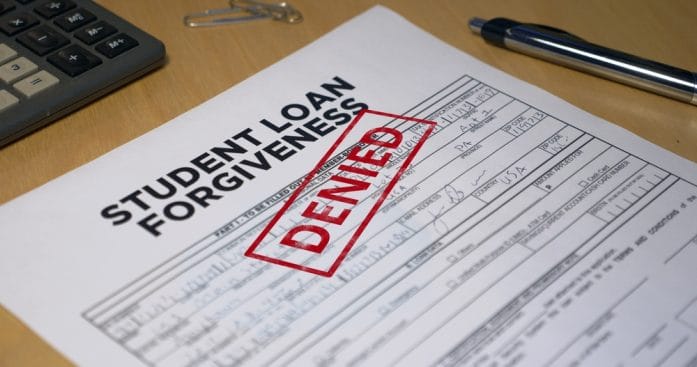
If you applied for the federal SAVE Plan and feel like you’ve been stuck in limbo, you’re not imagining it. Millions of borrowers are navigating a repayment system that’s been challenged in court and reinterpreted more times than anyone can count.

What was supposed to be the most affordable income‑driven repayment plan in history has instead turned into a maze of political fights, legal uncertainty, and inconsistent communication. And now, unfortunately, it’s coming to an end. This leaves borrowers with frustration—but a choice about moving forward.

For borrowers who were counting on SAVE to stabilize their budgets, the last year hasn’t felt like relief. It’s felt like whiplash.

What the SAVE Plan Was Designed to Do — And Why Borrowers Flocked to It

The SAVE Plan — Saving on a Valuable Education — was meant to replace REPAYE and become the new standard for income‑driven repayment. It promised lower monthly payments, interest protections that prevented balances from ballooning, and shorter forgiveness timelines for borrowers with smaller balances. The program was very popular, and millions enrolled quickly, hoping to finally get a repayment plan that matched their income instead of crushing it.

Then, due to lawsuits with multiple states, the Department of Education announced a proposed end to SAVE, pending court approval. Thankfully, borrowers already enrolled continue to receive the benefits that remain legally authorized, but those waiting for approval are out of luck.

Why Borrowers Are Seeing Mixed Messages

The SAVE Plan hasn’t been dismantled for those already approved, but it has been shut off to newcomers. For months, courts have questioned whether certain provisions exceed the Department of Education’s authority without congressional approval.

Due to a new settlement agreement, the Department of Education will not enroll any new borrowers in the SAVE plan and will deny any pending applicants. Those currently enrolled in the program will be moved to different repayment plans, although the timeline and mechanics of that are not yet finalized.

The Legal Fight That Put SAVE in Limbo

For many, this wasn’t a shock. The lawsuits challenging SAVE didn’t come out of nowhere. Several states argued that the Department of Education expanded repayment and forgiveness authority beyond what Congress explicitly allowed. Courts issued injunctions that paused certain features of SAVE while the cases moved forward. Then, in December of 2025, an official end to the program was announced.

Along the way, this legal uncertainty left borrowers caught between policy goals and legal boundaries. Everything was slowed and then halted. It wasn’t a paperwork issue. It was a structural one.

What Borrowers Should Expect in 2026

There are possibilities for those left behind by the end of SAVE. Borrowers can still choose from other repayment plans like IDR, which remain fully authorized under federal law. These plans calculate payments differently than SAVE, and they may result in higher monthly bills, but they offer stability.

The SAVE Plan Settlement: Why Pending Applications Were Just Denied

Image source: shutterstock.com

Borrowers who were counting on SAVE’s lowest‑payment features or fastest forgiveness timelines may need to adjust expectations, but they shouldn’t give up hope on a repayment plan that works for them.

What This Moment Really Means for Borrowers

The SAVE Plan is gone, but options remain. Sadly, borrowers are the ones feeling the strain. This change feels frustrating, but it doesn’t leave you powerless. Understanding what’s gone and what alternatives exist gives you the ability to make informed decisions instead of reacting to surprises.

The student‑loan system is changing again in 2026, but your strategy doesn’t have to fall apart with it. The more you understand your options, the more control you regain over your financial future.

Are you ready to choose the repayment plan that actually fits your life right now — or will you let the system choose for you? What will you do now that SAVE is gone? Share your stories and your challenges in the comments section below.

You May Also Like…

Student Loan Wage Garnishment Could Return After 5-Year Pause — 15% of Paychecks at Risk

Will I Ever Be Able to Afford a House With My Current Student Loan Burden?

8 Outrageous Truths About Student Loan Repayments

How Can Student Loans Quietly Shape Life Decisions for Decades

Why Are So Many Seniors Being Sued Over Student Loans They Didn’t Take Out?

Brandon Marcus
Brandon Marcus

Brandon Marcus is a writer who has been sharing the written word since a very young age. His interests include sports, history, pop culture, and so much more. When he isn’t writing, he spends his time jogging, drinking coffee, or attempting to read a long book he may never complete.

Filed Under: Lifestyle Tagged With: borrowers, College, college costs, college education, Education, federal loans, financial advice, IDR plans, income‑driven repayment, Life, Lifestyle, repayment tips, SAVE Plan, student loan denial, student loan settlement, student loans, students

Student Loan Wage Garnishment Could Return After 5-Year Pause — 15% of Paychecks at Risk

February 1, 2026 by Brandon Marcus Leave a Comment

Student Loan Wage Garnishment Could Return After 5-Year Pause — 15% of Paychecks at Risk

Image source: shutterstock.com

If you thought that chapter of your financial life was closed, think again. After a nearly five‑year hiatus triggered by the pandemic, the federal government is toying with the idea of restarting wage garnishment for people with defaulted student loans — and this time the stakes feel real.

Imagine opening your paycheck and seeing up to 15% of your hard‑earned money vanish before you even blink. That’s what millions of borrowers could be facing in 2026, and yes — this affects real people with real paychecks. But before you panic or scroll past, stick with me: our article will break down what could be happening, why it’s happening, and what options you might have if you’re looking at that garnishment notice.

Why Wage Garnishment Is Back — Or Was Supposed To Be

For the first time since the pandemic, the Department of Education began sending out wage‑garnishment warning notices to borrowers in default — a signal that collections were about to restart. For nearly five years, federal student loan collections (including wage garnishment, tax refund offsets, and benefit seizures) were frozen to give borrowers breathing room.

But here’s the twist: after sending those notices, the government hit pause again. According to multiple January 2026 reports, the administration delayed the actual restart of wage garnishment while it finalizes new repayment rules and collection procedures. Borrowers are now in a kind of pre‑garnishment limbo — the warning letters went out, but the paycheck deductions haven’t begun yet.

That doesn’t mean you’re in the clear. The notices are real, the intent to restart collections is real, and borrowers with loans 270+ days past due are still the group being targeted for the next phase once the pause officially lifts.

What “15% of Your Paycheck” Will Look Like When Garnishment Actually Starts

Even though garnishment hasn’t resumed yet, the rules you’ll face once it does are unchanged. Federal law still allows the government to take up to 15% of your disposable pay. That means the amount left after mandatory tax withholdings.

If your take‑home pay is $1,000 per period, that could mean up to $150 disappearing before you ever see it. And while federal protections require that garnishment leave you with at least 30 times the federal minimum wage per week, that still doesn’t soften the blow for most households.

The bottom line: the garnishment mechanism is ready to go — it just hasn’t been switched back on yet. But that could change at any moment and when it does, millions will be on the hook.

Student Loan Wage Garnishment Could Return After 5-Year Pause — 15% of Paychecks at Risk

Image source: shutterstock.com

Who’s at Risk — And Who’s Safe (For Now)

No one is currently having wages garnished, but borrowers in default are on the front line once the restart date is finalized.

You’re at risk if:

  • Your federal loans are in default (270+ days past due)
  • You’ve received a pre‑garnishment notice
  • You haven’t responded to outreach from your servicer

You’re safe for now if:

  • You’re in good standing
  • You’re on an income‑driven repayment plan
  • You’re actively communicating with your servicer
  • You’re in the process of consolidating or rehabilitating your loans

And remember: the law requires the government to send formal notice before any garnishment begins — which is exactly what happened in early 2026. The only reason garnishment hasn’t resumed is because the administration temporarily delayed the final step.

Real‑Life Strategies to Dodge the Garnishment Bullet

If you’re staring down the possibility of having money taken straight from your paycheck, there are concrete steps you can take now.

Check your default status: Log into your federal student aid account or contact your servicer to see exactly where you stand. Knowing is half the battle.

Get current or consolidate: If your loans are in default, you may be able to bring them back into good standing through consolidation or rehabilitation programs — which can stop garnishment in its tracks if you act promptly.

Explore income‑driven repayment plans: These can lower your monthly payment amounts and reduce the odds of default in the future.

Respond to notices immediately: Ignore the letter, and you’re basically handing over 15% of your paycheck. Make sure that you respond quickly to avoid that outcome.

Why This Matters Even During the Delay

Even though garnishment hasn’t restarted yet, the warning letters signal a major shift in federal policy. After years of leniency, the government is preparing to re‑activate the full collections system — wage garnishment, tax refund offsets, and benefit reductions.

Millions of borrowers are behind on payments, and the government is clearly moving toward a stricter enforcement phase. The delay doesn’t erase the intent — it just buys borrowers a little more time to act before the 15% paycheck hit becomes real.

Your Money, Your Move — Navigate It Smartly

Whether you’d be directly affected by wage garnishment or you’d watch someone you care about navigate the maze, this potential policy shift underscores one truth: you don’t have to be passive about your loans. Engage with your servicer, explore repayment options, and take action before that garnishment notice turns into a payday surprise.

What part of the possible return of wage garnishment worries you most — the financial impact, the notice process, or the broader policy change? Share your thoughts in the comments!

You May Also Like…

Will I Ever Be Able to Afford a House With My Current Student Loan Burden?

These Are 9 Of The Worst Financial Mistakes College Students Make

8 Outrageous Truths About Student Loan Repayments

6 Hidden Dangers of Taking Out Student Loans Too Young

8 Ways You Should Never Use Student Loan Money For

Brandon Marcus
Brandon Marcus

Brandon Marcus is a writer who has been sharing the written word since a very young age. His interests include sports, history, pop culture, and so much more. When he isn’t writing, he spends his time jogging, drinking coffee, or attempting to read a long book he may never complete.

Filed Under: Education Tagged With: collections, defaulted loans, Education, federal debt, government policy, income‑driven repayment, loan rehabilitation, paycheck, Personal Finance, Planning, student debt, student loans, wage garnishment

7 Reasons Why Gen Z Isn’t Saving Money

January 9, 2026 by Brandon Marcus Leave a Comment

Here Are 7 Reasons Why Gen Z Isn't Saving Money

Image Source: Shutterstock.com

Gen Z is often painted as a generation glued to their screens, addicted to avocado toast, and more interested in experiences than finances—but is that really the whole story?

The truth is, saving money isn’t just about willpower; it’s about the world we live in, the pressures we face, and the financial landscape that can feel more like a rollercoaster than a gentle ride.

From skyrocketing living costs to the lure of instant gratification, there’s a wild mix of reasons why so many Gen Zers struggle to stash away cash. Let’s talk about the seven biggest culprits behind this modern money mystery, and maybe, just maybe, we’ll spot a few ways to make saving a little less painful—and a lot more realistic.

1. Sky-High Student Loan Debt Crushes Budgets

Student loans aren’t just numbers on a page—they’re a daily weight on Gen Z’s financial shoulders. Many young adults are leaving college with tens of thousands of dollars in debt, which often means juggling minimum payments, interest rates, and the constant anxiety of “how long will this take to pay off?” When your income barely covers rent, groceries, and the occasional night out, saving anything extra can feel impossible.

Unlike past generations who might have bought a first home straight out of college, Gen Z often has to think in terms of debt-first, then life. Even when they try to budget, these loans dominate their financial decisions, leaving saving in the backseat. It’s like running a marathon while carrying a backpack full of bricks.

2. The Cost Of Living Keeps Rising Faster Than Paychecks

Rent, groceries, gas, healthcare—everything seems to have its price tag skyrocketing. While inflation is constantly in the news, for Gen Z, it’s not just a headline; it’s reality. Wages for entry-level jobs haven’t kept pace with these increases, creating a frustrating gap between what’s earned and what’s needed to survive. Many young adults are forced to prioritize basic expenses over emergency funds or retirement accounts. Even a small amount of discretionary income can evaporate the moment a utility bill spikes or a car needs repairs. It’s not that Gen Z doesn’t want to save—they just have to survive first. And let’s be honest: surviving in this economy is exhausting.

3. Social Media Temptations Are Relentless

Scrolling through Instagram or TikTok often feels like wandering through a shopping mall designed to make your wallet cry. Influencers flaunt the latest fashion drops, tech gadgets, or exotic trips, and suddenly your “just browsing” session turns into a list of things you need now. FOMO—fear of missing out—is real, and for many Gen Zers, it’s a powerful motivator to spend rather than save.

Even with the best intentions, the constant bombardment of “must-haves” can make saving seem less important than keeping up. The pressure to maintain a curated, stylish lifestyle online doesn’t pay off in your bank account, but it sure affects your spending habits.

Here Are 7 Reasons Why Gen Z Isn't Saving Money

Image Source: Shutterstock.com

4. Gig Economy Jobs Offer Flexibility But Not Stability

Freelance work, delivery apps, and part-time gigs dominate the job market for many young adults. While these opportunities offer incredible flexibility and independence, they rarely come with benefits like health insurance, retirement plans, or predictable paychecks. This financial instability makes it hard to plan for the future. Saving for emergencies—or anything beyond tomorrow’s bills—becomes a challenge when income fluctuates week to week.

Many Gen Zers are living paycheck to paycheck, balancing multiple gigs just to make ends meet. In this context, putting money aside can feel like trying to build a sandcastle in a storm.

5. Minimal Financial Education Leaves Many Clueless

School teaches algebra, history, and biology—but often skips personal finance entirely. As a result, Gen Z enters adulthood without a strong foundation in budgeting, investing, or managing debt. Compound interest? Retirement accounts? Many concepts sound intimidating or irrelevant until the bills pile up. Without guidance, it’s easy to fall into the trap of “spend now, figure it out later.” Some young adults avoid dealing with money altogether because it feels stressful, confusing, or overwhelming.

The irony is that even small steps—like opening a savings account or automating deposits—can make a huge difference. But if you don’t know where to start, taking that first step can feel impossible.

6. Mental Health And Stress Affect Spending Decisions

Money stress and mental health are closely intertwined. Anxiety, depression, or burnout can lead to impulsive spending as a coping mechanism, making saving seem like a distant dream. Treating yourself can feel necessary when life is overwhelming, whether it’s ordering takeout, buying a trendy gadget, or splurging on a streaming service. Gen Z is more open about discussing mental health than previous generations, which is great—but it also means recognizing that financial habits are deeply connected to emotional well-being. When stress drives spending, saving becomes an uphill battle. In this sense, financial struggles are not just practical—they’re personal.

7. The Allure Of Instant Gratification Is Hard To Resist

Let’s face it: apps make buying things as easy as tapping a button. From one-click shopping to digital subscriptions, the temptation to spend is immediate and constant. Saving requires patience and planning, two things that are increasingly at odds with a culture built on instant results. Gen Z grew up in a world where Netflix, social media, and online shopping deliver satisfaction immediately, which makes waiting for future rewards challenging. This is not laziness—it’s adaptation to a digital ecosystem designed to be irresistible. Learning to delay gratification is a skill that many are still developing while navigating student loans, living costs, and social pressure.

Money Challenges Are Real, But Not Hopeless

Gen Z isn’t failing at saving because they’re careless or immature; they’re navigating a complex web of debt, living costs, social pressures, and a constantly shifting job market. Understanding the obstacles is the first step to overcoming them. Some may find creative solutions, like side hustles, budgeting apps, or investing early—even if it’s just a little at a time. Others may take comfort in the fact that they’re not alone, and that financial literacy and good habits can grow with time.

What are your experiences with saving money in today’s world? Leave your thoughts or stories in the comments below—we’d love to hear how you’re navigating this financial maze.

You May Also Like…

7 Tech Products Gen Z Can’t Live Without — That Are Actually Downgrades

9 Gen Z Fashion Obsessions Millennials Don’t Get at All

6 Ways Travel Is Quietly Transforming for Millennials and Gen Z

5 Ways The New Year Gets In The Way Of Saving Money

Savings Sprint: 9 Ways to Catch Up on Retirement Savings Before December Ends

Brandon Marcus
Brandon Marcus

Brandon Marcus is a writer who has been sharing the written word since a very young age. His interests include sports, history, pop culture, and so much more. When he isn’t writing, he spends his time jogging, drinking coffee, or attempting to read a long book he may never complete.

Filed Under: saving money Tagged With: baby boomers, banking, Boomers, Cost of living, Debt, gen z, Generation Differences, generational changes, generational insight, gig economy, Money, money issues, Saving, saving money, savings account, student debt, student loans

Funding Gap: 8 Ways Rising College Costs Are Changing Mid-Life Financial Planning

December 17, 2025 by Brandon Marcus Leave a Comment

Here Are The Ways Rising College Costs Are Changing Mid-Life Financial Planning

Image Source: Shutterstock.com

The sticker shock of college tuition no longer arrives politely—it kicks the door down, dumps a stack of bills on the table, and demands attention right now. For many families, the college years collide head-on with peak earning years, aging parents, career pivots, and a suddenly very real countdown to retirement. What once felt like a future problem has become a present-tense budgeting thriller, complete with plot twists and emotional cliffhangers.

Mid-life financial planning used to be about balance, but rising education costs have tilted the entire board. The result is a new, more complex money game where flexibility, creativity, and a strong stomach matter more than ever.

1. Tuition Inflation Is Rewriting Long-Term Budgets

College costs have been rising faster than general inflation for years, quietly eroding assumptions baked into old financial plans. Many mid-life households are discovering that their original college savings targets now cover far less than expected. This forces families to revisit budgets that were once considered settled and stable. Money once earmarked for travel, hobbies, or early retirement now competes with tuition bills. The planning horizon stretches longer, and the margin for error shrinks fast.

2. Retirement Timelines Are Being Quietly Pushed Back

Mid-life used to be the phase when retirement plans firmed up and dates started to feel real. Rising college costs are turning those dates into movable targets instead of finish lines. Parents often choose to delay retirement to maintain cash flow during tuition-heavy years. Even those with healthy retirement accounts may hesitate to stop working while education expenses loom. The psychological impact of “working a few more years” is becoming as common as the financial one.

3. Emergency Funds Are Taking On Double Duty

Emergency funds were once sacred, designed for job loss, medical surprises, or major home repairs. Now, college-related gaps are quietly dipping into those reserves. A financial aid shortfall, an extra semester, or unexpected housing costs can feel urgent enough to justify a withdrawal. This blurs the line between emergencies and obligations, increasing overall financial risk. Mid-life planners are responding by building larger cash cushions—or accepting thinner safety nets.

4. Parents Are Becoming Strategic Borrowers

Student loans were traditionally framed as the student’s responsibility, but reality looks different in many households. Parents are increasingly taking on loans themselves to protect their children’s financial futures. This adds new debt to balance sheets at a stage of life when many hoped to be reducing obligations. Interest rates, repayment timelines, and tax implications suddenly matter in very personal ways. Borrowing has become a calculated trade-off rather than a last resort.

Here Are The Ways Rising College Costs Are Changing Mid-Life Financial Planning

Image Source: Shutterstock.com

5. Investment Risk Tolerance Is Being Recalibrated

Mid-life investors often planned to gradually reduce risk, shifting toward more conservative portfolios. Rising college costs disrupt that glide path by increasing the need for growth-oriented returns. Some households stay invested in riskier assets longer than originally intended to keep pace with expenses. Others do the opposite, locking in gains to ensure tuition money is available when needed. Either way, investment strategy becomes more reactive and emotionally charged.

6. Career Decisions Are Being Filtered Through Tuition Bills

Mid-life is prime time for career reinvention, entrepreneurship, or scaling back for better work-life balance. College costs complicate those choices by anchoring families to steady paychecks and predictable benefits. A dream job with lower pay may be postponed until the last tuition payment clears. Bonuses, commissions, and side income suddenly play starring roles in education funding plans. Work becomes not just about fulfillment, but about timing cash flows perfectly.

7. Family Communication Is Becoming A Financial Skill

Talking about money has never been easy, but rising college costs make transparency essential. Parents and students alike must understand what is affordable, what is borrowed, and what is simply off the table. These conversations increasingly happen earlier and with more detail than in past generations. Expectations around school choice, lifestyle, and post-graduation support are shaped by these talks. Clear communication helps prevent resentment, surprises, and long-term financial strain.

8. Planning Is Shifting From Static To Adaptive

The traditional financial plan was often treated like a finished document, reviewed once a year and filed away. Rising college costs demand a more adaptive, living approach to planning. Assumptions are tested regularly as tuition, aid packages, and family circumstances evolve. Flexibility becomes a core strategy rather than a backup option. Mid-life planners who thrive are the ones willing to revise, recalibrate, and respond quickly.

Bridging The Funding Gap Together

Rising college costs have transformed mid-life financial planning from a steady cruise into a high-stakes obstacle course. Families are juggling tuition, retirement, careers, and security all at once, often with little room for missteps. While the challenge is real, so is the opportunity to plan smarter, communicate better, and adapt faster. Every household’s approach looks different, shaped by values, resources, and priorities.

If this topic hits close to home, we invite you to offer your experiences, insights, or lessons learned in the comments section below.

You May Also Like…

Funding Risk: 4 College Savings Mistakes That Could Cost You a Fortune Later

These Are 9 Of The Worst Financial Mistakes College Students Make

Why Do Families Overpay for College Without Asking Questions

9 Sneaky Costs That Appear When Kids Leave for College

6 Shocking Costs Tied to Raising College-Age Kids


Brandon Marcus
Brandon Marcus

Brandon Marcus is a writer who has been sharing the written word since a very young age. His interests include sports, history, pop culture, and so much more. When he isn’t writing, he spends his time jogging, drinking coffee, or attempting to read a long book he may never complete.
Filed Under: College Planning Tagged With: budgeting for college, College, college budgeting, college choices, college costs, college expenses, college finances, college planning, colleges, finances, financial aid, general finance, Inflation, Planning, Retirement, student aid, student loans, tuition, universities, university

Funding Risk: 4 College Savings Mistakes That Could Cost You a Fortune Later

December 15, 2025 by Brandon Marcus Leave a Comment

Here Are 4 College Savings Mistakes That Could Cost You a Fortune Later

Image Source: Shutterstock.com

College savings sounds like one of those “future you” problems—important, sure, but not urgent when life is busy, bills are loud, and kids are still small. Yet this is one of those financial topics where small missteps early can quietly snowball into massive regrets later. Tuition keeps climbing, student debt stories keep getting uglier, and families are often left wondering how they did everything “right” and still fell short.

The truth is, most college savings disasters don’t come from laziness or neglect, but from well-intentioned mistakes that feel smart at the time. Let’s break down the biggest ones before they quietly drain your future.

1. Waiting Too Long To Start Saving

One of the most expensive college savings mistakes is assuming you’ll “get serious” about saving later, when income is higher or life feels more stable. The math is brutally unforgiving here, because time—not contribution size—is the real engine behind growth. Starting late forces you to save far more each month just to chase what compound growth could have done effortlessly over years. Many parents underestimate how fast college approaches, especially when elementary school years blur together in hindsight. By the time urgency kicks in, the opportunity cost has already quietly stolen tens of thousands of dollars.

2. Saving In The Wrong Type Of Account

Where you save for college can matter just as much as how much you save, yet many families default to basic savings accounts or generic investment accounts without a plan. These options may feel safe or flexible, but they often miss out on tax advantages designed specifically for education expenses. Using the wrong account can lead to unnecessary taxes, reduced financial aid eligibility, or growth that simply doesn’t keep up with tuition inflation. Some parents avoid specialized college accounts out of fear they’ll lose control or flexibility, even though many modern options are far more adaptable than people realize. Over time, this conservative or misaligned approach quietly erodes purchasing power.

Here Are 4 College Savings Mistakes That Could Cost You a Fortune Later

Image Source: Shutterstock.com

3. Assuming Financial Aid Will Save The Day

One of the most common and costly assumptions is believing scholarships and financial aid will automatically fill any savings gaps. While aid exists, it’s not guaranteed, it’s often need-based, and much of it comes in the form of loans rather than free money. Families who save too little because they expect help later are often shocked to discover how much their income disqualifies them from meaningful assistance. Even middle-income households frequently fall into a gray zone where they’re expected to contribute far more than they planned. Relying on financial aid as a strategy instead of a supplement can leave families scrambling at the worst possible moment.

4. Ignoring The Emotional Side Of College Decisions

College savings mistakes aren’t just financial—they’re emotional, too, and ignoring that reality can lead to costly outcomes. Parents often save without discussing expectations, school preferences, or realistic budget limits with their children. When acceptance letters arrive, emotions can override years of planning, leading families to stretch beyond their means or abandon savings strategies altogether. Guilt, pride, and fear of disappointing a child can push parents into debt-heavy decisions they swore they’d never make. Without honest conversations early, even a solid savings plan can unravel under emotional pressure.

The Price Of Small College Savings Mistakes

College funding isn’t about perfection—it’s about awareness, timing, and making informed decisions before urgency takes over. The biggest risks often come from assumptions that feel harmless but quietly compound into financial strain later. By starting earlier, choosing smarter saving vehicles, staying realistic about aid, and addressing emotions head-on, families can avoid the most painful pitfalls. No one expects parents to predict the future, but a proactive approach can dramatically reduce stress when college decisions arrive.

If you’ve made any of these mistakes—or avoided them—share your thoughts, stories, or lessons learned in the comments section below.

You May Also Like…

These Are 9 Of The Worst Financial Mistakes College Students Make

9 Sneaky Costs That Appear When Kids Leave for College

6 Shocking Costs Tied to Raising College-Age Kids

Will I Ever Be Able to Afford a House With My Current Student Loan Burden?

Could Student Loan Forgiveness End Up Costing Borrowers More Later

Brandon Marcus
Brandon Marcus

Brandon Marcus is a writer who has been sharing the written word since a very young age. His interests include sports, history, pop culture, and so much more. When he isn’t writing, he spends his time jogging, drinking coffee, or attempting to read a long book he may never complete.
Filed Under: College Planning Tagged With: College, college mistakes, college planning, College Savings, Education, family money, financial aid, financial choices, saving for college, savings mistakes, school, student aid, student loans, students, teachers, university

6 Financial Moves You Didn’t Know You Could Make With Your 529 Plan

October 8, 2025 by Travis Campbell Leave a Comment

529 plan

Image source: shutterstock.com

Most people know a 529 plan as a great way to save for college, but there’s a lot more flexibility than you might think. If you’re only using your 529 plan to pay tuition, you could be leaving valuable options on the table. Recent changes in federal law have expanded the options available for these accounts. Whether you’re trying to avoid penalties, maximize your savings, or help out family members, your 529 plan might offer more than you realized. Let’s explore six surprising financial moves you can make with your 529 plan that could change the way you think about education savings.

1. Pay for K-12 Tuition

Your 529 plan isn’t just for college anymore. You can now use up to $10,000 per year from your 529 plan for K-12 tuition at private, public, or religious schools. This gives families more flexibility to manage education expenses earlier. If you have younger children or want to supplement their learning with private schooling, your 529 plan can help cover those costs. Just keep in mind that this $10,000 limit is per student, not per account, so you’ll want to plan your withdrawals carefully.

2. Repay Student Loans

Did you know you can use your 529 plan to pay off student loans? Under recent rules, you can withdraw up to $10,000 per beneficiary (and $10,000 per each of their siblings) to pay down qualified student loan debt. This move can help graduates and their families chip away at student loans without triggering taxes or penalties. It’s a smart way to use leftover funds if your student finished college with money to spare in their 529 plan.

3. Rollover to a Roth IRA

Starting in 2024, you can roll over unused 529 plan funds directly into a Roth IRA for the beneficiary, up to a lifetime limit of $35,000. This new rule gives even more flexibility to your education savings plan. The 529 plan must have been open for at least 15 years, and annual rollover limits apply. This financial move turns leftover college savings into a jumpstart for retirement, all without paying taxes or penalties. It’s a great way to make the most of your 529 plan if your child didn’t use all the funds for education.

4. Change the Beneficiary

Life doesn’t always go as planned. Maybe your child received a scholarship or chose not to attend college. The good news is that your 529 plan allows you to change the beneficiary to another family member at any time. Eligible family members include siblings, cousins, parents, or even yourself. This flexibility means your savings don’t go to waste. You can help another relative pay for their education or even use the funds for your own continuing education. Just be mindful that changing the beneficiary to someone from a different generation could have gift tax implications, so check the rules before making this move.

5. Cover Trade School and Apprenticeship Costs

College isn’t the only path to a rewarding career. Your 529 plan can be used to pay for qualified expenses at trade schools, vocational programs, and registered apprenticeship programs. This includes costs for tuition, fees, books, supplies, and equipment required for enrollment. It’s a valuable option for families whose children are interested in skilled trades rather than traditional four-year degrees.

6. Pay for Room, Board, and Technology

Many people don’t realize that a 529 plan covers more than just tuition. Qualified expenses include room and board (if the student is enrolled at least half-time), meal plans, and even off-campus housing up to the cost of on-campus living. You can also use your 529 plan to buy computers, software, and internet access if they’re required for the student’s studies. This flexibility makes it easier to budget for the true costs of higher education. Just remember to keep receipts and documentation in case you need to prove the expenses were qualified.

Maximizing the Value of Your 529 Plan

Your 529 plan is a powerful education savings tool with more uses than most people realize. By understanding the many ways you can use your 529 plan, you can make smarter choices for your family’s financial future. Whether you’re paying for K-12 tuition, helping with student loans, or rolling over funds into a Roth IRA, you have options that go far beyond traditional college expenses.

Before making any major move, it’s smart to review the details of your specific 529 plan and consult with a financial advisor. Rules can vary by state and plan, so double-check what’s allowed.

What’s the most surprising thing you’ve learned about your 529 plan? Share your thoughts or questions in the comments below!

What to Read Next…

  • 10 Financial Questions That Could Undo Your Entire Retirement Plan
  • 6 Money Habits That Backfire After You Turn 60
  • 7 Ways Your Neighbor Could Be Spying On You Without Breaking The Law
  • 10 Ways You’re Wasting Money Just Trying To Keep Up Appearances
  • 5 Best Places To Retire In America With 500k In Savings
Travis Campbell
Travis Campbell

Travis Campbell is a digital marketer/developer with over 10 years of experience and a writer for over 6 years. He holds a degree in E-commerce and likes to share life advice he’s learned over the years. Travis loves spending time on the golf course or at the gym when he’s not working.

Filed Under: College Planning Tagged With: 529 plan, college planning, education savings, retirement planning, student loans

8 Major Myths About Debt Forgiveness That Are Totally False

October 6, 2025 by Travis Campbell Leave a Comment

broke

Image source: pexels.com

Debt forgiveness is a term that gets thrown around a lot, but there’s a ton of confusion about what it actually means. Many people worry about the possible consequences, while others aren’t sure if they even qualify. These misunderstandings can lead to missed opportunities or poor financial decisions. If you’re weighed down by debt, it’s important to know what’s true and what’s not before you make any big moves. Let’s clear up some of the biggest myths about debt forgiveness so you can make smart choices and take control of your finances.

1. Debt Forgiveness Erases Your Debt Instantly

One of the biggest myths about debt forgiveness is that your debt simply vanishes overnight. The process is rarely that quick or simple. In reality, debt forgiveness often involves negotiation, paperwork, and sometimes months of waiting. Lenders may agree to forgive part of your debt, but you still may need to pay a portion or complete certain requirements. Whether you’re looking at student loans, credit cards, or medical bills, expect a process—not a magic wand.

2. Only People With Low Income Qualify

Some think debt forgiveness is only for those with very low income, but that’s not always the case. Many programs consider factors like debt-to-income ratio, financial hardship, or specific circumstances such as disability or unemployment. For example, federal student loan forgiveness programs often have eligibility criteria that go beyond income alone. If you’re struggling, it’s worth checking the requirements before assuming you don’t qualify.

3. Debt Forgiveness Destroys Your Credit Forever

Some forms of debt forgiveness can indeed impact your credit score, but the effect is rarely permanent. The way debt forgiveness shows up on your credit report depends on the type of debt and the agreement with your lender. In many cases, your score will recover over time, especially if you manage your finances responsibly after the debt is forgiven. Don’t let this myth keep you from pursuing options that could help you get back on track.

4. All Forgiven Debt Is Tax-Free

Here’s where things get tricky. Most forgiven debt is considered taxable income by the IRS, unless you meet certain exceptions. For example, if you have student loans forgiven under Public Service Loan Forgiveness, you won’t pay taxes on the forgiven amount. But if a credit card company cancels your debt, you could get a 1099-C form at tax time. Always check with a tax professional to understand how debt forgiveness could affect your taxes.

5. Debt Forgiveness Is Only for Student Loans

While student loan forgiveness gets a lot of attention, it’s not the only type of debt that can be forgiven. Credit card companies, medical providers, and some mortgage lenders offer programs to reduce or forgive debt. The rules vary, and not every lender offers this option, but it’s a mistake to think debt forgiveness is only for students. If you’re facing overwhelming bills, explore all your options.

6. You Have to Pay for Debt Forgiveness Help

Many people fall for scams that promise debt forgiveness for a fee. The truth is, you don’t need to pay third parties to apply for legitimate programs. Most federal and state debt forgiveness programs are free to apply for. If a company asks for money up front, it’s a red flag.

7. Debt Forgiveness Means You Failed Financially

There’s a lot of shame and stigma around debt, but needing debt forgiveness doesn’t mean you’ve failed. Life happens—medical emergencies, job loss, and other unexpected events can put anyone in a tough spot. Taking steps to address your debt is a responsible, not a shameful, action. In fact, debt forgiveness is designed to help individuals regain control over their finances and get back on their feet.

8. Debt Forgiveness Offers a Permanent Solution

While debt forgiveness can provide major relief, it’s not a cure-all for financial problems. Unless you address the habits or circumstances that led to debt in the first place, you could end up in the same situation again. Think of debt forgiveness as a tool, not a permanent fix. Pair it with budgeting, financial planning, and support to make lasting changes for your financial health.

Moving Forward With Debt Forgiveness

Debt forgiveness isn’t a one-size-fits-all solution, but understanding the facts can help you decide if it’s right for you. Don’t let myths and misinformation stop you from seeking help or exploring your options. If you’re considering debt forgiveness, research your options, consult with a professional, and create a plan that suits your needs.

Remember, taking the first step toward financial stability starts with knowing the truth about debt forgiveness.

Have you ever considered debt forgiveness or gone through the process of debt forgiveness? Share your experience or questions in the comments below!

What to Read Next…

  • 5 Emergency Repairs That Could Force You Into Debt Overnight
  • The Benefits of Taking Personal Loans and Their Impact on Credit Scores
  • 5 Things That Instantly Decrease Your Credit Score by 50 Points
  • Why Are So Many Seniors Being Sued Over Student Loans They Didn’t Take Out?
  • Are Budgeting Apps Designed to Push You Into Debt?
Travis Campbell
Travis Campbell

Travis Campbell is a digital marketer/developer with over 10 years of experience and a writer for over 6 years. He holds a degree in E-commerce and likes to share life advice he’s learned over the years. Travis loves spending time on the golf course or at the gym when he’s not working.

Filed Under: Debt Management Tagged With: credit score, debt forgiveness, debt relief, myths, Personal Finance, student loans, taxes

These Are 9 Of The Worst Financial Mistakes College Students Make

October 4, 2025 by Travis Campbell Leave a Comment

money financial

Image source: pexels.com

College is an exciting time, but it’s also a period when many young adults make decisions that can significantly impact their financial future for years to come. The worst financial mistakes college students make often seem harmless in the moment but can lead to big headaches. Student loans, credit cards, and limited income make this stage uniquely risky. Understanding these pitfalls is crucial to establishing a solid financial foundation. If you’re in college—or about to be—knowing what to avoid can help you graduate with more than just a degree: you’ll have smarter financial habits, too.

1. Racking Up High-Interest Credit Card Debt

One of the worst financial mistakes college students make is overusing credit cards. It’s easy to swipe now and worry later, but high-interest rates can turn small balances into big problems. Many students only pay the minimum due, stretching out payments for years and paying far more than they borrowed. Learning to use credit responsibly, or even waiting before getting a card, can save you a lot down the line.

2. Ignoring a Budget

Budgeting might sound boring, but not having one is a classic error. Without tracking where your money goes, you can overspend on eating out, entertainment, or shopping without realizing it. A simple monthly budget doesn’t need to be complicated. There are plenty of budgeting apps that make it easy. The sooner you start tracking your spending, the more control you’ll have over your finances.

3. Taking Out More Student Loans Than Necessary

Student loans are a necessity for many, but borrowing too much is a common mistake. It’s tempting to accept the full amount offered, but you’ll have to pay it back—with interest. Only borrow what you need for tuition, books, and essentials. Consider part-time work or scholarships to cover other costs. The less debt you graduate with, the easier your financial future will be.

4. Not Building Credit Responsibly

Building good credit early is crucial, but some students overlook it entirely. Others open cards but don’t manage them well. Responsible use—like paying bills on time and keeping balances low—can set you up for future loans, apartments, or even jobs. If you don’t have a credit card, consider a student card or becoming an authorized user on a parent’s account. Remember that reckless use is one of the most common and costly financial mistakes college students make.

5. Skipping Emergency Savings

Life is unpredictable, and not having an emergency fund can leave you scrambling for resources. Car repairs, medical bills, or a lost job can derail your plans. Even saving a small amount each month helps. Set up a separate savings account and aim for at least $500 to start. It’s not about how much you save, but about building the habit of saving regularly.

6. Overpaying for Textbooks and Supplies

Textbooks are expensive, but paying full price at the campus store isn’t your only option. Many students don’t realize they can save by renting, buying used, or sharing with classmates. Online marketplaces and textbook rental sites can cut costs dramatically. Ask professors if older editions are acceptable. Every dollar you save on supplies is a dollar you can put elsewhere.

7. Not Taking Advantage of Student Discounts

Many businesses offer discounts to students, but these often go unused. From software to streaming services and public transportation, discounts can add up. Always ask if a student rate is available before you buy. Making this a habit can stretch your budget further and help you avoid some of the worst financial mistakes college students make.

8. Failing to Plan for Life After Graduation

It’s easy to focus on the present, but not thinking about what comes next is risky. Start learning about repayment options for student loans and researching entry-level salaries in your field. Create a loose budget plan for your post-graduation expenses. Even if your plans change, you’ll be better prepared for the transition from student to working adult.

9. Letting Lifestyle Inflation Take Over

As you get older or take on part-time jobs, it’s tempting to upgrade your lifestyle. New clothes, gadgets, or more nights out seem harmless. But if your spending rises every time your income does, saving becomes impossible. Focus on keeping your expenses steady and saving extra income. Avoiding this trap is key to long-term financial health.

Building Better Habits for a Strong Financial Future

College is the ideal time to establish good financial habits. Avoiding the worst financial mistakes college students make isn’t about being perfect—it’s about being aware and making smarter choices. Small steps now lead to huge rewards later.

What financial mistake do you wish you could go back and fix from your college days? Share your story in the comments!

What to Read Next…

  • 5 Things That Instantly Decrease Your Credit Score By 50 Points
  • The Benefits Of Taking Personal Loans And Their Impact On Credit Scores
  • Are Budgeting Apps Designed To Push You Into Debt?
  • Are These 6 Helpful Budget Tips Actually Ruining Your Finances?
  • Why Are So Many Seniors Being Sued Over Student Loans They Didn’t Take Out?
Travis Campbell
Travis Campbell

Travis Campbell is a digital marketer/developer with over 10 years of experience and a writer for over 6 years. He holds a degree in E-commerce and likes to share life advice he’s learned over the years. Travis loves spending time on the golf course or at the gym when he’s not working.

Filed Under: College Planning Tagged With: budgeting, college money mistakes, credit cards, financial literacy, student loans

9 Outrageous Truths About Student Loan Interest

September 30, 2025 by Travis Campbell Leave a Comment

college

Image source: pexels.com

Student loan interest is more than just a number on your monthly statement. It’s a force that shapes how much you pay, how long you stay in debt, and even the choices you make after graduation. Many borrowers are caught off guard by the way student loan interest works. It can be confusing, frustrating, and sometimes downright unfair. Knowing these truths about student loan interest helps you make smarter decisions and avoid costly mistakes. If you’re paying off loans or about to start, the realities below will help you understand what you’re really up against.

1. Interest Accrues Daily, Not Monthly

One of the biggest misconceptions about student loan interest is how quickly it accumulates. Most people assume it’s monthly, but in reality, federal student loan interest accrues daily. This means your balance grows every single day, not just once a month. If you have a large balance, even a few days of unpaid interest can add up fast. When you make a payment, a portion goes to interest first, then the rest to the principal. The longer you wait to pay, the more interest piles up.

2. Capitalized Interest Makes Your Debt Grow Faster

Capitalization is when unpaid interest gets added to your principal balance. This usually happens when your loans leave a deferment or forbearance period, or after you finish school and your grace period ends. Once the interest is capitalized, you start paying interest on a bigger amount. That means you’re essentially paying interest on your interest. Over time, this can add hundreds or even thousands of dollars to your total repayment amount. Understanding this process is key to minimizing the long-term impact of student loan interest.

3. Federal and Private Loans Handle Interest Differently

Federal student loans and private student loans follow different rules regarding interest. Federal loans typically have fixed interest rates, whereas private loans may offer variable rates that fluctuate over time. Private lenders may also employ different methods for calculating interest accrual. Some may compound interest more frequently or have less forgiving terms during deferment. Always read the fine print when comparing loans, as the way student loan interest is handled can seriously affect your bottom line.

4. Interest Doesn’t Always Stop During Deferment or Forbearance

Many borrowers believe that putting loans into deferment or forbearance gives them a break from interest. Sadly, that’s not always true. For most federal loans (except subsidized loans in certain situations), interest continues to accrue during these periods. Private loans almost always accrue interest during deferment or forbearance. This means your balance could be much higher when you resume payments. It’s essential to review the terms of your loan so you’re not surprised by a larger bill later.

5. Income-Driven Repayment Plans Can Increase Total Interest

Income-driven repayment (IDR) plans can lower your monthly payment, but they often increase the total amount of student loan interest you pay over the life of the loan. Because payments are smaller, your principal shrinks more slowly. That gives interest more time to accumulate. In some cases, borrowers pay far more in interest than they would under a standard repayment plan. While IDR can be a lifesaver for cash-strapped grads, it’s crucial to understand the long-term cost.

6. Refinancing Isn’t Always the Best Solution

Refinancing student loans can reduce your interest rate, but it’s not always the right move. When you refinance federal loans with a private lender, you lose access to federal protections like forbearance, deferment, and income-driven repayment. If you hit financial trouble later, you could be worse off. Plus, not everyone qualifies for the lowest rates. Before you refinance, weigh the possible savings against the benefits you might give up.

7. Unsubsidized Loans Start Accruing Interest Immediately

With unsubsidized federal loans, interest begins accruing from the moment the funds are disbursed. That means even while you’re in school or during your grace period, student loan interest is quietly building up. By the time you graduate, you may already owe much more than you borrowed. Subsidized loans, on the other hand, have the government pay interest while you’re in school at least half-time, during the grace period, and during deferment. Knowing the difference can help you prioritize which loans to pay off first.

8. Auto-Pay Discounts Can Lower Your Interest Rate

Some lenders offer a discount on your interest rate if you sign up for automatic payments. This discount is usually around 0.25%, which might not sound like much, but it adds up over time. Setting up auto-pay also helps you avoid missed payments and late fees. It’s one of the simplest ways to pay less in student loan interest without making extra payments. Ask your lender if this option is available and take advantage if you can.

9. Interest Rates Change for New Federal Loans Every Year

Federal student loan interest rates aren’t set in stone forever. Each year, new rates are determined based on the 10-year Treasury note. If you borrow for multiple years, you might end up with different rates for each loan. This makes tracking your total student loan interest a bit tricky. It’s important to keep records of each loan’s rate and term, so you can prioritize higher-rate loans when making extra payments.

Taking Control of Your Student Loan Interest

Understanding student loan interest is the first step to managing your debt effectively. The way interest accrues, capitalizes, and compounds can have a huge impact on how much you owe and for how long. By paying attention to the fine print, making payments when you can, and using strategies like auto-pay, you can reduce the burden of student loan interest over time. Even small changes in your repayment plan can save you hundreds or thousands in the long run.

What’s the most surprising thing you’ve learned about student loan interest? Share your thoughts or questions in the comments below!

What to Read Next…

  • Why Are So Many Seniors Being Sued Over Student Loans They Didn’t Take Out?
  • The Benefits of Taking Personal Loans and Their Impact on Credit Scores
  • What Happens When You Co-Sign a Friend’s Loan by Accident?
  • 9 Surprising Penalties for Paying Off Loans Too Early
  • 5 Things That Instantly Decrease Your Credit Score by 50 Points
Travis Campbell
Travis Campbell

Travis Campbell is a digital marketer/developer with over 10 years of experience and a writer for over 6 years. He holds a degree in E-commerce and likes to share life advice he’s learned over the years. Travis loves spending time on the golf course or at the gym when he’s not working.

Filed Under: College Planning Tagged With: college loans, debt repayment, federal loans, interest rates, loan refinancing, Personal Finance, student loans

  • « Previous Page
  • 1
  • 2
  • 3
  • 4
  • 5
  • Next Page »

FOLLOW US

Search this site:

Recent Posts

  • Can My Savings Account Affect My Financial Aid? by Tamila McDonald
  • 12 Ways Gen X’s Views Clash with Millennials… by Tamila McDonald
  • What Advantages and Disadvantages Are There To… by Jacob Sensiba
  • 10 Tactics for Building an Emergency Fund from Scratch by Vanessa Bermudez
  • Call 911: Go To the Emergency Room Immediately If… by Stephen Kanaval
  • 7 Weird Things You Can Sell Online by Tamila McDonald
  • 10 Scary Facts About DriveTime by Tamila McDonald

Copyright © 2026 · News Pro Theme on Genesis Framework