• Home
  • About Us
  • Getting Finances Done
    • Hiring Advisors
    • Debt Management
    • Spending Plan
  • Insurance
    • Life Insurance
    • Health Insurance
    • Disability Insurance
    • Homeowners/Renters Insurance
  • Contact Us
  • Our Editorial Commitment

The Free Financial Advisor

You are here: Home / Archives for College

The SAVE Plan Settlement: Why Pending Applications Were Just Denied

February 2, 2026 by Brandon Marcus Leave a Comment

The SAVE Plan Settlement: Why Pending Applications Were Just Denied
Image source: shutterstock.com

If you applied for the federal SAVE Plan and feel like you’ve been stuck in limbo, you’re not imagining it. Millions of borrowers are navigating a repayment system that’s been challenged in court and reinterpreted more times than anyone can count.

What was supposed to be the most affordable income‑driven repayment plan in history has instead turned into a maze of political fights, legal uncertainty, and inconsistent communication. And now, unfortunately, it’s coming to an end. This leaves borrowers with frustration—but a choice about moving forward.

For borrowers who were counting on SAVE to stabilize their budgets, the last year hasn’t felt like relief. It’s felt like whiplash.

What the SAVE Plan Was Designed to Do — And Why Borrowers Flocked to It

The SAVE Plan — Saving on a Valuable Education — was meant to replace REPAYE and become the new standard for income‑driven repayment. It promised lower monthly payments, interest protections that prevented balances from ballooning, and shorter forgiveness timelines for borrowers with smaller balances. The program was very popular, and millions enrolled quickly, hoping to finally get a repayment plan that matched their income instead of crushing it.

Then, due to lawsuits with multiple states, the Department of Education announced a proposed end to SAVE, pending court approval. Thankfully, borrowers already enrolled continue to receive the benefits that remain legally authorized, but those waiting for approval are out of luck.

Why Borrowers Are Seeing Mixed Messages

The SAVE Plan hasn’t been dismantled for those already approved, but it has been shut off to newcomers. For months, courts have questioned whether certain provisions exceed the Department of Education’s authority without congressional approval.

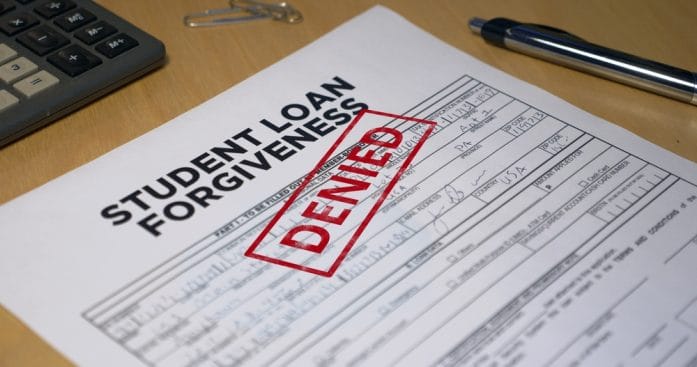
Due to a new settlement agreement, the Department of Education will not enroll any new borrowers in the SAVE plan and will deny any pending applicants. Those currently enrolled in the program will be moved to different repayment plans, although the timeline and mechanics of that are not yet finalized.

The Legal Fight That Put SAVE in Limbo

For many, this wasn’t a shock. The lawsuits challenging SAVE didn’t come out of nowhere. Several states argued that the Department of Education expanded repayment and forgiveness authority beyond what Congress explicitly allowed. Courts issued injunctions that paused certain features of SAVE while the cases moved forward. Then, in December of 2025, an official end to the program was announced.

Along the way, this legal uncertainty left borrowers caught between policy goals and legal boundaries. Everything was slowed and then halted. It wasn’t a paperwork issue. It was a structural one.

What Borrowers Should Expect in 2026

There are possibilities for those left behind by the end of SAVE. Borrowers can still choose from other repayment plans like IDR, which remain fully authorized under federal law. These plans calculate payments differently than SAVE, and they may result in higher monthly bills, but they offer stability.
The SAVE Plan Settlement: Why Pending Applications Were Just Denied
Image source: shutterstock.com

Borrowers who were counting on SAVE’s lowest‑payment features or fastest forgiveness timelines may need to adjust expectations, but they shouldn’t give up hope on a repayment plan that works for them.

What This Moment Really Means for Borrowers

The SAVE Plan is gone, but options remain. Sadly, borrowers are the ones feeling the strain. This change feels frustrating, but it doesn’t leave you powerless. Understanding what’s gone and what alternatives exist gives you the ability to make informed decisions instead of reacting to surprises.

The student‑loan system is changing again in 2026, but your strategy doesn’t have to fall apart with it. The more you understand your options, the more control you regain over your financial future.

Are you ready to choose the repayment plan that actually fits your life right now — or will you let the system choose for you? What will you do now that SAVE is gone? Share your stories and your challenges in the comments section below.

You May Also Like…

Student Loan Wage Garnishment Could Return After 5-Year Pause — 15% of Paychecks at Risk

Will I Ever Be Able to Afford a House With My Current Student Loan Burden?

8 Outrageous Truths About Student Loan Repayments

How Can Student Loans Quietly Shape Life Decisions for Decades

Why Are So Many Seniors Being Sued Over Student Loans They Didn’t Take Out?

Brandon Marcus
Brandon Marcus

Brandon Marcus is a writer who has been sharing the written word since a very young age. His interests include sports, history, pop culture, and so much more. When he isn’t writing, he spends his time jogging, drinking coffee, or attempting to read a long book he may never complete.


Filed Under: Lifestyle Tagged With: borrowers, College, college costs, college education, Education, federal loans, financial advice, IDR plans, income‑driven repayment, Life, Lifestyle, repayment tips, SAVE Plan, student loan denial, student loan settlement, student loans, students

Funding Gap: 8 Ways Rising College Costs Are Changing Mid-Life Financial Planning

December 17, 2025 by Brandon Marcus Leave a Comment

Here Are The Ways Rising College Costs Are Changing Mid-Life Financial Planning
Image Source: Shutterstock.com

The sticker shock of college tuition no longer arrives politely—it kicks the door down, dumps a stack of bills on the table, and demands attention right now. For many families, the college years collide head-on with peak earning years, aging parents, career pivots, and a suddenly very real countdown to retirement. What once felt like a future problem has become a present-tense budgeting thriller, complete with plot twists and emotional cliffhangers.

Mid-life financial planning used to be about balance, but rising education costs have tilted the entire board. The result is a new, more complex money game where flexibility, creativity, and a strong stomach matter more than ever.

1. Tuition Inflation Is Rewriting Long-Term Budgets

College costs have been rising faster than general inflation for years, quietly eroding assumptions baked into old financial plans. Many mid-life households are discovering that their original college savings targets now cover far less than expected. This forces families to revisit budgets that were once considered settled and stable. Money once earmarked for travel, hobbies, or early retirement now competes with tuition bills. The planning horizon stretches longer, and the margin for error shrinks fast.

2. Retirement Timelines Are Being Quietly Pushed Back

Mid-life used to be the phase when retirement plans firmed up and dates started to feel real. Rising college costs are turning those dates into movable targets instead of finish lines. Parents often choose to delay retirement to maintain cash flow during tuition-heavy years. Even those with healthy retirement accounts may hesitate to stop working while education expenses loom. The psychological impact of “working a few more years” is becoming as common as the financial one.

3. Emergency Funds Are Taking On Double Duty

Emergency funds were once sacred, designed for job loss, medical surprises, or major home repairs. Now, college-related gaps are quietly dipping into those reserves. A financial aid shortfall, an extra semester, or unexpected housing costs can feel urgent enough to justify a withdrawal. This blurs the line between emergencies and obligations, increasing overall financial risk. Mid-life planners are responding by building larger cash cushions—or accepting thinner safety nets.

4. Parents Are Becoming Strategic Borrowers

Student loans were traditionally framed as the student’s responsibility, but reality looks different in many households. Parents are increasingly taking on loans themselves to protect their children’s financial futures. This adds new debt to balance sheets at a stage of life when many hoped to be reducing obligations. Interest rates, repayment timelines, and tax implications suddenly matter in very personal ways. Borrowing has become a calculated trade-off rather than a last resort.

Here Are The Ways Rising College Costs Are Changing Mid-Life Financial Planning
Image Source: Shutterstock.com

5. Investment Risk Tolerance Is Being Recalibrated

Mid-life investors often planned to gradually reduce risk, shifting toward more conservative portfolios. Rising college costs disrupt that glide path by increasing the need for growth-oriented returns. Some households stay invested in riskier assets longer than originally intended to keep pace with expenses. Others do the opposite, locking in gains to ensure tuition money is available when needed. Either way, investment strategy becomes more reactive and emotionally charged.

6. Career Decisions Are Being Filtered Through Tuition Bills

Mid-life is prime time for career reinvention, entrepreneurship, or scaling back for better work-life balance. College costs complicate those choices by anchoring families to steady paychecks and predictable benefits. A dream job with lower pay may be postponed until the last tuition payment clears. Bonuses, commissions, and side income suddenly play starring roles in education funding plans. Work becomes not just about fulfillment, but about timing cash flows perfectly.

7. Family Communication Is Becoming A Financial Skill

Talking about money has never been easy, but rising college costs make transparency essential. Parents and students alike must understand what is affordable, what is borrowed, and what is simply off the table. These conversations increasingly happen earlier and with more detail than in past generations. Expectations around school choice, lifestyle, and post-graduation support are shaped by these talks. Clear communication helps prevent resentment, surprises, and long-term financial strain.

8. Planning Is Shifting From Static To Adaptive

The traditional financial plan was often treated like a finished document, reviewed once a year and filed away. Rising college costs demand a more adaptive, living approach to planning. Assumptions are tested regularly as tuition, aid packages, and family circumstances evolve. Flexibility becomes a core strategy rather than a backup option. Mid-life planners who thrive are the ones willing to revise, recalibrate, and respond quickly.

Bridging The Funding Gap Together

Rising college costs have transformed mid-life financial planning from a steady cruise into a high-stakes obstacle course. Families are juggling tuition, retirement, careers, and security all at once, often with little room for missteps. While the challenge is real, so is the opportunity to plan smarter, communicate better, and adapt faster. Every household’s approach looks different, shaped by values, resources, and priorities.

If this topic hits close to home, we invite you to offer your experiences, insights, or lessons learned in the comments section below.

You May Also Like…

Funding Risk: 4 College Savings Mistakes That Could Cost You a Fortune Later

These Are 9 Of The Worst Financial Mistakes College Students Make

Why Do Families Overpay for College Without Asking Questions

9 Sneaky Costs That Appear When Kids Leave for College

6 Shocking Costs Tied to Raising College-Age Kids


Brandon Marcus
Brandon Marcus

Brandon Marcus is a writer who has been sharing the written word since a very young age. His interests include sports, history, pop culture, and so much more. When he isn’t writing, he spends his time jogging, drinking coffee, or attempting to read a long book he may never complete.

Filed Under: College Planning Tagged With: budgeting for college, College, college budgeting, college choices, college costs, college expenses, college finances, college planning, colleges, finances, financial aid, general finance, Inflation, Planning, Retirement, student aid, student loans, tuition, universities, university

Funding Risk: 4 College Savings Mistakes That Could Cost You a Fortune Later

December 15, 2025 by Brandon Marcus Leave a Comment

Here Are 4 College Savings Mistakes That Could Cost You a Fortune Later
Image Source: Shutterstock.com

College savings sounds like one of those “future you” problems—important, sure, but not urgent when life is busy, bills are loud, and kids are still small. Yet this is one of those financial topics where small missteps early can quietly snowball into massive regrets later. Tuition keeps climbing, student debt stories keep getting uglier, and families are often left wondering how they did everything “right” and still fell short.

The truth is, most college savings disasters don’t come from laziness or neglect, but from well-intentioned mistakes that feel smart at the time. Let’s break down the biggest ones before they quietly drain your future.

1. Waiting Too Long To Start Saving

One of the most expensive college savings mistakes is assuming you’ll “get serious” about saving later, when income is higher or life feels more stable. The math is brutally unforgiving here, because time—not contribution size—is the real engine behind growth. Starting late forces you to save far more each month just to chase what compound growth could have done effortlessly over years. Many parents underestimate how fast college approaches, especially when elementary school years blur together in hindsight. By the time urgency kicks in, the opportunity cost has already quietly stolen tens of thousands of dollars.

2. Saving In The Wrong Type Of Account

Where you save for college can matter just as much as how much you save, yet many families default to basic savings accounts or generic investment accounts without a plan. These options may feel safe or flexible, but they often miss out on tax advantages designed specifically for education expenses. Using the wrong account can lead to unnecessary taxes, reduced financial aid eligibility, or growth that simply doesn’t keep up with tuition inflation. Some parents avoid specialized college accounts out of fear they’ll lose control or flexibility, even though many modern options are far more adaptable than people realize. Over time, this conservative or misaligned approach quietly erodes purchasing power.

Here Are 4 College Savings Mistakes That Could Cost You a Fortune Later
Image Source: Shutterstock.com

3. Assuming Financial Aid Will Save The Day

One of the most common and costly assumptions is believing scholarships and financial aid will automatically fill any savings gaps. While aid exists, it’s not guaranteed, it’s often need-based, and much of it comes in the form of loans rather than free money. Families who save too little because they expect help later are often shocked to discover how much their income disqualifies them from meaningful assistance. Even middle-income households frequently fall into a gray zone where they’re expected to contribute far more than they planned. Relying on financial aid as a strategy instead of a supplement can leave families scrambling at the worst possible moment.

4. Ignoring The Emotional Side Of College Decisions

College savings mistakes aren’t just financial—they’re emotional, too, and ignoring that reality can lead to costly outcomes. Parents often save without discussing expectations, school preferences, or realistic budget limits with their children. When acceptance letters arrive, emotions can override years of planning, leading families to stretch beyond their means or abandon savings strategies altogether. Guilt, pride, and fear of disappointing a child can push parents into debt-heavy decisions they swore they’d never make. Without honest conversations early, even a solid savings plan can unravel under emotional pressure.

The Price Of Small College Savings Mistakes

College funding isn’t about perfection—it’s about awareness, timing, and making informed decisions before urgency takes over. The biggest risks often come from assumptions that feel harmless but quietly compound into financial strain later. By starting earlier, choosing smarter saving vehicles, staying realistic about aid, and addressing emotions head-on, families can avoid the most painful pitfalls. No one expects parents to predict the future, but a proactive approach can dramatically reduce stress when college decisions arrive.

If you’ve made any of these mistakes—or avoided them—share your thoughts, stories, or lessons learned in the comments section below.

You May Also Like…

These Are 9 Of The Worst Financial Mistakes College Students Make

9 Sneaky Costs That Appear When Kids Leave for College

6 Shocking Costs Tied to Raising College-Age Kids

Will I Ever Be Able to Afford a House With My Current Student Loan Burden?

Could Student Loan Forgiveness End Up Costing Borrowers More Later

Brandon Marcus
Brandon Marcus

Brandon Marcus is a writer who has been sharing the written word since a very young age. His interests include sports, history, pop culture, and so much more. When he isn’t writing, he spends his time jogging, drinking coffee, or attempting to read a long book he may never complete.

Filed Under: College Planning Tagged With: College, college mistakes, college planning, College Savings, Education, family money, financial aid, financial choices, saving for college, savings mistakes, school, student aid, student loans, students, teachers, university

Teaching Your College-Aged Child About Money – 2 Guys and Your Money 45

September 12, 2013 by Joe Saul-Sehy Leave a Comment

Subscribe to the podcast through iTunes and new episodes will show up every week!

Never subscribed to a podcast before? Here’s Apple’s fantastic tutorial.

 Would you rather listen on your smartphone? Try Stitcher or the iPhone podcast app. We’re available on both platforms.

In the episode, OG & I discuss how we were both horrible with money while in college. We learned many lessons, but today’s college-aged child needs to know about topics many parents didn’t confront. We describe the college landscape and how to help your child cope with financial complexity while in college.

Show Notes

<> Open

<> Hotels.com – Score up to 50% off the published rate on a hotel stay AND help out your favorite podcast all at the same time.

<> From Broke College Kid To Financial Whiz

Enhanced by Zemanta
Photo of Joe Saul-Sehy
Joe Saul-Sehy

Joe is a former financial advisor and media representative for American Express and Ameriprise. He was the “Money Man” at Detroit television WXYZ-TV, appearing twice weekly. He’s also appeared in Bride, Best Life, and Child magazines, the Los Angeles Times, Chicago Sun-Times, Detroit News and Baltimore Sun newspapers and numerous other media outlets.  Joe holds B.A Degrees from The Citadel and Michigan State University.

joesaulsehy.com/

Filed Under: College Planning Tagged With: College, College Life, Education, finance, financial savvy, funny podcast, money podcast, Parent, podcast

Follow Us

Search this site:

Recent Posts

  • Can My Savings Account Affect My Financial Aid? by Tamila McDonald
  • 12 Ways Gen X’s Views Clash with Millennials… by Tamila McDonald
  • What Advantages and Disadvantages Are There To… by Jacob Sensiba
  • 10 Tactics for Building an Emergency Fund from Scratch by Vanessa Bermudez
  • Call 911: Go To the Emergency Room Immediately If… by Stephen Kanaval
  • 7 Weird Things You Can Sell Online by Tamila McDonald
  • 10 Scary Facts About DriveTime by Tamila McDonald

Copyright © 2026 · News Pro Theme on Genesis Framework