• Home
  • About Us
  • Toolkit
  • Getting Finances Done
    • Hiring Advisors
    • Debt Management
    • Spending Plan
  • Insurance
    • Life Insurance
    • Health Insurance
    • Disability Insurance
    • Homeowners/Renters Insurance
  • Contact Us
  • Risk Tolerance Quiz
  • Our Editorial Commitment

The Free Financial Advisor

You are here: Home / Archives for vehicle safety

The Truck Warning: Why 355,000 Ford Pickups Just Hit the Urgent Recall List

February 28, 2026 by Brandon Marcus Leave a Comment

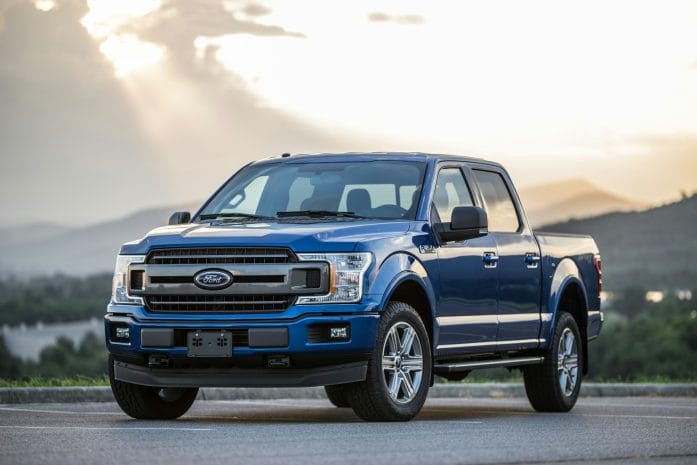
The “Do Not Drive” Warning: Why 355,000 Ford Pickups Just Hit the Urgent Recall List
Image Source: Unsplash.com

A major corporate warning does not show up unless something demands immediate attention. When that warning lands on more than 355,000 pickup trucks across the United States, it signals a problem that no driver should ignore.

This time, the spotlight falls on certain heavy-duty trucks from Ford Motor Company. Federal safety regulators flagged a defect serious enough to tell owners to bring their vehicles in ASAP. That kind of language carries weight.

A Failure Risk That Demands Immediate Action

The recall centers on certain Ford Super Duty and F-150 pickup trucks equipped with certain instrument panels. According to filings with the National Highway Traffic Safety Administration, a failure inside the panels prevents drivers from seeing critical information such as the speedometer and warning lights. That means, of course, that drivers are at much higher risk of a crash.

Ford determined that the truck’s instrument panel could fail internally. When that failure happens, drivers might not notice warning messages on the dashboard or even chimes that signal a malfunction. Regulators and Ford both treat that possibility with urgency. A truck that weighs thousands of pounds needs to be reliable. When that confidence disappears, every mile on the road carries more risk than it should.

Why 355,000 Trucks Ended Up on the List

The recall affects hundreds of thousands of trucks from specific model years. These trucks often serve as workhorses. Contractors rely on them to haul equipment. Farmers count on them for daily operations. Families use them to tow campers and trailers across long stretches of highway.

Automakers investigate patterns through warranty claims, field reports, and internal testing. Once engineers identify a safety-related defect, federal law requires a recall. In this case, Ford chose to issue an advisory for certain trucks that show symptoms, and it instructed owners to contact dealers immediately if they notice warning light changes or concerns.

That level of caution underscores how seriously Ford and regulators view the issue. A heavy-duty pickup that isn’t reliable does not simply create inconvenience. It can create life-threatening danger.

What This Really Means for Owners

If a truck falls under the recall, owners should try to avoid driving it until a dealer completes the repair. Ford dealers will inspect affected trucks and replace the equipment at no cost. Anyone who owns a Ford truck from the affected years should check the vehicle identification number, often called the VIN. Owners can enter that VIN on Ford’s recall website or on the NHTSA recall lookup tool to confirm whether their specific truck falls under the recall.

Scheduling a service appointment quickly reduces risk and restores peace of mind. With the stakes so high and so much on the line, second-guessing shouldn’t be an option for drivers.

The “Do Not Drive” Warning: Why 355,000 Ford Pickups Just Hit the Urgent Recall List
Image Source: Unsplash.com

Smart Steps Every Truck Owner Should Take Now

Anyone who owns a Super Duty or F-150 truck should not wait for a letter to land in the mailbox. Taking a few proactive steps can make a big difference. First, check the VIN online through Ford or NHTSA to confirm recall status. That process takes only a few minutes and provides clear answers.

Second, pay attention to dashboard warnings. Modern trucks communicate problems through messages and alerts. Ignoring those signals can turn a manageable repair into a dangerous situation.

Third, schedule service promptly if the truck appears on the recall list. Dealers receive instructions and replacement parts to address the defect. Acting quickly prevents inconvenience later and reduces potential risk on the road.

What This Recall Says About the Industry

Large recalls often spark frustration, but they also show how safety oversight works. Automakers monitor performance data constantly. Federal regulators track complaints and investigate patterns. When evidence points to a safety defect, the recall process moves forward. No manufacturer enjoys issuing a recall, especially one that affects more than 355,000 vehicles. However, identifying a defect and offering free repairs protects drivers and reinforces accountability.

Truck buyers expect durability and strength from heavy-duty models. That expectation extends to every system under the hood. When a flaw emerges, swift corrective action matters far more than silence.

Park It, Fix It, Then Get Back to Work

This recall carries a simple message: take it seriously and take action. Owners of affected Ford pickups should verify their VIN, watch for warning signs, and schedule repairs without delay. Dealers stand ready to replace the faulty component.

A warning does not appear often in the automotive world. When it does, it deserves immediate respect. For anyone who depends on a truck for work, travel, or daily life, safety should always outrank convenience.

Will this recall change how truck owners approach maintenance and safety checks going forward? Let’s hear about it from all truck drivers in our comments below.

You May Also Like…

Are Pickup Truck Owners Just Trying to Compensate for Something?

7 Myths About Memory You Should Forget Immediately

Missed Insurance Payment? Your Auto Lender May Raise Your Costs Overnight

5 Steps to Take After a Truck Accident

How to Choose the Right Automotive Insurance Company

Brandon Marcus
Brandon Marcus

Brandon Marcus is a writer who has been sharing the written word since a very young age. His interests include sports, history, pop culture, and so much more. When he isn’t writing, he spends his time jogging, drinking coffee, or attempting to read a long book he may never complete.

Filed Under: Auto & Tech Tagged With: auto industry news, automotive defects, car maintenance, Ford recall, Ford trucks, NHTSA, pickup truck recall, recall alert, safety warning, truck news, truck owners, vehicle safety

Stop Buying These 7 Used Cars If You Care About Your Safety

June 16, 2025 by Travis Campbell Leave a Comment

used cars
Image Source: pexels.com

When it comes to buying a used car, safety should always be at the top of your checklist. While a lower price tag can be tempting, some vehicles come with hidden risks that could put you and your loved ones in danger. Not all used cars are created equal—some have poor crash-test ratings, outdated safety features, or a troubling history of recalls. If you care about your safety, it’s crucial to know which models to avoid before you sign on the dotted line. Let’s break down the seven used cars you should steer clear of if you want peace of mind on the road.

1. Ford Fiesta

The Ford Fiesta has long been a popular choice for budget-conscious buyers, but its safety record leaves much to be desired. Older models, especially those from 2011 to 2017, have received low scores in crash tests and lack advanced safety features like automatic emergency braking and lane-keeping assist. The small size of the Fiesta also means less protection in the event of a collision. If safety is your priority, it’s wise to look for a used car with a stronger safety reputation and more robust crash protection.

2. Nissan Versa

The Nissan Versa is another compact car that often appears on used car lots due to its affordability. However, models from the early 2010s have been criticized for their poor crash-test performance and minimal standard safety equipment. The Insurance Institute for Highway Safety (IIHS) has given some Versa models low ratings for side-impact and small overlap front crashes. If you care about your safety, it’s better to invest in a vehicle with a more comprehensive suite of safety features and higher crash-test scores.

3. Chevrolet Aveo

The Chevrolet Aveo may seem like a practical choice for first-time buyers, but its safety shortcomings are hard to ignore. Many Aveo models lack stability control, side airbags, and other essential safety technologies. In government crash tests, the Aveo has consistently underperformed, especially in side-impact and rollover scenarios. If you’re shopping for a used car, prioritize models that offer better occupant protection and modern safety systems.

4. Dodge Journey

The Dodge Journey is a midsize SUV that might look sturdy, but appearances can be deceiving. Older Journeys, particularly those built before 2015, have a history of poor crash-test results and a lack of advanced driver-assistance features. The vehicle’s outdated design means it doesn’t offer the same level of protection as newer competitors. If you care about your safety, consider a used SUV with a more recent design and a proven safety track record.

5. Kia Rio

The Kia Rio is often marketed as an affordable and efficient subcompact, but its safety record is mixed at best. Early 2010s models, in particular, have received low marks in crash tests and are missing key safety features like electronic stability control and side curtain airbags. The Rio’s small size also puts occupants at greater risk in multi-vehicle collisions. For a safer ride, look for a used car that offers more comprehensive crash protection and up-to-date safety technology.

6. Jeep Patriot

The Jeep Patriot may appeal to those seeking a rugged, budget-friendly SUV, but its safety credentials are lacking. Many used Patriots, especially those from 2007 to 2017, have poor crash-test ratings and limited standard safety features. The lack of side airbags and stability control in some models is a significant concern. If you care about your safety, it’s best to avoid the Patriot and opt for a used SUV with a stronger safety profile.

7. Mitsubishi Mirage

The Mitsubishi Mirage is one of the most affordable cars on the used market, but its low price comes at the expense of safety. The Mirage has consistently received low scores in crash tests, particularly in side-impact and small overlap front crashes. It also lacks many of the advanced safety features that are now standard in newer vehicles. If you care about your safety, spending a little more on a used car with better crash protection and modern safety tech is a smart move.

Prioritize Safety Over Savings

Choosing a used car is a big decision, and while saving money is important, your safety should never take a back seat. The seven models listed above may be easy on your wallet, but they fall short when it comes to protecting you and your passengers. By avoiding these vehicles and focusing on used cars with strong safety ratings, advanced features, and a solid reputation, you can drive with greater confidence and peace of mind. Remember, the right used car is one that keeps you safe on every journey.

Have you ever owned a used car that made you question your safety? Share your story or advice in the comments below!

Read More

The Truth Behind Why Japanese Automakers Are Better

Can We Get By Without Big SUVs?

Travis Campbell
Travis Campbell

Travis Campbell is a digital marketer/developer with over 10 years of experience and a writer for over 6 years. He holds a degree in E-commerce and likes to share life advice he’s learned over the years. Travis loves spending time on the golf course or at the gym when he’s not working.

Filed Under: Car Tagged With: automotive advice, car buying tips, Car Safety, car shopping, safe cars, used cars, vehicle safety

5 Safety Measures You’re Probably Ignoring That Could Save Your Life

March 25, 2025 by Latrice Perez Leave a Comment

Sign with phrase SAFETY FIRST on sandy beach, space for text
Image Source: 123rf.com

Every day, we move through our routines without giving much thought to the simple safety measures that can have a profound impact on our well-being. Many of us take for granted the small precautions that, if ignored, could lead to dangerous situations.

Whether it’s a habit we’ve developed or a safety tool we overlook, these measures often go unnoticed until it’s too late. Understanding and implementing these strategies can significantly reduce risks and help protect us from unexpected harm. Here, we explore five critical safety measures that you might be ignoring but that could ultimately save your life.

Being Aware Of Your Surroundings

In our busy lives, it’s easy to get lost in thought or distracted by technology, leaving us unaware of our surroundings. This lack of attention can make you vulnerable to accidents or even criminal activities. By making a conscious effort to be aware of the people, environment, and potential hazards around you, you can react more effectively in emergencies. Whether walking in a parking lot or navigating a crowded street, being observant is your first line of defense. Cultivating this habit requires mindfulness and consistent practice in daily routines.

Regularly Updating Emergency Contact Information

Many of us assume our emergency contact details are set and forget them, but outdated information can be dangerous in a crisis. In emergencies, every second counts, and incorrect or outdated contacts can delay crucial assistance. Ensuring that your phone, workplace, and medical records have up-to-date emergency contacts is a simple yet vital task. This small step can make all the difference in ensuring help arrives promptly when needed. Taking a few minutes each month to verify and update your emergency contacts can safeguard you in critical moments.

Utilizing Vehicle Safety Tools

Modern vehicles are equipped with advanced safety features, yet many drivers remain unaware of the additional tools available for emergencies. Items such as seatbelt cutters, glass breakers, and portable GPS trackers can be lifesavers if you find yourself in a dangerous situation. Keeping these tools in an accessible location in your car can provide an extra layer of security. Familiarizing yourself with how and when to use these devices ensures that you’re prepared for unforeseen circumstances. Investing in your vehicle’s safety isn’t just about technology—it’s about proactive preparedness.

Regular Fire and Carbon Monoxide Safety Checks

Fire against smoke detector
Image Source: 123rf.com

Smoke detectors, carbon monoxide alarms, and fire extinguishers are critical components of home safety, yet they often go unchecked. Failing to test these devices regularly can result in malfunction when you need them most. Incorporating routine checks into your monthly schedule can ensure these devices are fully operational. Regular maintenance, such as battery replacements and system tests, can prevent catastrophic failures during emergencies. Protecting your home and loved ones starts with these simple, preventative measures.

Taking Personal Health Precautions Seriously

Often, we neglect our own health in the rush of daily responsibilities, ignoring regular check-ups or important screenings. Overlooking these crucial health measures can lead to undiagnosed conditions that might have been treated early. Scheduling routine appointments and listening to your body’s warning signs are fundamental steps in safeguarding your long-term health. Proactive health management includes maintaining a balanced diet, exercising regularly, and managing stress effectively. Taking personal health precautions seriously is an investment in your future well-being.

Overlooked Safety Measures Can Impact Your Life

Small, often overlooked safety measures can have a profound impact on your quality of life and even save your life. By integrating situational awareness, updating emergency contacts, utilizing vehicle safety tools, maintaining home safety devices, and prioritizing your health, you build a comprehensive safety net for yourself. These proactive steps are crucial in preventing accidents and minimizing risks in everyday life. Your safety is not something to take lightly—invest in these habits and protect yourself today.

What safety measures have you found most effective in your daily routine? Share your experiences and tips in the comments below!

Read More:

Road Trip Safety: No One Should Travel Without These 12 Essentials In Their Car

The Scary Reason You Should Never Ignore a Stranger Asking for Directions

Latrice Perez

Latrice is a dedicated professional with a rich background in social work, complemented by an Associate Degree in the field. Her journey has been uniquely shaped by the rewarding experience of being a stay-at-home mom to her two children, aged 13 and 5. This role has not only been a testament to her commitment to family but has also provided her with invaluable life lessons and insights.

As a mother, Latrice has embraced the opportunity to educate her children on essential life skills, with a special focus on financial literacy, the nuances of life, and the importance of inner peace.

Filed Under: safety Tagged With: emergency preparedness, health precautions, home safety, Lifestyle, personal safety, preventive measures, situational awareness, vehicle safety

Why Some Criminals Leave a Water Bottle on Your Car Tire—And What It Means

March 11, 2025 by Latrice Perez Leave a Comment

Water Bottle
Image Source: 123rf.com

Imagine walking back to your car after shopping, heading to work, or just leaving your house, only to find a random water bottle tucked on top of your tire. At first glance, it might seem harmless—maybe someone dropped it, or perhaps a passerby left it there. But in reality, this small and seemingly insignificant object could be part of a calculated trick used by criminals to steal cars or put drivers at risk. If you ever spot a water bottle placed on your vehicle, you need to understand why it’s there and what to do next.

The Water Bottle Scam—How It Works

Criminals are always looking for new ways to catch people off guard, and the water bottle trick is a growing method of distraction. The setup is simple. A thief places a plastic water bottle between the tire and the wheel well on the passenger side of a parked car. Most drivers don’t notice it as they approach their vehicle since they typically enter from the driver’s side. However, as soon as they start driving, the bottle creates a loud crunching or popping sound, immediately grabbing their attention.

Instinctively, many drivers will stop and get out to inspect the noise, leaving their car running or the doors unlocked. This brief moment of distraction gives criminals the perfect opportunity to act. If the driver left the engine on, a thief can quickly jump in and steal the vehicle. Even if the car is off, a purse, phone, or other valuables left inside become easy targets. In some cases, criminals use this distraction method to stage more dangerous encounters, such as carjackings or robberies.

Why Criminals Use This Trick

Car thieves and scammers prefer methods that don’t require force, violence, or confrontation because they attract less attention and minimize risk. The water bottle scam is effective because it plays on a driver’s natural instinct to check for vehicle issues. When people hear an unfamiliar noise coming from their car, their immediate reaction is often panic. That panic can make them careless, causing them to leave their vehicle vulnerable.

This method is also difficult to detect because it relies on human behavior rather than forced entry. Unlike traditional break-ins, which leave visible signs of tampering, the water bottle trick can happen quickly without any evidence that the thief was even there.

Where This Scam is Most Likely to Happen

Criminals use this trick in places where people are distracted and less likely to notice unusual activity. Parking lots are one of the most common locations, especially at shopping centers, grocery stores, gyms, and malls. These areas provide a steady flow of potential targets and plenty of space for thieves to blend in. The scam is also more likely to happen in poorly lit or isolated parking areas, where criminals have a better chance of getting away without being seen.

Residential driveways can also be a target, particularly in neighborhoods where people feel safe and may be less cautious. In some cases, thieves use this trick to scope out a vehicle, testing whether the owner is paying attention before attempting a more serious theft later.

The Bigger Picture—How This Tactic Fits into a Larger Crime Trend

The water bottle trick is just one of many distraction-based theft tactics used by criminals. Similar scams include placing objects like money, fake damage notes, or zip ties on car door handles to lure unsuspecting drivers into leaving their vehicles. These distractions create opportunities for thieves to strike while the owner’s attention is elsewhere.

This tactic also connects to larger trends in vehicle theft and organized crime. Many car thieves don’t steal vehicles at random—they target specific makes and models that are easy to resell or strip for parts. The water bottle trick allows them to identify distracted, rushed, or unaware drivers who might be easy targets for future theft attempts.

How to Protect Yourself If You Spot a Water Bottle on Your Car

If you notice a water bottle lodged between your tire and wheel well, the most important thing is to remain calm and aware of your surroundings. Do not immediately exit your vehicle to investigate. Instead, take a moment to check your surroundings for any suspicious individuals nearby. If you feel unsafe, drive to a more populated or well-lit area before checking your vehicle.

If you find a water bottle on your tire before getting into your car, do not remove it right away. Instead, scan the area for anyone watching you or lingering nearby. If something feels off, consider getting help from security or law enforcement rather than handling the situation alone.

It’s also important to always lock your doors and turn off your engine before getting out of your vehicle, even if you only plan to step away for a moment. Many car thefts happen because drivers leave their vehicles running, making it easy for criminals to take advantage of the situation.

Most Don’t Recognize the Warning Signs

Many scams work because people don’t recognize the warning signs until it’s too late. The water bottle trick might seem like a minor inconvenience, but its effectiveness lies in catching drivers off guard. The best way to protect yourself is to be aware of the tactic and always stay mindful of your surroundings.

Sharing this information with friends and family can also help prevent more people from falling victim to this scam. If enough drivers become aware of the trick, criminals will be forced to find new methods, making their job harder and reducing the chances of car theft.

What to Do If You Believe You Were Targeted

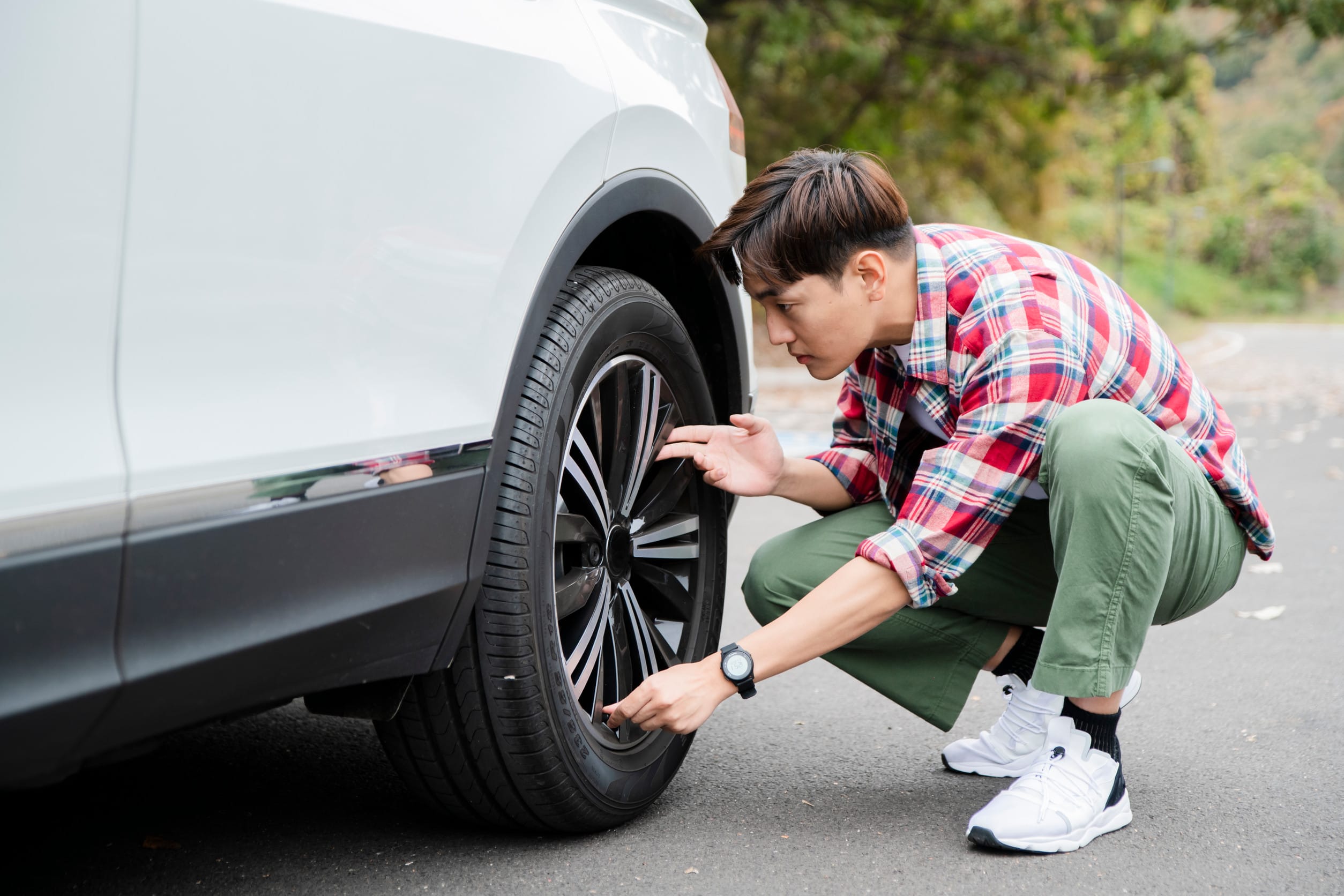
Man looking at tire
Image Source: 123rf.com

If you suspect someone used the water bottle trick on your car or you feel like someone is watching you in a parking lot, trust your instincts. Drive away from the area, and if you feel unsafe, head to the nearest police station or well-populated place. Report any suspicious activity to store security or law enforcement, especially if you see multiple vehicles with similar setups in the same location.

Taking proactive steps, such as parking in well-lit areas, keeping your doors locked, and staying aware of your surroundings, can go a long way in preventing you from becoming a target. While criminals are always coming up with new tricks, awareness and vigilance remain the best defense.

Stay Alert and Spread the Word

Criminals rely on people being distracted and unaware to carry out these scams successfully. The more people who recognize the signs of these tactics, the less effective they become. If you ever find a water bottle on your car tire, don’t ignore it—but don’t fall for the distraction either. Stay safe, stay aware, and always trust your instincts when something feels off.

Have you ever come back and found a water bottle on your car tire? What was your next move? Let us know in the comments below.

Read More:

5 Phrases That Could Save You If You A;re About to Get Carjacked

10 Scary Reasons You Should Never Ignore a Strange Car Parked Near Your House

Latrice Perez

Latrice is a dedicated professional with a rich background in social work, complemented by an Associate Degree in the field. Her journey has been uniquely shaped by the rewarding experience of being a stay-at-home mom to her two children, aged 13 and 5. This role has not only been a testament to her commitment to family but has also provided her with invaluable life lessons and insights.

As a mother, Latrice has embraced the opportunity to educate her children on essential life skills, with a special focus on financial literacy, the nuances of life, and the importance of inner peace.

Filed Under: Personal Finance Tagged With: car theft, carjackings, crime prevention, identity theft prevention, parking lot scams, personal security, scam awareness, self-protection, urban safety, vehicle safety

FOLLOW US

Search this site:

Recent Posts

  • Can My Savings Account Affect My Financial Aid? by Tamila McDonald
  • 12 Ways Gen X’s Views Clash with Millennials… by Tamila McDonald
  • What Advantages and Disadvantages Are There To… by Jacob Sensiba
  • 10 Tactics for Building an Emergency Fund from Scratch by Vanessa Bermudez
  • Call 911: Go To the Emergency Room Immediately If… by Stephen Kanaval
  • 7 Weird Things You Can Sell Online by Tamila McDonald
  • 10 Scary Facts About DriveTime by Tamila McDonald

Copyright © 2026 · News Pro Theme on Genesis Framework