• Home
  • About Us
  • Toolkit
  • Getting Finances Done
    • Hiring Advisors
    • Debt Management
    • Spending Plan
  • Insurance
    • Life Insurance
    • Health Insurance
    • Disability Insurance
    • Homeowners/Renters Insurance
  • Contact Us
  • Privacy Policy
  • Risk Tolerance Quiz

The Free Financial Advisor

You are here: Home / Archives for Public Safety

Why Some Fire Departments Are No Longer Responding to Burglar Alarms

July 23, 2025 by Travis Campbell Leave a Comment

Fire Department

Image Source: pexels.com

Burglar alarms used to mean a quick response from the fire department. Now, that’s changing in many places. If you have a home or business security system, this shift matters. You might think your alarm guarantees help, but that’s not always true anymore. Fire departments are rethinking their role in responding to these calls. Understanding why can help you make better choices about your own security and safety.

1. False Alarms Are Overwhelming Fire Departments

False alarms are a huge problem. Most burglar alarms that go off are not real emergencies. Sometimes it’s a pet, a gust of wind, or a system glitch. Fire departments spend a lot of time and money responding to these calls. In some cities, over 90% of burglar alarm calls turn out to be false alarms. That means firefighters are leaving real emergencies to check on empty buildings or harmless situations. This wastes resources and puts people at risk if a real fire or medical emergency happens at the same time.

2. Prioritizing Life-Threatening Emergencies

Fire departments have a clear mission: save lives and protect property from fire and other dangers. Burglar alarms rarely involve immediate threats to life. When firefighters are busy with false burglar alarms, they might not be available for fires, car accidents, or medical emergencies. Departments are choosing to focus on calls where someone’s life is actually in danger. This shift helps them use their time and skills where they matter most.

3. Police Are Better Equipped for Burglaries

Burglaries are crimes, not fires. Police officers are trained to handle criminal activity, secure scenes, and investigate break-ins. Firefighters are not. When a burglar alarm goes off, police are the right people to respond. Fire departments are stepping back so police can do their job. This change also helps avoid confusion at the scene. If you have a security system, make sure it contacts the police, not just the fire department.

4. Budget Pressures and Staffing Shortages

Many fire departments are facing tight budgets and not enough staff. Responding to every burglar alarm takes time, fuel, and money. Some cities have had to reduce services or close fire stations due to budget constraints. By not responding to burglar alarms, departments can save money and keep more firefighters available for real emergencies. This helps them perform their main job more effectively, even when resources are limited.

5. Technology Has Changed the Game

Security technology is better than ever. Many alarm systems now have cameras, motion sensors, and remote monitoring. Homeowners and business owners can check their properties from their phones. Some systems even let you verify if a break-in is real before calling for help. This means there’s less need for fire departments to rush out every time an alarm goes off. If you have a modern system, utilize its features to prevent false alarms and ensure that help is only called when it’s truly necessary.

6. Community Risk Reduction Strategies

Fire departments are focusing more on preventing emergencies before they happen. This is called community risk reduction. Instead of reacting to every alarm, they’re working to educate people about fire safety, install smoke detectors, and help with emergency planning. By spending less time on burglar alarms, they can do more to keep the whole community safe. If you want to help, learn about fire prevention and make sure your home is as safe as possible.

7. Local Laws and Policies Are Changing

Some cities and counties have changed their rules about who responds to burglar alarms. In many places, fire departments will only come if there’s a confirmed emergency, like smoke, fire, or someone trapped inside. Others have started charging fees for false alarms to encourage people to keep their systems in good shape. Check your local laws so you know what to expect if your alarm goes off. Don’t assume help will always show up.

8. What You Can Do to Protect Yourself

If your fire department no longer responds to burglar alarms, you still have options. Make sure your alarm system is up to date and well-maintained. Train everyone in your home or business on how to use it. Set up your system to contact the police or a private security company if there’s a break-in. Consider adding cameras or other smart devices for extra security. And always have a plan for what to do if you’re home during a break-in.

Rethinking Security in a Changing World

Fire departments are making tough choices about how to use their time and resources. Not responding to burglar alarms is one way they’re adapting. This doesn’t mean you’re on your own. It means you need to be smart about your security and know who to call in an emergency. Take time to review your alarm system, talk to your local police, and make sure you’re prepared. The world is changing, and your safety plan should change with it.

Have you ever had a false alarm or needed help from the fire department for a burglar alarm? Share your story or thoughts in the comments.

Read More

Household Decor That Can Increase Fire Damage

Rain, Snow, Fire: Bad Weather Is Changing the Insurance Industry

Travis Campbell
Travis Campbell

Travis Campbell is a digital marketer/developer with over 10 years of experience and a writer for over 6 years. He holds a degree in E-commerce and likes to share life advice he’s learned over the years. Travis loves spending time on the golf course or at the gym when he’s not working.

Filed Under: Public Safety Tagged With: burglar alarms, community risk reduction, emergency response, false alarms, fire department, home security, police, Public Safety

What Happens When Google Maps Sends Emergency Services to the Wrong Address

July 20, 2025 by Travis Campbell Leave a Comment

google maps

Image Source: pexels.com

Emergencies are stressful enough. When you call 911, you expect help to arrive fast and at the right place. But what if Google Maps sends emergency services to the wrong address? This isn’t just a tech glitch—it can mean the difference between life and death. Many people trust digital maps for everything, including emergencies. But mistakes happen, and the results can be serious. Understanding what goes wrong and how to protect yourself matters to everyone who relies on their phone for directions.

1. Delayed Response Can Put Lives at Risk

When Google Maps sends emergency services to the wrong address, the most obvious problem is a delay. Every minute counts in an emergency. If an ambulance, fire truck, or police car goes to the wrong place, the person who needs help waits longer. Sometimes, that wait can be the difference between a good outcome and a tragedy. For example, a heart attack victim may not survive if help is delayed by even a few minutes. The same goes for fires or violent crimes. Delays caused by wrong directions can have real, lasting consequences.

2. Confusion for First Responders

First responders rely on accurate information. When they arrive at the wrong address, they waste time figuring out what went wrong. They may knock on doors, ask neighbors, or call dispatch for clarification. This confusion slows everything down. It also increases stress for the responders, who want to help as quickly as possible. In some cases, they may even leave the scene if they think the call was a false alarm. This can make it even harder to get help to the right place.

3. Privacy and Safety Concerns for Uninvolved Residents

Imagine emergency vehicles showing up at your door by mistake. It’s unsettling. You might worry that something happened to a loved one or that you’re in danger. Sometimes, police or paramedics enter homes or yards looking for the person in need. This can feel like an invasion of privacy. It can also cause fear or confusion, especially for children or elderly residents. In rare cases, these mistakes have led to confrontations or misunderstandings. No one wants to be surprised by flashing lights and sirens at their home for no reason.

4. The Role of Outdated or Incorrect Map Data

Google Maps is powerful, but it’s not perfect. Sometimes, addresses are listed incorrectly. New buildings might not appear on the map. Rural areas or apartment complexes can be especially tricky. If the map data is wrong, emergency services may be sent to the wrong place. Even small errors, like a misplaced pin or a missing street, can cause big problems. Keeping map data up to date is a huge challenge, especially as cities grow and change.

5. How Emergency Dispatch Centers Use Technology

Most 911 centers use a mix of technology and human judgment. They may rely on Google Maps, but they also use other mapping tools and databases. Sometimes, the address you give is checked against several sources. But if the information is wrong in all of them, the problem gets worse. Some dispatchers are trained to double-check locations, especially if something seems off. But in a fast-moving emergency, mistakes can slip through. Technology is helpful, but it’s not a replacement for careful communication.

6. Steps You Can Take to Protect Yourself

You can’t control every detail, but you can lower your risk. Always double-check your address in Google Maps and other apps. Make sure your home is easy to find, with clear numbers on your house or mailbox. If you live in a new development or a rural area, check that your address appears correctly on digital maps. If it doesn’t, you can report the error to Google Maps. When calling 911, give clear, simple directions. Mention landmarks or cross streets if possible. Don’t assume the dispatcher can see your exact location.

7. What to Do If Emergency Services Go to the Wrong Address

If you notice emergency vehicles in the wrong place, speak up. If it’s safe, let responders know they’re at the wrong address. If you called 911 and help hasn’t arrived, call back and confirm your location. Give as much detail as you can. Stay calm and answer questions clearly. If you see a pattern of mistakes in your area, contact your local government or emergency services to report the problem. Sometimes, fixing a map error can help your whole neighborhood.

8. The Bigger Picture: Technology Isn’t Perfect

We rely on technology for almost everything, including emergencies. But no system is flawless. Google Maps is a tool, not a guarantee. Mistakes can happen, and the results can be serious. It’s important to stay aware and take steps to protect yourself. Don’t assume that technology will always get it right. Be proactive about your safety and your address information.

Staying Safe in a Digital World

When Google Maps sends emergency services to the wrong address, the risks are real. Delays, confusion, and privacy issues can all result from a simple mapping error. But you can take steps to protect yourself. Check your address, give clear directions, and stay alert. Technology is helpful, but it’s not perfect. Your actions can make a difference when every second counts.

Have you ever had emergency services show up at the wrong address? Share your story or thoughts in the comments below.

Read More

How to Travel the World on $10K: 10 Realistic Tips You Need to Know

Old Fashion Door Locks Don’t Work Anymore: Try These Five Burglar Resistant Alternatives

Travis Campbell
Travis Campbell

Travis Campbell is a digital marketer/developer with over 10 years of experience and a writer for over 6 years. He holds a degree in E-commerce and likes to share life advice he’s learned over the years. Travis loves spending time on the golf course or at the gym when he’s not working.

Filed Under: safety Tagged With: 911, digital maps, emergency services, Google Maps, mapping errors, Public Safety, safety, technology

What It Means When You See Shoes Hanging from Power Lines

July 4, 2025 by Travis Campbell Leave a Comment

power line shoes

Image Source: pexels.com

Have you ever walked through your neighborhood and spotted a pair of shoes dangling from a power line? It’s a sight that stops many people in their tracks, sparking curiosity, confusion, and sometimes concern. While it might seem like a harmless prank or a quirky piece of street art, the reality is that shoes hanging from power lines can carry a variety of meanings—some innocent, others more serious. Understanding these meanings can help you make sense of your surroundings, protect your property, and even contribute to the well-being of your community. Whether you’re a homeowner, a renter, or just someone who cares about your neighborhood, knowing what these shoes might signify is more important than you think.

Let’s break down the most common explanations for shoes hanging from power lines and what you should do if you spot them in your area.

1. A Rite of Passage or Personal Milestone

One of the most innocent explanations for shoes hanging from power lines is that they mark a personal milestone. For decades, people have tossed their shoes over wires to celebrate significant events, such as graduating from school, completing military service, or moving out of their childhood home. This tradition is especially common among teenagers and young adults, who view it as a way to leave a lasting mark on their neighborhood or commemorate a significant life change. If you see shoes hanging from power lines near a school or college, there’s a good chance it’s just a playful rite of passage.

2. Urban Legends and Local Myths

Shoes hanging from power lines have inspired countless urban legends. Some people believe they mark the site of a crime, a memorial for someone who passed away, or even a warning from local gangs. While these stories are often exaggerated, they can create a sense of unease in the community. It’s important to remember that most of these tales are just that—stories. However, if you notice a sudden increase in shoes hanging from power lines in your area, it might be worth paying attention to other changes in your neighborhood.

3. Gang Territory Markers

One of the more serious interpretations is that shoes hanging from power lines signal gang activity or mark territory. In some cities, this practice has been linked to gangs claiming a block or advertising the availability of drugs. While this isn’t always the case, and the connection is often overstated, it’s a possibility that local law enforcement takes seriously. If you’re concerned about safety or notice other signs of gang activity, it’s wise to contact your local police department for guidance.

4. Pranks and Mischief

Sometimes, shoes hanging from power lines are simply the result of a prank. Kids and teens might toss shoes over wires for fun, to challenge each other, or just to see if they can do it. While this might seem harmless, it can actually cause problems for utility companies, who may need to remove the shoes to prevent electrical hazards. If you see someone throwing shoes onto power lines, it’s best to discourage the behavior and explain the potential risks.

5. Art and Street Culture

In some cities, shoes hanging from power lines have become a form of street art or urban expression. Artists and activists use this visual to make statements about community, identity, or social issues. In these cases, the shoes are less about marking territory and more about sparking conversation or drawing attention to a cause.

6. Impact on Property Values

Believe it or not, shoes hanging from power lines can affect how people perceive a neighborhood, which in turn can impact property values. Potential buyers might see them as a sign of neglect, crime, or a lack of community pride. If you’re trying to sell your home or want to maintain your property’s value, it’s a good idea to report shoes hanging from power lines to your local utility company or city services. Prompt removal can help keep your neighborhood looking its best and reassure potential buyers that the area is well-maintained.

7. Safety and Utility Concerns

Shoes hanging from power lines aren’t just an eyesore—they can also pose real safety risks. Shoes, especially those with metal eyelets, can cause electrical shorts or fires if they come into contact with live wires. Utility workers may need to shut down power to remove them safely, which can inconvenience entire neighborhoods. If you spot shoes hanging from power lines, avoid trying to remove them yourself. Instead, contact your local utility provider to handle the situation safely.

Why Paying Attention to Shoes Hanging from Power Lines Matters

Shoes hanging from power lines are more than just a quirky sight—they’re a signal that something is happening in your community. Whether they represent a harmless tradition, a potential safety hazard, or a sign of deeper issues, it’s worth taking a closer look. By staying informed and proactive, you can help keep your neighborhood safe, welcoming, and vibrant. Next time you see shoes hanging from power lines, you’ll know what to consider and how to respond.

Have you ever spotted shoes hanging from power lines in your neighborhood? What did you think it meant? Share your thoughts and stories in the comments below!

Read More

It’s a Bad Day When a Munchkin Dies

Ripped from the Headlines: Bad Holiday Economic Mood

Travis Campbell
Travis Campbell

Travis Campbell is a digital marketer/developer with over 10 years of experience and a writer for over 6 years. He holds a degree in E-commerce and likes to share life advice he’s learned over the years. Travis loves spending time on the golf course or at the gym when he’s not working.
Filed Under: Lifestyle Tagged With: community safety, financial advisor, local government, neighborhood tips, property value, Public Safety, street culture, urban legends

Why Laundromats Are Riskier Than You Think—And How to Stay Safe

May 16, 2025 by Travis Campbell Leave a Comment

laundry mat

Image Source: pexels.com

If you’ve ever tossed a load of laundry into a machine at your local laundromat, you probably didn’t give much thought to risk. After all, laundromats seem like one of the most mundane places you could visit. But what if I told you that laundromats are riskier than you think? From financial pitfalls to personal safety concerns, there’s more to these coin-operated businesses than meets the eye. Whether you’re a regular user or just an occasional visitor, understanding these risks can help you protect your wallet, your health, and your peace of mind. Let’s dive into the hidden dangers of laundromats—and, more importantly, how you can stay safe.

1. Theft and Vandalism Are More Common Than You Think

Laundromats are often open late or even 24/7, making them a target for theft and vandalism. Unattended machines and distracted customers create opportunities for thieves to snatch wallets, phones, or even entire loads of laundry. Laundromats are considered “soft targets” because of their low security and high foot traffic. Vandalism, such as broken machines or graffiti, can also be a sign of a poorly managed facility.

To stay safe, never leave your belongings unattended, even for a minute. If you must step outside, take your valuables with you. Choose laundromats in well-lit, busy areas, and look for security cameras or staff presence. If you notice suspicious activity, trust your instincts and leave.

2. Germs and Allergens Lurk in Every Corner

It’s easy to assume that a place dedicated to cleaning clothes would be spotless, but laundromats can actually harbor a surprising amount of germs and allergens. Shared machines are rarely sanitized between uses, and studies have found that bacteria like E. coli and Salmonella can survive in washing machines, especially those used for heavily soiled items. WebMD reports that dirty laundry can spread germs, and public machines may not always reach the high temperatures needed to kill them.

To minimize your risk, wipe down machine handles and surfaces with disinfectant wipes before use. Wash your hands after handling laundry, and consider using the hottest water setting your fabrics can handle. Bring your own detergent and avoid folding clothes on communal tables if you have allergies.

3. Financial Risks: Overpaying and Machine Malfunctions

Laundromats can be surprisingly expensive, especially if you’re not paying attention to how much you’re spending. Prices per load can vary widely, and some machines may not work properly, causing you to lose money. Broken coin slots, jammed card readers, or machines that stop mid-cycle are all too common. Unfortunately, getting a refund can be a hassle, especially if the laundromat is unattended or the owner is hard to reach.

Always check machines for out-of-order signs or obvious issues before inserting money to avoid financial headaches. Keep track of how much you’re spending, and save receipts or take photos of malfunctioning machines if you need to request a refund. If possible, use laundromats with attendants or clear customer service contact information.

4. Personal Safety: Not All Laundromats Are Created Equal

Your personal safety should always come first, but not all laundromats are located in safe neighborhoods or have adequate security. Late-night hours, isolated locations, and a lack of staff can make some laundromats risky, especially for solo customers. There have been reports of harassment, loitering, and even violent incidents in poorly monitored facilities.

To protect yourself, visit laundromats during daylight hours and bring a friend if possible. Choose locations with good lighting, visible security cameras, and plenty of other customers. Trust your gut—if a place feels unsafe, leave and find another option. Don’t hesitate to call for help if you feel threatened.

5. Fire Hazards and Equipment Failures

Laundromats rely on heavy-duty machines that can pose fire risks if not properly maintained. Lint buildup in dryers is a leading cause of laundromat fires, and overloaded machines can overheat or malfunction. According to the National Fire Protection Association, thousands of fires are caused by dryers each year, many in commercial settings.

To stay safe, avoid overloading machines and always check lint traps if accessible. If you notice burning smells, sparks, or unusual noises, alert staff immediately and leave the area. Never leave the laundromat while your clothes are drying.

6. Privacy Concerns: Your Data and Your Identity

Modern laundromats often use card-based payment systems or mobile apps, which can expose your personal information to data breaches or hacking. If a laundromat’s payment system isn’t secure, your credit card details or other sensitive data could be at risk.

To protect your privacy, use cash when possible or choose laundromats with reputable, secure payment systems. Avoid using public Wi-Fi to access payment apps, and monitor your bank statements for unauthorized charges after your visit.

7. Unexpected Costs: Time, Stress, and Wear-and-Tear

Beyond the obvious financial risks, laundromats can cost you time and peace of mind. Waiting for machines, dealing with crowds, or finding your clothes moved by impatient customers can be stressful. Frequent use of commercial machines can also wear out your clothes faster, leading to more frequent replacements.

To make the most of your laundromat visits, go during off-peak hours, bring something to do while you wait, and use garment bags to protect delicate items. Consider whether investing in a home washer and dryer might save you money and hassle in the long run.

Staying Safe and Smart at the Laundromat

Laundromats may seem like simple, everyday places, but as you’ve seen, they come with a surprising number of risks. By staying alert, taking basic precautions, and choosing your laundromat wisely, you can protect your finances, your health, and your personal safety. Remember, a little preparation goes a long way toward making your laundry day stress-free and secure.

Have you ever had a risky or unusual experience at a laundromat? Share your story or tips in the comments below!

Read More

The Importance of Strong Security for Your Business

Don’t Turn Your Back: 12 Things You Should Never Leave Unattended in Public

Travis Campbell
Travis Campbell

Travis Campbell is a digital marketer/developer with over 10 years of experience and a writer for over 6 years. He holds a degree in E-commerce and likes to share life advice he’s learned over the years. Travis loves spending time on the golf course or at the gym when he’s not working.

Filed Under: Public Safety Tagged With: Consumer Protection, financial risks, health and hygiene, laundromat safety, laundry tips, Personal Finance, Public Safety

Think You’re Helping? The Risky Truth About Giving Money to the Homeless at Stoplights

March 18, 2025 by Latrice Perez Leave a Comment

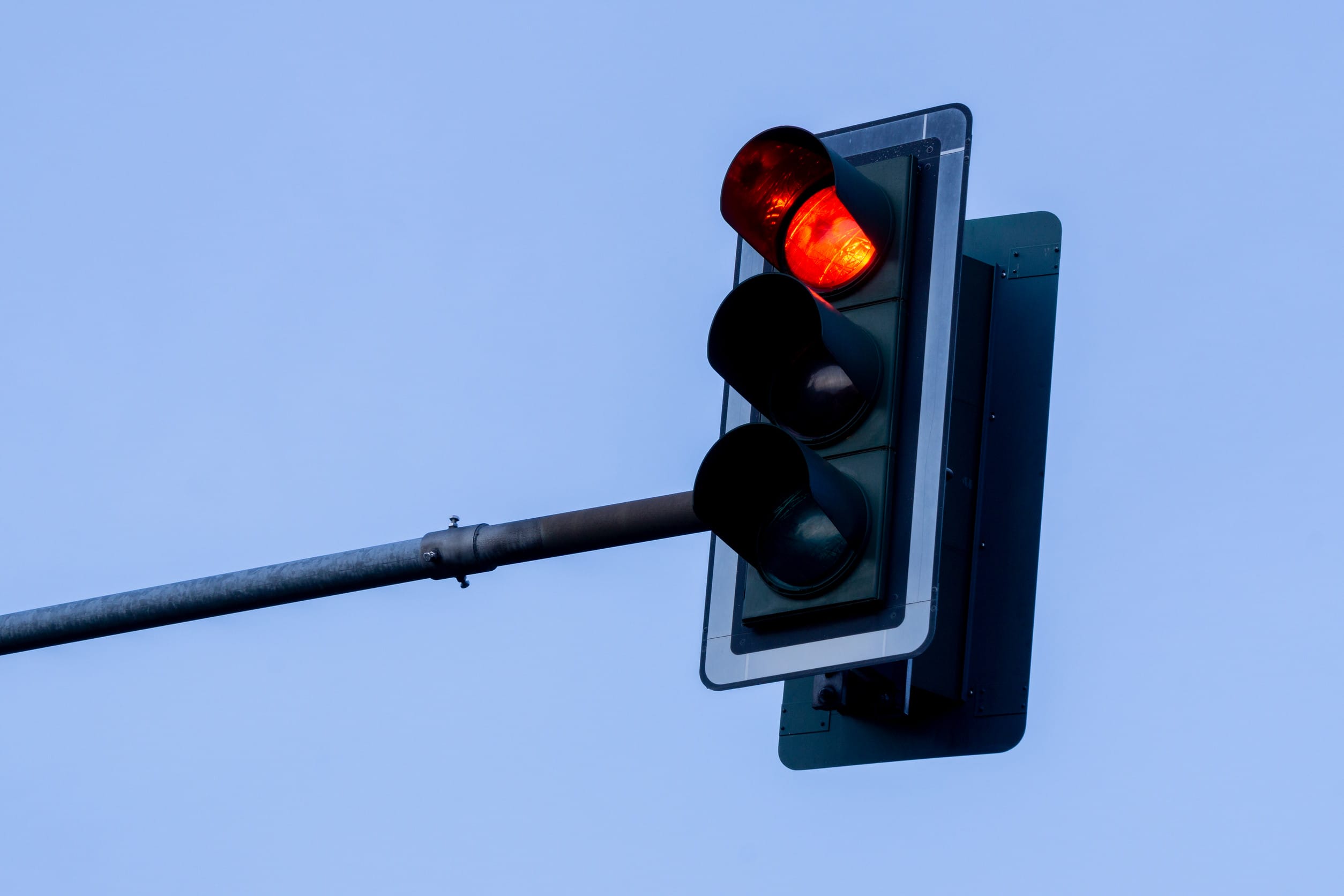
Red Light

Image Source: 123rf.com

Most people want to help when they see someone in need. It is natural to feel compassion when passing a homeless person holding a sign at a stoplight, especially if they appear desperate. Many drivers instinctively roll down their windows and hand over a few dollars, believing they are making a difference.

While the intention is good, the reality is more complicated. Giving money to panhandlers at intersections can create unexpected risks, both for the person giving and the person receiving. Understanding the potential dangers can help people make safer and more effective choices when it comes to helping the homeless.

It Puts Both You and the Panhandler in Danger

Traffic intersections are not safe places for pedestrians or drivers to interact. Rolling down a window to hand over money requires a moment of distraction, which can lead to accidents. Drivers may not notice traffic starting to move, and panhandlers risk stepping into oncoming cars to reach donations.

There have been incidents where drivers rear-end other cars because they were too focused on handing out money. Some pedestrians have also been struck by vehicles while navigating between lanes. A quick exchange of cash may not seem like a big risk, but any distraction near moving traffic can have serious consequences.

It Encourages Panhandlers to Stay in Unsafe Locations

Panhandlers

Image Source: 123rf.com

When people give money at intersections, it reinforces the idea that panhandling in traffic-heavy areas is effective. The more successful it becomes, the more likely it is that others will choose to stand in the same high-risk locations.

Cities with heavy traffic often have laws against panhandling at intersections, not because they want to criminalize homelessness, but because they recognize the danger of standing near fast-moving vehicles. Instead of encouraging people to remain in these unsafe spots, supporting shelters and community programs can provide long-term solutions.

It Can Attract the Wrong Kind of Attention

Panhandlers who receive cash from drivers often have a visible presence, which can make them targets for theft, robbery, or even violence. Other individuals experiencing homelessness or criminals looking for easy opportunities may see them as vulnerable.

Carrying large amounts of cash while standing in a public area leaves people at risk of being followed or harassed. While not every situation leads to danger, it is something to consider before handing over money. A well-intentioned gift could unintentionally place the recipient in harm’s way.

You Have No Control Over How the Money Is Spent

Many people believe that the cash they hand out will go toward food, shelter, or basic necessities. The reality is that once money is given, there is no way to control how it is used. Some panhandlers are honest about their needs, but others may struggle with addiction or make choices that do not align with the giver’s intentions.

For those who genuinely want to help, donating to shelters, food banks, or outreach programs ensures that support goes toward essential services. These organizations provide meals, housing assistance, and healthcare while also helping individuals find long-term stability.

It Creates a False Sense of Helping

Handing out a few dollars may feel good in the moment, but it does not address the root causes of homelessness. Many individuals experiencing homelessness deal with mental illness, lack of job opportunities, or long-term financial struggles that a few dollars will not fix.

While direct giving can provide temporary relief, real change comes from systemic solutions. Supporting job programs, affordable housing initiatives, and mental health services creates pathways to long-term stability rather than momentary relief.

Some Panhandlers Are Not Actually Homeless

Not everyone who panhandles is truly homeless. There have been cases where individuals pose as homeless to take advantage of the generosity of drivers. Some people panhandle as a form of income rather than as a necessity, while others belong to groups that rotate shifts at different intersections.

This does not mean that everyone asking for help is being deceptive, but it is a reminder that money given on the street does not always go where people assume. Supporting verified organizations helps ensure that resources reach those who truly need them.

It Can Lead to Increased Panhandling in an Area

When drivers frequently give money at certain intersections, it signals that the area is a good place for panhandling. Over time, more individuals may gather at busy stoplights, which can create tension between panhandlers and local businesses or residents.

In some areas, an increase in panhandling leads to new city ordinances that limit where individuals can ask for money. These laws can make it harder for truly needy individuals to get support in safe locations. Redirecting donations to shelters and food banks can help provide sustainable assistance without contributing to overcrowded intersections.

Better Ways to Offer Help

For those who want to make a real difference, there are better alternatives than giving money at stoplights. Carrying prepackaged snack bags, hygiene kits, or resource lists with addresses of local shelters and food pantries can provide practical assistance.

Another option is to volunteer at or donate to organizations that specialize in helping the homeless. Many programs provide meals, temporary housing, mental health support, and job training. Contributing to these efforts helps individuals access long-term solutions rather than just temporary cash.

Compassion Should Be Paired with Smart Giving

Helping those in need is important, but how that help is provided matters. Giving money at stoplights may seem like an easy way to show compassion, but it often does more harm than good. Recognizing the risks and choosing more effective ways to support the homeless can make a bigger impact.

Have you ever reconsidered how you give to those in need? What alternatives do you think work best? Share your thoughts in the comments below.

Read More:

Why Some Criminals Leave a Water Bottle on Your Car Tire—And What It Means

Your Home Isn’t as Safe as You Think—5 Security Flaws Burglars Love

Latrice Perez

Latrice is a dedicated professional with a rich background in social work, complemented by an Associate Degree in the field. Her journey has been uniquely shaped by the rewarding experience of being a stay-at-home mom to her two children, aged 13 and 5. This role has not only been a testament to her commitment to family but has also provided her with invaluable life lessons and insights.

As a mother, Latrice has embraced the opportunity to educate her children on essential life skills, with a special focus on financial literacy, the nuances of life, and the importance of inner peace.

Filed Under: safety Tagged With: charity alternatives, donation strategies, financial assistance, giving money to panhandlers, helping the homeless, homeless outreach, homelessness, Public Safety, safe giving, street donations

9 Everyday Situations That Could Secretly Be a Setup for a Scam

March 10, 2025 by Latrice Perez Leave a Comment

Scammers

Image Source: 123rf.com

Most people think they can spot a scam from a mile away, but the truth is that scams have become more sophisticated and harder to detect. Scammers no longer rely solely on obvious tricks like fake lottery winnings or suspicious emails from foreign princes. Instead, they use everyday situations—places you visit, services you use, and interactions that seem completely normal—to manipulate unsuspecting victims. You could be walking into a setup without even realizing it. Here are nine everyday situations that could secretly be part of a scam.

A “Good Samaritan” Offering to Help at the ATM

Imagine you’re at an ATM, and your card suddenly won’t work. A stranger standing nearby kindly offers to help, suggesting you try a different way to insert the card or a new PIN combination. What you don’t realize is that they may have been watching you enter your PIN and are looking for an opportunity to steal your card. In some cases, scammers place fake card readers or devices that jam the ATM to trick people into seeking help, allowing them to steal banking information. If you ever run into trouble at an ATM, go inside the bank for assistance rather than trusting a stranger.

The “Accidental” Bump and Spill Trick

You’re walking down the street or through a busy shopping center when someone bumps into you and spills coffee or another liquid on your clothes. As they frantically apologize and help clean up the mess, you’re distracted—just long enough for their accomplice to pickpocket you. This scam is common in crowded areas where people are rushing and not paying full attention to their belongings. If someone spills something on you, secure your wallet and phone before engaging with them.

Fake Wi-Fi Networks in Public Places

You sit down at a coffee shop or airport and connect to the free Wi-Fi without a second thought. What you don’t know is that scammers often create fake Wi-Fi networks with names similar to the official ones. When you connect, they can intercept your data, including passwords, emails, and financial information. Always confirm the official network name with staff before connecting, and never enter sensitive information while using public Wi-Fi unless you have a VPN enabled.

The “Overpayment” Scam When Selling Online

If you sell items online, be wary of buyers who “accidentally” send you too much money and ask you to refund the difference. Scammers often use stolen credit cards or fake checks that later bounce, leaving you with no product and no money. The safest way to sell items is through trusted platforms that offer secure payment methods, and never send refunds for overpayments until you’re sure the money has cleared.

The “Found Wallet” Scam

Someone approaches you, claiming they found a wallet full of cash and suggesting that you split the money before turning it in. This is a classic distraction scam. As soon as you agree, an “angry owner” appears, accusing you of stealing. The scammers then demand money from you to “settle” the situation before it escalates. If someone claims they found a wallet, insist on turning it in to the police and walk away if they resist.

The Fake Charity Collector

You’re outside a grocery store, and a person in a uniformed vest asks for donations to a well-known charity. They have a clipboard, a collection bucket, and a heartwarming story about why your donation is needed. The problem? The charity is fake, and the money goes straight into their pocket. Scammers rely on emotions to pressure people into giving quickly without verifying legitimacy. Before donating, ask for official documentation or look up the charity online to ensure it’s real.

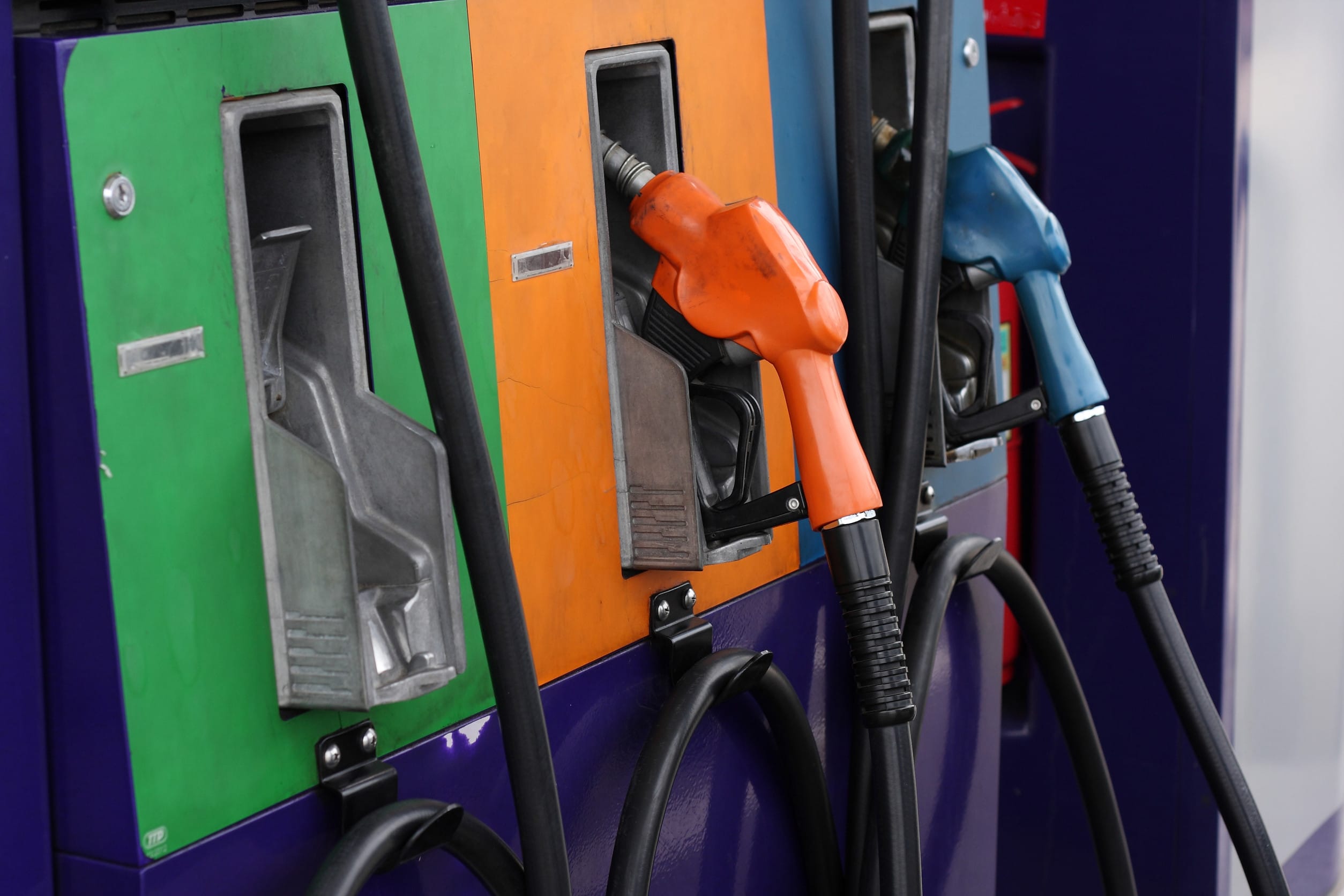
The “Broken” Gas Pump Card Reader

Gas Pump

Image Source: 123rf.com

You pull up to a gas station, insert your card, and the machine doesn’t work. A helpful stranger tells you that the reader is down and suggests you pay inside instead. What they don’t tell you is that they just installed a card skimmer on the pump to steal your credit card information. Before inserting your card, always check for anything unusual on the reader, such as a loose or bulky card slot. If a pump seems suspicious, move to another one or pay inside directly with the cashier.

The “Free” Trial That Won’t Let You Cancel

You sign up for a free trial of a service, expecting to cancel before being charged. However, when you try to cancel, the website is impossible to navigate, the phone number doesn’t work, or the cancellation process is deliberately complicated. Many companies, even legitimate ones, use this tactic to keep charging you for a service you don’t want. Always read the fine print before signing up for a free trial and use a virtual credit card that allows you to block future charges.

The Fake Customer Service Call

You receive a call from someone claiming to be from your bank, Amazon, or a utility company, saying there’s a problem with your account. They may even spoof the official number so it looks legitimate. The caller then asks for your personal information to “verify” your account. This is a classic phishing scam designed to steal sensitive details. If you get an unexpected call from a company asking for account details, hang up and contact the company directly using the number on their official website.

How to Protect Yourself from Everyday Scams

Scammers are becoming more creative, using everyday situations to take advantage of unsuspecting people. The best defense is awareness and skepticism. If something feels off, take a step back and think before acting. Never share personal information with strangers, double-check credentials before trusting someone, and always verify payment methods when buying or selling items.

If you’ve encountered any of these scams or have tips on how to avoid them, share your experience in the comments.

Read More:

5 Little-Known Laws That Can Protect You from Getting Scammed

Is It Really Your “Dream” Job? 10 Ways to Avoid Job Scams

Latrice Perez

Latrice is a dedicated professional with a rich background in social work, complemented by an Associate Degree in the field. Her journey has been uniquely shaped by the rewarding experience of being a stay-at-home mom to her two children, aged 13 and 5. This role has not only been a testament to her commitment to family but has also provided her with invaluable life lessons and insights.

As a mother, Latrice has embraced the opportunity to educate her children on essential life skills, with a special focus on financial literacy, the nuances of life, and the importance of inner peace.

Filed Under: Personal Finance Tagged With: Consumer Protection, cyber security, Financial Security, fraud prevention, identity theft, online scams, personal safety, Public Safety, scam awareness, scams

9 U.S. Cities Falling Apart Faster Than You Think

February 24, 2025 by Latrice Perez Leave a Comment

US Cities

Image Source: 123rf.com

Infrastructure is the backbone of any thriving city, supporting transportation, utilities, and public services. However, several U.S. cities are grappling with aging and failing infrastructure, leading to significant challenges for residents and local governments. Let’s explore nine cities where infrastructure decay has become a pressing concern.

1. Los Angeles, California

Los Angeles has faced severe infrastructure issues, notably highlighted by devastating wildfires. Critics point to reduced infrastructure spending and mismanagement as contributing factors to the city’s vulnerability. The lack of comprehensive planning and maintenance has left critical systems, such as water supply and emergency services, strained during crises. Recent fires have exposed the dire need for updated infrastructure to protect residents and property. Efforts are underway to address these challenges, but progress has been slow.

2. New Orleans, Louisiana

New Orleans continues to struggle with infrastructure problems exacerbated by natural disasters. Aging levees, outdated drainage systems, and crumbling roads have hindered economic growth and public safety. The city’s population decline between 2020 and 2023 has further strained resources, making it difficult to fund necessary repairs and upgrades. Hosting major events like the Super Bowl is part of the city’s strategy to revitalize its economy and infrastructure. However, long-term solutions require substantial investment and comprehensive planning.

3. Gary, Indiana

Once a booming steel town, Gary now faces significant infrastructure decay. The decline of the steel industry led to economic downturns, resulting in neglected public services and facilities. Residents contend with deteriorating roads, abandoned buildings, and underfunded utilities. Recent proposals aim to revitalize the city through infrastructural projects and environmental sustainability initiatives. However, overcoming decades of neglect presents a formidable challenge.

4. Richmond, Virginia

In January 2025, Richmond experienced a major water crisis due to aging infrastructure. A blizzard led to failures in the city’s water distribution system, leaving residents without reliable water service for days. Investigations revealed that outdated equipment and insufficient maintenance were significant contributors to the crisis. The event underscored the urgent need for investment in modernizing the city’s water infrastructure to prevent future incidents.

5. Phoenix, Arizona

Phoenix faces challenges with its water infrastructure amid increasing threats from wildfires. The city’s water systems are often inadequate to handle the demands during such emergencies, leading to costly and lengthy repairs. As wildfires become more frequent and severe due to climate change, there’s a pressing need to improve water systems to protect the city. Implementing measures like remote shutoff valves and emergency water sources can enhance resilience but require significant investment.

6. Houston, Texas

Houston Tx

Image Source: 123rf.com

Houston’s rapid growth has outpaced its infrastructure development, leading to significant concerns. Suburban areas like Fulshear are calling for increased funding for infrastructure, public safety, and historical preservation. The city’s drainage systems and roads are often overwhelmed, especially during heavy rains, leading to frequent flooding. Efforts to address these issues are ongoing, but the scale of the problem requires substantial investment and planning.

7. San Francisco, California

San Francisco’s infrastructure struggles include aging public transportation systems and deteriorating roads. The city’s hilly terrain and dense population exacerbate wear and tear on its infrastructure. Efforts to modernize the transit system and repair roads are underway, but challenges persist due to high costs and logistical complexities. Residents often face delays and disruptions, highlighting the need for accelerated infrastructure improvements.

8. New York City, New York

New York City contends with aging subway systems, bridges, and water mains. Frequent breakdowns and maintenance issues disrupt daily life and commerce. The city’s vast and old infrastructure requires continuous investment to maintain safety and efficiency. Recent initiatives aim to address these challenges, but the sheer scale of the infrastructure presents ongoing difficulties.

9. Washington, D.C.

The nation’s capital faces infrastructure issues, including deteriorating roads and public transportation challenges. Aging metro systems and traffic congestion are persistent problems. Efforts to revamp the city’s infrastructure are in progress, but political and budgetary constraints often slow down significant improvements. Residents and visitors alike experience the impacts of these infrastructure deficiencies daily.

Addressing the Infrastructure Crisis

The deteriorating infrastructure in these cities highlights a nationwide issue that demands immediate attention. Investing in modernizing and maintaining essential services is crucial for public safety, economic growth, and overall quality of life. If this article resonated with you, please share it to raise awareness about the importance of infrastructure investment in our communities.

Do you live in one of these cities? What is your experience with the infrastructure? Let us know in the comments below.

Read More:

9 Cities Where Millennials Are Moving And Why

Buddhism in California: 10 Interesting Facts About The City of Ten Thousand Buddhas

Latrice Perez

Latrice is a dedicated professional with a rich background in social work, complemented by an Associate Degree in the field. Her journey has been uniquely shaped by the rewarding experience of being a stay-at-home mom to her two children, aged 13 and 5. This role has not only been a testament to her commitment to family but has also provided her with invaluable life lessons and insights.

As a mother, Latrice has embraced the opportunity to educate her children on essential life skills, with a special focus on financial literacy, the nuances of life, and the importance of inner peace.

Filed Under: Lifestyle Tagged With: City Planning, Economic Development, Infrastructure, Public Safety, Urban Decay

FOLLOW US

Search this site:

Recent Posts

  • Can My Savings Account Affect My Financial Aid? by Tamila McDonald
  • 12 Ways Gen X’s Views Clash with Millennials… by Tamila McDonald
  • What Advantages and Disadvantages Are There To… by Jacob Sensiba
  • Call 911: Go To the Emergency Room Immediately If… by Stephen Kanaval
  • 10 Tactics for Building an Emergency Fund from Scratch by Vanessa Bermudez
  • 7 Weird Things You Can Sell Online by Tamila McDonald
  • 10 Scary Facts About DriveTime by Tamila McDonald

Copyright © 2026 · News Pro Theme on Genesis Framework