• Home
  • About Us
  • Toolkit
  • Getting Finances Done
    • Hiring Advisors
    • Debt Management
    • Spending Plan
  • Insurance
    • Life Insurance
    • Health Insurance
    • Disability Insurance
    • Homeowners/Renters Insurance
  • Contact Us
  • Privacy Policy
  • Risk Tolerance Quiz

The Free Financial Advisor

You are here: Home / Archives for saving money

10 Things Parents Do That Accidentally Raise Financially Irresponsible Kids

December 8, 2025 by Brandon Marcus Leave a Comment

There Are Certain Things Parents Do That Accidentally Raise Financially Irresponsible Kids

Image Source: Shutterstock.com

Raising kids is hard. Raising financially responsible kids? That’s a whole different level of challenge. Parents often think they’re teaching lessons about money, but sometimes their actions backfire spectacularly. From innocent habits to seemingly harmless “shortcuts,” kids pick up more than we realize.

Understanding what behaviors might be quietly sabotaging financial literacy can make all the difference between raising a savvy saver and a perpetually broke adult.

1. Giving Unlimited Allowance Without Guidance

Handing your child money without rules might feel generous, but it often backfires. Kids need structure to learn budgeting, saving, and prioritizing their spending. When money is endless, they don’t understand its value or how to manage it responsibly. Unlimited allowance can also create the expectation that money is always available without effort. Teaching limits and encouraging saving early creates a foundation for smarter financial decisions later.

2. Paying For Every Mistake

Parents naturally want to protect their children from hardship, but covering every error teaches them the wrong lesson. If a child forgets to pay for lunch or damages a personal item, rescuing them every time removes the consequences of poor choices. Responsibility grows through trial and error, not handouts. Kids who never experience small setbacks may struggle to handle real financial mistakes as adults. Learning the balance between support and accountability is key for building independence.

3. Using Money As A Reward Or Punishment

Rewarding good behavior with gifts or taking money away for misbehavior sends mixed messages. It teaches children to associate money with emotional validation rather than its practical purpose. Kids might grow up seeing money as a tool for manipulation instead of a resource to manage. This approach can also encourage short-term thinking rather than long-term planning. Consistency and discussion about money’s real purpose are far more effective than using it as emotional leverage.

4. Not Modeling Healthy Financial Habits

Children learn more from watching than listening, which makes parental behavior critical. Parents who complain about debt, overspend impulsively, or ignore budgets are teaching these behaviors unconsciously. Kids absorb these patterns and often repeat them without question. Being transparent about goals, mistakes, and responsible spending demonstrates practical lessons. Modeling thoughtful financial decision-making is more powerful than any lecture or instruction.

5. Avoiding Conversations About Money

Many parents shy away from talking about money, thinking it’s too complex or stressful for kids. The result? Children grow up with curiosity but no guidance. Avoiding these conversations makes money feel taboo or mysterious, which can lead to fear, confusion, or poor decisions. Kids benefit when parents explain income, expenses, saving, and even investing in age-appropriate ways. Open communication builds confidence and lifelong financial literacy.

There Are Certain Things Parents Do That Accidentally Raise Financially Irresponsible Kids

Image Source: Shutterstock.com

6. Giving Expensive Gifts To Cover Attention

Parents sometimes buy expensive toys or gadgets to compensate for time spent away from children. While it may create short-term happiness, it can also teach kids that money can replace effort, attention, or relationships. They might develop materialistic tendencies and equate happiness with consumption. This mindset makes budgeting and saving less meaningful later in life. Demonstrating non-monetary ways to solve problems or show love encourages a healthier relationship with money.

7. Letting Kids Overspend On Credit Cards

Allowing teenagers or young adults free rein with credit cards without proper guidance can create long-term debt habits. Kids often don’t fully grasp interest, minimum payments, or long-term consequences. Overspending early can normalize borrowing and set them up for financial stress later. Teaching careful tracking, responsible borrowing, and repayment early creates respect for credit. Credit is a tool, not an endless resource, and early education can prevent lifelong mistakes.

8. Ignoring The Importance Of Saving

Parents sometimes emphasize spending on fun activities but neglect to show kids how to save for future goals. Without learning the habit of saving, children may struggle to prioritize or delay gratification. Even small, consistent saving teaches discipline, patience, and planning. Demonstrating saving through jars, accounts, or goal-based funds makes abstract concepts concrete. Early exposure to saving fosters habits that will last a lifetime.

9. Protecting Kids From Small Financial Challenges

Shielding children from small financial frustrations like losing a toy deposit or managing a minor subscription fee removes natural learning opportunities. These experiences teach consequences and problem-solving skills. Children who never face minor setbacks may be unprepared for adult financial challenges. Experiencing small financial obstacles in a safe environment allows them to build resilience. Letting kids handle minor issues gradually teaches independence and confidence.

10. Making Everything About Instant Gratification

Parents often rush to satisfy a child’s wants immediately, from treats to toys to experiences. While it’s tempting, this fosters a sense of entitlement and impatience with financial planning. Kids may learn to expect instant results and struggle with delayed gratification in saving or investing later. Encouraging goal-setting, earning rewards, or saving for desired items creates valuable life skills. Patience and planning around money teach them that effort pays off, not just instant satisfaction.

Raising Financially Smart Kids Takes Awareness

Parenting is full of good intentions, but even the most caring actions can inadvertently foster financial irresponsibility. From overprotecting to overspending, these habits can shape children’s money mindset long before they understand banking, interest, or budgets. Awareness of these behaviors—and making small, intentional adjustments—can help children grow into financially savvy adults.

Have you noticed any of these habits in your parenting or in others? Share your thoughts, stories, or strategies in the comments section.

You May Also Like…

10 Gen X Parenting Styles That Millennials Are Rejecting

10 Things You Should Never Say to a Brand-New Parent

7 Clever Ways Grandparents Save on Family Vacations

Navigating the Sandwich Generation: Caring for Kids, Aging Parents & Yourself

When Is It Time to Stop Supporting My Fully Grown Adult Children Financially?


Brandon Marcus
Brandon Marcus

Brandon Marcus is a writer who has been sharing the written word since a very young age. His interests include sports, history, pop culture, and so much more. When he isn’t writing, he spends his time jogging, drinking coffee, or attempting to read a long book he may never complete.

Filed Under: Parenting & Family Tagged With: allowance, expensive gifts, families, Family, family issues, family money, financial choices, financial habits, financial punishment, financially irresponsible, healthy financial habits, Money, money as a reward, money issues, parent choices, parenting, parenting and family, parenting choices, parents, raising a kid, Saving, saving money

Build an Ironclad Emergency Fund That Can Withstand Any Crisis

December 3, 2025 by Brandon Marcus Leave a Comment

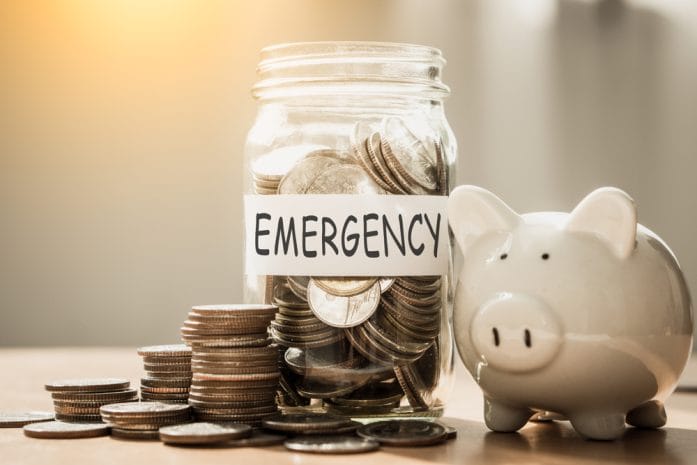
You Need To Build an Ironclad Emergency Fund That Can Withstand Any Crisis

Image Source: Shutterstock.com

Life has a habit of throwing curveballs at the exact moment you feel like you’ve finally hit your stride. One minute you’re cruising along, paying bills, enjoying weekends, feeling in control—and the next, your car decides to impersonate a campfire, your job pulls a surprise plot twist, or your refrigerator suddenly retires mid-milk. That’s the moment you either panic… or calmly reach for your emergency fund and handle business like a champion.

An emergency fund isn’t glamorous, but it’s the financial equivalent of armor—quiet, dependable, and ready to deflect chaos when things get wild. If you’ve ever wanted to build a safety net so strong it could shrug off even the ugliest crisis, you’re in the right place.

Why You Need An Emergency Fund That’s More Than Spare Change

Most people underestimate how quickly life can upend their budget. A single unexpected bill can trigger a chain reaction, especially for those living paycheck to paycheck. An emergency fund acts as a buffer that keeps surprise expenses from becoming financial disasters. It gives you room to breathe, think clearly, and avoid high-interest debt. When you know you have a stash waiting for true emergencies, every part of life feels a little less stressful.

Start Small, But Start Immediately

Building an emergency fund doesn’t require winning a lottery ticket or selling everything you own; it begins with one small, intentional step. Even setting aside ten or twenty dollars at a time creates momentum that builds into something real. Waiting for “the perfect moment” guarantees that the moment never comes, so getting started today matters more than starting big. Small contributions teach discipline and reinforce the habit of paying yourself first. Before long, you’ll look at the total and feel a spark of pride that fuels your motivation to keep going.

Choose A Savings Strategy That Actually Works For You

People often abandon their emergency fund because they force themselves into a system that feels unnatural or overwhelming. Your savings method should match your money personality—automations for the forgetful, manual transfers for the control-oriented, envelopes for the hands-on budgeters. The right system is the one you’ll actually stick to, not the one that sounds good on paper. A savings plan should slot easily into your lifestyle so it never feels like punishment. Consistency beats perfection every single time when growing a dependable safety net.

Determine The Right Amount So You’re Truly Protected

Experts love debating how much you “should” save, but the real answer depends on your life, your responsibilities, and your risk tolerance. Some people sleep well with three months of expenses saved, while others feel safer with six or even twelve months. The best number is the one that keeps you calm when imagining the worst-case scenario. Spend time calculating what you’d genuinely need to survive if everything went sideways. Once you know your target, the entire savings mission becomes clearer and more motivating.

Protect Your Emergency Fund From… Yourself

Once your emergency fund starts growing, it becomes tempting to dip into it for things that feel urgent but aren’t truly emergencies. A sale at your favorite store, a last-minute trip, or a shiny new upgrade does not count as a crisis. Keeping your fund in a separate account helps create psychological distance and reduces impulsive withdrawals. Treat this money as sacred, untouchable, and reserved only for genuine needs. When you protect your emergency fund, it protects you right back.

Make Your Money Work Without Putting It At Risk

An emergency fund shouldn’t be locked away in investments or risky accounts where you can lose access—or the money itself. That said, it can still earn interest in a safe, accessible spot like a high-yield savings account. The key is balancing growth with security because emergencies don’t wait for the market to recover. The goal isn’t maximizing profit; it’s ensuring your money is available at the exact moment you need it. Think of your emergency fund as a loyal guard dog: dependable, ready, and not off gambling in the stock market.

You Need To Build an Ironclad Emergency Fund That Can Withstand Any Crisis

Image Source: Shutterstock.com

Refill It Every Time You Use It

Even the strongest emergency fund gets depleted during tough times, but the real power comes from rebuilding it after the storm passes. Once you’ve resolved the crisis, return to your savings plan with the same energy you had in the beginning. A refilled fund restores your sense of stability and reminds you that you’re capable of handling anything. Every crisis you survive becomes proof that your system works. Replenishing your emergency fund is the final step in completing the cycle of financial resilience.

Celebrate Milestones So You Stay Motivated

Saving money can feel slow and uneventful, so celebrating your progress is essential to keeping your excitement alive. Reaching your first $100, then $500, then $1,000 deserves recognition, even if the celebration is something simple. These milestones build confidence and turn saving into something rewarding rather than exhausting. When you acknowledge the work you’ve done, your brain stays motivated to keep pushing forward. The journey becomes just as satisfying as the end goal.

Build Confidence One Cushion At A Time

Each dollar added to your emergency fund is like adding a brick to your personal fortress. Over time, that fortress becomes strong enough to withstand layoffs, medical surprises, home repairs, or anything life flings your way. The security it provides spills into every area—your relationships, your decisions, your overall peace of mind. You walk differently when you know one bad day won’t wipe you out. Building an ironclad emergency fund isn’t just a financial task; it’s an act of long-term self-protection.

Your Future Self Will Thank You

Creating an emergency fund that can survive any crisis isn’t about luck or perfection—it’s about small steps, ongoing intention, and the decision to protect your future. When you have a financial cushion, life’s unpredictable moments lose their power to overwhelm you. You gain control, confidence, and options during times when everything feels out of your hands.

If you’ve built an emergency fund before, or if you’re starting one now, share your thoughts, stories, or strategies in the comments below. Someone out there might need your insight to finally begin their own journey.

You May Also Like…

6 Emergency-Fund Secrets People Use to Save Faster

9 Ways People Screw Up Emergency Funds — Even When They Have Good Intentions

10 Financial Dangers of Skipping Emergency Funds

7 Stock Market Myths That Cost Beginner Investors Their Life Savings

Could Ignoring Inflation Erase Decades of Savings

Brandon Marcus
Brandon Marcus

Brandon Marcus is a writer who has been sharing the written word since a very young age. His interests include sports, history, pop culture, and so much more. When he isn’t writing, he spends his time jogging, drinking coffee, or attempting to read a long book he may never complete.

Filed Under: Lifestyle Tagged With: crisis, emergency expenses, emergency fund, emergency funds, emergency medical care, emergency planning, emergency preparedness, emergency savings, financial emergency, Saving, saving money, savings, savings account, savings strategy

8 Real Reasons Millennials Can’t Save Money (and How to Fix It)

November 26, 2025 by Travis Campbell Leave a Comment

saving money

Image source: shutterstock.com

Most budgeting guides fail to reflect the financial difficulties millennials face. The financial calculations always produce negative results. The cost of living continues to rise rapidly, while people’s salaries do not keep pace, and their old ways of building emergency savings have become ineffective. People try to reduce their financial gaps by working more and improving their self-control, but their money problems persist. The actual problem is that millennials face difficulties saving their money. The daily financial problems millennials encounter stem from specific elements that we can use to develop successful solutions.

1. Stagnant Paychecks Against Rising Costs

Paychecks lag behind the price of housing, food, insurance, and almost everything else. That gap forces people to spend more of their income on basics, leaving little space for savings. Even strong budgeting can’t stretch dollars far enough when essentials keep climbing. For millennials saving money, this mismatch creates constant tension.

To counter that strain, focus on raising income rather than relying solely on cutting costs. A targeted career move or a specific certification can shift earning power more than hours spent shaving small expenses. Savings grow faster when the income side changes.

2. High Rent and Limited Housing Stability

Housing consumes a disproportionate share of millennial budgets. Rent jumps without warning. Leases offer little security. And buying a home often sits out of reach because down payments rise faster than savings accounts. Each move drains money through deposits, fees, and lost time.

One fix: choose longer leases when they lock in reasonable rates. Another: consider shared housing for a set period to free up cash for an emergency fund. Stability lowers financial volatility, giving millennials saving money a better shot at consistency.

3. Debt That Never Seems to Shrink

Student loans, medical bills, and credit card balances form a heavy baseline. Many pay month after month without watching the principal fall much. That slow grind erodes motivation and blocks opportunities to redirect money toward savings.

Accelerating payoff requires a focused attack. Pick one balance, shift all extra money toward it, and keep the others on minimum payments. When the first debt falls, momentum increases. The structure matters more than the speed.

4. Healthcare Costs That Hit Hard

Unexpected medical expenses can wreck a budget. Even small issues turn into large bills, and high deductibles create uncertainty. Many millennials delay care because they fear the cost. When they finally seek treatment, the bill arrives at the worst possible moment.

Preventive care, price-transparency tools, and urgent-care alternatives can reduce those shocks. Building a modest health-specific fund helps too, even if it’s only a few hundred dollars at first.

5. Gig Work Without Safety Nets

Many millennials rely on gig work to piece together income or maintain flexibility. The upside: independence. The downside: no paid time off, no employer retirement plan, and irregular pay that disrupts monthly planning. That volatility makes saving feel optional instead of necessary.

The fix starts with treating gig income like business income. Set aside a percentage for taxes and another for savings before touching the rest. Structure creates stability, even when paychecks don’t arrive on a predictable schedule.

6. Lifestyle Pressure and Social Normalization

Social expectations shape spending more than most people admit. Friends upgrade apartments or take trips, and the pressure to keep pace grows quietly. Social media increases that tension. It shows curated lives, filtered homes, and experiences that look normal—even if they cost far more than they seem.

Pushing back requires clarity. A defined savings goal creates a counterweight that reduces impulsive choices. When spending aligns with personal priorities, the pressure loses power.

7. Financial Information Overload

Millennials face a wall of conflicting advice. Some emphasize frugality, others preach the benefits of investing early, and many promote side hustles. The mix overwhelms. With too much noise, people freeze or jump between strategies without consistency.

Pick one simple plan: build a small emergency fund, automate a monthly savings transfer, and review expenses once a month. Quiet structure outperforms constant tweaks.

8. Burnout That Leads to Emotional Spending

Burnout pushes people toward quick relief. That relief often costs money. A treat, a trip, a delivery meal—each feels earned after long days. But repeated choices add up fast, especially when stress stays high.

Addressing burnout directly reduces that impulse. Setting boundaries at work, taking regular breaks, and cutting unnecessary commitments protect both mental health and finances. Savings improve when spending stops filling emotional gaps.

A Path That Actually Works

The existing obstacles do not prevent progress from happening. Stability emerges from the implementation of small, regular changes. Millennials need financial management systems that understand their savings management needs. The combination of rising income, debt repayment planning, stable housing decisions, and automated savings will establish enduring financial stability.

What specific actions have you used to handle these difficulties while making progress toward your objectives?

What to Read Next…

  • Are Budgeting Apps Designed To Push You Into Debt?
  • Are These 6 Helpful Budget Tips Actually Ruining Your Finances?
  • 7 Tactics Grocery Stores Use To Keep You From Thinking About Price
  • Why Some People Feel Rich But Can’t Afford A $400 Emergency
  • Are These 8 Money Saving Tricks Actually Keeping You Broke?
Travis Campbell
Travis Campbell

Travis Campbell is a digital marketer/developer with over 10 years of experience and a writer for over 6 years. He holds a degree in E-commerce and likes to share life advice he’s learned over the years. Travis loves spending time on the golf course or at the gym when he’s not working.

Filed Under: Personal Finance Tagged With: budgeting, Debt, Millennials, Personal Finance, saving money

8 Budget Fixes That Instantly Turn Finances Around

November 25, 2025 by Travis Campbell Leave a Comment

budget

Image source: shutterstock.com

People try to change their financial behavior through detailed planning, but they achieve better results by making small adjustments at a time. Households can make financial progress through particular budget changes that do not require them to change their entire lifestyle. The changes succeed because they help people identify unnecessary expenses, show them which essential needs to focus on, and help them make better choices. The correct modifications create instant effects. Budget fixes that produce early results create a sense of progress before financial problems reach their peak.

1. Track Spending for One Week

A week of honest tracking changes the picture. Patterns that once felt normal look costly when lined up in hard numbers. This is the baseline, the moment when excuses lose ground, and the budget starts to reflect how money actually moves. Budget fixes work best when the starting point is real, not imagined.

Write down every purchase. No rounding and no skipping. The goal is accuracy, not judgment. After seven days, a map of habits emerges, and it becomes easier to cut in the right places instead of guessing.

2. Cut Automatic Drains

Many households bleed cash through subscriptions and services they barely use. They hide in small monthly charges that accumulate into something heavy. Stopping them immediately delivers relief without changing daily routines. That is why this step sits at the top of effective budget fixes.

Audit every recurring charge. Cancel the ones that serve no purpose. If something feels necessary, pause it for a month to test that assumption. Savings stack quickly when the payments disappear for good.

3. Renegotiate Essential Bills

Essential bills rarely feel flexible, but they are. Wireless plans, insurance premiums, and internet rates often carry built‑in wiggle room. The first number offered rarely stands as the final number. A short call or online chat can open the door to a lower rate.

Ask for loyalty discounts or available promotions. Request a rate review. Providers respond because it costs less to keep a customer than to lose one. This shift keeps the service intact while easing pressure on other parts of the budget.

4. Cap Variable Spending Immediately

Food, transportation, and small discretionary purchases tend to explode without clear limits. Capping these categories delivers fast control. Set a firm number for the next 30 days. Then stick to it with unapologetic discipline.

Use cash envelopes or a separate debit card if digital tracking feels slippery. The point is to force awareness at the moment of spending. When a cap exists, decisions sharpen, and impulse buying weakens.

5. Delay Every Nonessential Purchase by 48 Hours

Most impulse spending fades when time interrupts the urge. A 48‑hour delay creates that interruption. It pushes the choice into a calmer moment when priorities look clearer, and pressure eases. Many purchases simply fall away when the clock runs out.

This delay also exposes emotional spending. Patterns become easier to spot. Once they show up plainly, removing them becomes easier than expected.

6. Shift One Discretionary Habit

Habits cost more than they appear to. One routine—takeout lunches, rideshares, weekend shopping—can drain hundreds each month. Replace just one with a cheaper alternative. The savings hit fast, and the routine adjusts faster than expected.

This works because it targets repetition. Small daily and weekly habits do more damage than occasional splurges. Change the pattern, and the budget shifts permanently instead of temporarily.

7. Build a Zero-Based Plan for the Next 30 Days

A zero‑based plan gives every dollar a job. Nothing floats. Nothing drifts. That structure feels strict, but it aligns the budget with real priorities rather than default habits. This is where budget fixes anchor themselves.

Assign each dollar to bills, savings, essentials, or discretionary categories. When money has purpose, it stops leaking into the shadows of the month. The plan doesn’t need to be perfect. It only needs to be followed.

8. Set One Short-Term Goal With a Hard Deadline

Goals push behavior. A clear target—paying off one credit card, building a starter emergency fund, or covering an upcoming expense—creates focus. A deadline locks that focus into place. Money moves differently when tied to something specific and near-term.

Pick a goal with a finish line that feels close enough to touch. The sense of progress fuels the next step, and the next step keeps the budget from sliding back into old patterns.

Putting It All Into Motion

These budget solutions work immediately because they address the main obstacles that cause financial problems. The system eliminates unnecessary expenses while maintaining essential items, and it monitors all financial losses through comprehensive tracking. These changes work together to let you change your budget without requiring substantial changes to your regular activities.

Which of these changes would make the biggest difference in your home?

What to Read Next…

  • Are These 6 Helpful Budget Tips Actually Ruining Your Finances?
  • Are These 8 Money Saving Tricks Actually Keeping You Broke?
  • 5 Budgeting Tools That Trick You Into Higher Spending
  • Are Budgeting Apps Designed to Push You Into Debt?
  • Are These 7 Little Expenses Quietly Costing You Thousands a Year?
Travis Campbell
Travis Campbell

Travis Campbell is a digital marketer/developer with over 10 years of experience and a writer for over 6 years. He holds a degree in E-commerce and likes to share life advice he’s learned over the years. Travis loves spending time on the golf course or at the gym when he’s not working.

Filed Under: Budgeting Tagged With: budgeting, household spending, money management, Personal Finance, saving money

How to Retire Early on an Average Salary: The Exact Blueprint

November 23, 2025 by Travis Campbell Leave a Comment

retirement

Image source: shutterstock.com

Retiring early on an average salary looks out of reach, but it isn’t. The math is unforgiving, yet the strategy is clear. People who retire early build a system, not a fantasy. They spend less, earn more, and focus on what accelerates their timeline. Early retirement demands intention, pressure, and consistency. Anyone working with a modest income can still force the numbers to work, as long as each move supports the plan to retire early.

1. Set a Hard Number for Retirement

The plan to retire early collapses without a clear target. A vague goal turns into drift. A hard number creates direction. Calculate annual spending, then estimate how much capital is required to support it for decades. Many people use simple rules—spending multiplied by 25 or 30—to form a baseline. It isn’t perfect, but it creates a boundary. When your income is average, the number feels heavier. That’s fine. Weight sharpens focus.

Once the target is set, everything becomes a choice measured against it. You know how far you are from financial independence, how fast you’re closing the gap, and whether your habits match your goal to retire early. This structure forces accountability in a way that general intentions never do.

2. Cut Fixed Expenses Before Anything Else

People chase small savings while ignoring the big ones. Housing, transportation, insurance, and food swallow most budgets. Trim them, and the savings stick every month without effort. That’s the leverage point for anyone living on an average salary. Lowering a car payment or rent frees up more cash than skipping lattes ever will.

The less you need to live, the sooner you can retire early. Each fixed expense you cut reduces the size of the retirement fund required to support your future. You get a double benefit: you save more now, and you need less later. That compound effect moves you forward faster than any minor frugal habit.

3. Increase Income in Simple, High-Impact Ways

Savings alone rarely bridge the gap for early retirement. Income matters. That doesn’t mean chasing flashy side hustles or stressful second jobs. It means tightening the focus on predictable increases. Overtime. Small raises. Certifications that boost hourly pay. Occasional project work. These changes, while modest, create lasting increments.

When working with an average salary, each added dollar has a purpose. It’s not padding. It accelerates the escape timeline. Someone earning an extra $200 a month and investing it consistently can shave years off their plan to retire early. The work is incremental, not dramatic. But the long-term impact is substantial.

4. Save at a Rate Most People Avoid

Early retirement requires aggressive saving, even when income is modest. High savings rates—not investment returns—carry most of the weight. People underestimate how powerful a 30 or 40 percent savings rate can be. It stretches your money, shrinks your required nest egg, and builds investing momentum.

This isn’t about deprivation. It’s about priorities. Funnel every freed-up dollar into accounts designed to grow untouched. The decision to retire early becomes real only when savings rates move far beyond the national average. That gap is where the transformation happens.

5. Invest Automatically in Broad, Low-Cost Funds

The market rewards people who stay put. Automatic investing removes hesitation and emotion. Low-cost index funds allow anyone, even on an average salary, to participate in long-term market growth without complexity. That simplicity is a strategic advantage.

Set recurring transfers into retirement accounts or taxable brokerage accounts. Let the contributions happen on schedule, without debate. Over time, this rhythm builds a portfolio powerful enough to support an early exit from full-time work. The process is boring, which is why it works.

6. Protect Your Plan Through Lifestyle Pressure

Every early retirement path hits pressure points—family expectations, lifestyle upgrades, social spending. Each of these moments tests the discipline to retire early. People who succeed build guardrails. They keep their life structured, predictable, and honest.

Track spending weekly. Reassess big decisions before acting on them. Think of every new purchase as a trade: more comfort now or more freedom later. This framing doesn’t eliminate temptation, but it exposes the cost, which lets you choose with clarity.

7. Build a Flexible Exit Strategy

No early retirement plan stays intact from start to finish. Jobs change. Markets shift. Health wavers. A rigid blueprint breaks under strain. A flexible one bends. Create a plan with multiple exit points: full retirement, partial work, seasonal work, or short-term contracting. Each path supports your ability to retire early without gambling everything on a single moment.

The goal is security, not perfection. Flexibility lets you reach financial independence even if the journey doesn’t follow the neat path sketched at the beginning.

A New Definition of Freedom

People who want to retire early based on their average earnings need to make real financial changes rather than rely on deceptive retirement planning methods. You should identify essential things in life while cutting nonessential costs to direct your funds toward future objectives rather than present wants. Your actual sacrifices will bring you the same level of reward as they do to others. People with average incomes will experience a longer path to early retirement, but this method provides a direct path to success.

What changes would occur in your present way of life after you decide to retire before your planned retirement date?

What to Read Next…

  • Is Your Retirement Plan Outdated By A Decade Without You Knowing?
  • 6 Trends That Suggest The Middle Class Is Dying In Suburbia
  • 5 Best Places To Retire In America With 500k In Savings
  • How Many Of These 8 Retirement Mistakes Are You Already Making?
  • 7 Retirement Perks That Come With Shocking Hidden Costs
Travis Campbell
Travis Campbell

Travis Campbell is a digital marketer/developer with over 10 years of experience and a writer for over 6 years. He holds a degree in E-commerce and likes to share life advice he’s learned over the years. Travis loves spending time on the golf course or at the gym when he’s not working.

Filed Under: Real Estate Tagged With: budgeting, early retirement, financial independence, investing, saving money

What Is “Cash Stuffing” — And Why Everyone’s Doing It Again

November 11, 2025 by Travis Campbell Leave a Comment

cash

Image source: shutterstock.com

The practice of cash stuffing has made a surprising comeback as a financial trend despite the rise of digital payment systems and budgeting applications. People who want to escape screen-based spending are turning to this basic touch-based money management system. People are returning to envelopes and physical cash due to increasing expenses, growing debt from credit cards, and financial worries. The practice of cash stuffing has existed for some time. Still, social media platforms have revived their popularity through videos showing people using colorful envelopes and savings challenges, which attract numerous viewers. People find appeal in the physical process of budgeting, which digital tools cannot match, according to numerous users.

1. How Cash Stuffing Works

Cash stuffing is a budgeting method where you divide your money into labeled envelopes for different spending categories, such as rent, groceries, gas, entertainment, and so on. Each envelope gets a set amount of cash at the start of the month or pay period. When the cash runs out, spending in that category stops until the next refill. It’s a straightforward system that forces accountability. You literally see your money leave your hands, which makes every purchase feel more deliberate.

This approach is a revival of the envelope system popularized by financial educators decades ago. The difference today is that it’s being rebranded and shared through short videos and posts that make budgeting look both practical and aesthetically pleasing. People customize their envelopes, track progress, and even share their savings goals publicly for motivation.

2. Why People Are Returning to Cash Stuffing

Digital convenience has its downsides. Swiping a card or tapping a phone doesn’t register the same way as handing over cash. Many people find they overspend when they can’t physically see their money disappearing. Cash stuffing slows that process down. It creates a moment of pause before spending, which can lead to better financial decisions.

Inflation and higher interest rates have also prompted people to seek more tangible ways to manage their budgets. With cash stuffing, there’s no risk of overdraft fees or surprise charges — what you see is what you have. For individuals living paycheck to paycheck, that clarity can be empowering. It turns abstract numbers into something real and manageable.

3. The Psychology Behind Cash Stuffing

There’s a psychological reason cash stuffing works. Spending cash activates the pain of paying more strongly than digital transactions do. Researchers have long noted that people spend less when they use physical money. The tactile experience of pulling bills from an envelope engages the brain in a way that swiping a card doesn’t. It’s the same reason why some people prefer writing down expenses in a notebook rather than tracking them in an app.

Cash stuffing also provides instant feedback. When your “dining out” envelope is empty, that’s it. You can’t just move money from savings or rely on credit. That restriction might sound limiting, but it actually helps you stay disciplined. Over time, it builds awareness of spending patterns that might otherwise go unnoticed.

4. The Pros and Cons of Cash Stuffing

Like any budgeting system, cash stuffing comes with trade-offs. On the positive side, it’s easy to start and doesn’t require special tools or apps. It’s ideal for people who want to break the cycle of overspending or rely less on credit cards. It’s also a good way to teach kids or teens about managing money — the concept is simple enough for anyone to grasp.

However, there are drawbacks. Carrying large amounts of cash can be risky, and tracking every envelope can become tedious. It’s not always practical for recurring online expenses like subscriptions or utilities. Some people find that handling cash feels outdated or inconvenient in a world where most transactions are digital. The key is balance — many use a hybrid approach, keeping some categories digital while sticking to cash stuffing for discretionary spending.

5. Cash Stuffing in the Era of Social Media

Social media has given cash stuffing a modern twist. Platforms like TikTok and Instagram are filled with videos of people counting bills, decorating envelopes, and sharing their budgeting journeys. The visual nature of the trend makes it satisfying to watch — and motivating to try. It’s part financial discipline, part creative outlet.

This trend has also sparked discussions about financial transparency. People are more open about their income, debt, and savings goals than ever before. While that openness can be helpful, it can also lead to comparison. Everyone’s financial situation is different, so it’s essential to tailor cash stuffing to personal needs rather than mimicking what others are doing online. For some, the practice becomes less about control and more about community support.

6. How to Start Cash Stuffing

Getting started with cash stuffing doesn’t require much. You’ll need envelopes, labels, and a clear idea of your budget categories. Start small — maybe just groceries, entertainment, and personal spending. Withdraw cash for those categories, divide it, and track how long it lasts. Adjust as needed until your system feels right.

Some people pair cash stuffing with a digital tracker or spreadsheet to log totals and monitor progress. Others keep it entirely manual. The best method is the one that helps you stay consistent. Over time, you’ll begin to see patterns in how you spend and where you can save. The simplicity of the system is what keeps it effective.

Why Cash Stuffing Still Matters

The current society relies heavily on digital transactions and instant gratification, but cash stuffing teaches us to appreciate the value of waiting for things. The approach serves as a budgeting method that necessitates a complete shift in how people think about money. Physical money handling enables you to develop financial awareness and improve your spending behaviors. The cash stuffing method provides financial organization through its structured approach, allowing individuals to manage their money effectively.

Have you ever attempted cash stuffing, or do you plan to begin? Share your thoughts and experiences in the comments below.

What to Read Next…

  • Are These 6 Helpful Budget Tips Actually Ruining Your Finances?
  • 7 Tactics Grocery Stores Use to Keep You From Thinking About Price
  • Are These 8 Money Saving Tricks Actually Keeping You Broke?
  • Why Some People Feel Rich But Can’t Afford a $400 Emergency
  • 5 Budgeting Tools That Trick You Into Higher Spending
Travis Campbell
Travis Campbell

Travis Campbell is a digital marketer/developer with over 10 years of experience and a writer for over 6 years. He holds a degree in E-commerce and likes to share life advice he’s learned over the years. Travis loves spending time on the golf course or at the gym when he’s not working.

Filed Under: Budgeting Tagged With: budgeting, cash stuffing, money management, Personal Finance, saving money

7 Reasons the “No-Spend Challenge” Might Actually Change Your Life

November 10, 2025 by Travis Campbell Leave a Comment

cheap

Image source: shutterstock.com

Most people have attempted to reduce their spending, but the concept of a complete no-spend challenge appears too radical to many. The process of tracking your expenses provides an easy method to understand your financial behavior and monitor your money usage. Your spending habits will become transparent when you choose to avoid buying nonessential items for a specific time frame, which could range from one week to multiple months. The no-spend challenge aims to increase awareness in people, rather than requiring them to eliminate all possessions. The experience creates lasting changes in your financial behavior and your understanding of what truly matters in life.

1. You’ll Finally See Where Your Money Goes

When you begin a no-spend challenge, you immediately notice how often you reach for your wallet out of habit. Those small, impulsive purchases—coffee runs, online orders, quick takeout—add up fast. By cutting them out, you see your spending triggers in real time. The pause between “wanting” and “buying” becomes a moment of clarity. That awareness can transform your relationship with money long after the challenge is over.

Many people realize that a large portion of their spending has little to do with actual need. It’s often about convenience or emotion. Once you identify those patterns, you can make conscious choices instead of automatic ones.

2. It Builds Self-Discipline

The no-spend challenge tests your willpower in a practical, measurable way. Resisting temptation isn’t always easy, but every decision to skip a purchase strengthens your self-control. Over time, saying “no” to unnecessary spending becomes second nature. That discipline spills into other areas—like saving more consistently or sticking to a budget.

It’s not about perfection. You’ll slip now and then, but the process itself builds resilience. Each small success reinforces that you can set limits and follow through, even when it’s uncomfortable.

3. You Start Appreciating What You Already Have

When you stop buying new things, you pay more attention to what’s already around you. That sweater you forgot in the back of the closet, the stack of unread books, the kitchen gadgets collecting dust—they all get a second life. The no-spend challenge encourages creativity and gratitude. Instead of chasing novelty, you learn to enjoy what you own.

This shift in mindset can be surprisingly freeing. You realize that satisfaction doesn’t come from constant consumption but from using and appreciating what’s already in your life.

4. It Can Improve Your Relationships

Money stress is one of the biggest sources of tension in relationships. When you undertake a no-spend challenge together, you open the door to honest conversations about your priorities. Couples and families often find that shared financial goals bring them closer. Instead of arguing over spending, you’re collaborating on saving and planning.

Even friendships can benefit. You might suggest low-cost ways to spend time together—like cooking at home or hiking instead of going out. These moments often feel more meaningful than expensive outings.

5. You’ll Save More Than You Expect

One of the most immediate rewards of the no-spend challenge is seeing your savings grow. Whether you’re paying down debt, building an emergency fund, or working toward a big goal, the extra money adds up quickly. The best part? You don’t just save during the challenge—you often keep saving afterward.

Once you see how much you can live without, your definition of “enough” changes. Many participants use the momentum to start budgeting more intentionally or to automate their savings. Tools like Mint or You Need a Budget can help track progress and maintain that financial clarity.

6. You’ll Reduce Financial Anxiety

Constant spending can create a low-level hum of stress, even if you’re not in debt. The no-spend challenge replaces that with a sense of control. Watching your balance stay steady—or even grow—provides relief and confidence. You stop feeling like your money is slipping through your fingers.

Over time, this calm becomes more valuable than anything you could buy. You learn that financial peace isn’t about earning more; it’s about spending with purpose.

7. It Helps You Align Spending with Your Values

When you pause your usual spending, you have space to think about what really matters to you. The no-spend challenge acts as a reset button. Maybe you realize you’d rather spend on experiences than stuff, or that supporting local businesses feels better than impulse shopping online. Your future purchases become more intentional and meaningful.

This clarity often leads to a more sustainable financial lifestyle. You’re not just saving money—you’re aligning your financial habits with your personal values.

A Simple Experiment with Lasting Impact

The no-spend challenge requires more than just following rules, as it enables people to examine their personal behavior. The practice offers a temporary escape from commercial noise, allowing you to reconnect with your essential values. A brief challenge will reveal the extent of your financial management abilities, as well as your mental state.

Try it for a week, a month, or however long feels right. Your financial situation will transform when you reduce your spending, as it will also alter your entire perspective on life. Have you ever attempted to participate in a no-spend challenge? How did it affect your habits or outlook?

What to Read Next…

  • Are These 6 Helpful Budget Tips Actually Ruining Your Finances?
  • Are These 8 Money Saving Tricks Actually Keeping You Broke?
  • 7 Tactics Grocery Stores Use to Keep You from Thinking About Price
  • 6 Monthly Bills You Should Cancel Immediately Even If You Can Afford Them
  • Are Automatic Renewals Draining More Than You Realize?
Travis Campbell
Travis Campbell

Travis Campbell is a digital marketer/developer with over 10 years of experience and a writer for over 6 years. He holds a degree in E-commerce and likes to share life advice he’s learned over the years. Travis loves spending time on the golf course or at the gym when he’s not working.

Filed Under: Spending Habits Tagged With: budgeting, Financial Wellness, money habits, Personal Finance, saving money

The “Lifestyle Creep” That Ensures You’ll Never Get Ahead, No Matter Your Salary

October 31, 2025 by Travis Campbell Leave a Comment

lifestyle rich

Image source: shutterstock.com

People experience financial stagnation despite their salary growth and better job opportunities. The hidden pattern of lifestyle creep serves as the typical method that people use to discover their answer. This happens when your spending increases every time your income does. People often believe that receiving a higher income will fix their financial issues, but when expenses grow at the same rate as salary increases, it becomes impossible to make progress. The phenomenon of lifestyle creep produces more than just expensive cars and vacations, as it manifests through various everyday decisions. Understanding this habit pattern will help you establish actual financial stability. Your financial progress will stop because you fail to identify and manage lifestyle creep, regardless of your current income level.

1. Upgrading Your Home and Car Without a Second Thought

One of the most common signs of lifestyle creep is instantly upgrading your home or car after a raise or promotion. It feels natural: you’re making more, so you deserve a bigger apartment, a newer car, or a place in a trendier neighborhood. But these upgrades often come with higher rent, bigger car payments, and more expensive insurance. Suddenly, your extra income vanishes into monthly bills. Instead of building wealth, you’re stuck on a treadmill of higher expenses. If you want to avoid lifestyle creep, pause before making big purchases. Ask yourself if these upgrades truly improve your happiness or just add to your financial stress.

2. Dining Out and Entertainment: Small Splurges Add Up

When your income rises, it’s tempting to treat yourself more often. Maybe you grab takeout several nights a week or start meeting friends at pricier restaurants. You might also spend more on streaming services, concerts, or weekend getaways. These small splurges don’t feel like a big deal at first, but they add up quickly. Over time, your monthly spending on food and entertainment can balloon without you noticing. Lifestyle creep thrives on these subtle increases. To keep your budget in check, track how often you eat out or indulge in entertainment, and set a monthly limit that fits your financial goals.

3. Subscriptions and Automatic Upgrades You Forget About

It’s easy to sign up for new subscriptions when your paycheck grows. Perhaps you could add an extra fitness app, premium music streaming, or a subscription box for coffee or clothing. Many services offer “free trials” that quietly turn into monthly charges. These recurring expenses can slip under your radar, especially if they’re small. Over time, though, they quietly drain your bank account. Lifestyle creep often hides in these auto-renewing subscriptions. Take time every few months to review all your recurring charges. Cancel anything you don’t use or need. This simple habit helps you keep lifestyle creep in check and frees up money for savings or debt payoff.

4. Saying Yes to Every Social Invitation

As your income rises, your social life might expand, too. You may feel pressured to keep up with friends who have similar or higher salaries. This can mean more dinners out, group trips, or expensive events. It’s easy to justify these expenses in the name of fun or networking, but they can quickly eat into your budget. Lifestyle creep isn’t just about material things—it’s also about feeling like you need to match your peers’ spending habits. Remember, it’s okay to say no or suggest more affordable alternatives. Protecting your financial goals sometimes means skipping an event or organizing a potluck instead of a pricey night out.

5. Delaying Savings and Investments “Until Later”

One of the most damaging effects of lifestyle creep is putting off saving and investing for your future. When you spend every raise or bonus on upgrades and experiences, there’s nothing left to put toward your emergency fund, retirement, or other goals. It’s easy to think you’ll start saving “next year” or after the next promotion, but lifestyle creep makes it harder to change course. As your expenses increase, you will need to maintain your new lifestyle. To break the cycle, make saving automatic. Set up a portion of every paycheck to go directly into savings or investments before you spend a dime. This simple move helps you build real wealth, no matter your salary.

How to Beat Lifestyle Creep and Build Real Wealth

Recognizing lifestyle creep is the first step to taking control of your finances. You need to select particular targets that will receive your financial support during the following stage. Your budget should reflect your personal values and important life goals, rather than using your paycheck amount as a reference. You should increase your savings rate before using your salary boost to spend more money. You need to establish your fundamental financial targets by deciding which goals, retirement security, travel, or family support, hold the highest importance for you.

Reading about others who have faced similar challenges can be beneficial. Your ability to track your spending habits will enable you to change your behavior when your financial situation improves. You can achieve financial growth by controlling lifestyle creep because it enables you to save money and invest for the future while enjoying your most important possessions.

Do you understand how lifestyle creep affects your daily activities? What steps have you taken to improve your financial situation? Share your thoughts in the comments below!

What to Read Next…

  • 10 Signs You’re Living Above Your Means Without Realizing
  • How Many of These 8 Middle Class Habits Are Keeping You Poor
  • Are These 8 Money Saving Tricks Actually Keeping You Broke
  • 10 Ways You’re Wasting Money Just Trying to Keep Up Appearances
  • Are Budgeting Apps Designed to Push You into Debt
Travis Campbell
Travis Campbell

Travis Campbell is a digital marketer/developer with over 10 years of experience and a writer for over 6 years. He holds a degree in E-commerce and likes to share life advice he’s learned over the years. Travis loves spending time on the golf course or at the gym when he’s not working.

Filed Under: Lifestyle Tagged With: budgeting, financial habits, Lifestyle creep, Personal Finance, saving money, Wealth Building

7 “Healthy” Foods That Are a Total Rip-Off

October 29, 2025 by Travis Campbell Leave a Comment

protein bars

Image source: shutterstock.com

Eating healthy is important, but many foods marketed as “healthy” are more about profits than nutrition. The majority of products in grocery stores display “healthy” labels, but they fail to deliver any real health benefits or monetary worth. These foods, which people consider healthy, actually contain high amounts of sugar, sodium, and useless calories. Companies use attractive packaging and popular marketing terms to make products appear more appealing than their actual worth, leading to prices that exceed their value. The ability to identify which nutritious foods offer no value enables you to select better options while controlling your food expenses. Seven of the most harmful products will be analyzed to help you protect your money and maintain your health.

1. Bottled Green Juices

Bottled green juices are everywhere, promising a quick way to get your daily veggies. But if you look past the green color and “superfood” claims, most are a total rip-off. Many are packed with apple or pear juice to make them taste better, which adds a lot of sugar and calories. The actual vegetable content is often minimal. Plus, these juices can cost $5 or more per bottle, far more than a homemade salad or smoothie.

Instead of buying bottled green juices, make your own at home or eat whole fruits and vegetables. You’ll get more fiber, less sugar, and a lot more value for your money. Don’t fall for the healthy foods that are a total rip-off just because they look green and trendy.

2. Veggie Chips

Veggie chips sound like a smart alternative to regular potato chips, but most are just as unhealthy—and far more expensive. Many brands use vegetable powders or extracts, not real slices of vegetables. The main ingredients are often potato starch or corn flour, fried and salted just like traditional chips. You might get a trace of spinach or beet powder, but it’s nowhere near eating real veggies.

The price tag is usually double that of regular chips, but you’re not getting more nutrition. If you want a crunchy snack, try roasting your own vegetables at home. Avoid these healthy foods that are a total rip-off and opt for snacks with real benefits.

3. Protein Bars

Protein bars are marketed as the perfect on-the-go snack for active people. But take a closer look at the label: many are filled with sugar, artificial flavors, and cheap protein sources. Some bars have calorie counts as high as candy bars, with little fiber or real food ingredients. The price per bar can be $2 or more, which adds up fast if you eat them regularly.

If you really need extra protein, Greek yogurt, nuts, or hard-boiled eggs are better choices. Protein bars often promise more than they deliver, making them one of the healthy foods that are a total rip-off.

4. Flavored Instant Oatmeal Packets

Oatmeal is healthy, but those flavored instant packets? Not so much. They’re loaded with added sugar, artificial flavors, and sometimes even extra salt. The serving sizes are small, so you may end up eating two packets to feel full. Plus, you pay a big markup for convenience.

Buy plain rolled oats in bulk and add your own fruit, nuts, or a drizzle of honey. It’s cheaper, healthier, and you control the ingredients. Skip the instant packets and save your money for real healthy foods, not these total rip-offs.

5. Gluten-Free Snack Foods

Unless you have celiac disease or a diagnosed gluten intolerance, gluten-free processed snacks are usually a waste of money. Many gluten-free crackers, cookies, and chips are just as high in sugar and fat as their regular counterparts. They often use refined starches like rice flour or potato flour, which offer little nutrition.

The “gluten-free” label doesn’t make a food healthy. In fact, these snacks can cost two to three times more than regular options. Focus on naturally gluten-free whole foods like fruits, vegetables, and rice instead of these healthy foods that are a total rip-off.

6. Pre-Cut Fruit and Veggie Packs

Pre-cut fruit and veggie packs seem convenient, but you’re paying a steep premium for a small amount of food. A single serving can cost as much as a whole bag of uncut produce. Plus, pre-cut items spoil faster and can lose nutrients after being exposed to air and light.

With a bit of planning, you can wash and chop your own produce in minutes. You’ll save money and get fresher, more nutritious food. Don’t let convenience turn healthy foods into a total rip-off at the checkout counter.

7. Coconut Water

Coconut water is often marketed as a natural sports drink, but the benefits are overhyped. While it does contain some electrolytes, the levels aren’t high enough to make a real difference unless you’re running marathons. Many brands add sugar or flavorings, which can increase calorie counts.

The price can be $3 or more per bottle, making it one of the most expensive ways to hydrate. For most people, plain water is just as effective—and free. Don’t let the “healthy” image fool you into buying healthy foods that are a total rip-off.

How to Outsmart Overpriced “Healthy” Foods

The best way to avoid healthy foods that are a total rip-off is to focus on whole, minimally processed options. People should check food labels to obtain product information while keeping track of their expenses for single serving portions. The attempt by a food product to appear healthy should alert you that it probably doesn’t offer good value for your money. Shopping the perimeter of the grocery store, where fresh produce and proteins live, can help you avoid many overpriced items.

With a little knowledge, you can skip the healthy foods that are a total rip-off and get real value for your money.

Which “healthy” food do you think is the biggest rip-off? Share your thoughts in the comments below!

What to Read Next…

  • 7 Tactics Grocery Stores Use to Keep You from Thinking About Price
  • 9 Fast Food Items That Nutritionists Secretly Say Are Worse Than Cigarettes
  • 10 Smart Purchases That Are Slowly Making You Broke
  • Are These 8 Money Saving Tricks Actually Keeping You Broke
  • 10 Products That Are Being Pulled From Shelves Without Public Notice
Travis Campbell
Travis Campbell

Travis Campbell is a digital marketer/developer with over 10 years of experience and a writer for over 6 years. He holds a degree in E-commerce and likes to share life advice he’s learned over the years. Travis loves spending time on the golf course or at the gym when he’s not working.

Filed Under: Health & Wellness Tagged With: food rip-offs, grocery shopping, healthy eating, nutrition, saving money

8 Subscription Services People Cancelled After Realizing the Cost

October 23, 2025 by Travis Campbell Leave a Comment

netflix

Image source: pexels.com

Subscription services have become part of daily life, offering convenience and entertainment at a monthly fee. But as prices creep up and budgets tighten, many people are reevaluating which subscriptions are truly worth it. Every small charge adds up, and before you know it, your bank account is taking a hit from services you barely use. For many, realizing the total monthly cost of these recurring charges was a wake-up call. Cutting unnecessary subscriptions has become a common way to save money and regain control of personal finances. In this article, we’ll look at eight subscription services people cancelled after realizing the cost.

1. Streaming Video Platforms

Streaming video platforms like Netflix, Hulu, and Disney+ once felt essential. But as each service raises its price and exclusive content splinters across platforms, the total cost can balloon quickly. Many households signed up for multiple streaming services, often forgetting how much they add up each month. When people looked at their statements, they were surprised to see streaming could rival or exceed a traditional cable bill.

For those who only watch a couple of shows or movies each month, the cost-per-view can be shockingly high. As a result, many have chosen to keep just one or two favorites and cancel the rest, saving significant money and still getting their entertainment fix.

2. Music Streaming Services

Spotify, Apple Music, and other music streaming subscriptions are convenient, but they’re not cheap. With family plans and premium tiers, monthly charges can climb. Some realized they weren’t getting enough value to justify the cost, especially with free ad-supported options available. People who mostly listen to background music or stick to a few favorite artists decided to cancel their subscriptions and use free alternatives instead.

Others found that they could buy albums or songs outright for less than a year’s subscription, making a one-time purchase a smarter deal in the long run.

3. Meal Kit Delivery Services

Meal kit subscriptions like Blue Apron and HelloFresh promise easy dinners and less grocery shopping. While convenient, these services often cost much more than buying ingredients yourself. Many users initially loved the novelty but soon realized the price per meal was higher than dining out or cooking at home.

When budgets got tight, meal kits were among the first things people cancelled after realizing the cost. Cooking from scratch takes more effort but saves a lot over time, especially for families.

4. Subscription Boxes (Beauty, Snacks, and More)

Subscription boxes—whether for beauty products, snacks, or hobbies—offer fun surprises each month. But those little treats often come with a hefty price tag. People found themselves accumulating products they didn’t really need or use, leading to wasted money and clutter.

Many consumers cancelled these services after tallying up how much they spent on items that quickly lost their appeal. For those looking to cut back, these non-essential subscriptions were easy to let go.

5. Cloud Storage and Productivity Apps

Cloud storage and productivity tools like Dropbox, Google Drive, and various note-taking apps usually start free, but premium features come at a monthly cost. Some users realized they were paying for much more storage or functionality than they actually used. Others found free versions or one-time payment alternatives met their needs just as well.

When reviewing budgets, these services often ended up on the chopping block. Cancelling or downgrading to a free plan helped users reclaim a portion of their monthly spending.

6. Gym Memberships and Fitness Apps

Gym memberships and digital fitness subscriptions surged in popularity, especially during the pandemic. However, as routines changed, many people noticed they weren’t using their memberships enough to justify the ongoing expense. The cost of unused fitness subscriptions became a target for budget cuts.

Plenty of free workout videos and guides are available online, making it easier to stay fit without a monthly fee. For those looking to cut costs, fitness subscriptions were among the first to go.

7. Premium News and Magazine Subscriptions

Paywalls for news sites and digital magazines encouraged many readers to sign up for monthly or annual subscriptions. Over time, though, some found they rarely read enough to warrant the price. With so much free news and information available, these subscriptions became less appealing.

When people added up how much they were spending for occasional access, it made sense to cancel and rely on free sources. For some, subscribing to just one quality publication—rather than several—was a better value.

8. Online Learning Platforms

Online learning platforms like MasterClass, Coursera, and Skillshare offer a world of knowledge for a monthly fee. While great for personal growth, these subscriptions can go unused for months at a time. Many people signed up with good intentions but found their actual usage didn’t justify the recurring charge.

After reviewing their finances, users often cancelled these services and found that free educational content on YouTube or library websites was sufficient for their needs. The cost of multiple learning subscriptions was simply too much for many budgets.

Making Smarter Choices with Subscription Services

Subscription services can be convenient, but their costs add up quickly. Reviewing your monthly statements and adding up the total for all your subscriptions can be an eye-opening exercise. Many people have saved hundreds of dollars a year by cancelling services they no longer use or truly need. Being intentional about which subscriptions you keep—and which you cut—puts you in control of your personal finances.

Before signing up for a new subscription, take a hard look at your actual usage and the alternatives. Many free or lower-cost options exist for entertainment, learning, and productivity.

Have you cancelled any subscription services after realizing the cost? Which ones made the biggest difference in your budget? Share your experiences in the comments below!

What to Read Next…

  • 8 Everyday Services That Are Slowly Becoming Subscription Only
  • Are Automatic Renewals Draining More Than You Realize?
  • 8 Subscription Models That Quietly Strip Funds Monthly
  • 10 Digital Subscriptions That Drain Retirement Accounts Over Time
  • 6 Monthly Bills You Should Cancel Immediately Even If You Can Afford Them
Travis Campbell
Travis Campbell

Travis Campbell is a digital marketer/developer with over 10 years of experience and a writer for over 6 years. He holds a degree in E-commerce and likes to share life advice he’s learned over the years. Travis loves spending time on the golf course or at the gym when he’s not working.

Filed Under: subscriptions Tagged With: budgeting, Lifestyle, monthly expenses, Personal Finance, saving money, streaming services, subscription services

  • « Previous Page
  • 1
  • …
  • 4
  • 5
  • 6
  • 7
  • 8
  • …
  • 19
  • Next Page »

FOLLOW US

Search this site:

Recent Posts

  • Can My Savings Account Affect My Financial Aid? by Tamila McDonald
  • 12 Ways Gen X’s Views Clash with Millennials… by Tamila McDonald
  • What Advantages and Disadvantages Are There To… by Jacob Sensiba
  • Call 911: Go To the Emergency Room Immediately If… by Stephen Kanaval
  • 10 Tactics for Building an Emergency Fund from Scratch by Vanessa Bermudez
  • 7 Weird Things You Can Sell Online by Tamila McDonald
  • 10 Scary Facts About DriveTime by Tamila McDonald

Copyright © 2026 · News Pro Theme on Genesis Framework