• Home
  • About Us
  • Toolkit
  • Getting Finances Done
    • Hiring Advisors
    • Debt Management
    • Spending Plan
  • Insurance
    • Life Insurance
    • Health Insurance
    • Disability Insurance
    • Homeowners/Renters Insurance
  • Contact Us
  • Privacy Policy
  • Risk Tolerance Quiz

The Free Financial Advisor

You are here: Home / Archives for nutrition

7 Metabolism Myths That Explain Why Some People Never Gain Weight

November 26, 2025 by Travis Campbell Leave a Comment

Lose Weight

Image source: shutterstock.com

Weight remains a matter of dispute because society believes that weight control depends solely on individual willpower. The human body operates according to multiple rules that most people remain unaware of, and these rules create enduring misconceptions that are difficult to modify. The way people understand weight loss and body shape depends on metabolism myths, which also lead them to believe weight problems stem from genetics and ignore fundamental health issues. These elements require understanding because they hold significance. The knowledge enables us to recognize physical body operations as separate from human-made stories that describe the body.

1. Fast Metabolism Means Unlimited Eating

This belief sits at the center of many metabolism myths. Some people claim they can eat anything without gaining a pound because their metabolism runs at full throttle. The truth is less dramatic. Even the fastest metabolic rates rarely offset huge calorie surpluses. What looks like endless eating often involves quiet compensations the body makes on its own—subtle shifts in movement, appetite, or digestion that keep weight in a narrow range.

Those shifts vary wildly. One person unconsciously taps their foot, walks more, or burns energy through small, spontaneous motions. Another eats the same meal but feels fuller faster. The body trims excess without broadcasting the process. It’s not magic, and it’s not an open invitation to ignore how much food enters the picture.

2. Thin People Burn Calories at Rest Far Faster

This idea shows up in casual conversations as if it were a law of nature. Thin people burn more, heavy people burn less. But resting metabolic rate ties closely to organ size, muscle mass, and overall body composition. Many thin people actually burn fewer calories at rest. They simply maintain a balance that works for their bodies.

That balance often forms early. Habits set in, hunger cues calibrate, and activity patterns solidify. When these align, weight holds steady with little effort. It may look like a high-powered engine, but it’s usually a steady one running efficiently, not rapidly.

3. Some Bodies Don’t Absorb Calories

It sounds clean and convenient: the food goes in but doesn’t “stick.” Outside of rare medical conditions, this isn’t how digestion works. The body extracts energy with remarkable efficiency. When someone claims calories pass through untouched, something else usually drives their weight patterns.

Sometimes it’s timing. Rapid eaters may overestimate portions or forget to snack to fill gaps. Others eat small amounts throughout the day without realizing how little they’re consuming. The idea that the digestive system simply refuses calories slips easily into conversations, but it belongs in the category of metabolism myths rather than biology.

4. Genetics Guarantee Lifelong Thinness

Genes influence shape, size, appetite, and metabolic tendencies. They set boundaries, not fate. People often treat genetics as a shield—an inherited pass that frees them from the rules everyone else faces. That shield cracks over time. Weight shifts with age, stress, hormones, and lifestyle.

Even those who stay naturally thin tend to maintain subtle patterns that support that outcome. Some eat modestly without planning to. Others move often without calling it exercise. The body responds to repeated behaviors, even when those behaviors go unnoticed.

5. Exercise Alone Keeps Weight Off

Exercise helps, but not in the way most people think. It builds muscle, strengthens bones, and supports long-term health. But as a sole method for weight maintenance, it struggles. The body adapts quickly, and those adaptations can reduce the calorie burn of workouts over time.

People who never gain weight don’t usually rely solely on exercise. Their routines matter, but they don’t override everything else. Food intake, daily movement, sleep, and stress shape outcomes far more than a single workout pattern.

6. High Metabolism Is Always Healthy

Speed isn’t always strength. A higher metabolic rate can mean the body works harder just to maintain equilibrium. That demand can strain systems over time. People who burn energy quickly may feel restless, hungry, or fatigued if they don’t match their intake to their output.

On the surface, it looks enviable. Underneath, it can feel unstable. A calm, predictable metabolism often supports better long-term health than one that races without pause. This is another reason metabolism myths distort more than they reveal.

7. Only Diet Changes Metabolism

Food influences metabolism, but it isn’t the lone driver. Sleep shifts hormones that regulate hunger and energy use. Stress pushes the body into cycles that affect fat storage and appetite. Temperature, illness, and medications also quietly adjust metabolic processes.

People who stay thin without trying often live inside patterns shaped by these factors. They sleep consistently, eat in sync with hunger cues, and move throughout the day. They rarely describe these habits because they rarely think about them. But the body pays attention even when they don’t.

Why These Beliefs Persist

People tend to remember myths because these stories help them understand things that are difficult to observe. Body weight varies among people because their lifestyle choices and natural body characteristics interact to influence weight through unknown factors. The basic explanations provided by metabolism myths fail to account for the complex array of elements that determine the actual situation. People use these myths to explain random events, historical developments, and physical processes through brief narratives that seem logical at first.

Research on real body functions helps us better understand their operation. The understanding we gain is not perfect, but it is based on scientific body functions rather than our misconceptions about them.

Which metabolism myths have you heard the most?

What to Read Next…

  • 9 Fast Food Items That Nutritionists Secretly Say Are Worse Than Cigarettes
  • 7 Tactics Grocery Stores Use to Keep You From Thinking About Price
  • Why Some People Feel Rich But Can’t Afford a $400 Emergency
  • 10 Everyday Habits That Could Be Harming Your Brain Over Time
  • 7 Ways Your Neighbor Could Be Spying on You Without Breaking the Law
Travis Campbell
Travis Campbell

Travis Campbell is a digital marketer/developer with over 10 years of experience and a writer for over 6 years. He holds a degree in E-commerce and likes to share life advice he’s learned over the years. Travis loves spending time on the golf course or at the gym when he’s not working.

Filed Under: Health & Wellness Tagged With: body, health, metabolism, nutrition, weight

6 Fitness Fads That Completely Lost Credibility

November 14, 2025 by Travis Campbell Leave a Comment

fitness

Image source: shutterstock.com

New health trends occasionally emerge to dominate fitness centers, social media platforms, and domestic spaces. The fitness industry has experienced numerous questionable trends, which include vibrating belts and miracle shakes. The first excitement about these ideas fades away when scientific data and real-world practice show them to be incorrect. The truth is, many of these so-called revolutions ultimately turn out to be nothing more than marketing masquerading as motivation. People who want to create lasting fitness plans need to recognize ineffective fads because this helps them save time and money and prevents disappointment.

1. Shake Weight

When the Shake Weight hit infomercial screens, it seemed like a quick route to toned arms. The promise was simple: just shake this dumbbell for six minutes a day and watch your muscles transform. In reality, the device offered little more than awkward movement and viral laughs. Exercise experts noted that the motion did not effectively engage muscles or mimic real strength training. This fad lost credibility once users realized that traditional resistance exercises gave far better results without the gimmick.

2. Waist Trainers

Waist trainers gained massive popularity through celebrity endorsements and social media posts showing “instant hourglass” results. The idea was that wearing a tight corset-like band would shrink the waistline and improve posture. But what actually happened was discomfort, restricted breathing, and even bruising for some users. The body doesn’t permanently reshape from external pressure—it just compresses temporarily. Over time, people recognized that this fitness fad lost credibility because it relied on illusion rather than physiology. Real core strength comes from consistent exercise, not squeezing the midsection.

3. Vibrating Platforms

Vibrating exercise platforms are claimed to burn fat, build muscle, and improve circulation simultaneously. The marketing suggested you could stand on a shaking base and achieve the same benefits as a full workout. While vibration can help with balance and recovery in small doses, it’s not a shortcut to fitness. Once studies showed minimal calorie burn and limited muscle activation, the hype faded. Many gyms quietly removed these machines, leaving behind a reminder that flashy tech doesn’t always equal progress. As far as fitness fads lost credibility, this one shook itself out fast.

4. Juice Cleanses

Juice cleanses promised detoxification, quick weight loss, and glowing skin. For a few days, participants would drink nothing but fruit and vegetable juices. It sounded clean and simple, but the reality was nutrient imbalance and blood sugar spikes. The body already has built-in detox systems—the liver and kidneys do that job perfectly well. While short cleanses might offer a mental reset, they don’t create lasting health benefits. As people learned that most of the weight lost was water, not fat, this trend quickly joined the list of fitness fads that lost credibility.

5. ThighMaster

The ThighMaster became an icon of 1990s fitness culture. It promised to sculpt thighs through repetitive squeezing motions while watching TV. The concept was catchy and easy to market, but it was not particularly effective for achieving balanced strength or fat loss. Spot reduction—the idea that you can burn fat in one specific area—has long been debunked. The ThighMaster primarily targeted the inner thigh muscles but largely ignored the rest of the body. Eventually, people realized that compound movements, such as squats and lunges, did far more for overall tone and strength. Another once-famous gadget that couldn’t stand the test of time.

6. Detox Teas

Detox teas took social media by storm, pairing influencer posts with promises of rapid slimming. The supposed secret was a blend of herbs that would flush toxins and flatten stomachs. In truth, most of these teas acted as laxatives, causing dehydration and temporary water loss. The results looked dramatic for a day or two, but quickly reversed. Nutritionists warned that overuse could lead to electrolyte imbalances and digestive issues. Once users connected the dots between bathroom trips and “weight loss,” this fitness fad lost credibility almost overnight. Sustainable weight management relies on the quality and consistency of one’s diet, not the use of tea bags.

Why We Keep Falling for Them

The disappearance of previous trends makes way for fresh patterns to emerge. People find fast results highly appealing when their lives become busy and their health targets seem unreachable. Fitness fads lost credibility because they exploited human impatience and hope, which led people to dismiss practical reasoning. The marketing industry operates in an ongoing cycle because it actively drives change instead of standing still.

Real fitness doesn’t come from shortcuts. Your success depends on creating regular habits and understanding your body’s needs for rest and sleep. Every week brings new products that claim to revolutionize everything, but history shows us many trends have failed to deliver on their promises. Did you attempt any of these fads? What knowledge did you gain from this experience?

What to Read Next…

  • 9 Fast Food Items That Nutritionists Secretly Say Are Worse Than Cigarettes
  • 7 Tactics Grocery Stores Use to Keep You From Thinking About Price
  • 8 Everyday Services That Are Slowly Becoming Subscription Only
  • 6 Online Freebies That End in Identity Theft
  • Are Budgeting Apps Designed to Push You Into Debt
Travis Campbell
Travis Campbell

Travis Campbell is a digital marketer/developer with over 10 years of experience and a writer for over 6 years. He holds a degree in E-commerce and likes to share life advice he’s learned over the years. Travis loves spending time on the golf course or at the gym when he’s not working.

Filed Under: Health & Wellness Tagged With: exercise trends, fitness fads, health myths, nutrition, wellness

7 Tricks to Staying Young Without Setting Foot in a Gym

November 8, 2025 by Travis Campbell Leave a Comment

workout

Image source: shutterstock.com

People commonly associate staying young with performing intense treadmill workouts and weightlifting exercises that cause their arms to become exhausted. Youthfulness extends beyond physical strength and cardiovascular exercise, as it depends on how you live your life and your mental approach to social connections and life experiences. The good news? You can achieve energy, flexibility, and a lively state of being without needing to join a gym. These useful methods for staying active and engaged will help you maintain physical and mental acuity during your senior years. Seven basic methods exist to maintain youthfulness without visiting a gym.

1. Move Naturally Throughout the Day

The easiest way to stay young without a gym is simply to keep moving. Walk while you talk on the phone. Take the stairs instead of the elevator. Do a few squats while brushing your teeth. Movement doesn’t have to be structured to count. The more often you use your body for everyday tasks, the more flexible and strong you remain. This gentle, consistent activity supports circulation and keeps your joints happy.

In places known for longevity, like Okinawa and Sardinia, people rarely “work out.” Instead, they move constantly—gardening, walking, cooking, and cleaning. That kind of natural motion is sustainable and effective for staying young without a gym.

2. Eat Foods That Love You Back

You’ve heard it before: what you eat shapes how you feel. A colorful plate filled with fruits, vegetables, and healthy fats can do more for your energy and skin than any fancy moisturizer. Focus on whole, unprocessed foods—think olive oil, leafy greens, berries, and fish. These are loaded with antioxidants that fight inflammation and keep your cells functioning like they did years ago.

3. Prioritize Restorative Sleep

Sleep isn’t a luxury; it’s a biological reset button. When you shortchange your rest, your body produces more stress hormones and fewer repair proteins. That imbalance makes you feel older than you are. Good sleep hygiene means going to bed and waking up at the same time every day, keeping your room dark, and avoiding screens before bed.

If you struggle to wind down, try breathing exercises or a warm shower before sleep. Quality rest is one of the simplest, most powerful ways to stay young without a gym routine.

4. Stay Curious and Keep Learning

Your brain needs workouts too—but not the kind that require sneakers. Learning a new skill or hobby challenges your mind, builds confidence, and can even create new neural connections. Whether it’s learning a language, trying woodworking, or playing an instrument, curiosity keeps your mind flexible and your mood upbeat.

Studies show that lifelong learners often report higher satisfaction and lower stress. That sense of purpose is a key ingredient in staying young without a gym, because it keeps your mental energy thriving.

5. Build Strong Social Connections

Loneliness can age you faster than sugar. Human connection reduces stress, boosts your immune system, and gives you something to look forward to. Make time to call a friend, join a local club, or volunteer. Even short conversations can lift your spirits and remind you that you’re not alone in life’s challenges.

Social activity also helps you stay physically active without realizing it—walking to meet a friend, helping a neighbor, or dancing at a celebration. Every interaction is another small step toward staying young without a gym.

6. Protect Your Skin and Smile Often

Sun damage is one of the quickest routes to looking older. A daily sunscreen habit helps prevent wrinkles and protects against severe conditions, such as skin cancer. Combine that with staying hydrated and eating water-rich foods like cucumbers and melons, and your skin will thank you.

Don’t underestimate your smile, either. Smiling triggers the release of endorphins and can help lower stress. It’s a natural facelift that doesn’t cost a dime. Both habits—sun protection and smiling—support staying young without a gym by nurturing your outer and inner health.

7. Manage Stress with Intention

Modern life comes with endless demands, and unmanaged stress can accelerate the aging process. You can’t remove stress completely, but you can control how you respond to it. Meditation, journaling, or even taking a few deep breaths during a tense moment can change your body’s chemistry. Lower cortisol means better sleep, more stable moods, and a stronger immune system.

Learning to calm your mind is one of the smartest strategies for staying young without a gym.

Living Young Starts With Small Choices

You can achieve a vibrant state on your own through your own work, without needing any equipment or a personal trainer. The path to staying young outside of a gym requires making regular, intentional decisions, which include engaging in physical movement, consuming wholesome nutrition, getting proper sleep, nurturing meaningful relationships, and engaging in continuous learning. Every tiny action you take leads to substantial changes in your emotional state and physical aging process.

What methods do you use to stay youthful without needing to work out at a gym? Share your thoughts below!

What to Read Next…

  • 10 Everyday Habits That Could Be Harming Your Brain Over Time
  • 9 Fast Food Items That Nutritionists Secretly Say Are Worse Than Cigarettes
  • 7 Tactics Grocery Stores Use to Keep You From Thinking About Price
  • 8 Everyday Services That Are Slowly Becoming Subscription Only
  • 6 Household Services You Can Eliminate Without Losing Quality of Life
Travis Campbell
Travis Campbell

Travis Campbell is a digital marketer/developer with over 10 years of experience and a writer for over 6 years. He holds a degree in E-commerce and likes to share life advice he’s learned over the years. Travis loves spending time on the golf course or at the gym when he’s not working.

Filed Under: Health & Wellness Tagged With: Fitness, healthy aging, Lifestyle, mental health, nutrition, wellness

7 “Healthy” Foods That Are a Total Rip-Off

October 29, 2025 by Travis Campbell Leave a Comment

protein bars

Image source: shutterstock.com

Eating healthy is important, but many foods marketed as “healthy” are more about profits than nutrition. The majority of products in grocery stores display “healthy” labels, but they fail to deliver any real health benefits or monetary worth. These foods, which people consider healthy, actually contain high amounts of sugar, sodium, and useless calories. Companies use attractive packaging and popular marketing terms to make products appear more appealing than their actual worth, leading to prices that exceed their value. The ability to identify which nutritious foods offer no value enables you to select better options while controlling your food expenses. Seven of the most harmful products will be analyzed to help you protect your money and maintain your health.

1. Bottled Green Juices

Bottled green juices are everywhere, promising a quick way to get your daily veggies. But if you look past the green color and “superfood” claims, most are a total rip-off. Many are packed with apple or pear juice to make them taste better, which adds a lot of sugar and calories. The actual vegetable content is often minimal. Plus, these juices can cost $5 or more per bottle, far more than a homemade salad or smoothie.

Instead of buying bottled green juices, make your own at home or eat whole fruits and vegetables. You’ll get more fiber, less sugar, and a lot more value for your money. Don’t fall for the healthy foods that are a total rip-off just because they look green and trendy.

2. Veggie Chips

Veggie chips sound like a smart alternative to regular potato chips, but most are just as unhealthy—and far more expensive. Many brands use vegetable powders or extracts, not real slices of vegetables. The main ingredients are often potato starch or corn flour, fried and salted just like traditional chips. You might get a trace of spinach or beet powder, but it’s nowhere near eating real veggies.

The price tag is usually double that of regular chips, but you’re not getting more nutrition. If you want a crunchy snack, try roasting your own vegetables at home. Avoid these healthy foods that are a total rip-off and opt for snacks with real benefits.

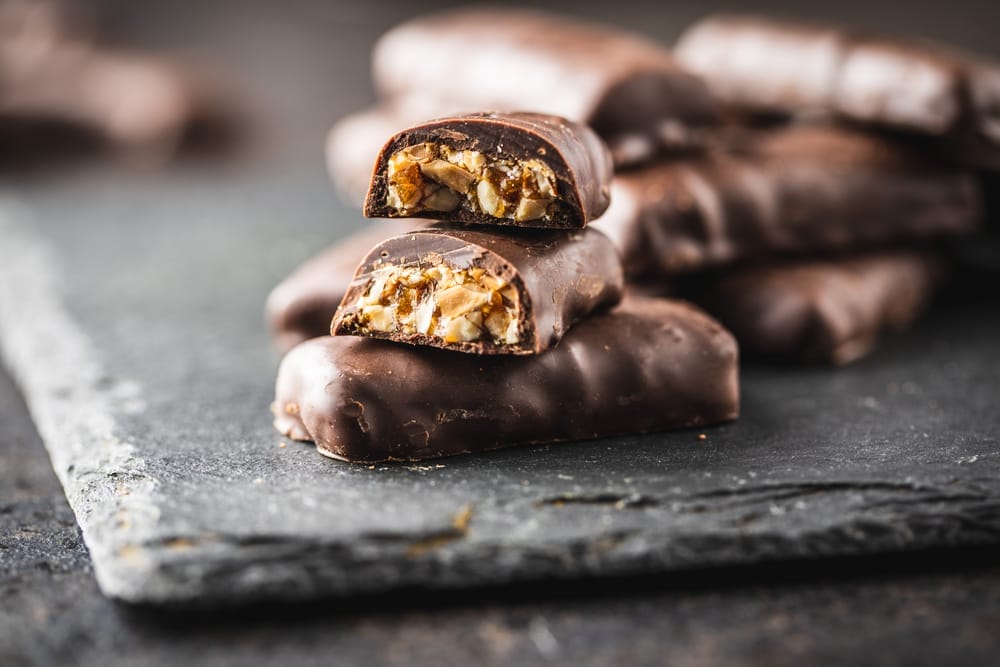
3. Protein Bars

Protein bars are marketed as the perfect on-the-go snack for active people. But take a closer look at the label: many are filled with sugar, artificial flavors, and cheap protein sources. Some bars have calorie counts as high as candy bars, with little fiber or real food ingredients. The price per bar can be $2 or more, which adds up fast if you eat them regularly.

If you really need extra protein, Greek yogurt, nuts, or hard-boiled eggs are better choices. Protein bars often promise more than they deliver, making them one of the healthy foods that are a total rip-off.

4. Flavored Instant Oatmeal Packets

Oatmeal is healthy, but those flavored instant packets? Not so much. They’re loaded with added sugar, artificial flavors, and sometimes even extra salt. The serving sizes are small, so you may end up eating two packets to feel full. Plus, you pay a big markup for convenience.

Buy plain rolled oats in bulk and add your own fruit, nuts, or a drizzle of honey. It’s cheaper, healthier, and you control the ingredients. Skip the instant packets and save your money for real healthy foods, not these total rip-offs.

5. Gluten-Free Snack Foods

Unless you have celiac disease or a diagnosed gluten intolerance, gluten-free processed snacks are usually a waste of money. Many gluten-free crackers, cookies, and chips are just as high in sugar and fat as their regular counterparts. They often use refined starches like rice flour or potato flour, which offer little nutrition.

The “gluten-free” label doesn’t make a food healthy. In fact, these snacks can cost two to three times more than regular options. Focus on naturally gluten-free whole foods like fruits, vegetables, and rice instead of these healthy foods that are a total rip-off.

6. Pre-Cut Fruit and Veggie Packs

Pre-cut fruit and veggie packs seem convenient, but you’re paying a steep premium for a small amount of food. A single serving can cost as much as a whole bag of uncut produce. Plus, pre-cut items spoil faster and can lose nutrients after being exposed to air and light.

With a bit of planning, you can wash and chop your own produce in minutes. You’ll save money and get fresher, more nutritious food. Don’t let convenience turn healthy foods into a total rip-off at the checkout counter.

7. Coconut Water

Coconut water is often marketed as a natural sports drink, but the benefits are overhyped. While it does contain some electrolytes, the levels aren’t high enough to make a real difference unless you’re running marathons. Many brands add sugar or flavorings, which can increase calorie counts.

The price can be $3 or more per bottle, making it one of the most expensive ways to hydrate. For most people, plain water is just as effective—and free. Don’t let the “healthy” image fool you into buying healthy foods that are a total rip-off.

How to Outsmart Overpriced “Healthy” Foods

The best way to avoid healthy foods that are a total rip-off is to focus on whole, minimally processed options. People should check food labels to obtain product information while keeping track of their expenses for single serving portions. The attempt by a food product to appear healthy should alert you that it probably doesn’t offer good value for your money. Shopping the perimeter of the grocery store, where fresh produce and proteins live, can help you avoid many overpriced items.

With a little knowledge, you can skip the healthy foods that are a total rip-off and get real value for your money.

Which “healthy” food do you think is the biggest rip-off? Share your thoughts in the comments below!

What to Read Next…

  • 7 Tactics Grocery Stores Use to Keep You from Thinking About Price
  • 9 Fast Food Items That Nutritionists Secretly Say Are Worse Than Cigarettes
  • 10 Smart Purchases That Are Slowly Making You Broke
  • Are These 8 Money Saving Tricks Actually Keeping You Broke
  • 10 Products That Are Being Pulled From Shelves Without Public Notice
Travis Campbell
Travis Campbell

Travis Campbell is a digital marketer/developer with over 10 years of experience and a writer for over 6 years. He holds a degree in E-commerce and likes to share life advice he’s learned over the years. Travis loves spending time on the golf course or at the gym when he’s not working.

Filed Under: Health & Wellness Tagged With: food rip-offs, grocery shopping, healthy eating, nutrition, saving money

10 Everyday Habits That Could Be Harming Your Brain Over Time

July 30, 2025 by Travis Campbell Leave a Comment

brain scan

Image Source: pexels.com

Your brain is working all the time, even when you’re not thinking about it. It helps you remember names, solve problems, and make decisions. But some daily habits can slowly chip away at your brain’s health, even if you don’t notice right away. These habits can affect your memory, focus, and even your mood. The good news is, you can change most of them. Here are ten everyday habits that could be harming your brain over time—and what you can do about them.

1. Skipping Breakfast

Skipping breakfast might seem harmless, but it can hurt your brain. Your brain needs a steady supply of glucose to work well. When you skip breakfast, your blood sugar drops, and your brain doesn’t get the fuel it needs. This can make you feel tired, irritable, and less focused. Over time, missing breakfast can affect your memory and ability to concentrate. Try to eat something simple in the morning, like oatmeal or eggs, to give your brain a good start.

2. Not Getting Enough Sleep

Sleep is when your brain recharges. If you don’t get enough sleep, your brain can’t clear out toxins that build up during the day. This can lead to problems with memory, learning, and decision-making. Chronic sleep loss is linked to a higher risk of Alzheimer’s disease and other brain disorders. Aim for seven to nine hours of sleep each night. If you have trouble sleeping, try to keep a regular bedtime and avoid screens before bed.

3. Too Much Screen Time

Staring at screens for hours can wear out your brain. It can make you feel foggy and distracted. Too much screen time, especially on social media, can also affect your mood and stress levels. It’s easy to lose track of time scrolling or watching videos, but your brain needs breaks. Try to limit your screen time, especially before bed. Take regular breaks to stretch, walk, or just look away from the screen.

4. Not Drinking Enough Water

Your brain is mostly water. When you’re dehydrated, your brain shrinks a little, and you might feel tired or have trouble thinking clearly. Even mild dehydration can affect your mood, memory, and focus. Make it a habit to drink water throughout the day, not just when you’re thirsty. Carry a water bottle with you and take sips often.

5. Eating Too Much Junk Food

Junk food is everywhere, but it’s not good for your brain. Foods high in sugar, salt, and unhealthy fats can cause inflammation in your brain. This can slow down your thinking and hurt your memory. Over time, a poor diet can raise your risk of depression and dementia. Try to eat more fruits, vegetables, whole grains, and healthy fats like those in nuts and fish. Your brain will thank you.

6. Chronic Stress

Stress is part of life, but too much of it can damage your brain. Chronic stress floods your brain with hormones that can shrink important areas, like the hippocampus, which is key for memory. Stress can also make it hard to focus and learn new things. Find ways to manage stress, like deep breathing, exercise, or talking to someone you trust. Even a few minutes a day can help.

7. Lack of Physical Activity

Sitting all day is bad for your brain. Physical activity increases blood flow to your brain and helps it grow new cells. People who exercise regularly have better memory and thinking skills. You don’t have to run marathons—just walking, stretching, or dancing can help. Try to move your body every day, even if it’s just for a few minutes.

8. Smoking

Smoking doesn’t just hurt your lungs; it also damages your brain. It reduces blood flow and can shrink parts of your brain that control memory and learning. Smokers have a higher risk of stroke and dementia. If you smoke, quitting is one of the best things you can do for your brain. There are many resources to help you stop.

9. Not Challenging Your Brain

Your brain needs exercise, too. Doing the same things every day can make your brain lazy. If you don’t challenge your brain, you might notice problems with memory and thinking as you get older. Try new activities, like learning a language, playing an instrument, or doing puzzles. Even reading a new book or taking a different route to work can help keep your brain sharp.

10. Social Isolation

Humans are social creatures. Spending too much time alone can hurt your brain. Social isolation is linked to a higher risk of depression, anxiety, and even dementia. Talking with friends, joining a group, or volunteering can help keep your brain healthy. Even short conversations can make a difference.

Small Changes, Big Impact

Your daily habits shape your brain’s future. The choices you make today—what you eat, how you move, how you connect with others—can protect your brain for years to come. You don’t have to change everything at once. Start with one habit, and build from there. Your brain is worth it.

What habits have you noticed affect your brain the most? Share your thoughts in the comments.

Read More

8 Times Your Brain Lied to You About Smart Money Moves

New Research Suggests Retirement Homes Might Accelerate Cognitive Decline

Travis Campbell
Travis Campbell

Travis Campbell is a digital marketer/developer with over 10 years of experience and a writer for over 6 years. He holds a degree in E-commerce and likes to share life advice he’s learned over the years. Travis loves spending time on the golf course or at the gym when he’s not working.

Filed Under: Health & Wellness Tagged With: brain health, healthy habits, Lifestyle, memory, mental wellness, nutrition, sleep, stress, wellness tips

9 Fast-Food Items That Nutritionists Secretly Say Are Worse Than Cigarettes

July 26, 2025 by Travis Campbell Leave a Comment

nutrition

Image Source: pexels.com

Fast food is everywhere. It’s quick, cheap, and sometimes feels like the only option when you’re busy. But some fast-food items are so loaded with unhealthy ingredients that nutritionists quietly warn they might be even worse for your health than cigarettes. That’s a bold claim, but it’s not just about calories or fat. It’s about what these foods do to your body over time. Cigarettes are known for their risks, but certain fast-food choices can quietly damage your heart, blood vessels, and even your brain. If you care about your long-term health, it’s worth knowing which menu items to avoid.

Here are nine fast-food items that nutritionists say are worse than cigarettes—and what you can do instead.

1. Double Bacon Cheeseburgers

Double bacon cheeseburgers pack a punch. They’re loaded with saturated fat, sodium, and processed meat. One burger can have more than 1,200 calories and over 2,000 milligrams of sodium. That’s almost your entire daily limit in one meal. The processed bacon adds nitrates, which have been linked to cancer. Eating these burgers regularly can raise your risk of heart disease and stroke. If you want a burger, try a single patty with lots of veggies and skip the bacon.

2. Extra-Large Soda

A giant soda might seem harmless, but it’s a sugar bomb. Some fast-food sodas have over 100 grams of sugar in one cup. That’s more than double the recommended daily limit for adults. Sugar spikes your blood sugar, stresses your pancreas, and can lead to type 2 diabetes. It also increases your risk of heart disease. Water or unsweetened iced tea is a better choice. Even diet sodas aren’t a safe bet, as artificial sweeteners can mess with your metabolism.

3. Fried Chicken Sandwiches

Fried chicken sandwiches are everywhere now. They’re crispy, salty, and often come with mayo-based sauces. The chicken is usually deep-fried in oils high in trans fats. Trans fats are so bad for your heart that some countries have banned them. These sandwiches can have more than 1,000 calories and a day’s worth of sodium. Grilled chicken is a better option, but watch out for the sauces—they can be just as unhealthy.

4. Loaded Nachos

Loaded nachos from fast-food chains are a trap. They’re covered in processed cheese, sour cream, and fatty ground beef. One order can have over 1,500 calories and more than 80 grams of fat. The cheese sauce is often made with artificial ingredients and preservatives. Eating this much saturated fat in one sitting can spike your cholesterol and blood pressure. If you crave nachos, make them at home with baked chips, beans, and fresh salsa.

5. Breakfast Burritos with Sausage

Breakfast burritos sound like a good way to start the day, but the fast-food versions are packed with processed sausage, cheese, and refined carbs. Some have over 900 calories and 50 grams of fat. The sausage is full of sodium and nitrates, which are linked to cancer and heart disease. Eating this for breakfast can leave you feeling sluggish and hungry again by mid-morning. Try oatmeal or eggs with veggies for a healthier start.

6. Milkshakes

Milkshakes are a dessert in a cup. A large fast-food milkshake can have more than 1,000 calories and 120 grams of sugar. That’s like eating three candy bars at once. The sugar rush can lead to a crash, and the saturated fat can clog your arteries. Over time, this kind of treat can increase your risk of obesity, diabetes, and heart disease. If you want something sweet, try a fruit smoothie with no added sugar.

7. Fish Sandwiches

Fish sounds healthy, but fast-food fish sandwiches are usually deep-fried and covered in creamy sauces. The fish is often processed and breaded, then fried in unhealthy oils. One sandwich can have more than 700 calories and 1,000 milligrams of sodium. The sauces add even more fat and calories. If you want fish, look for grilled options and skip the tartar sauce.

8. Mozzarella Sticks

Mozzarella sticks are a popular side, but they’re a nutritional disaster. They’re deep-fried, breaded, and served with sugary marinara sauce. A single order can have over 600 calories and 30 grams of fat. The cheese is high in saturated fat, and the breading soaks up oil. Eating these regularly can raise your cholesterol and increase your risk of heart disease. If you want cheese, try a small piece of real cheese with whole-grain crackers.

9. Super-Sized Fries

Super-sized fries are a classic fast-food item. They’re cheap, salty, and addictive. But a large order can have more than 500 calories and 25 grams of fat. The frying process creates acrylamide, a chemical linked to cancer in animal studies. The salt can raise your blood pressure and make you crave more junk food. If you want fries, order a small size or try baked potato wedges at home.

Rethink Your Fast-Food Choices

Fast food is convenient, but some menu items are worse for your health than you might think. The risks go beyond weight gain. These foods can quietly damage your heart, blood vessels, and even your brain over time. Making small changes—like choosing grilled over fried, skipping the extra cheese, or swapping soda for water—can make a big difference. Your health is worth more than a quick meal.

What’s the worst fast-food item you’ve ever tried? Share your thoughts in the comments.

Read More

This Common Fast Food Ingredient Was Just Linked to Memory Loss

The Real Reasons Fast-Food Chains Are Charging You More for Less Food

Travis Campbell
Travis Campbell

Travis Campbell is a digital marketer/developer with over 10 years of experience and a writer for over 6 years. He holds a degree in E-commerce and likes to share life advice he’s learned over the years. Travis loves spending time on the golf course or at the gym when he’s not working.

Filed Under: Health & Wellness Tagged With: diet, fast food, food choices, health, healthy eating, heart health, nutrition, processed foods, unhealthy foods

These 5 “Healthy” Food Trends Could Be Making You Sick

July 20, 2025 by Travis Campbell Leave a Comment

green juice

Image Source: pexels.com

Trying to eat healthy is a smart move. But sometimes, the latest food trends can do more harm than good. You might think you’re making better choices, but some “healthy” foods can actually make you feel worse. It’s easy to get caught up in what’s popular, especially when everyone around you is doing the same thing. But your body doesn’t care about trends—it cares about what you put in it. If you want to protect your health and your wallet, it’s important to look past the hype. Here are five “healthy” food trends that could be making you sick.

1. Green Juice Cleanses

Green juice is everywhere. You see it in grocery stores, on social media, and in the hands of people at the gym. The idea is simple: drink your veggies and get a quick health boost. But drinking only juice for days, or even replacing meals with juice, can backfire. Juice cleanses often leave out fiber, which your body needs for digestion. Without fiber, you might feel hungry, tired, or even dizzy. Some juice cleanses are also very low in calories, which can slow your metabolism and make you feel weak. And if you have certain health conditions, like diabetes, the high sugar content in some juices can cause problems. Instead of a cleanse, try eating whole fruits and vegetables. Your body will thank you for the fiber and nutrients.

2. Gluten-Free Everything

Gluten-free foods are everywhere now. For people with celiac disease or a true gluten intolerance, avoiding gluten is necessary. But for most people, gluten isn’t the enemy. Many gluten-free products are highly processed and can be low in nutrients. They often have more sugar, fat, or salt to make up for the missing gluten. This can lead to weight gain, blood sugar spikes, and other health issues. Plus, gluten-free foods can be expensive. If you don’t need to avoid gluten for medical reasons, you’re better off eating whole grains like oats, barley, and whole wheat. These foods are full of fiber and important vitamins.

3. Plant-Based Meat Alternatives

Plant-based meat is a big trend. Burgers, sausages, and even chicken nuggets made from plants are popping up everywhere. They sound healthy, but many of these products are highly processed. They can be full of sodium, artificial flavors, and preservatives. Some have just as much saturated fat as real meat. Eating these foods often can raise your risk of high blood pressure and heart problems. If you want to eat less meat, try whole foods like beans, lentils, tofu, or tempeh. These options are less processed and give you more nutrients. Don’t assume that “plant-based” always means healthy.

4. Flavored Yogurt and “Probiotic” Snacks

Yogurt is often seen as a health food, especially when it’s labeled as “probiotic.” But many flavored yogurts and probiotic snacks are loaded with sugar. Some have as much sugar as a dessert. Eating too much sugar can lead to weight gain, tooth decay, and even increase your risk of diabetes. The probiotics in these snacks might not even survive long enough to help your gut. If you want the benefits of probiotics, choose plain yogurt with live cultures and add your own fruit. Or try fermented foods like sauerkraut or kimchi. These have natural probiotics and less sugar.

5. “Natural” Sweeteners

Honey, agave, coconut sugar, and maple syrup are often called “natural” sweeteners. Many people use them instead of white sugar, thinking they’re healthier. But your body processes most sugars the same way. These sweeteners still add calories and can raise your blood sugar. Some, like agave, are very high in fructose, which can be hard on your liver. Using too much of any sweetener can lead to weight gain and other health problems. If you want to cut back on sugar, try using less in your coffee or baking. Focus on eating foods that are naturally sweet, like fruit. Don’t let the word “natural” fool you.

Rethink What “Healthy” Means

Trends come and go, but your health is long-term. Just because a food is popular or labeled as “healthy” doesn’t mean it’s good for you. Many of these trends can cost you more money and leave you feeling worse. The best approach is to eat a variety of whole foods, pay attention to how your body feels, and avoid extremes. Simple meals with real ingredients are often the healthiest choice. Don’t let marketing or social media decide what goes on your plate. Your health and your budget will both benefit from a little skepticism.

Have you tried any of these food trends? Did they help or hurt your health? Share your story in the comments.

Read More

Grocery Foods That Disappear During Economic Downturns

When Food Turns Fatal: The Rise of Black-Market Avocado Heists

Travis Campbell
Travis Campbell

Travis Campbell is a digital marketer/developer with over 10 years of experience and a writer for over 6 years. He holds a degree in E-commerce and likes to share life advice he’s learned over the years. Travis loves spending time on the golf course or at the gym when he’s not working.

Filed Under: Health & Wellness Tagged With: diet, food myths, food trends, health risks, healthy eating, nutrition, wellness

This Common Fast Food Ingredient Was Just Linked to Memory Loss

July 15, 2025 by Travis Campbell Leave a Comment

fast food

Image Source: pexels.com

Fast food is everywhere. It’s quick, cheap, and easy. But what if your favorite drive-thru meal is doing more than just filling you up? Recent research shows that a common fast food ingredient may be linked to memory loss. This isn’t just about weight gain or high cholesterol. It’s about your brain. If you eat fast food often, you need to know what’s in your food and how it could affect your mind.

1. What Is This Fast Food Ingredient?

The fast food ingredient in question is phosphate additives. These are chemicals added to many processed foods, especially in fast food. They help preserve food, improve texture, and boost flavor. You’ll find them in burgers, chicken nuggets, sodas, and even some breads. Phosphates are not new. But the amount used in fast food has gone up over the years. Most people don’t realize how much they’re eating. And that’s a problem.

2. How Phosphate Additives Affect Your Brain

Phosphate additives are now linked to memory loss. Studies show that high levels of phosphates can change how your brain works. They may damage the hippocampus, the part of your brain that controls memory. When you eat too many foods with phosphate additives, your brain may not work as well. You might notice it’s harder to remember things or focus. This isn’t just a theory. Animal studies have shown that diets high in phosphates can lead to memory problems and even increase the risk of dementia.

3. Why Fast Food Is Packed with Phosphates

Fast food chains use phosphate additives for a reason. They make food last longer and taste better. They also keep meat juicy and bread soft. But these benefits come at a cost. The more processed the food, the more likely it is to contain high levels of phosphates. If you eat fast food often, you’re probably getting more phosphates than you think. Even foods that seem healthy, like grilled chicken sandwiches or salads with processed dressings, can be loaded with these additives.

4. Signs You’re Eating Too Many Phosphates

It’s hard to know how much phosphate you’re eating. Food labels don’t always list them clearly. But there are signs your diet may be too high in this fast food ingredient. You might feel tired, have trouble concentrating, or notice your memory isn’t as sharp. Some people also get headaches or muscle aches. If you eat a lot of fast food or processed snacks, you’re at higher risk. The effects can build up over time, making it even harder to spot the problem.

5. How To Spot Phosphate Additives on Labels

Phosphate additives go by many names. Look for words like “phosphoric acid,” “sodium phosphate,” “calcium phosphate,” or “pyrophosphate” on ingredient lists. If you see these, the food contains added phosphates. The more processed the food, the more likely it is to have them. Sodas, deli meats, frozen meals, and even some baked goods are common sources. Checking labels is one of the best ways to avoid this fast-food ingredient.

6. Simple Ways to Cut Down on Phosphates

You don’t have to give up all fast food. But you can make smarter choices. Try to eat more whole foods like fruits, vegetables, and unprocessed meats. Cook at home when you can. If you eat out, choose menu items that are grilled or baked instead of fried. Skip the soda and go for water. Ask for dressings and sauces on the side. These small changes can help you avoid too much of this fast-food ingredient and protect your memory.

7. The Long-Term Risks of Ignoring This Ingredient

Ignoring phosphate additives can have serious effects. Over time, high phosphate intake is linked not just to memory loss, but also to heart disease, kidney problems, and weaker bones. The risks are higher for people with existing health issues, but anyone can be affected. Memory loss can sneak up on you. By the time you notice, it may be hard to reverse. That’s why it’s important to pay attention now.

8. What You Can Do Today

Start by looking at what you eat. Check labels for phosphate additives. Cut back on fast food and processed snacks. Try to cook more meals at home. If you’re worried about your memory, talk to your doctor. They can help you figure out if your diet is part of the problem. Small changes can make a big difference over time. Protecting your brain starts with what you put on your plate.

Protecting Your Memory Starts with Your Next Meal

Your brain is worth protecting. The link between this fast-food ingredient and memory loss is real. You don’t have to overhaul your life overnight. But every meal is a chance to make a better choice. The next time you’re at the drive-thru, think about what’s in your food. Your memory may depend on it.

Have you noticed changes in your memory after eating fast food? Share your thoughts or experiences in the comments below.

Read More

How to Save on Your Electric Bill in the Winter

The Most Important Financial Terms for Young People

Travis Campbell
Travis Campbell

Travis Campbell is a digital marketer/developer with over 10 years of experience and a writer for over 6 years. He holds a degree in E-commerce and likes to share life advice he’s learned over the years. Travis loves spending time on the golf course or at the gym when he’s not working.

Filed Under: Health & Wellness Tagged With: brain health, diet, fast food, food additives, health, memory loss, nutrition, processed food

10 Things Your Personal Trainer Won’t Say (But Should)

May 19, 2025 by Travis Campbell Leave a Comment

personal trainer

Image Source: pexels.com

If you’ve ever worked with a personal trainer, you know the drill: upbeat encouragement, tough love, and a whole lot of sweat. But behind the motivational slogans and perfectly timed high-fives, there are some things your personal trainer probably isn’t telling you—things that could make a real difference in your fitness journey. Whether you’re a gym newbie or a seasoned lifter, understanding these unspoken truths can help you set realistic expectations, avoid common pitfalls, and maximize your investment. Let’s remove the curtain and reveal what your trainer won’t say (but absolutely should).

1. Results Take Longer Than You Think

We all want quick results, but the truth is, sustainable fitness progress takes time. Your personal trainer might not want to dampen your enthusiasm, but it’s important to know that real change—fat loss, muscle gain, or improved endurance—usually happens over months, not weeks. The Centers for Disease Control and Prevention, a safe and sustainable rate of weight loss is 1-2 pounds per week. So, don’t get discouraged if you’re not seeing dramatic changes after a few sessions. Consistency is your best friend.

2. Nutrition Is More Important Than Exercise

You can’t out-train a bad diet. While your personal trainer might focus on your workout routine, what you eat is much bigger in your results. Research shows that nutrition accounts for up to 80% of your body composition changes. If you’re not seeing progress, it might be time to look closely at your eating habits. Consider consulting a registered dietitian or using reputable resources like Harvard’s Nutrition Source to guide your choices.

3. I Don’t Have All the Answers

Personal trainers are knowledgeable but not miracle workers or medical professionals. Your trainer should encourage you to consult a doctor or physical therapist if you have chronic pain, injuries, or health conditions. Don’t be afraid to ask questions or seek second opinions. The best trainers know their limits and will refer you to the right experts when needed.

4. You Might Not Need Me Forever

It might sound counterintuitive, but a great personal trainer wants you to become independent. The goal is to teach you proper form, help you build confidence, and give you the tools to work independently. If you still rely on your trainer for every workout after a year, it might be time to reassess your goals and see if you’re ready to fly solo.

5. Rest Days Are Essential

Many people think more is always better, but overtraining can actually set you back. Your personal trainer might push you hard, but they should also remind you that rest and recovery are just as important as the workouts themselves. Rest days help your muscles repair, reduce injury risk, and motivate you. Listen to your body and don’t feel guilty about taking a break.

6. Progress Isn’t Always Linear

Some weeks you’ll crush your goals, and others you might feel like you’re moving backward. That’s normal! Plateaus, setbacks, and fluctuations are all part of the process. Your personal trainer should help you celebrate small wins and stay focused on long-term progress, not just the scale numbers or the bar’s weight.

7. Form Matters More Than Weight

Chasing bigger numbers is tempting, but lifting heavier with poor form is a recipe for injury. Your personal trainer should prioritize teaching you proper technique over adding more weight. Mastering the basics will help you avoid setbacks and make steady progress. Don’t be afraid to ask for feedback or to lower the weight if your form slips.

8. Motivation Will Come and Go

Even the most dedicated gym-goers have days when they’d rather stay in bed. Your personal trainer might seem endlessly enthusiastic, but they know motivation is fleeting. The key is to build habits and routines that keep you moving even when you’re not feeling it. Set realistic goals, track your progress, and find ways to make fitness enjoyable—whether that’s trying new activities or working out with friends.

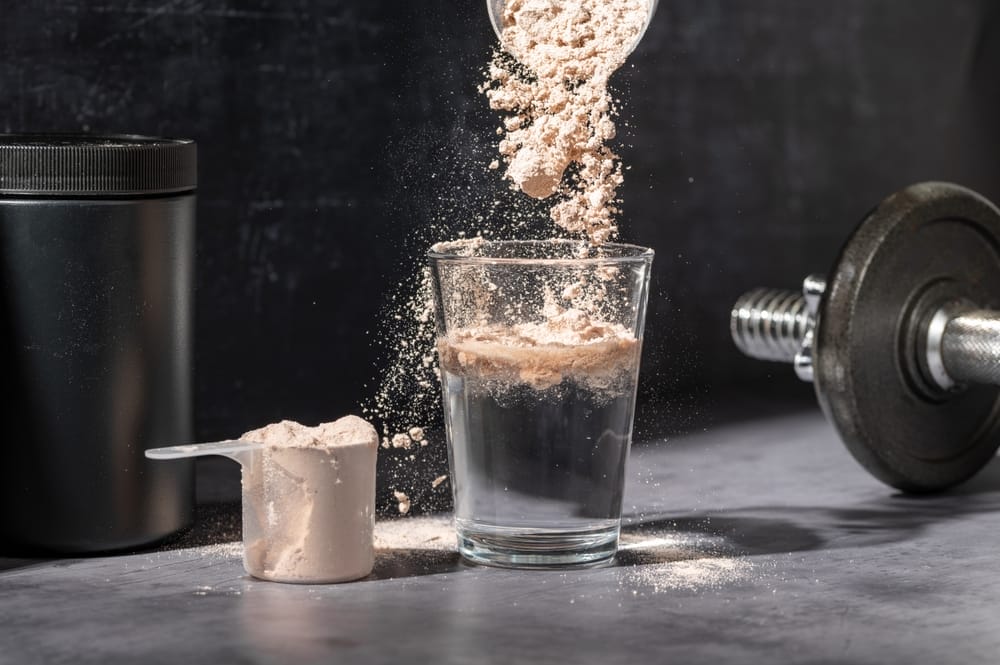
9. Supplements Aren’t Magic

Getting caught up in the latest supplement trends is easy, but most people don’t need fancy powders or pills to see results. Your personal trainer should be honest about what’s truly necessary. Focus on whole foods, hydration, and sleep before spending money on supplements. If you’re considering adding something new to your routine, consult a healthcare professional first.

10. Your Mental Health Matters, Too

Fitness isn’t just about physical gains. Exercise can boost your mood, reduce stress, and improve your overall well-being. But it’s also important to recognize when you’re pushing too hard or using exercise as a way to cope with deeper issues. Your personal trainer should encourage a balanced approach and support you in seeking help if you’re struggling with anxiety, depression, or body image concerns. Remember, a healthy mind is just as important as a healthy body.

Empower Yourself for Lasting Results

The best personal trainers are those who empower you with knowledge, honesty, and support. By understanding these ten truths, you can set realistic expectations, avoid common mistakes, and take charge of your own fitness journey. Remember, your personal trainer is a guide, not a magician. The real magic happens when you combine their expertise with your own commitment and self-awareness.

What’s something you wish your personal trainer had told you sooner? Share your thoughts and experiences in the comments below!

Read More

12 Private Clubs Only the Wealthy Can Afford

10 Things You Should Never Try to Negotiate in a Job Compensation Package

Travis Campbell
Travis Campbell

Travis Campbell is a digital marketer/developer with over 10 years of experience and a writer for over 6 years. He holds a degree in E-commerce and likes to share life advice he’s learned over the years. Travis loves spending time on the golf course or at the gym when he’s not working.

Filed Under: Health & Wellness Tagged With: exercise, fitness tips, gym, healthy habits, mental health, motivation, nutrition, personal trainer, weight loss, workout advice

FOLLOW US

Search this site:

Recent Posts

  • Can My Savings Account Affect My Financial Aid? by Tamila McDonald
  • 12 Ways Gen X’s Views Clash with Millennials… by Tamila McDonald
  • What Advantages and Disadvantages Are There To… by Jacob Sensiba
  • 10 Tactics for Building an Emergency Fund from Scratch by Vanessa Bermudez
  • Call 911: Go To the Emergency Room Immediately If… by Stephen Kanaval
  • 7 Weird Things You Can Sell Online by Tamila McDonald
  • 10 Scary Facts About DriveTime by Tamila McDonald

Copyright © 2026 · News Pro Theme on Genesis Framework