• Home
  • About Us
  • Toolkit
  • Getting Finances Done
    • Hiring Advisors
    • Debt Management
    • Spending Plan
  • Insurance
    • Life Insurance
    • Health Insurance
    • Disability Insurance
    • Homeowners/Renters Insurance
  • Contact Us
  • Privacy Policy
  • Risk Tolerance Quiz

The Free Financial Advisor

You are here: Home / Archives for healthy eating

7 Budget Foods Americans Rely On That Doctors Say Create Bigger Problems Later

January 30, 2026 by Brandon Marcus Leave a Comment

These Are 7 Budget Foods Americans Rely On That Doctors Say Create Bigger Problems Later

Image source: shutterstock.com

We all love a good deal. Those $1 frozen meals, bargain-brand chips, and instant noodles lining the shelves of supermarkets seem like lifesavers for anyone on a budget.

But here’s the painful truth: while these foods might fill your stomach without emptying your wallet, doctors say they can quietly wreak havoc on your health over time. Think of it as a financial investment gone rogue—you save money today but pay a much bigger price later.

1. Frozen Dinners: Convenience Comes at a Hidden Cost

Frozen dinners are the ultimate “I don’t have time” meal solution. They’re cheap, quick, and often marketed as complete meals. But doctors warn that most are loaded with sodium, preservatives, and added sugars, which can raise blood pressure, increase the risk of heart disease, and even contribute to insulin resistance.

A single frozen entrée can contain more than half your daily sodium limit. While the microwave might seem like a lifesaver, relying on these meals regularly is like hitting the fast-forward button on chronic health problems. For a smarter option, consider meal-prepping with frozen vegetables and lean proteins. It’s still convenient but keeps your sodium intake in check.

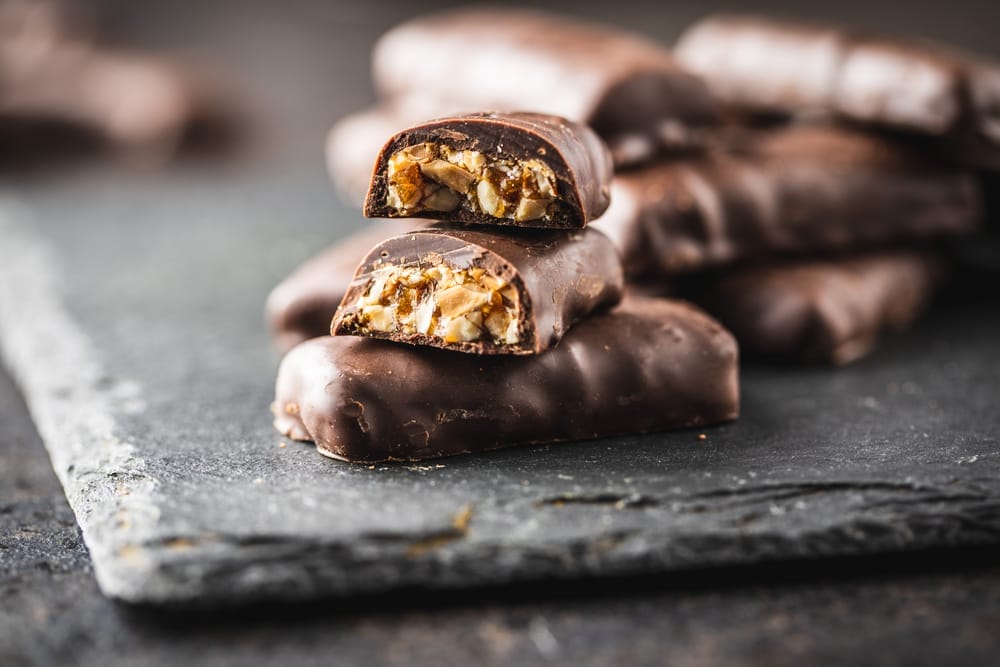
2. Packaged Snack Cakes: Sweet, Cheap, and Dangerous

Who doesn’t love a chocolate-filled snack cake for a dollar or less? They’re perfectly portioned, travel-friendly, and scream comfort. The catch? Most of these treats are made with refined flour, trans fats, and a sugar content that can spike blood sugar faster than your morning coffee.

Beyond short-term sugar crashes, frequent consumption can contribute to obesity, type 2 diabetes, and even liver issues. Dietitians suggest swapping these packaged delights for a homemade energy bite or a piece of fruit with nut butter—still indulgent, but with fewer health consequences. Sweet satisfaction doesn’t have to mean long-term damage.

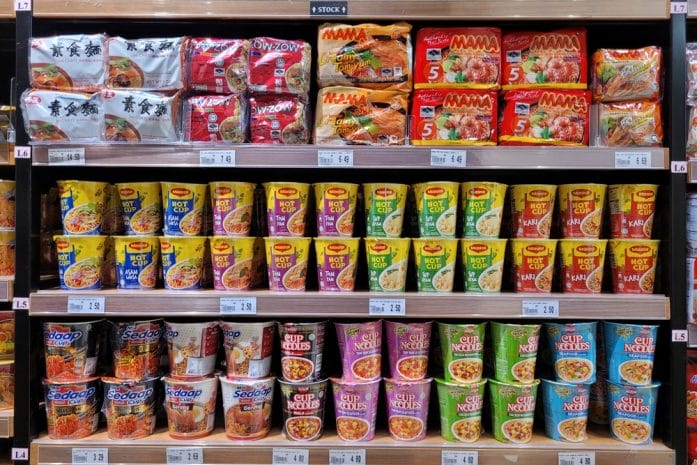
3. Instant Noodles: The Affordable Dinner Trap

Instant noodles have saved countless college students and busy adults from culinary despair. They’re cheap, easy, and oddly comforting. But the truth is harsh: these noodles often come with seasoning packets containing massive amounts of sodium, MSG, and artificial flavors. Regularly eating instant noodles is associated with higher risks of metabolic syndrome, which includes high blood pressure, excess belly fat, and abnormal cholesterol levels.

If ramen is your go-to, doctors recommend “greening up” your noodles by adding fresh veggies, lean proteins, and using only half the seasoning packet. That way, your wallet and your waistline both stay happier.
These Are 7 Budget Foods Americans Rely On That Doctors Say Create Bigger Problems Later

Image source: shutterstock.com

4. Sugary Cereals: Breakfast That Betrays You

Sugar-laden cereals are a nostalgic favorite, and they often cost less than healthier options. Kids love them, adults sometimes sneak them, and grocery stores stock them with pride. But studies show that high-sugar breakfasts can lead to blood sugar spikes, energy crashes, and cravings for more sweets throughout the day. Some cereals contain more sugar per serving than a candy bar!

Instead of going cold turkey, consider pairing a smaller portion of cereal with Greek yogurt or fresh fruit. This combo adds protein and fiber, slowing sugar absorption while keeping the breakfast ritual alive.

5. Canned Soups: Affordable, But Often Overloaded

Canned soups are pantry heroes, especially in chilly months when comfort is king. However, many canned varieties are packed with sodium. High sodium intake can increase blood pressure and strain your cardiovascular system, particularly if eaten frequently.

If you love canned soup, check for “low-sodium” options or make your own batch using broth, vegetables, and beans. It takes a little more effort but drastically reduces hidden health risks. A little prep goes a long way when it comes to heart health.

6. Processed Lunch Meats: Cheap Protein, High Risk

Deli meats, hot dogs, and pre-packaged cold cuts are popular for their convenience and low price. But doctors caution that they’re often loaded with nitrates, sodium, and saturated fats, all of which can increase the risk of heart disease and certain cancers. Studies suggest that even moderate consumption of processed meats can have long-term health consequences.

Consider rotating with grilled chicken, turkey breast, or even plant-based proteins for a budget-friendly alternative that doesn’t compromise your well-being. A small swap can yield big benefits over time.

7. Cheap Potato Chips: The Snack That Sneaks Damage

Potato chips are cheap, addictive, and seemingly harmless in small doses—but doctors warn they’re a triple threat. They’re loaded with unhealthy fats, salt, and sometimes artificial flavorings, all contributing to cardiovascular stress, weight gain, and inflammation. Even a single bag can pack hundreds of empty calories, leaving you full but nutritionally bankrupt.

Swapping chips for air-popped popcorn, roasted chickpeas, or veggie sticks with hummus can satisfy cravings while actually nourishing your body. Crunch responsibly, your future self will thank you.

Your Wallet and Health Can Coexist—If You Play It Smart

Budget-friendly foods don’t have to mean long-term health disasters. The key is awareness and strategic swaps. Frozen dinners, snack cakes, instant noodles, sugary cereals, canned soups, processed meats, and potato chips can all fit into life occasionally—but making them staples? That’s where trouble starts.

What’s your take—would you swap your go-to budget food for a healthier alternative, or do you think the convenience is worth the risk? Share your thoughts in the comments!

You May Also Like…

7 “Healthy” Foods That Are a Total Rip-Off

How Fast-Food Chains Are Cutting Costs by Changing Ingredients

9 Fast-Food Items That Nutritionists Secretly Say Are Worse Than Cigarettes

7 Bizarre Facts About the Human Body That Doctors Can’t Explain

6 Healthy Budget Tips To Keep Your Financially Healthy Until Payday

Brandon Marcus
Brandon Marcus

Brandon Marcus is a writer who has been sharing the written word since a very young age. His interests include sports, history, pop culture, and so much more. When he isn’t writing, he spends his time jogging, drinking coffee, or attempting to read a long book he may never complete.
Filed Under: Frugal Living Tagged With: budget foods, canned soup, diet advice, food, food and drink, frozen dinners, frugal living, healthy eating, healthy swaps, heart health, instant noodles, nutrition tips, potato chips, processed meats, snack cakes, sugary cereals

7 “Healthy” Foods That Are a Total Rip-Off

October 29, 2025 by Travis Campbell Leave a Comment

protein bars

Image source: shutterstock.com

Eating healthy is important, but many foods marketed as “healthy” are more about profits than nutrition. The majority of products in grocery stores display “healthy” labels, but they fail to deliver any real health benefits or monetary worth. These foods, which people consider healthy, actually contain high amounts of sugar, sodium, and useless calories. Companies use attractive packaging and popular marketing terms to make products appear more appealing than their actual worth, leading to prices that exceed their value. The ability to identify which nutritious foods offer no value enables you to select better options while controlling your food expenses. Seven of the most harmful products will be analyzed to help you protect your money and maintain your health.

1. Bottled Green Juices

Bottled green juices are everywhere, promising a quick way to get your daily veggies. But if you look past the green color and “superfood” claims, most are a total rip-off. Many are packed with apple or pear juice to make them taste better, which adds a lot of sugar and calories. The actual vegetable content is often minimal. Plus, these juices can cost $5 or more per bottle, far more than a homemade salad or smoothie.

Instead of buying bottled green juices, make your own at home or eat whole fruits and vegetables. You’ll get more fiber, less sugar, and a lot more value for your money. Don’t fall for the healthy foods that are a total rip-off just because they look green and trendy.

2. Veggie Chips

Veggie chips sound like a smart alternative to regular potato chips, but most are just as unhealthy—and far more expensive. Many brands use vegetable powders or extracts, not real slices of vegetables. The main ingredients are often potato starch or corn flour, fried and salted just like traditional chips. You might get a trace of spinach or beet powder, but it’s nowhere near eating real veggies.

The price tag is usually double that of regular chips, but you’re not getting more nutrition. If you want a crunchy snack, try roasting your own vegetables at home. Avoid these healthy foods that are a total rip-off and opt for snacks with real benefits.

3. Protein Bars

Protein bars are marketed as the perfect on-the-go snack for active people. But take a closer look at the label: many are filled with sugar, artificial flavors, and cheap protein sources. Some bars have calorie counts as high as candy bars, with little fiber or real food ingredients. The price per bar can be $2 or more, which adds up fast if you eat them regularly.

If you really need extra protein, Greek yogurt, nuts, or hard-boiled eggs are better choices. Protein bars often promise more than they deliver, making them one of the healthy foods that are a total rip-off.

4. Flavored Instant Oatmeal Packets

Oatmeal is healthy, but those flavored instant packets? Not so much. They’re loaded with added sugar, artificial flavors, and sometimes even extra salt. The serving sizes are small, so you may end up eating two packets to feel full. Plus, you pay a big markup for convenience.

Buy plain rolled oats in bulk and add your own fruit, nuts, or a drizzle of honey. It’s cheaper, healthier, and you control the ingredients. Skip the instant packets and save your money for real healthy foods, not these total rip-offs.

5. Gluten-Free Snack Foods

Unless you have celiac disease or a diagnosed gluten intolerance, gluten-free processed snacks are usually a waste of money. Many gluten-free crackers, cookies, and chips are just as high in sugar and fat as their regular counterparts. They often use refined starches like rice flour or potato flour, which offer little nutrition.

The “gluten-free” label doesn’t make a food healthy. In fact, these snacks can cost two to three times more than regular options. Focus on naturally gluten-free whole foods like fruits, vegetables, and rice instead of these healthy foods that are a total rip-off.

6. Pre-Cut Fruit and Veggie Packs

Pre-cut fruit and veggie packs seem convenient, but you’re paying a steep premium for a small amount of food. A single serving can cost as much as a whole bag of uncut produce. Plus, pre-cut items spoil faster and can lose nutrients after being exposed to air and light.

With a bit of planning, you can wash and chop your own produce in minutes. You’ll save money and get fresher, more nutritious food. Don’t let convenience turn healthy foods into a total rip-off at the checkout counter.

7. Coconut Water

Coconut water is often marketed as a natural sports drink, but the benefits are overhyped. While it does contain some electrolytes, the levels aren’t high enough to make a real difference unless you’re running marathons. Many brands add sugar or flavorings, which can increase calorie counts.

The price can be $3 or more per bottle, making it one of the most expensive ways to hydrate. For most people, plain water is just as effective—and free. Don’t let the “healthy” image fool you into buying healthy foods that are a total rip-off.

How to Outsmart Overpriced “Healthy” Foods

The best way to avoid healthy foods that are a total rip-off is to focus on whole, minimally processed options. People should check food labels to obtain product information while keeping track of their expenses for single serving portions. The attempt by a food product to appear healthy should alert you that it probably doesn’t offer good value for your money. Shopping the perimeter of the grocery store, where fresh produce and proteins live, can help you avoid many overpriced items.

With a little knowledge, you can skip the healthy foods that are a total rip-off and get real value for your money.

Which “healthy” food do you think is the biggest rip-off? Share your thoughts in the comments below!

What to Read Next…

  • 7 Tactics Grocery Stores Use to Keep You from Thinking About Price
  • 9 Fast Food Items That Nutritionists Secretly Say Are Worse Than Cigarettes
  • 10 Smart Purchases That Are Slowly Making You Broke
  • Are These 8 Money Saving Tricks Actually Keeping You Broke
  • 10 Products That Are Being Pulled From Shelves Without Public Notice
Travis Campbell
Travis Campbell

Travis Campbell is a digital marketer/developer with over 10 years of experience and a writer for over 6 years. He holds a degree in E-commerce and likes to share life advice he’s learned over the years. Travis loves spending time on the golf course or at the gym when he’s not working.

Filed Under: Health & Wellness Tagged With: food rip-offs, grocery shopping, healthy eating, nutrition, saving money

9 Fast-Food Items That Nutritionists Secretly Say Are Worse Than Cigarettes

July 26, 2025 by Travis Campbell Leave a Comment

nutrition

Image Source: pexels.com

Fast food is everywhere. It’s quick, cheap, and sometimes feels like the only option when you’re busy. But some fast-food items are so loaded with unhealthy ingredients that nutritionists quietly warn they might be even worse for your health than cigarettes. That’s a bold claim, but it’s not just about calories or fat. It’s about what these foods do to your body over time. Cigarettes are known for their risks, but certain fast-food choices can quietly damage your heart, blood vessels, and even your brain. If you care about your long-term health, it’s worth knowing which menu items to avoid.

Here are nine fast-food items that nutritionists say are worse than cigarettes—and what you can do instead.

1. Double Bacon Cheeseburgers

Double bacon cheeseburgers pack a punch. They’re loaded with saturated fat, sodium, and processed meat. One burger can have more than 1,200 calories and over 2,000 milligrams of sodium. That’s almost your entire daily limit in one meal. The processed bacon adds nitrates, which have been linked to cancer. Eating these burgers regularly can raise your risk of heart disease and stroke. If you want a burger, try a single patty with lots of veggies and skip the bacon.

2. Extra-Large Soda

A giant soda might seem harmless, but it’s a sugar bomb. Some fast-food sodas have over 100 grams of sugar in one cup. That’s more than double the recommended daily limit for adults. Sugar spikes your blood sugar, stresses your pancreas, and can lead to type 2 diabetes. It also increases your risk of heart disease. Water or unsweetened iced tea is a better choice. Even diet sodas aren’t a safe bet, as artificial sweeteners can mess with your metabolism.

3. Fried Chicken Sandwiches

Fried chicken sandwiches are everywhere now. They’re crispy, salty, and often come with mayo-based sauces. The chicken is usually deep-fried in oils high in trans fats. Trans fats are so bad for your heart that some countries have banned them. These sandwiches can have more than 1,000 calories and a day’s worth of sodium. Grilled chicken is a better option, but watch out for the sauces—they can be just as unhealthy.

4. Loaded Nachos

Loaded nachos from fast-food chains are a trap. They’re covered in processed cheese, sour cream, and fatty ground beef. One order can have over 1,500 calories and more than 80 grams of fat. The cheese sauce is often made with artificial ingredients and preservatives. Eating this much saturated fat in one sitting can spike your cholesterol and blood pressure. If you crave nachos, make them at home with baked chips, beans, and fresh salsa.

5. Breakfast Burritos with Sausage

Breakfast burritos sound like a good way to start the day, but the fast-food versions are packed with processed sausage, cheese, and refined carbs. Some have over 900 calories and 50 grams of fat. The sausage is full of sodium and nitrates, which are linked to cancer and heart disease. Eating this for breakfast can leave you feeling sluggish and hungry again by mid-morning. Try oatmeal or eggs with veggies for a healthier start.

6. Milkshakes

Milkshakes are a dessert in a cup. A large fast-food milkshake can have more than 1,000 calories and 120 grams of sugar. That’s like eating three candy bars at once. The sugar rush can lead to a crash, and the saturated fat can clog your arteries. Over time, this kind of treat can increase your risk of obesity, diabetes, and heart disease. If you want something sweet, try a fruit smoothie with no added sugar.

7. Fish Sandwiches

Fish sounds healthy, but fast-food fish sandwiches are usually deep-fried and covered in creamy sauces. The fish is often processed and breaded, then fried in unhealthy oils. One sandwich can have more than 700 calories and 1,000 milligrams of sodium. The sauces add even more fat and calories. If you want fish, look for grilled options and skip the tartar sauce.

8. Mozzarella Sticks

Mozzarella sticks are a popular side, but they’re a nutritional disaster. They’re deep-fried, breaded, and served with sugary marinara sauce. A single order can have over 600 calories and 30 grams of fat. The cheese is high in saturated fat, and the breading soaks up oil. Eating these regularly can raise your cholesterol and increase your risk of heart disease. If you want cheese, try a small piece of real cheese with whole-grain crackers.

9. Super-Sized Fries

Super-sized fries are a classic fast-food item. They’re cheap, salty, and addictive. But a large order can have more than 500 calories and 25 grams of fat. The frying process creates acrylamide, a chemical linked to cancer in animal studies. The salt can raise your blood pressure and make you crave more junk food. If you want fries, order a small size or try baked potato wedges at home.

Rethink Your Fast-Food Choices

Fast food is convenient, but some menu items are worse for your health than you might think. The risks go beyond weight gain. These foods can quietly damage your heart, blood vessels, and even your brain over time. Making small changes—like choosing grilled over fried, skipping the extra cheese, or swapping soda for water—can make a big difference. Your health is worth more than a quick meal.

What’s the worst fast-food item you’ve ever tried? Share your thoughts in the comments.

Read More

This Common Fast Food Ingredient Was Just Linked to Memory Loss

The Real Reasons Fast-Food Chains Are Charging You More for Less Food

Travis Campbell
Travis Campbell

Travis Campbell is a digital marketer/developer with over 10 years of experience and a writer for over 6 years. He holds a degree in E-commerce and likes to share life advice he’s learned over the years. Travis loves spending time on the golf course or at the gym when he’s not working.

Filed Under: Health & Wellness Tagged With: diet, fast food, food choices, health, healthy eating, heart health, nutrition, processed foods, unhealthy foods

These 5 “Healthy” Food Trends Could Be Making You Sick

July 20, 2025 by Travis Campbell Leave a Comment

green juice

Image Source: pexels.com

Trying to eat healthy is a smart move. But sometimes, the latest food trends can do more harm than good. You might think you’re making better choices, but some “healthy” foods can actually make you feel worse. It’s easy to get caught up in what’s popular, especially when everyone around you is doing the same thing. But your body doesn’t care about trends—it cares about what you put in it. If you want to protect your health and your wallet, it’s important to look past the hype. Here are five “healthy” food trends that could be making you sick.

1. Green Juice Cleanses

Green juice is everywhere. You see it in grocery stores, on social media, and in the hands of people at the gym. The idea is simple: drink your veggies and get a quick health boost. But drinking only juice for days, or even replacing meals with juice, can backfire. Juice cleanses often leave out fiber, which your body needs for digestion. Without fiber, you might feel hungry, tired, or even dizzy. Some juice cleanses are also very low in calories, which can slow your metabolism and make you feel weak. And if you have certain health conditions, like diabetes, the high sugar content in some juices can cause problems. Instead of a cleanse, try eating whole fruits and vegetables. Your body will thank you for the fiber and nutrients.

2. Gluten-Free Everything

Gluten-free foods are everywhere now. For people with celiac disease or a true gluten intolerance, avoiding gluten is necessary. But for most people, gluten isn’t the enemy. Many gluten-free products are highly processed and can be low in nutrients. They often have more sugar, fat, or salt to make up for the missing gluten. This can lead to weight gain, blood sugar spikes, and other health issues. Plus, gluten-free foods can be expensive. If you don’t need to avoid gluten for medical reasons, you’re better off eating whole grains like oats, barley, and whole wheat. These foods are full of fiber and important vitamins.

3. Plant-Based Meat Alternatives

Plant-based meat is a big trend. Burgers, sausages, and even chicken nuggets made from plants are popping up everywhere. They sound healthy, but many of these products are highly processed. They can be full of sodium, artificial flavors, and preservatives. Some have just as much saturated fat as real meat. Eating these foods often can raise your risk of high blood pressure and heart problems. If you want to eat less meat, try whole foods like beans, lentils, tofu, or tempeh. These options are less processed and give you more nutrients. Don’t assume that “plant-based” always means healthy.

4. Flavored Yogurt and “Probiotic” Snacks

Yogurt is often seen as a health food, especially when it’s labeled as “probiotic.” But many flavored yogurts and probiotic snacks are loaded with sugar. Some have as much sugar as a dessert. Eating too much sugar can lead to weight gain, tooth decay, and even increase your risk of diabetes. The probiotics in these snacks might not even survive long enough to help your gut. If you want the benefits of probiotics, choose plain yogurt with live cultures and add your own fruit. Or try fermented foods like sauerkraut or kimchi. These have natural probiotics and less sugar.

5. “Natural” Sweeteners

Honey, agave, coconut sugar, and maple syrup are often called “natural” sweeteners. Many people use them instead of white sugar, thinking they’re healthier. But your body processes most sugars the same way. These sweeteners still add calories and can raise your blood sugar. Some, like agave, are very high in fructose, which can be hard on your liver. Using too much of any sweetener can lead to weight gain and other health problems. If you want to cut back on sugar, try using less in your coffee or baking. Focus on eating foods that are naturally sweet, like fruit. Don’t let the word “natural” fool you.

Rethink What “Healthy” Means

Trends come and go, but your health is long-term. Just because a food is popular or labeled as “healthy” doesn’t mean it’s good for you. Many of these trends can cost you more money and leave you feeling worse. The best approach is to eat a variety of whole foods, pay attention to how your body feels, and avoid extremes. Simple meals with real ingredients are often the healthiest choice. Don’t let marketing or social media decide what goes on your plate. Your health and your budget will both benefit from a little skepticism.

Have you tried any of these food trends? Did they help or hurt your health? Share your story in the comments.

Read More

Grocery Foods That Disappear During Economic Downturns

When Food Turns Fatal: The Rise of Black-Market Avocado Heists

Travis Campbell
Travis Campbell

Travis Campbell is a digital marketer/developer with over 10 years of experience and a writer for over 6 years. He holds a degree in E-commerce and likes to share life advice he’s learned over the years. Travis loves spending time on the golf course or at the gym when he’s not working.

Filed Under: Health & Wellness Tagged With: diet, food myths, food trends, health risks, healthy eating, nutrition, wellness

13 Reasons Why Some People Can Eat Whatever They Want and Not Gain Weight

May 22, 2024 by Vanessa Bermudez Leave a Comment

Why Some People Can Eat Whatever They Want and Not Gain Weight

123rf

Have you ever envied that friend who can polish off a whole pizza, follow it up with a giant slice of chocolate cake, and still fit into jeans they wore in high school? While it might seem like they’ve hit the genetic jackpot, there’s actually a mix of factors at play. From metabolic mysteries to lifestyle choices, let’s dive into the 13 fascinating reasons why some people can eat to their heart’s content without gaining an ounce.

1. Genetics Play a Big Role

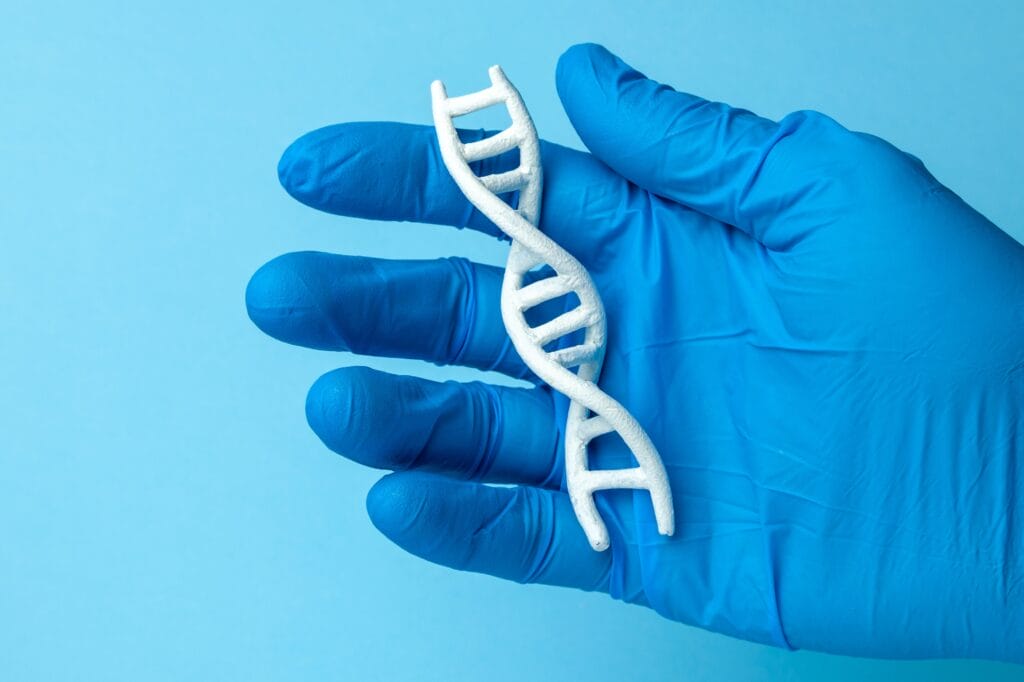
dna

123rf

Genetics significantly influence an individual’s propensity to maintain a stable weight. Certain genes can affect metabolism, making it easier for some people to burn calories efficiently. Additionally, genetic variations can impact how the body stores fat and responds to physical activity. People with specific genetic markers may experience less hunger and greater satiety, aiding in weight management.

2. They Have More Muscle Mass

muscle mass

123rf

Having more muscle mass plays a crucial role in preventing weight gain. Muscles are metabolically active tissues that burn more calories at rest compared to fat. This higher resting metabolic rate means that individuals with greater muscle mass can consume more calories without gaining weight. Additionally, muscle mass improves insulin sensitivity, helping the body to use glucose more effectively and preventing fat storage. Regular strength training not only builds muscle but also boosts overall metabolism. People with higher muscle mass also tend to engage in more physical activity, further enhancing calorie expenditure.

3. Differences in Hormone Levels

hormone levels

123rf

Differences in hormone levels can significantly impact an individual’s ability to avoid weight gain. Hormones like leptin and ghrelin regulate hunger and satiety, influencing food intake. People with balanced levels of these hormones may feel full sooner and stay satisfied longer, reducing overeating. Additionally, hormones such as insulin and cortisol play roles in fat storage and metabolism, where optimal levels help prevent excess fat accumulation.

4. A Highly Active Lifestyle

active lifestyle

123rf

It’s not always what you eat but what you do. People who are constantly on the move burn more calories. Whether it’s regular trips to the gym, cycling to work, or just being naturally fidgety, active lifestyles help keep the pounds off. Active individuals often have better muscle mass, which boosts metabolism and further aids in burning calories. Moreover, an active lifestyle can help regulate appetite and improve overall energy balance.

5. They Don’t Absorb All the Calories They Eat

a woman eating a burger

123rf

Some people don’t absorb all the calories they eat, which can help them avoid weight gain. This reduced absorption can be due to differences in digestion and gut microbiota. When fewer calories are absorbed, the body has less excess energy to store as fat. Additionally, certain foods, like those high in fiber, can pass through the digestive system with fewer calories being absorbed.

6. Frequent Small Meals

eating healthy

123rf

Eating patterns play a crucial role. Those who munch on smaller meals throughout the day might have better control over their metabolism and less dramatic insulin spikes, which helps manage weight. Smaller, regular meals can help keep metabolism active throughout the day, aiding in continuous calorie burning. Also, it can help regulate blood sugar levels, preventing spikes and crashes that can lead to cravings. Consistently eating small meals can also provide a steady stream of energy, promoting better overall physical activity. 

7. High Metabolic Rate

drinking water

123rf

Some people have a naturally high basal metabolic rate (BMR). Individuals with a faster metabolism burn more calories at rest and during activities, making it easier to maintain a healthy weight. This increased calorie expenditure helps prevent excess energy from being stored as fat. Additionally, a high metabolic rate can enhance the efficiency of nutrient utilization, supporting overall health and energy levels. Factors such as genetics, muscle mass, and physical activity levels contribute to metabolic rate variations.

8. Efficient Fat Oxidation

weight loss

123rf

The ability to burn fat effectively is another key factor. Some people have bodies that preferentially use fat as an energy source, which can prevent weight gain even when their diet is rich in fats. They can burn more fat during both rest and physical activity. This process helps in managing weight by utilizing fat stores instead of relying solely on carbohydrates for energy. Factors like regular exercise, a balanced diet, and genetics can enhance fat oxidation.

9. Hydration Habits

hydration

123rf

Hydration habits play a significant role in maintaining a healthy weight. Drinking adequate water can boost metabolism, helping the body burn more calories. Proper hydration also aids in digestion and prevents water retention, which can contribute to a healthier weight. Additionally, drinking water before meals can promote a sense of fullness, reducing overall calorie intake. Staying hydrated can also improve physical performance, encouraging more consistent physical activity.

10. Mindful Eating

mindful eating

123rf

Being mindful about what and when you eat can impact weight significantly. By paying close attention to hunger and fullness cues, individuals can avoid overeating and better regulate their calorie intake. This practice involves savoring each bite, which enhances the eating experience and can lead to greater satisfaction with smaller portions. Mindful eating also encourages choosing nutrient-dense foods over empty-calorie options, supporting overall health and weight management. Additionally, it helps reduce emotional eating by fostering a more conscious relationship with food.

11. They Burn Calories Through Non-Exercise Activity Thermogenesis (NEAT)

going up the stairs

123rf

NEAT refers to the calories you burn through daily activities other than formal exercise, like walking to the printer at work or pacing while talking on the phone. These activities can significantly increase daily calorie expenditure, helping to prevent weight gain. Individuals who are naturally more active throughout the day tend to have higher NEAT levels. Simple habits like taking the stairs, standing while working, or frequently moving around can contribute to this calorie burn.

12. Youthful Metabolic Rate

a group of young people

123rf

A youthful metabolic rate significantly contributes to preventing weight gain. Younger individuals often have faster metabolisms, which means they burn calories more efficiently. This higher metabolic rate is partly due to greater muscle mass and higher energy levels typically found in youth. As a result, they can consume more calories without gaining weight compared to older adults. In addition, youthful bodies are often more active, naturally incorporating more physical movement into daily routines.

13. Psychological Factors

stress-free

123rf

Stress management and emotional well-being can significantly impact eating behaviors and weight management. Individuals with a positive body image and healthy self-esteem are more likely to engage in behaviors that support weight maintenance. Conversely, chronic stress and emotional distress can lead to overeating or unhealthy eating habits. Mindfulness and mental health practices can help individuals develop a balanced relationship with food.

Eat More, Weigh Less?

a woman enjoying junk food

123rf

Understanding these factors sheds light on the complex interplay of genetics, lifestyle, and biological mechanisms that determine weight gain. While some might have more forgiving metabolisms, a balanced diet, and regular physical activity are key for everyone in maintaining a healthy weight. So, before you envy your friend’s carefree eating habits, remember there’s a lot going on behind the scenes!

Read More

From Cold Cures to Detox Diets: 15 Health Myths Unmasked

Stay Young Forever? 14 Non-Exercise Tips That Actually Work

Vanessa Bermudez
Vanessa Bermudez
Vanessa Bermudez is a content writer with over eight years of experience crafting compelling content across a diverse range of niches. Throughout her career, she has tackled an array of subjects, from technology and finance to entertainment and lifestyle. In her spare time, she enjoys spending time with her husband and two kids. She’s also a proud fur mom to four gentle giant dogs.

Filed Under: Lifestyle Tagged With: genetics, healthy eating, metabolism, mindful eating, weight management

FOLLOW US

Search this site:

Recent Posts

  • Can My Savings Account Affect My Financial Aid? by Tamila McDonald
  • 12 Ways Gen X’s Views Clash with Millennials… by Tamila McDonald
  • What Advantages and Disadvantages Are There To… by Jacob Sensiba
  • 10 Tactics for Building an Emergency Fund from Scratch by Vanessa Bermudez
  • Call 911: Go To the Emergency Room Immediately If… by Stephen Kanaval
  • 7 Weird Things You Can Sell Online by Tamila McDonald
  • 10 Scary Facts About DriveTime by Tamila McDonald

Copyright © 2026 · News Pro Theme on Genesis Framework