• Home
  • About Us
  • Toolkit
  • Getting Finances Done
    • Hiring Advisors
    • Debt Management
    • Spending Plan
  • Insurance
    • Life Insurance
    • Health Insurance
    • Disability Insurance
    • Homeowners/Renters Insurance
  • Contact Us
  • Privacy Policy
  • Risk Tolerance Quiz

The Free Financial Advisor

You are here: Home / Archives for Housing Costs

10 Expenses That Quietly Rise After a Divorce

September 24, 2025 by Travis Campbell Leave a Comment

divorce

Image source: pexels.com

Divorce can turn your finances upside down. While some costs are obvious, such as legal fees or splitting assets, others can catch you off guard. Suddenly, the budget you managed as a couple doesn’t stretch as far. Everyday expenses that seemed manageable now quietly creep up, straining your wallet in ways you might not expect. Understanding which costs increase after a divorce is key to rebuilding your financial stability. If you’re planning for a fresh start, knowing the expenses after a divorce to watch out for can help you avoid common pitfalls and plan more confidently for your future.

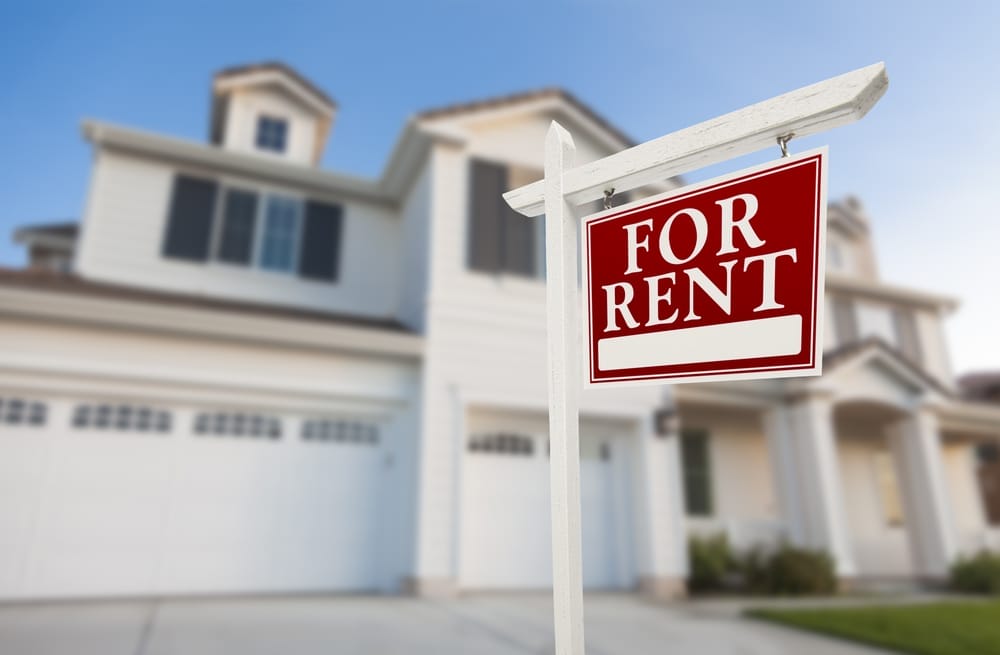
1. Housing Costs

One of the biggest changes after a divorce is your living situation. You might need to find a new place or refinance your home. What was once a shared mortgage or rent now falls on one person. That means you’ll likely pay more for housing, including utilities, property taxes, and maintenance. Even if you downsize, deposits and moving expenses add up fast. Housing is often the single largest expense after a divorce.

2. Health Insurance Premiums

Many people lose access to a spouse’s employer-sponsored health insurance after a split. Finding your own coverage can quickly become expensive, especially if you’re self-employed or between jobs. COBRA coverage is an option, but it’s rarely cheap. Shopping for a new policy on your own often means higher premiums and out-of-pocket costs. Health insurance is one of those expenses after a divorce that can sneak up and strain your budget.

3. Childcare and Parenting Costs

If you have children, childcare can become significantly more expensive after divorce. You may need to pay for daycare, babysitters, or after-school programs that you didn’t use before. Coordinating schedules and pickups as a single parent often means extra costs. Plus, there are new expenses for separate bedrooms, clothing, and school supplies at each parent’s home. Child-related expenses after a divorce can quickly multiply.

4. Legal and Administrative Fees

The bills don’t always stop when the divorce is finalized. Ongoing legal fees for custody modifications, enforcing agreements, or resolving future disputes can add up. You may also need to update wills, trusts, and other legal documents. These administrative costs are easy to overlook, but they’re a common part of post-divorce life.

5. Transportation Expenses

After a divorce, you may find yourself driving more—whether it’s shuttling kids between households, commuting from a new location, or simply running more errands solo. If you shared a car before, you might have to purchase a second vehicle, adding insurance, maintenance, and fuel costs. All these transportation expenses after a divorce can make a noticeable dent in your monthly finances.

6. Food and Household Supplies

Grocery bills often go up after divorce, even if you’re buying for fewer people. Single servings, smaller packaging, and less bulk buying can mean higher per-person costs. You’ll also need to restock essentials like cleaning supplies, cookware, and toiletries for your new place. These everyday expenses after a divorce are easy to underestimate.

7. Utilities and Subscriptions

When you split into two households, you double up on utilities like electricity, water, and internet. Monthly subscriptions—streaming services, magazines, or gym memberships—might have been shared before but now must be paid for individually. These recurring expenses after a divorce can quietly chip away at your budget over time.

8. Taxes and Filing Fees

Your tax situation will likely change after a divorce. Filing as a single person or head of household can impact your tax bracket and deductions. You may lose benefits like the marriage tax deduction or face new filing fees. If alimony or child support is involved, there are often additional tax implications. Tax-related expenses after a divorce might not be obvious at first but can lead to surprises come April.

9. Emotional Health and Self-Care

Divorce is stressful, and taking care of your mental health is important. Therapy, counseling, or support groups are valuable but can be costly. You might also spend more on self-care—like gym memberships, classes, or hobbies—to cope with the transition. These emotional health expenses after a divorce are often overlooked but can add up quickly.

10. Social and Entertainment Costs

Your social life changes after a divorce. You might go out more to meet new people or reconnect with friends. This can mean more money spent on dining out, travel, or entertainment. Holidays and special occasions may require new traditions or separate celebrations for kids, increasing your social expenses after a divorce.

Planning Ahead for Financial Stability

Recognizing which expenses after a divorce tend to rise can help you plan a more secure financial future. Taking the time to create a fresh budget, track your new spending patterns, and set realistic goals is key.

If you’re navigating life after divorce, what unexpected expenses have surprised you? Share your experience in the comments below!

What to Read Next…

  • What Financial Planners Know About Divorce That Most Couples Don’t
  • 10 Money Mistakes People Make After Losing a Spouse
  • 10 Quiet Retirement Scams Targeting Women Who Just Got Divorced
  • Are These 7 Little Expenses Quietly Costing You Thousands a Year?
  • 10 Ways You’re Wasting Money Just Trying to Keep Up Appearances
Travis Campbell
Travis Campbell

Travis Campbell is a digital marketer/developer with over 10 years of experience and a writer for over 6 years. He holds a degree in E-commerce and likes to share life advice he’s learned over the years. Travis loves spending time on the golf course or at the gym when he’s not working.

Filed Under: Marriage & Money Tagged With: budgeting, childcare, divorce, Housing Costs, Insurance, Personal Finance, post-divorce tips

6 Financial Risks Nobody Tells You About Pet Ownership

September 18, 2025 by Catherine Reed Leave a Comment

6 Financial Risks Nobody Tells You About Pet Ownership

Image source: 123rf.com

Bringing a pet into your life is exciting, but many new owners are blindsided by the hidden costs that come with it. Beyond food, toys, and routine vet visits, pets can bring financial risks that stretch far beyond what most people plan for. These unexpected expenses can derail budgets, create debt, and cause stress in households that thought they were fully prepared. Knowing the less obvious financial risks of pet ownership helps you plan realistically before you fall in love with a furry friend.

1. Emergency Vet Bills Can Be Overwhelming

One of the biggest financial risks of pet ownership is unexpected emergency care. Pets, like people, can get sick or injured without warning, and emergency vet visits are notoriously expensive. A single surgery or overnight hospital stay can cost thousands of dollars. Many pet owners are forced to dip into savings, take on credit card debt, or even delay care because of the price tag. Without a plan for emergencies, these bills can quickly turn a loving experience into a financial nightmare.

2. Chronic Illnesses Lead to Ongoing Costs

Not all health issues come suddenly—some pets develop chronic conditions that require long-term treatment. Problems like diabetes, allergies, or arthritis mean frequent vet visits, medications, and sometimes specialized diets. These recurring costs add up month after month and can easily rival the cost of human healthcare. Many owners underestimate just how long these conditions can last, sometimes spanning the entire lifespan of the pet. Ignoring this risk can put ongoing strain on your finances.

3. Housing Restrictions and Fees Add Up

Another financial risk comes from housing-related costs. Many landlords charge pet deposits, monthly pet rent, or nonrefundable fees just for allowing animals. In some cases, certain breeds or sizes aren’t permitted, which can limit housing options and force you into more expensive rentals. Homeowners aren’t immune either, as some insurance companies raise premiums or exclude coverage for pets deemed high-risk. These hidden housing-related expenses catch many pet owners off guard.

4. Travel Complications Can Be Costly

Pet ownership often makes travel more complicated and expensive. Boarding facilities, pet sitters, or airline fees for bringing animals along can quickly inflate vacation budgets. Last-minute trips become harder to plan when you need to arrange reliable care. Even short weekend getaways may require extra money just to ensure your pet is safe and comfortable. These ongoing travel-related costs are one of the overlooked financial risks of having pets.

5. Property Damage Is Almost Guaranteed

Even the most well-behaved pets can cause damage to your home or belongings. Chewed furniture, scratched floors, stained carpets, and destroyed shoes are common problems for pet owners. While some damage may be minor, replacing or repairing larger items can become expensive. If you’re renting, landlords may deduct money from your security deposit or bill you for repairs. Factoring in the likelihood of damage is essential to understanding the full financial risks of pet ownership.

6. End-of-Life Care Is Emotionally and Financially Draining

Perhaps the hardest financial risk to consider is the cost of end-of-life care. As pets age, they often require more frequent vet visits, pain management, and eventually euthanasia and cremation or burial services. These costs can run into the thousands, adding financial stress to an already emotional time. Many families are unprepared for the expenses and must make difficult decisions based on money rather than what’s best for their pet. Planning ahead for this stage ensures dignity for your pet and peace of mind for you.

Planning Ahead Reduces the Financial Burden

Pet ownership brings joy, but it also comes with serious financial risks that are easy to overlook. From emergency vet bills to housing restrictions and long-term care, the costs can escalate quickly without preparation. By budgeting realistically, considering pet insurance, and setting aside an emergency fund, you can enjoy the companionship of a pet without constant financial stress. Responsible planning ensures that your pet enhances your life without putting your finances at risk.

What financial risks of pet ownership have surprised you the most? Share your stories and advice in the comments below.

What to Read Next…

5 Overlooked Costs of Caring for Aging Pets

Could Pet Ownership Now Be More Expensive Than Raising Kids

Here Are The Top 10 Worst “GoFundMe” Requests

Could the Cost of Raising Pets Outpace Inflation Itself

10 Financial Shocks That Hit After a Major Illness

Catherine Reed
Catherine Reed

Catherine is a tech-savvy writer who has focused on the personal finance space for more than eight years. She has a Bachelor’s in Information Technology and enjoys showcasing how tech can simplify everyday personal finance tasks like budgeting, spending tracking, and planning for the future. Additionally, she’s explored the ins and outs of the world of side hustles and loves to share what she’s learned along the way. When she’s not working, you can find her relaxing at home in the Pacific Northwest with her two cats or enjoying a cup of coffee at her neighborhood cafe.

Filed Under: Pets Tagged With: chronic illness in pets, financial risks, Housing Costs, pet budgeting, pet ownership, property damage, travel expenses, vet bills

6 Overlooked Costs That Come With Building a House

September 3, 2025 by Catherine Reed Leave a Comment

6 Overlooked Costs That Come With Building a House

Image source: 123rf.com

For many families, building a house represents the dream of creating a space perfectly suited to their needs. Yet, excitement often overshadows the reality that the final price tag rarely matches the initial estimate. Beyond construction, countless hidden expenses can catch homeowners off guard. These overlooked costs can put a serious dent in budgets and even delay move-in plans. Understanding them ahead of time can make the dream of building a house far less stressful.

1. Permit Fees and Inspections

One of the first hidden expenses when building a house is the cost of permits and inspections. Every municipality has its own set of rules, and fees can range from a few hundred dollars to several thousand. These costs are required for zoning, plumbing, electrical work, and more. On top of the fees, repeat inspections or corrections may add additional expenses. Many homeowners are surprised by how much these “paperwork” costs add to the total bill.

2. Site Preparation and Excavation

Before construction begins, the land itself needs to be prepared. Clearing trees, leveling the ground, and digging for foundations can cost far more than expected. If soil conditions are poor or rocks are present, costs rise even higher. Building a house often requires specialized equipment and labor at this stage, driving up expenses quickly. Site prep is easy to overlook but essential for safe and lasting construction.

3. Utility Connections and Infrastructure

Hooking up to utilities like water, sewer, electricity, and gas often isn’t included in base construction costs. If the lot is rural or far from municipal systems, expenses can escalate dramatically. Installing septic tanks, wells, or running lines to the nearest grid connection adds thousands. Even in suburban developments, fees for hookups and service lines catch many by surprise. Planning for these costs early prevents budget blowouts later.

4. Landscaping and Outdoor Features

When budgeting, many families focus solely on the structure itself and forget the yard. Landscaping, driveways, fencing, and patios can easily cost tens of thousands of dollars. A bare lot looks nothing like the finished dream home pictured in brochures. Since outdoor projects are often delayed until after move-in, families may underestimate their true cost. Building a house means planning for curb appeal as well as interior comfort.

5. Upgrades and Customizations

Builders typically advertise base prices that include standard finishes. The reality is that most homeowners choose upgrades once construction begins. Premium flooring, cabinetry, lighting, and appliances can quickly double interior costs. What feels like small choices add up when multiplied across an entire home. Customizing when building a house often costs far more than anticipated, making upgrades one of the biggest hidden expenses.

6. Temporary Living Expenses

Few families consider the cost of housing during the construction process. Renting an apartment, staying with family, or paying for storage adds significant financial strain. Delays in construction can extend these costs for months longer than planned. Mortgage payments may also overlap with temporary housing, creating a double burden. Factoring these expenses into the budget avoids painful surprises.

Building Smart Means Budgeting Beyond the Basics

The dream of building a house can quickly turn stressful when overlooked costs pile up. Permit fees, site prep, utility hookups, landscaping, upgrades, and temporary housing all contribute to the final total. Families who prepare for these expenses upfront are far less likely to face financial strain later. A realistic budget doesn’t just cover the walls and roof—it accounts for everything it takes to turn a lot into a home. By planning wisely, you can protect both your finances and your peace of mind.

Which of these overlooked costs surprised you the most when thinking about building a house? Share your thoughts in the comments!

What to Read Next…

5 Shocking Financial Dangers Hidden in Everyday Marriage Contracts

6 Times You Might Unknowingly Sign Away Financial Control

8 Silent Wealth Killers That Hide in Everyday Expenses

7 Times Living Paycheck to Paycheck Comes With Hidden Costs

9 Hidden Costs of Early Retirement Nobody Plans For

Catherine Reed
Catherine Reed

Catherine is a tech-savvy writer who has focused on the personal finance space for more than eight years. She has a Bachelor’s in Information Technology and enjoys showcasing how tech can simplify everyday personal finance tasks like budgeting, spending tracking, and planning for the future. Additionally, she’s explored the ins and outs of the world of side hustles and loves to share what she’s learned along the way. When she’s not working, you can find her relaxing at home in the Pacific Northwest with her two cats or enjoying a cup of coffee at her neighborhood cafe.

Filed Under: Personal Finance Tagged With: Budgeting Tips, building a house, family finances, hidden costs, home construction, Housing Costs, real estate expenses

What’s the Real Cost of Living in a 55+ Retirement Community?

July 30, 2025 by Travis Campbell Leave a Comment

retirement

Image Source: unsplash.com

Moving to a 55+ retirement community is a big decision. It’s not just about finding a new place to live. It’s about understanding what you’re really paying for and what you get in return. Many people think the cost is just the monthly rent or mortgage, but there’s a lot more to it. If you’re thinking about making this move, you need to know the real cost of living in a 55+ retirement community. Here’s what you should look for before you sign any papers.

1. Monthly Fees: More Than Just Rent

The first thing most people notice is the monthly fee. This can be rent, a mortgage, or a homeowner’s association (HOA) fee. But it’s rarely just one simple payment. Most 55+ retirement communities charge a monthly fee that covers things like landscaping, security, and sometimes even utilities. But not all fees are created equal. Some places include cable, internet, or even housekeeping. Others don’t. Always ask for a full breakdown. If you’re on a fixed income, these fees can add up fast. And they often go up every year. Make sure you know what’s included and what’s not. This is the real cost of living in a 55+ retirement community that surprises many people.

2. Entrance Fees and Buy-Ins

Some retirement communities require a large entrance fee or buy-in. This is a one-time payment, sometimes as high as six figures. It’s supposed to secure your spot and help cover future care if you need it. But not all entrance fees are refundable. If you leave or pass away, your family might not get that money back. Read the fine print. Ask if the entrance fee is refundable, partially refundable, or non-refundable. This is a big part of the real cost of living in a 55+ retirement community, and it’s easy to overlook.

3. Healthcare and Medical Services

Healthcare is a major concern as we age. Some 55+ communities offer on-site medical care, while others don’t. If you need regular care, you might have to pay extra for in-home services or transportation to appointments. Some communities have assisted living or skilled nursing on campus, but these usually cost more. Medicare and insurance might not cover everything. Check what’s included in your monthly fee and what you’ll have to pay out of pocket. The real cost of living in a 55+ retirement community can jump if your health needs change.

4. Amenities: Perks or Hidden Costs?

Many retirement communities advertise amenities like pools, gyms, golf courses, and social clubs. These sound great, but they’re not always free. Some amenities are included in your monthly fee, but others require extra membership fees or pay-per-use charges. For example, you might have to pay to join the golf club or attend special events. Ask for a list of all amenities and what they cost. Don’t assume everything is included. Amenities can make life more enjoyable, but they can also add to the real cost of living in a 55+ retirement community.

5. Maintenance and Repair Costs

You might think you’re done with home repairs when you move to a retirement community. That’s not always true. Some communities cover all maintenance, but others only handle the basics. You might still be responsible for things like appliance repairs, plumbing, or even roof leaks. Find out exactly what maintenance is included. Ask about emergency repairs and how quickly they’re handled. Unexpected repair bills can be a shock, especially if you’re on a budget. This is another piece of the real cost of living in a 55+ retirement community.

6. Property Taxes and Insurance

Even if you’re renting, you might be responsible for some property taxes or insurance. If you own your unit, you’ll definitely have to pay property taxes and homeowners insurance. Some communities require extra insurance for things like floods or earthquakes. These costs can vary a lot depending on where you live. Don’t forget to factor them into your budget. Property taxes and insurance are often overlooked, but they’re a real part of the cost of living in a 55+ retirement community.

7. Meal Plans and Dining Options

Some retirement communities offer meal plans or on-site dining. This can be convenient, but it’s rarely free. Meal plans might be required, or you might have to pay for each meal. The quality and variety of food can vary. If you have dietary restrictions, ask if they can accommodate you. Compare the cost of meal plans to what you’d spend cooking at home. Sometimes it’s a good deal, but sometimes it’s not. Food is a daily expense, so don’t ignore it when calculating the real cost of living in a 55+ retirement community.

8. Transportation Services

Getting around can be harder as you age. Many 55+ communities offer transportation to shopping, medical appointments, or social events. Sometimes this is included in your monthly fee, but often it’s extra. If you don’t drive, reliable transportation is important. Ask how often the service runs, where it goes, and what it costs. If you have to pay for taxis or rideshares, those costs add up. Transportation is a key part of the real cost of living in a 55+ retirement community.

9. Social Activities and Clubs

Staying social is important for your health. Most retirement communities offer clubs, classes, and events. Some are free, but others cost money. You might have to pay for supplies, tickets, or membership fees. If you want to stay active, these costs can add up. Ask for a calendar of events and a list of fees. Social activities are a big part of the real cost of living in a 55+ retirement community.

10. The Cost of Moving and Downsizing

Don’t forget the cost of moving. You might need to hire movers, buy new furniture, or pay for storage. Downsizing can be emotional and expensive. You might have to sell or donate things you’ve owned for years. Some communities charge move-in fees or require deposits. These one-time costs can be high, so plan for them. Moving is part of the real cost of living in a 55+ retirement community, even if it’s just once.

Weighing the Real Cost: Is It Worth It for You?

The real cost of living in a 55+ retirement community is more than just a monthly payment. It’s a mix of fees, services, and lifestyle choices. Some people find the convenience and community worth every penny. Others are surprised by the extra costs. Take your time. Ask questions. Make a list of what matters most to you. The right choice is the one that fits your needs and your budget.

Have you lived in a 55+ retirement community? What surprised you about the real cost? Share your thoughts in the comments.

Read More

Are These 7 Retirement States as Affordable as They Claim?

What Chatbots Are Learning From Your Retirement Plan

Travis Campbell
Travis Campbell

Travis Campbell is a digital marketer/developer with over 10 years of experience and a writer for over 6 years. He holds a degree in E-commerce and likes to share life advice he’s learned over the years. Travis loves spending time on the golf course or at the gym when he’s not working.

Filed Under: Retirement Tagged With: 55+ living, Housing Costs, Personal Finance, Retirement, retirement community, retirement planning, senior living

Why More Americans Are Moving Into Converted School Buses

July 21, 2025 by Travis Campbell Leave a Comment

school bus

Image Source: pexels.com

Living in a converted school bus might sound unusual, but more Americans are making this choice every year. The reasons go beyond just saving money. People want more control over their lives, and a bus can offer that. Some are tired of high rent and mortgages. Others want to travel or live closer to nature. This trend matters because it shows how people are rethinking what “home” means. If you’re curious about why so many are choosing this path, here’s what’s driving the move into converted school buses.

1. Housing Costs Keep Rising

The price of traditional homes keeps going up. Rent is high in most cities, and buying a house is out of reach for many. A converted school bus, often called a “skoolie,” costs much less than a house or even a new car. People can buy an old bus for a few thousand dollars and spend another $10,000 to $30,000 fixing it up. That’s still far less than a down payment on a house in most places. For many, this is the only way to own a home without taking on huge debt. The Pew Research Center reports that rising housing costs are a top concern for Americans, making alternatives like skoolies more appealing.

2. Freedom to Travel

A big reason people move into converted school buses is the freedom to travel. You can wake up in the mountains one week and by the beach the next. There’s no need to book hotels or worry about finding a place to stay. Your home goes with you. This lifestyle appeals to people who work remotely or want to see more of the country. It’s also a way to visit family and friends without the hassle of packing and unpacking. The bus becomes both your home and your vehicle, making travel simple and flexible.

3. Downsizing and Simplicity

Many people are tired of clutter and want a simpler life. Living in a bus means you have to downsize. There’s only so much space, so you keep what matters and let go of the rest. This can be freeing. You spend less time cleaning and organizing. You also buy less stuff because there’s nowhere to put it. For some, this shift leads to less stress and more focus on what’s important. The move to a skoolie is often about more than just saving money—it’s about living with intention.

4. Customization and Creativity

A converted school bus is a blank canvas. You can design the space to fit your needs. Some people build full kitchens, others add bunk beds or workspaces. You choose the colors, the layout, and the features. This level of customization is rare in traditional housing unless you build from scratch. People enjoy the process of turning an old bus into a cozy, functional home. It’s a chance to be creative and make something unique. The result is a space that feels personal and reflects your style.

5. Closer Connection to Nature

Living in a skoolie often means spending more time outdoors. You can park near lakes, forests, or national parks. Many people who choose this lifestyle want to be closer to nature. They enjoy hiking, fishing, or just sitting outside. The bus gives you the freedom to move with the seasons or find quiet spots away from crowds. This connection to nature can improve mental health and well-being. It’s a big reason why more Americans are moving into converted school buses.

6. Building Community

The skoolie community is growing. There are online groups, meetups, and gatherings where people share tips and stories. Living in a bus can feel lonely at first, but many find a sense of belonging with others who have made the same choice. People help each other with repairs, share places to park, and offer advice. This support network makes the transition easier and adds value to the lifestyle. It’s not just about the bus—it’s about the people you meet along the way.

7. Environmental Impact

A converted school bus can be more eco-friendly than a traditional home. Many people use solar panels, composting toilets, and energy-efficient appliances. The smaller space means you use less energy and water. Some even use recycled materials for the build. This lifestyle encourages mindful consumption and waste reduction. For those who care about the environment, moving into a skoolie is a practical way to lower their footprint. The U.S. Environmental Protection Agency highlights the benefits of reducing waste and reusing materials, which fits with the skoolie approach.

8. Flexibility in Uncertain Times

Life can change fast. Jobs come and go, relationships shift, and the economy is unpredictable. A converted school bus offers flexibility. If you need to move for work or family, you can. If you want to try a new city, you just drive there. This flexibility is valuable, especially when the future feels uncertain. More Americans are moving into converted school buses because it gives them options and control over where and how they live.

Rethinking What Home Means

The rise in people moving into converted school buses shows a shift in how Americans think about home. It’s not just about four walls and a roof. It’s about freedom, flexibility, and living on your own terms. A skoolie isn’t for everyone, but it’s a real solution for those who want something different. As more people look for ways to escape high costs and live with purpose, the skoolie movement will likely keep growing.

Have you ever thought about living in a converted school bus, or do you know someone who has? Share your thoughts in the comments.

Read More

8 Reasons You Should Be Starting Your Own Business Right Now

8 Reasons Every Small Business Needs An Attorney On Speed Dial

Travis Campbell
Travis Campbell

Travis Campbell is a digital marketer/developer with over 10 years of experience and a writer for over 6 years. He holds a degree in E-commerce and likes to share life advice he’s learned over the years. Travis loves spending time on the golf course or at the gym when he’s not working.

Filed Under: Lifestyle Tagged With: alternative housing, bus conversion, Housing Costs, minimalism, skoolie, sustainable living, tiny homes, travel, van life

Here’s Why Millennials Are Now Filing More Bankruptcy Cases Than Boomers

July 15, 2025 by Travis Campbell Leave a Comment

bankrupt

Image Source: pexels.com

Millennials are now filing more bankruptcy cases than Baby Boomers, and it’s not just a headline. This shift matters because it signals deeper changes in how younger adults handle debt, jobs, and money stress. If you’re a Millennial, you might see yourself in these stories. If you’re a Boomer, you might wonder what’s changed. Either way, understanding why this is happening can help you make better choices with your own finances. Bankruptcy isn’t just a legal process—it’s a sign of bigger trends in the economy and society. Here’s what’s really going on.

1. Student Loan Debt Is Crushing Millennials

Student loan debt is one of the biggest reasons Millennials are filing more bankruptcy cases than Boomers. Many Millennials left college with tens of thousands of dollars in loans. Unlike Boomers, who often paid much less for college, Millennials face monthly payments that can last decades. This debt makes it hard to save, buy a home, or even pay for emergencies. When a job loss or medical bill hits, bankruptcy can feel like the only way out. The numbers back this up: student loan debt in the U.S. has reached over $1.7 trillion, and Millennials hold a big share of it.

2. Wages Haven’t Kept Up with Living Costs

Millennials are earning more in dollars than Boomers did at the same age, but it doesn’t go as far. Rent, groceries, and health care have all gone up faster than paychecks. Many Millennials work multiple jobs or side gigs just to cover the basics. When expenses outpace income, debt piles up. Credit cards, personal loans, and buy-now-pay-later plans fill the gap, but they also add risk. If something goes wrong, like a layoff or illness, it’s easy to fall behind. Bankruptcy becomes a way to reset, but it’s a sign that the system isn’t working for everyone.

3. Medical Debt Hits Millennials Hard

Health insurance is expensive, and many Millennials don’t have enough coverage. Even with insurance, high deductibles and out-of-pocket costs can lead to big bills. One trip to the ER or a short hospital stay can mean thousands in debt. Medical debt is now a leading cause of bankruptcy for Millennials. Boomers often had better employer coverage or lower costs when they were younger. For Millennials, a single health crisis can wipe out savings and push them toward bankruptcy court.

4. The Gig Economy Brings Instability

Many Millennials work in the gig economy—think rideshare drivers, freelancers, or delivery workers. These jobs offer flexibility but little security. There’s no paid sick leave, no retirement plan, and income can change week to week. When work dries up, bills don’t stop. This instability makes it hard to plan or save for the future. If a car breaks down or a client doesn’t pay, debt can spiral fast. Bankruptcy becomes a last resort for many who just can’t keep up.

5. Housing Costs Are Out of Reach

Home prices and rents have soared in many cities. Millennials are less likely to own homes than Boomers were at the same age. Many spend a big chunk of their income on rent, leaving little for savings or emergencies. When rent eats up half your paycheck, it’s easy to fall behind on other bills. Some Millennials use credit cards to cover rent or move in with roommates to make ends meet. But if something goes wrong, like a rent hike or job loss, bankruptcy can follow.

6. Credit Is Easier—And Riskier—to Get

Credit cards, personal loans, and online lenders are everywhere. It’s easy for Millennials to get approved, even with average credit. But high interest rates and fees can trap people in a cycle of debt. Many Millennials use credit to cover basic needs, not just extras. When balances grow and payments get missed, late fees and penalties add up. Bankruptcy can wipe the slate clean, but it also shows how easy credit can turn into a problem.

7. Financial Literacy Gaps

Many Millennials never learned the basics of budgeting, saving, or managing debt. Schools often skip personal finance, and parents may not have taught these skills. Without a strong foundation, it’s easy to make mistakes, like taking on too much debt or not saving for emergencies. Some Millennials turn to social media for advice, but not all tips are good ones. When things go wrong, bankruptcy can seem like the only option left.

8. Social Pressures and Lifestyle Inflation

Social media shows a highlight reel of vacations, new cars, and fancy dinners. It’s easy to feel pressure to keep up, even if it means spending money you don’t have. Some Millennials take on debt to match their friends’ lifestyles. Over time, this “lifestyle inflation” can lead to big bills and little savings. When the bills come due, and there’s no way to pay, bankruptcy can follow.

9. The Pandemic’s Lasting Impact

COVID-19 hit Millennials hard. Many lost jobs, faced pay cuts, or had to care for family members. Savings disappeared fast, and debt grew. Even as the economy recovers, some Millennials are still catching up. The pandemic exposed how little of a safety net many had. For some, bankruptcy was the only way to start over.

A New Financial Reality for Millennials

Millennials are filing more bankruptcy cases than Boomers because the world has changed. Student loans, high living costs, unstable jobs, and easy credit all play a part. But it’s not just about numbers—it’s about how people live and work today. If you’re struggling, you’re not alone. There are ways to get help, from credit counseling to legal aid.

Have you or someone you know faced bankruptcy? What challenges did you see, and what advice would you share? Add your thoughts in the comments.

Read More

Should You File for Bankruptcy? These Are the Telltale Signs That You Should

Your Guide to Getting Out of Debt and Starting Over

Travis Campbell
Travis Campbell

Travis Campbell is a digital marketer/developer with over 10 years of experience and a writer for over 6 years. He holds a degree in E-commerce and likes to share life advice he’s learned over the years. Travis loves spending time on the golf course or at the gym when he’s not working.

Filed Under: Finance Tagged With: bankruptcy, Debt, financial literacy, gig economy, Housing Costs, Millennials, Personal Finance, student loans

Signs Your Home Has Become a Financial Liability

July 13, 2025 by Travis Campbell Leave a Comment

spending

Image Source: pexels.com

Owning a home is a big milestone. It’s a place to build memories, find comfort, and maybe even grow your wealth. But sometimes, a home can quietly shift from being an asset to a financial liability. This can happen for many reasons, and it’s not always obvious at first. If you’re not paying attention, your home can start draining your finances instead of helping you build them. Knowing the signs can help you make better decisions and protect your financial health. Here’s what to watch for if you think your home might be costing you more than it should.

1. Your Monthly Housing Costs Keep Rising

If your mortgage, property taxes, insurance, and maintenance costs keep going up, your home might be turning into a financial liability. Maybe your adjustable-rate mortgage reset at a higher rate. Or your local taxes increased. Even small hikes add up over time. If you’re spending more than 30% of your income on housing, that’s a red flag. This can squeeze your budget and make it hard to save for other goals. Track your monthly costs. If they keep climbing, it’s time to ask if your home is still working for you.

2. You’re Dipping Into Savings or Debt to Cover Expenses

A home should fit your budget. If you’re using savings, credit cards, or loans to pay for repairs, taxes, or utilities, your home is likely a financial liability. This is especially true if you’re not building those savings back up. Over time, this can lead to bigger money problems. If you’re borrowing to keep up with your home, it’s a sign that something needs to change. Consider if downsizing or refinancing could help.

3. Maintenance and Repairs Are Never-Ending

Every home needs upkeep. But if you feel like you’re always fixing something—roof leaks, plumbing issues, old appliances—it can drain your wallet. Older homes or those in harsh climates often need more repairs. If you’re spending thousands each year just to keep things running, your home may be costing you too much. Regular maintenance is normal, but constant big repairs are a warning sign. Keep a log of what you spend. If it’s more than you expected, your home might be a liability.

4. Your Home Value Isn’t Keeping Up With the Market

Real estate is supposed to build wealth over time. But not every home goes up in value. If your home’s value is flat or dropping while other homes in your area are rising, that’s a problem. Maybe your neighborhood is losing jobs, or there’s a lot of new construction nearby. If you owe more than your home is worth, you’re “underwater.” This can make it hard to sell or refinance. Check recent sales in your area to see how your home stacks up. Zillow’s Home Value Index is a good place to start.

5. You Can’t Afford to Move

Sometimes, people stay in a home because they can’t afford to leave. Maybe selling would mean taking a loss, or you don’t have enough equity to cover moving costs. If you feel trapped, your home is a financial liability. This can limit your options for work, family, or retirement. If you’re stuck, look for ways to build equity or cut costs. Renting out a room or refinancing might help.

6. Your Home Is Hurting Your Other Financial Goals

If your home costs are so high that you can’t save for retirement, pay off debt, or build an emergency fund, that’s a sign of trouble. Your home should support your life, not hold you back. If you’re skipping vacations, delaying car repairs, or putting off medical care because of your mortgage, your home is a liability. Make a list of your financial goals. If your home is blocking them, it’s time to rethink your situation.

7. You’re Not Building Equity

Paying a mortgage should help you build equity over time. But if you’re only paying interest, or if your home’s value is falling, you might not be building any wealth. This is common with interest-only loans or if you bought at the top of the market. If you’re not gaining equity, your home isn’t helping your finances. Check your mortgage statement to see how much principal you’re paying each month. If it’s not much, consider ways to pay down your loan faster.

8. You’re Facing Foreclosure or Missed Payments

Missing mortgage payments is a serious sign that your home is a financial liability. Foreclosure can ruin your credit and make it hard to buy another home. If you’re struggling to keep up, talk to your lender right away. There may be options to help, like loan modification or forbearance. Don’t wait until it’s too late.

Rethinking What “Home” Means for Your Finances

A home should be a place of comfort, not a source of stress. If you see these signs, your home may be a financial liability. It’s okay to make changes. Sometimes, selling, downsizing, or renting can put you in a better spot. The most important thing is to be honest about your situation and take action before things get worse. Your financial health matters more than any building.

Have you ever felt like your home was holding you back financially? Share your story or tips in the comments.

Read More

5 Biggest Refinance Concerns

Find the Right Amount of Life Insurance in 10 Minutes

Travis Campbell
Travis Campbell

Travis Campbell is a digital marketer/developer with over 10 years of experience and a writer for over 6 years. He holds a degree in E-commerce and likes to share life advice he’s learned over the years. Travis loves spending time on the golf course or at the gym when he’s not working.

Filed Under: Spending Habits Tagged With: budgeting, home equity, homeownership, Housing Costs, mortgage, Personal Finance, Planning, Real estate

The New Minimalism: How Downsizing Could Save You $50K

May 31, 2025 by Travis Campbell Leave a Comment

minimalism

Image Source: pexels.com

Rising costs, shrinking paychecks, and the relentless pressure to “keep up” have squeezed many Americans. If you’ve ever looked around your home and wondered if all that space and stuff is worth it, you’re not alone. The new minimalism isn’t just about decluttering; it’s about making smarter choices that can impact your finances. Downsizing your living space could be the key to unlocking tens of thousands of dollars in savings, freeing up cash for what truly matters. Here’s how embracing a smaller lifestyle can help you save up to $50,000, and why this shift is gaining momentum nationwide.

1. Housing Costs: The Biggest Slice of the Budget

For most households, housing is the single largest expense. The average American spends about 30% of their income on housing, but that number can climb much higher in expensive cities. In 2024, the median U.S. home price hovered around $420,000, while the average rent for a two-bedroom apartment reached $1,320 monthly. Moving to a smaller home or apartment can slash these costs dramatically.

Consider this: downsizing from a 2,500-square-foot home to a 1,200-square-foot condo could reduce your mortgage or rent by $800 monthly or more. Over five years, that’s nearly $50,000 in savings—before factoring in lower property taxes and insurance. Moving to a smaller unit in the same neighborhood can yield similar results for renters, especially as landlords continue to raise rents on larger spaces.

2. Utility Bills: Less Space, Less Waste

A bigger home means higher utility bills. Heating, cooling, and lighting extra rooms you rarely use adds up quickly. The U.S. Energy Information Administration reports that the average household spends about $2,000 annually on utilities. Downsizing can cut that figure by 25% or more, especially if you move into a newer, energy-efficient space.

For example, a family that moves from a large, older house to a modern, compact apartment could save $500 or more annually on electricity and gas alone. Over five years, that’s another $2,500 in your pocket. Smaller spaces also encourage smarter energy habits, like using less water and being more mindful of consumption.

3. Maintenance and Upkeep: Time and Money Saved

Owning a large home means more time and money spent on maintenance. Lawn care, repairs, cleaning, and routine upkeep can easily cost homeowners $3,000 to $5,000 annually. Downsizing to a smaller property or a condo with shared amenities can cut these costs in half.

Take the example of a couple who sold their suburban house and moved into a downtown condo. Thanks to the building’s maintenance team, they eliminated lawn care expenses, reduced cleaning time, and paid lower repair bills. Over five years, their maintenance savings alone topped $10,000. That money can be redirected toward travel, retirement, or other priorities.

4. Decluttering: Turning Stuff Into Savings

Downsizing forces you to confront your belongings. The average American household contains over 300,000 items, many of which go unused. Before a move, selling furniture, electronics, and other possessions can generate thousands of extra dollars. Online marketplaces and local consignment shops make it easier than ever to turn clutter into savings.

One family in Seattle downsized from a four-bedroom house to a two-bedroom apartment and sold over $7,000 worth of items they no longer needed. Not only did this boost their moving fund, but it also made their new space feel more open and manageable. The process of decluttering can be emotionally freeing and financially rewarding.

5. Lifestyle Shifts: More Freedom, Less Stress

The new minimalism isn’t just about saving money and gaining freedom. Smaller living spaces often mean shorter commutes, more walkable neighborhoods, and less time spent on chores. This shift can lead to lower transportation costs, reduced stress, and more time for hobbies or family.

For instance, moving closer to work or public transit can save hundreds per month on gas, parking, and car maintenance—many who downsize report feeling lighter, happier, and more in control of their finances. The psychological benefits of minimalism—less clutter, fewer obligations, and a greater focus on experiences—are just as valuable as the financial ones.

6. The Ripple Effect: How Downsizing Adds Up

When you combine lower housing payments, reduced utility bills, cheaper maintenance, and the proceeds from decluttering, the savings from downsizing can easily reach $50,000 over five years. These numbers aren’t just theoretical; they reflect real choices made by families nationwide. The National Association of Realtors notes a growing trend of Americans moving to smaller homes, especially as remote work and changing lifestyles make location and space more flexible.

Downsizing isn’t just for retirees or empty nesters. Young professionals, families, and even digital nomads embrace the new minimalism to achieve financial goals faster. The key is to approach the process thoughtfully: research neighborhoods, calculate true costs, and be honest about what you really need.

Rethinking Space: Your Path to Financial Flexibility

The new minimalism offers a powerful way to reclaim your budget and your peace of mind. Downsizing isn’t about sacrifice—it’s about making intentional choices that align with your values and goals. Reducing your housing footprint can save up to $50,000, cut stress, and open up new growth opportunities.

If you’re feeling weighed down by your current space or expenses, consider what a smaller, simpler lifestyle could do for you. What would you do with an extra $50,000? Share your thoughts and experiences in the comments below—your story could inspire someone else to take the first step toward financial freedom.

Read More

Is Selling Your Home the Best Choice?

8 Hidden Costs of Buying a Home

Travis Campbell
Travis Campbell

Travis Campbell is a digital marketer/developer with over 10 years of experience and a writer for over 6 years. He holds a degree in E-commerce and likes to share life advice he’s learned over the years. Travis loves spending time on the golf course or at the gym when he’s not working.

Filed Under: Frugal Living Tagged With: decluttering, downsizing, financial freedom, Housing Costs, minimalism, Personal Finance, saving money

6 Reasons When Moving to Save Money Makes Sense

April 27, 2025 by Travis Campbell Leave a Comment

couple moving

Image Source: pexels.com

Moving to a new location can be a strategic financial decision, not just a lifestyle change. While relocation costs can be substantial, the long-term savings often outweigh these initial expenses. For many Americans facing rising living costs, strategic relocation has become a powerful tool for financial freedom. Whether you’re drowning in housing costs or seeking better career opportunities, understanding when a move makes financial sense can transform your economic outlook.

1. Housing Costs Are Consuming Your Budget

When more than 30% of your income goes toward housing, financial experts consider you “cost-burdened.” In expensive metropolitan areas like San Francisco or New York, housing can easily consume 40-50% of income. Relocating to an area with lower housing costs can immediately free up hundreds or thousands of dollars monthly.

For example, the median home price in San Francisco is approximately $1.3 million, while in cities like Pittsburgh or Charlotte, comparable homes sell for under $300,000. This dramatic difference translates to significantly lower mortgage payments or rent.

Even moving just 30-60 minutes outside a major city can reduce housing costs by 20-30% while maintaining access to urban amenities and job markets. This single change can dramatically improve your savings rate and overall financial health.

2. Better Career Opportunities Exist Elsewhere

Sometimes moving for better-paying jobs or industries with stronger growth potential makes financial sense despite relocation costs. According to Bureau of Labor Statistics data, salary differences for identical positions can vary by 15-40% between regions.

Consider tech workers who relocated from saturated markets to emerging tech hubs like Austin, Raleigh, or Denver. Many report salary increases while enjoying lower living costs. The remote work revolution has also created opportunities to earn big-city salaries while living in more affordable locations.

Calculate the long-term earnings potential against relocation costs when evaluating a move for career reasons. A $10,000 salary increase might justify a $5,000 moving expense within months, while opening doors to future advancement.

3. Your Tax Burden Could Decrease Substantially

State and local taxes significantly impact your bottom line. Seven states—Alaska, Florida, Nevada, South Dakota, Tennessee, Texas, and Wyoming—charge no state income tax, while others like California and New York have rates exceeding 10% for higher earners.

Moving from a high-tax state to a no-income-tax state can save tens of thousands annually for high-income professionals. A software engineer earning $150,000 in California might save over $12,000 yearly by relocating to Texas, according to SmartAsset’s tax calculator.

Property taxes also vary dramatically by location. New Jersey’s average effective property tax rate exceeds 2.2%, while Hawaii’s is below 0.3%. For homeowners, these differences translate to thousands in annual savings.

4. Lower Cost of Living Extends Beyond Housing

Housing typically represents the largest expense in most budgets, but other cost-of-living factors can deliver significant savings when relocating. Groceries, utilities, transportation, healthcare, and childcare costs vary substantially between regions.

The Cost of Living Index shows that basic necessities in Manhattan cost nearly twice the national average, while cities like Memphis or Oklahoma City run 15-20% below average. A family spending $6,000 monthly in a high-cost area might need only $4,500 for the same lifestyle elsewhere, generating $18,000 in annual savings.

Strategic relocation particularly benefits transportation costs. Cities with robust public transportation eliminate the need for car ownership, saving approximately $9,000 annually per vehicle in purchase, insurance, maintenance, and fuel costs.

5. Debt Reduction Becomes More Manageable

Relocating can accelerate debt payoff by freeing up cash flow. When housing and other essential costs decrease, more money becomes available for tackling high-interest debt.

Consider someone with $30,000 in credit card debt at 18% interest. In an expensive city where they can only afford minimum payments, they might spend 15+ years and over $30,000 in interest charges paying off this debt. By moving to a lower-cost area and applying an extra $500 monthly toward debt, they could become debt-free in under 4 years, saving over $20,000 in interest.

This debt reduction strategy works particularly well for those with substantial student loans or medical debt. The psychological benefits of faster debt elimination also shouldn’t be underestimated—reduced financial stress improves overall wellbeing and decision-making.

6. Retirement Savings Can Accelerate Dramatically

Relocating to a lower-cost area can transform retirement prospects by allowing significantly higher savings rates. Financial advisors typically recommend saving 15-20% of income for retirement, but high-cost areas make this target difficult to achieve.

By moving somewhere more affordable, that target becomes more attainable. Someone earning $80,000 who increases their retirement contributions from 5% to 15% after relocating would add an extra $8,000 annually to retirement accounts. Over 25 years with average market returns, this difference compounds to approximately $500,000 in additional retirement savings.

Early retirees particularly benefit from geographic arbitrage: They earn and save in high-income areas and then retire to lower-cost regions where their savings stretch further.

The Financial Freedom Factor: When Moving Pays Dividends

The most compelling reason to relocate for financial reasons isn’t just immediate savings—it’s the compounding effect of those savings on your long-term financial independence. When monthly expenses decrease by $1,000, that’s not just $12,000 saved annually—it’s money that can build wealth through investments, business ventures, or education.

This financial breathing room creates previously unavailable options: pursuing entrepreneurship, taking career risks, spending more time with family, or retiring years earlier than planned. The true value of strategic relocation lies in this expanded freedom and reduced financial stress.

Have you ever relocated for financial reasons? What unexpected benefits or challenges did you encounter in your move to save money?

Read More

Is it ever a good idea to move back in with your parents to pay off debt?

6 costs involved in moving abroad

Travis Campbell
Travis Campbell

Travis Campbell is a digital marketer/developer with over 10 years of experience and a writer for over 6 years. He holds a degree in E-commerce and likes to share life advice he’s learned over the years. Travis loves spending time on the golf course or at the gym when he’s not working.

Filed Under: Relocation Tagged With: Cost of living, debt reduction, financial freedom, Housing Costs, relocation savings, strategic moving, tax benefits

The Real Cost of Living in South Carolina—And What’s Changing in 2025

March 31, 2025 by Latrice Perez Leave a Comment

Waterfront park in downtown Charleston, South Carolina.

Image Source: 123rf.com

South Carolina has long been recognized for its affordability, but recent changes in 2025 are reshaping the cost of living landscape. This article examines key factors such as housing, utilities, and healthcare costs that contribute to the overall expense of living in the state. Residents and potential newcomers must consider these elements when planning their budgets. By understanding these costs, you can make informed decisions about relocation and lifestyle adjustments in South Carolina.

Housing Costs

Housing remains a significant expense in South Carolina, with the median home price now around $377,900. Although this represents a modest increase of 1.7% from the previous year, it still offers affordability compared to many other states. Rental prices have also adjusted, providing a range of options for different budgets. The steady rise in housing costs reflects both demand and limited supply in key areas.

Utilities

White cable plugged into power outlet and LED light bulb on purple background. Top view

Image Source: 123rf.com

Utility expenses in South Carolina are about 8% higher than the national average, largely due to increased energy consumption during hot summers. Residents face higher bills for electricity, water, and gas, impacting monthly budgets. Upgrades to infrastructure and energy efficiency improvements are underway, which may help stabilize these costs over time. Understanding utility expenses is crucial for accurate budgeting in the state.

Healthcare

Healthcare costs in South Carolina average around $6,677 per capita annually. This figure is influenced by the availability of medical services and insurance coverage options. Efforts to improve healthcare access and quality are ongoing, which could affect future expenses. For many residents, affordable healthcare is a key component of the overall cost of living.

Living In South Carolina

The cost of living in South Carolina in 2025 is shaped by rising housing prices, increased utility expenses, and evolving healthcare costs. While the state remains affordable relative to many regions, these factors are important for budgeting and financial planning. Understanding these trends helps residents and newcomers adapt to the changing economic landscape.

What do you like most about South Carolina? Is it a state you’d want to live in? Share your thoughts and experiences about living in South Carolina in the comments below.

Read More:

13 States Where You Can Legally Live Off the Grid

Why Digital Real Estate is the Goldmine No One Talks About

Latrice Perez

Latrice is a dedicated professional with a rich background in social work, complemented by an Associate Degree in the field. Her journey has been uniquely shaped by the rewarding experience of being a stay-at-home mom to her two children, aged 13 and 5. This role has not only been a testament to her commitment to family but has also provided her with invaluable life lessons and insights.

As a mother, Latrice has embraced the opportunity to educate her children on essential life skills, with a special focus on financial literacy, the nuances of life, and the importance of inner peace.

Filed Under: Lifestyle Tagged With: budgeting, healthcare, Housing Costs, South Carolina cost of living, utilities

  • « Previous Page
  • 1
  • 2
  • 3
  • 4
  • Next Page »

FOLLOW US

Search this site:

Recent Posts

  • Can My Savings Account Affect My Financial Aid? by Tamila McDonald
  • 12 Ways Gen X’s Views Clash with Millennials… by Tamila McDonald
  • What Advantages and Disadvantages Are There To… by Jacob Sensiba
  • 10 Tactics for Building an Emergency Fund from Scratch by Vanessa Bermudez
  • Call 911: Go To the Emergency Room Immediately If… by Stephen Kanaval
  • 7 Weird Things You Can Sell Online by Tamila McDonald
  • 10 Scary Facts About DriveTime by Tamila McDonald

Copyright © 2026 · News Pro Theme on Genesis Framework