• Home
  • About Us
  • Toolkit
  • Getting Finances Done
    • Hiring Advisors
    • Debt Management
    • Spending Plan
  • Insurance
    • Life Insurance
    • Health Insurance
    • Disability Insurance
    • Homeowners/Renters Insurance
  • Contact Us
  • Privacy Policy
  • Risk Tolerance Quiz

The Free Financial Advisor

You are here: Home / Archives for alternative housing

Why More Americans Are Moving Into Converted School Buses

July 21, 2025 by Travis Campbell Leave a Comment

school bus

Image Source: pexels.com

Living in a converted school bus might sound unusual, but more Americans are making this choice every year. The reasons go beyond just saving money. People want more control over their lives, and a bus can offer that. Some are tired of high rent and mortgages. Others want to travel or live closer to nature. This trend matters because it shows how people are rethinking what “home” means. If you’re curious about why so many are choosing this path, here’s what’s driving the move into converted school buses.

1. Housing Costs Keep Rising

The price of traditional homes keeps going up. Rent is high in most cities, and buying a house is out of reach for many. A converted school bus, often called a “skoolie,” costs much less than a house or even a new car. People can buy an old bus for a few thousand dollars and spend another $10,000 to $30,000 fixing it up. That’s still far less than a down payment on a house in most places. For many, this is the only way to own a home without taking on huge debt. The Pew Research Center reports that rising housing costs are a top concern for Americans, making alternatives like skoolies more appealing.

2. Freedom to Travel

A big reason people move into converted school buses is the freedom to travel. You can wake up in the mountains one week and by the beach the next. There’s no need to book hotels or worry about finding a place to stay. Your home goes with you. This lifestyle appeals to people who work remotely or want to see more of the country. It’s also a way to visit family and friends without the hassle of packing and unpacking. The bus becomes both your home and your vehicle, making travel simple and flexible.

3. Downsizing and Simplicity

Many people are tired of clutter and want a simpler life. Living in a bus means you have to downsize. There’s only so much space, so you keep what matters and let go of the rest. This can be freeing. You spend less time cleaning and organizing. You also buy less stuff because there’s nowhere to put it. For some, this shift leads to less stress and more focus on what’s important. The move to a skoolie is often about more than just saving money—it’s about living with intention.

4. Customization and Creativity

A converted school bus is a blank canvas. You can design the space to fit your needs. Some people build full kitchens, others add bunk beds or workspaces. You choose the colors, the layout, and the features. This level of customization is rare in traditional housing unless you build from scratch. People enjoy the process of turning an old bus into a cozy, functional home. It’s a chance to be creative and make something unique. The result is a space that feels personal and reflects your style.

5. Closer Connection to Nature

Living in a skoolie often means spending more time outdoors. You can park near lakes, forests, or national parks. Many people who choose this lifestyle want to be closer to nature. They enjoy hiking, fishing, or just sitting outside. The bus gives you the freedom to move with the seasons or find quiet spots away from crowds. This connection to nature can improve mental health and well-being. It’s a big reason why more Americans are moving into converted school buses.

6. Building Community

The skoolie community is growing. There are online groups, meetups, and gatherings where people share tips and stories. Living in a bus can feel lonely at first, but many find a sense of belonging with others who have made the same choice. People help each other with repairs, share places to park, and offer advice. This support network makes the transition easier and adds value to the lifestyle. It’s not just about the bus—it’s about the people you meet along the way.

7. Environmental Impact

A converted school bus can be more eco-friendly than a traditional home. Many people use solar panels, composting toilets, and energy-efficient appliances. The smaller space means you use less energy and water. Some even use recycled materials for the build. This lifestyle encourages mindful consumption and waste reduction. For those who care about the environment, moving into a skoolie is a practical way to lower their footprint. The U.S. Environmental Protection Agency highlights the benefits of reducing waste and reusing materials, which fits with the skoolie approach.

8. Flexibility in Uncertain Times

Life can change fast. Jobs come and go, relationships shift, and the economy is unpredictable. A converted school bus offers flexibility. If you need to move for work or family, you can. If you want to try a new city, you just drive there. This flexibility is valuable, especially when the future feels uncertain. More Americans are moving into converted school buses because it gives them options and control over where and how they live.

Rethinking What Home Means

The rise in people moving into converted school buses shows a shift in how Americans think about home. It’s not just about four walls and a roof. It’s about freedom, flexibility, and living on your own terms. A skoolie isn’t for everyone, but it’s a real solution for those who want something different. As more people look for ways to escape high costs and live with purpose, the skoolie movement will likely keep growing.

Have you ever thought about living in a converted school bus, or do you know someone who has? Share your thoughts in the comments.

Read More

8 Reasons You Should Be Starting Your Own Business Right Now

8 Reasons Every Small Business Needs An Attorney On Speed Dial

Travis Campbell
Travis Campbell

Travis Campbell is a digital marketer/developer with over 10 years of experience and a writer for over 6 years. He holds a degree in E-commerce and likes to share life advice he’s learned over the years. Travis loves spending time on the golf course or at the gym when he’s not working.


Filed Under: Lifestyle Tagged With: alternative housing, bus conversion, Housing Costs, minimalism, skoolie, sustainable living, tiny homes, travel, van life

Why Some People Are Choosing to Live in Their Cars—and Loving It

April 17, 2025 by Travis Campbell Leave a Comment

man sleeping in car

Image Source: unsplash.com

In an era where housing costs continue to skyrocket and the desire for freedom grows stronger, a surprising lifestyle choice is gaining popularity: voluntary car living. Far from the stereotypical image of homelessness, a growing community of individuals is deliberately choosing their vehicles as primary residences—and finding unexpected joy in the process. This intentional downsizing represents a fascinating intersection of financial strategy, minimalism, and the human desire for autonomy that’s reshaping how we think about “home.”

1. Financial Freedom Through Radical Housing Alternatives

The average American spends between 30 and 50% of their income on housing, creating a financial burden that limits other life choices. Living in a vehicle can reduce monthly expenses dramatically, often cutting living costs by 70% or more when compared to renting in major metropolitan areas. This radical reduction in overhead allows car dwellers to accelerate debt payoff, build savings accounts that would otherwise be impossible, or fund experiences rather than square footage. The financial mathematics makes compelling sense: eliminating rent, utilities, property taxes, and maintenance costs creates a pathway to financial independence that traditional housing rarely permits. The money saved can be redirected toward investments, education, travel, or simply building a substantial emergency fund that provides peace of mind.

2. The Minimalism Movement Meets Mobile Living

The tiny house movement demonstrated that Americans are increasingly questioning whether bigger truly means better when it comes to living spaces. Car living represents the ultimate expression of minimalism, forcing practitioners to evaluate every possession through the lens of necessity and utility. This ruthless prioritization often leads to psychological benefits that extend far beyond the practical aspects of the organization. Many car dwellers report feeling mentally lighter after shedding the burden of excessive possessions that previously demanded attention, maintenance, and emotional energy. The constraint of limited space creates a natural boundary against consumerism and the accumulation of items that rarely justify their cost in terms of actual life enhancement.

3. Technology Has Made Vehicle Living More Comfortable Than Ever

Modern technology has transformed what was once a Spartan existence into something surprisingly comfortable and connected. Solar panels, portable power stations, and efficient appliances designed for RVs can now be adapted for car living, providing electricity for essential devices and small comforts. Mobile internet options have eliminated the connectivity barriers that would have made remote work impossible just a decade ago. Smartphone apps help car dwellers locate safe overnight parking, public facilities, and community resources that make daily logistics manageable. Compact camping equipment has evolved to provide comfortable sleeping arrangements in limited spaces, with specialized mattresses and bedding systems designed specifically for vehicle living. The technological infrastructure supporting this lifestyle continues to improve, making what was once an extreme choice increasingly accessible to average people.

4. The Psychological Benefits of Location Independence

The freedom to change one’s surroundings at will represents a powerful psychological advantage that many car dwellers cite as their primary motivation. This mobility allows people to follow optimal weather patterns, avoiding extreme temperatures that might otherwise require expensive heating or cooling. The ability to relocate based on employment opportunities creates economic resilience during uncertain times, allowing car dwellers to go where the work is rather than being tied to a single job market. Many report that the constant exposure to new environments stimulates creativity and prevents the stagnation that can occur in static living situations. Research suggests that novel experiences contribute significantly to happiness, making the variety inherent in mobile living a potential well-being booster. The sense of agency that comes from choosing one’s location daily represents a form of freedom that conventional housing rarely provides.

5. Building Community Beyond Traditional Neighborhoods

Contrary to assumptions about isolation, many car dwellers report forming tight-knit communities with fellow mobile residents. These connections often transcend the superficial relationships that characterize many traditional neighborhoods, where proximity rather than shared values determines one’s social circle. Online forums and meetup groups specifically for vehicle dwellers facilitate in-person gatherings that strengthen these bonds and provide practical support networks. Many car dwellers participate in intentional communities that gather seasonally in different locations, creating temporary villages of like-minded individuals. The shared experience of unconventional living creates an immediate connection that often bypasses the small talk and social barriers of conventional relationships. These communities frequently develop resource-sharing systems that enhance everyone’s quality of life while reducing individual consumption.

Redefining Success on Your Own Terms

The rise of voluntary car living reflects a broader cultural shift toward personalized definitions of success and fulfillment. By rejecting the conventional housing ladder, these individuals demonstrate that prosperity might be better measured in freedom, experiences, and financial security rather than square footage and possessions. The courage to step outside societal expectations often yields unexpected rewards—not just in bank account balances but in life satisfaction and personal growth. The car dwellers who find joy in this lifestyle aren’t simply making do with less; they’re actively choosing a different path that prioritizes what matters most to them individually. Their example challenges all of us to question whether our housing choices truly align with our values and goals or if we’ve simply followed a prescribed path without examination.

Have you ever considered dramatically downsizing your living situation to gain more freedom? What would be your biggest challenge if you were to try living with significantly fewer possessions and space?

Read More

13 States Where You Can Legally Live Off the Grid

Can You Save Your Home During Bankruptcy?

Travis Campbell
Travis Campbell

Travis Campbell is a digital marketer/developer with over 10 years of experience and a writer for over 6 years. He holds a degree in E-commerce and likes to share life advice he’s learned over the years. Travis loves spending time on the golf course or at the gym when he’s not working.
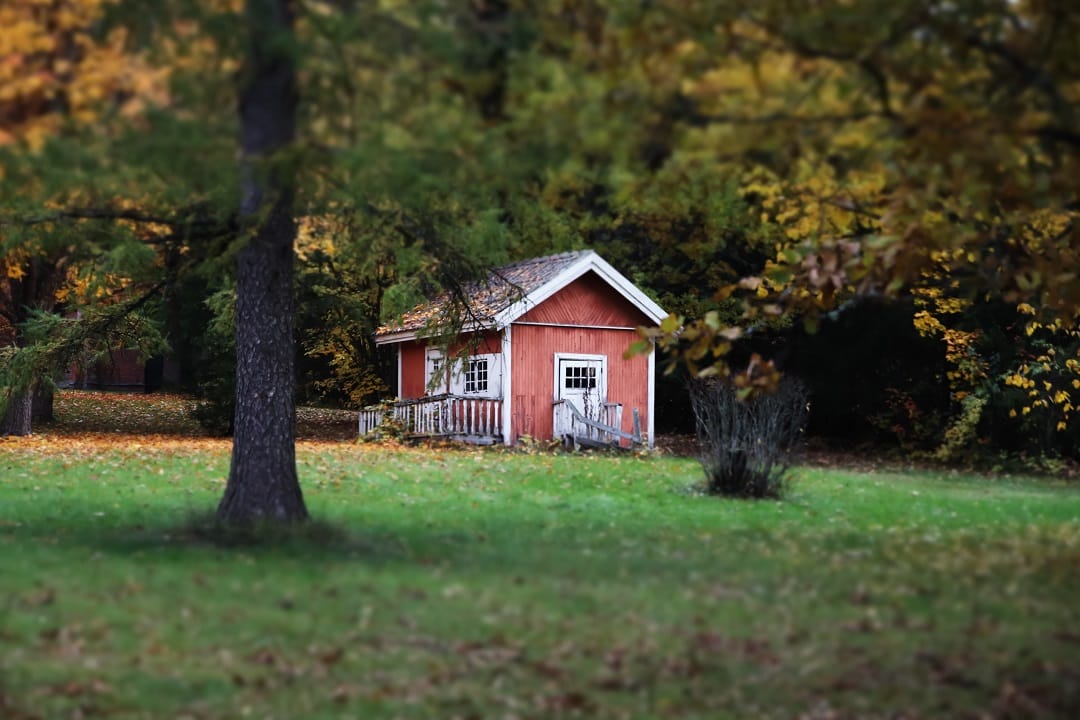
Filed Under: Frugal Living Tagged With: alternative housing, car living, financial freedom, location independence, minimalism, voluntary simplicity

Forget Traditional Home Ownership: 12 Alternative Housing Options That Can Give You Real Financial Freedom

June 10, 2024 by Toi Williams Leave a Comment

alternative housing options

123RF

Traditional home ownership, while a common goal, is not the only path to financial stability and independence. In fact, the burden of a mortgage and the associated costs of maintaining a traditional home can sometimes hinder financial freedom. For those looking to break free from conventional living arrangements and explore more flexible and cost-effective options, alternative housing provides a viable solution. Here are 12 alternative housing options that can offer real financial freedom and flexibility, allowing you to live on your own terms and achieve your financial goals.

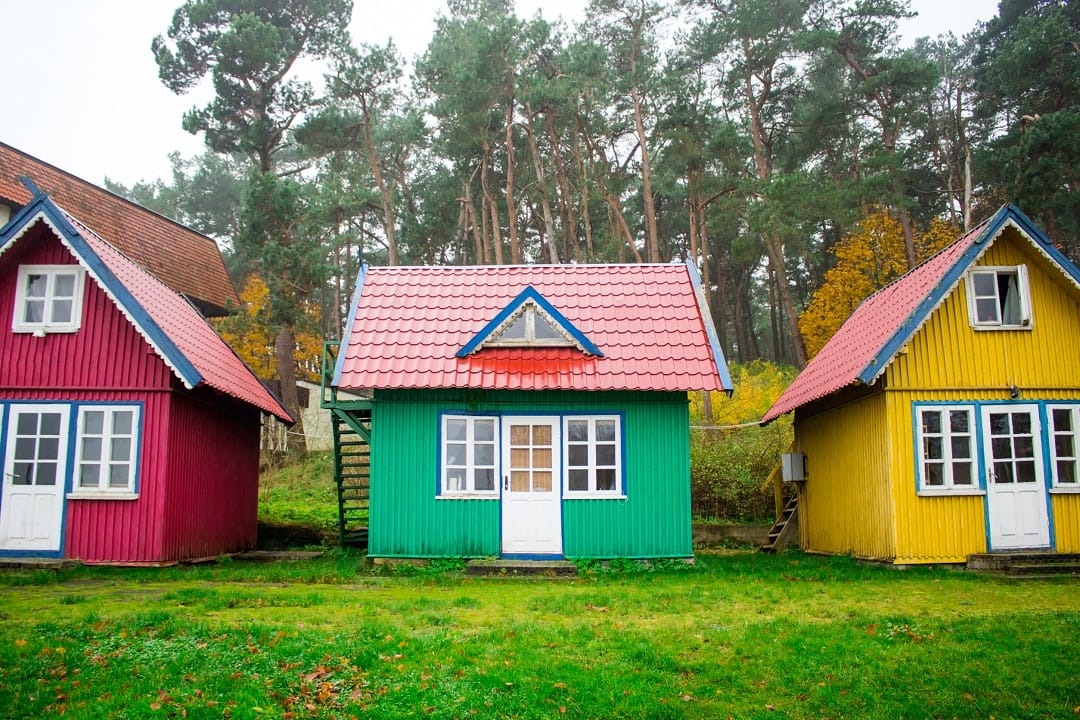
1. Tiny Homes

123RF

Tiny homes have gained popularity as a minimalist and cost-effective housing solution. These compact, portable houses typically range from 100 to 400 square feet, offering a simplified lifestyle with lower maintenance and utility costs. By downsizing your living space, you can significantly reduce your living expenses and free up more money for other financial goals. Living in a tiny home encourages a minimalist lifestyle, focusing on the essentials and reducing clutter. This can lead to a greater sense of freedom and financial security, as the lower costs associated with tiny home living allow for more savings and less financial stress.

2. Houseboats

123RF

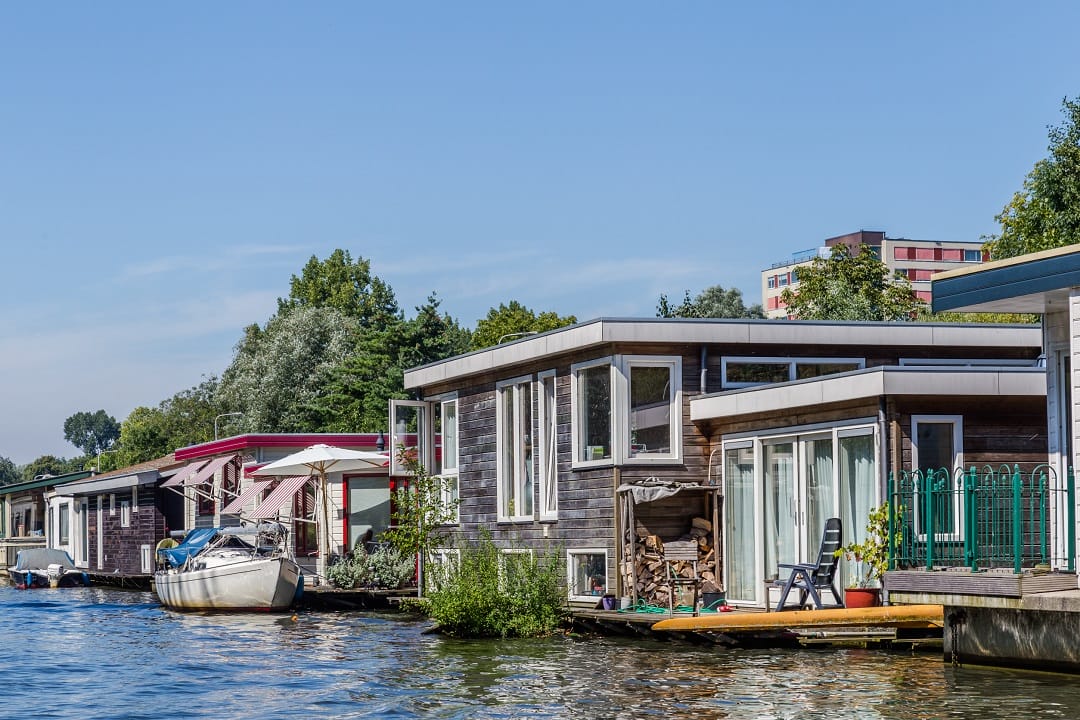
For those who love the water, houseboats offer a unique and adventurous living experience. Houseboats provide the freedom to live on the water, with the ability to relocate to different marinas or bodies of water as desired. This mobile lifestyle can lead to lower living costs compared to traditional homes, with fewer property taxes and maintenance fees. Houseboat living can also offer a sense of community among fellow boaters and the opportunity to enjoy waterfront views and activities. These alternative housing options provide a flexible and financially freeing lifestyle for those who crave adventure and a connection to nature.

3. RV Living

123RF

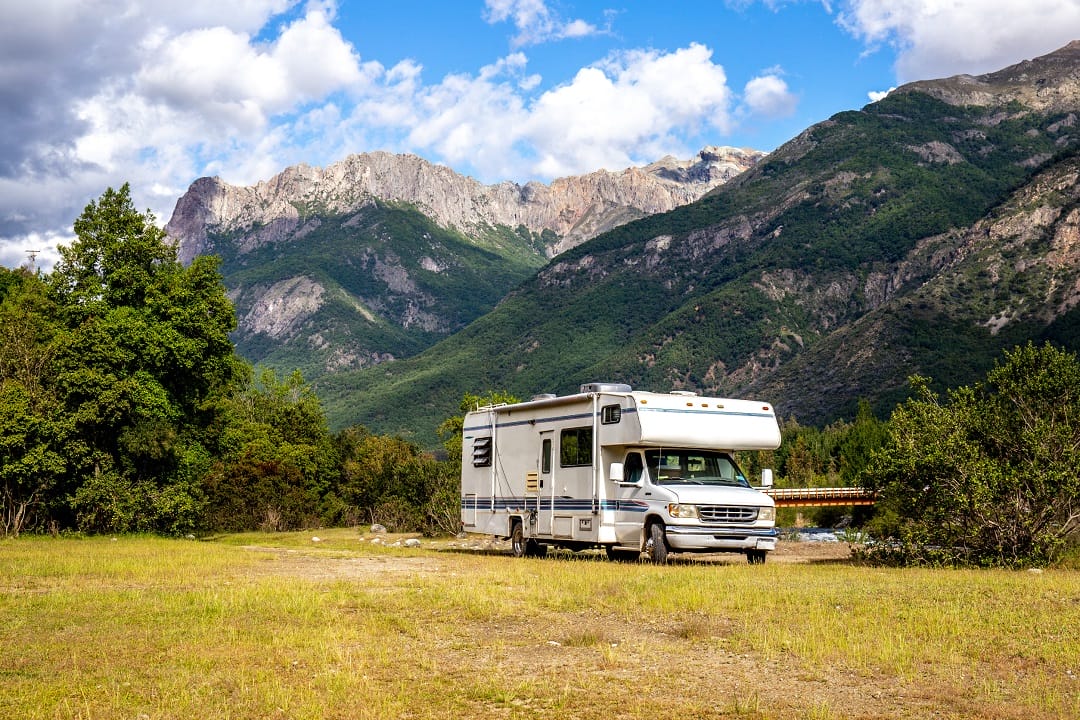
Living in a recreational vehicle (RV) provides the ultimate in mobility and freedom. RVs come in various sizes and styles, from small campers to luxury motorhomes, allowing you to choose a setup that fits your lifestyle and budget. This nomadic lifestyle enables you to travel and explore new places while keeping your living expenses low. RVs offer the flexibility to park at campgrounds, RV parks, or even on private land, often at a fraction of the cost of traditional housing. This alternative living arrangement is perfect for those seeking financial freedom and the ability to experience new adventures without the constraints of a fixed address.

4. Cohousing Communities

123RF

Cohousing communities are intentional neighborhoods where residents share common spaces and facilities while maintaining their own private homes. These communities emphasize collaboration, sustainability, and a strong sense of community. By sharing resources such as laundry facilities, gardens, and common areas, residents can reduce their individual living costs and environmental footprint. Cohousing offers the benefits of communal living, including shared responsibilities and social support, while still allowing for personal privacy. These alternative housing options can provide financial freedom through shared expenses and a cooperative approach to living.

5. Container Homes

123RF

Container homes are innovative and eco-friendly housing options built from repurposed shipping containers. These durable and modular structures can be customized to create unique and affordable living spaces. Container homes offer a cost-effective alternative to traditional construction, with lower material and labor costs. Living in a container home allows for significant savings on construction and maintenance, freeing up more funds for other financial goals. These alternative housing options are ideal for those who value sustainability, creativity, and financial freedom.

6. Yurts

123RF

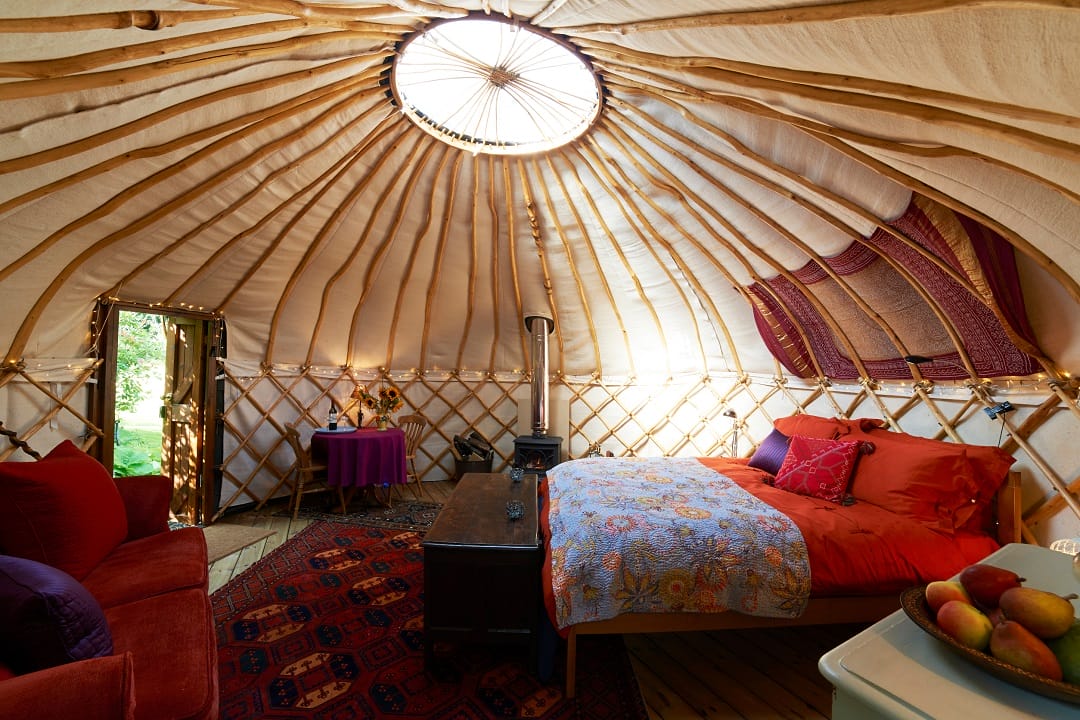
Yurts are circular, tent-like structures with a history rooted in traditional Mongolian nomadic living. Modern yurts are made from durable materials and can be equipped with all the amenities of a traditional home. They offer a unique and affordable housing option, with lower construction and maintenance costs compared to conventional homes. Yurts provide a close connection to nature and a minimalist lifestyle, promoting financial freedom through reduced living expenses and a simpler way of life. This alternative housing option is perfect for those seeking an eco-friendly and cost-effective living solution.

7. Shared Housing

123RF

Shared housing involves renting a room or space in a larger home with other individuals or families. This arrangement allows for shared living expenses, such as rent, utilities, and maintenance costs, significantly reducing individual financial burdens. Shared housing can provide a sense of community and support, while still maintaining personal privacy. These alternative housing options are ideal for those looking to cut costs and achieve financial freedom without compromising on living space or amenities. It offers the flexibility to choose living arrangements that fit your budget and lifestyle needs.

8. Off-Grid Living

123RF

Off-grid living involves disconnecting from traditional utilities and relying on renewable energy sources, such as solar or wind power, for electricity. This self-sufficient lifestyle can reduce or eliminate utility bills, offering significant financial savings. Off-grid living often includes sustainable practices like rainwater collection, composting, and growing your own food. Living off the grid promotes independence and a reduced environmental impact, aligning with a minimalist and financially freeing lifestyle. This alternative housing option is perfect for those seeking to live sustainably and reduce their reliance on external systems.

9. Cooperative Housing

123RF

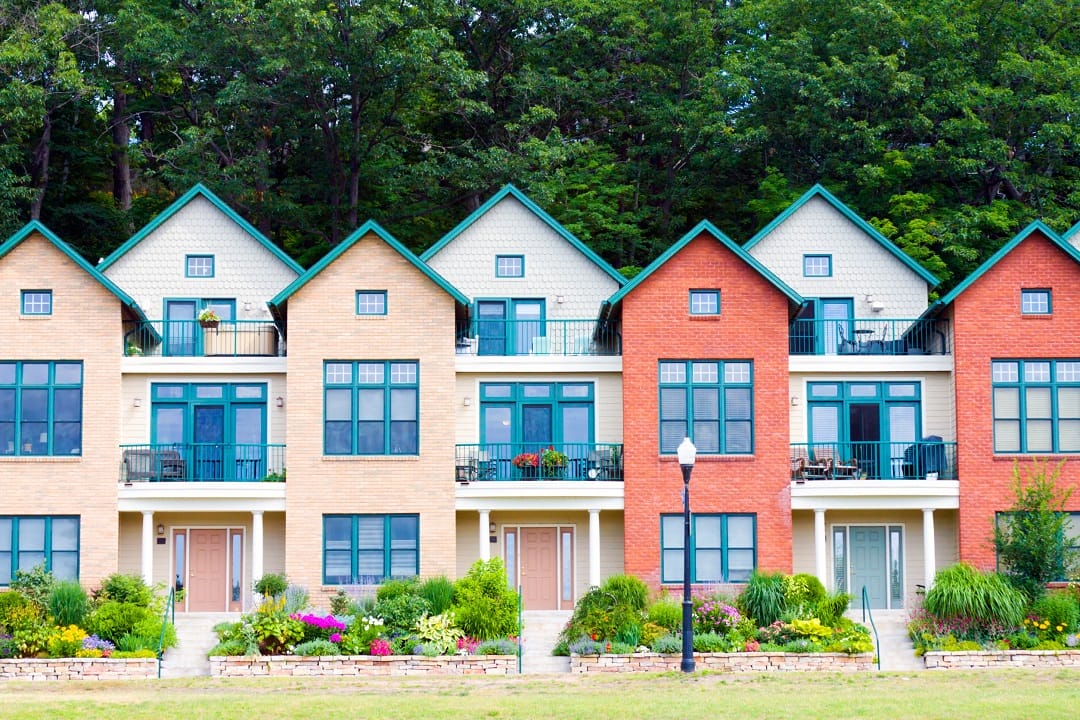
Cooperative housing, or co-ops, involves a group of individuals owning and managing a residential building collectively. Residents typically purchase shares in the co-op, which grants them the right to occupy a unit and participate in decision-making processes. This communal ownership model can lower housing costs and provide a strong sense of community. Cooperative housing offers financial freedom through shared expenses and democratic management, reducing the individual financial burden and promoting collective responsibility. It is an ideal alternative for those who value community living and want to invest in affordable housing.

10. Tiny Home Villages

123RF

Tiny home villages are communities of small, affordable homes that offer a supportive and collaborative living environment. These villages often include shared amenities like communal gardens, workshops, and social spaces, reducing the need for individual ownership of these facilities. Tiny home villages promote a minimalist lifestyle and financial freedom through reduced living expenses and shared resources. These alternative housing options are perfect for those seeking a tight-knit community and the financial benefits of living in a small, low-maintenance home. Tiny home villages offer a balance of independence and community support, making them an attractive choice for many.

11. Micro-Apartments

123RF

Micro-apartments are compact living spaces that typically range from 200 to 400 square feet. These small units are designed to maximize functionality and efficiency, providing affordable housing options in urban areas. Micro-apartments often include access to shared amenities like gyms, laundry facilities, and communal areas, reducing the need for individual investments in these features. Living in a micro-apartment allows for significant savings on rent and utilities, promoting financial freedom through lower living expenses. This alternative housing option is ideal for those who value simplicity and want to live affordably in a vibrant city environment.

12. Floating Homes

123RF

Floating homes are unique residential structures built on water, offering a distinctive and often cost-effective alternative to traditional housing. These homes are typically anchored in marinas or protected waterways and provide all the comforts of a traditional home with the added benefit of waterfront living. Floating homes offer financial freedom by eliminating the costs associated with land ownership and potentially reducing property taxes. This alternative housing option is perfect for those who seek a tranquil and adventurous lifestyle, enjoying the benefits of living on the water without the constraints of conventional home ownership.

Embracing Financial Freedom Through Alternative Housing

123RF

Exploring alternative housing options can open up new possibilities for financial freedom and a more flexible lifestyle. Whether you choose a tiny home, a houseboat, or a cooperative living arrangement, these innovative solutions offer the potential to reduce living costs, simplify your life, and achieve greater financial independence. By breaking free from the traditional home ownership model and embracing alternative housing, you can create a living situation that aligns with your financial goals and personal values. Start your journey towards financial freedom today by considering these unique and cost-effective housing options.

Toi Williams
Toi Williams

Toi Williams began her writing career in 2003 as a copywriter and editor and has authored hundreds of articles on numerous topics for a wide variety of companies. During her professional experience in the fields of Finance, Real Estate, and Law, she has obtained a broad understanding of these industries and brings this knowledge to her work as a writer.

Filed Under: Real Estate Tagged With: alternative housing, housing, Housing Costs, Real estate

5 Alternatives to Buying A House

December 26, 2023 by Tamila McDonald 1 Comment

should I buy a house now or wait

Many people dream of owning a home, but that doesn’t mean they can take the leap right now. Fortunately, there are other options that can give them the feeling of having their own place without the challenges that come with securing a mortgage and navigating the housing market. If you’re wondering whether you should consider buying a house now or wait, or if you’d like to learn about alternatives to buying a house, here’s what you need to know.

Should I Buy a House Now or Wait?

Many people wonder, “Should I buy a house now or wait?” Generally, that’s always a challenging question to answer, particularly in the current economy.

As of December 2023, mortgage interest rates are starting to trend downward. However, they’re still quite high – especially when compared to the pandemic-era rates – which may make now a less-than-ideal moment to hop into the housing market.

Still, if owning a home is your dream, getting your ducks in a row immediately instead of waiting isn’t a bad idea. For example, you can work on your down payment, something that’s easier with the higher interest rates currently popping up on high-yield savings accounts. Improving your credit always works in your favor, as that helps you secure a lower interest rate when you do apply for a mortgage.

Just keep in mind that there are some solid alternatives to homeownership out there, too. So, if now doesn’t feel like the right time, that’s okay. You can explore those other approaches instead.

5 Alternatives to Buying a House

1. Condos

If you want to own a property but aren’t sure if a house is the right choice for you, a condominium (or condo) could be a solid fit. Essentially, you’d end up an owner-occupier of an apartment, which gives you many rights similar to being a homeowner with some of the convenience that usually comes with renting.

Generally, condo owners have a significant amount of control over their units, but they share ownership of common areas. Generally, that means paying fees to a condo association, and in exchange for those funds, the condo association handles things like landscaping and amenity management.

2. Manufactured Homes

Manufactured homes aren’t what they used to be, so you can get something with style and livability with surprisingly good quality. Plus, you can explore a variety of sizes, ranging from something close to a traditional house to smaller options, including tiny homes.

If you go in this direction, you may still want to purchase land if you want a high degree of autonomy. However, you can also rent lots from property owners instead. Just be aware that renting a lot will have benefits and drawbacks, so make sure you’re comfortable before moving forward.

3. RVs, Fifth Wheels, or Trailers

If you like the idea of having your own space but don’t want to commit to a single location, you may find that living in an RV, fifth wheel, or trailer suits you. You can use it to explore the country or find a lot – either by purchasing land or renting a spot – to stay in place for a while. Plus, there are many styles and sizes available, allowing you to choose something that fits your budget.

4. Houseboats or Floating Homes

For anyone who wants to be close to the water, a houseboat or floating home could be a solid alternative to a more traditional house. You get your own space and can settle in at a local marina to have access to utilities. Plus, there are many sizes and styles out there, so it’s easy to find something that matches your taste.

5. Rentals

Ultimately, the classic alternative to buying a home is finding a rental. The benefit here is that you aren’t responsible for maintaining the structure, which is why it’s worth considering. Rentals are also available in a variety of sizes and styles. The main drawback is that you aren’t the owner and won’t build any type of equity. Additionally, prices can change with every lease renewal. Still, since you don’t own the home, you can also move on whenever the need arises, so keep that in mind.

Do you think now is an okay time to buy a house, or is waiting a smarter move for most people? Do you know of any other alternatives to buying a house that people should consider? Share your thoughts in the comments below.

Read More:

  • Why Did I Buy That House? Home Buyer’s Remorse
  • 7 First Home Buying Tips
  • Is Paying Points a Good Way to Reduce Your Mortgage Rate?
Tamila McDonald
Tamila McDonald

Tamila McDonald is a U.S. Army veteran with 20 years of service, including five years as a military financial advisor. After retiring from the Army, she spent eight years as an AFCPE-certified personal financial advisor for wounded warriors and their families. Now she writes about personal finance and benefits programs for numerous financial websites.

Filed Under: budget tips Tagged With: 5 Alternatives to Buying A House, alternative housing, Condos, Floating Homes, Houseboats, manufactured homes, Rentals, Trailers

FOLLOW US

Search this site:

Recent Posts

  • Can My Savings Account Affect My Financial Aid? by Tamila McDonald
  • 12 Ways Gen X’s Views Clash with Millennials… by Tamila McDonald
  • What Advantages and Disadvantages Are There To… by Jacob Sensiba
  • 10 Tactics for Building an Emergency Fund from Scratch by Vanessa Bermudez
  • Call 911: Go To the Emergency Room Immediately If… by Stephen Kanaval
  • 7 Weird Things You Can Sell Online by Tamila McDonald
  • 10 Scary Facts About DriveTime by Tamila McDonald

Copyright © 2026 · News Pro Theme on Genesis Framework