• Home
  • About Us
  • Toolkit
  • Getting Finances Done
    • Hiring Advisors
    • Debt Management
    • Spending Plan
  • Insurance
    • Life Insurance
    • Health Insurance
    • Disability Insurance
    • Homeowners/Renters Insurance
  • Contact Us
  • Privacy Policy
  • Risk Tolerance Quiz

The Free Financial Advisor

You are here: Home / Archives for sustainable living

Why “Green” Homes Might Be More Expensive to Maintain

July 23, 2025 by Travis Campbell Leave a Comment

solar panels

Image Source: pexels.com

Building or buying a “green” home sounds like a smart move. You want to save energy, help the planet, and maybe even lower your bills. But there’s a side to green homes that doesn’t get much attention: the cost of keeping them running. Many people expect green homes to be cheaper to maintain, but that’s not always true. Sometimes, the price tag for repairs, replacements, and upkeep can surprise you. If you’re thinking about going green, it’s important to know what you’re getting into. Here’s why “green” homes might be more expensive to maintain than you think.

1. Specialized Materials Cost More

Green homes often use special materials. These might be recycled, non-toxic, or designed to save energy. While that’s good for the environment, it can be tough on your wallet. If you need to replace a part of your bamboo floor or a unique insulation panel, you might have trouble finding a match. Even if you do, it usually costs more than standard materials. And if you need a contractor who knows how to work with these products, expect to pay extra for their expertise. The supply chain for green building materials is still growing, so prices stay high.

2. High-Tech Systems Need Expert Care

Many green homes rely on advanced technology. Think solar panels, geothermal heating, or smart home systems that control everything from lights to water use. These systems can save energy, but they’re not always simple to fix. If something breaks, you might need a specialist. Regular HVAC technicians may not be familiar with repairing a geothermal pump or troubleshooting a solar inverter. And specialists charge more for their time. Plus, some parts may need to be ordered from far away, which adds to the cost and wait time.

3. Maintenance Schedules Are Stricter

Green homes often have strict maintenance needs. For example, high-efficiency air filters need to be changed more often. Solar panels need to be cleaned and checked for damage. Rainwater collection systems must be inspected to prevent leaks or contamination. If you skip these tasks, your systems might not work as well—or could even break down. That means you’ll spend more time and money on regular upkeep. And if you hire someone to do it, the bill adds up fast.

4. Replacement Parts Can Be Hard to Find

When something breaks in a green home, finding the right replacement part isn’t always easy. Many green products are newer to the market. Some brands go out of business or stop making certain items. If your eco-friendly water heater needs a new part, you might have too special-order it. That can mean higher prices and longer waits. In some cases, you might have to replace the whole system instead of just one part. This can turn a small repair into a big expense.

5. Warranties May Be Limited

Some green products come with limited warranties. If a part fails after a few years, you might be on the hook for the full cost of replacement. And because green technology is always changing, companies sometimes stop supporting older models. This leaves homeowners with expensive repairs and no help from the manufacturer. Before you buy, check the warranty details. Make sure you know what’s covered and for how long. Energy.gov offers tips on what to look for in green home warranties.

6. Skilled Labor Is in Short Supply

Not every contractor knows how to work with green building systems. If you need repairs, you might have to search for someone with the right skills. And when demand is high but supply is low, prices go up. Skilled green home contractors can charge a premium for their services. If you live in a smaller town, you might even have to pay for travel costs. This shortage of skilled labor makes maintaining a green home more expensive than a traditional one.

7. Upgrades and Retrofits Add Up

Green technology changes fast. What’s cutting-edge today might be outdated in a few years. If you want to keep your home as efficient as possible, you may need to upgrade systems or add new features. For example, you might want to swap out old solar panels for newer, more efficient ones. Or you might need to retrofit your home to meet new energy standards. These upgrades can be costly, and they’re not always optional if you want to keep your home’s green certification.

8. Insurance Can Be Higher

Some insurance companies charge more to cover green homes. This is because repairs can be more expensive, and replacement parts are harder to find. If your home uses rare materials or advanced systems, your insurer might see it as a higher risk. You may need to shop around for a policy that covers all your green features. And even then, you might pay more than you would for a standard home.

9. Not All Savings Are Guaranteed

Many people expect green homes to save them money. But energy savings can vary. If you live in a cloudy area, your solar panels might not produce enough power. If your high-efficiency systems break down, you could end up paying more for repairs than you save on bills. It’s important to do the math before you buy. Look at your local climate, the age of the systems, and the cost of maintenance. Sometimes, the savings just don’t add up.

Think Before You Go Green

Green homes offer real benefits, but they come with hidden costs. Specialized materials, high-tech systems, and strict maintenance can make them more expensive to maintain. Before you commit, weigh the long-term costs against the benefits. Ask questions, read the fine print, and plan for extra expenses. A green home can be a smart choice, but only if you know what to expect.

Have you owned a green home or considered buying one? What maintenance surprises did you face? Share your story in the comments.

Read More

Why So Many Boomer Homes Are Sitting Unsold in Today’s Market

7 Reasons Your Parents Want You To Put Their Homes and Cars In Your Name

Travis Campbell
Travis Campbell

Travis Campbell is a digital marketer/developer with over 10 years of experience and a writer for over 6 years. He holds a degree in E-commerce and likes to share life advice he’s learned over the years. Travis loves spending time on the golf course or at the gym when he’s not working.

Filed Under: Smart Spending Tagged With: Energy Efficiency, green homes, home maintenance, home repairs, homeownership, Real estate, sustainable living

Why More Americans Are Moving Into Converted School Buses

July 21, 2025 by Travis Campbell Leave a Comment

school bus

Image Source: pexels.com

Living in a converted school bus might sound unusual, but more Americans are making this choice every year. The reasons go beyond just saving money. People want more control over their lives, and a bus can offer that. Some are tired of high rent and mortgages. Others want to travel or live closer to nature. This trend matters because it shows how people are rethinking what “home” means. If you’re curious about why so many are choosing this path, here’s what’s driving the move into converted school buses.

1. Housing Costs Keep Rising

The price of traditional homes keeps going up. Rent is high in most cities, and buying a house is out of reach for many. A converted school bus, often called a “skoolie,” costs much less than a house or even a new car. People can buy an old bus for a few thousand dollars and spend another $10,000 to $30,000 fixing it up. That’s still far less than a down payment on a house in most places. For many, this is the only way to own a home without taking on huge debt. The Pew Research Center reports that rising housing costs are a top concern for Americans, making alternatives like skoolies more appealing.

2. Freedom to Travel

A big reason people move into converted school buses is the freedom to travel. You can wake up in the mountains one week and by the beach the next. There’s no need to book hotels or worry about finding a place to stay. Your home goes with you. This lifestyle appeals to people who work remotely or want to see more of the country. It’s also a way to visit family and friends without the hassle of packing and unpacking. The bus becomes both your home and your vehicle, making travel simple and flexible.

3. Downsizing and Simplicity

Many people are tired of clutter and want a simpler life. Living in a bus means you have to downsize. There’s only so much space, so you keep what matters and let go of the rest. This can be freeing. You spend less time cleaning and organizing. You also buy less stuff because there’s nowhere to put it. For some, this shift leads to less stress and more focus on what’s important. The move to a skoolie is often about more than just saving money—it’s about living with intention.

4. Customization and Creativity

A converted school bus is a blank canvas. You can design the space to fit your needs. Some people build full kitchens, others add bunk beds or workspaces. You choose the colors, the layout, and the features. This level of customization is rare in traditional housing unless you build from scratch. People enjoy the process of turning an old bus into a cozy, functional home. It’s a chance to be creative and make something unique. The result is a space that feels personal and reflects your style.

5. Closer Connection to Nature

Living in a skoolie often means spending more time outdoors. You can park near lakes, forests, or national parks. Many people who choose this lifestyle want to be closer to nature. They enjoy hiking, fishing, or just sitting outside. The bus gives you the freedom to move with the seasons or find quiet spots away from crowds. This connection to nature can improve mental health and well-being. It’s a big reason why more Americans are moving into converted school buses.

6. Building Community

The skoolie community is growing. There are online groups, meetups, and gatherings where people share tips and stories. Living in a bus can feel lonely at first, but many find a sense of belonging with others who have made the same choice. People help each other with repairs, share places to park, and offer advice. This support network makes the transition easier and adds value to the lifestyle. It’s not just about the bus—it’s about the people you meet along the way.

7. Environmental Impact

A converted school bus can be more eco-friendly than a traditional home. Many people use solar panels, composting toilets, and energy-efficient appliances. The smaller space means you use less energy and water. Some even use recycled materials for the build. This lifestyle encourages mindful consumption and waste reduction. For those who care about the environment, moving into a skoolie is a practical way to lower their footprint. The U.S. Environmental Protection Agency highlights the benefits of reducing waste and reusing materials, which fits with the skoolie approach.

8. Flexibility in Uncertain Times

Life can change fast. Jobs come and go, relationships shift, and the economy is unpredictable. A converted school bus offers flexibility. If you need to move for work or family, you can. If you want to try a new city, you just drive there. This flexibility is valuable, especially when the future feels uncertain. More Americans are moving into converted school buses because it gives them options and control over where and how they live.

Rethinking What Home Means

The rise in people moving into converted school buses shows a shift in how Americans think about home. It’s not just about four walls and a roof. It’s about freedom, flexibility, and living on your own terms. A skoolie isn’t for everyone, but it’s a real solution for those who want something different. As more people look for ways to escape high costs and live with purpose, the skoolie movement will likely keep growing.

Have you ever thought about living in a converted school bus, or do you know someone who has? Share your thoughts in the comments.

Read More

8 Reasons You Should Be Starting Your Own Business Right Now

8 Reasons Every Small Business Needs An Attorney On Speed Dial

Travis Campbell
Travis Campbell

Travis Campbell is a digital marketer/developer with over 10 years of experience and a writer for over 6 years. He holds a degree in E-commerce and likes to share life advice he’s learned over the years. Travis loves spending time on the golf course or at the gym when he’s not working.

Filed Under: Lifestyle Tagged With: alternative housing, bus conversion, Housing Costs, minimalism, skoolie, sustainable living, tiny homes, travel, van life

Replace These 7 Items Only After You’ve Had Them At Least 10 Years

May 24, 2025 by Travis Campbell Leave a Comment

replacing cookware

Image Source: pexels.com

We live in a world where “new” is often equated with “better.” Advertisers and retailers constantly nudge us to upgrade, replace, and refresh our belongings, even when the old ones are still working just fine. But what if holding onto certain items for a full decade—or longer—could actually be the smarter financial move? If you’re looking to save money, reduce waste, and make more intentional choices, knowing what to replace after 10 years (and not a moment sooner) is a game-changer. Let’s dive into seven everyday items you should keep for at least a decade before even thinking about an upgrade.

1. Solid Wood Furniture

Solid wood furniture is built to last. Unlike particleboard or MDF pieces, a well-made wooden table, dresser, or bed frame can easily withstand decades of use. In fact, many families pass these pieces down through generations. Instead of replacing your furniture every few years, consider refinishing or repainting it to give it a fresh look. Not only does this save you money, but it also keeps quality items out of landfills. According to the Environmental Protection Agency, over 12 million tons of furniture are thrown away each year in the U.S. alone. So, when it comes to furniture, the rule is simple: replace after 10 years, or even longer if it’s still sturdy and functional.

2. High-Quality Cookware

If you’ve invested in stainless steel or cast iron cookware, you’re in luck—these kitchen staples are designed to last a lifetime. With proper care, such as regular seasoning for cast iron and gentle cleaning for stainless steel, your pots and pans can easily surpass the 10-year mark. Replacing cookware too soon is unnecessary and can be a waste of money. Instead, focus on maintaining what you have. If a handle comes loose or a pan gets scratched, see if it can be repaired before tossing it. Remember, the best cookware is often the one you’ve had for years and know how to use perfectly.

3. Major Home Appliances

While upgrading to the latest fridge or washing machine is tempting, most major home appliances are built to last at least 10 years. According to Consumer Reports, the average lifespan of a refrigerator is about 13 years, while washing machines and dryers typically last around 10 years. Unless your appliance is beyond repair or is costing you a fortune in energy bills, there’s no need to replace it before the decade mark. Regular maintenance, like cleaning filters and coils, can extend their life even further.

4. Quality Mattresses

Mattresses are a big investment, and the good news is that a high-quality mattress can last 10 years or more. While some manufacturers recommend replacing mattresses every 7-8 years, this is often a marketing tactic. If your mattress is still comfortable and supportive, there’s no rush to swap it out. Rotating your mattress every few months and using a mattress protector can help it last even longer. Only consider replacing after 10 years if you notice sagging, lumps, or discomfort that affects your sleep.

5. Leather Shoes and Boots

Good leather shoes or boots can be your best friend for a decade or more. Quality footwear can outlast most trends with regular cleaning, conditioning, and the occasional trip to the cobbler for new soles or heels. Fast fashion encourages us to buy new shoes every season, but classic leather styles are timeless and durable. Instead of replacing them every year, invest in care and repair. You’ll save money and always have a comfortable, broken-in pair ready to go.

6. Tools and Hardware

Well-made tools are built to last, whether it’s a hammer, screwdriver, or power drill. Unless they’re lost or broken beyond repair, there’s no reason to replace your tools before 10 years. In fact, many people inherit tools from parents or grandparents that are still in perfect working order. Keep your tools clean, store them properly, and they’ll serve you faithfully for decades. When you do need to replace something, opt for quality over quantity to ensure longevity.

7. Bicycles

A well-maintained bicycle can easily last more than 10 years. Regular tune-ups, cleaning, and replacing worn-out parts like tires or chains can keep your bike rolling smoothly for years. There’s no need to buy a new bike just because a newer model is out. In fact, many vintage bikes are prized for their durability and craftsmanship. Unless your needs change drastically or the frame is damaged beyond repair, stick with your trusty ride and replace after 10 years—or even longer.

The Power of Patience: Why Waiting Pays Off

Choosing to replace after 10 years isn’t just about saving money—it’s about making thoughtful, sustainable choices that benefit your wallet and the planet. By resisting the urge to upgrade prematurely, you reduce waste, support quality craftsmanship, and get the most value from your purchases. Next time you’re tempted by a shiny new version of something you already own, remember: patience pays off in more ways than one.

What’s the oldest item you still use every day? Share your stories and tips in the comments below!

Read More

11 Outdated Skills That Were Once Cutting Edge

12 Things Most People Only Do If They’re Serious About Retirement

Travis Campbell
Travis Campbell

Travis Campbell is a digital marketer/developer with over 10 years of experience and a writer for over 6 years. He holds a degree in E-commerce and likes to share life advice he’s learned over the years. Travis loves spending time on the golf course or at the gym when he’s not working.

Filed Under: Home Improvement Tagged With: budgeting, frugal living, home maintenance, Money Saving tips, Personal Finance, Planning, sustainable living

10 Money Leaks in Your Home You Can Fix Today

June 10, 2024 by Vanessa Bermudez Leave a Comment

money and house

123rf

So, you’ve been checking your monthly expenses and can’t shake the feeling that your money is somehow slipping through the cracks? Well, you might not be wrong. Your home could be full of little money leaks that are silently padding your bills. The good news? Many of these can be plugged with simple fixes that don’t require a call to a professional. Let’s dive into 10 common household money leaks and how you can fix them today for a tighter, more budget-friendly home.

1. Leaky Faucets

Leaky Faucets

Canva

That drip-drip-drip isn’t just a nuisance; it’s a drain on your wallet. A single leaky faucet can waste gallons of water a day, adding unnecessary costs to your water bill. The fix is usually as simple as replacing a worn washer or tightening a few screws. You can find tutorials online that will guide you step-by-step, or you can pick up a DIY repair kit from your local hardware store. Patching up these leaks is a quick win in the battle against wasteful spending.

2. Old Weather Stripping

Old Weather Stripping

Canva

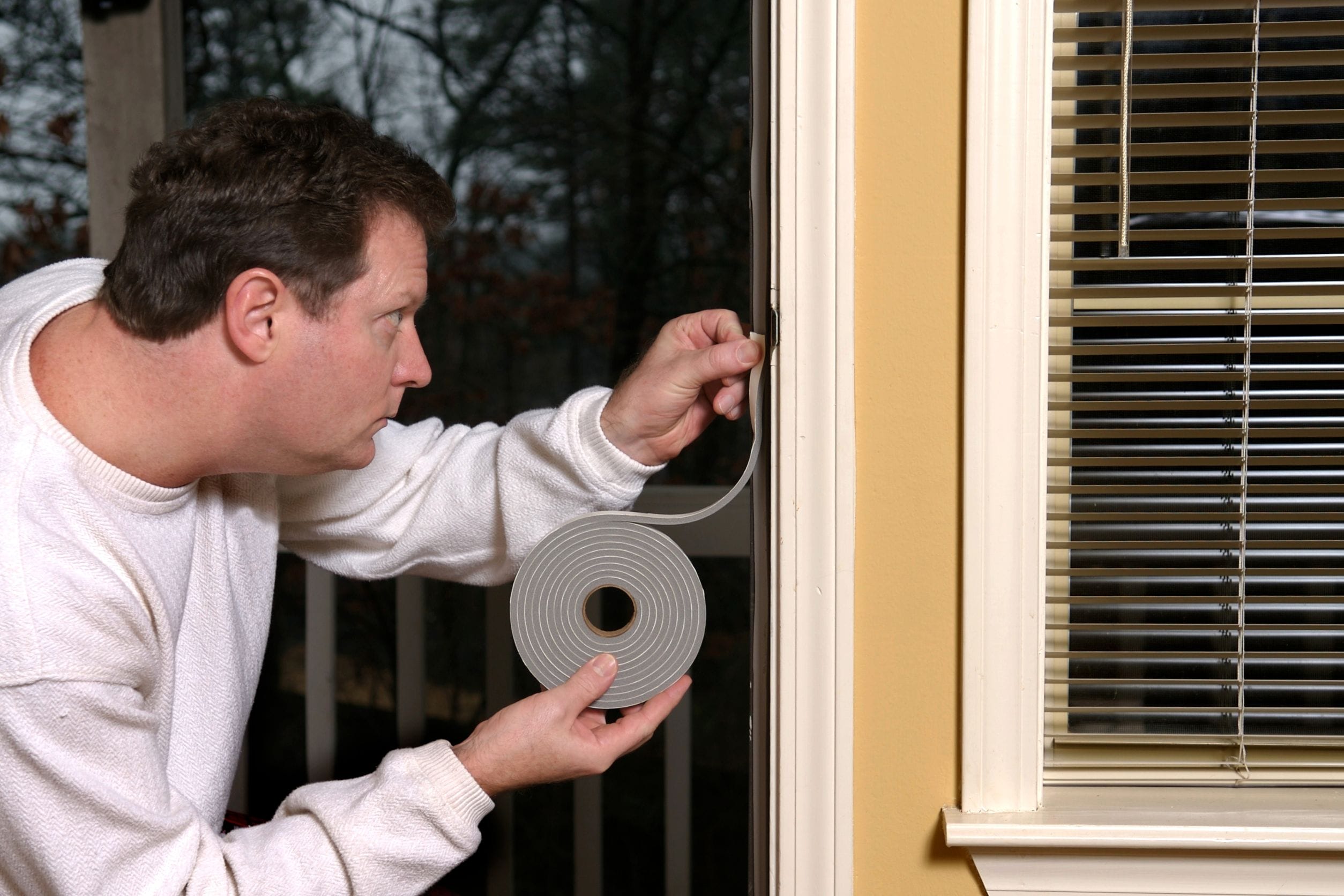
Weather stripping around doors and windows keeps the outside air where it belongs, outside. If it’s worn out, though, it’s likely letting air sneak in, making your heating and cooling system work harder and costing you more. Check for drafts by holding a candle near window frames and doors on a windy day; if the flame flickers, you’ve got a leak. Replacing weather stripping is cheap and easy, and it can make a big difference in your energy bills.

3. Inefficient Light Bulbs

Inefficient Light Bulbs

Canva

Still, lighting up your home like it’s the early 2000s? It’s time to switch to LED bulbs. LEDs use a fraction of the electricity of traditional incandescent bulbs and last way longer. Although they’re a bit pricier upfront, the savings on your energy bills will more than makeup for the initial cost. Plus, they come in various hues to enhance the ambiance of your home. Efficiency can indeed be beautiful!

4. Uninsulated Pipes

Uninsulated Pipes

Canva

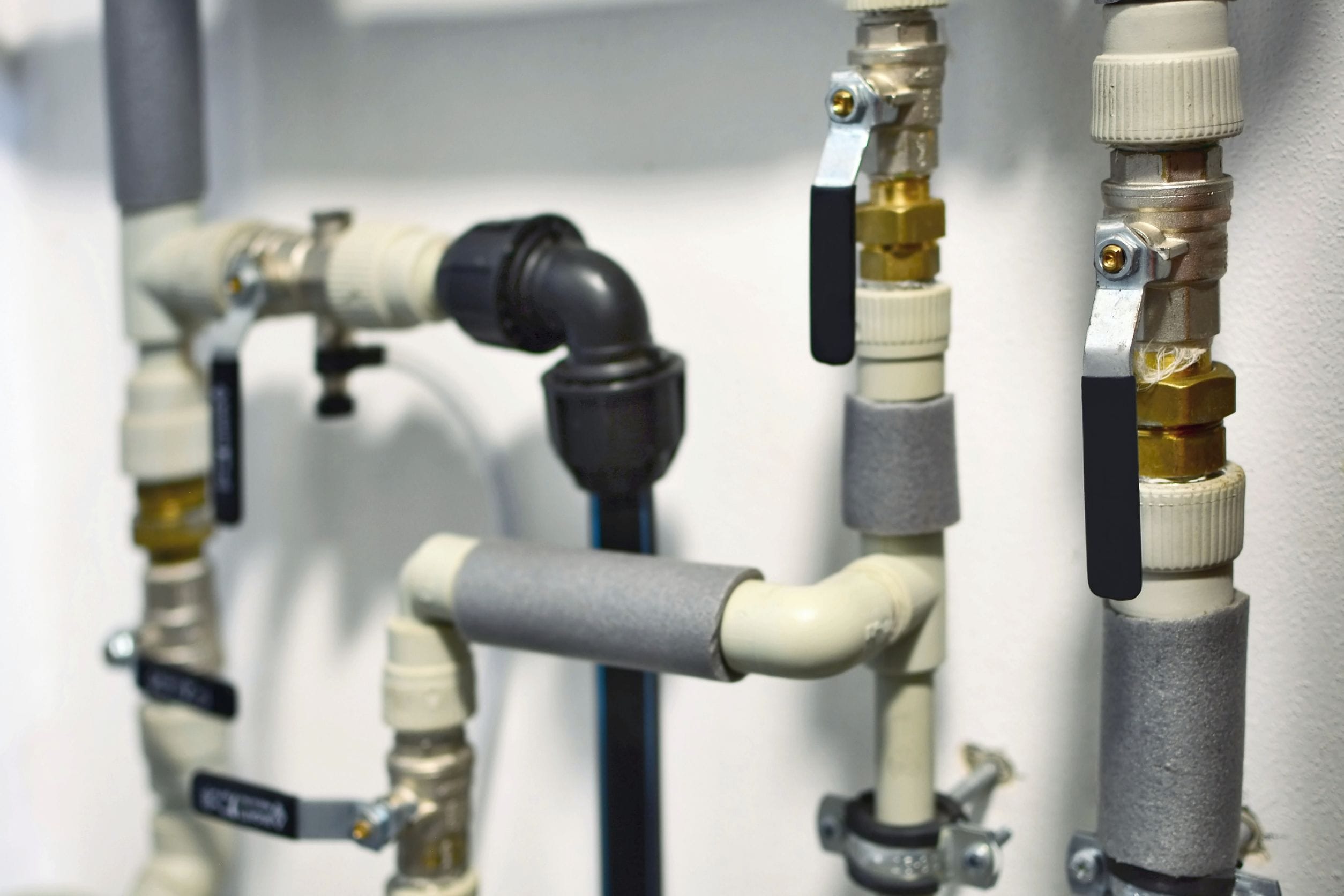
Heating water can be a major power hog, especially if your pipes aren’t insulated. This causes your water heater to work overtime to keep hot water hot while it travels through your home. Foam pipe insulation is cheap, easy to install, and can save you a bundle by reducing heat loss. Just wrap it around your pipes, and you’ll keep the heat where it needs to be. Say goodbye to lukewarm showers and high energy bills!

5. Unused Chargers and Appliances

Unused Chargers and Appliances

Canva

Did you know that chargers plugged in without being attached to their devices still draw power? This “phantom load” can be a sneaky addition to your electric bill. The same goes for appliances that are turned off but plugged in. Unplug these energy vampires when they’re not in use, or invest in a smart power strip that cuts power when devices are fully charged or not in use. A small change with potentially big savings!

6. Dusty Fridge Coils

Dusty Fridge Coils

Canva

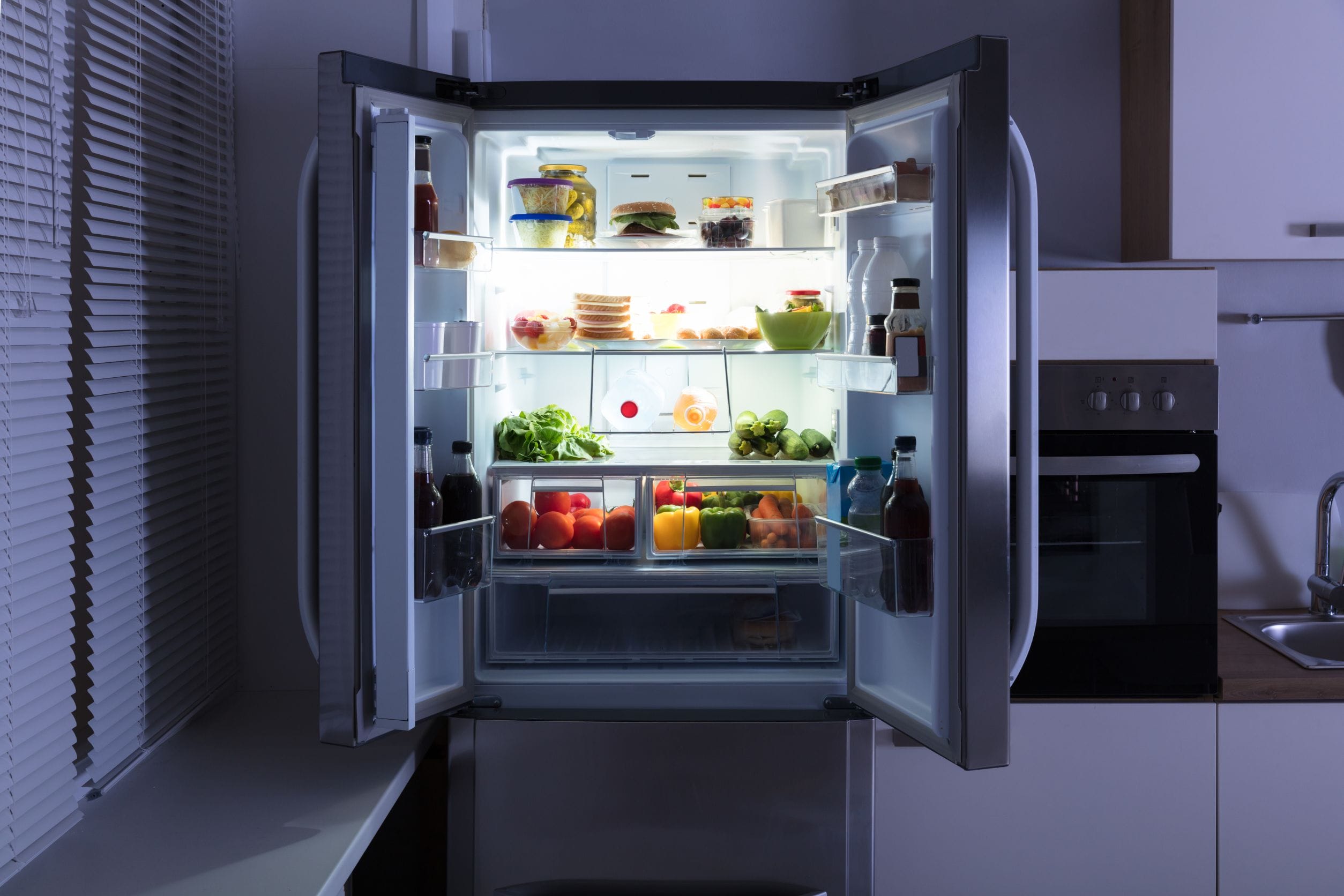
When was the last time you cleaned the coils on your refrigerator? Dirty coils make your fridge work harder to keep cool, using more energy and hiking up your power bill. Pull your fridge away from the wall, unplug it, and use a coil brush or vacuum attachment to remove the dust. This should be done at least once a year to keep your fridge running efficiently. An easy, often overlooked maintenance task that can prolong the life of your appliance and improve its efficiency.

7. Running Toilets

Running Toilets

Canva

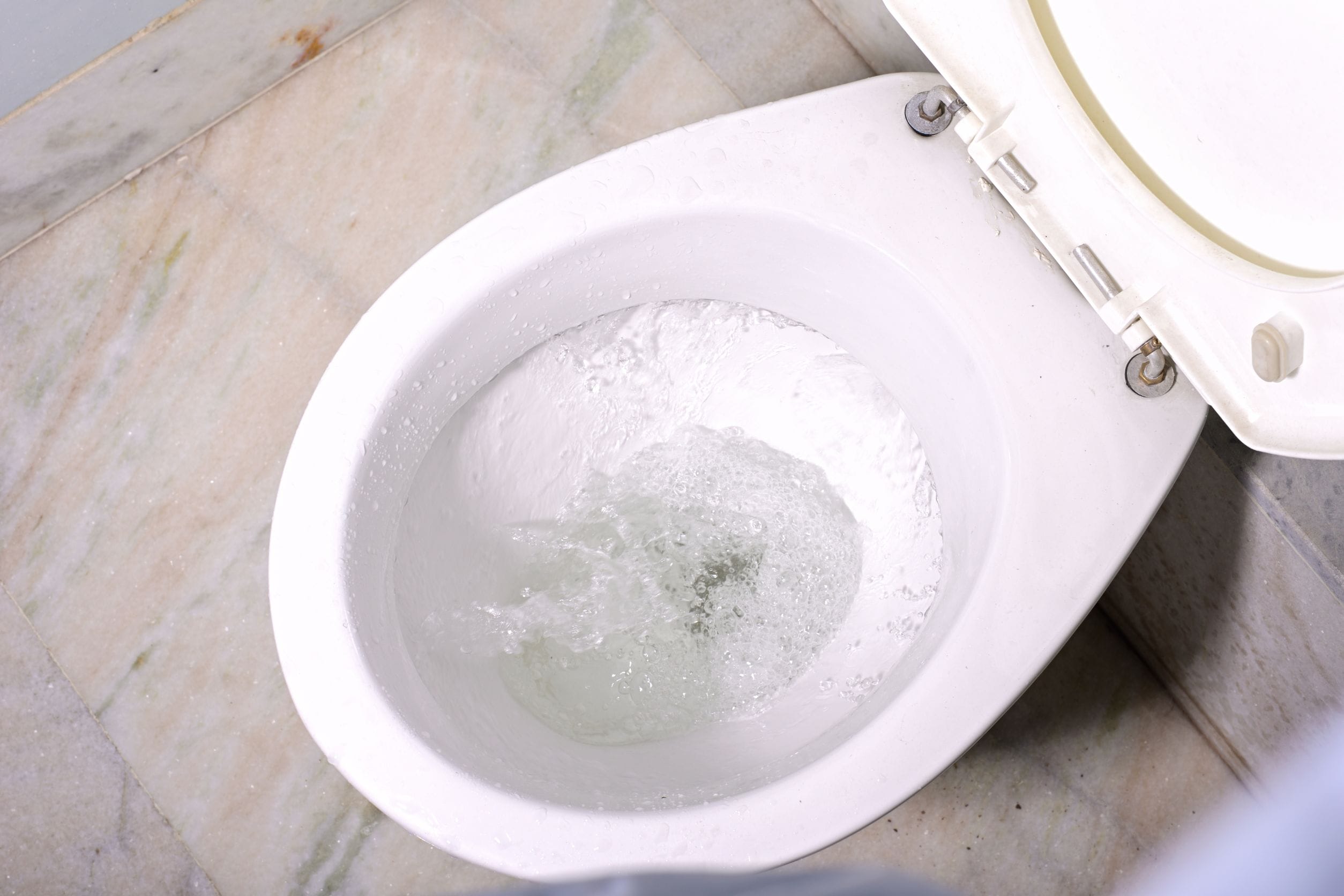
A running toilet can waste up to 200 gallons of water a day, talk about flushing money down the drain! Often, the issue is with a faulty flapper or float. Toilet repair kits are available at any hardware store and are simple enough to install yourself. Fixing this can be one of the most cost-effective repairs you can make in your home. Plus, it’s satisfying to finally silence that constant running noise.

8. Poor Attic Insulation

Poor Attic Insulation

Canva

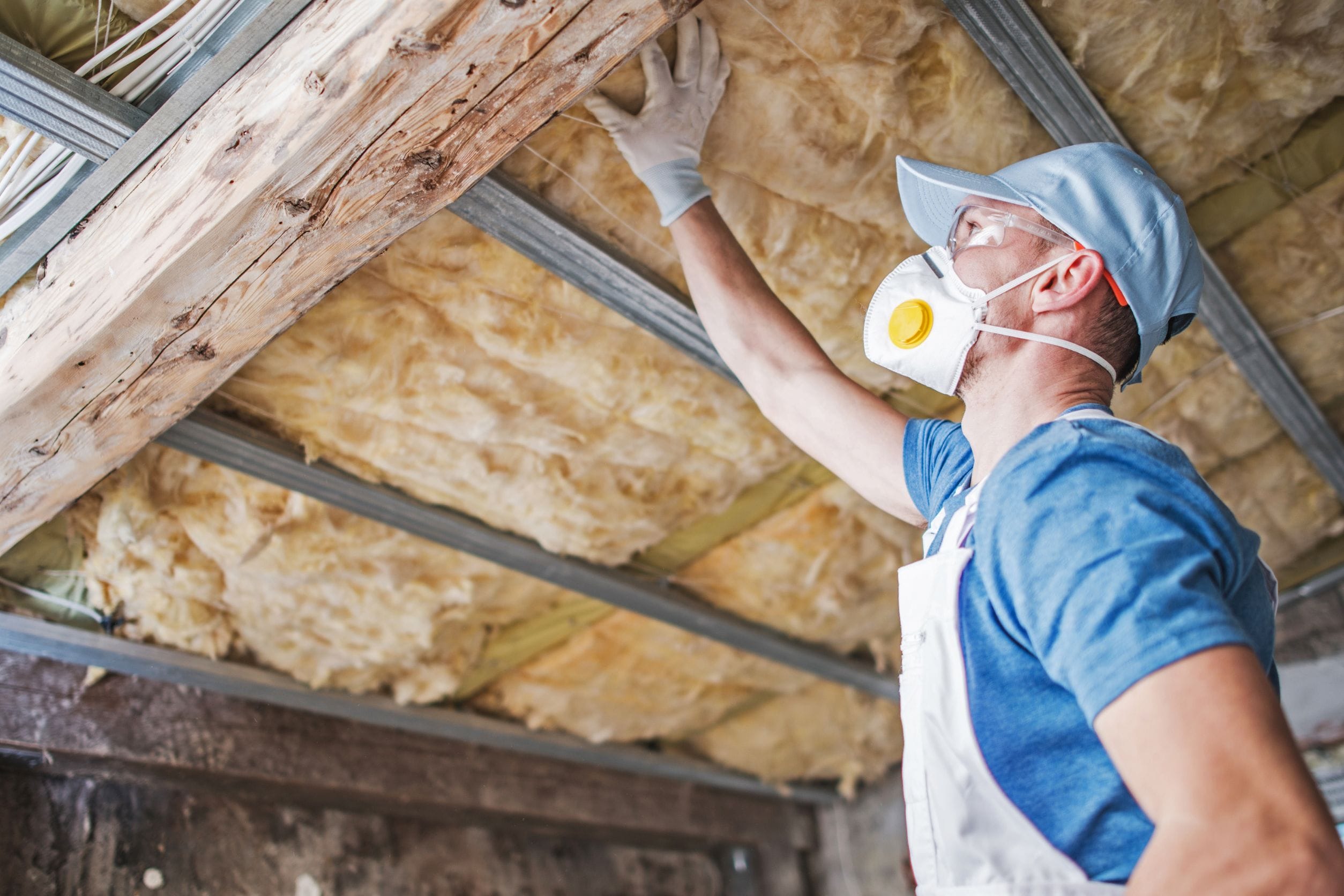
Poor insulation in your attic isn’t just a problem in winter; it affects your home’s efficiency year-round. If your home feels drafty in winter or too hot in summer, it’s likely time to reassess your attic’s insulation. Adding insulation can be a weekend project that pays off substantially in energy savings. Check out local rebates or tax credits for insulation upgrades; it might cost less than you think. This is a long-term investment that keeps on giving.

9. Overwatering Your Lawn

Overwatering Your Lawn

Canva

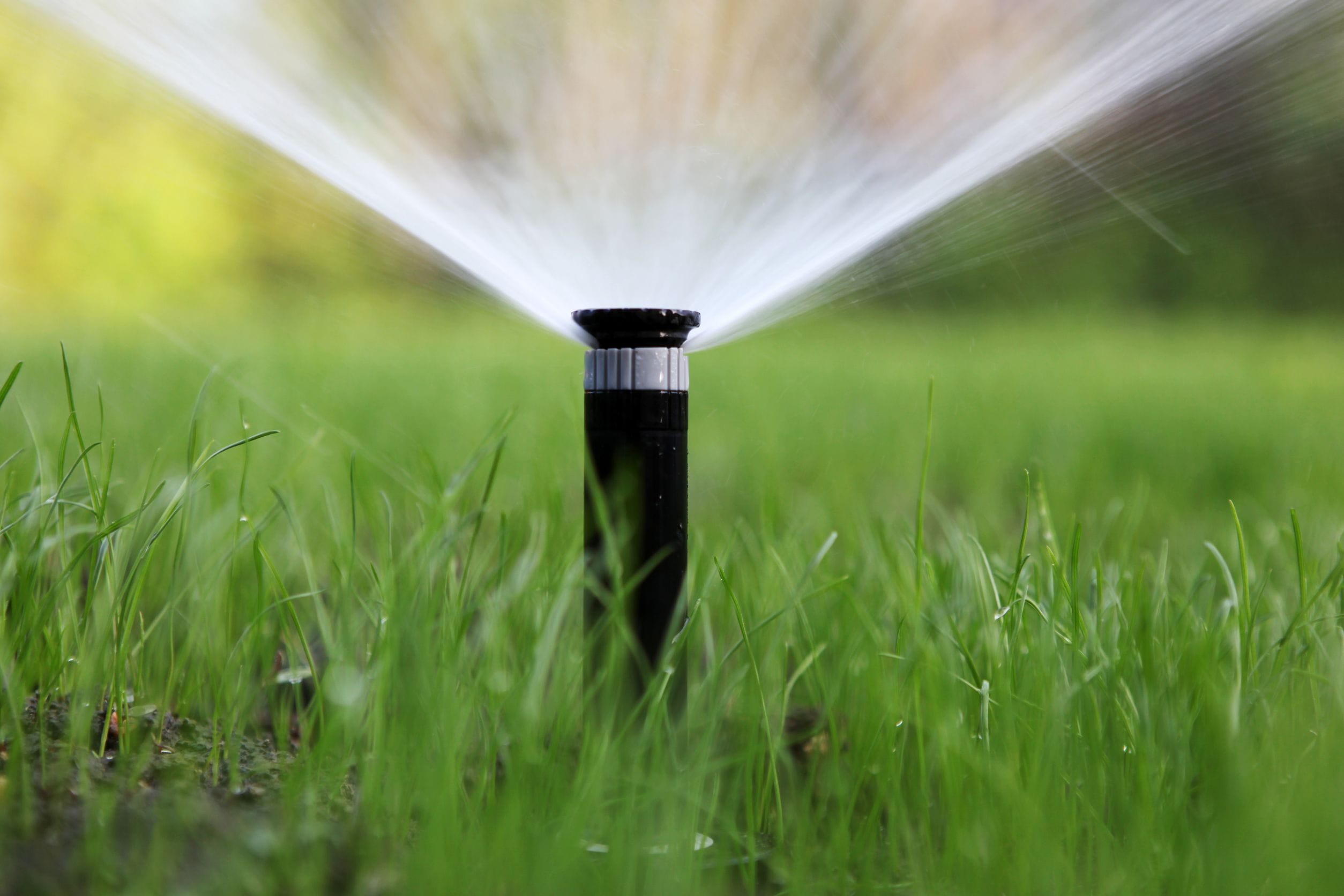
Keeping your lawn lush and green shouldn’t mean wasting water. Overwatering not only harms your grass but also inflates your water bill. Invest in a timer for your sprinkler system to water during the coolest parts of the day and only when necessary. Adjusting your watering schedule based on the season can also reduce excess water use. Plus, healthier grass means a more beautiful yard!

10. Ignored Air Filters

Ignored Air Filters

Canva

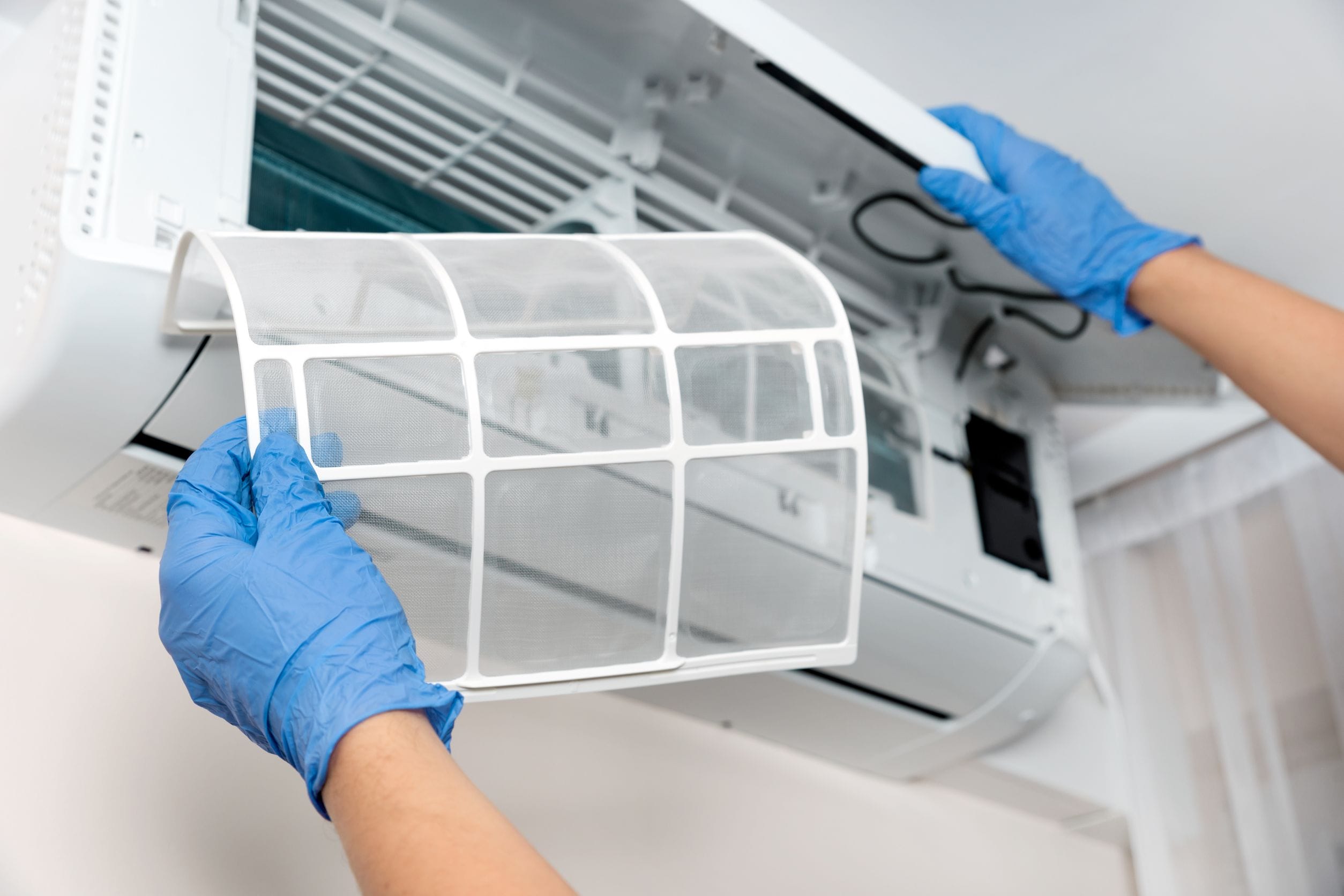
If your heating or cooling system feels sluggish, the culprit could be a dirty air filter. Filters that are clogged with dust and debris restrict airflow and make your system work harder, which costs you more. Check your filters monthly and replace them at least every three months. Keeping your air clean not only improves your home’s air quality but also its energy efficiency.

Sealing the Deal on Savings

house repair savings

123rf

Addressing these 10 money leaks in your home isn’t just about cutting costs; it’s about optimizing your living space for efficiency and comfort. With a few tweaks and some DIY spirit, you can transform your home into a more energy-efficient, cost-effective place. Start plugging those leaks today and watch your utility bills shrink, and your savings grow. Remember, a penny saved is a penny earned, especially when it comes from simple fixes around your home!

Vanessa Bermudez
Vanessa Bermudez
Vanessa Bermudez is a content writer with over eight years of experience crafting compelling content across a diverse range of niches. Throughout her career, she has tackled an array of subjects, from technology and finance to entertainment and lifestyle. In her spare time, she enjoys spending time with her husband and two kids. She’s also a proud fur mom to four gentle giant dogs.

Filed Under: money management Tagged With: Cost Cutting Tips, DIY Home Repairs, Energy Efficiency, Home Savings, sustainable living

15 Products That Are Surprisingly Made from Recycled Materials

May 22, 2024 by Vanessa Bermudez Leave a Comment

recycled products

123rf

In an era where sustainability is more than just a buzzword, the innovation behind recycled products is booming. From high-fashion statements to everyday essentials, the range of items made from repurposed materials is expanding, challenging our perceptions of what recycling can achieve. Here’s a look at 15 unexpected products that are giving old materials new life.

1. Sneakers from Ocean Plastics

shoes and water bottler

123rf

Leading sportswear brands are sprinting towards sustainability by crafting sneakers from plastics harvested from the oceans. These stylish kicks not only help reduce ocean waste but also promote awareness of marine conservation. They’re durable, waterproof, and incredibly trendy, proving that eco-friendly choices can also be chic.

2. Furniture from Discarded Fishing Nets

chair and fishing net

DALL-E

Innovative designers are turning problematic waste, such as discarded fishing nets, into sleek, modern furniture. These nets, often found polluting oceans, are transformed into chairs and tables that are both functional and fashionable. This initiative not only cleans up our seas but also offers a stylish approach to sustainable living.

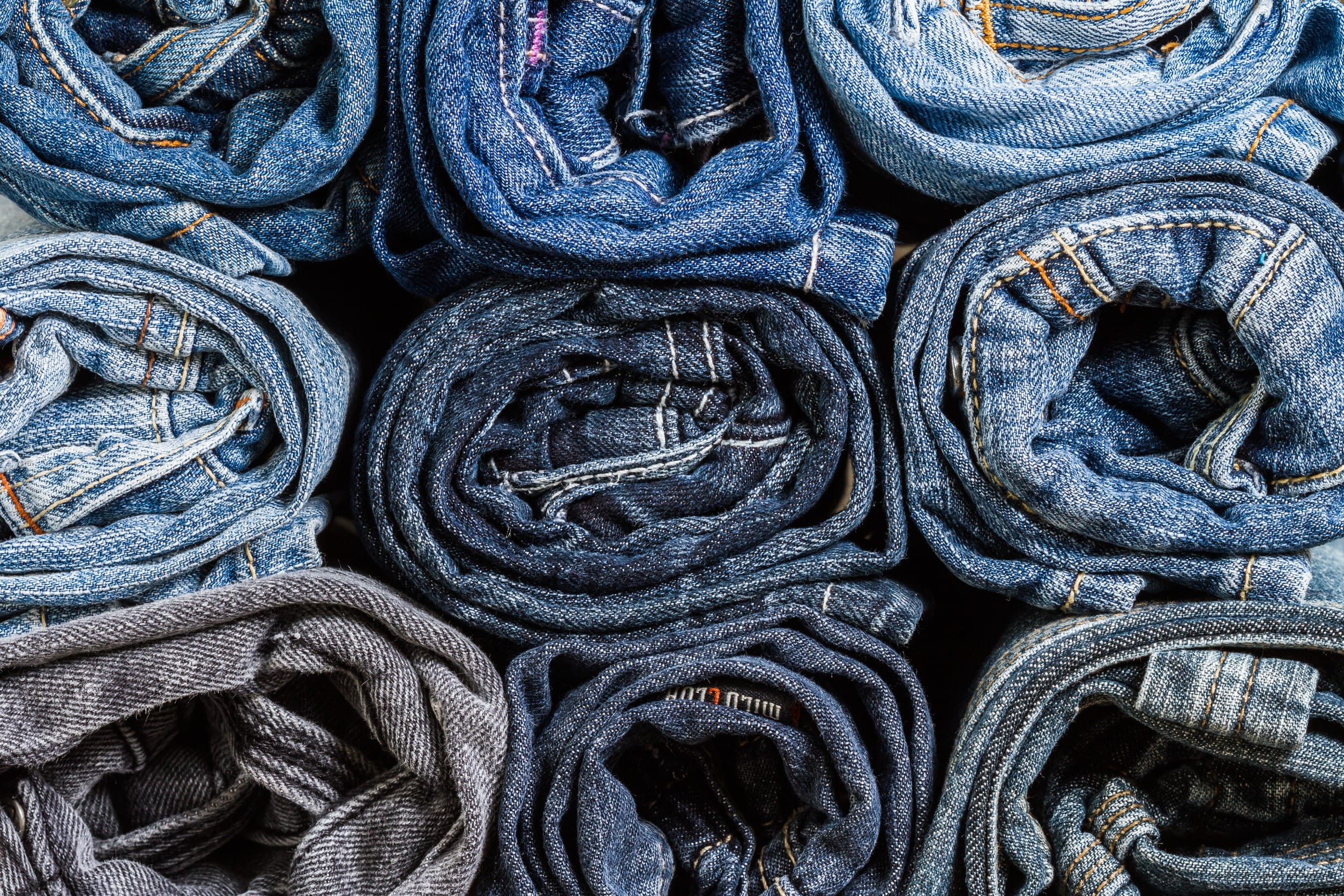
3. Insulation from Denim

denims

123rf

Old jeans find new purpose as building insulation, providing an eco-friendly alternative to traditional materials. This denim insulation offers excellent thermal performance and soundproofing, plus it’s safer to handle compared to fiberglass options, making it a favorite in green building projects.

4. Backpacks from Recycled PET Bottles

backpack

123rf

Imagine carrying a backpack that was once a plastic bottle. Companies are now weaving recycled polyethylene terephthalate (PET) into durable fabric used for backpacks. This process not only reuses plastic waste but also significantly reduces the production of new plastics.

5. Jewelry from E-Waste

e-waste jewelry

DALL-E

Electronic waste is not just a growing problem but also a source of precious metals. Artisans are crafting stunning pieces of jewelry from metals and components reclaimed from old electronics. These pieces are not just beautiful but also tell a compelling story of sustainability.

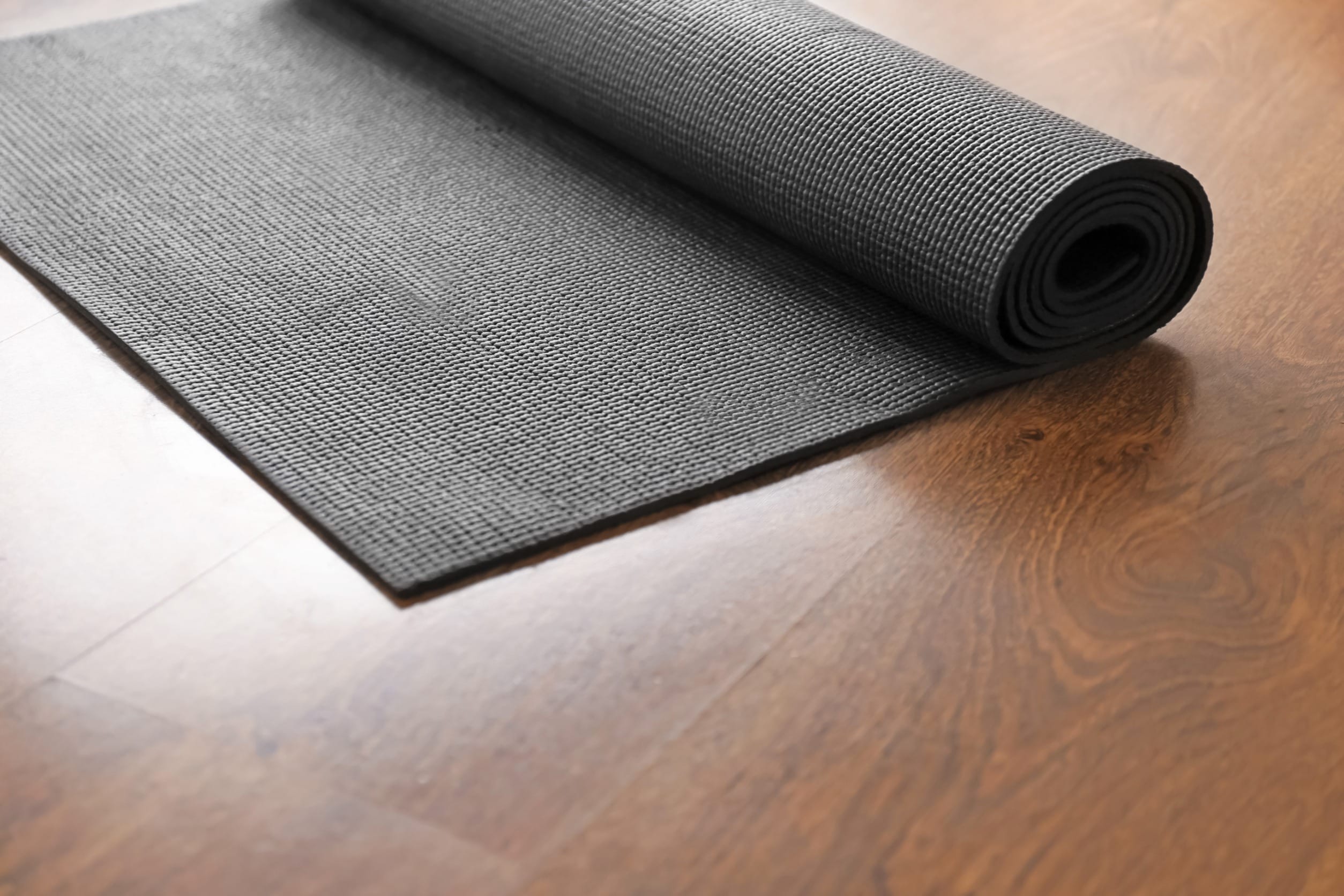
6. Yoga Mats from Recycled Wetsuits

yoga mat

123rf

Old wetsuits are getting a second life as yoga mats. The neoprene rubber is cleaned, shredded, and transformed into comfortable, grippy mats ideal for your next downward dog. This upcycling effort helps keep non-biodegradable materials out of landfills.

7. Wall Art from Skateboard Decks

skateboard wall deck

DALL-E

Broken skateboards are no longer destined for the dump. Artists are repurposing these colorful decks into vibrant wall art. Each piece is unique, displaying the scratches and scars of its previous life, adding character and a pop of color to any room.

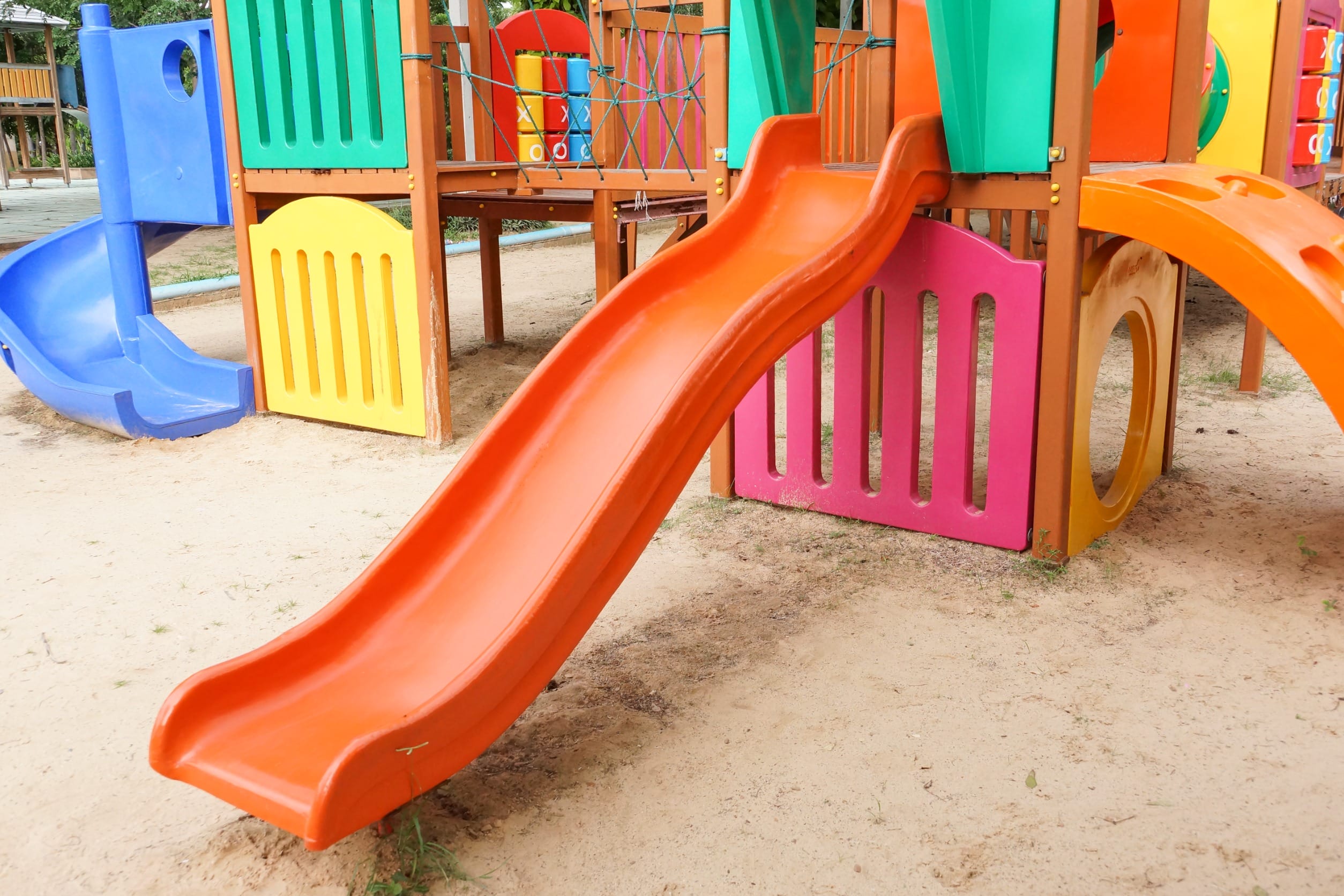
8. Playground Equipment from Recycled Plastic

playground slide

123rf

Playgrounds across the globe are becoming greener with equipment made from recycled plastics. These fun and safe installations are helping keep plastic waste out of landfills and proving that sustainable practices can bring joy to communities.

9. Notebooks from Coffee Cups

coffee and notebook

123rf

Millions of used coffee cups are recycled into paper used for notebooks. This innovative recycling process turns your morning coffee waste into your next great place for sketches, notes, and ideas, blending functionality with sustainability.

10. Glasses Frames from Fishing Nets

sunglasses and fishing net

DALL-E

Eyewear companies are looking through a sustainable lens by crafting frames from recycled fishing nets. These frames are not only stylish but also help reduce plastic waste in the oceans, offering a clear vision for a cleaner world.

11. T-Shirts from Recycled Cotton

tshirts

123rf

Old, discarded cotton garments are being reborn as fresh t-shirts. This process reduces waste and the demand for new raw materials, significantly lowering water usage and carbon emissions associated with traditional cotton production.

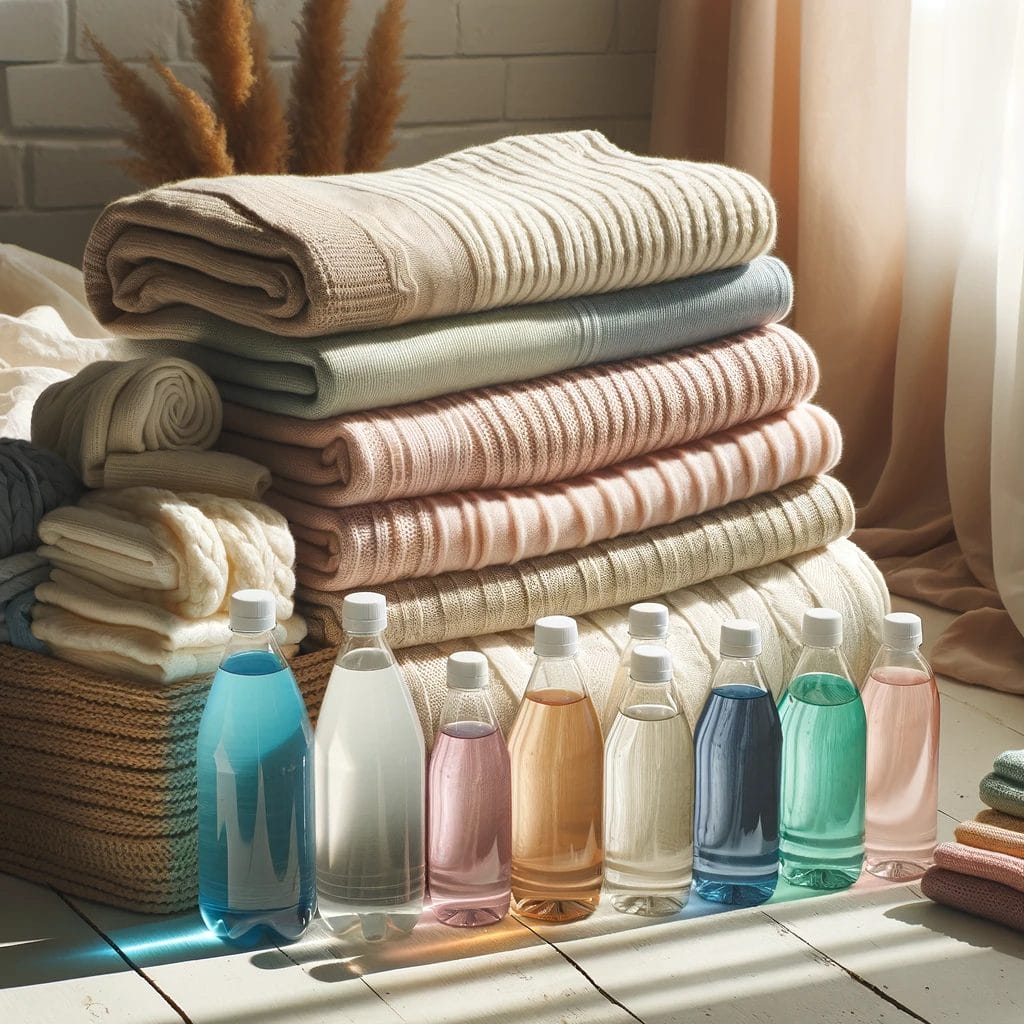
12. Blankets from Plastic Bottles

blankets

DALL-E

Cozy, soft blankets are now being woven from fibers made from recycled plastic bottles. This transformation from plastic to plush not only offers comfort but also tackles the issue of plastic waste.

13. Flooring from Used Tires

floor mats

123rf

Used car tires are being converted into durable flooring for gyms, playgrounds, and even outdoor patios. The rubber provides excellent shock absorption and is an inventive solution to tire disposal issues.

14. Dog Toys from Old T-shirts

dog toy

123rf

Unwanted t-shirts are finding a playful new purpose as braided dog toys. This DIY recycling trick is simple yet effective, providing pets with hours of entertainment and a greener option for pet owners.

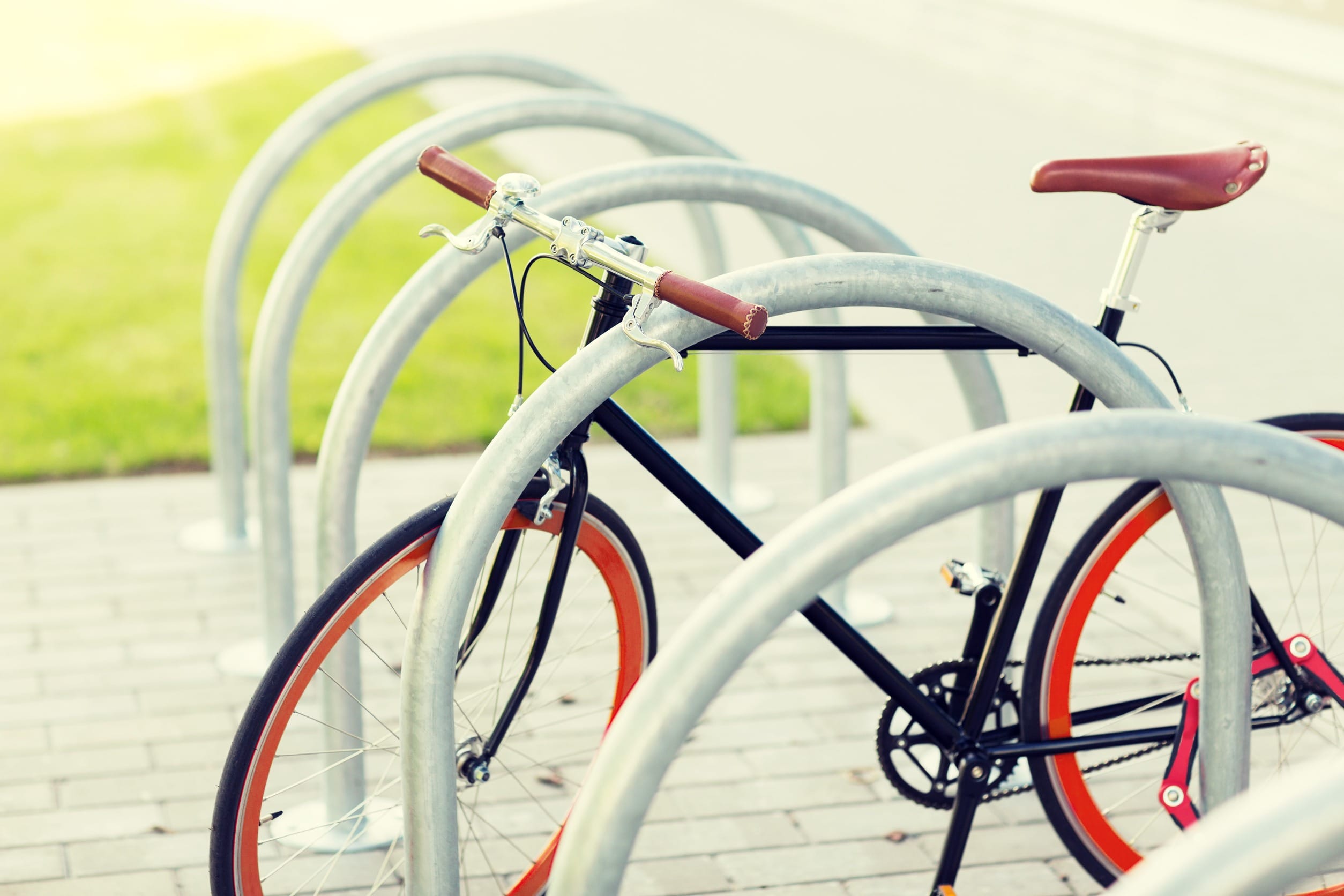
15. Bike Racks from Scrap Metal

bike racks

123rf

Even metal scraps are not wasted. They are welded into creative and sturdy bike racks, often seen in urban areas. This initiative supports cycling infrastructure and demonstrates that even small pieces of scrap can be transformed into useful products.

The Art of Recycling

girls holding a recycle sign

123rf

These fifteen products exemplify the creativity and potential of recycling. They highlight how innovative thinking can turn waste into something wonderful, pushing the boundaries of what we typically consider recyclable. Each item not only serves a practical purpose but also carries a message of responsibility and hope for a more sustainable world.

Vanessa Bermudez
Vanessa Bermudez
Vanessa Bermudez is a content writer with over eight years of experience crafting compelling content across a diverse range of niches. Throughout her career, she has tackled an array of subjects, from technology and finance to entertainment and lifestyle. In her spare time, she enjoys spending time with her husband and two kids. She’s also a proud fur mom to four gentle giant dogs.

Filed Under: Lifestyle Tagged With: eco-friendly, green innovation, recycled products, recycling ideas, sustainability, sustainable living, upcycled goods

FOLLOW US

Search this site:

Recent Posts

  • Can My Savings Account Affect My Financial Aid? by Tamila McDonald
  • 12 Ways Gen X’s Views Clash with Millennials… by Tamila McDonald
  • What Advantages and Disadvantages Are There To… by Jacob Sensiba
  • Call 911: Go To the Emergency Room Immediately If… by Stephen Kanaval
  • 10 Tactics for Building an Emergency Fund from Scratch by Vanessa Bermudez
  • 7 Weird Things You Can Sell Online by Tamila McDonald
  • 10 Scary Facts About DriveTime by Tamila McDonald

Copyright © 2026 · News Pro Theme on Genesis Framework