• Home
  • About Us
  • Toolkit
  • Getting Finances Done
    • Hiring Advisors
    • Debt Management
    • Spending Plan
  • Insurance
    • Life Insurance
    • Health Insurance
    • Disability Insurance
    • Homeowners/Renters Insurance
  • Contact Us
  • Privacy Policy
  • Risk Tolerance Quiz

The Free Financial Advisor

You are here: Home / Archives for Housing Costs

House Poor: 8 Real-Life Struggles of Overpaying For A House

February 14, 2025 by Latrice Perez Leave a Comment

House sitting on coins

Image Source: 123rf.com

Being “house poor” is a financial term that refers to a situation where a significant portion of your income—more than 30%, or in some extreme cases, 50% or more—is spent on housing costs. This can include rent or mortgage payments, property taxes, utilities, and home maintenance. While owning a home can feel like a dream come true, being house poor means you’re left with little financial flexibility, and everyday expenses can become a burden. If you find yourself in this position, here are eight challenges you’ll likely face and why it’s crucial to take action.

1. Limited Ability to Save for the Future

When the majority of your income is tied up in housing costs, there’s little room left for saving. Without savings, you’re not building an emergency fund, contributing to retirement accounts, or setting aside money for your future goals—like buying a car, funding your children’s education, or traveling. If a financial emergency arises, you’ll have no cushion to fall back on, which can lead to a cycle of borrowing or taking on debt.

2. Increased Financial Stress

Constantly worrying about how you’ll cover your housing expenses can lead to stress and anxiety. The weight of knowing that a huge chunk of your income goes toward one category—housing—can leave you feeling financially suffocated. You may struggle with day-to-day decisions, and even small financial setbacks can feel catastrophic when you don’t have room in your budget to absorb them.

3. Limited Flexibility in Your Budget

When over 50% of your income is dedicated to housing, your budget for everything else shrinks dramatically. You’ll likely have little room for other essential expenses such as healthcare, insurance, groceries, or transportation. This lack of flexibility means you may need to sacrifice or cut back on spending in other areas, making it harder to live comfortably or enjoy life’s little luxuries.

4. Difficulty Handling Unexpected Costs

Life is unpredictable, and unexpected costs will inevitably arise—whether it’s a medical emergency, a car repair, or an unexpected home repair. With such a high percentage of your income going to housing, you may struggle to pay for these costs without resorting to credit cards or loans, which can lead to even more debt. Being house poor means you have little margin for error when it comes to financial surprises.

5. Hindered Personal Growth and Opportunities

When you’re financially stretched, it can be difficult to pursue personal growth opportunities like further education, career advancement, or a new job. Many people in house poor situations find themselves stuck in their current job or career path because they need the income to cover their housing costs. Without the ability to invest in personal development or seize new opportunities, it can feel like you’re in a financial rut with little room to move forward.

6. Inability to Invest in Other Assets

Investments

Image Source: 123rf.com

Investing in assets like stocks, bonds, or real estate can help grow your wealth over time. However, when a large portion of your income is tied up in housing, you may not have enough money to invest in other areas. Without these additional investments, it’s harder to build wealth or create passive income streams that could provide more financial freedom and security in the future.

7. Potential for Financial Strain on Relationships

Money is a leading cause of stress in relationships, and when one partner is under financial strain due to being house poor, it can cause tension in the relationship. Whether it’s disagreement about finances, missed payments, or the inability to enjoy things together, the stress of living paycheck to paycheck can lead to arguments and create an emotional burden for both partners. Without the financial freedom to spend on experiences together, you might feel isolated or disconnected.

8. Limited Room for Enjoying Life’s Pleasures

One of the greatest challenges of being house poor is the constant feeling that you can’t enjoy life to the fullest. Whether it’s eating out, taking vacations, or indulging in small luxuries, your financial obligations to housing prevent you from experiencing those joys. Over time, the stress and resentment of not being able to enjoy life can negatively affect your mental and emotional well-being, leading to dissatisfaction.

Is There a Way Out?

Living in a house that consumes a significant portion of your income can feel like a trap. While homeownership is a worthwhile goal for many, becoming house poor can significantly hinder your ability to live comfortably and build long-term wealth. If you’re struggling with an extremely high mortgage payment, it might be time to consider adjusting your financial priorities. Whether it’s downsizing, refinancing, or finding ways to boost your income, taking proactive steps can relieve the financial strain and allow you to regain control of your finances.

Did you overpay for your home? How stressful has this experience been for you and have you found a way out? Tell us more in the comments below.

Read More:

How Much Income Do I Need For a 300k Mortgage in 2025?

15 Warning Signs You Should Refinance Your Mortgage

Latrice Perez

Latrice is a dedicated professional with a rich background in social work, complemented by an Associate Degree in the field. Her journey has been uniquely shaped by the rewarding experience of being a stay-at-home mom to her two children, aged 13 and 5. This role has not only been a testament to her commitment to family but has also provided her with invaluable life lessons and insights.

As a mother, Latrice has embraced the opportunity to educate her children on essential life skills, with a special focus on financial literacy, the nuances of life, and the importance of inner peace.

Filed Under: Real Estate Tagged With: budgeting, financial freedom, Financial Security, house poor, Housing Costs, mortgage stress, Personal Finance, Planning, Wealth Building

Forget Traditional Home Ownership: 12 Alternative Housing Options That Can Give You Real Financial Freedom

June 10, 2024 by Toi Williams Leave a Comment

alternative housing options

123RF

Traditional home ownership, while a common goal, is not the only path to financial stability and independence. In fact, the burden of a mortgage and the associated costs of maintaining a traditional home can sometimes hinder financial freedom. For those looking to break free from conventional living arrangements and explore more flexible and cost-effective options, alternative housing provides a viable solution. Here are 12 alternative housing options that can offer real financial freedom and flexibility, allowing you to live on your own terms and achieve your financial goals.

1. Tiny Homes

123RF

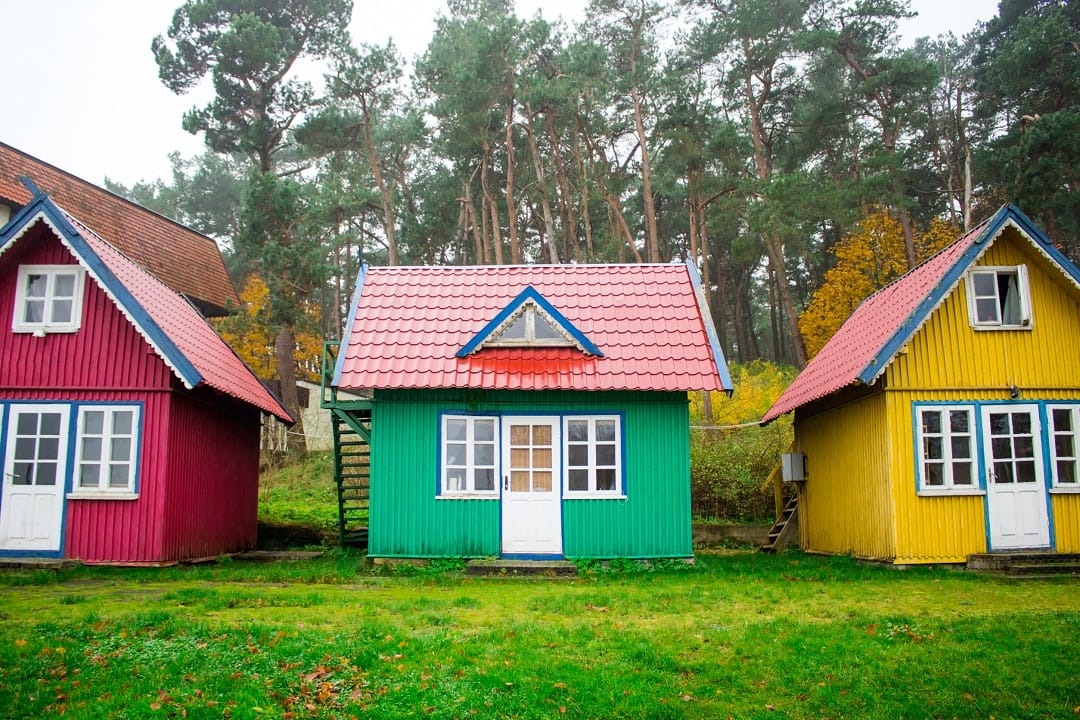
Tiny homes have gained popularity as a minimalist and cost-effective housing solution. These compact, portable houses typically range from 100 to 400 square feet, offering a simplified lifestyle with lower maintenance and utility costs. By downsizing your living space, you can significantly reduce your living expenses and free up more money for other financial goals. Living in a tiny home encourages a minimalist lifestyle, focusing on the essentials and reducing clutter. This can lead to a greater sense of freedom and financial security, as the lower costs associated with tiny home living allow for more savings and less financial stress.

2. Houseboats

123RF

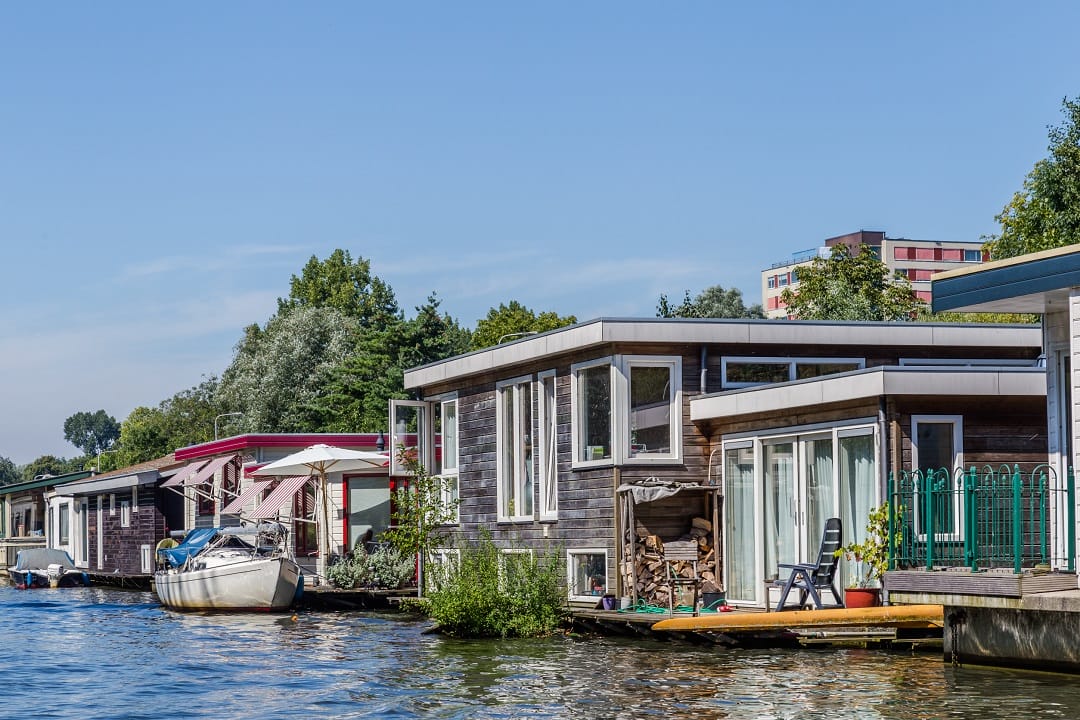
For those who love the water, houseboats offer a unique and adventurous living experience. Houseboats provide the freedom to live on the water, with the ability to relocate to different marinas or bodies of water as desired. This mobile lifestyle can lead to lower living costs compared to traditional homes, with fewer property taxes and maintenance fees. Houseboat living can also offer a sense of community among fellow boaters and the opportunity to enjoy waterfront views and activities. These alternative housing options provide a flexible and financially freeing lifestyle for those who crave adventure and a connection to nature.

3. RV Living

123RF

Living in a recreational vehicle (RV) provides the ultimate in mobility and freedom. RVs come in various sizes and styles, from small campers to luxury motorhomes, allowing you to choose a setup that fits your lifestyle and budget. This nomadic lifestyle enables you to travel and explore new places while keeping your living expenses low. RVs offer the flexibility to park at campgrounds, RV parks, or even on private land, often at a fraction of the cost of traditional housing. This alternative living arrangement is perfect for those seeking financial freedom and the ability to experience new adventures without the constraints of a fixed address.

4. Cohousing Communities

123RF

Cohousing communities are intentional neighborhoods where residents share common spaces and facilities while maintaining their own private homes. These communities emphasize collaboration, sustainability, and a strong sense of community. By sharing resources such as laundry facilities, gardens, and common areas, residents can reduce their individual living costs and environmental footprint. Cohousing offers the benefits of communal living, including shared responsibilities and social support, while still allowing for personal privacy. These alternative housing options can provide financial freedom through shared expenses and a cooperative approach to living.

5. Container Homes

123RF

Container homes are innovative and eco-friendly housing options built from repurposed shipping containers. These durable and modular structures can be customized to create unique and affordable living spaces. Container homes offer a cost-effective alternative to traditional construction, with lower material and labor costs. Living in a container home allows for significant savings on construction and maintenance, freeing up more funds for other financial goals. These alternative housing options are ideal for those who value sustainability, creativity, and financial freedom.

6. Yurts

123RF

Yurts are circular, tent-like structures with a history rooted in traditional Mongolian nomadic living. Modern yurts are made from durable materials and can be equipped with all the amenities of a traditional home. They offer a unique and affordable housing option, with lower construction and maintenance costs compared to conventional homes. Yurts provide a close connection to nature and a minimalist lifestyle, promoting financial freedom through reduced living expenses and a simpler way of life. This alternative housing option is perfect for those seeking an eco-friendly and cost-effective living solution.

7. Shared Housing

123RF

Shared housing involves renting a room or space in a larger home with other individuals or families. This arrangement allows for shared living expenses, such as rent, utilities, and maintenance costs, significantly reducing individual financial burdens. Shared housing can provide a sense of community and support, while still maintaining personal privacy. These alternative housing options are ideal for those looking to cut costs and achieve financial freedom without compromising on living space or amenities. It offers the flexibility to choose living arrangements that fit your budget and lifestyle needs.

8. Off-Grid Living

123RF

Off-grid living involves disconnecting from traditional utilities and relying on renewable energy sources, such as solar or wind power, for electricity. This self-sufficient lifestyle can reduce or eliminate utility bills, offering significant financial savings. Off-grid living often includes sustainable practices like rainwater collection, composting, and growing your own food. Living off the grid promotes independence and a reduced environmental impact, aligning with a minimalist and financially freeing lifestyle. This alternative housing option is perfect for those seeking to live sustainably and reduce their reliance on external systems.

9. Cooperative Housing

123RF

Cooperative housing, or co-ops, involves a group of individuals owning and managing a residential building collectively. Residents typically purchase shares in the co-op, which grants them the right to occupy a unit and participate in decision-making processes. This communal ownership model can lower housing costs and provide a strong sense of community. Cooperative housing offers financial freedom through shared expenses and democratic management, reducing the individual financial burden and promoting collective responsibility. It is an ideal alternative for those who value community living and want to invest in affordable housing.

10. Tiny Home Villages

123RF

Tiny home villages are communities of small, affordable homes that offer a supportive and collaborative living environment. These villages often include shared amenities like communal gardens, workshops, and social spaces, reducing the need for individual ownership of these facilities. Tiny home villages promote a minimalist lifestyle and financial freedom through reduced living expenses and shared resources. These alternative housing options are perfect for those seeking a tight-knit community and the financial benefits of living in a small, low-maintenance home. Tiny home villages offer a balance of independence and community support, making them an attractive choice for many.

11. Micro-Apartments

123RF

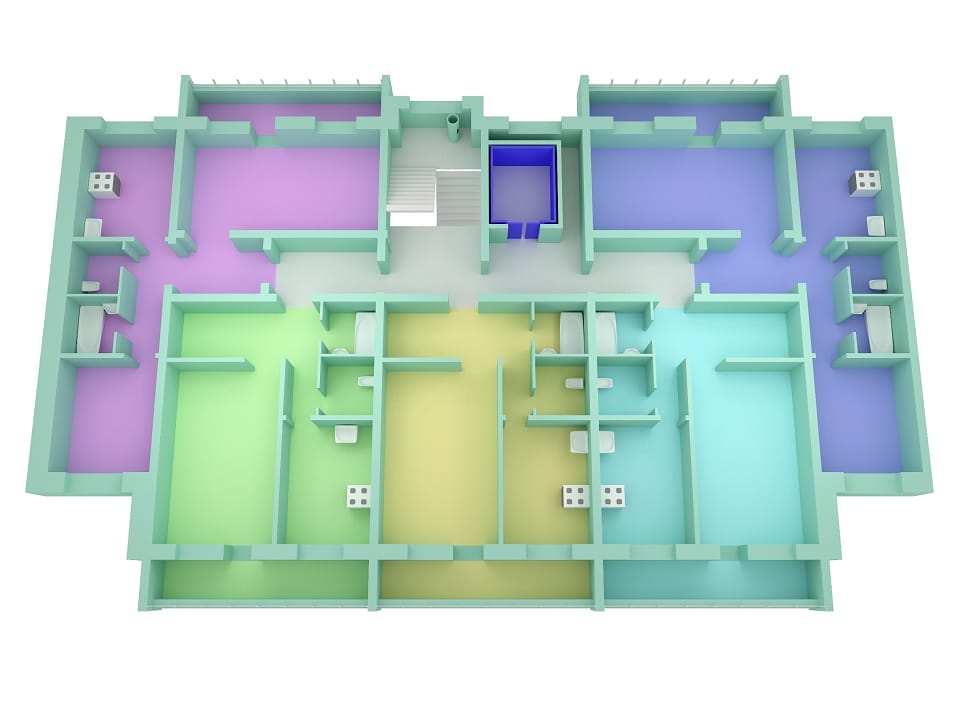
Micro-apartments are compact living spaces that typically range from 200 to 400 square feet. These small units are designed to maximize functionality and efficiency, providing affordable housing options in urban areas. Micro-apartments often include access to shared amenities like gyms, laundry facilities, and communal areas, reducing the need for individual investments in these features. Living in a micro-apartment allows for significant savings on rent and utilities, promoting financial freedom through lower living expenses. This alternative housing option is ideal for those who value simplicity and want to live affordably in a vibrant city environment.

12. Floating Homes

123RF

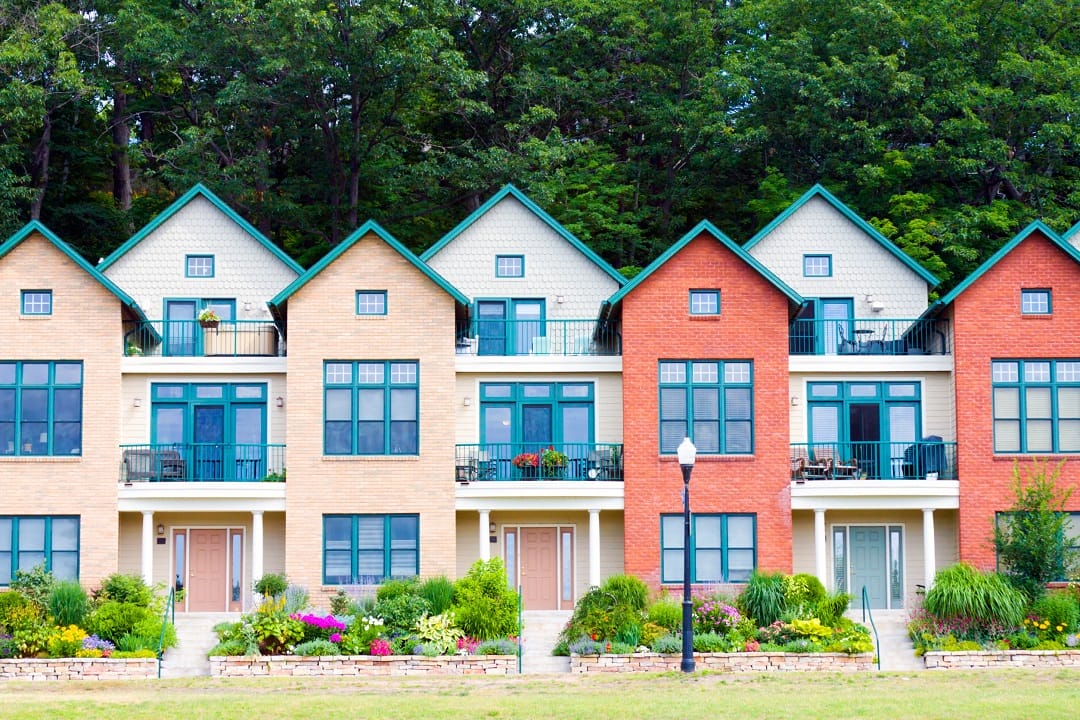
Floating homes are unique residential structures built on water, offering a distinctive and often cost-effective alternative to traditional housing. These homes are typically anchored in marinas or protected waterways and provide all the comforts of a traditional home with the added benefit of waterfront living. Floating homes offer financial freedom by eliminating the costs associated with land ownership and potentially reducing property taxes. This alternative housing option is perfect for those who seek a tranquil and adventurous lifestyle, enjoying the benefits of living on the water without the constraints of conventional home ownership.

Embracing Financial Freedom Through Alternative Housing

123RF

Exploring alternative housing options can open up new possibilities for financial freedom and a more flexible lifestyle. Whether you choose a tiny home, a houseboat, or a cooperative living arrangement, these innovative solutions offer the potential to reduce living costs, simplify your life, and achieve greater financial independence. By breaking free from the traditional home ownership model and embracing alternative housing, you can create a living situation that aligns with your financial goals and personal values. Start your journey towards financial freedom today by considering these unique and cost-effective housing options.

Toi Williams
Toi Williams

Toi Williams began her writing career in 2003 as a copywriter and editor and has authored hundreds of articles on numerous topics for a wide variety of companies. During her professional experience in the fields of Finance, Real Estate, and Law, she has obtained a broad understanding of these industries and brings this knowledge to her work as a writer.

Filed Under: Real Estate Tagged With: alternative housing, housing, Housing Costs, Real estate

How Much Should You Be Paying for Rent?

April 4, 2022 by Tamila McDonald Leave a Comment

how much should you be paying for rent

Many people have questions about their budget, particularly when it comes to how much they should spend in specific categories. Most people aren’t certain about whether they’re making wise choices. In some cases, they’re merely curious if they’re using the same approach as other households. In either case, you may find yourself asking, “How much should you be paying for rent?” If that’s the case, here’s what you need to know.

Standard Recommendations on How Much You Should Be Paying for Rent

The 30 Percent Rule

One of the classic pieces of personal finance advice when it comes to housing is the 30 percent rule. Essentially, this recommendation states that households shouldn’t dedicate more than 30 percent of their gross, or pre-tax, income to housing expenses.

For example, if you earned $3,000 per month, the 30 percent rule would mean spending no more than $900 per month on rent. If you brought home $5,000 instead, you could commit $1,500 per month on rent. If you worked full-time at federal minimum wage, leading to a monthly salary of about $, you’d theoretically be limited to $390 per month.

Whether the 30 percent rule works for you largely depends on your income and rental rates in your area. If you have a moderate to high income and live in a low-cost community, you’re likely in excellent shape by using this approach. However, if you’re lower-income, live in a high-cost area, or both, you may have little choice but to spend more.

The 50/30/20 Rule

Another option for determining how much you should spend on rent is the 50/30/20 rule. With this strategy, you limit your “needs” spending to 50 percent of your monthly income. Thirty percent can go to “wants,” while 20 percent is dedicated to savings or debt payments beyond the minimums.

Generally, “needs” include housing, utilities, groceries, transportation, insurance, and minimum debt payments. As a result, you may be able to send more than 30 percent of your income toward housing if you don’t need those funds for other expenses in the category.

However, like the 30 percent rule, the 50/30/20 rule won’t necessarily work across the board. For example, if you’re in a lower-income household, you might have to dive into the “wants” or “savings” money to cover all of your needs, even if you’re reasonably frugal.

Figuring Out How Much You Should Spend on Rent

If you’re a moderate-income household, you may find that either the 30 percent rule or the 50/30/20 rule works well for you. However, if you’re in a lower-income or high-income household, those approaches might not make sense. For the former, you may find those strategies don’t let you allocate enough to housing. For the latter, you might feel that the recommending spending amount is far more than feels reasonable.

In any case, it’s best to treat the 30 percent rule and 50/30/20 rule as general guidelines and nothing more. That way, you won’t make choices based on those recommendations alone.

Instead, you need to look at all of the factors in your broader situation. Start by looking up average rent prices in your area, giving you an idea about the cost of living and what you can reasonably find. Then, go over your budget to learn more about your other expenses and review your bank statements to dig into your spending habits.

As you take a deep dive into your financial life, you can start to figure out where your money is going. Then, you can identify areas where you may need to make changes. For example, if you’re overspending on food or entertainment, you can make the decision to scale back. That way, you can create a functional budget that aligns with your needs and priorities.

As you do, you’ll start to get a solid idea of what you can afford. Compare that to rent averages in your area to see if what you can pay aligns with what’s normal in your immediate vicinity. If it is, you can move forward with additional confidence. If it isn’t, you’ll need to find ways to make housing more affordable.

For example, you may want to ask for a raise at work or get a second job. Alternatively, you could reduce other expenses if possible or consider getting a roommate to split housing costs.

If you’re low-income, look into assistance programs in your state, too. In some cases, you may find that you’re eligible for options that can reduce your expenses or help cover the cost of rent, giving you more room in your budget.

Do you think the numbers above are a solid reflection of how much people should spend on rent? Do you have any tips or insights that can help a household pick a number that’s comfortable? Share your thoughts in the comments below.

Read More:

  • How Much Should You Spend on Grocery Each Month?
  • Money-Saving Tricks for Online Shopping
  • Try These 5 Apps If You Need Help With Your Budget


Tamila McDonald
Tamila McDonald

Tamila McDonald is a U.S. Army veteran with 20 years of service, including five years as a military financial advisor. After retiring from the Army, she spent eight years as an AFCPE-certified personal financial advisor for wounded warriors and their families. Now she writes about personal finance and benefits programs for numerous financial websites.

Filed Under: Personal Finance Tagged With: Housing Costs, Paying Rent

  • « Previous Page
  • 1
  • 2
  • 3
  • 4

FOLLOW US

Search this site:

Recent Posts

  • Can My Savings Account Affect My Financial Aid? by Tamila McDonald
  • 12 Ways Gen X’s Views Clash with Millennials… by Tamila McDonald
  • What Advantages and Disadvantages Are There To… by Jacob Sensiba
  • 10 Tactics for Building an Emergency Fund from Scratch by Vanessa Bermudez
  • Call 911: Go To the Emergency Room Immediately If… by Stephen Kanaval
  • 7 Weird Things You Can Sell Online by Tamila McDonald
  • 10 Scary Facts About DriveTime by Tamila McDonald

Copyright © 2026 · News Pro Theme on Genesis Framework