• Home
  • About Us
  • Getting Finances Done
    • Hiring Advisors
    • Debt Management
    • Spending Plan
  • Insurance
    • Life Insurance
    • Health Insurance
    • Disability Insurance
    • Homeowners/Renters Insurance
  • Contact Us
  • Our Editorial Commitment

The Free Financial Advisor

You are here: Home / Archives for building a house

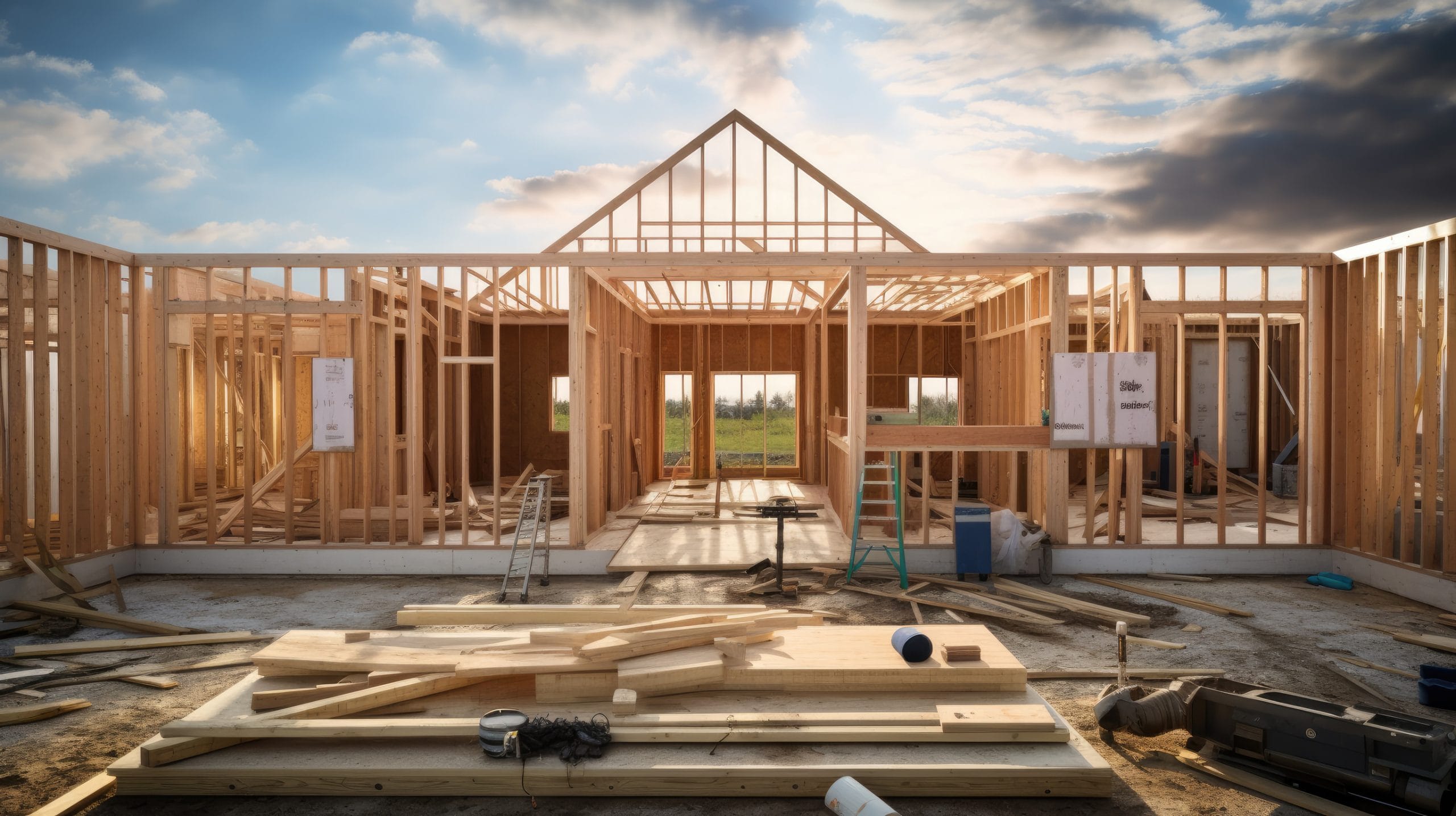
6 Overlooked Costs That Come With Building a House

September 3, 2025 by Catherine Reed Leave a Comment

6 Overlooked Costs That Come With Building a House
Image source: 123rf.com

For many families, building a house represents the dream of creating a space perfectly suited to their needs. Yet, excitement often overshadows the reality that the final price tag rarely matches the initial estimate. Beyond construction, countless hidden expenses can catch homeowners off guard. These overlooked costs can put a serious dent in budgets and even delay move-in plans. Understanding them ahead of time can make the dream of building a house far less stressful.

1. Permit Fees and Inspections

One of the first hidden expenses when building a house is the cost of permits and inspections. Every municipality has its own set of rules, and fees can range from a few hundred dollars to several thousand. These costs are required for zoning, plumbing, electrical work, and more. On top of the fees, repeat inspections or corrections may add additional expenses. Many homeowners are surprised by how much these “paperwork” costs add to the total bill.

2. Site Preparation and Excavation

Before construction begins, the land itself needs to be prepared. Clearing trees, leveling the ground, and digging for foundations can cost far more than expected. If soil conditions are poor or rocks are present, costs rise even higher. Building a house often requires specialized equipment and labor at this stage, driving up expenses quickly. Site prep is easy to overlook but essential for safe and lasting construction.

3. Utility Connections and Infrastructure

Hooking up to utilities like water, sewer, electricity, and gas often isn’t included in base construction costs. If the lot is rural or far from municipal systems, expenses can escalate dramatically. Installing septic tanks, wells, or running lines to the nearest grid connection adds thousands. Even in suburban developments, fees for hookups and service lines catch many by surprise. Planning for these costs early prevents budget blowouts later.

4. Landscaping and Outdoor Features

When budgeting, many families focus solely on the structure itself and forget the yard. Landscaping, driveways, fencing, and patios can easily cost tens of thousands of dollars. A bare lot looks nothing like the finished dream home pictured in brochures. Since outdoor projects are often delayed until after move-in, families may underestimate their true cost. Building a house means planning for curb appeal as well as interior comfort.

5. Upgrades and Customizations

Builders typically advertise base prices that include standard finishes. The reality is that most homeowners choose upgrades once construction begins. Premium flooring, cabinetry, lighting, and appliances can quickly double interior costs. What feels like small choices add up when multiplied across an entire home. Customizing when building a house often costs far more than anticipated, making upgrades one of the biggest hidden expenses.

6. Temporary Living Expenses

Few families consider the cost of housing during the construction process. Renting an apartment, staying with family, or paying for storage adds significant financial strain. Delays in construction can extend these costs for months longer than planned. Mortgage payments may also overlap with temporary housing, creating a double burden. Factoring these expenses into the budget avoids painful surprises.

Building Smart Means Budgeting Beyond the Basics

The dream of building a house can quickly turn stressful when overlooked costs pile up. Permit fees, site prep, utility hookups, landscaping, upgrades, and temporary housing all contribute to the final total. Families who prepare for these expenses upfront are far less likely to face financial strain later. A realistic budget doesn’t just cover the walls and roof—it accounts for everything it takes to turn a lot into a home. By planning wisely, you can protect both your finances and your peace of mind.

Which of these overlooked costs surprised you the most when thinking about building a house? Share your thoughts in the comments!

What to Read Next…

5 Shocking Financial Dangers Hidden in Everyday Marriage Contracts

6 Times You Might Unknowingly Sign Away Financial Control

8 Silent Wealth Killers That Hide in Everyday Expenses

7 Times Living Paycheck to Paycheck Comes With Hidden Costs

9 Hidden Costs of Early Retirement Nobody Plans For

Catherine Reed
Catherine Reed

Catherine is a tech-savvy writer who has focused on the personal finance space for more than eight years. She has a Bachelor’s in Information Technology and enjoys showcasing how tech can simplify everyday personal finance tasks like budgeting, spending tracking, and planning for the future. Additionally, she’s explored the ins and outs of the world of side hustles and loves to share what she’s learned along the way. When she’s not working, you can find her relaxing at home in the Pacific Northwest with her two cats or enjoying a cup of coffee at her neighborhood cafe.

Filed Under: Personal Finance Tagged With: Budgeting Tips, building a house, family finances, hidden costs, home construction, Housing Costs, real estate expenses

7 Tips To Get The Best Rates On A Loan To Build Your Dream Home

January 31, 2025 by Latrice Perez Leave a Comment

Tablet and tools with home under construction concept
123rf

Building your dream home is exciting, but securing the best loan terms can feel overwhelming. Interest rates, lender requirements, and credit scores all play a role in how much you’ll pay over time. Getting the best rate on a loan to build a house requires preparation and strategy. The right approach can save you thousands of dollars and make your home-building journey smoother. These seven tips will help you secure a loan with the most favorable terms.

1. Strengthen Your Credit Score

Lenders use your credit score to determine your loan eligibility and interest rate. A higher score shows financial responsibility, making you a lower-risk borrower. Pay down credit card balances, avoid late payments, and dispute any errors on your credit report. Aim for a score of at least 700 to access better rates, though higher is always better. If your score is low, take time to improve it before applying for a loan.

2. Save for a Larger Down Payment

A substantial down payment reduces the lender’s risk, often leading to lower interest rates. Many lenders require at least 20% for a loan to build a house, but putting down more can give you stronger negotiating power. A higher down payment also means borrowing less, which lowers monthly payments. Start saving early and explore programs that offer down payment assistance if needed. Every extra dollar you put down upfront can save you in the long run.

3. Shop Around for Lenders

Different lenders offer different loan terms, so comparing multiple options is essential. Research traditional banks, credit unions, and online lenders to find the best deal. Look beyond just interest rates—consider loan terms, closing costs, and customer service. Some lenders specialize in construction loans and offer more flexibility for your needs. Don’t hesitate to negotiate rates or ask for better terms based on competing offers.

4. Get Pre-Approved Before You Start

word approoval on an abstract background. loan building a house
123rf

Pre-approval gives you a clear picture of your loan options and strengthens your position with lenders. It shows sellers and builders that you’re a serious buyer with secured financing. During this process, lenders assess your financial health, including income, debt, and credit score. Pre-approval also helps you identify any financial issues that need fixing before finalizing your loan. Having a pre-approval in hand can streamline the borrowing process and prevent last-minute surprises.

5. Choose a Fixed-Rate Over a Variable Loan

While variable-rate loans may start with lower interest, they can fluctuate unpredictably over time. A fixed-rate loan locks in your interest, ensuring consistent monthly payments. This stability is crucial for long-term financial planning and protecting against market changes. Compare loan options carefully and choose what aligns with your budget and risk tolerance. A predictable payment structure makes budgeting for your home build much easier.

6. Reduce Your Debt-to-Income Ratio

Lenders evaluate your debt-to-income (DTI) ratio to determine how much you can afford to borrow. A lower DTI signals financial stability and increases your chances of qualifying for a better loan rate. Pay off outstanding debts, avoid taking on new loans, and increase your income if possible. Most lenders prefer a DTI below 43%, but the lower, the better. Keeping your finances in check makes you a more attractive borrower.

7. Time Your Loan Application Wisely

Interest rates fluctuate based on market conditions, so timing matters. Monitor rate trends and apply when rates are lower to maximize savings. Economic factors, Federal Reserve policies, and lender competition all impact loan rates. Working with a knowledgeable mortgage broker can help you choose the right time to apply. Acting strategically can result in a significantly lower loan cost over the years.

If you found these tips helpful, share this article with others who are planning to build their dream home. A little preparation now can lead to significant savings in the future!

Read More: 

  • Forget Traditional Home Ownership: 12 Alternative Housing Options That Can Give You Real Financial Freedom
  • Are There Any Cheap Ways to Get Started In Buying Real Estate?


Latrice Perez

Latrice is a dedicated professional with a rich background in social work, complemented by an Associate Degree in the field. Her journey has been uniquely shaped by the rewarding experience of being a stay-at-home mom to her two children, aged 13 and 5. This role has not only been a testament to her commitment to family but has also provided her with invaluable life lessons and insights.

As a mother, Latrice has embraced the opportunity to educate her children on essential life skills, with a special focus on financial literacy, the nuances of life, and the importance of inner peace.

Filed Under: Real Estate Tagged With: building a house, construction mortgage, home construction loan, home financing, loan to build a house, low-interest loan, Mortgage Tips

Follow Us

Search this site:

Recent Posts

  • Can My Savings Account Affect My Financial Aid? by Tamila McDonald
  • 12 Ways Gen X’s Views Clash with Millennials… by Tamila McDonald
  • What Advantages and Disadvantages Are There To… by Jacob Sensiba
  • 10 Tactics for Building an Emergency Fund from Scratch by Vanessa Bermudez
  • Call 911: Go To the Emergency Room Immediately If… by Stephen Kanaval
  • 7 Weird Things You Can Sell Online by Tamila McDonald
  • 10 Scary Facts About DriveTime by Tamila McDonald

Copyright © 2026 · News Pro Theme on Genesis Framework