• Home
  • About Us
  • Toolkit
  • Getting Finances Done
    • Hiring Advisors
    • Debt Management
    • Spending Plan
  • Insurance
    • Life Insurance
    • Health Insurance
    • Disability Insurance
    • Homeowners/Renters Insurance
  • Contact Us
  • Privacy Policy
  • Risk Tolerance Quiz

The Free Financial Advisor

You are here: Home / Archives for Travis Campbell

This Common Fast Food Ingredient Was Just Linked to Memory Loss

July 15, 2025 by Travis Campbell Leave a Comment

fast food

Image Source: pexels.com

Fast food is everywhere. It’s quick, cheap, and easy. But what if your favorite drive-thru meal is doing more than just filling you up? Recent research shows that a common fast food ingredient may be linked to memory loss. This isn’t just about weight gain or high cholesterol. It’s about your brain. If you eat fast food often, you need to know what’s in your food and how it could affect your mind.

1. What Is This Fast Food Ingredient?

The fast food ingredient in question is phosphate additives. These are chemicals added to many processed foods, especially in fast food. They help preserve food, improve texture, and boost flavor. You’ll find them in burgers, chicken nuggets, sodas, and even some breads. Phosphates are not new. But the amount used in fast food has gone up over the years. Most people don’t realize how much they’re eating. And that’s a problem.

2. How Phosphate Additives Affect Your Brain

Phosphate additives are now linked to memory loss. Studies show that high levels of phosphates can change how your brain works. They may damage the hippocampus, the part of your brain that controls memory. When you eat too many foods with phosphate additives, your brain may not work as well. You might notice it’s harder to remember things or focus. This isn’t just a theory. Animal studies have shown that diets high in phosphates can lead to memory problems and even increase the risk of dementia.

3. Why Fast Food Is Packed with Phosphates

Fast food chains use phosphate additives for a reason. They make food last longer and taste better. They also keep meat juicy and bread soft. But these benefits come at a cost. The more processed the food, the more likely it is to contain high levels of phosphates. If you eat fast food often, you’re probably getting more phosphates than you think. Even foods that seem healthy, like grilled chicken sandwiches or salads with processed dressings, can be loaded with these additives.

4. Signs You’re Eating Too Many Phosphates

It’s hard to know how much phosphate you’re eating. Food labels don’t always list them clearly. But there are signs your diet may be too high in this fast food ingredient. You might feel tired, have trouble concentrating, or notice your memory isn’t as sharp. Some people also get headaches or muscle aches. If you eat a lot of fast food or processed snacks, you’re at higher risk. The effects can build up over time, making it even harder to spot the problem.

5. How To Spot Phosphate Additives on Labels

Phosphate additives go by many names. Look for words like “phosphoric acid,” “sodium phosphate,” “calcium phosphate,” or “pyrophosphate” on ingredient lists. If you see these, the food contains added phosphates. The more processed the food, the more likely it is to have them. Sodas, deli meats, frozen meals, and even some baked goods are common sources. Checking labels is one of the best ways to avoid this fast-food ingredient.

6. Simple Ways to Cut Down on Phosphates

You don’t have to give up all fast food. But you can make smarter choices. Try to eat more whole foods like fruits, vegetables, and unprocessed meats. Cook at home when you can. If you eat out, choose menu items that are grilled or baked instead of fried. Skip the soda and go for water. Ask for dressings and sauces on the side. These small changes can help you avoid too much of this fast-food ingredient and protect your memory.

7. The Long-Term Risks of Ignoring This Ingredient

Ignoring phosphate additives can have serious effects. Over time, high phosphate intake is linked not just to memory loss, but also to heart disease, kidney problems, and weaker bones. The risks are higher for people with existing health issues, but anyone can be affected. Memory loss can sneak up on you. By the time you notice, it may be hard to reverse. That’s why it’s important to pay attention now.

8. What You Can Do Today

Start by looking at what you eat. Check labels for phosphate additives. Cut back on fast food and processed snacks. Try to cook more meals at home. If you’re worried about your memory, talk to your doctor. They can help you figure out if your diet is part of the problem. Small changes can make a big difference over time. Protecting your brain starts with what you put on your plate.

Protecting Your Memory Starts with Your Next Meal

Your brain is worth protecting. The link between this fast-food ingredient and memory loss is real. You don’t have to overhaul your life overnight. But every meal is a chance to make a better choice. The next time you’re at the drive-thru, think about what’s in your food. Your memory may depend on it.

Have you noticed changes in your memory after eating fast food? Share your thoughts or experiences in the comments below.

Read More

How to Save on Your Electric Bill in the Winter

The Most Important Financial Terms for Young People

Travis Campbell
Travis Campbell

Travis Campbell is a digital marketer/developer with over 10 years of experience and a writer for over 6 years. He holds a degree in E-commerce and likes to share life advice he’s learned over the years. Travis loves spending time on the golf course or at the gym when he’s not working.

Filed Under: Health & Wellness Tagged With: brain health, diet, fast food, food additives, health, memory loss, nutrition, processed food

Your Streaming Subscriptions May Soon Be Used to Determine Credit Risk

July 15, 2025 by Travis Campbell Leave a Comment

streaming

Image Source: pexels.com

Streaming subscriptions are everywhere. You probably have at least one, maybe more. Netflix, Spotify, Disney+, and others have become part of daily life. But what if these subscriptions could affect your financial future? Lenders and credit agencies are starting to look at your streaming habits. This isn’t science fiction. It’s happening now, and it could change how your credit risk is measured. Here’s why you should care about this new trend.

1. Streaming Subscriptions Are Data Goldmines

Streaming services collect a lot of data. They know when you pay, how often you upgrade, and if you cancel. Lenders see this as valuable information. If you pay for several subscriptions on time, it shows you can manage regular payments. On the other hand, missed payments or frequent cancellations might raise red flags. This data gives lenders a new way to judge your reliability, beyond just your credit card or loan history.

2. Credit Risk Models Are Evolving

Traditional credit scores look at your debts, payment history, and how much credit you use. But these models are changing. Companies are adding new data points, like your streaming subscriptions, to get a fuller picture. This shift is part of a bigger move toward “alternative data” in credit scoring. The goal is to make credit decisions more accurate and fairer. But it also means your everyday choices, like which streaming services you use, could soon matter more than you think.

3. On-Time Payments Can Help You

If you consistently pay your streaming bills on time, this could work in your favor. Lenders may see you as more responsible. This is especially helpful if you have a thin credit file or are new to credit. Regular, on-time payments—even for small things like Netflix or Spotify—can show you’re reliable. Some new credit products already use this kind of data to help people build credit. So, keeping up with your subscriptions might actually boost your credit risk profile.

4. Missed Payments Could Hurt You

It’s easy to forget a $10 payment for a streaming service. But if lenders start tracking this, missed payments could count against you. Even small, regular bills matter. If you often miss payments or let subscriptions lapse, it could signal financial trouble. This might make it harder to get approved for loans or credit cards. It’s a good idea to set up automatic payments or reminders to avoid missing these small but important bills.

5. Subscription Choices May Reveal Spending Habits

The types of streaming services you use can say a lot about your lifestyle. Lenders might look at whether you pay for premium services or stick to basic plans. They could also see if you subscribe to many services at once. This information helps them guess how you manage your money. For example, someone with lots of high-end subscriptions might be seen as a bigger risk than someone with just one or two. It’s not just about paying on time—it’s about what your choices say about your spending habits.

6. Privacy Concerns Are Growing

Not everyone is happy about lenders using streaming data. There are real privacy concerns. You might not want your Netflix or Spotify habits shared with banks. Some people worry that this data could be used unfairly or without their knowledge. Laws about data privacy are still catching up. It’s important to read the fine print and know what you’re agreeing to when you sign up for new services.

7. This Could Help People with No Credit History

Millions of people have little or no credit history. This makes it hard to get loans or credit cards. Using streaming subscription data could help. If you pay your bills on time, even for small services, it shows you can handle regular payments. This gives lenders more information to work with. It could open doors for people who have been left out of the traditional credit system. But it also means you need to be careful with every bill, no matter how small.

8. You Can Take Steps to Protect Yourself

You can’t control how lenders use data, but you can control your habits. Pay all your bills on time, including streaming subscriptions. Review your bank statements to make sure you’re not missing any payments. If you cancel a service, make sure the final bill is paid. Stay informed about how your data is used. Ask questions if you’re unsure. The more you know, the better you can protect your credit risk profile.

9. The Future of Credit Risk Is Changing Fast

Credit risk isn’t just about loans and credit cards anymore. It’s about your whole financial life, including streaming subscriptions. Lenders want as much information as possible to make decisions. This trend is likely to grow. More companies will use alternative data to judge credit risk. That means your everyday choices matter more than ever. Stay alert and make smart decisions with all your bills.

Your Streaming Habits Could Shape Your Financial Future

Streaming subscriptions are no longer just about entertainment. They’re becoming part of your financial story. Lenders are watching, and your habits could help or hurt you. Pay attention to every bill, no matter how small. The way you manage your streaming subscriptions could shape your credit risk and your financial future.

Have you noticed lenders asking about your streaming subscriptions? How do you feel about this trend? Share your thoughts in the comments.

Read More

The Most Important Financial Terms for Young People

How You Can Get Financial Freedom at a Young Age

Travis Campbell
Travis Campbell

Travis Campbell is a digital marketer/developer with over 10 years of experience and a writer for over 6 years. He holds a degree in E-commerce and likes to share life advice he’s learned over the years. Travis loves spending time on the golf course or at the gym when he’s not working.
Filed Under: credit score Tagged With: alternative data, credit risk, credit score, financial habits, Personal Finance, privacy, streaming subscriptions

Here’s Why Millennials Are Now Filing More Bankruptcy Cases Than Boomers

July 15, 2025 by Travis Campbell Leave a Comment

bankrupt

Image Source: pexels.com

Millennials are now filing more bankruptcy cases than Baby Boomers, and it’s not just a headline. This shift matters because it signals deeper changes in how younger adults handle debt, jobs, and money stress. If you’re a Millennial, you might see yourself in these stories. If you’re a Boomer, you might wonder what’s changed. Either way, understanding why this is happening can help you make better choices with your own finances. Bankruptcy isn’t just a legal process—it’s a sign of bigger trends in the economy and society. Here’s what’s really going on.

1. Student Loan Debt Is Crushing Millennials

Student loan debt is one of the biggest reasons Millennials are filing more bankruptcy cases than Boomers. Many Millennials left college with tens of thousands of dollars in loans. Unlike Boomers, who often paid much less for college, Millennials face monthly payments that can last decades. This debt makes it hard to save, buy a home, or even pay for emergencies. When a job loss or medical bill hits, bankruptcy can feel like the only way out. The numbers back this up: student loan debt in the U.S. has reached over $1.7 trillion, and Millennials hold a big share of it.

2. Wages Haven’t Kept Up with Living Costs

Millennials are earning more in dollars than Boomers did at the same age, but it doesn’t go as far. Rent, groceries, and health care have all gone up faster than paychecks. Many Millennials work multiple jobs or side gigs just to cover the basics. When expenses outpace income, debt piles up. Credit cards, personal loans, and buy-now-pay-later plans fill the gap, but they also add risk. If something goes wrong, like a layoff or illness, it’s easy to fall behind. Bankruptcy becomes a way to reset, but it’s a sign that the system isn’t working for everyone.

3. Medical Debt Hits Millennials Hard

Health insurance is expensive, and many Millennials don’t have enough coverage. Even with insurance, high deductibles and out-of-pocket costs can lead to big bills. One trip to the ER or a short hospital stay can mean thousands in debt. Medical debt is now a leading cause of bankruptcy for Millennials. Boomers often had better employer coverage or lower costs when they were younger. For Millennials, a single health crisis can wipe out savings and push them toward bankruptcy court.

4. The Gig Economy Brings Instability

Many Millennials work in the gig economy—think rideshare drivers, freelancers, or delivery workers. These jobs offer flexibility but little security. There’s no paid sick leave, no retirement plan, and income can change week to week. When work dries up, bills don’t stop. This instability makes it hard to plan or save for the future. If a car breaks down or a client doesn’t pay, debt can spiral fast. Bankruptcy becomes a last resort for many who just can’t keep up.

5. Housing Costs Are Out of Reach

Home prices and rents have soared in many cities. Millennials are less likely to own homes than Boomers were at the same age. Many spend a big chunk of their income on rent, leaving little for savings or emergencies. When rent eats up half your paycheck, it’s easy to fall behind on other bills. Some Millennials use credit cards to cover rent or move in with roommates to make ends meet. But if something goes wrong, like a rent hike or job loss, bankruptcy can follow.

6. Credit Is Easier—And Riskier—to Get

Credit cards, personal loans, and online lenders are everywhere. It’s easy for Millennials to get approved, even with average credit. But high interest rates and fees can trap people in a cycle of debt. Many Millennials use credit to cover basic needs, not just extras. When balances grow and payments get missed, late fees and penalties add up. Bankruptcy can wipe the slate clean, but it also shows how easy credit can turn into a problem.

7. Financial Literacy Gaps

Many Millennials never learned the basics of budgeting, saving, or managing debt. Schools often skip personal finance, and parents may not have taught these skills. Without a strong foundation, it’s easy to make mistakes, like taking on too much debt or not saving for emergencies. Some Millennials turn to social media for advice, but not all tips are good ones. When things go wrong, bankruptcy can seem like the only option left.

8. Social Pressures and Lifestyle Inflation

Social media shows a highlight reel of vacations, new cars, and fancy dinners. It’s easy to feel pressure to keep up, even if it means spending money you don’t have. Some Millennials take on debt to match their friends’ lifestyles. Over time, this “lifestyle inflation” can lead to big bills and little savings. When the bills come due, and there’s no way to pay, bankruptcy can follow.

9. The Pandemic’s Lasting Impact

COVID-19 hit Millennials hard. Many lost jobs, faced pay cuts, or had to care for family members. Savings disappeared fast, and debt grew. Even as the economy recovers, some Millennials are still catching up. The pandemic exposed how little of a safety net many had. For some, bankruptcy was the only way to start over.

A New Financial Reality for Millennials

Millennials are filing more bankruptcy cases than Boomers because the world has changed. Student loans, high living costs, unstable jobs, and easy credit all play a part. But it’s not just about numbers—it’s about how people live and work today. If you’re struggling, you’re not alone. There are ways to get help, from credit counseling to legal aid.

Have you or someone you know faced bankruptcy? What challenges did you see, and what advice would you share? Add your thoughts in the comments.

Read More

Should You File for Bankruptcy? These Are the Telltale Signs That You Should

Your Guide to Getting Out of Debt and Starting Over

Travis Campbell
Travis Campbell

Travis Campbell is a digital marketer/developer with over 10 years of experience and a writer for over 6 years. He holds a degree in E-commerce and likes to share life advice he’s learned over the years. Travis loves spending time on the golf course or at the gym when he’s not working.

Filed Under: Finance Tagged With: bankruptcy, Debt, financial literacy, gig economy, Housing Costs, Millennials, Personal Finance, student loans

Why Your Energy Bill Spikes During Certain Hours

July 14, 2025 by Travis Campbell Leave a Comment

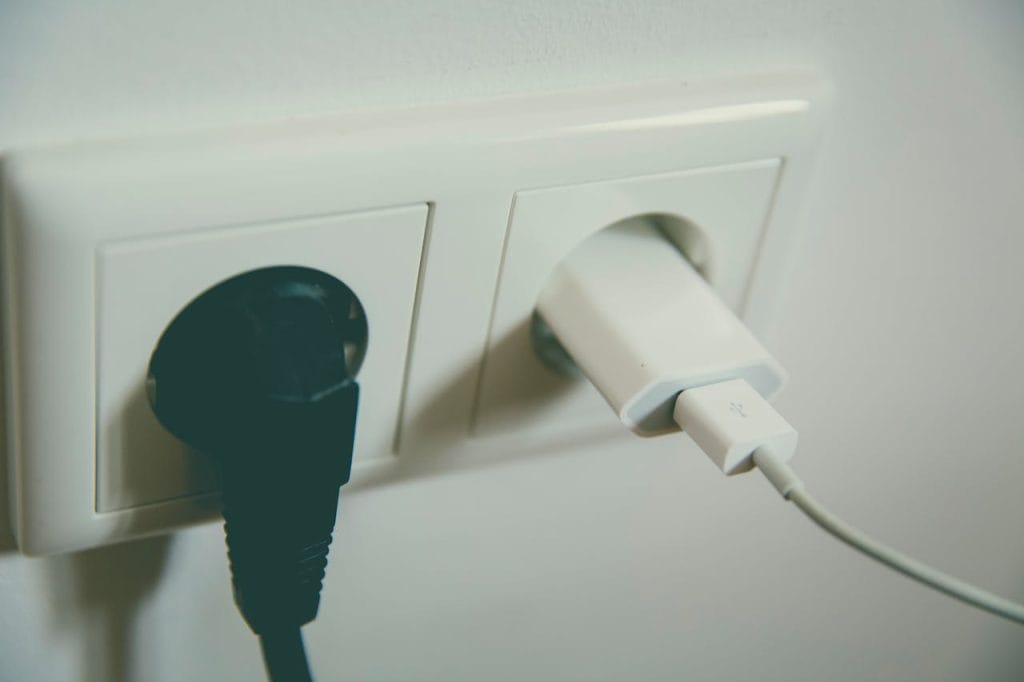
electric bill

Image Source: pexels.com

You open your energy bill and see a number that makes you pause. It’s higher than last month, even though you don’t think you used more power. This happens to a lot of people. The reason? Your energy bill can spike during certain hours, even if your habits stay the same. Understanding why this happens can help you take control of your costs. If you want to stop feeling surprised by your bill, it helps to know what’s really going on behind the scenes.

1. Peak Hours Mean Higher Rates

Most energy companies use something called “time-of-use” pricing. This means the price you pay for electricity changes depending on the time of day. During peak hours—usually in the late afternoon and early evening—more people use electricity at the same time. Think about it: people get home from work, turn on the lights, start cooking, and maybe run the dishwasher or laundry. Because demand is high, the cost per kilowatt-hour goes up. If you use a lot of power during these hours, your energy bill will spike. You can check your utility’s website to see their peak hours and rates. Shifting some activities to off-peak times can help lower your bill.

2. Appliances That Draw Power All at Once

Some appliances use a lot of energy in a short burst. Air conditioners, electric ovens, and clothes dryers are big culprits. If you run several of these at the same time during peak hours, your energy bill can jump. Even if you only use them for a short period, the timing matters. Try to stagger their use. For example, run the dryer in the morning or late evening instead of right after work. Small changes in how you use these appliances can make a big difference in your energy bill.

3. Smart Meters Track Every Minute

Many homes now have smart meters. These devices record your energy use in real time, sometimes down to the minute. This means your utility knows exactly when you use the most power. If you use a lot of electricity during peak hours, your bill will reflect that. Smart meters make it easier for companies to charge you more during high-demand times. But they also give you a chance to track your own usage. Many utilities offer online dashboards where you can see your hourly or daily energy use. Use this information to spot patterns and adjust your habits.

4. Heating and Cooling Demand

Heating and cooling systems are some of the biggest energy users in any home. When the weather is extreme—hot summers or cold winters—everyone turns on their air conditioning or heat at the same time. This drives up demand during certain hours, especially in the late afternoon and early evening. If your system runs hardest during these times, your energy bill will spike. Try setting your thermostat a few degrees higher in summer or lower in winter during peak hours. Using fans or wearing an extra layer can help you stay comfortable without using as much energy.

5. Standby Power Adds Up

Many devices draw power even when you’re not using them. This is called standby power or “phantom load.” TVs, computers, chargers, and kitchen gadgets can all use electricity just by being plugged in. If you leave a lot of devices plugged in during peak hours, you’re paying more for energy you’re not even using. Unplug devices when you’re not using them, or use a smart power strip to cut off power automatically. It’s a small step, but over time it can help lower your energy bill.

6. Seasonal Changes in Demand

Your energy bill can also spike during certain times of the year. In summer, air conditioners run more often. In winter, heaters work overtime. Utilities often raise rates during these seasons because demand is higher. If you notice your bill going up in July or January, this could be why. Try to use less energy during these high-demand months, especially during peak hours. Simple steps like closing curtains to block the sun or sealing drafts around windows can help.

7. Utility Company Surcharges

Some utilities add extra charges during peak demand periods. These surcharges can show up as “demand charges” or “critical peak pricing” on your bill. They’re meant to encourage people to use less energy when the grid is under stress. If you see these charges, it’s a sign you’re using a lot of power during the most expensive times. Check your bill for these line items and ask your utility how to avoid them.

8. Neighborhood Demand Can Affect You

Sometimes, your energy bill spikes because of what’s happening in your neighborhood. If everyone on your block uses a lot of power at the same time, the local grid can get overloaded. Utilities may raise rates in response. You can’t control your neighbors, but you can control your own usage. Try to avoid running big appliances during the busiest hours. If enough people do this, it can help keep rates lower for everyone.

Take Control of Your Energy Bill

You don’t have to feel powerless when your energy bill spikes during certain hours. By understanding how time-of-use pricing, appliance use, and seasonal demand work, you can make smarter choices. Track your usage, shift activities to off-peak times, and look for ways to cut back during high-demand periods. Small changes can add up to real savings over time.

Have you noticed your energy bill spiking during certain hours? What changes have helped you save money? Share your experience in the comments.

Read More

Ripped From The Headlines: Bad Holiday Economic Mood

Federal Reserve Report: Hang On For Rough Ride…

Travis Campbell
Travis Campbell

Travis Campbell is a digital marketer/developer with over 10 years of experience and a writer for over 6 years. He holds a degree in E-commerce and likes to share life advice he’s learned over the years. Travis loves spending time on the golf course or at the gym when he’s not working.

Filed Under: Smart Spending Tagged With: demand charges, electricity, energy bill, home energy, peak hours, saving money, smart meters, time-of-use, utilities

Tax Advice That No Longer Applies in 2025

July 14, 2025 by Travis Campbell Leave a Comment

tax tips

Image Source: pexels.com

Tax rules change all the time. What worked last year might not work this year. If you’re still following old tax advice, you could be missing out or even making mistakes. The tax code for 2025 looks different from what you might remember. Some tips that used to save you money or time are now outdated. Here’s what you need to know so you don’t get caught using tax advice that no longer applies in 2025.

1. Standard Deduction vs. Itemizing: The Old Math Doesn’t Work

For years, people debated whether to take the standard deduction or itemize. The advice was simple: if your itemized deductions were higher, itemize. But in 2025, the numbers have changed. The standard deduction is now much higher than it was a decade ago. Many common deductions, like unreimbursed employee expenses, are gone or limited. For most people, itemizing just doesn’t make sense anymore. If you’re still collecting receipts for every little thing, you’re probably wasting your time. Check the new standard deduction amount before you start sorting through paperwork. You might find that the standard deduction is the better deal for you.

2. SALT Deduction Limits: The Cap Remains

Some people hoped the $10,000 cap on state and local tax (SALT) deductions would disappear. It hasn’t. The limit is still here in 2025. If you live in a high-tax state, you can’t deduct more than $10,000 in state and local taxes on your federal return. Old advice about “maximizing your property tax payments” or “prepaying state taxes” to boost your deduction doesn’t work anymore. The cap is firm. Don’t plan your payments around a bigger deduction that isn’t possible.

3. Moving Expenses: No Longer Deductible for Most

It used to be that if you moved for a new job, you could deduct your moving expenses. That’s not true for most people anymore. Since the 2017 tax law changes, only active-duty military members moving due to a military order can claim this deduction. If you’re not in the military, don’t bother tracking your moving truck receipts or storage costs. This is a common area where people still get tripped up. If you moved for work in 2025, you can’t deduct those costs on your federal return.

4. Home Office Deduction: Employees Can’t Claim It

Working from home is more common than ever. But if you’re a W-2 employee, you can’t claim the home office deduction. This rule changed a few years ago, but many people still think they can write off a portion of their rent or utilities. Only self-employed people, freelancers, or independent contractors can claim the home office deduction. If you get a paycheck from an employer, this deduction is off the table. Don’t risk an audit by claiming it when you shouldn’t.

5. Child Tax Credit: The Rules Have Shifted

The child tax credit has changed several times in recent years. In 2025, the expanded credits from the pandemic years are gone. The credit is back to its pre-pandemic rules, with lower income limits and a smaller maximum amount per child. If you’re expecting a big refund based on last year’s numbers, you might be disappointed. Make sure you know the current rules before you file.

6. Alimony Payments: No Longer Deductible

If your divorce was finalized after 2018, you can’t deduct alimony payments on your federal taxes. This is a significant change from the old rules, where alimony was deductible for the payer and taxable for the recipient. Now, alimony is not deductible, and the recipient doesn’t have to report it as income. If you’re following old advice about deducting alimony, stop. The rules changed, and the IRS will notice if you try to claim this deduction.

7. Education Credits: Lifetime Learning Credit and AOTC Changes

Education tax credits have shifted. The American Opportunity Tax Credit (AOTC) and Lifetime Learning Credit (LLC) have new income phaseouts and eligibility rules in 2025. Some advice about “stacking” credits or claiming both for the same student no longer applies. You can only claim one credit per student per year. The income limits are stricter, so check if you still qualify. Don’t assume you can use the same strategy as before.

8. Retirement Contributions: Roth IRA Income Limits Adjusted

Roth IRA income limits have changed for 2025. If you’re used to maxing out your Roth IRA, double-check the new income thresholds. Some people who qualified last year may not be eligible this year. The advice to “always contribute to a Roth if you can” still makes sense, but you need to make sure you’re under the new limits. If you go over, you could face penalties. Review the current numbers before you contribute.

9. Medical Expense Deduction: Higher Threshold

The threshold for deducting medical expenses is now higher. You can only deduct medical expenses that exceed 10% of your adjusted gross income (AGI). In the past, the threshold was lower, and more people could claim this deduction. Now, unless you have very high medical bills, you probably won’t qualify. Don’t spend time adding up every co-pay and prescription unless you know you’ll clear the 10% hurdle.

10. Casualty and Theft Losses: Only for Federally Declared Disasters

You used to be able to deduct losses from theft or accidents. Now, you can only claim these deductions if your loss is from a federally declared disaster. If your basement floods or your car is stolen, you can’t deduct the loss unless the federal government officially recognizes the event. This is a big change from past years, so don’t count on this deduction unless you’re sure your situation qualifies.

Staying Current Means Saving Money

Tax advice that worked in the past can cost you now. The rules for 2025 are different, and using outdated tips can lead to missed deductions, smaller refunds, or even IRS trouble. Always check the latest IRS guidelines or talk to a tax professional before you file. Staying up to date is the best way to keep more of your money.

What old tax advice have you heard that no longer works? Share your stories or questions in the comments.

Read More

Stop Reading About Last Year’s Top Ten Mutual Funds

Federal Reserve Report: Hang On For Rough Ride…

Travis Campbell
Travis Campbell

Travis Campbell is a digital marketer/developer with over 10 years of experience and a writer for over 6 years. He holds a degree in E-commerce and likes to share life advice he’s learned over the years. Travis loves spending time on the golf course or at the gym when he’s not working.

Filed Under: tax tips Tagged With: 2025 tax changes, IRS, Personal Finance, tax advice, tax credits, Tax Deductions, tax filing, tax law, tax tips

How Your Favorite Loyalty Program Might Be Failing You

July 14, 2025 by Travis Campbell Leave a Comment

loyalty program

Image Source: pexels.com

Loyalty programs are everywhere. Grocery stores, airlines, coffee shops, and even gas stations want you to sign up. They promise free stuff, discounts, and special perks. It sounds like a win. But sometimes, these programs don’t deliver what you expect. You might even lose money or miss out on better deals. Here’s why your favorite loyalty program might not be as great as it seems—and what you can do about it.

1. Points Expire Before You Use Them

Many loyalty programs have expiration dates for points or rewards. You might think you’re saving up for something big, but if you don’t use your points in time, they disappear. This happens a lot with airline miles and hotel points. Sometimes, you need to make a purchase or redeem something every year to keep your points active. If you forget, all your effort goes to waste. Always check the expiration rules. Set reminders if you need to. If you’re not a frequent user, you might be better off with a program that doesn’t expire points.

2. Rewards Are Hard to Redeem

Some programs make it tough to use your rewards. Maybe you need a huge number of points for anything valuable. Or there are blackout dates, limited inventory, or confusing rules. You might find that the “free” flight you want isn’t available, or you need to pay extra fees. This can be frustrating. Before you join a program, look at how easy it is to redeem rewards. Try to use your points for things you actually want, not just what’s left over.

3. You Spend More Than You Should

Loyalty programs are designed to get you to spend more. You might buy things you don’t need just to earn points. Or you might choose a more expensive brand because of the rewards. This can add up over time. If you’re spending extra money just for points, you’re not really saving. Track your spending. Ask yourself if you’d buy the item without the program. If not, you might be falling into a trap.

4. The Value of Points Keeps Dropping

Companies can change the value of their points at any time. What used to cost 10,000 points might now cost 15,000. This is called “devaluation.” It happens often with travel rewards. You might think you’re saving up for a big trip, but by the time you have enough points, the price has gone up. This makes your points less valuable. Try to use your points sooner rather than later. Don’t hoard them for years. Keep an eye on program changes and act fast if you hear about a devaluation.

5. Hidden Fees Eat Up Your Rewards

Some loyalty programs come with fees. There might be annual fees for credit cards, booking fees for travel, or even charges to transfer points. These fees can wipe out the value of your rewards. For example, some airline programs charge a fee to book with miles or to cancel a reward ticket. Always read the fine print. Add up the real cost before you redeem. Sometimes, paying cash is actually cheaper.

6. You Miss Out on Better Deals

Loyalty can make you blind to better offers. You might always shop at the same store or fly the same airline, even when there’s a better deal elsewhere. This is called “loyalty lock-in.” You could be missing out on sales, coupons, or lower prices from competitors. Before you buy, compare prices. Don’t let points keep you from saving real money. Sometimes, the best deal is outside your favorite program.

7. Your Data Is Being Used

When you sign up for a loyalty program, you give away a lot of personal information. Companies track what you buy, when you shop, and even where you go. They use this data to market to you and sometimes sell it to others. This can lead to more targeted ads and less privacy. If you value your privacy, think twice before joining every program. Check the privacy policy. Decide if the rewards are worth sharing your data.

8. The Program Changes Without Warning

Loyalty programs can change the rules at any time. They might add new restrictions, raise the number of points needed, or take away benefits. You might not get much notice. This can be frustrating if you’ve been saving up for something specific. Stay informed. Sign up for program emails or check their website for updates. If a program changes for the worse, don’t be afraid to walk away.

9. Not All Points Are Created Equal

Some points are worth more than others. For example, a hotel point might be worth less than a credit card point. The value depends on how you use them. Some programs let you transfer points to partners, which can be a better deal. Others don’t. Before you commit, learn how much a point is really worth. Use online calculators or guides to compare. This helps you get the most out of your rewards.

10. You Forget to Use Your Benefits

It’s easy to forget about perks like free upgrades, birthday rewards, or special discounts. If you don’t use them, you lose them. Some programs require you to opt in or activate offers. Set reminders or keep a list of your benefits. Make it a habit to check your accounts before you shop or travel. Don’t let rewards go to waste.

Rethink Your Loyalty Strategy

Loyalty programs can be useful, but only if you use them wisely. Don’t let points or perks control your spending. Stay flexible. Compare deals, read the fine print, and use your rewards before they lose value. Your loyalty should work for you, not the other way around.

Have you ever felt let down by a loyalty program? Share your story or tips in the comments.

Read More

Stop Reading About Last Year’s Top Ten Mutual Funds

Find the Right Amount of Life Insurance in 10 Minutes

Travis Campbell
Travis Campbell

Travis Campbell is a digital marketer/developer with over 10 years of experience and a writer for over 6 years. He holds a degree in E-commerce and likes to share life advice he’s learned over the years. Travis loves spending time on the golf course or at the gym when he’s not working.

Filed Under: Spending Habits Tagged With: consumer tips, credit cards, loyalty programs, Personal Finance, rewards, Shopping, travel

The “Tiny House” Movement’s Hidden Expenses

July 14, 2025 by Travis Campbell Leave a Comment

tiny home

Image Source: pexels.com

Thinking about joining the tiny house movement? You’re not alone. The idea of living simply, saving money, and reducing your footprint is appealing. Tiny homes look affordable and easy to maintain. But there’s more to the story. Many people jump in, only to find costs they didn’t expect. If you’re considering a tiny house, it’s important to know what you’re really signing up for. Here’s what you need to watch out for before you downsize.

1. Land Isn’t Free

You need somewhere to put your tiny house. That sounds obvious, but it’s a big deal. Many people think they can just park their home anywhere. In reality, zoning laws and land prices can make this tricky. Some cities don’t allow tiny homes at all. Others require you to buy land, which can cost as much as a regular house lot. Even if you find a spot, you might have to pay for utilities, permits, or even special insurance. If you plan to move your tiny house, you’ll need to pay for parking or storage. These costs add up fast and can be a shock if you’re not ready for them.

2. Utility Hookups and Off-Grid Costs

Tiny houses need water, electricity, and sewage solutions. Hooking up to city utilities isn’t always possible or cheap. You might need to pay for a septic system, well, or solar panels. These systems can cost thousands of dollars. Off-grid living sounds simple, but it takes planning and money. Solar panels, batteries, composting toilets, and water tanks all have upfront costs. And they need regular maintenance. If you’re not careful, you could spend more on utilities than you expected. The tiny house movement often skips over these details, but they matter.

3. Building Codes and Permits

Building a tiny house isn’t as simple as building a shed. Most places have strict building codes. You’ll need permits, inspections, and sometimes even a licensed contractor. These rules protect you, but they also cost money. Permits can run from a few hundred to several thousand dollars. If your house doesn’t meet code, you might have to pay to fix it or even move it. Some people try to skip permits, but that can lead to fines or legal trouble. It’s better to plan for these costs up front.

4. Quality Materials and Custom Work

Tiny houses use less material, but they need to be built well. Cheap materials won’t last. You need insulation, strong framing, and weatherproofing. Many tiny homes are custom-built, which means higher labor costs. You might want built-in furniture or clever storage. These features look great, but they aren’t cheap. If you cut corners, you’ll pay for it later in repairs. Quality matters more in a small space because every inch counts. The tiny house movement often shows beautiful interiors, but those finishes come at a price.

5. Moving and Transportation Fees

One of the big draws of the tiny house movement is mobility. But moving a tiny house isn’t like towing a camper. You need a heavy-duty truck or a professional mover. Transporting a tiny house can cost thousands of dollars, especially if you’re crossing state lines. You might need special permits or escorts for wide loads. And every move puts stress on your house, which can lead to repairs. If you plan to move often, budget for these costs. They’re easy to overlook but hard to avoid.

6. Insurance Surprises

Insuring a tiny house isn’t always easy. Many insurance companies don’t know how to classify them. Are they homes, RVs, or something else? You might need a special policy, which can be expensive. If your house is on wheels, you’ll need RV insurance. If it’s on a foundation, you might need homeowners’ insurance. Some companies won’t cover tiny homes at all. It’s important to shop around and get quotes before you buy. Otherwise, you could end up uninsured or paying more than you planned.

7. Storage and Downsizing Costs

Living in a tiny house means getting rid of stuff. That sounds simple, but it can be hard. You might need to rent a storage unit for things you can’t part with. Storage fees add up over time. You might also need to buy new, smaller furniture or appliances. Downsizing takes time and sometimes money. If you rush, you could end up regretting what you gave away or spending more to replace things later. The tiny house movement celebrates minimalism but getting there isn’t always free.

8. Resale Value and Market Risks

Tiny houses are still new in the real estate world. That means resale can be tough. There’s no guarantee you’ll get your money back if you decide to sell. The market for tiny homes is small and can change quickly. Some people find it hard to sell their tiny house at all. If you finance your home, you might owe more than it’s worth. This is a risk that’s easy to miss when you’re excited about the tiny house movement. Think about your long-term plans before you buy.

9. Lifestyle Adjustments and Hidden Costs

Tiny living isn’t for everyone. You might need to pay for gym memberships, storage, or even hotel stays if you have guests. Entertaining is harder in a small space. You might eat out more or spend money on activities outside the home. These lifestyle changes can add up. The tiny house movement focuses on freedom, but it also means giving up some comforts. Be honest about what you need to be happy.

Think Before You Downsize

The tiny house movement offers a lot, but it’s not always as cheap as it looks. Hidden expenses can turn a dream into a headache. If you’re serious about tiny living, do your homework. Talk to people who’ve done it. Make a budget that includes land, utilities, permits, and all the extras. Tiny living can work, but only if you know what you’re getting into.

Have you thought about joining the tiny house movement? What hidden costs surprised you? Share your thoughts in the comments.

Read More

5 Biggest Refinance Concerns

Why Junior’s Education Might Be Less Expensive Than Expected

Travis Campbell
Travis Campbell

Travis Campbell is a digital marketer/developer with over 10 years of experience and a writer for over 6 years. He holds a degree in E-commerce and likes to share life advice he’s learned over the years. Travis loves spending time on the golf course or at the gym when he’s not working.

Filed Under: Smart Spending Tagged With: budgeting, downsizing, hidden costs, homeownership, Personal Finance, Real estate, tiny homes, tiny house movement

Online Recipes That Waste Your Grocery Budget

July 14, 2025 by Travis Campbell Leave a Comment

grocery

Image Source: pexels.com

Everyone wants to save money on groceries. But online recipes can make that harder than you think. You find a dish that looks great, but the ingredient list is long and expensive. Or you buy a special sauce for one meal and never use it again. These small choices add up and can wreck your grocery budget. If you want to eat well without overspending, it helps to know which recipes to skip. Here’s how online recipes can waste your grocery budget—and what you can do about it.

1. Recipes With Rare or Single-Use Ingredients

Some recipes call for ingredients you’ll only use once. Think saffron, truffle oil, or a special spice blend. You buy a whole jar for one teaspoon, and the rest sits in your pantry. These single-use items are a big reason your grocery budget gets stretched. Instead, look for recipes that use common ingredients you already have. If you want to try something new, see if you can substitute with what’s on hand. Or, plan several meals that use the same rare ingredient so nothing goes to waste.

2. Dishes That Require Expensive Proteins

Online recipes often feature steak, shrimp, or fancy cuts of meat. These proteins cost more than chicken, beans, or eggs. If you follow these recipes often, your grocery budget will take a hit. You don’t have to give up good food. Try swapping in more affordable proteins. For example, use chicken thighs instead of steak, or beans instead of shrimp. You’ll still get plenty of flavor, and your wallet will thank you.

3. Meals With Long Ingredient Lists

Some recipes look simple but have a list of 15 or more ingredients. Even if each item is cheap, the total cost adds up fast. Plus, you might only use a small amount of each, leaving leftovers that go bad. Stick to recipes with fewer ingredients. They’re easier to shop for and less likely to waste your grocery budget. If you see a long list, ask yourself if you really need every item or if you can simplify.

4. Trendy or Viral Recipes

Social media is full of trendy recipes. Maybe it’s a whipped coffee or a rainbow cake. These recipes often need special tools or ingredients you won’t use again. The cost of chasing trends can sneak up on you. Before you try a viral recipe, check if you already have what you need. If not, think twice. Your grocery budget will be safer if you stick to meals you know and love.

5. Recipes That Don’t Use Leftovers

Some online recipes are designed for one meal only. They don’t help you use up what’s already in your fridge. This leads to more food waste and more trips to the store. To protect your grocery budget, look for recipes that help you use leftovers. For example, roast a chicken one night and use the leftovers for soup or sandwiches the next day. This way, nothing goes to waste, and you spend less.

6. Dishes With Out-of-Season Produce

Fresh berries in winter or asparagus in the fall? Out-of-season produce costs more and often doesn’t taste as good. Many online recipes don’t consider what’s in season. If you follow them, your grocery budget will suffer. Shop for fruits and vegetables that are in season where you live. They’re cheaper, fresher, and better for your meals.

7. Meals That Require Special Equipment

Some recipes need a spiralizer, an air fryer, or a sous vide machine. If you don’t have the tool, you might buy it just for one dish. That’s a big expense for a single meal. Before you invest in new equipment, ask if you’ll use it often. If not, skip the recipe or find a way to make it with what you have. Your grocery budget isn’t just about food—it’s about all the extras, too.

8. Recipes That Don’t Scale Well

Some online recipes are for four or more people. If you’re cooking for one or two, you might end up with too much food. Leftovers are great, but only if you’ll eat them. Otherwise, you’re wasting both food and money. Look for recipes that are easy to scale down. Or freeze leftovers for another day. This helps you stick to your grocery budget and avoid waste.

9. Meals With Unclear Serving Sizes

A recipe might say it serves four, but what does that mean? If the portions are too small, you’ll need to make more food. If they’re too big, you might throw some away. Both options waste your grocery budget. Look for recipes with clear serving sizes and adjust as needed. If you’re not sure, read the comments or reviews. Other cooks often share helpful tips.

10. Dishes That Ignore Pantry Staples

Some recipes ask you to buy everything, even basics like salt, oil, or flour. If you follow the list exactly, you’ll spend more than you need to. Before you shop, check your pantry. You might already have half the ingredients. This simple step can save your grocery budget from unnecessary spending.

Smarter Cooking Means a Healthier Grocery Budget

Online recipes can inspire you, but they can also waste your grocery budget if you’re not careful. Focus on meals that use what you have, avoid single-use ingredients, and pay attention to serving sizes. Small changes in how you choose and shop for recipes can make a big difference. Your grocery budget will stretch further, and you’ll waste less food.

What online recipe has surprised you with its cost or waste? Share your story in the comments.

Read More

5 Biggest Refinance Concerns

Stop Reading About Last Year’s Top Ten Mutual Funds

Travis Campbell
Travis Campbell

Travis Campbell is a digital marketer/developer with over 10 years of experience and a writer for over 6 years. He holds a degree in E-commerce and likes to share life advice he’s learned over the years. Travis loves spending time on the golf course or at the gym when he’s not working.

Filed Under: Budgeting Tagged With: food waste, frugal living, grocery budget, Home Cooking, meal planning, online recipes, smart shopping

The Real Reason Some Seniors Are Returning to Work

July 13, 2025 by Travis Campbell Leave a Comment

work

Image Source: pexels.com

Retirement used to mean a permanent break from the working world. For many, it was the finish line after decades of effort. But now, more seniors are heading back to work. This shift isn’t just about boredom or wanting to stay busy. It’s about real needs and changing realities. If you’re nearing retirement or already there, you might be wondering why so many people your age are clocking in again. Here’s what’s really going on—and what it means for you.

1. Rising Cost of Living

Prices are up. Groceries, gas, and housing all cost more than they did a few years ago. Social Security checks and retirement savings don’t stretch as far as they used to. Many seniors find that their monthly expenses outpace their income. This isn’t just about luxury spending. It’s about paying for basics. Some people thought they had enough saved, but inflation changed the math. Working again, even part-time, helps cover the gap.

2. Health Care Costs Keep Climbing

Medical bills are a big worry. Even with Medicare, out-of-pocket costs can add up fast. Prescription drugs, doctor visits, and unexpected procedures can eat into savings. Some seniors return to work just to get health insurance. Others need extra cash to pay for treatments or medications. Health care isn’t getting cheaper, and many people want the security of a steady paycheck to help manage these costs.

3. Not Enough Saved for Retirement

A lot of people simply didn’t save enough. Maybe they started saving late. Maybe they had to dip into their retirement accounts for emergencies. Or maybe their investments didn’t grow as much as they hoped. Whatever the reason, the nest egg isn’t big enough. Going back to work is a way to rebuild savings or delay drawing down what’s left. This can make a big difference in how long your money lasts.

4. Debt Didn’t Disappear

Debt doesn’t always retire when you do. Some seniors still have mortgages, car loans, or credit card balances. Monthly payments can eat up a big chunk of fixed income. Working again helps pay down debt faster and reduces financial stress. It’s not just about making ends meet—it’s about getting out from under old bills.

5. Supporting Family Members

Family needs don’t stop at retirement. Some seniors help adult children or grandchildren with living expenses, tuition, or medical bills. Others care for aging spouses or relatives. These responsibilities can strain a budget. Extra income from a job can make it possible to help loved ones without sacrificing your own security.

6. Wanting Structure and Purpose

Work isn’t just about money. For some, it’s about having a reason to get up in the morning. Retirement can feel lonely or aimless, especially if friends and family are busy. A job brings routine, social interaction, and a sense of purpose. Even a few hours a week can make a big difference in how someone feels. This isn’t true for everyone, but it’s a real factor for many.

7. Longer, Healthier Lives

People are living longer and staying healthier. Retirement at 65 might mean 20 or 30 more years of life. That’s a long time to stretch savings. Some seniors work because they can and want to. They enjoy staying active and engaged. Plus, working longer can boost Social Security benefits, which helps down the road.

8. Changes in the Job Market

The job market has changed. There are more flexible, part-time, and remote jobs than ever before. Seniors can find work that fits their schedule and energy level. Some pick up seasonal jobs, consulting gigs, or remote customer service roles. The variety makes it easier to find something that works, even if you don’t want a full-time commitment.

9. Social Security Isn’t Enough

Social Security was never meant to be the only source of retirement income. For many, it covers just the basics. If you want a little extra—maybe to travel, eat out, or just have a cushion—working can help. Some people also work to delay claiming Social Security, which increases their monthly benefit later on. It’s a practical move that pays off in the long run.

10. Unplanned Life Events

Life throws curveballs. Divorce, illness, or the loss of a spouse can change your financial picture overnight. Some seniors return to work because they have to, not because they want to. It’s about survival, not choice. Having a job, even temporarily, can help you get back on your feet after a setback.

What This Means for the Future of Retirement

Retirement isn’t what it used to be. More seniors are working, not just for extra cash, but because life demands it. The reasons are practical and personal. If you’re thinking about your own retirement, it’s smart to plan for flexibility. You might want—or need—to work again. And that’s okay. The world is changing, and so are the rules about what retirement looks like.

Have you or someone you know returned to work after retiring? What was the biggest reason? Share your story in the comments.

Read More

Is Disability Insurance Optional? I Think Not – Our Boner of the Week

Why Junior’s Education Might Be Less Expensive Than Expected

Travis Campbell
Travis Campbell

Travis Campbell is a digital marketer/developer with over 10 years of experience and a writer for over 6 years. He holds a degree in E-commerce and likes to share life advice he’s learned over the years. Travis loves spending time on the golf course or at the gym when he’s not working.

Filed Under: Career Tagged With: Cost of living, Debt, family support, health care, Personal Finance, Retirement, seniors, Social Security, working after retirement

Financial Impacts of Skipping Preventative Medical Care

July 13, 2025 by Travis Campbell Leave a Comment

medical care

Image Source: pexels.com

Skipping preventative medical care might seem harmless at first. Maybe you’re busy, or you want to save money. But the real cost of missing those checkups and screenings can sneak up on you. Health problems that go unchecked often get worse, and the bills can pile up fast. Even if you feel fine now, ignoring preventative care can lead to bigger issues down the road. This isn’t just about your health—it’s about your wallet, too. Here’s why skipping preventative medical care can have a serious financial impact.

1. Higher Medical Bills Down the Line

When you skip preventative care, you risk letting small health problems turn into big ones. A simple cavity can become a root canal. High blood pressure can turn into a stroke. These bigger problems cost a lot more to treat. Preventative visits are usually covered by insurance, or they cost much less than emergency care. If you wait until you’re really sick, you might face hospital stays, surgeries, or long-term medication. These costs add up quickly and can drain your savings.

2. Missed Early Detection Means Expensive Treatments

Preventive care is designed to catch problems early. Screenings for cancer, diabetes, and heart disease can spot issues before they get serious. When you catch a disease early, treatment is often simpler and cheaper. If you skip these tests, you might not know something is wrong until it’s advanced. Treating late-stage illnesses is much more expensive. For example, treating early-stage breast cancer can cost thousands less than treating it at a later stage. The CDC reports that chronic diseases, many of which are preventable or manageable with early care, account for 90% of the nation’s $4.1 trillion in annual health care costs.

3. Lost Income from Missed Work

If you get sick because you skipped preventative care, you might have to take time off work. Some people lose pay, or even their jobs, if they miss too many days. Chronic illnesses can make it hard to work full-time. Even short-term illnesses can mean lost wages. Preventive care helps you stay healthy and on the job. Missing work because of preventable illness can hurt your finances, especially if you don’t have paid sick leave.

4. Higher Insurance Premiums

Insurance companies look at risk. If you don’t get regular checkups, you might be seen as a higher risk. This can lead to higher premiums over time. Some insurers offer discounts for people who get preventative care. Skipping these visits could mean you miss out on savings. In some cases, not managing chronic conditions can lead to more claims, which can also drive up your costs. Staying on top of your health can help keep your insurance affordable.

5. Out-of-Pocket Costs for Emergency Care

Emergency room visits are expensive. If you avoid the doctor and end up in the ER, you’ll likely pay more out of pocket. Many insurance plans have higher copays or deductibles for emergency care. Preventative care visits are often covered at little or no cost. By skipping them, you risk facing big bills if something goes wrong. Even a single ER visit can set you back hundreds or thousands of dollars.

6. Long-Term Financial Strain from Chronic Illness

Chronic illnesses like diabetes, heart disease, and asthma can be managed with regular care. If you skip preventative visits, these conditions can get worse. Managing advanced chronic illness is expensive. You might need more medication, frequent doctor visits, or even home care. These costs can last for years. Preventive care helps keep chronic conditions under control, saving you money in the long run.

7. Impact on Family Finances

Your health doesn’t just affect you. If you get sick, your family might have to take time off work to care for you. They might face extra costs for childcare, transportation, or help around the house. Serious illness can change your family’s financial plans. Preventive care helps protect not just your health, but your family’s financial stability, too.

8. Missed Opportunities for Health Savings

Many health insurance plans offer Health Savings Accounts (HSAs) or Flexible Spending Accounts (FSAs). These accounts let you save money tax-free for medical expenses. Preventive care can help you use these funds wisely. If you skip care and end up with big bills, you might run out of savings fast. Using your HSA or FSA for regular checkups and screenings can help you avoid bigger expenses later.

9. Reduced Quality of Life Can Cost You

Poor health can limit your ability to enjoy life. You might have to cut back on activities, travel, or hobbies. This can lead to spending more on things like home care or special equipment. The financial impact isn’t just about medical bills—it’s about the cost of living with a lower quality of life. Preventive care helps you stay active and independent, which can save money over time.

10. National Economic Impact

Skipping preventative care doesn’t just affect individuals. It puts a strain on the whole healthcare system. When more people need expensive emergency care, insurance premiums can rise for everyone. The National Institutes of Health notes that preventable hospitalizations cost billions each year. By taking care of your health, you help keep costs down for yourself and your community.

Protect Your Wallet by Prioritizing Preventive Care

Preventive medical care isn’t just about avoiding illness. It’s a smart financial move. Skipping checkups and screenings can lead to higher bills, lost income, and long-term financial stress. Taking care of your health now can save you money and protect your family’s future. Think of preventative care as an investment in your financial well-being.

Have you ever faced unexpected costs because you skipped a checkup? Share your story or thoughts in the comments.

Read More

Is Disability Insurance Optional? I Think Not – Our Boner of the Week

Why Junior’s Education Might Be Less Expensive Than Expected

Travis Campbell
Travis Campbell

Travis Campbell is a digital marketer/developer with over 10 years of experience and a writer for over 6 years. He holds a degree in E-commerce and likes to share life advice he’s learned over the years. Travis loves spending time on the golf course or at the gym when he’s not working.

Filed Under: Health & Wellness Tagged With: chronic illness, health insurance, healthcare savings, medical costs, Personal Finance, Planning, preventative care

  • « Previous Page
  • 1
  • …
  • 121
  • 122
  • 123
  • 124
  • 125
  • …
  • 198
  • Next Page »

FOLLOW US

Search this site:

Recent Posts

  • Can My Savings Account Affect My Financial Aid? by Tamila McDonald
  • 12 Ways Gen X’s Views Clash with Millennials… by Tamila McDonald
  • What Advantages and Disadvantages Are There To… by Jacob Sensiba
  • Call 911: Go To the Emergency Room Immediately If… by Stephen Kanaval
  • 10 Tactics for Building an Emergency Fund from Scratch by Vanessa Bermudez
  • 7 Weird Things You Can Sell Online by Tamila McDonald
  • 10 Scary Facts About DriveTime by Tamila McDonald

Copyright © 2026 · News Pro Theme on Genesis Framework