• Home
  • About Us
  • Getting Finances Done
    • Hiring Advisors
    • Debt Management
    • Spending Plan
  • Insurance
    • Life Insurance
    • Health Insurance
    • Disability Insurance
    • Homeowners/Renters Insurance
  • Contact Us
  • Our Editorial Commitment

The Free Financial Advisor

You are here: Home / Archives for diet

9 Fast-Food Items That Nutritionists Secretly Say Are Worse Than Cigarettes

July 26, 2025 by Travis Campbell Leave a Comment

nutrition
Image Source: pexels.com

Fast food is everywhere. It’s quick, cheap, and sometimes feels like the only option when you’re busy. But some fast-food items are so loaded with unhealthy ingredients that nutritionists quietly warn they might be even worse for your health than cigarettes. That’s a bold claim, but it’s not just about calories or fat. It’s about what these foods do to your body over time. Cigarettes are known for their risks, but certain fast-food choices can quietly damage your heart, blood vessels, and even your brain. If you care about your long-term health, it’s worth knowing which menu items to avoid.

Here are nine fast-food items that nutritionists say are worse than cigarettes—and what you can do instead.

1. Double Bacon Cheeseburgers

Double bacon cheeseburgers pack a punch. They’re loaded with saturated fat, sodium, and processed meat. One burger can have more than 1,200 calories and over 2,000 milligrams of sodium. That’s almost your entire daily limit in one meal. The processed bacon adds nitrates, which have been linked to cancer. Eating these burgers regularly can raise your risk of heart disease and stroke. If you want a burger, try a single patty with lots of veggies and skip the bacon.

2. Extra-Large Soda

A giant soda might seem harmless, but it’s a sugar bomb. Some fast-food sodas have over 100 grams of sugar in one cup. That’s more than double the recommended daily limit for adults. Sugar spikes your blood sugar, stresses your pancreas, and can lead to type 2 diabetes. It also increases your risk of heart disease. Water or unsweetened iced tea is a better choice. Even diet sodas aren’t a safe bet, as artificial sweeteners can mess with your metabolism.

3. Fried Chicken Sandwiches

Fried chicken sandwiches are everywhere now. They’re crispy, salty, and often come with mayo-based sauces. The chicken is usually deep-fried in oils high in trans fats. Trans fats are so bad for your heart that some countries have banned them. These sandwiches can have more than 1,000 calories and a day’s worth of sodium. Grilled chicken is a better option, but watch out for the sauces—they can be just as unhealthy.

4. Loaded Nachos

Loaded nachos from fast-food chains are a trap. They’re covered in processed cheese, sour cream, and fatty ground beef. One order can have over 1,500 calories and more than 80 grams of fat. The cheese sauce is often made with artificial ingredients and preservatives. Eating this much saturated fat in one sitting can spike your cholesterol and blood pressure. If you crave nachos, make them at home with baked chips, beans, and fresh salsa.

5. Breakfast Burritos with Sausage

Breakfast burritos sound like a good way to start the day, but the fast-food versions are packed with processed sausage, cheese, and refined carbs. Some have over 900 calories and 50 grams of fat. The sausage is full of sodium and nitrates, which are linked to cancer and heart disease. Eating this for breakfast can leave you feeling sluggish and hungry again by mid-morning. Try oatmeal or eggs with veggies for a healthier start.

6. Milkshakes

Milkshakes are a dessert in a cup. A large fast-food milkshake can have more than 1,000 calories and 120 grams of sugar. That’s like eating three candy bars at once. The sugar rush can lead to a crash, and the saturated fat can clog your arteries. Over time, this kind of treat can increase your risk of obesity, diabetes, and heart disease. If you want something sweet, try a fruit smoothie with no added sugar.

7. Fish Sandwiches

Fish sounds healthy, but fast-food fish sandwiches are usually deep-fried and covered in creamy sauces. The fish is often processed and breaded, then fried in unhealthy oils. One sandwich can have more than 700 calories and 1,000 milligrams of sodium. The sauces add even more fat and calories. If you want fish, look for grilled options and skip the tartar sauce.

8. Mozzarella Sticks

Mozzarella sticks are a popular side, but they’re a nutritional disaster. They’re deep-fried, breaded, and served with sugary marinara sauce. A single order can have over 600 calories and 30 grams of fat. The cheese is high in saturated fat, and the breading soaks up oil. Eating these regularly can raise your cholesterol and increase your risk of heart disease. If you want cheese, try a small piece of real cheese with whole-grain crackers.

9. Super-Sized Fries

Super-sized fries are a classic fast-food item. They’re cheap, salty, and addictive. But a large order can have more than 500 calories and 25 grams of fat. The frying process creates acrylamide, a chemical linked to cancer in animal studies. The salt can raise your blood pressure and make you crave more junk food. If you want fries, order a small size or try baked potato wedges at home.

Rethink Your Fast-Food Choices

Fast food is convenient, but some menu items are worse for your health than you might think. The risks go beyond weight gain. These foods can quietly damage your heart, blood vessels, and even your brain over time. Making small changes—like choosing grilled over fried, skipping the extra cheese, or swapping soda for water—can make a big difference. Your health is worth more than a quick meal.

What’s the worst fast-food item you’ve ever tried? Share your thoughts in the comments.

Read More

This Common Fast Food Ingredient Was Just Linked to Memory Loss

The Real Reasons Fast-Food Chains Are Charging You More for Less Food

Travis Campbell
Travis Campbell

Travis Campbell is a digital marketer/developer with over 10 years of experience and a writer for over 6 years. He holds a degree in E-commerce and likes to share life advice he’s learned over the years. Travis loves spending time on the golf course or at the gym when he’s not working.

Filed Under: Health & Wellness Tagged With: diet, fast food, food choices, health, healthy eating, heart health, nutrition, processed foods, unhealthy foods

These 5 “Healthy” Food Trends Could Be Making You Sick

July 20, 2025 by Travis Campbell Leave a Comment

green juice
Image Source: pexels.com

Trying to eat healthy is a smart move. But sometimes, the latest food trends can do more harm than good. You might think you’re making better choices, but some “healthy” foods can actually make you feel worse. It’s easy to get caught up in what’s popular, especially when everyone around you is doing the same thing. But your body doesn’t care about trends—it cares about what you put in it. If you want to protect your health and your wallet, it’s important to look past the hype. Here are five “healthy” food trends that could be making you sick.

1. Green Juice Cleanses

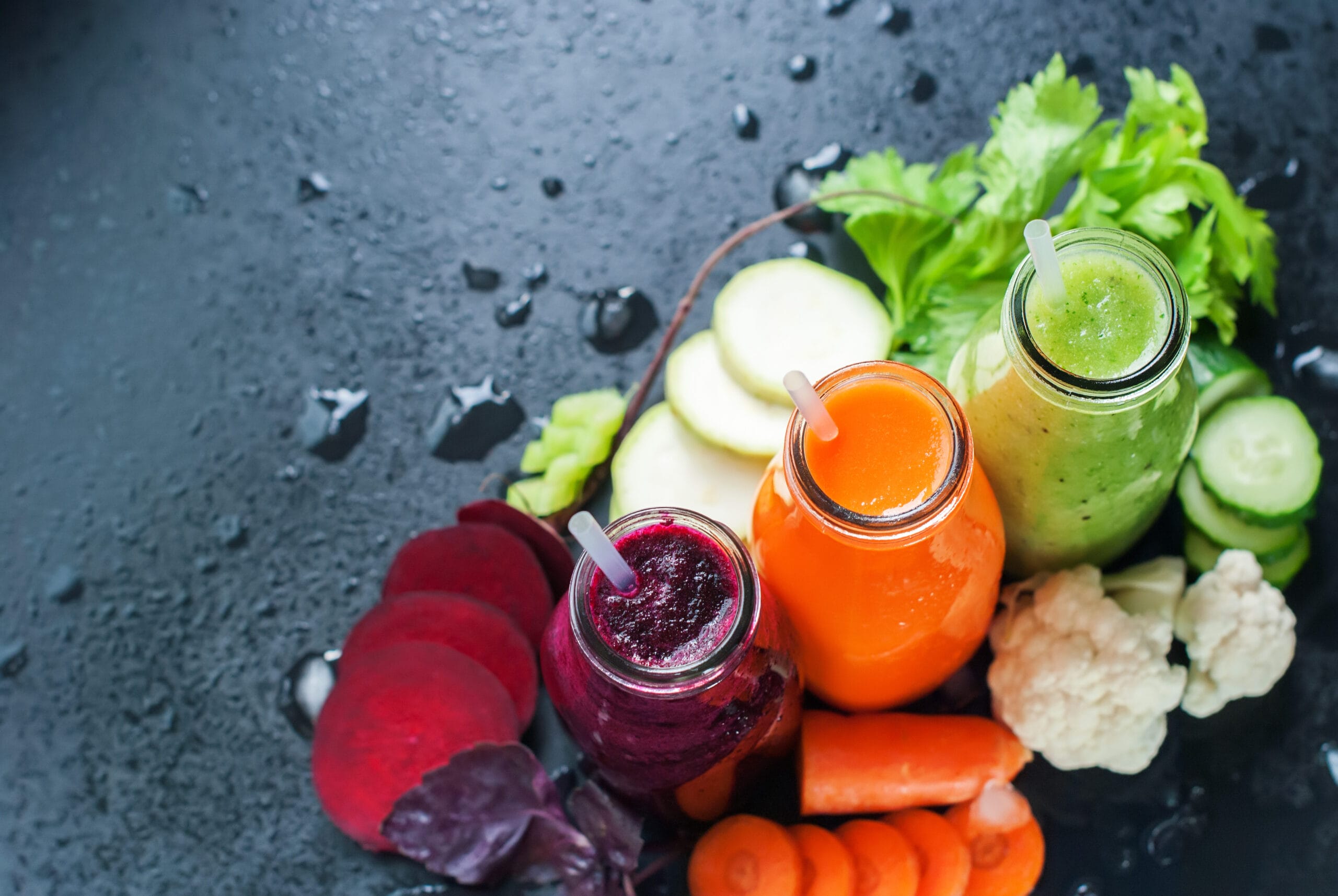
Green juice is everywhere. You see it in grocery stores, on social media, and in the hands of people at the gym. The idea is simple: drink your veggies and get a quick health boost. But drinking only juice for days, or even replacing meals with juice, can backfire. Juice cleanses often leave out fiber, which your body needs for digestion. Without fiber, you might feel hungry, tired, or even dizzy. Some juice cleanses are also very low in calories, which can slow your metabolism and make you feel weak. And if you have certain health conditions, like diabetes, the high sugar content in some juices can cause problems. Instead of a cleanse, try eating whole fruits and vegetables. Your body will thank you for the fiber and nutrients.

2. Gluten-Free Everything

Gluten-free foods are everywhere now. For people with celiac disease or a true gluten intolerance, avoiding gluten is necessary. But for most people, gluten isn’t the enemy. Many gluten-free products are highly processed and can be low in nutrients. They often have more sugar, fat, or salt to make up for the missing gluten. This can lead to weight gain, blood sugar spikes, and other health issues. Plus, gluten-free foods can be expensive. If you don’t need to avoid gluten for medical reasons, you’re better off eating whole grains like oats, barley, and whole wheat. These foods are full of fiber and important vitamins.

3. Plant-Based Meat Alternatives

Plant-based meat is a big trend. Burgers, sausages, and even chicken nuggets made from plants are popping up everywhere. They sound healthy, but many of these products are highly processed. They can be full of sodium, artificial flavors, and preservatives. Some have just as much saturated fat as real meat. Eating these foods often can raise your risk of high blood pressure and heart problems. If you want to eat less meat, try whole foods like beans, lentils, tofu, or tempeh. These options are less processed and give you more nutrients. Don’t assume that “plant-based” always means healthy.

4. Flavored Yogurt and “Probiotic” Snacks

Yogurt is often seen as a health food, especially when it’s labeled as “probiotic.” But many flavored yogurts and probiotic snacks are loaded with sugar. Some have as much sugar as a dessert. Eating too much sugar can lead to weight gain, tooth decay, and even increase your risk of diabetes. The probiotics in these snacks might not even survive long enough to help your gut. If you want the benefits of probiotics, choose plain yogurt with live cultures and add your own fruit. Or try fermented foods like sauerkraut or kimchi. These have natural probiotics and less sugar.

5. “Natural” Sweeteners

Honey, agave, coconut sugar, and maple syrup are often called “natural” sweeteners. Many people use them instead of white sugar, thinking they’re healthier. But your body processes most sugars the same way. These sweeteners still add calories and can raise your blood sugar. Some, like agave, are very high in fructose, which can be hard on your liver. Using too much of any sweetener can lead to weight gain and other health problems. If you want to cut back on sugar, try using less in your coffee or baking. Focus on eating foods that are naturally sweet, like fruit. Don’t let the word “natural” fool you.

Rethink What “Healthy” Means

Trends come and go, but your health is long-term. Just because a food is popular or labeled as “healthy” doesn’t mean it’s good for you. Many of these trends can cost you more money and leave you feeling worse. The best approach is to eat a variety of whole foods, pay attention to how your body feels, and avoid extremes. Simple meals with real ingredients are often the healthiest choice. Don’t let marketing or social media decide what goes on your plate. Your health and your budget will both benefit from a little skepticism.

Have you tried any of these food trends? Did they help or hurt your health? Share your story in the comments.

Read More

Grocery Foods That Disappear During Economic Downturns

When Food Turns Fatal: The Rise of Black-Market Avocado Heists

Travis Campbell
Travis Campbell

Travis Campbell is a digital marketer/developer with over 10 years of experience and a writer for over 6 years. He holds a degree in E-commerce and likes to share life advice he’s learned over the years. Travis loves spending time on the golf course or at the gym when he’s not working.

Filed Under: Health & Wellness Tagged With: diet, food myths, food trends, health risks, healthy eating, nutrition, wellness

This Common Fast Food Ingredient Was Just Linked to Memory Loss

July 15, 2025 by Travis Campbell Leave a Comment

fast food
Image Source: pexels.com

Fast food is everywhere. It’s quick, cheap, and easy. But what if your favorite drive-thru meal is doing more than just filling you up? Recent research shows that a common fast food ingredient may be linked to memory loss. This isn’t just about weight gain or high cholesterol. It’s about your brain. If you eat fast food often, you need to know what’s in your food and how it could affect your mind.

1. What Is This Fast Food Ingredient?

The fast food ingredient in question is phosphate additives. These are chemicals added to many processed foods, especially in fast food. They help preserve food, improve texture, and boost flavor. You’ll find them in burgers, chicken nuggets, sodas, and even some breads. Phosphates are not new. But the amount used in fast food has gone up over the years. Most people don’t realize how much they’re eating. And that’s a problem.

2. How Phosphate Additives Affect Your Brain

Phosphate additives are now linked to memory loss. Studies show that high levels of phosphates can change how your brain works. They may damage the hippocampus, the part of your brain that controls memory. When you eat too many foods with phosphate additives, your brain may not work as well. You might notice it’s harder to remember things or focus. This isn’t just a theory. Animal studies have shown that diets high in phosphates can lead to memory problems and even increase the risk of dementia.

3. Why Fast Food Is Packed with Phosphates

Fast food chains use phosphate additives for a reason. They make food last longer and taste better. They also keep meat juicy and bread soft. But these benefits come at a cost. The more processed the food, the more likely it is to contain high levels of phosphates. If you eat fast food often, you’re probably getting more phosphates than you think. Even foods that seem healthy, like grilled chicken sandwiches or salads with processed dressings, can be loaded with these additives.

4. Signs You’re Eating Too Many Phosphates

It’s hard to know how much phosphate you’re eating. Food labels don’t always list them clearly. But there are signs your diet may be too high in this fast food ingredient. You might feel tired, have trouble concentrating, or notice your memory isn’t as sharp. Some people also get headaches or muscle aches. If you eat a lot of fast food or processed snacks, you’re at higher risk. The effects can build up over time, making it even harder to spot the problem.

5. How To Spot Phosphate Additives on Labels

Phosphate additives go by many names. Look for words like “phosphoric acid,” “sodium phosphate,” “calcium phosphate,” or “pyrophosphate” on ingredient lists. If you see these, the food contains added phosphates. The more processed the food, the more likely it is to have them. Sodas, deli meats, frozen meals, and even some baked goods are common sources. Checking labels is one of the best ways to avoid this fast-food ingredient.

6. Simple Ways to Cut Down on Phosphates

You don’t have to give up all fast food. But you can make smarter choices. Try to eat more whole foods like fruits, vegetables, and unprocessed meats. Cook at home when you can. If you eat out, choose menu items that are grilled or baked instead of fried. Skip the soda and go for water. Ask for dressings and sauces on the side. These small changes can help you avoid too much of this fast-food ingredient and protect your memory.

7. The Long-Term Risks of Ignoring This Ingredient

Ignoring phosphate additives can have serious effects. Over time, high phosphate intake is linked not just to memory loss, but also to heart disease, kidney problems, and weaker bones. The risks are higher for people with existing health issues, but anyone can be affected. Memory loss can sneak up on you. By the time you notice, it may be hard to reverse. That’s why it’s important to pay attention now.

8. What You Can Do Today

Start by looking at what you eat. Check labels for phosphate additives. Cut back on fast food and processed snacks. Try to cook more meals at home. If you’re worried about your memory, talk to your doctor. They can help you figure out if your diet is part of the problem. Small changes can make a big difference over time. Protecting your brain starts with what you put on your plate.

Protecting Your Memory Starts with Your Next Meal

Your brain is worth protecting. The link between this fast-food ingredient and memory loss is real. You don’t have to overhaul your life overnight. But every meal is a chance to make a better choice. The next time you’re at the drive-thru, think about what’s in your food. Your memory may depend on it.

Have you noticed changes in your memory after eating fast food? Share your thoughts or experiences in the comments below.

Read More

How to Save on Your Electric Bill in the Winter

The Most Important Financial Terms for Young People

Travis Campbell
Travis Campbell

Travis Campbell is a digital marketer/developer with over 10 years of experience and a writer for over 6 years. He holds a degree in E-commerce and likes to share life advice he’s learned over the years. Travis loves spending time on the golf course or at the gym when he’s not working.
Filed Under: Health & Wellness Tagged With: brain health, diet, fast food, food additives, health, memory loss, nutrition, processed food

12 Health Fads That Became Useless Over Time

June 5, 2024 by Teri Monroe Leave a Comment

health fads
123rf

In the ever-evolving world of health and wellness, countless health fads have emerged, each promising to be the next miracle solution for weight loss, detoxification, or overall well-being. From bizarre diets to unusual supplements, many of these health fads have captivated public attention, only to fade into obscurity as their claims failed to hold up under scientific scrutiny. While some trends offer temporary results or placebo effects, they often lack the sustainability and safety required for long-term health. Here we explore 12 health fads that once dominated headlines but have since been debunked and discarded, emphasizing the importance of evidence-based approaches to wellness.

1. The Grapefruit Diet

grapefruit diet
123rf

The Grapefruit Diet, popular in the 1930s, claimed that consuming half a grapefruit before each meal could burn fat and boost metabolism. However, the scientific evidence behind these claims was weak, and the fad diet proved unsustainable for most people. Over time, nutritionists highlighted the importance of balanced diets, rendering this citrus-centric approach obsolete. Today, the focus is on whole foods and portion control rather than health fads like single-food solutions.

2. Tapeworm Pills

fad diet tapeworm pills
123rf

In the early 20th century, some people turned to tapeworm pills to lose weight, believing that the parasites would consume excess calories. The risks, however, far outweighed any potential benefits, as tapeworms can cause severe health problems, including malnutrition and intestinal blockages. Medical advancements have since eradicated the need for such dangerous practices. The emphasis now is on safe, sustainable weight management methods.

3. Juice Cleanse

juice cleanses
123rf

Juice cleanses surged in popularity in the early 2000s, with claims of detoxifying the body and aiding weight loss. Despite their appeal, they often lack essential nutrients and can lead to muscle loss and metabolic slowdown. Experts now argue that our bodies have built-in detox systems, the liver and kidneys, that don’t require extreme diets to function. Balanced eating and regular exercise have been proven more effective for long-term health.

4. Fat-Free Craze

fat-free diet
123rf

The fat-free craze of the 1990s led many to believe that eliminating all fats from their diets would result in weight loss and improved health. However, fat is essential for nutrient absorption, brain function, and hormone production. The removal of fat from products often led to the addition of sugars and other unhealthy ingredients. Modern nutrition advice emphasizes the importance of healthy fats, such as those from avocados, nuts, and fish.

5. Master Cleanse

master cleanse fad diet
123rf

The Master Cleanse, involving a concoction of lemon juice, cayenne pepper, maple syrup, and water, promised rapid weight loss and detoxification. While followers did lose weight, it was often temporary and due to severe caloric restriction. Such extreme diets and health fads can be harmful, leading to nutrient deficiencies and other health issues. Sustainable, balanced eating habits are now recognized as the best approach to weight management.

6. Cabbage Soup Diet

cabbage soup
123rf

The Cabbage Soup Diet, a week-long eating plan centered around unlimited cabbage soup, was touted for quick weight loss. While participants did see short-term results, they often experienced hunger, fatigue, and boredom due to the diet’s restrictive nature. Once the diet ended, weight regain was common. Today, variety and moderation are key principles of effective and enjoyable weight loss strategies.

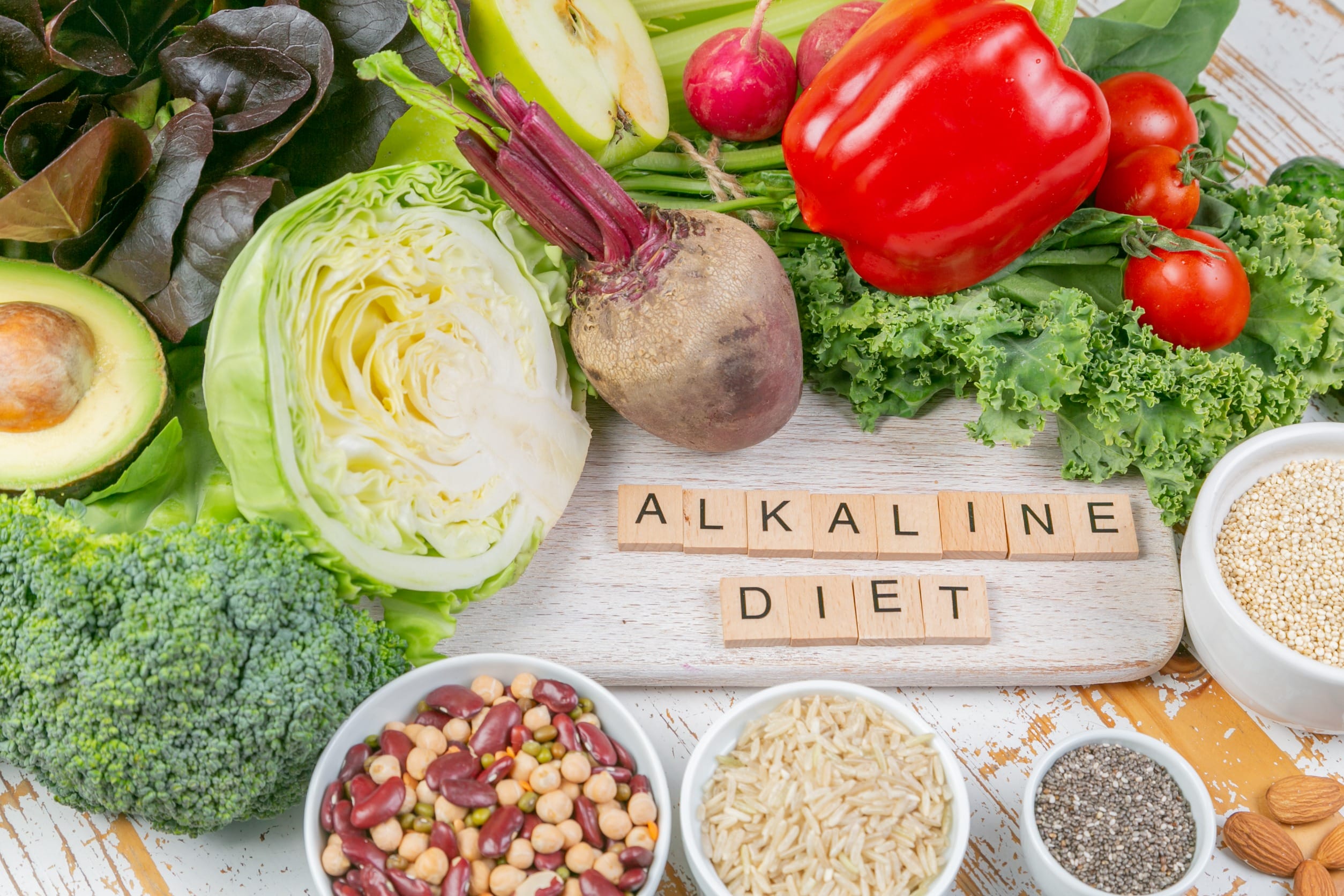
7. Alkaline Diet

alkaline diet
123rf

The Alkaline Diet claims that eating certain foods can alter the body’s pH balance, promoting better health and weight loss. However, the human body naturally regulates its pH levels, making dietary attempts to change it largely ineffective. Furthermore, scientific evidence supporting the diet’s claims is scant. Emphasis on balanced, nutrient-rich diets remains the gold standard for health.

8. HCG Diet

fad diet
123rf

The HCG Diet, which combines severe caloric restriction with injections of human chorionic gonadotropin (HCG), a hormone produced during pregnancy, gained attention for its rapid weight loss promises. However, the FDA has declared HCG diet products illegal and fraudulent, as there is no substantial evidence supporting their efficacy. Severe calorie restriction can lead to various health problems, making this diet both ineffective and unsafe. The consensus now favors more balanced and evidence-based weight loss methods.

9. Slimming Body Wraps

health fads body wraps
123rf

Body wraps, often marketed in spas, promised to help users lose inches from their waistlines through temporary compression and detoxification. While they might offer short-term water weight loss, the effects are fleeting and do not result in lasting fat reduction. Furthermore, these treatments can be expensive and time-consuming without providing significant benefits. Sustainable weight management focuses on diet, exercise, and lifestyle changes rather than quick fixes.

10. Blood Type Diet

health fads
123rf

The Blood Type Diet suggested that people should eat according to their blood type to achieve optimal health and weight loss. Despite its popularity, there is no scientific evidence to support the diet’s claims, and many nutritionists consider it a pseudoscience. The diet’s restrictions can also lead to nutrient deficiencies. Modern dietary advice emphasizes personalized nutrition based on individual health needs and preferences rather than blood type.

11. Apple Cider Vinegar Shots

health fads apple cider vinegar diet
123rf

Taking shots of apple cider vinegar was once thought to aid weight loss, improve digestion, and boost metabolism. However, the harsh acidity can damage tooth enamel, irritate the throat, and cause stomach issues when consumed in large amounts. Scientific support for its health benefits is limited, and experts recommend incorporating it sparingly into meals rather than as a standalone remedy. A balanced diet and regular physical activity remain the best strategies for achieving and maintaining health.

12. The Cotton Ball Diet

health fads cotton ball diet
123rf

The Cotton Ball Diet, where individuals consume cotton balls soaked in juice to feel full without eating actual food, is extremely dangerous. This fad can lead to severe gastrointestinal blockages and malnutrition, posing significant health risks. It highlights the extremes to which some will go in the pursuit of weight loss. Current health guidelines emphasize the importance of balanced, nutritious eating habits for maintaining a healthy weight and overall well-being.

Embracing Sustainable Health Practices Over Health Fads

sustainable health practices
123rf

As we’ve seen, fad diets often promise quick fixes but rarely deliver lasting, safe results. Over time, scientific research and medical advancements have debunked many of these trends, highlighting the importance of balanced nutrition, regular physical activity, and holistic wellness. It’s essential to approach new health trends with skepticism and prioritize evidence-based practices. By focusing on sustainable habits, we can achieve better health outcomes and avoid the pitfalls of fleeting fads.

Photograph of Teri Monroe
Teri Monroe
Teri Monroe started her career in communications working for local government and nonprofits. Today, she is a freelance finance and lifestyle writer and small business owner. Teri holds a B.A. From Elon University.  In her spare time, she loves golfing with her husband, taking her dog Milo on long walks, and playing pickleball with friends.

Filed Under: Lifestyle Tagged With: diet, health, Health Fads, Lifestyle

How You Can Help Your Brain Heal

February 24, 2021 by Jacob Sensiba 1 Comment

Your brain, my brain, everyone’s brain could sustain damage throughout life. The brain is incredibly resilient and has tremendous healing qualities. We will talk about what happens to a damaged brain and how you can help your brain heal.

My accident

Back in January, I got into an accident. Here’s what happened:

I went ice fishing with my dad. I pulled my car into a snow-covered parking lot. We got done fishing. I attempted to back out and my car was stuck. I pushed from the front and my dad hooked up his ATV to the back of my car, and I put the vehicle in reverse to help it out.

With my pushing and (mostly) my dad’s pulling, we got the car out. Unfortunately, the car didn’t stop rolling. I rushed to get into the car to stop it because I was in a parking lot and I was going to run into another car. As I attempted to get into the rolling car, I slipped and hit my head on the inside of my door.

I stopped the car though.

Aftermath

I definitely got a concussion. I’ve had a few before so I know what they feel like. You’re disoriented. Your equilibrium is off. Your brain is not firing on all cylinders. Sometimes you’re dizzy. Sometimes, it can knock you out cold.

I went to my parents’ house instead of going home because I had my son. I needed someone to watch him while I rested.

The following weeks have been interesting, to say the least. The week after required time off of work. I was dizzy, nauseous, had headaches, and had annoying brain fog.

The headaches and brain fog persisted for weeks to the point where I couldn’t take it anymore and got a CT scan. Thankfully, the scan came back normal, but I still have bad days. It’s going to take time.

While I rest and get better, I found ways to help myself.

Brain injuries

They’re incredibly common. Per the CDC, there are 2.8 million traumatic brain injuries per year. That number, though, is not accurate because the majority of people that experience a brain injury don’t get diagnosed. They don’t seek treatment.

A brain injury can result in physical ailments like brain fog, forgetfulness, trouble with day-to-day activities, and drowsiness. It can also lead to psychological illnesses like anxiety, depression, bipolar disorder, and mood instability. 

Healing the brain

As I mentioned, the brain does an extraordinary job of healing itself. 90% of people that experience a traumatic brain injury recover without any long-term effects.

Here are some other things that I’ve implemented and some things I would like to do to help my mind and my body:

  • Meditation
  • Exercise
  • Eating healthy
  • Listening to music
  • Learning something new
  • Getting enough sleep
  • Brain stimulating games/activities

Exercise, eating healthy, and getting enough sleep to establish an imperative foundation for healthy living, but also helps tremendously when recovering from a brain injury.

Brain stimulating games, learning something new, and meditation are methods to help create new neural pathways

I believe establishing these practices in my daily life will help my brain in the short-term and the long-term.

Related reading:

10 Ways to Help your Brain Heal

Stock Splits, Asset Allocation, Cognitive Bias


**Securities offered through Securities America, Inc., Member FINRA/SIPC. Advisory services offered through Securities America Advisors, Inc. Securities America and its representatives do not provide tax or legal advice; therefore, it is important to coordinate with your tax or legal advisor regarding your specific situation. Please see the website for full disclosures: www.crgfinancialservices.com

Jacob Sensiba
Jacob Sensiba

Jacob Sensible is a financial advisor with decades of experience in the financial planning industry.  His journey into finance began out of necessity, stepping up to support his grandfather during a health crisis. This period not only grounded him in the essentials of stock analysis, investment strategies, and the critical roles of insurance and trusts in asset preservation but also instilled a comprehensive understanding of financial markets and wealth management.  Jacob can be reached at: jake.sensiba@mygfpartner.com.

mygfpartner.com/jacob-sensiba-wisconsin-financial-advisor/

Filed Under: Mental Health, Psychology Tagged With: brain, brain damage, diet, exercise, heal brain, meditate, meditation

Follow Us

Search this site:

Recent Posts

  • Can My Savings Account Affect My Financial Aid? by Tamila McDonald
  • 12 Ways Gen X’s Views Clash with Millennials… by Tamila McDonald
  • What Advantages and Disadvantages Are There To… by Jacob Sensiba
  • 10 Tactics for Building an Emergency Fund from Scratch by Vanessa Bermudez
  • Call 911: Go To the Emergency Room Immediately If… by Stephen Kanaval
  • 7 Weird Things You Can Sell Online by Tamila McDonald
  • 10 Scary Facts About DriveTime by Tamila McDonald

Copyright © 2026 · News Pro Theme on Genesis Framework