• Home
  • About Us
  • Getting Finances Done
    • Hiring Advisors
    • Debt Management
    • Spending Plan
  • Insurance
    • Life Insurance
    • Health Insurance
    • Disability Insurance
    • Homeowners/Renters Insurance
  • Contact Us
  • Our Editorial Commitment

The Free Financial Advisor

You are here: Home / Archives for Latrice Perez

Latrice is a dedicated professional with a rich background in social work, complemented by an Associate Degree in the field. Her journey has been uniquely shaped by the rewarding experience of being a stay-at-home mom to her two children, aged 13 and 5. This role has not only been a testament to her commitment to family but has also provided her with invaluable life lessons and insights.

Stop Making These 6 Mistakes or She’ll Be Gone By This Time Next Year

March 14, 2025 by Latrice Perez Leave a Comment

Unhappy Wife
Image Source: 123rf.com

Most relationships don’t fail because of one big mistake. They fall apart slowly, over time, due to repeated missteps that go unnoticed until it’s too late. Many men assume that if their partner isn’t actively complaining, everything is fine. But the truth is, when a woman starts feeling disconnected, she doesn’t always announce it right away. She starts detaching emotionally first, and by the time she leaves, she’s already made up her mind.

If you think things are going well but sense a little distance creeping in, now is the time to check yourself. Here are six mistakes that can push her away without you realizing it. Ignore them, and you might find yourself single by this time next year.

You Take Her for Granted

At the beginning of a relationship, effort comes naturally. You make plans, surprise her, and genuinely show her how much you value her. But as time goes on, many men get comfortable and assume that since she’s there, she’ll always be there. The small compliments fade, the dates become less frequent, and appreciation turns into expectation.

Women notice when the effort disappears. If she feels like she’s constantly giving while you’re just coasting, she will start questioning whether you truly value her. No one wants to be in a relationship where they feel like an afterthought. If she’s not feeling prioritized, someone else will make her feel that way.

You Stop Communicating the Right Way

Communication isn’t just about talking. It’s about listening, understanding, and responding in a way that makes her feel heard. Many men mistake silence for peace, assuming that if she’s not arguing, she must be happy. In reality, when a woman stops bringing up issues, it often means she’s given up trying to fix them.

If she feels like talking to you leads nowhere, she will start turning to other people for emotional support. When that happens, it’s only a matter of time before the relationship becomes emotionally disconnected. If she starts feeling like she’s in this alone, she won’t stay in it for long.

You Don’t Take Responsibility for Your Mistakes

Everyone makes mistakes in relationships, but what really matters is how you handle them. If you constantly shift blame, make excuses, or dismiss her feelings, she will eventually stop trying to work things out. Women respect men who own up to their faults and make an effort to grow.

Apologizing isn’t about saying the words just to move on. It’s about acknowledging the issue and actually making a change. If she keeps seeing the same behaviors with no improvement, she will stop believing in the relationship’s future. No one wants to stay with someone who refuses to grow.

You Make Her Feel Alone Even When You’re There

Lonely Wife
Image Source: 123rf.com

Being physically present isn’t the same as being emotionally available. If you’re always on your phone, distracted, or half-listening when she talks, she will start feeling lonely even when you’re right next to her. The problem isn’t just about time—it’s about quality time.

When a woman feels emotionally disconnected, she starts looking for that connection elsewhere. This doesn’t always mean cheating, but it does mean she’s emotionally checking out of the relationship. If she constantly feels like she’s competing with your phone, work, or hobbies for attention, eventually, she will stop trying.

You Don’t Make Her Feel Wanted

Attraction isn’t just about physical looks. It’s about making her feel desired, valued, and appreciated as a woman. If she’s always the one initiating affection, if compliments have disappeared, or if intimacy feels more like a routine than genuine passion, she will start feeling unfulfilled.

Women want to feel like their partner is excited about them. They don’t want to feel like just another part of the daily routine. If she starts feeling emotionally and physically disconnected, she may start wondering if she’s happier outside the relationship than in it.

You Ignore the Warning Signs Until It’s Too Late

One of the biggest mistakes men make is assuming everything is fine just because she hasn’t left yet. Most women don’t leave on impulse—they leave after months or even years of feeling unheard, unappreciated, or disconnected. The worst thing you can do is ignore the small signs of trouble and only start putting in effort once she’s halfway out the door.

If she’s less affectionate, if conversations feel forced, if she seems distant, don’t brush it off. These are signs that she’s already detaching. If you wait until she’s completely done, there might not be anything left to fix.

It’s Not Too Late to Fix Things

If you recognize yourself in any of these mistakes, don’t panic, but don’t ignore them either. The good news is that most relationships can be saved if the issues are addressed early enough. Start making her feel appreciated, listen when she talks, and show her that she matters to you—not just with words but with actions.

Relationships don’t end suddenly. They fade because of neglect, complacency, and lack of effort. If you want her to still be here next year, make sure you’re giving her a reason to stay.

What do you think is the biggest mistake people make in relationships? Share your thoughts in the comments below.

Read More:

9 Ways People Test You in Relationships Without Saying a Word

8 Things People Judge You On Within Seconds of Meeting You


Latrice Perez

Latrice is a dedicated professional with a rich background in social work, complemented by an Associate Degree in the field. Her journey has been uniquely shaped by the rewarding experience of being a stay-at-home mom to her two children, aged 13 and 5. This role has not only been a testament to her commitment to family but has also provided her with invaluable life lessons and insights.

As a mother, Latrice has embraced the opportunity to educate her children on essential life skills, with a special focus on financial literacy, the nuances of life, and the importance of inner peace.


Filed Under: relationships Tagged With: Dating Advice, dating tips, emotional connection, fixing relationships, keeping the spark alive, Relationship Advice, relationship communication, relationship mistakes, relationship red flags, relationships

9 Ways People Can Immediately Tell That You’re Broke

March 13, 2025 by Latrice Perez Leave a Comment

Man with empty pockets
Image Source: 123rf.com

Struggling financially is nothing to be ashamed of, but whether we like it or not, people can often spot when someone is broke. It’s not always about the car you drive or the clothes you wear—there are small behaviors, habits, and subtle social cues that reveal financial struggles almost instantly. Even if you try to mask it, people pick up on the signs that money is tight. If you recognize yourself in any of these, it may be time to rethink your financial habits and work toward a more stable future.

1. You Always Have an Excuse to Avoid Going Out

When money is tight, social events start feeling like financial landmines. You might find yourself constantly making excuses to avoid going out—whether it’s dinner, drinks, or even casual hangouts that might involve spending. Instead of saying, “I can’t afford it,” you might claim you’re too busy, too tired, or just not in the mood.

People catch on when you consistently dodge outings, especially when you never suggest budget-friendly alternatives. If you’re always the one bailing on plans, people assume money is the issue.

2. Your Card Gets Declined in Public

Few things scream “I’m broke” louder than a declined card at a checkout line or restaurant. Whether it’s due to insufficient funds, a maxed-out credit limit, or an overdraft block, it’s an awkward and telling moment. Even if you try to play it off by pretending it’s a mistake, the embarrassment sticks.

People notice when this happens repeatedly, especially if you scramble to use another card or ask a friend to cover for you. Financial mishaps happen to everyone occasionally, but frequent declines suggest deeper money problems.

3. You Constantly Complain About Money

Talking about finances is normal, but if every conversation revolves around how expensive things are, how unfair bills feel, or how you’re always broke, people take notice. Complaining about money all the time signals to others that you are struggling, even if you never outright say it.

Friends and coworkers may sympathize at first, but over time, constant money talk makes it obvious that your financial situation isn’t great. People who are financially stable don’t usually dwell on these things in every conversation.

4. Your Clothes and Shoes Are Worn Out

You don’t need to wear designer brands to look put together, but if your clothes are consistently faded, stretched out, or falling apart, people notice. Worn-out shoes, frayed collars, and outdated outfits can make it clear that replacing them isn’t in your budget.

Dressing well doesn’t require a lot of money, but when you’re broke, replacing even basic wardrobe items can feel like an unnecessary expense. If your appearance looks consistently neglected, people assume finances are the reason.

5. You Avoid Talking About Travel or Big Purchases

When people talk about vacations, new gadgets, or recent shopping trips, those who are broke often go silent or quickly change the subject. If you never mention upcoming trips, home upgrades, or even small splurges, people can tell that extra spending isn’t an option for you.

Even if no one expects you to take extravagant vacations, avoiding conversations about any kind of spending can make it clear that money is tight. People who are financially comfortable usually have at least one recent purchase or experience to talk about.

6. You Frequently Borrow Small Amounts of Money

Asking to borrow money from friends, coworkers, or even family—especially small amounts—raises red flags. Whether it’s asking for five bucks for coffee, needing a ride because you can’t afford gas, or delaying your share of a group payment, people take note.

Frequent borrowing, even in small amounts, signals that you are living paycheck to paycheck. Over time, people become reluctant to lend or start to avoid situations where they might have to cover for you.

7. You Struggle with Unexpected Expenses

When an emergency expense pops up—like a car repair, medical bill, or a last-minute fee—and you panic or scramble for cash, it’s a clear sign that you have no financial cushion. People who are financially stable usually have some savings or access to emergency funds.

If you always have to borrow money, ask for extensions, or desperately search for a solution every time something unexpected happens, it becomes obvious that money is a major issue. Others might not say anything, but they take mental notes when they see you in constant financial distress.

8. You Never Offer to Pay or Split the Bill

People Dining Out
Image Source: 123rf.com

When dining out, grabbing coffee, or even sharing rides, people notice if you never offer to pay your share. If someone always has to cover for you, it becomes clear that you can’t afford the extra expense. Even if you try to subtly let others take the lead, repeated avoidance makes it obvious.

Being broke doesn’t mean you have to pay for everyone, but not contributing at all—especially in group settings—stands out. People eventually assume that you’re financially struggling or just taking advantage of others’ generosity.

9. You Seem Stressed Every Time Money is Mentioned

People can sense financial stress even when it’s not explicitly stated. If you get tense, frustrated, or overly defensive whenever money is brought up, it’s a sign that things aren’t going well financially.

This can show up in conversations about salaries, budgeting, or even casual talks about spending habits. If you always react negatively or shut down discussions about money, it’s a clear indicator that finances are a major source of stress in your life.

The Signs Are Hard to Hide, But Change is Possible

Most people don’t set out to make it obvious that they’re broke, but financial struggles have a way of showing up in daily habits and interactions. The good news is that recognizing these signs can be the first step toward improving your situation. Cutting unnecessary expenses, creating a budget, and looking for ways to increase income can make a huge difference.

Have you ever noticed these signs in yourself or others? What steps have you taken to improve your financial situation? Share your thoughts in the comments below.

Read More:

12 Private Clubs Only the Wealthy Can Afford

12 Ways Your “Poverty Mentality” Is Hurting Your Financial Future

Latrice Perez

Latrice is a dedicated professional with a rich background in social work, complemented by an Associate Degree in the field. Her journey has been uniquely shaped by the rewarding experience of being a stay-at-home mom to her two children, aged 13 and 5. This role has not only been a testament to her commitment to family but has also provided her with invaluable life lessons and insights.

As a mother, Latrice has embraced the opportunity to educate her children on essential life skills, with a special focus on financial literacy, the nuances of life, and the importance of inner peace.

Filed Under: Personal Finance Tagged With: broke signs, budgeting, debt problems, financial struggles, Financial Wellness, low income life, money habits, money management, Personal Finance, saving money

7 Surprising Ways Family Members Can Be Cut Out of an Inheritance

March 13, 2025 by Latrice Perez Leave a Comment

Courtroom Battle
Image Source: 123rf.com

When people think about inheritance disputes, they often picture massive estates, courtroom battles, and long-lost relatives fighting over fortunes. But in reality, inheritance conflicts happen in families of all sizes and income levels. Many people assume they will automatically inherit from their parents, grandparents, or other loved ones—only to find out too late that they’ve been left with nothing. Whether intentional or accidental, being cut out of an inheritance can happen for surprising reasons, some of which may not be obvious until it’s too late. Here are seven ways family members can unexpectedly lose their place in a will or estate plan.

1. Being Unintentionally Disinherited Due to an Outdated Will

One of the most common reasons people get cut out of an inheritance is because an outdated will fails to include them. Life circumstances change—marriages, divorces, births, and even moves can affect how an estate is structured. If someone passes away without updating their will, newer family members might not be included, while ex-spouses or estranged relatives could remain beneficiaries.

This can lead to painful surprises when a loved one’s estate is settled. Many people assume they’re included in a will simply because they were close to the deceased, but without legal updates, the document stands as it was originally written. If a deceased person failed to adjust their estate plan after a major life event, their assets may not go to the people they intended. This is why reviewing and updating a will regularly is crucial.

2. A Secretly Changed Will That No One Knew About

Many families assume that once a will is written, it remains unchanged until death. However, wills can be altered at any time, and sometimes these changes happen in secret. A parent, grandparent, or relative may rewrite their will in the final years of their life, removing certain heirs without informing them. This can happen due to family conflicts, outside influence, or simply a change in personal wishes.

In some cases, an elderly or vulnerable individual may be manipulated into changing their will by a caregiver, friend, or even another family member. This is known as undue influence, and it can lead to bitter legal battles after someone passes away. If a will is rewritten unexpectedly, those who assumed they were heirs may find themselves completely excluded.

3. Holding on to Verbal Promises Instead of Legal Documents

Many people trust verbal promises made by parents or relatives about inheritance, believing that a handshake or heartfelt conversation is enough. Unfortunately, spoken agreements hold no legal weight in estate law. No matter how many times a loved one says they’ll leave a house, money, or family heirlooms to a certain person, it means nothing without proper documentation.

This leads to major disappointment and conflict when an estate is settled. If a will or trust doesn’t specify the verbal promises made, the assets will be distributed according to legal documents—or worse, state intestacy laws if no will exists. Family members who expected an inheritance may end up with nothing simply because they relied on words rather than a written plan.

4. Getting Disinherited for Family Conflicts or Estrangement

Changed Will
Image Source: 123rf.com

Emotional rifts in families can lead to surprising disinheritance situations. Parents or grandparents sometimes cut children or relatives out of their wills due to unresolved disputes, long-standing grudges, or estrangement. While this is more common in high-conflict families, it can happen to anyone, even when the estrangement isn’t entirely the heir’s fault.

In some cases, a relative may rewrite their will in a moment of anger but forget to change it later. In other situations, family members intentionally leave someone out to make a point. Regardless of the reason, being disinherited due to family drama can be a painful wake-up call for those who assumed they would be included.

5. Marriage, Divorce, or Remarriage Changing the Estate Plan

A new marriage or divorce can significantly change inheritance plans, sometimes pushing family members out of a will unexpectedly. If a parent remarries but doesn’t update their will, their new spouse may inherit everything—leaving children from a previous marriage with nothing. Similarly, divorce settlements can impact inheritance, especially if assets are divided in ways that reduce what would have gone to family members.

Stepchildren, half-siblings, and former spouses may or may not be included in an inheritance depending on how well the estate plan is updated. Many people don’t realize that without proper planning, state laws may determine how assets are distributed, which can lead to unexpected exclusions.

6. A Family Member Creating a Trust That Overrides the Will

Some individuals set up trusts instead of wills, which can completely override previous inheritance plans. Trusts allow people to control how their assets are distributed after death, and they often bypass probate, meaning family members may never even see the details. If a parent or grandparent places their assets in a trust and names a different beneficiary, other family members could be left out entirely.

This surprises many heirs who assumed they would inherit under a traditional will. Unlike wills, trusts are often more difficult to challenge legally. If someone establishes a revocable living trust and funds it with all their assets, the instructions in the trust take full legal precedence over any previous wills.

7. State Laws Taking Over When There’s No Will

When someone dies without a will (known as dying intestate), state laws decide who gets what. This can result in surprising exclusions, as intestacy laws typically prioritize spouses and direct descendants first. Unmarried partners, stepchildren, or non-immediate relatives may receive nothing—even if they were expecting an inheritance.

Intestate succession laws vary by state, but in many cases, assets go to a spouse before children, leaving other relatives out completely. This can also lead to inheritance disputes, especially if family members believe the deceased would have wanted a different distribution of assets. Without a will, there is no way to prove the deceased’s true wishes.

Planning Ahead Can Prevent These Surprises

The thought of being unexpectedly cut out of an inheritance is unsettling, but it happens more often than people realize. Outdated wills, secret changes, family conflicts, and trust arrangements can all lead to shocking inheritance outcomes. The best way to protect your interests—or ensure your loved ones are cared for—is to keep estate plans updated and legally documented.

Have you or someone you know experienced an unexpected inheritance dispute? Share your thoughts in the comments below!

Read More:

12 Reasons Millennials Are Pushing Off Estate Planning

15 Things Smart People Only Leave to Charity in Their Wills

Latrice Perez

Latrice is a dedicated professional with a rich background in social work, complemented by an Associate Degree in the field. Her journey has been uniquely shaped by the rewarding experience of being a stay-at-home mom to her two children, aged 13 and 5. This role has not only been a testament to her commitment to family but has also provided her with invaluable life lessons and insights.

As a mother, Latrice has embraced the opportunity to educate her children on essential life skills, with a special focus on financial literacy, the nuances of life, and the importance of inner peace.

Filed Under: Estate Planning Tagged With: disinheritance, Estate planning, family conflicts, inheritance disputes, legal advice, Planning, probate law, unexpected inheritance issues, wills and trusts

6 Things Your Parents Wish They’d Taught You About Money So You’d Stay Out of Their Pockets

March 13, 2025 by Latrice Perez Leave a Comment

Talking to kids about money
Image Source: 123rf.com

Most parents want their kids to be financially independent, but not all of them succeed in teaching the skills needed to make that happen. Many young adults find themselves relying on their parents for money well into their 20s, 30s, or even beyond. While some financial help is understandable in emergencies, constantly needing assistance can strain relationships and create long-term dependence. The reality is that many parents wish they had instilled better money habits early on so their adult children wouldn’t keep coming back for financial support. Here are six key lessons they wish they had taught you before it was too late.

1. How to Live Below Your Means

One of the biggest financial mistakes people make is spending more than they earn. Many parents regret not teaching their children how to budget properly and prioritize needs over wants. When young adults develop expensive habits early on—whether it’s dining out regularly, upgrading their phone every year, or financing a car they can’t afford—it often leads to financial struggles later.

Living below your means isn’t about depriving yourself, but about making smart choices. If you spend less than you earn, you create room for savings, investments, and financial stability. Parents who see their adult children struggling to cover basic expenses often wish they had reinforced the importance of disciplined spending habits much earlier.

2. Why Credit Cards Aren’t Free Money

Many young adults get their first credit card with little understanding of how it actually works. They swipe now and worry about the balance later, only to find themselves buried in debt with high-interest rates they can’t afford to pay off. Parents who have had to step in and bail their kids out of credit card debt often wish they had explained the dangers of using credit irresponsibly.

Credit cards can be useful financial tools if managed correctly, but they can also become a major burden if misused. Knowing when and how to use credit is key to avoiding financial dependence on parents or anyone else. Parents who have watched their children rack up debt and struggle with payments often wish they had made this lesson a priority.

3. Unexpected Expenses Require Savings

Unexpected expenses happen to everyone, whether it’s a car repair, medical bill, or job loss. Many parents regret not teaching their children to build an emergency fund early in life. Without savings set aside for emergencies, young adults often turn to their parents when financial trouble hits.

An emergency fund provides a safety net so that when life throws unexpected expenses your way, you don’t have to borrow money or rely on family to bail you out. Parents who see their children constantly in financial distress often wish they had emphasized the importance of setting aside money for the unexpected.

4. Why Keeping Up with Others is a Losing Game

The Word Vacation
Image Source: 123rf.com

One of the fastest ways to go broke is trying to match the lifestyle of friends, coworkers, or influencers on social media. Parents who watch their kids overspend to keep up with trends, vacations, or luxury purchases often wish they had taught them the value of financial independence over appearances.

Comparing yourself to others financially is a trap. The reality is that many people living flashy lifestyles are drowning in debt. Learning to focus on personal financial goals rather than competing with others can prevent unnecessary financial stress. Parents who see their children making purchases they can’t afford often regret not reinforcing this lesson sooner.

5. How to Make Money Work for You

Many parents wish they had taught their children more about investing, saving, and growing wealth instead of just working for a paycheck. A job alone doesn’t create financial security—knowing how to manage and grow money does. Unfortunately, many young adults are never taught about investing, compounding interest, or passive income, leaving them to figure it out on their own later in life.

Understanding how to build wealth early can prevent the cycle of living paycheck to paycheck and needing financial help from family. Parents who have had to support their adult children financially often wish they had instilled the mindset of making money work for them rather than just working for money.

6. That Financial Independence is the Goal

Many parents regret not teaching their children that the ultimate goal is financial independence. Some young adults grow up assuming that if they ever run into financial trouble, their parents will always be there to help. While it’s natural for parents to want to provide support, constantly relying on them well into adulthood can create an unhealthy financial relationship.

True financial independence means being able to support yourself without depending on family for money. Parents who have had to repeatedly step in to cover rent, pay off debts, or fund vacations often wish they had set clearer expectations about financial self-sufficiency. Those who teach their children financial responsibility early are more likely to see them succeed on their own.

It’s Not Too Late to Change Your Habits

If you’ve had to rely on your parents financially more than you’d like, it’s not too late to change your habits. Learning how to live below your means, use credit wisely, and build financial security can help you break the cycle of dependence. While parents want to support their children, they also want to see them succeed on their own. The best way to honor their hard work is by taking control of your financial future.

What financial lessons do you wish you had learned earlier? Share your thoughts in the comments below.

Read More:

Is It Ever a Good Idea To Move Back In With Your Parents To Pay Off Debt?

9 Tough Decisions You’ll Have to Make When Your Parents Can’t Afford to Retire

Latrice Perez

Latrice is a dedicated professional with a rich background in social work, complemented by an Associate Degree in the field. Her journey has been uniquely shaped by the rewarding experience of being a stay-at-home mom to her two children, aged 13 and 5. This role has not only been a testament to her commitment to family but has also provided her with invaluable life lessons and insights.

As a mother, Latrice has embraced the opportunity to educate her children on essential life skills, with a special focus on financial literacy, the nuances of life, and the importance of inner peace.

Filed Under: Personal Finance Tagged With: avoiding debt, Budgeting Tips, building wealth, Credit card debt, emergency fund, financial education, financial independence, money management, Personal Finance, Smart Spending

“I’m Sorry” and 8 Other Lies Men Tell to Keep Stringing You Along

March 13, 2025 by Latrice Perez Leave a Comment

I'm Sorry
Image Source: 123rf.com

Not all men play games, but some know exactly what to say to keep a relationship going just enough without actually committing. They use words as a way to pacify concerns, deflect responsibility, and string you along without real change. Instead of a relationship, you may find yourself in a situationship. If you’ve ever felt stuck in an endless cycle of excuses and half-hearted apologies, you’re not imagining things. Some men will say whatever it takes to keep you around while putting in minimal effort. Here are nine of the most common lies they tell to keep stringing you along.

1. “I’m Sorry”

Apologies should come with action, but some men use “I’m sorry” as a temporary bandage rather than a real attempt to change. When a man truly values you, his apologies come with behavior shifts, not just empty words. If he says he’s sorry but keeps doing the same things that hurt or disappoint you, it’s not an apology, it’s just another way to keep you in the cycle. A sincere apology is followed by different choices. If “I’m sorry” is just a phrase he throws out when you’re upset, but nothing ever changes, he’s not trying to fix things, he’s just keeping you from leaving.

2. “I Just Need More Time”

When a man isn’t ready for a serious relationship, he might ask for more time, but never define how much. He doesn’t want to commit, but he also doesn’t want to lose you. So, he drags things out, promising that eventually, he’ll be ready, but somehow, “eventually” never arrives. If a man tells you he needs more time, ask for specifics. If he can’t give a clear answer or keeps moving the goalpost, he’s not planning a future with you, he’s just stalling.

3. “I’m Just Really Busy Right Now”

Everyone gets busy, but no one is too busy for someone they genuinely care about. If a man repeatedly uses his schedule as an excuse to cancel plans, avoid deep conversations, or keep you at a distance, he’s making it clear that you’re not a priority. People make time for what matters to them. If he’s always too busy but somehow has time for friends, hobbies, or scrolling through social media, it’s not about his schedule, it’s about where you rank in his life.

4. “I Don’t Want to Ruin What We Have”

unhappy couple sitting on a bed
Image Source: 123rf.com

This phrase is often used when a man enjoys the benefits of a relationship but refuses to make it official. He doesn’t want to label things because labels come with expectations, responsibilities, and commitment. He will tell you that defining the relationship will change things, but in reality, he just wants to keep things casual on his terms. If he truly valued what you have, he would commit to it instead of using fear of change as an excuse.

5. “I See a Future With You, But…”

A man who keeps you around but never takes real steps toward a future together might say he sees one, but always follows it with a vague excuse. He might say he wants to get married someday, but not now, or that he wants to settle down once his career is in order. If he always talks about the future but never moves toward it, he’s keeping you in limbo. Someone serious about building a future will take concrete steps instead of just making promises.

6. “I Just Have a Lot Going on Right Now”

Life is always going to be complicated, and everyone faces challenges. When a man uses this as an excuse to avoid commitment or emotional availability, he’s really saying he doesn’t want to put in the effort. If you notice that he’s only emotionally available when it’s convenient for him, but distant when things get serious, he’s using this as a way to keep the relationship on his terms. People in healthy relationships work through life’s challenges together instead of using them as a reason to keep someone at arm’s length.

7. “I’ve Never Felt This Way About Anyone Before”

This phrase is designed to make you feel special without requiring him to do anything meaningful. He wants you to believe that you are different, that this connection is rare, and that you should hold on. But if his actions don’t match his words, it’s nothing more than flattery to keep you emotionally invested. Real feelings are backed up by real effort, not just romantic words meant to keep you holding on.

8. “I Just Need to Work on Myself First”

Personal growth is important, but this phrase is often used to delay commitment without ending the relationship. If he truly needed time to work on himself, he wouldn’t expect you to wait around for him. He would take space, do the work, and then come back when he’s ready. If he keeps saying he needs to work on himself but never actually makes progress or lets you go, he’s using it as an excuse to keep you hanging on while he figures out what he really wants.

9. “I Love You, But…”

Love should not come with conditions that only benefit one person. When a man says, “I love you, but…” and follows it with a reason why he can’t commit, why he needs more space, or why the relationship isn’t quite right, he’s preparing you for disappointment. Real love isn’t about keeping someone in a constant state of uncertainty. If he truly loves you, he will do what it takes to make the relationship work instead of giving you reasons why it can’t.

Stop Listening to Words and Start Watching Actions

If you recognize these phrases, it’s time to pay attention to what’s really happening in your relationship. Words can be persuasive, but actions tell the truth. If a man truly values you, he will show it in his consistency, effort, and willingness to commit. If he keeps feeding you excuses, he’s just stringing you along. You deserve someone who isn’t just keeping you as an option but is making you a priority.

Have you ever heard any of these excuses in a relationship? What action did you take based on these excuses? Share your experiences in the comments below.

Read More:

9 Ways People Test You in Relationships Without Saying a Word

5 Financial Considerations to Think About Before Marriage

Latrice Perez

Latrice is a dedicated professional with a rich background in social work, complemented by an Associate Degree in the field. Her journey has been uniquely shaped by the rewarding experience of being a stay-at-home mom to her two children, aged 13 and 5. This role has not only been a testament to her commitment to family but has also provided her with invaluable life lessons and insights.

As a mother, Latrice has embraced the opportunity to educate her children on essential life skills, with a special focus on financial literacy, the nuances of life, and the importance of inner peace.

Filed Under: relationships Tagged With: commitment issues, Dating Advice, dating games, dating mistakes, emotional manipulation, love and dating, Relationship Advice, relationship red flags, relationships, toxic relationships

Love or Leverage? When Money Becomes the Third Wheel in Your Relationship

March 13, 2025 by Latrice Perez Leave a Comment

Money and a heart
Image Source: 123rf.com

Money and love are supposed to be separate, but in reality, finances often hold more power in relationships than people realize. When one partner earns more, controls expenses, or dictates financial decisions, money can slowly shift from being a shared resource to a form of leverage. Over time, it can become a silent force shaping the balance of power in the relationship, creating unspoken tensions, hidden resentments, or even outright manipulation.

Some couples successfully navigate financial differences, but others find themselves trapped in a dynamic where money dictates everything. If you’ve ever felt like finances control your relationship more than emotions do, it may be time to ask yourself: is this love, or is it leverage?

1. One Person Controls All the Financial Decisions

In healthy relationships, financial decisions are made together, even if one person earns more or manages the household budget. But when one partner takes complete control over money, shutting out the other person’s input, it shifts the power dynamic.

This can show up in small ways, like one partner deciding how much gets spent on groceries, vacations, or personal expenses without discussion. In more extreme cases, it turns into financial control, where one person decides what the other can and cannot afford, limiting their independence. If financial discussions feel more like commands than conversations, money may be running the relationship.

2. Financial Dependence Becomes a Tool for Control

When one partner earns significantly more, the financial gap can create an unequal balance of power. This isn’t a problem if both partners respect each other’s contributions—whether financial or otherwise—but in some relationships, the higher-earning partner starts using money as a tool to control decisions and behavior.

If you feel like you can’t voice opinions, make independent choices, or leave the relationship because of financial dependence, that’s a red flag. No one should feel trapped because they don’t have the financial resources to stand on their own. Healthy relationships support mutual independence, not financial control disguised as security.

3. Arguments About Money Become Power Struggles

Every couple disagrees about money sometimes, but when financial conflicts become about dominance instead of problem-solving, it’s a warning sign. If one partner constantly reminds the other about who pays for what, holds financial mistakes over their head, or uses money as a way to gain control in arguments, it stops being about financial responsibility and starts being about leverage.

These power struggles can erode trust and turn the relationship into a scoreboard where financial contributions determine who gets the final say. If money is constantly being weaponized in fights, the real issue isn’t finances—it’s control.

4. Spending Decisions Are Used as Emotional Manipulation

emotional manipulation
Image Source: 123rf.com

Money should never be used to punish, reward, or guilt-trip a partner, but it happens more often than people realize. If one person starts using financial contributions as proof of love, or withholding money to express disappointment, it crosses the line from financial disagreement into emotional manipulation.

This can look like a partner guilt-tripping you for not spending more on them, withdrawing financial support when they’re upset, or making you feel obligated to stay because of shared expenses. In these cases, money becomes less about managing a life together and more about controlling the relationship through financial pressure.

5. One Person Bears All the Financial Risk

In some relationships, one person shoulders all the financial responsibility while the other avoids accountability. This can happen when a partner recklessly spends money, accumulates debt, or refuses to contribute fairly, leaving the other person to clean up the mess.

While supporting a partner in hard times is part of a healthy relationship, consistently taking on all the financial burden can create resentment. If one person is always picking up the financial pieces while the other ignores their responsibilities, it’s not love—it’s an imbalance that could lead to financial disaster.

6. Future Financial Plans Are Always One-Sided

A relationship should be about building a future together, but if financial planning is always one-sided, it creates an emotional and economic gap. If only one partner thinks about savings, investments, or long-term goals, while the other avoids these conversations or expects financial security without contributing, it can cause deep rifts.

Financial discussions should be partnership-driven, not dictated by one person’s priorities or avoided altogether. If one partner always has to push for financial stability while the other dismisses it, the future could become a financial battleground rather than a shared vision.

7. Money Becomes the Reason You Stay or Leave

The clearest sign that money has become the third wheel in a relationship is when financial concerns dictate whether you stay or go. If fear of financial instability is the only thing keeping the relationship together, it’s no longer built on love—it’s built on economic dependence.

On the other hand, if one person is always threatening to leave unless financial expectations are met, money is being used as a form of control. No relationship should hinge on who can afford to leave or who can afford to stay. True partnership means being together by choice, not because of financial convenience or fear.

Love Should Never Feel Like a Transaction

When money becomes a source of power, manipulation, or dependence, it stops being a simple financial issue and starts affecting the emotional health of the relationship. Financial discussions are normal, but they should always be based on mutual respect, shared goals, and open communication.

If money has become a dividing force instead of a shared responsibility, it might be time to reassess the balance in your relationship. Are financial decisions made as a team, or does one person hold all the power? Are financial struggles a joint effort, or does one partner always carry the burden?

Have you ever been in a relationship where money played too big of a role? Share your experience in the comments below.

Read More:

6 Subtle Financial Manipulation Tactics Narcissists Use in Relationships

Breaking Free After 50: 12 Relationship Norms to Toss Out the Window

Latrice Perez

Latrice is a dedicated professional with a rich background in social work, complemented by an Associate Degree in the field. Her journey has been uniquely shaped by the rewarding experience of being a stay-at-home mom to her two children, aged 13 and 5. This role has not only been a testament to her commitment to family but has also provided her with invaluable life lessons and insights.

As a mother, Latrice has embraced the opportunity to educate her children on essential life skills, with a special focus on financial literacy, the nuances of life, and the importance of inner peace.

Filed Under: relationships Tagged With: dating and finances, emotional manipulation, financial control, financial independence, Financial Red Flags, love and money, Money and Relationships, relationship power struggles, relationships, toxic relationships

9 Ways People Test You in Relationships Without Saying a Word

March 11, 2025 by Latrice Perez Leave a Comment

Relationship Tests
Image Source: 123rf.com

In every relationship—romantic, platonic, or professional—people are constantly testing each other, often without realizing it. These unspoken tests reveal a lot about compatibility, trust, and emotional intelligence. While some tests are harmless and natural, others can be subtle ways to determine if someone is truly invested. Understanding these silent tests can help you navigate relationships more effectively and recognize when someone is assessing your character, loyalty, or emotional stability. Here are nine ways people test you in relationships without saying a word.

They Pay Attention to How You React to Disappointment

Everyone faces setbacks, but how you respond to them says a lot about your emotional resilience. Your partner, friends, or colleagues may observe how you handle bad news, whether it’s a canceled plan, an unexpected expense, or a missed opportunity. If you lash out, become passive-aggressive, or shut down, it can be a red flag for emotional instability. On the other hand, if you show patience, adaptability, and a sense of humor about minor inconveniences, it reassures others that you can handle life’s challenges without bringing unnecessary drama into the relationship.

They Watch How You Treat Service Workers

People often test your kindness and humility by observing how you treat those who serve you—waiters, cashiers, janitors, or customer service representatives. If you are rude, dismissive, or entitled, it signals a lack of empathy. Many people see this as a deal-breaker in relationships because it suggests that kindness is conditional. On the flip side, if you treat service workers with respect, patience, and gratitude, it reassures others that you are a genuinely good-hearted person, not just when it benefits you.

They Observe How You Handle Being Told “No”

Answer is "No."
Image Source: 123rf.com

No one likes being denied something they want, but how you respond when someone sets a boundary reveals a lot about your character. Whether it’s a partner declining an invitation, a friend not agreeing with you, or a colleague rejecting an idea, people take note of how you react. If you become defensive, pushy, or guilt-trip them, it shows a lack of respect for boundaries. However, if you accept their decision gracefully and without resentment, it demonstrates emotional maturity and self-respect, making you a more trustworthy and desirable person to be around.

They Notice Your Reaction to Their Success

Success can bring out the best and worst in people. Whether someone shares a promotion, a personal achievement, or exciting news, they may be watching how you react. If you seem uninterested, competitive, or subtly dismissive, they may see you as unsupportive or insecure. On the other hand, if you celebrate their success genuinely, offer encouragement, and express happiness for them, it reassures them that you are a positive and supportive influence in their life. Many people unconsciously use this test to determine whether their relationships are built on true friendship or hidden jealousy.

They Test Your Patience in Difficult Situations

Life is unpredictable, and how you handle unexpected delays, inconveniences, or stressful moments can reveal a lot about your temperament. Whether it’s getting stuck in traffic, waiting in a long line, or dealing with a minor mistake, people observe your patience level. If you quickly become irritated, snap at others, or complain excessively, it can make them question whether they want to be around that energy long-term. However, if you handle frustrating situations with grace and a sense of humor, it shows emotional stability and adaptability—two highly attractive qualities in any relationship.

They See How You Handle Secrets and Confidential Information

Trust is one of the most important foundations of any relationship, and many people test this without directly stating it. If someone shares a personal detail or a minor secret with you, they may be watching to see if you repeat it to others. Even small pieces of gossip or offhand comments can reveal whether you are trustworthy or someone who talks behind people’s backs. If you respect privacy and keep confidences, it builds trust. If you casually share personal details about others, it signals that you may not be a safe person to confide in.

They Observe How You Act When No One is Watching

Character is defined by what you do when no one is looking. People test this in subtle ways, such as leaving a small mess to see if you clean up after yourself, watching if you put your shopping cart away, or seeing if you return a lost wallet without expecting praise. These small tests help them gauge your integrity and sense of responsibility. If you consistently do the right thing, even when it’s inconvenient, it reassures others that you are someone they can respect and rely on.

They Pay Attention to Your Consistency

Inconsistent behavior is one of the biggest red flags in relationships. Someone may test you by observing whether your words and actions align over time. If you promise something but don’t follow through, or if you treat them differently depending on your mood or circumstances, it signals unreliability. On the other hand, if you are consistent in your behavior—showing up when you say you will, keeping your word, and maintaining a stable personality—it reassures them that you are dependable. Consistency builds trust, and without it, relationships often feel unstable or unreliable.

They Watch How You Handle Other People’s Boundaries

Respecting boundaries is one of the clearest indicators of emotional intelligence. People often test this by setting small boundaries and watching your response. It could be something as simple as saying they don’t like a certain type of joke or asking for space when they’re overwhelmed. If you dismiss their requests, try to push past their limits, or make them feel guilty for having boundaries, it signals that you may not respect personal limits. However, if you acknowledge and honor their boundaries without resistance, it demonstrates emotional awareness and maturity.

Why These Silent Tests Matter in Relationships

Many of these tests happen unconsciously, but they play a major role in how people evaluate relationships. No one wants to be in a friendship, romantic relationship, or professional partnership with someone who is selfish, unreliable, or emotionally immature. While some of these tests might seem unfair, they are often rooted in the need for security, trust, and mutual respect.

Being aware of these silent evaluations can help you become a better partner, friend, or colleague. The key isn’t to over analyze every situation or change yourself to pass someone’s test—it’s to recognize where you might unintentionally be giving off the wrong signals. By being mindful of your reactions, treating others with kindness, and maintaining integrity, you naturally build stronger, more meaningful relationships.

Have you been exposed to any of these silent tests in relationships? How did you do? Tell us in the comments below.

Read More:

6 Subtle Financial Manipulation Tactics Narcissists Use in Relationships

8 Things People Judge You On Within Seconds of Meeting You

Latrice Perez

Latrice is a dedicated professional with a rich background in social work, complemented by an Associate Degree in the field. Her journey has been uniquely shaped by the rewarding experience of being a stay-at-home mom to her two children, aged 13 and 5. This role has not only been a testament to her commitment to family but has also provided her with invaluable life lessons and insights.

As a mother, Latrice has embraced the opportunity to educate her children on essential life skills, with a special focus on financial literacy, the nuances of life, and the importance of inner peace.

Filed Under: relationships Tagged With: body language, Communication, emotional intelligence, human behavior, personal growth, relationship psychology, relationships, social skills, trust

Delete These 8 Apps Right Now—They’re Secretly Spying on You

March 11, 2025 by Latrice Perez Leave a Comment

Phone Apps
Image Source: 123rf.com

Most people don’t think twice about the apps they download, assuming that companies wouldn’t be allowed to track them without permission. However, many popular apps are quietly collecting vast amounts of data about you—your location, browsing habits, messages, and even private conversations. While some apps claim this tracking is for “improving user experience,” in reality, they are gathering and selling your data, sometimes without your knowledge. Here are eight apps that could be spying on your every move and why you should think twice before keeping them on your device.

Facebook and Messenger

Facebook has long been criticized for its aggressive data collection practices. Even when you’re not actively using the app, Facebook tracks your location, browsing activity, and even what you say in private messages. If you’ve ever talked about a product and then mysteriously seen an ad for it within minutes, you’re not imagining things. Facebook has access to your microphone, location, and even motion sensors, giving it insight into where you go and what you do. Messenger is no different—your conversations, contacts, and call logs can all be monitored. While you can adjust privacy settings, Facebook’s reach extends far beyond what most users realize.

TikTok

TikTok has exploded in popularity, but many cybersecurity experts warn that the app collects an alarming amount of data. The app has access to your location, device information, keystrokes, and even clipboard data. Security researchers have found that TikTok’s tracking is more aggressive than many other social media apps, and it is suspected of sending data to servers in China. Even if you don’t use TikTok actively, the app still monitors your behavior and habits in the background. If you’re concerned about privacy, limiting TikTok’s access to your device or deleting it altogether may be a wise decision.

Google Maps

Google Maps
Image Source: 123rf.com

Google Maps is a useful tool, but it tracks your every move, whether you realize it or not. Even when you’re not actively using the app, Google continuously logs your location and travel history. The app stores data on where you go, how long you stay, and even how often you visit certain places. While Google claims this information is used to improve navigation and recommendations, it also serves as a powerful surveillance tool. To limit tracking, you can disable location history in your Google account settings, but this doesn’t completely stop the app from collecting data.

Weather Apps

Many people download weather apps for convenience, but these seemingly harmless apps are often some of the worst offenders when it comes to tracking. Popular weather apps have been caught collecting precise location data and selling it to advertisers, insurance companies, and even third parties involved in surveillance. Some weather apps go as far as tracking your location in real time, even when the app is closed. Before downloading any weather app, check the privacy policy and opt for one that doesn’t require constant location access.

Snapchat

Snapchat is known for its disappearing messages, but what many users don’t realize is how much data the app collects. The Snap Map feature tracks your real-time location, allowing friends—and potentially strangers—to see exactly where you are. Even if you disable Snap Map, Snapchat still collects location data in the background. Additionally, the app monitors user interactions, including how often you communicate with friends and how long you spend viewing content. If you value your privacy, consider adjusting Snapchat’s settings or avoiding the app entirely.

Zoom

Zoom became a household name during the pandemic, but privacy concerns surrounding the app have raised serious red flags. Early versions of Zoom were caught sending data to Facebook, even for users who didn’t have a Facebook account. The app has also faced scrutiny for its ability to track user activity, including monitoring whether participants are paying attention during meetings. While Zoom has improved its security over time, privacy experts still caution that the app collects more data than most users realize. If you use Zoom regularly, review the privacy settings and avoid sharing sensitive information during calls.

Instagram

Instagram, owned by Meta (formerly Facebook), is another major offender when it comes to data collection. The app tracks your location, browsing history, direct messages, and even what you type—whether or not you hit send. Instagram also listens to background audio, which is why many users experience eerily accurate ad targeting after mentioning something in a conversation. Even if you don’t post regularly, Instagram builds a detailed profile of your behavior and interests. While adjusting privacy settings can help, Instagram remains one of the most invasive apps on your phone.

Smartphone Flashlight Apps

Flashlight apps might seem harmless, but many of them are secretly tracking your data. Some flashlight apps request excessive permissions, such as access to your location, microphone, and even call logs. These unnecessary permissions are often used to gather data that can be sold to advertisers or worse—malicious third parties. Given that most modern smartphones have built-in flashlight features, there’s no reason to download a third-party flashlight app. If you still have one on your phone, it’s best to delete it immediately.

How to Protect Yourself from Spy Apps

With so many apps tracking your every move, protecting your privacy requires proactive steps. Start by reviewing the permissions of all installed apps and revoking access to unnecessary data, such as location tracking, microphone usage, and contacts. If an app requires excessive permissions that don’t align with its function, consider deleting it.

Using a VPN can also help minimize tracking by masking your IP address and encrypting your data. Regularly clearing your browsing history, cookies, and cache can further limit the amount of data apps collect about you. For the most privacy-conscious users, switching to encrypted messaging apps and privacy-focused search engines can provide an extra layer of security.

Finally, be mindful of what you share online. Even if an app isn’t directly spying on you, data brokers collect and sell user information from multiple sources. The less personal information you put online, the harder it is for apps and third parties to track your behavior.

Your Data Is Valuable—Don’t Give It Away for Free

Many of the apps you use daily are designed to collect and monetize your data. While some level of tracking is unavoidable in the digital age, being aware of which apps pose the biggest privacy risks allows you to make informed choices. If an app is tracking you more than it should, take control by adjusting its permissions or deleting it altogether. Your personal information is valuable, and protecting it should be a top priority.

Do you use any of these apps? What has your experience been with data concerns? Let’s discuss it in the comments below.

Read More:

11 Real Dangers of Using Rideshare Apps

Try These 5 Apps If You Need Help With Your Budget

Latrice Perez

Latrice is a dedicated professional with a rich background in social work, complemented by an Associate Degree in the field. Her journey has been uniquely shaped by the rewarding experience of being a stay-at-home mom to her two children, aged 13 and 5. This role has not only been a testament to her commitment to family but has also provided her with invaluable life lessons and insights.

As a mother, Latrice has embraced the opportunity to educate her children on essential life skills, with a special focus on financial literacy, the nuances of life, and the importance of inner peace.

Filed Under: safety Tagged With: app privacy, cyber security, data tracking, digital surveillance, hidden app tracking, Online Safety, privacy, protecting personal data, smartphone security, social media tracking

Check Your Credit Report NOW—5 Signs of Identity Theft

March 11, 2025 by Latrice Perez Leave a Comment

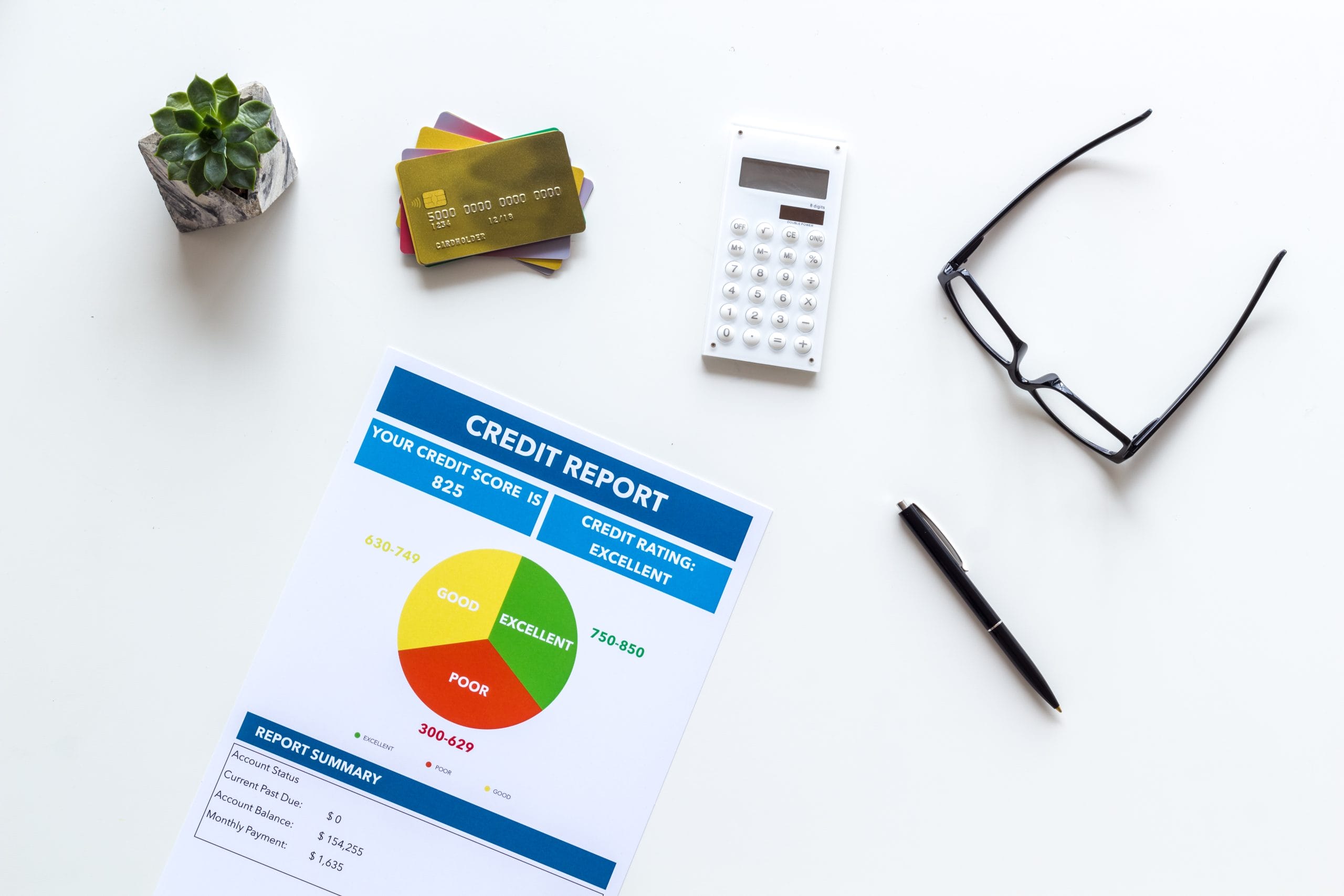
Credit Report
Image Source: 123rf.com

Identity theft isn’t just something that happens to other people—it’s a growing crime that could be targeting you without you realizing it. With personal data being stolen through data breaches, phishing scams, and card skimmers, criminals can open accounts, take out loans, and destroy your credit before you even notice. Your credit report holds the key to detecting identity theft early, but most people don’t check it often enough. If you see any of these five warning signs on your credit report, you need to take action immediately.

1. Accounts You Don’t Recognize

One of the most obvious signs of identity theft is finding credit cards, loans, or accounts you never opened. If your credit report shows a store credit card, personal loan, or a line of credit you never applied for, a scammer may have used your identity to take out money in your name.

Identity thieves use stolen personal information to open fraudulent accounts, and if left unchecked, these accounts can rack up massive debt and ruin your credit score. Even if a fraudulent account has a zero balance, it still means someone has your personal details and could do more damage in the future. If you see an account you don’t recognize, contact the lender immediately and dispute the account with the credit bureaus.

2. Strange Inquiries from Lenders You Didn’t Apply To

Every time you apply for credit, whether it’s a credit card, mortgage, or personal loan, the lender checks your credit. These checks, called hard inquiries, appear on your credit report and can stay there for up to two years. If you see an inquiry from a lender you never applied to, it’s a red flag that someone else is trying to take out credit in your name.

Scammers don’t always succeed in opening fraudulent accounts, but if they attempt to do so, the credit inquiry remains on your report. A single unauthorized inquiry might not seem like a big deal, but it could mean that your personal information has already been sold on the dark web. If you notice unusual inquiries, contact the lender to verify the application and consider freezing your credit to prevent further fraud.

3. A Sudden Drop in Your Credit Score

Poor Credit Score
Image Source: 123rf.com

A sharp drop in your credit score without explanation is a major warning sign of fraud. If your score decreases despite making on-time payments and keeping your balances low, it could be due to a scammer maxing out a stolen credit line or missing payments on an account you didn’t even know existed.

Credit scores drop when:

  • High balances are reported on accounts
  • Late payments occur
  • New accounts are opened
  • Collections are added to your credit report

Even a small dip in your score should prompt you to check your credit report for suspicious activity. If you see any unrecognized accounts, debts, or missed payments, you could be dealing with identity theft.

4. Bills or Collections You Don’t Recognize

Receiving a bill for a service or credit card you never signed up for is a huge red flag. Identity thieves often open accounts and let them go unpaid, resulting in collections being reported on your credit file. You might not even know about the account until you receive a debt collection notice—or worse, get denied for a loan or credit card.

Some scammers even use stolen identities for medical fraud, meaning you could end up with medical bills for treatments you never received. If you see a collections account you don’t recognize, don’t ignore it. Contact the collection agency and dispute the charge with the credit bureaus immediately.

5. Your Personal Information Has Changed on Your Credit Report

If your credit report suddenly shows a different home address, phone number, or employer, it could mean that a scammer has changed your details to cover their tracks. Thieves often update account details to prevent victims from receiving fraud alerts or account statements.

Even small changes, such as a variation in the spelling of your name or an address you don’t recognize, should be taken seriously. If you notice incorrect personal information, contact the credit bureaus to correct it and check for any linked fraudulent activity.

What to Do If You Spot Signs of Identity Theft

If you recognize any of these red flags on your credit report, you need to act quickly to stop the damage. Here’s what to do:

  • Freeze Your Credit: Placing a freeze on your credit report prevents anyone from opening new accounts in your name. You can do this for free with all three major credit bureaus: Experian, Equifax, and TransUnion.
  • Report the Fraud: File an identity theft report with the Federal Trade Commission (FTC) at IdentityTheft.gov. This will help create an official record of the crime.
  • Dispute Fraudulent Accounts: Contact the lender directly to report the fraud and dispute the account with the credit bureaus. They are required to investigate and remove fraudulent accounts.
  • Monitor Your Credit Regularly: Sign up for credit monitoring services or set up free alerts through your bank or credit card provider to track any changes in your credit file.
  • Change Your Passwords and Enable Two-Factor Authentication: If a scammer has gained access to your personal information, secure your accounts by updating passwords and enabling additional security measures.

Checking Your Credit Regularly Can Save You Thousands

Identity theft can cause long-term financial damage, but catching it early makes a huge difference. The best way to protect yourself is to check your credit report regularly. You can access your free credit report from each of the three major credit bureaus once a year at AnnualCreditReport.com. If you space them out, you can check one report every four months for continuous monitoring.

Don’t wait until it’s too late—review your credit report today to make sure no one is using your identity to rack up debt in your name.

Have you ever caught a suspicious charge or account on your credit report? Share your experience in the comments.

Read More:

Would Jesus Use a Credit Card? The Ethics of Debt in a Modern World

Credit Score Killers: 7 Mistakes You’re Probably Guilty Of

Latrice Perez

Latrice is a dedicated professional with a rich background in social work, complemented by an Associate Degree in the field. Her journey has been uniquely shaped by the rewarding experience of being a stay-at-home mom to her two children, aged 13 and 5. This role has not only been a testament to her commitment to family but has also provided her with invaluable life lessons and insights.

As a mother, Latrice has embraced the opportunity to educate her children on essential life skills, with a special focus on financial literacy, the nuances of life, and the importance of inner peace.

Filed Under: Personal Finance Tagged With: credit fraud, credit monitoring, credit scams, cybersecurity, Financial Security, fraud prevention, identity theft, Personal Finance, protect your credit, stolen identity

Why Some Criminals Leave a Water Bottle on Your Car Tire—And What It Means

March 11, 2025 by Latrice Perez Leave a Comment

Water Bottle
Image Source: 123rf.com

Imagine walking back to your car after shopping, heading to work, or just leaving your house, only to find a random water bottle tucked on top of your tire. At first glance, it might seem harmless—maybe someone dropped it, or perhaps a passerby left it there. But in reality, this small and seemingly insignificant object could be part of a calculated trick used by criminals to steal cars or put drivers at risk. If you ever spot a water bottle placed on your vehicle, you need to understand why it’s there and what to do next.

The Water Bottle Scam—How It Works

Criminals are always looking for new ways to catch people off guard, and the water bottle trick is a growing method of distraction. The setup is simple. A thief places a plastic water bottle between the tire and the wheel well on the passenger side of a parked car. Most drivers don’t notice it as they approach their vehicle since they typically enter from the driver’s side. However, as soon as they start driving, the bottle creates a loud crunching or popping sound, immediately grabbing their attention.

Instinctively, many drivers will stop and get out to inspect the noise, leaving their car running or the doors unlocked. This brief moment of distraction gives criminals the perfect opportunity to act. If the driver left the engine on, a thief can quickly jump in and steal the vehicle. Even if the car is off, a purse, phone, or other valuables left inside become easy targets. In some cases, criminals use this distraction method to stage more dangerous encounters, such as carjackings or robberies.

Why Criminals Use This Trick

Car thieves and scammers prefer methods that don’t require force, violence, or confrontation because they attract less attention and minimize risk. The water bottle scam is effective because it plays on a driver’s natural instinct to check for vehicle issues. When people hear an unfamiliar noise coming from their car, their immediate reaction is often panic. That panic can make them careless, causing them to leave their vehicle vulnerable.

This method is also difficult to detect because it relies on human behavior rather than forced entry. Unlike traditional break-ins, which leave visible signs of tampering, the water bottle trick can happen quickly without any evidence that the thief was even there.

Where This Scam is Most Likely to Happen

Criminals use this trick in places where people are distracted and less likely to notice unusual activity. Parking lots are one of the most common locations, especially at shopping centers, grocery stores, gyms, and malls. These areas provide a steady flow of potential targets and plenty of space for thieves to blend in. The scam is also more likely to happen in poorly lit or isolated parking areas, where criminals have a better chance of getting away without being seen.

Residential driveways can also be a target, particularly in neighborhoods where people feel safe and may be less cautious. In some cases, thieves use this trick to scope out a vehicle, testing whether the owner is paying attention before attempting a more serious theft later.

The Bigger Picture—How This Tactic Fits into a Larger Crime Trend

The water bottle trick is just one of many distraction-based theft tactics used by criminals. Similar scams include placing objects like money, fake damage notes, or zip ties on car door handles to lure unsuspecting drivers into leaving their vehicles. These distractions create opportunities for thieves to strike while the owner’s attention is elsewhere.

This tactic also connects to larger trends in vehicle theft and organized crime. Many car thieves don’t steal vehicles at random—they target specific makes and models that are easy to resell or strip for parts. The water bottle trick allows them to identify distracted, rushed, or unaware drivers who might be easy targets for future theft attempts.

How to Protect Yourself If You Spot a Water Bottle on Your Car

If you notice a water bottle lodged between your tire and wheel well, the most important thing is to remain calm and aware of your surroundings. Do not immediately exit your vehicle to investigate. Instead, take a moment to check your surroundings for any suspicious individuals nearby. If you feel unsafe, drive to a more populated or well-lit area before checking your vehicle.

If you find a water bottle on your tire before getting into your car, do not remove it right away. Instead, scan the area for anyone watching you or lingering nearby. If something feels off, consider getting help from security or law enforcement rather than handling the situation alone.

It’s also important to always lock your doors and turn off your engine before getting out of your vehicle, even if you only plan to step away for a moment. Many car thefts happen because drivers leave their vehicles running, making it easy for criminals to take advantage of the situation.

Most Don’t Recognize the Warning Signs

Many scams work because people don’t recognize the warning signs until it’s too late. The water bottle trick might seem like a minor inconvenience, but its effectiveness lies in catching drivers off guard. The best way to protect yourself is to be aware of the tactic and always stay mindful of your surroundings.

Sharing this information with friends and family can also help prevent more people from falling victim to this scam. If enough drivers become aware of the trick, criminals will be forced to find new methods, making their job harder and reducing the chances of car theft.

What to Do If You Believe You Were Targeted

Man looking at tire
Image Source: 123rf.com

If you suspect someone used the water bottle trick on your car or you feel like someone is watching you in a parking lot, trust your instincts. Drive away from the area, and if you feel unsafe, head to the nearest police station or well-populated place. Report any suspicious activity to store security or law enforcement, especially if you see multiple vehicles with similar setups in the same location.

Taking proactive steps, such as parking in well-lit areas, keeping your doors locked, and staying aware of your surroundings, can go a long way in preventing you from becoming a target. While criminals are always coming up with new tricks, awareness and vigilance remain the best defense.

Stay Alert and Spread the Word

Criminals rely on people being distracted and unaware to carry out these scams successfully. The more people who recognize the signs of these tactics, the less effective they become. If you ever find a water bottle on your car tire, don’t ignore it—but don’t fall for the distraction either. Stay safe, stay aware, and always trust your instincts when something feels off.

Have you ever come back and found a water bottle on your car tire? What was your next move? Let us know in the comments below.

Read More:

5 Phrases That Could Save You If You A;re About to Get Carjacked

10 Scary Reasons You Should Never Ignore a Strange Car Parked Near Your House

Latrice Perez

Latrice is a dedicated professional with a rich background in social work, complemented by an Associate Degree in the field. Her journey has been uniquely shaped by the rewarding experience of being a stay-at-home mom to her two children, aged 13 and 5. This role has not only been a testament to her commitment to family but has also provided her with invaluable life lessons and insights.

As a mother, Latrice has embraced the opportunity to educate her children on essential life skills, with a special focus on financial literacy, the nuances of life, and the importance of inner peace.

Filed Under: Personal Finance Tagged With: car theft, carjackings, crime prevention, identity theft prevention, parking lot scams, personal security, scam awareness, self-protection, urban safety, vehicle safety

  • « Previous Page
  • 1
  • …
  • 17
  • 18
  • 19
  • 20
  • 21
  • …
  • 36
  • Next Page »

Follow Us

Search this site:

Recent Posts

  • Can My Savings Account Affect My Financial Aid? by Tamila McDonald
  • 12 Ways Gen X’s Views Clash with Millennials… by Tamila McDonald
  • What Advantages and Disadvantages Are There To… by Jacob Sensiba
  • 10 Tactics for Building an Emergency Fund from Scratch by Vanessa Bermudez
  • Call 911: Go To the Emergency Room Immediately If… by Stephen Kanaval
  • 7 Weird Things You Can Sell Online by Tamila McDonald
  • 10 Scary Facts About DriveTime by Tamila McDonald

Copyright © 2026 · News Pro Theme on Genesis Framework