• Home
  • About Us
  • Toolkit
  • Getting Finances Done
    • Hiring Advisors
    • Debt Management
    • Spending Plan
  • Insurance
    • Life Insurance
    • Health Insurance
    • Disability Insurance
    • Homeowners/Renters Insurance
  • Contact Us
  • Risk Tolerance Quiz
  • Our Editorial Commitment

The Free Financial Advisor

You are here: Home / Archives for body language

How Your Eye Contact Could Be Giving People the Wrong Impression

April 23, 2025 by Travis Campbell Leave a Comment

eye contact
Image Source: pexels.com

Making eye contact seems simple enough, but this subtle aspect of nonverbal communication carries tremendous weight in how others perceive us. Whether you’re interviewing for a job, negotiating a deal, or simply chatting with colleagues, your eye contact patterns could be sending unintended messages. Many professionals unknowingly sabotage their relationships and opportunities through poor eye contact habits. Understanding the psychology behind eye contact can transform your professional interactions and help you project the confidence and trustworthiness you intend to convey.

1. The Stare-Down: When Too Much Eye Contact Becomes Intimidating

Maintaining strong eye contact shows confidence and engagement, but there’s a fine line between connection and intimidation. Holding someone’s gaze without natural breaks can trigger their fight-or-flight response. Research from the University of London found that sustained eye contact lasting more than 3.3 seconds without breaks creates discomfort in most Western cultures.

To avoid appearing aggressive or domineering, practice the 50/70 rule: maintain eye contact for about 50% of the time while speaking and 70% while listening. This balance demonstrates attentiveness without crossing into uncomfortable territory.

Remember to incorporate occasional breaks in your gaze—looking at your notes, gesturing to emphasize a point, or briefly glancing away—to create a more natural rhythm in conversation.

2. The Shifty Glance: How Avoidant Eye Contact Undermines Trust

Constantly looking away, focusing on your phone, or scanning the room while someone speaks to you sends a powerful negative message. This eye contact pattern can make you appear dishonest, disinterested, or lacking confidence—even when none of these are true.

A Journal of Nonverbal Behavior study found that people who make less eye contact are consistently rated as less trustworthy and less competent, regardless of their actual abilities or intentions.

To improve, practice conscious eye contact during conversations. If direct eye contact feels uncomfortable, try focusing on the speaker’s forehead or the bridge of their nose—they won’t notice the difference, but you’ll appear more engaged. For virtual meetings, look directly at your camera occasionally rather than always at the screen to create the impression of direct eye contact.

3. The Cultural Disconnect: When Eye Contact Norms Clash

Eye contact expectations vary dramatically across cultures, creating potential for misunderstanding in our global business environment. In many Western cultures, direct eye contact signals honesty and attention. However, in numerous Asian, Middle Eastern, and Indigenous cultures, prolonged eye contact with superiors or elders may be considered disrespectful or challenging.

For example, in Japan, focusing on the speaker’s neck area rather than making direct eye contact is often considered more appropriate, especially in formal settings. Meanwhile, in some Middle Eastern contexts, same-gender eye contact may be held longer than what Westerners find comfortable, while cross-gender eye contact might be more limited.

When working across cultures, research specific eye contact norms before important meetings. Adapt your approach based on cultural context while remaining authentic to build stronger cross-cultural relationships.

4. The Wandering Eye: When Your Gaze Signals Distraction

In our device-dominated world, maintaining focused eye contact has become increasingly challenging. Glancing at notifications, looking around the room, or checking the time signals to others that something else has captured your attention—and that they’re not a priority.

This pattern is particularly damaging in professional settings. A Harvard Business Review survey revealed that 91% of employees feel disrespected when colleagues check their phones during meetings.

To combat this, practice device discipline by keeping phones face-down or away during important conversations. For longer meetings, communicate in advance if you must check messages at specific intervals. Train yourself to be fully present by mentally noting when your attention drifts and gently bringing your focus back to the speaker.

5. The Power Play: Using Eye Contact to Establish Status

Eye contact serves as a powerful tool in establishing and maintaining status hierarchies. Those who hold eye contact during disagreements or challenging conversations are typically perceived as more dominant and confident.

However, this can backfire if your eye contact patterns appear to challenge authority inappropriately or if you fail to adjust your gaze based on the situation. For instance, maintaining aggressive eye contact with a superior during criticism might be interpreted as insubordination rather than confidence.

Adapt your eye contact based on the context and your goals. When you need to project authority, maintain steady eye contact while speaking. When building rapport is the priority, soften your gaze and incorporate more natural breaks.

The Eyes Have It: Small Adjustments With Big Impact

The good news about eye contact is that minor, conscious adjustments can dramatically improve how others perceive you. Unlike changing your personality or acquiring new skills, modifying your eye contact patterns can be practiced daily with immediate results. Start by becoming aware of your current habits, perhaps by recording yourself during video calls or asking trusted colleagues for feedback.

Remember that authentic connection—not manipulation—should be your goal. Effective eye contact isn’t about controlling others but ensuring your nonverbal signals align with your intentions and words.

Have you ever realized someone misinterpreted your intentions based on your eye contact? What adjustments have you made to your nonverbal communication that improved your professional relationships?

Read More

How Your Body Language Could Be Pushing People Away Without You Knowing

8 Things People Judge You On Within Seconds of Meeting You

Travis Campbell
Travis Campbell

Travis Campbell is a digital marketer/developer with over 10 years of experience and a writer for over 6 years. He holds a degree in E-commerce and likes to share life advice he’s learned over the years. Travis loves spending time on the golf course or at the gym when he’s not working.

Filed Under: Psychology Tagged With: body language, eye contact, first impressions, nonverbal communication, professional relationships, workplace communication

How Your Body Language Could Be Pushing People Away Without You Knowing

March 29, 2025 by Latrice Perez Leave a Comment

Bad posture
Image Source: 123rf

We often focus on the words we choose in conversations, but our body language plays a significant role in how others perceive us. Unintentionally, certain nonverbal cues can create barriers, making us seem unapproachable or disinterested. By becoming aware of these behaviors, we can foster more positive and engaging interactions.

The Impact of Nonverbal Communication

Nonverbal communication, including gestures, posture, and facial expressions, constitutes a substantial portion of our interactions. Misaligned body language can lead to misunderstandings, even when our words convey a different message. For instance, crossing arms might be perceived as defensive, while avoiding eye contact can suggest disinterest or insecurity. Recognizing the power of nonverbal cues is the first step toward improving our social interactions.

 Common Body Language Mistakes

Several habitual nonverbal behaviors can inadvertently push people away:

Crossing Arms: This posture can signal defensiveness or resistance, creating a barrier between you and others.
Fidgeting: Constant movements, like tapping or shifting, may indicate nervousness or impatience, making others uncomfortable.
Avoiding Eye Contact: Lack of eye contact can be interpreted as disinterest or lack of confidence, hindering connection.
Poor Posture: Slouching or leaning away can suggest disengagement or lack of enthusiasm.
Overuse of Devices: Frequently checking your phone during conversations can convey disrespect and inattention.

Awareness of these behaviors allows us to adjust and present ourselves more positively.

The Role of Facial Expressions

Our faces often reveal more than we intend. Subtle expressions, like pursed lips or furrowed brows, can convey skepticism or disapproval. Conversely, a genuine smile can foster warmth and approachability. Being mindful of our facial expressions helps ensure they align with our verbal messages, reducing the risk of sending mixed signals.

Eye Contact: Balancing Engagement

Maintaining appropriate eye contact demonstrates attentiveness and respect. However, extremes can be problematic; too little eye contact may suggest disinterest, while too much can feel intimidating. Striking a balance is key to conveying sincerity and building trust in conversations.

Personal Space and Proximity

Respecting personal space is crucial in social interactions. Standing too close can make others feel uncomfortable, while too much distance may seem detached. Cultural norms and individual preferences play roles in determining appropriate proximity, so it’s important to be observant and adjust accordingly.

Gestures and Their Interpretations

Gestures can enhance communication but may also lead to misunderstandings if misinterpreted. For example, frequent hair touching might be seen as a self-soothing mechanism, potentially indicating discomfort. Being conscious of our gestures and their potential perceptions can help in conveying the intended message.

Improving Your Body Language

To project openness and confidence:

Adopt an Open Posture: Keep arms relaxed and avoid crossing them to appear more approachable.
Maintain Appropriate Eye Contact: Aim for a balance that shows interest without staring.
Smile Genuinely: A sincere smile can break down barriers and build rapport.
Be Mindful of Gestures: Use hand movements that complement your words without being distracting.
Respect Personal Space: Adjust your proximity based on the comfort levels of those around you.

Conscious adjustments in these areas can lead to more positive and effective interactions.

Body Language Conveys More Than Words

Our body language significantly influences our social experiences, often conveying more than our words. By becoming aware of and refining our nonverbal cues, we can enhance our interactions, build stronger relationships, and present ourselves in a more positive light.

Have you noticed how body language affects your interactions? Share your experiences and insights in the comments below to foster a deeper understanding of nonverbal communication.

Read More:

10 Strange Facts About the Human Body You Never Knew

10 Stupid Things That Nobody Wants You to Leave In Your Will

Latrice Perez

Latrice is a dedicated professional with a rich background in social work, complemented by an Associate Degree in the field. Her journey has been uniquely shaped by the rewarding experience of being a stay-at-home mom to her two children, aged 13 and 5. This role has not only been a testament to her commitment to family but has also provided her with invaluable life lessons and insights.

As a mother, Latrice has embraced the opportunity to educate her children on essential life skills, with a special focus on financial literacy, the nuances of life, and the importance of inner peace.

Filed Under: Lifestyle Tagged With: body language, Communication Skills, nonverbal communication, personal development, social interactions

7 Unexpected Things That Make You Look More Attractive Instantly

March 20, 2025 by Latrice Perez Leave a Comment

Attractive People
Image Source: 123rf.com

Most people assume that attractiveness is all about physical features, but science—and real-life experience—says otherwise. While good genes and a solid skincare routine help, there are plenty of unexpected factors that can instantly boost your appeal. Confidence, body language, and even the way you speak can make you more attractive without changing anything about your appearance. Some of these factors are subtle, yet they have a powerful effect on how people perceive you. If you want to turn heads without a major makeover, here are seven surprising ways to make yourself instantly more attractive.

1. Your Scent Can Make You Unforgettable

Smelling good isn’t just a bonus—it’s a game changer. Studies show that scent plays a huge role in attraction, with certain fragrances enhancing how others perceive you. A clean, fresh scent or a signature cologne or perfume can make you more memorable and alluring. It’s not just about smelling good but also about finding a scent that suits your personality and body chemistry. If you want to leave a lasting impression, choose a subtle but captivating fragrance that makes people want to be close to you.

2. The Right Posture Exudes Confidence

Slouching makes you look insecure and unapproachable, while standing tall gives off an air of confidence and power. Good posture not only improves your physical health but also makes you look more attractive instantly. People are naturally drawn to those who carry themselves well, as it signals self-assurance and strength. Next time you walk into a room, keep your shoulders back, your chin up, and your movements relaxed yet purposeful. You’ll command attention without saying a word.

3. A Genuine Smile Works Wonders

A forced or half-hearted smile does nothing for your attractiveness, but a real, genuine one is magnetic. Smiling makes you seem warm, friendly, and approachable—all key factors in attraction. Science backs this up, showing that people who smile are perceived as more attractive than those with neutral expressions. A smile signals happiness and positivity, which naturally draws others in. If you want to make an instant impact, let your smile be your secret weapon.

4. Your Voice Can Make You More Alluring

The way you speak matters just as much as what you say. Research suggests that vocal tone plays a major role in attraction, with deeper voices in men and slightly higher, melodic voices in women being more appealing. A confident, steady, and engaging speaking style also makes you more attractive, as it shows charisma and self-assurance. Even if you’re not naturally gifted with a smooth voice, slowing down your speech, enunciating clearly, and lowering vocal tension can make a big difference.

5. Wearing Red Commands Attention

Color psychology plays a big role in attraction, and red is the ultimate power color. Studies have shown that wearing red increases perceived attractiveness and desirability, likely because it’s associated with confidence, passion, and boldness. Whether it’s a red dress, a tie, or even just a bold lip color, adding red to your outfit can make you stand out instantly. If you want to make a lasting impression, consider incorporating this color into your wardrobe.

6. A Sense of Humor is Irresistible

Portrait of successful creative business team looking at camera and smiling. Diverse business people standing together at startup.
Image Source: 123rf.com

Being funny instantly makes you more attractive—period. People love to be around those who make them laugh, as humor signals intelligence, social ease, and confidence. A good sense of humor helps break the ice and makes interactions more engaging, leading to deeper connections. You don’t have to be a stand-up comedian, but being able to laugh at yourself and find humor in everyday situations is a major attraction booster. If you can make someone laugh, you’re already ahead of the game.

7. Eye Contact Builds Instant Connection

Looking someone in the eye when you speak to them creates an immediate sense of intimacy and confidence. Strong eye contact shows that you’re engaged, self-assured, and interested in the conversation. Avoiding eye contact, on the other hand, can make you seem insecure or disinterested. A simple trick is to hold eye contact for a second longer than usual—it creates intrigue and makes the interaction more memorable. Master this, and you’ll notice a major shift in how people respond to you.

Attraction Is More Than Just Looks

Attractiveness isn’t about perfection—it’s about the energy you project and how you make others feel. Small adjustments in the way you carry yourself, speak, and engage with people can dramatically change how attractive you appear. The best part? None of these require drastic changes or expensive makeovers. Focus on confidence, connection, and authenticity, and you’ll naturally become someone people gravitate toward.

Have you ever noticed how small changes can make a big difference in attraction? Which of these factors do you think has the biggest impact? Share your thoughts in the comments!

Read More:

Love Isn’t Far—Why the Perfect Man Might Already Be in Your Circle

9 Ways People Test You in Relationships Without Saying a Word

Latrice Perez

Latrice is a dedicated professional with a rich background in social work, complemented by an Associate Degree in the field. Her journey has been uniquely shaped by the rewarding experience of being a stay-at-home mom to her two children, aged 13 and 5. This role has not only been a testament to her commitment to family but has also provided her with invaluable life lessons and insights.

As a mother, Latrice has embraced the opportunity to educate her children on essential life skills, with a special focus on financial literacy, the nuances of life, and the importance of inner peace.

Filed Under: Lists Tagged With: attractiveness, body language, confidence, dating tips, psychology of attraction, relationships, self-improvement, social skills

9 Ways People Test You in Relationships Without Saying a Word

March 11, 2025 by Latrice Perez Leave a Comment

Relationship Tests
Image Source: 123rf.com

In every relationship—romantic, platonic, or professional—people are constantly testing each other, often without realizing it. These unspoken tests reveal a lot about compatibility, trust, and emotional intelligence. While some tests are harmless and natural, others can be subtle ways to determine if someone is truly invested. Understanding these silent tests can help you navigate relationships more effectively and recognize when someone is assessing your character, loyalty, or emotional stability. Here are nine ways people test you in relationships without saying a word.

They Pay Attention to How You React to Disappointment

Everyone faces setbacks, but how you respond to them says a lot about your emotional resilience. Your partner, friends, or colleagues may observe how you handle bad news, whether it’s a canceled plan, an unexpected expense, or a missed opportunity. If you lash out, become passive-aggressive, or shut down, it can be a red flag for emotional instability. On the other hand, if you show patience, adaptability, and a sense of humor about minor inconveniences, it reassures others that you can handle life’s challenges without bringing unnecessary drama into the relationship.

They Watch How You Treat Service Workers

People often test your kindness and humility by observing how you treat those who serve you—waiters, cashiers, janitors, or customer service representatives. If you are rude, dismissive, or entitled, it signals a lack of empathy. Many people see this as a deal-breaker in relationships because it suggests that kindness is conditional. On the flip side, if you treat service workers with respect, patience, and gratitude, it reassures others that you are a genuinely good-hearted person, not just when it benefits you.

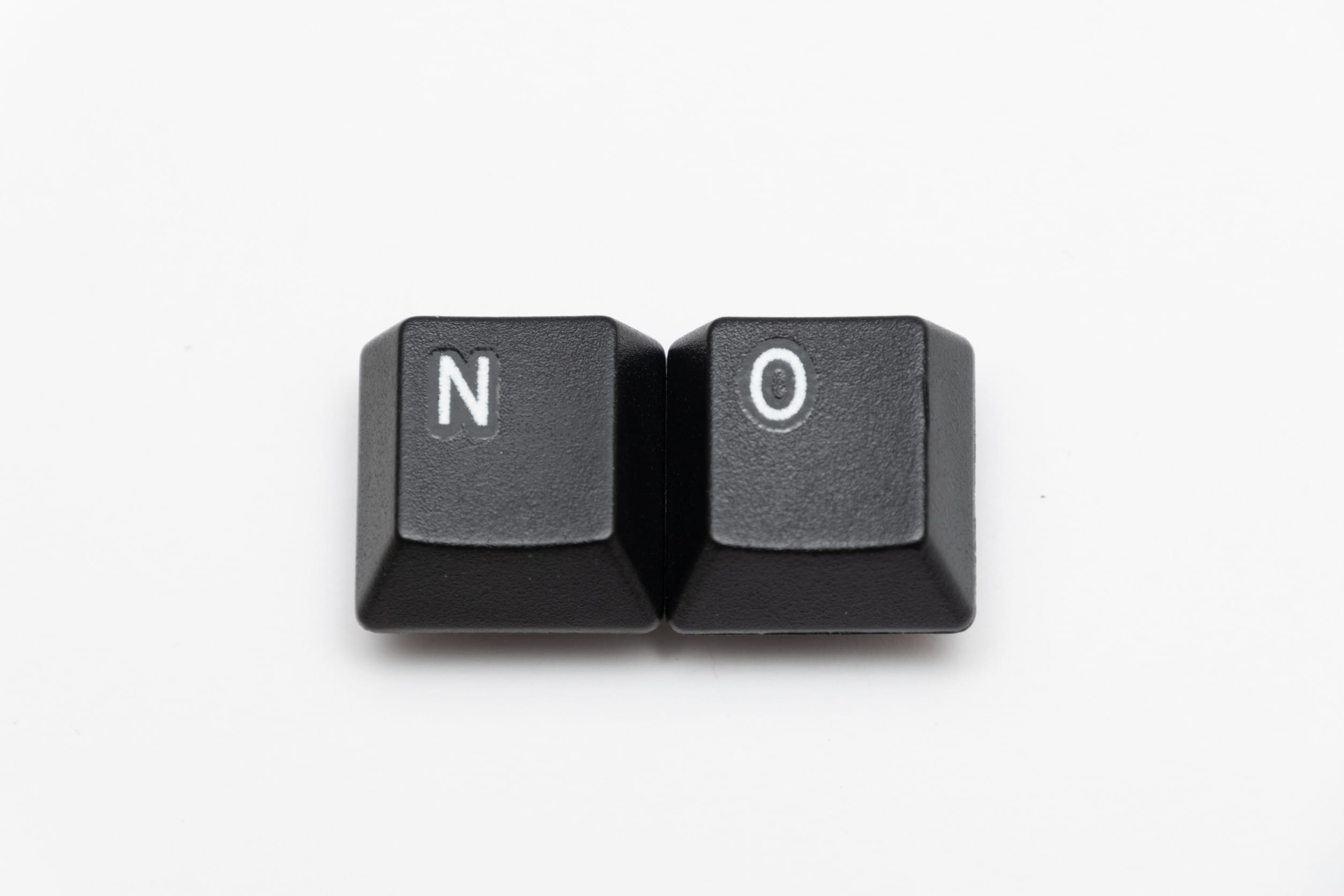
They Observe How You Handle Being Told “No”

Answer is "No."
Image Source: 123rf.com

No one likes being denied something they want, but how you respond when someone sets a boundary reveals a lot about your character. Whether it’s a partner declining an invitation, a friend not agreeing with you, or a colleague rejecting an idea, people take note of how you react. If you become defensive, pushy, or guilt-trip them, it shows a lack of respect for boundaries. However, if you accept their decision gracefully and without resentment, it demonstrates emotional maturity and self-respect, making you a more trustworthy and desirable person to be around.

They Notice Your Reaction to Their Success

Success can bring out the best and worst in people. Whether someone shares a promotion, a personal achievement, or exciting news, they may be watching how you react. If you seem uninterested, competitive, or subtly dismissive, they may see you as unsupportive or insecure. On the other hand, if you celebrate their success genuinely, offer encouragement, and express happiness for them, it reassures them that you are a positive and supportive influence in their life. Many people unconsciously use this test to determine whether their relationships are built on true friendship or hidden jealousy.

They Test Your Patience in Difficult Situations

Life is unpredictable, and how you handle unexpected delays, inconveniences, or stressful moments can reveal a lot about your temperament. Whether it’s getting stuck in traffic, waiting in a long line, or dealing with a minor mistake, people observe your patience level. If you quickly become irritated, snap at others, or complain excessively, it can make them question whether they want to be around that energy long-term. However, if you handle frustrating situations with grace and a sense of humor, it shows emotional stability and adaptability—two highly attractive qualities in any relationship.

They See How You Handle Secrets and Confidential Information

Trust is one of the most important foundations of any relationship, and many people test this without directly stating it. If someone shares a personal detail or a minor secret with you, they may be watching to see if you repeat it to others. Even small pieces of gossip or offhand comments can reveal whether you are trustworthy or someone who talks behind people’s backs. If you respect privacy and keep confidences, it builds trust. If you casually share personal details about others, it signals that you may not be a safe person to confide in.

They Observe How You Act When No One is Watching

Character is defined by what you do when no one is looking. People test this in subtle ways, such as leaving a small mess to see if you clean up after yourself, watching if you put your shopping cart away, or seeing if you return a lost wallet without expecting praise. These small tests help them gauge your integrity and sense of responsibility. If you consistently do the right thing, even when it’s inconvenient, it reassures others that you are someone they can respect and rely on.

They Pay Attention to Your Consistency

Inconsistent behavior is one of the biggest red flags in relationships. Someone may test you by observing whether your words and actions align over time. If you promise something but don’t follow through, or if you treat them differently depending on your mood or circumstances, it signals unreliability. On the other hand, if you are consistent in your behavior—showing up when you say you will, keeping your word, and maintaining a stable personality—it reassures them that you are dependable. Consistency builds trust, and without it, relationships often feel unstable or unreliable.

They Watch How You Handle Other People’s Boundaries

Respecting boundaries is one of the clearest indicators of emotional intelligence. People often test this by setting small boundaries and watching your response. It could be something as simple as saying they don’t like a certain type of joke or asking for space when they’re overwhelmed. If you dismiss their requests, try to push past their limits, or make them feel guilty for having boundaries, it signals that you may not respect personal limits. However, if you acknowledge and honor their boundaries without resistance, it demonstrates emotional awareness and maturity.

Why These Silent Tests Matter in Relationships

Many of these tests happen unconsciously, but they play a major role in how people evaluate relationships. No one wants to be in a friendship, romantic relationship, or professional partnership with someone who is selfish, unreliable, or emotionally immature. While some of these tests might seem unfair, they are often rooted in the need for security, trust, and mutual respect.

Being aware of these silent evaluations can help you become a better partner, friend, or colleague. The key isn’t to over analyze every situation or change yourself to pass someone’s test—it’s to recognize where you might unintentionally be giving off the wrong signals. By being mindful of your reactions, treating others with kindness, and maintaining integrity, you naturally build stronger, more meaningful relationships.

Have you been exposed to any of these silent tests in relationships? How did you do? Tell us in the comments below.

Read More:

6 Subtle Financial Manipulation Tactics Narcissists Use in Relationships

8 Things People Judge You On Within Seconds of Meeting You

Latrice Perez

Latrice is a dedicated professional with a rich background in social work, complemented by an Associate Degree in the field. Her journey has been uniquely shaped by the rewarding experience of being a stay-at-home mom to her two children, aged 13 and 5. This role has not only been a testament to her commitment to family but has also provided her with invaluable life lessons and insights.

As a mother, Latrice has embraced the opportunity to educate her children on essential life skills, with a special focus on financial literacy, the nuances of life, and the importance of inner peace.

Filed Under: relationships Tagged With: body language, Communication, emotional intelligence, human behavior, personal growth, relationship psychology, relationships, social skills, trust

8 Things People Judge You On Within Seconds of Meeting You

March 10, 2025 by Latrice Perez Leave a Comment

Handshake
Image Source: 123rf.com

Whether we like it or not, people make snap judgments within seconds of meeting someone. These initial impressions can shape relationships, job opportunities, and even social interactions before a single word is spoken. While we may not always be aware of it, our brains are wired to assess others quickly based on subtle cues. The way you present yourself can set the tone for how others perceive you, and sometimes, those first few seconds determine whether someone trusts, respects, or even likes you. Here are eight things people instantly judge you on the moment you meet.

Your Handshake

A handshake says more about you than you might realize. A weak handshake can make you seem timid or insecure, while an overly aggressive grip can come across as dominating or even confrontational. A balanced handshake—firm but not crushing—signals confidence and professionalism. Eye contact while shaking hands also plays a role in the impression you leave. A limp handshake combined with a lack of eye contact can immediately make someone doubt your credibility or sincerity. Whether in a professional setting or a casual introduction, the way you shake hands can set the tone for the entire interaction.

Your Eye Contact

The way you make eye contact can determine whether someone sees you as trustworthy or suspicious. Avoiding eye contact can make you appear nervous, dishonest, or lacking in confidence. On the other hand, overly intense eye contact can feel intimidating or aggressive. Striking the right balance is key—maintaining natural eye contact while speaking or listening shows confidence and attentiveness. People want to feel acknowledged and respected, and proper eye contact is one of the fastest ways to establish that connection.

Your Posture and Body Language

People often judge confidence based on posture and overall body language. Slouching, crossing your arms, or fidgeting can signal insecurity or defensiveness. Standing tall with open, relaxed body language makes you appear more approachable and self-assured. Even small gestures, like how you position your feet or whether you lean in while speaking, can affect how people perceive you. If your body language suggests discomfort or disinterest, people may assume you are not engaged in the conversation or lack confidence in yourself.

Your Facial Expressions

Facial Expressions
Image Source: 123rf.com

Before you even say a word, your facial expressions tell a story. A warm smile can immediately put people at ease and make you seem friendly and approachable. A neutral or serious expression, on the other hand, can make you seem uninterested or uninviting. People naturally gravitate toward those who exude positivity and warmth. If you walk into a room with a scowl or appear disengaged, others may form an instant negative impression, even if you mean no harm. Being mindful of your facial expressions can make a big difference in how you are perceived.

Your Tone of Voice

It’s not just what you say—it’s how you say it. Your tone of voice conveys emotion, confidence, and even authority. A monotone voice can make you seem uninterested or unenthusiastic, while a high-pitched, rushed tone can suggest nervousness. A slow, steady, and well-paced tone conveys confidence and makes others more inclined to listen to you. The right tone can also make you seem more likable and engaging, while an overly aggressive or dismissive tone can create an immediate negative reaction. People are quick to judge whether they want to continue a conversation based on how your voice makes them feel.

Your Clothing and Grooming

Like it or not, appearance plays a major role in first impressions. People quickly assess your clothing, hairstyle, and overall grooming to make assumptions about your personality, social status, and professionalism. Wearing wrinkled clothes, having unkempt hair, or appearing disheveled can signal a lack of attention to detail. On the other hand, dressing appropriately for the situation and maintaining a well-groomed appearance shows self-respect and competence. While personal style is subjective, making an effort to look polished and put together can impact how seriously people take you in both social and professional settings.

Your Scent

Scent is one of the most powerful and immediate factors in forming an impression. A pleasant, subtle fragrance can enhance your appeal, while an overpowering perfume or strong body odor can be off-putting. People unconsciously associate certain scents with positive or negative experiences, which means your natural or artificial scent can trigger instant judgments. Smelling fresh and clean is essential, especially in professional or social settings. Even if you are well-dressed and confident, an unpleasant odor can overshadow all other positive traits.

Your Energy and Enthusiasm

People are drawn to positive energy. If you walk into a room with enthusiasm and a friendly attitude, others are more likely to engage with you. On the flip side, if you seem drained, uninterested, or unapproachable, people may judge you as someone they don’t want to interact with. Your overall energy affects the mood of those around you, and whether it’s a job interview, a date, or a social gathering, people quickly pick up on your level of enthusiasm. Bringing a warm, open presence into interactions helps others feel comfortable and makes you more memorable in a positive way.

First Impressions Are Hard to Change

Once people form an initial opinion about you, it can be difficult to change their minds. That’s why understanding these key areas of judgment is so important. Whether it’s how you shake hands, the way you maintain eye contact, or even your tone of voice, small details play a huge role in how others perceive you. First impressions can open doors or close them just as quickly and being mindful of how you present yourself can set the stage for more positive interactions. Taking control of these subtle but powerful cues can help you make better connections, both professionally and personally.

Have you ever judged anyone within seconds of meeting them? Did they do anything to change your perspective? Let’s talk about it in the comments below.

Read More:

8 Characteristics of An Overbearing Spouse and What to Do If It’s You

Love Languages Are a Lie – Here’s What You Should Pay Attention to Instead

Latrice Perez

Latrice is a dedicated professional with a rich background in social work, complemented by an Associate Degree in the field. Her journey has been uniquely shaped by the rewarding experience of being a stay-at-home mom to her two children, aged 13 and 5. This role has not only been a testament to her commitment to family but has also provided her with invaluable life lessons and insights.

As a mother, Latrice has embraced the opportunity to educate her children on essential life skills, with a special focus on financial literacy, the nuances of life, and the importance of inner peace.

Filed Under: Lifestyle Tagged With: body language, Communication Skills, confidence, first impressions, human behavior, personal development, professional image, psychology, social interaction, social skills

FOLLOW US

Search this site:

Recent Posts

  • Can My Savings Account Affect My Financial Aid? by Tamila McDonald
  • 12 Ways Gen X’s Views Clash with Millennials… by Tamila McDonald
  • What Advantages and Disadvantages Are There To… by Jacob Sensiba
  • 10 Tactics for Building an Emergency Fund from Scratch by Vanessa Bermudez
  • Call 911: Go To the Emergency Room Immediately If… by Stephen Kanaval
  • 7 Weird Things You Can Sell Online by Tamila McDonald
  • 10 Scary Facts About DriveTime by Tamila McDonald

Copyright © 2026 · News Pro Theme on Genesis Framework