• Home
  • About Us
  • Getting Finances Done
    • Hiring Advisors
    • Debt Management
    • Spending Plan
  • Insurance
    • Life Insurance
    • Health Insurance
    • Disability Insurance
    • Homeowners/Renters Insurance
  • Contact Us
  • Our Editorial Commitment

The Free Financial Advisor

You are here: Home / Archives for Latrice Perez

Latrice is a dedicated professional with a rich background in social work, complemented by an Associate Degree in the field. Her journey has been uniquely shaped by the rewarding experience of being a stay-at-home mom to her two children, aged 13 and 5. This role has not only been a testament to her commitment to family but has also provided her with invaluable life lessons and insights.

Why Baby Boomers Had the Best Childhood—And Gen Z Will Never Understand

March 11, 2025 by Latrice Perez Leave a Comment

Children playing
Image Source: 123rf.com

Ask any Baby Boomer about their childhood, and chances are you’ll hear stories filled with adventure, independence, and experiences that seem completely foreign to today’s younger generations. Born between 1946 and 1964, Boomers grew up in a world vastly different from today’s digital age.

There were no smartphones, no social media, and certainly no GPS tracking their every move. Instead, they had the freedom to explore, the joy of simpler pleasures, and a childhood that revolved around real-life experiences rather than screens. While every generation has its defining moments, Baby Boomers had a childhood that many argue was the best—and one that Gen Z will never truly understand.

Freedom to Roam Without Constant Supervision

One of the biggest differences between a Baby Boomer’s childhood and the childhood of today is the sheer level of independence they had. Boomers spent their days outside, riding bikes for miles, playing in the neighborhood, and exploring the world around them without helicopter parents watching their every move. The only rule? Be home before the streetlights came on.

Parents didn’t track their children’s locations with apps or demand constant check-ins. Instead, kids learned self-reliance and problem-solving skills just by being out in the world. Getting lost? You figured it out. Scraped knees? Walk it off. Today’s kids rarely get this kind of unstructured outdoor play, as safety concerns and technology have drastically changed childhood.

Saturday Mornings Were Pure Magic

For Baby Boomers, Saturday mornings were sacred. It was the one time of the week when kids could wake up early, pour themselves a bowl of cereal, and watch a lineup of the best cartoons ever made. Shows like Looney Tunes, The Jetsons, Scooby-Doo, and The Flintstones were a highlight of the week.

Unlike today, where streaming services allow kids to watch whatever they want, whenever they want, Boomers had to wait all week for their favorite shows. And that waiting made it special. There was no pausing, no rewinding, and definitely no binge-watching. If you missed an episode, you had to wait for a rerun. That patience made Saturday mornings feel like an event, something that Gen Z will never fully experience in an on-demand world.

Playing Outside Was the Only Option

Boomers didn’t have iPads, video games, or 24/7 entertainment at their fingertips. Instead, their childhood entertainment was found outside, in backyards, parks, and streets filled with other neighborhood kids. They built treehouses, played pickup baseball games, climbed trees, and made up their own games using nothing but their imagination.

Summer days felt endless, and the best adventures happened when kids were left to their own devices—just not the digital kind. When the weather was bad, board games, comic books, and radio shows provided entertainment. Compare that to Gen Z, where kids are more likely to spend their free time indoors, staring at screens, scrolling through TikTok, or playing online games instead of running through the neighborhood until dusk.

No Social Media Pressure or Online Drama

Perhaps one of the biggest advantages of a Baby Boomer childhood was the absence of social media. There was no pressure to take the perfect selfie, keep up with influencers, or deal with online drama. Friendships were built face-to-face, and people didn’t judge their worth based on Instagram likes or Snapchat streaks.

When Boomers had a bad day, they didn’t vent on Twitter or get caught in a digital argument. Instead, they talked to a friend, wrote in a diary, or just moved on. Today’s kids are under constant pressure to curate their lives for public consumption, something Boomers never had to worry about.

Jobs Were Plentiful—And You Could Work as a Kid

Boomers didn’t just play hard—they worked hard, too. Many started their first jobs as teenagers, whether it was delivering newspapers, bagging groceries, or working at the local diner. Not only were jobs easier to find, but wages also stretched further, allowing young workers to save money, buy their own cars, or help their families.

Compare that to Gen Z, where entry-level jobs are often scarce, wages are lower in comparison to the cost of living, and many employers now require experience even for the simplest of positions. The idea of working your way through college with a part-time job, which was common for Boomers, is almost impossible for today’s students.

Music and Movies Were Cultural Events

Baby Boomers
Image Source: 123rf.com

Boomers lived through the golden age of music and film. The birth of rock and roll, the explosion of The Beatles, Elvis Presley, and the Rolling Stones, and the rise of legendary films like Jaws, Star Wars, and The Godfather defined their youth. Concerts were affordable, and going to the movies wasn’t an overpriced luxury—it was a weekly tradition.

Unlike today, where music and movies are instantly available at the click of a button, Boomers had to actively seek out entertainment. They saved money to buy vinyl records, camped out for concert tickets, and experienced movies the way they were meant to be seen—on the big screen, without distractions from cell phones or notifications.

Family Dinners Were Non-Negotiable

Boomers grew up in a time when sitting down for dinner with family was the norm, not the exception. Families gathered around the table every evening, shared stories about their day, and actually talked to each other without screens getting in the way. Fast food was a rare treat, not a regular convenience.

Today’s families are often too busy to eat together, with parents working late and kids glued to their phones. Even when they do share a meal, conversations are often interrupted by notifications and social media scrolling. The family dinner table was once a sacred space, something that’s largely disappeared in modern life.

Childhood Was About Living in the Moment

At its core, a Baby Boomer’s childhood was all about living in the moment. There was no doomscrolling, no 24-hour news cycle, and no digital overload. People weren’t glued to screens or obsessed with capturing every second on camera—they simply lived it. The joys of youth were about real experiences, whether it was riding bikes until sundown, playing board games with friends, or simply lying in the grass watching the clouds go by.

Gen Z has access to more technology, more entertainment, and more convenience than ever before, yet many still feel overwhelmed, anxious, and nostalgic for a past they never lived. Maybe it’s because a Boomer childhood, with all its simplicity, freedom, and face-to-face connections, really was something special—something that no amount of technology can ever replace.

Do you think Gen Z has missed out on having a great childhood? As a baby boomer what do you miss most about that time. Let us know in the comments.

Read More:

9 Reasons Why Baby Boomers Aren’t Leaving Much Wealth Behind

12 Things Baby Boomers Can Teach Us About Frugality

Latrice Perez

Latrice is a dedicated professional with a rich background in social work, complemented by an Associate Degree in the field. Her journey has been uniquely shaped by the rewarding experience of being a stay-at-home mom to her two children, aged 13 and 5. This role has not only been a testament to her commitment to family but has also provided her with invaluable life lessons and insights.

As a mother, Latrice has embraced the opportunity to educate her children on essential life skills, with a special focus on financial literacy, the nuances of life, and the importance of inner peace.

Filed Under: Lifestyle Tagged With: 70s, and 80s, baby boomers, childhood freedom, childhood memories, Gen Z vs Boomers, Generational Differences, growing up in the 60s, life before social media, nostalgia, old-school parenting

9 Everyday Situations That Could Secretly Be a Setup for a Scam

March 10, 2025 by Latrice Perez Leave a Comment

Scammers
Image Source: 123rf.com

Most people think they can spot a scam from a mile away, but the truth is that scams have become more sophisticated and harder to detect. Scammers no longer rely solely on obvious tricks like fake lottery winnings or suspicious emails from foreign princes. Instead, they use everyday situations—places you visit, services you use, and interactions that seem completely normal—to manipulate unsuspecting victims. You could be walking into a setup without even realizing it. Here are nine everyday situations that could secretly be part of a scam.

A “Good Samaritan” Offering to Help at the ATM

Imagine you’re at an ATM, and your card suddenly won’t work. A stranger standing nearby kindly offers to help, suggesting you try a different way to insert the card or a new PIN combination. What you don’t realize is that they may have been watching you enter your PIN and are looking for an opportunity to steal your card. In some cases, scammers place fake card readers or devices that jam the ATM to trick people into seeking help, allowing them to steal banking information. If you ever run into trouble at an ATM, go inside the bank for assistance rather than trusting a stranger.

The “Accidental” Bump and Spill Trick

You’re walking down the street or through a busy shopping center when someone bumps into you and spills coffee or another liquid on your clothes. As they frantically apologize and help clean up the mess, you’re distracted—just long enough for their accomplice to pickpocket you. This scam is common in crowded areas where people are rushing and not paying full attention to their belongings. If someone spills something on you, secure your wallet and phone before engaging with them.

Fake Wi-Fi Networks in Public Places

You sit down at a coffee shop or airport and connect to the free Wi-Fi without a second thought. What you don’t know is that scammers often create fake Wi-Fi networks with names similar to the official ones. When you connect, they can intercept your data, including passwords, emails, and financial information. Always confirm the official network name with staff before connecting, and never enter sensitive information while using public Wi-Fi unless you have a VPN enabled.

The “Overpayment” Scam When Selling Online

If you sell items online, be wary of buyers who “accidentally” send you too much money and ask you to refund the difference. Scammers often use stolen credit cards or fake checks that later bounce, leaving you with no product and no money. The safest way to sell items is through trusted platforms that offer secure payment methods, and never send refunds for overpayments until you’re sure the money has cleared.

The “Found Wallet” Scam

Someone approaches you, claiming they found a wallet full of cash and suggesting that you split the money before turning it in. This is a classic distraction scam. As soon as you agree, an “angry owner” appears, accusing you of stealing. The scammers then demand money from you to “settle” the situation before it escalates. If someone claims they found a wallet, insist on turning it in to the police and walk away if they resist.

The Fake Charity Collector

You’re outside a grocery store, and a person in a uniformed vest asks for donations to a well-known charity. They have a clipboard, a collection bucket, and a heartwarming story about why your donation is needed. The problem? The charity is fake, and the money goes straight into their pocket. Scammers rely on emotions to pressure people into giving quickly without verifying legitimacy. Before donating, ask for official documentation or look up the charity online to ensure it’s real.

The “Broken” Gas Pump Card Reader

Gas Pump
Image Source: 123rf.com

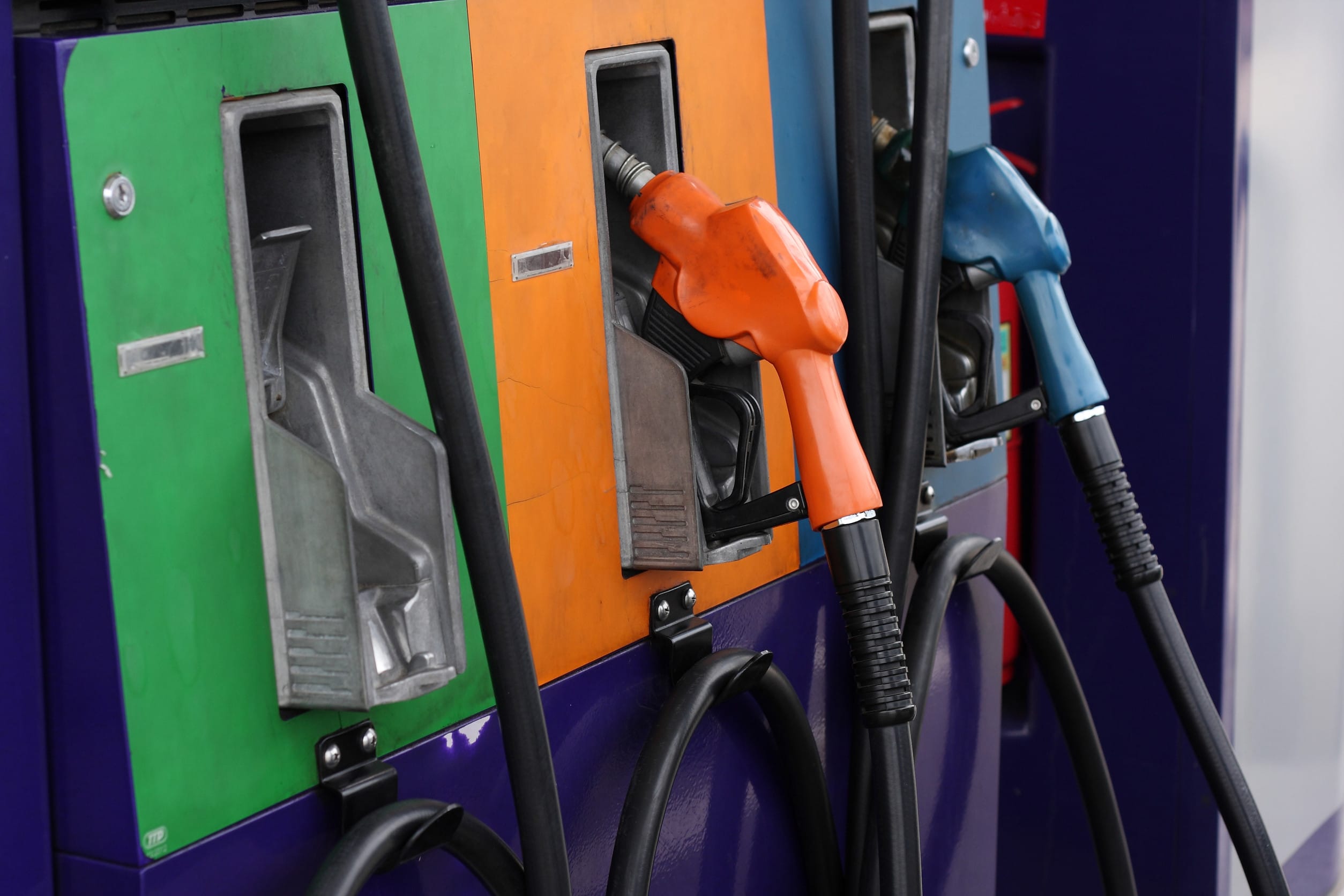
You pull up to a gas station, insert your card, and the machine doesn’t work. A helpful stranger tells you that the reader is down and suggests you pay inside instead. What they don’t tell you is that they just installed a card skimmer on the pump to steal your credit card information. Before inserting your card, always check for anything unusual on the reader, such as a loose or bulky card slot. If a pump seems suspicious, move to another one or pay inside directly with the cashier.

The “Free” Trial That Won’t Let You Cancel

You sign up for a free trial of a service, expecting to cancel before being charged. However, when you try to cancel, the website is impossible to navigate, the phone number doesn’t work, or the cancellation process is deliberately complicated. Many companies, even legitimate ones, use this tactic to keep charging you for a service you don’t want. Always read the fine print before signing up for a free trial and use a virtual credit card that allows you to block future charges.

The Fake Customer Service Call

You receive a call from someone claiming to be from your bank, Amazon, or a utility company, saying there’s a problem with your account. They may even spoof the official number so it looks legitimate. The caller then asks for your personal information to “verify” your account. This is a classic phishing scam designed to steal sensitive details. If you get an unexpected call from a company asking for account details, hang up and contact the company directly using the number on their official website.

How to Protect Yourself from Everyday Scams

Scammers are becoming more creative, using everyday situations to take advantage of unsuspecting people. The best defense is awareness and skepticism. If something feels off, take a step back and think before acting. Never share personal information with strangers, double-check credentials before trusting someone, and always verify payment methods when buying or selling items.

If you’ve encountered any of these scams or have tips on how to avoid them, share your experience in the comments.

Read More:

5 Little-Known Laws That Can Protect You from Getting Scammed

Is It Really Your “Dream” Job? 10 Ways to Avoid Job Scams

Latrice Perez

Latrice is a dedicated professional with a rich background in social work, complemented by an Associate Degree in the field. Her journey has been uniquely shaped by the rewarding experience of being a stay-at-home mom to her two children, aged 13 and 5. This role has not only been a testament to her commitment to family but has also provided her with invaluable life lessons and insights.

As a mother, Latrice has embraced the opportunity to educate her children on essential life skills, with a special focus on financial literacy, the nuances of life, and the importance of inner peace.

Filed Under: Personal Finance Tagged With: Consumer Protection, cyber security, Financial Security, fraud prevention, identity theft, online scams, personal safety, Public Safety, scam awareness, scams

Why Some Supermarkets Are Hiding Expiration Dates on Purpose

March 10, 2025 by Latrice Perez 1 Comment

man with girlfriend shopping crackers and snacks in food department of supermarket
Image Source: 123rf.com

Next time you’re shopping for groceries, take a closer look at the packaging. You may notice that the expiration dates on some items are harder to find than they used to be—or, in some cases, missing altogether. This isn’t a coincidence. Some supermarkets and food manufacturers are deliberately making expiration dates less visible, and in some cases, they are removing them entirely. While they claim it’s to reduce food waste and prevent unnecessary product disposal, the reality is much more complicated. Supermarkets are using expiration date confusion to increase profits, reduce losses, and manipulate consumer buying habits.

Expiration Date Confusion Works in Their Favor

Many shoppers rely on expiration dates to determine whether a product is safe to consume, but the truth is that food labeling is already a confusing mess. Terms like “sell by,” “best by,” and “use by” all mean different things, and many consumers don’t know the distinction.

By making expiration dates harder to find, supermarkets can take advantage of this confusion. Some stores are deliberately placing expiration dates in inconspicuous spots on packaging, such as the bottom of a bottle or in small, hard-to-read print. Others are using ink that fades quickly, making the date difficult to read. This forces customers to spend extra time searching for expiration information, and in many cases, they give up and buy the product without verifying its freshness.

Reducing Waste—or Just Selling Old Products?

One of the primary justifications for hiding expiration dates is that it helps reduce food waste. Millions of pounds of food are discarded every year, much of it still safe to eat, simply because consumers throw it away based on the date printed on the package. Supermarkets claim that by obscuring or removing expiration dates, they are preventing unnecessary waste and encouraging customers to rely on their senses instead.

However, this also allows supermarkets to keep older products on the shelves longer without consumers noticing. When a shopper can’t find the expiration date, they are more likely to purchase an item without questioning its freshness. This is especially beneficial for supermarkets trying to clear out old inventory without discounting or discarding it. Instead of reducing waste, some stores are simply ensuring that expired or nearly expired products get sold instead of thrown away.

Some Stores Are Replacing Expiration Dates with QR Codes

Another tactic being used is replacing traditional expiration dates with QR codes. Some food brands and supermarkets now require shoppers to scan a code with their phone to check freshness information. While this may seem like a modern, tech-savvy solution, it adds an extra step to the buying process. Many shoppers don’t bother scanning QR codes, especially if they’re in a hurry, which means they may unknowingly purchase food that is close to expiring.

By moving expiration dates to a digital format, supermarkets shift the burden onto consumers rather than providing clear, easily accessible information. This not only increases the chances of selling older products, but it also discourages customers from being more selective with their purchases.

Expiration Dates Are Being Rebranded as “Freshness Labels”

Some supermarkets and manufacturers are going a step further by replacing expiration dates with vague “freshness indicators.” Instead of a clear “best by” or “use by” date, you may now see phrases like “tastes best before” or “best quality before.” These terms don’t provide any definitive information about food safety, but they do create the illusion that a product is still good, even if it’s past its prime.

This kind of labeling benefits stores by reducing the number of products they have to mark down or discard. If customers believe that food is still fresh even without a specific date, they are less likely to look for discounts or request a fresher version of the product.

You’re Paying the Same Price for Older Food

One of the biggest problems with supermarkets hiding expiration dates is that consumers are unknowingly paying full price for food that is much closer to expiring. In the past, many stores would mark down items that were approaching their expiration date, allowing customers to buy them at a discount.

Now, by making expiration dates less visible or replacing them with vague indicators, supermarkets can keep prices high while still selling older food. This means customers are paying premium prices for products that should have been discounted or removed from shelves.

Which Products Are Most Affected?

Dairy Products
Image Source: 123rf.com

While expiration date tricks can be found across the store, certain products are more affected than others. Dairy products like milk, yogurt, and cheese are often labeled with hard-to-find expiration dates, making it difficult for shoppers to determine freshness. Packaged meats and deli items are also a major concern, as these products can become unsafe to eat if kept too long.

Canned and frozen foods are another category where expiration dates are frequently obscured. Since these products have longer shelf lives, some stores are more lenient about keeping them on the shelves past their prime. Snack foods and processed goods are also commonly affected, with expiration dates sometimes printed in hard-to-read locations or hidden behind package folds.

How to Protect Yourself from Buying Old Food

To avoid unknowingly purchasing expired or close-to-expired food, there are a few steps you can take. Always check packaging carefully, even if it takes extra time. Expiration dates are often hidden in unusual places, such as the bottom of a carton, under a flap, or on the back label. If a product has a QR code instead of a printed date, take the time to scan it and check the information before purchasing.

If an expiration date is missing or difficult to read, ask a store employee for assistance. Some stores keep internal records of freshness dates, and employees may be able to provide more information. When buying perishable items, pay attention to smell, texture, and color. If something looks or smells off, trust your instincts and choose a fresher option.

For non-perishable items, check the packaging for any signs of wear, dents, or damage, as these can be indicators that a product has been sitting on the shelf for a long time. If you notice a pattern of missing or hidden expiration dates at a specific store, consider shopping elsewhere where transparency is a priority.

Why Expiration Date Transparency Matters

Consumers have a right to know when their food was produced and how long it will stay fresh. While reducing food waste is an important goal, it should not come at the expense of transparency and consumer trust. Supermarkets that hide expiration dates are prioritizing profits over customer satisfaction, and shoppers should be aware of these tactics.

If more people demand clear labeling and expiration date transparency, supermarkets may be forced to reconsider their strategies. In the meantime, being a vigilant shopper can help you avoid paying full price for older products and ensure that you’re getting the freshest food possible.

How do you ensure that foods are still fresh enough to eat when shopping? Have you ever gotten some bad food? Let us know in the comments below.

Read More:

10 Cheap but High-Quality Dog Food Brands Your Pup Will Love

Do This If You Have No Money For Food Until Payday

Latrice Perez

Latrice is a dedicated professional with a rich background in social work, complemented by an Associate Degree in the field. Her journey has been uniquely shaped by the rewarding experience of being a stay-at-home mom to her two children, aged 13 and 5. This role has not only been a testament to her commitment to family but has also provided her with invaluable life lessons and insights.

As a mother, Latrice has embraced the opportunity to educate her children on essential life skills, with a special focus on financial literacy, the nuances of life, and the importance of inner peace.

Filed Under: Smart Shopping Tagged With: consumer awareness, expiration date labeling, food expiration, food safety, food waste, grocery shopping, grocery store scams, hidden expiration dates, shrinkflation, supermarket tricks

The Real Reasons Fast-Food Chains Are Charging You More for Less Food

March 10, 2025 by Latrice Perez 1 Comment

Hamburger and Fries
Image Source: 123rf.com

If you’ve noticed that your favorite fast-food meal feels a little smaller but the price has gone up, you’re not imagining things. Fast-food chains across the country are quietly reducing portion sizes while simultaneously raising prices, a tactic commonly known as shrinkflation. While many blame inflation for these changes, the reality is far more complex. Fast-food companies are using a combination of economic pressures, corporate strategies, and consumer psychology to justify charging you more for less food. Here’s what’s really behind this growing trend.

Inflation Is Only Part of the Story

Inflation has undoubtedly played a role in rising fast-food prices, but it doesn’t explain why portions are shrinking at the same time. The cost of ingredients, labor, and transportation has increased in recent years, forcing fast-food chains to find ways to maintain their profit margins. However, rather than simply raising prices, many companies are quietly reducing portion sizes to offset costs without shocking consumers with drastic price hikes.

The problem is that while inflation may cause temporary price increases, portion reductions often become permanent. Once a company realizes it can sell smaller items at higher prices without significant backlash, it rarely reverses the change. This means that even if inflation stabilizes, your favorite menu items may never return to their previous sizes.

Fast-Food Chains Know You Won’t Notice Right Away

One of the biggest reasons fast-food companies get away with shrinkflation is that most customers don’t notice it immediately. Unlike grocery store products, where packaging changes can make shrinkflation obvious, fast-food portion sizes are harder to track. If your burger is slightly smaller or your fries have a few fewer pieces, you’re unlikely to measure it or compare it to last year’s version.

Companies rely on this subtlety to minimize consumer outrage. By making gradual reductions over time, they ensure that the change feels less drastic. A burger that loses 10% of its weight over the course of a few years may not seem noticeable, but when compared to its original size a decade ago, the difference is significant.

Rising Labor Costs Are Eating Into Profits

Labor costs have been rising due to increasing minimum wage laws, employee benefits, and a competitive job market. Fast-food chains are under pressure to pay their workers more, but instead of absorbing the costs, they pass them onto consumers.

Rather than raising prices dramatically, many companies choose to shrink portion sizes while maintaining or slightly increasing menu prices. This allows them to offset labor costs without appearing to charge significantly more. At the same time, reducing portion sizes speeds up service since smaller portions mean faster preparation and lower ingredient usage, making operations more efficient.

Food Costs Are Increasing, and Fast-Food Chains Are Cutting Corners

Global supply chain disruptions, climate change, and transportation costs have made ingredients more expensive. Meat, dairy, wheat, and cooking oils have all seen price increases, which directly impact fast-food chains that rely on these staples. Instead of simply raising menu prices, companies are finding ways to use less food per serving while maintaining their profits.

Some chains have also started using lower-quality ingredients as a cost-saving measure. You may have noticed thinner burger patties, more fillers in ground meat, or smaller slices of cheese. These changes allow companies to stretch their ingredients further without making drastic price adjustments that might scare off customers.

Psychological Pricing Tricks Make Shrinkflation Less Obvious

Psychological Pricing Tricks
Image Source: 123rf.com

Fast-food chains are experts at using consumer psychology to their advantage. Instead of outright removing menu items or drastically raising prices, they make strategic changes that make customers feel like they’re still getting a good deal.

One common tactic is keeping the price the same but shrinking the portion size. For example, a chain might keep a combo meal at $8.99 but reduce the size of the burger patty by 10% and cut the number of fries by a few pieces. Most customers won’t notice the difference right away, but over time, they end up paying more for less food.

Another trick is introducing new, more expensive sizes while phasing out older, more affordable options. A chain might introduce a “jumbo” size at a higher price point while making the regular size slightly smaller. Over time, customers get used to the new sizes and are nudged toward paying more for the “better deal.”

Loyalty Programs and Digital Ordering Hide the True Cost of Shrinkflation

Fast-food companies have also found a way to make price increases and portion reductions less noticeable through digital ordering and loyalty programs. When customers order through apps, they are more likely to accept price increases and less likely to compare sizes.

Loyalty programs also play a role in masking shrinkflation. When customers receive points or discounts, they feel like they’re getting a deal, even if menu prices and portion sizes have changed. This helps companies maintain customer satisfaction while continuing to increase profits.

Limited-Time Offers Distract Consumers from Permanent Changes

Another way fast-food chains distract from shrinking portions and rising prices is through limited-time menu items. When a restaurant introduces a new burger, special fries, or a seasonal shake, customers focus on trying the new item rather than noticing that regular menu items have changed.

These promotions create excitement and bring in traffic, allowing companies to gradually reduce portion sizes on staple items without drawing attention. Once customers are distracted by new flavors and special deals, they are less likely to scrutinize how much their go-to meal has shrunk.

Fast-Food Shrinkflation Is Here to Stay

Unfortunately, once fast-food chains implement shrinkflation, they rarely reverse the changes. If customers continue to accept smaller portions at higher prices, there is little incentive for companies to return to previous serving sizes. Instead, they will continue finding creative ways to maximize profits while making shrinkflation less noticeable.

For consumers, the best way to fight back is by being aware of these tactics and adjusting purchasing habits accordingly. Comparing portion sizes over time, choosing to eat at places that offer better value, and questioning price increases can help push back against this trend. If enough customers demand transparency and better portion sizes, fast-food companies may be forced to rethink their strategies.

Have you ever got frustrated with the size of the meal you got from a fast-food restaurant? Was the cost more than you expecting? Let us know in the comments.

Read More:

Forever Food: 12 Food Items That Never Expire

Kids Eat Free At These 14 Restaurants: A Guide for Family Dining on a Budget

Latrice Perez

Latrice is a dedicated professional with a rich background in social work, complemented by an Associate Degree in the field. Her journey has been uniquely shaped by the rewarding experience of being a stay-at-home mom to her two children, aged 13 and 5. This role has not only been a testament to her commitment to family but has also provided her with invaluable life lessons and insights.

As a mother, Latrice has embraced the opportunity to educate her children on essential life skills, with a special focus on financial literacy, the nuances of life, and the importance of inner peace.

Filed Under: Smart Spending Tagged With: consumer psychology, dining trends, fast-food portion sizes, fast-food prices, food industry tricks, food inflation, price hikes, restaurant industry, rising food costs, shrinkflation

8 Things People Judge You On Within Seconds of Meeting You

March 10, 2025 by Latrice Perez Leave a Comment

Handshake
Image Source: 123rf.com

Whether we like it or not, people make snap judgments within seconds of meeting someone. These initial impressions can shape relationships, job opportunities, and even social interactions before a single word is spoken. While we may not always be aware of it, our brains are wired to assess others quickly based on subtle cues. The way you present yourself can set the tone for how others perceive you, and sometimes, those first few seconds determine whether someone trusts, respects, or even likes you. Here are eight things people instantly judge you on the moment you meet.

Your Handshake

A handshake says more about you than you might realize. A weak handshake can make you seem timid or insecure, while an overly aggressive grip can come across as dominating or even confrontational. A balanced handshake—firm but not crushing—signals confidence and professionalism. Eye contact while shaking hands also plays a role in the impression you leave. A limp handshake combined with a lack of eye contact can immediately make someone doubt your credibility or sincerity. Whether in a professional setting or a casual introduction, the way you shake hands can set the tone for the entire interaction.

Your Eye Contact

The way you make eye contact can determine whether someone sees you as trustworthy or suspicious. Avoiding eye contact can make you appear nervous, dishonest, or lacking in confidence. On the other hand, overly intense eye contact can feel intimidating or aggressive. Striking the right balance is key—maintaining natural eye contact while speaking or listening shows confidence and attentiveness. People want to feel acknowledged and respected, and proper eye contact is one of the fastest ways to establish that connection.

Your Posture and Body Language

People often judge confidence based on posture and overall body language. Slouching, crossing your arms, or fidgeting can signal insecurity or defensiveness. Standing tall with open, relaxed body language makes you appear more approachable and self-assured. Even small gestures, like how you position your feet or whether you lean in while speaking, can affect how people perceive you. If your body language suggests discomfort or disinterest, people may assume you are not engaged in the conversation or lack confidence in yourself.

Your Facial Expressions

Facial Expressions
Image Source: 123rf.com

Before you even say a word, your facial expressions tell a story. A warm smile can immediately put people at ease and make you seem friendly and approachable. A neutral or serious expression, on the other hand, can make you seem uninterested or uninviting. People naturally gravitate toward those who exude positivity and warmth. If you walk into a room with a scowl or appear disengaged, others may form an instant negative impression, even if you mean no harm. Being mindful of your facial expressions can make a big difference in how you are perceived.

Your Tone of Voice

It’s not just what you say—it’s how you say it. Your tone of voice conveys emotion, confidence, and even authority. A monotone voice can make you seem uninterested or unenthusiastic, while a high-pitched, rushed tone can suggest nervousness. A slow, steady, and well-paced tone conveys confidence and makes others more inclined to listen to you. The right tone can also make you seem more likable and engaging, while an overly aggressive or dismissive tone can create an immediate negative reaction. People are quick to judge whether they want to continue a conversation based on how your voice makes them feel.

Your Clothing and Grooming

Like it or not, appearance plays a major role in first impressions. People quickly assess your clothing, hairstyle, and overall grooming to make assumptions about your personality, social status, and professionalism. Wearing wrinkled clothes, having unkempt hair, or appearing disheveled can signal a lack of attention to detail. On the other hand, dressing appropriately for the situation and maintaining a well-groomed appearance shows self-respect and competence. While personal style is subjective, making an effort to look polished and put together can impact how seriously people take you in both social and professional settings.

Your Scent

Scent is one of the most powerful and immediate factors in forming an impression. A pleasant, subtle fragrance can enhance your appeal, while an overpowering perfume or strong body odor can be off-putting. People unconsciously associate certain scents with positive or negative experiences, which means your natural or artificial scent can trigger instant judgments. Smelling fresh and clean is essential, especially in professional or social settings. Even if you are well-dressed and confident, an unpleasant odor can overshadow all other positive traits.

Your Energy and Enthusiasm

People are drawn to positive energy. If you walk into a room with enthusiasm and a friendly attitude, others are more likely to engage with you. On the flip side, if you seem drained, uninterested, or unapproachable, people may judge you as someone they don’t want to interact with. Your overall energy affects the mood of those around you, and whether it’s a job interview, a date, or a social gathering, people quickly pick up on your level of enthusiasm. Bringing a warm, open presence into interactions helps others feel comfortable and makes you more memorable in a positive way.

First Impressions Are Hard to Change

Once people form an initial opinion about you, it can be difficult to change their minds. That’s why understanding these key areas of judgment is so important. Whether it’s how you shake hands, the way you maintain eye contact, or even your tone of voice, small details play a huge role in how others perceive you. First impressions can open doors or close them just as quickly and being mindful of how you present yourself can set the stage for more positive interactions. Taking control of these subtle but powerful cues can help you make better connections, both professionally and personally.

Have you ever judged anyone within seconds of meeting them? Did they do anything to change your perspective? Let’s talk about it in the comments below.

Read More:

8 Characteristics of An Overbearing Spouse and What to Do If It’s You

Love Languages Are a Lie – Here’s What You Should Pay Attention to Instead

Latrice Perez

Latrice is a dedicated professional with a rich background in social work, complemented by an Associate Degree in the field. Her journey has been uniquely shaped by the rewarding experience of being a stay-at-home mom to her two children, aged 13 and 5. This role has not only been a testament to her commitment to family but has also provided her with invaluable life lessons and insights.

As a mother, Latrice has embraced the opportunity to educate her children on essential life skills, with a special focus on financial literacy, the nuances of life, and the importance of inner peace.

Filed Under: Lifestyle Tagged With: body language, Communication Skills, confidence, first impressions, human behavior, personal development, professional image, psychology, social interaction, social skills

Road Rage: 6 Clues You’re About To Become A Victim

March 10, 2025 by Latrice Perez Leave a Comment

Road Rage
Image Source: 123rf.com

Road rage is more than just an angry honk or a middle finger in traffic—it can quickly escalate into dangerous and even violent situations. Aggressive drivers pose a serious threat, and incidents of road rage have led to physical altercations, accidents, and even fatalities. The worst part is that many victims don’t see it coming until it’s too late. Recognizing the warning signs early can help you de-escalate the situation, avoid confrontation, and protect yourself. If you notice these six clues, you could be seconds away from becoming a victim of road rage.

A Driver is Tailgating You Aggressively

One of the most common signs of an enraged driver is aggressive tailgating. If a driver is following dangerously close to your vehicle, especially after a perceived slight, they are likely trying to intimidate you. This often happens when someone feels they have been cut off, are frustrated by slow traffic, or believe you aren’t driving the way they want you to.

Tailgating is not just an annoyance; it is a clear threat. A sudden stop could lead to a rear-end collision, and an angry driver may escalate their behavior if they feel ignored. If you notice someone riding your bumper aggressively, the best course of action is to safely change lanes or slow down gradually to encourage them to pass. Avoid brake-checking or making hand gestures, as this can further provoke them.

The Driver is Yelling or Making Threatening Gestures

A driver who is shouting, cursing, or making aggressive gestures is already emotionally charged, and that anger can quickly turn into an unsafe situation. Whether they are screaming out their window, flipping you off, or shaking their fists, their behavior indicates they are in an unstable mindset.

This type of driver is unpredictable. They might follow you, pull up beside you, or try to block your car in traffic. If you notice a driver exhibiting this behavior, do not engage. Avoid eye contact, do not yell back, and do not react to their anger. Keep your focus on getting to a safe place, and if necessary, drive to a public location or police station if you feel you are being followed.

They Are Swerving or Blocking Your Vehicle

When a driver starts swerving erratically, speeding up to cut you off, or attempting to block your vehicle from changing lanes, it’s a major red flag. This behavior is meant to intimidate or retaliate, and it can be extremely dangerous. Some road rage incidents escalate to the point where drivers intentionally try to run others off the road.

If you notice a driver behaving this way, stay calm and do not try to compete with their aggression. Reduce your speed and let them get ahead of you. If they are trying to block your way, avoid sudden movements and stay in control of your vehicle. Getting caught up in their reckless actions could result in a collision or worse.

They Are Following You After an Incident

Car Tailing You
Image Source: 123rf.com

One of the most serious road rage warning signs is being followed after a traffic disagreement. If a driver starts tailing you even after you’ve changed lanes, turned onto a different street, or exited the highway, they could be looking to escalate the situation.

Being followed by an angry driver is an immediate cause for concern. Do not drive home or to a secluded area. Instead, head toward a well-lit, populated area such as a shopping center, gas station, or police station. If the driver continues to follow, call 911 and report the situation. Stay in your locked car until help arrives, and avoid confrontation at all costs.

They Get Out of Their Car to Confront You

If another driver stops, gets out of their vehicle, and approaches your car in an aggressive manner, the situation has escalated into a potentially dangerous encounter. At this point, they are no longer just expressing frustration—they are actively seeking confrontation.

This is the moment when road rage incidents can turn violent. Some drivers have been assaulted or worse when confronted by an enraged individual. If this happens, do not roll down your window or exit your vehicle. Lock your doors, keep your windows up, and call 911 immediately. If possible, drive away safely without engaging.

You Hear a Car Horn Being Used Excessively

Honking is a normal part of driving, but when someone is repeatedly blasting their horn at you, it is often a sign of aggressive frustration. If a driver is continuously honking, flashing their headlights, or making erratic movements in response to something you did or didn’t do, they may already be in a state of road rage.

Aggressive honking is usually just the beginning. It can escalate into more dangerous behavior, such as tailgating, swerving, or trying to provoke you into responding. Stay focused on the road and do not react emotionally. Let the driver pass if possible, and continue driving safely.

How to Protect Yourself from a Road Rage Attack

Avoiding road rage encounters is about de-escalation and staying in control. If you notice any of these warning signs, resist the urge to engage with the aggressive driver. Never make eye contact, avoid hand gestures, and do not return their aggression with your own.

If you feel unsafe or suspect you are being followed, do not go home. Drive to a police station, a busy public area, or a place with security cameras. If necessary, call 911 and report the situation.

Practicing defensive driving, staying patient, and allowing aggressive drivers to move on can prevent many dangerous encounters. Your goal is not to win an argument on the road—it’s to get to your destination safely.

Have you ever been a victim of road rage? What did you do to get out of the situation? Let us know in the comments.

Read More:

5 Phrases That Could Save You If You’re About to Get Carjacked

10 Scary Reasons You Should Never Ignore a Strange Car Parked Near Your House

Latrice Perez

Latrice is a dedicated professional with a rich background in social work, complemented by an Associate Degree in the field. Her journey has been uniquely shaped by the rewarding experience of being a stay-at-home mom to her two children, aged 13 and 5. This role has not only been a testament to her commitment to family but has also provided her with invaluable life lessons and insights.

As a mother, Latrice has embraced the opportunity to educate her children on essential life skills, with a special focus on financial literacy, the nuances of life, and the importance of inner peace.

Filed Under: safety Tagged With: aggressive driving, avoiding road rage, dangerous drivers, defensive driving, driver safety, driving tips, personal safety, road rage, self-protection, traffic safety

5 Phrases That Could Save You If You’re About to Get Carjacked

March 7, 2025 by Latrice Perez Leave a Comment

Carjacking
Image Source: 123rf.com

Carjackings are becoming increasingly common in both urban and suburban areas, and criminals are growing bolder in their tactics. A carjacking can happen at stoplights, parking lots, gas stations, or even in your own driveway. Many victims freeze up or panic, unsure of what to do or say in such a terrifying situation. However, the right words at the right moment can sometimes de-escalate the threat and even save your life. Knowing these five key phrases and how to use them could mean the difference between a close call and a dangerous encounter.

Take the Car, It’s Not Worth My Life

Your first instinct in a carjacking situation might be to resist or argue, but this is one of the most dangerous things you can do. Most carjackers are armed, and they are ready to use force if necessary. The best way to protect yourself is to show that you are not going to fight back. Saying that the car is not worth your life signals that you are not a threat and that you are willing to comply. This can lower the criminal’s stress level, making it less likely that they will harm you. Your car can be replaced, but your life cannot.

My Kids Are in the Car, Let Me Get Them Out

If your children are in the car during a carjacking, you must prioritize their safety above everything else. Many criminals want the car, not a kidnapping charge, so stating that your kids are in the car and you need to get them out can make them hesitate. Most carjackers do not want to escalate the crime or deal with the added legal risk of abducting a child. This phrase can buy you time to safely remove your children before handing over the vehicle. However, it is crucial to remain calm and not make sudden movements that might agitate the attacker.

I Have a Medical Condition, Please Let Me Go

Medical Condition
Image Source: 123rf.com

Carjackers are criminals, but they are still human. If you find yourself in a dangerous situation where they are demanding more than just your car, such as forcing you to drive with them, this phrase might work in your favor. Saying that you have a medical condition and need to be let go could create hesitation in the attacker’s mind. Many criminals don’t want the additional complications of dealing with someone who might need medical attention. They may decide that letting you go is easier than taking the risk of something going wrong.

There’s a Tracker in the Car, You’ll Get Caught

Many modern vehicles come equipped with GPS tracking, and even criminals know this. If the carjacker seems hesitant or is demanding that you tell them about any security features, this phrase can make them reconsider stealing your vehicle. Saying that there is a tracker in the car and they will get caught plants doubt in their mind about whether taking the car is worth the risk. Some criminals may abandon their plan if they believe the car is too traceable. However, this should only be used if you feel the carjacker is debating their next move, as some may become aggressive if they feel trapped.

I’m Getting Out, The Keys Are in the Seat

How you exit the situation matters. Making sudden movements or reaching for something inside the car can put you at risk. Instead, use a calm, controlled voice and say that you are getting out and leaving the keys in the seat. This reassures the attacker that they will get what they want without needing to resort to violence. By placing the keys in an obvious spot and slowly exiting, you avoid triggering panic or suspicion. The goal is to get away safely, not to provoke a desperate reaction.

How to React in a Carjacking Situation

Even with the right words, your body language and actions are just as important. If you find yourself in a carjacking scenario, stay calm and avoid sudden movements. Quick movements can be misinterpreted as aggression or resistance. Keep your hands visible to show that you are not reaching for a weapon or trying to fight back. Comply with demands and hand over your car, wallet, or phone if asked, since your life is more valuable. Take mental notes of the carjacker’s appearance, including clothing, height, build, and any distinguishing features. Once you are safe, call the police immediately to report the crime.

What Not to Say During a Carjacking

While the right words can save your life, the wrong words can escalate the situation. Avoid saying anything confrontational or threatening. Telling the carjacker that they are not taking your car can provoke aggression. Claiming that you have a gun can put you in immediate danger unless you are trained and prepared to use it. Threatening to call the cops can make them panic and act violently. Identifying them or saying that you know who they are might make them more dangerous, as they may feel they need to silence you.

Surviving a Carjacking is the Priority

At the end of the day, no material possession is worth your life. Knowing what to say and how to react in a carjacking situation can increase your chances of walking away unharmed. These five key phrases, take the car, it’s not worth my life, my kids are in the car, let me get them out, I have a medical condition, please let me go, there’s a tracker in the car, you’ll get caught, and I’m getting out, the keys are in the seat, are designed to de-escalate the situation and keep you safe.

Stay aware of your surroundings, trust your instincts, and remember that the most important thing is to escape safely. If you’ve ever had a close call or used a smart tactic to avoid danger, share your experience in the comments. Your insight could help someone else stay safe.

Have you ever been carjacked? Did you get away safely? Let us know more about it in the comments below.

Read More:

How Much Should You Spend on Home Security?

From Promise to Peril: 10 AI Advancements That Could Go Horribly Wrong

Latrice Perez

Latrice is a dedicated professional with a rich background in social work, complemented by an Associate Degree in the field. Her journey has been uniquely shaped by the rewarding experience of being a stay-at-home mom to her two children, aged 13 and 5. This role has not only been a testament to her commitment to family but has also provided her with invaluable life lessons and insights.

As a mother, Latrice has embraced the opportunity to educate her children on essential life skills, with a special focus on financial literacy, the nuances of life, and the importance of inner peace.

Filed Under: safety Tagged With: car theft, carjacking survival, crime prevention, de-escalation tactics, emergency preparedness, personal safety, protecting yourself, safety tips, self-defense, street smarts

6 Things That Can Happen If You Die Without a Will (And It’s Not Good)

March 7, 2025 by Latrice Perez Leave a Comment

Last Will and Testament for Estate Planning
Image Source: 123rf.com

When someone dies without a will, they are considered to have died “intestate.” This means the state steps in and decides how their assets are divided based on intestacy laws. These laws typically prioritize spouses, children, and close relatives, but they don’t consider personal wishes, relationships, or promises made during life. This process can create unintended consequences, such as an estranged family member receiving an inheritance while a close friend or partner receives nothing. Without a will, you lose control over who benefits from your hard-earned assets.

Your Partner Could Be Left With Nothing

If you are married, your spouse may not automatically inherit everything, depending on state laws. In some cases, assets are divided between a surviving spouse and children, which can create financial strain. For unmarried couples, the situation is worse—many states do not recognize long-term partnerships without legal documentation. If you wanted your partner to receive financial support or ownership of shared property, a will is the only way to guarantee their rights.

The Court Decides Who Raises Your Children

Raising Children
Image Source: 123rf.com

For parents, one of the most critical aspects of estate planning is naming a guardian for minor children. Without a will, the court will decide who takes care of your children, and the person appointed may not be who you would have chosen. Family members could fight over custody, or worse, your children could end up with a guardian who does not align with your parenting values. Naming a legal guardian in a will ensures that your children are raised by someone you trust.

Your Family Could Face Lengthy Legal Battles

Dying intestate often leads to family disputes, especially if multiple relatives believe they are entitled to a share of your estate. Without clear instructions, conflicts over money and property can escalate, leading to expensive and emotionally draining legal battles. Family relationships may suffer as a result, and the cost of legal proceedings can significantly reduce the amount of money left for your loved ones. A will prevents confusion and minimizes the risk of disputes.

Your Estate Could Be Hit With Unnecessary Taxes and Fees

Without proper estate planning, your heirs may face excessive estate taxes, legal fees, and court costs. These things could have been avoided. A will allows you to plan for tax-efficient distribution of assets and helps ensure that your estate is settled as smoothly as possible. Without it, more of your wealth could go to legal fees and the government instead of your loved ones.

Your Wishes for Special Assets Won’t Be Honored

If you have sentimental or valuable items that you want to go to specific people, a will is the only way. The will ensures those wishes are carried out. Without one, family members may fight over personal belongings.  The state may alsodistribute them in a way that doesn’t reflect your intentions. Items with significant emotional or financial value should be clearly designated in a will to avoid misunderstandings.

Making a Will Protects Your Legacy

A will is a simple but powerful tool that ensures your assets, children, and final wishes are  according to your preferences. Without one, you leave critical decisions up to the courts, and your loved ones may face unnecessary hardship. Drafting a will now can save your family from stress, financial loss, and confusion later.

Do you have a will? Did these article make you reconsider getting one? Let us know your thoughts in the comments below!

Read More:

Do You Know the Estate Planning Essentials to Protect Your Family’s Future?

10 Stupid Things That Nobody Wants You to Leave In Your Will

Latrice Perez

Latrice is a dedicated professional with a rich background in social work, complemented by an Associate Degree in the field. Her journey has been uniquely shaped by the rewarding experience of being a stay-at-home mom to her two children, aged 13 and 5. This role has not only been a testament to her commitment to family but has also provided her with invaluable life lessons and insights.

As a mother, Latrice has embraced the opportunity to educate her children on essential life skills, with a special focus on financial literacy, the nuances of life, and the importance of inner peace.

Filed Under: Estate Planning Tagged With: death planning, Estate planning, family protection, Financial Security, Inheritance, legal advice, legal rights, Personal Finance, probate law, wills

8 Characteristics of An Overbearing Spouse and What to Do If It’s You

March 7, 2025 by Latrice Perez Leave a Comment

Overbearing Spouse
Image Source: 123rf.com

An overbearing spouse often seeks to control aspects of their partner’s daily life, from their schedule to their social interactions. They may dictate how their partner spends their time, who they talk to, or even what they wear. While this might seem like concern or care, it can lead to a loss of autonomy in the relationship. Healthy relationships require mutual respect and space for both partners to make independent decisions.

Constant Criticism and Demeaning Remarks

An overbearing spouse frequently criticizes their partner, sometimes under the guise of “helping them improve.” This criticism can be about anything—appearance, habits, career choices, or parenting styles. Over time, this can erode the other person’s self-esteem and make them feel like they can never meet their spouse’s expectations. Constructive feedback is part of a healthy relationship, but constant negativity is emotionally damaging.

Isolation from Friends and Family

Overbearing spouses may attempt to isolate their partners from loved ones by discouraging social interactions or making their partner feel guilty for spending time with others. This can be done subtly—by making negative comments about friends and family—or more overtly, by controlling when and how their partner interacts with others. Isolation makes it easier for the overbearing partner to maintain control, but it also damages the support system necessary for a healthy relationship.

Unreasonable Jealousy and Possessiveness

Unreasonable Jealousy and Possessiveness
Image Source: 123rf.com

A little jealousy is normal in relationships, but when it becomes excessive, it can lead to controlling behaviors. An overbearing spouse may constantly question their partner’s whereabouts, accuse them of cheating without evidence, or become angry when they spend time with others. This possessiveness stems from insecurity and a need for control rather than genuine concern.

Making Decisions Without Consultation

An overbearing spouse often assumes they know what’s best for the relationship and makes important decisions without discussing them with their partner. This can include major financial choices, parenting decisions, or even career moves. A healthy marriage requires collaboration and mutual respect—decisions should be made together, not unilaterally.

Monitoring and Invasion of Privacy

Trust is fundamental in a relationship, but an overbearing spouse may feel entitled to invade their partner’s privacy. They might snoop through their partner’s phone, emails, or social media accounts, believing that if they have nothing to hide, they won’t mind. This behavior erodes trust and creates a sense of being constantly watched rather than respected.

Undermining Their Partner’s Achievements

Instead of celebrating their partner’s successes, an overbearing spouse may downplay their achievements or make them feel insignificant. This behavior often comes from a place of insecurity—the overbearing spouse may feel threatened by their partner’s success and seek to maintain control by keeping them from feeling too confident or independent.

Using Guilt and Manipulation to Control Behavior

Guilt-tripping and emotional manipulation are common tactics used by overbearing spouses. They might use phrases like “If you really loved me, you wouldn’t do that” or act hurt whenever their partner expresses independence. This kind of emotional coercion creates an unhealthy dynamic where one partner constantly feels responsible for the other’s emotions.

How to Recognize Overbearing Behavior in Yourself

If you recognize these traits in yourself, it’s essential to take steps toward change. Ask yourself:

  • Do I trust my partner to make their own decisions?
  • Do I allow my partner to have friendships and personal space?
  • Do I support my partner’s success without jealousy?

Steps to Improve the Relationship

  • Practice Open Communication: Discuss concerns instead of resorting to control.
  • Respect Boundaries: Allow your partner to have independence.
  • Seek Professional Help: Therapy can help you develop healthier relationship habits.

Relationships thrive on mutual trust, respect, and independence. A controlling dynamic can lead to resentment and emotional distress, but self-awareness and willingness to change can rebuild a strong, supportive partnership.

Have you been in a relationship with an overbearing person? Were you the one in the relationship that was overbearing? What steps did you take to change? Let us know in the comments below.

Read More:

Breaking Free After 50: 12 Relationship Norms to Toss Out the Window

Why Everyone In Your Family Is Successful Except You

Latrice Perez

Latrice is a dedicated professional with a rich background in social work, complemented by an Associate Degree in the field. Her journey has been uniquely shaped by the rewarding experience of being a stay-at-home mom to her two children, aged 13 and 5. This role has not only been a testament to her commitment to family but has also provided her with invaluable life lessons and insights.

As a mother, Latrice has embraced the opportunity to educate her children on essential life skills, with a special focus on financial literacy, the nuances of life, and the importance of inner peace.

Filed Under: relationships Tagged With: Communication, controlling behavior, emotional intelligence, healthy boundaries, marriage advice, personal growth, Relationship Advice, relationship health, relationships, toxic relationships

Love Languages Are a Lie – Here’s What You Should Pay Attention to Instead

March 7, 2025 by Latrice Perez Leave a Comment

Loving Couple
Image Source: 123rf.com

For years, people have turned to the concept of love languages as the ultimate solution for relationship success. The idea, popularized by Dr. Gary Chapman in his book The Five Love Languages, suggests that people express and receive love in five primary ways: words of affirmation, acts of service, receiving gifts, quality time, and physical touch. While this framework has helped many couples understand each other better, it is also deeply flawed. Relationships are far more complex than a simple category system, and relying on love languages alone can create unrealistic expectations. Instead of focusing on fitting into a predefined category, couples should pay attention to deeper emotional needs, communication patterns, and personal growth within the relationship.

Love Is More Than Just a Category

One of the biggest problems with love languages is that they encourage people to put themselves and their partners into fixed categories. Someone may say, “My love language is quality time,” and expect their partner to prioritize that above all else. But love is not static—it changes over time. A person who values physical touch today may find that acts of service become more meaningful in the future.

Life events, personal growth, and evolving relationship dynamics all influence how people express and receive love. Sticking to one category can limit emotional connection instead of strengthening it. Instead of treating love as a one-size-fits-all formula, couples should focus on adapting to each other’s changing needs.

Emotional Intelligence Matters More

Understanding your partner’s emotions in real time is far more important than memorizing a list of love languages. Emotional intelligence—the ability to recognize, understand, and respond to emotions—is what truly makes relationships thrive.

Many people use love languages as a way to demand love in a certain way rather than recognizing how their partner naturally expresses it. Instead of saying, “You didn’t show me love today because you didn’t give me words of affirmation,” a healthier approach would be to ask, “How was your day?” or “What’s been on your mind lately?” Real love requires emotional awareness and responsiveness, not just checking off boxes on a list.

Unspoken Acts of Care Build Stronger Bonds

Love languages tend to focus on direct actions that prove love, but much of what makes relationships strong happens in the small, unspoken moments. A partner may not shower you with verbal praise, but they might bring you a cup of coffee every morning without fail. They might not prioritize physical touch, but they always make sure you get home safely.

These subtle, everyday actions often carry more weight than grand gestures that fit neatly into a love language category. When couples focus only on what they believe their love language should be, they risk overlooking the ways their partner already expresses love in unique and meaningful ways.

Communication and Adaptability Are Key

Communication
Image Source: 123rf.com

Rather than focusing on predetermined love languages, couples should prioritize open and honest communication. Asking, “What can I do to make you feel loved right now?” is far more effective than assuming one approach will always work. Love requires adaptability, especially during different life stages.

A partner going through a stressful time at work might not respond to affection the same way they did when life was easier. A couple with young children may have less time for quality time but more appreciation for acts of service. Healthy relationships are built on a willingness to understand and adjust to each other’s needs as they evolve.

Love Languages Can Encourage Entitlement

While love languages are meant to foster understanding, they sometimes have the opposite effect. Many people use their love language as a way to demand that their partner love them in a specific way, rather than appreciating the love they already receive.

For example, someone whose love language is receiving gifts may feel unappreciated if their partner doesn’t frequently buy things for them, even if their partner is showing love in other ways. This entitlement can lead to resentment and disappointment, making one or both partners feel like they are failing at meeting an impossible standard. Instead of focusing on how love is received, couples should focus on how love is given and valued in different forms.

What to Pay Attention to Instead

Instead of relying on love languages, focus on how your partner reacts to different expressions of care. Pay attention to what makes them feel appreciated, how they handle stress, and what actions make a real impact on their happiness. Ask direct questions such as, “What makes you feel supported?” or “What’s the best way I can show you love this week?” These types of conversations create a deeper emotional connection than simply assigning a label to each other.

Another key factor in relationship success is recognizing and addressing conflicts effectively. Many couples rely on love languages to avoid deeper relationship issues. For example, someone who feels neglected might assume that their partner just isn’t speaking their love language, when in reality, the issue could be deeper, such as emotional disconnection, lack of trust, or unresolved conflicts. Instead of trying to fit love into a neat category, couples should work on improving communication, strengthening trust, and being emotionally available for one another.

True Connection is Fluid

Genuine connection isn’t about following a specific rule book—it’s about adapting to your partner’s needs as they evolve. The healthiest relationships are built on continuous effort, not just predefined categories of affection. Real love is about showing up for your partner in ways that matter to them at any given time, not just the ways that fit within a designated love language. People are not static, and neither are relationships. Successful couples recognize that love is an ongoing conversation, not a formula.

Rethinking the Love Language Theory

While love languages can be a helpful starting point, they shouldn’t dictate how relationships function. Love is complex, ever-changing, and deeply personal. Rather than focusing on meeting a predefined expectation, couples should focus on understanding, communication, and emotional intelligence. When people stop limiting love to five categories and start embracing the depth and unpredictability of human connection, they can build relationships that are stronger, more fulfilling, and more authentic.

Do you believe in the love languages? Have you made your own rule book for your relationship? What has worked best for you? Tell us in the comments below.

Read More:

10 Signs Your Relationship Is Based On Financial Gain and Not Love

7 Ways to Break Free from a Trauma Bond (Even When It Feels Impossible)

Latrice Perez

Latrice is a dedicated professional with a rich background in social work, complemented by an Associate Degree in the field. Her journey has been uniquely shaped by the rewarding experience of being a stay-at-home mom to her two children, aged 13 and 5. This role has not only been a testament to her commitment to family but has also provided her with invaluable life lessons and insights.

As a mother, Latrice has embraced the opportunity to educate her children on essential life skills, with a special focus on financial literacy, the nuances of life, and the importance of inner peace.

Filed Under: relationships Tagged With: Communication, emotional intelligence, love languages, marriage advice, personal development, relationship growth, relationship myths, relationship psychology, relationships, self-awareness

  • « Previous Page
  • 1
  • …
  • 18
  • 19
  • 20
  • 21
  • 22
  • …
  • 36
  • Next Page »

Follow Us

Search this site:

Recent Posts

  • Can My Savings Account Affect My Financial Aid? by Tamila McDonald
  • 12 Ways Gen X’s Views Clash with Millennials… by Tamila McDonald
  • What Advantages and Disadvantages Are There To… by Jacob Sensiba
  • 10 Tactics for Building an Emergency Fund from Scratch by Vanessa Bermudez
  • Call 911: Go To the Emergency Room Immediately If… by Stephen Kanaval
  • 7 Weird Things You Can Sell Online by Tamila McDonald
  • 10 Scary Facts About DriveTime by Tamila McDonald

Copyright © 2026 · News Pro Theme on Genesis Framework