• Home
  • About Us
  • Toolkit
  • Getting Finances Done
    • Hiring Advisors
    • Debt Management
    • Spending Plan
  • Insurance
    • Life Insurance
    • Health Insurance
    • Disability Insurance
    • Homeowners/Renters Insurance
  • Contact Us
  • Privacy Policy
  • Risk Tolerance Quiz

The Free Financial Advisor

You are here: Home / Archives for savings

8 Financial “Rules” Boomers Swear By That Are Actually Useless Now

December 2, 2025 by Travis Campbell Leave a Comment

boomers

Image source: shutterstock.com

Money habits that shaped one generation do not always hold up in a different economy. Some boomer financial rules worked in an era of cheap housing, stable jobs, and predictable returns. That era is gone. Costs shifted, wages stagnated, and risk moved from institutions to individuals. When old guidance lingers, it can mislead people who are already navigating a tougher landscape. Understanding which boomer financial rules no longer fit modern reality helps cut through confusion.

1. Always Buy the Biggest House You Can Afford

This rule emerged during a period when home prices rose steadily and mortgage rates remained low for decades. That pattern is not guaranteed. Stretching for the largest possible home today can sabotage saving, reduce flexibility, and expose buyers to sudden expenses they cannot absorb.

The math changed. Maintenance costs ballooned. Insurance soared in many states. Property taxes climbed. A larger home means more financial drag, not automatic wealth. Holding on to these boomer financial rules keeps people locked in debt rather than building choice.

2. Stick With One Employer Until Retirement

Long tenures once paid off through pensions, raises, and job security. That landscape collapsed. Many companies eliminated pensions, flattened pay scales, or rely on contract labor. Staying put can mean earning less over time and missing roles that offer better skills or compensation.

Switching jobs strategically is often the only reliable path to higher income. Loyalty no longer guarantees stability. In many fields, it guarantees stagnation.

3. Pay Off Your Mortgage Before Everything Else

This was sound advice when mortgage rates were high, and other investments produced modest returns. Today, the equation varies. Eliminating low-interest debt at the expense of emergency savings or retirement contributions creates vulnerability.

People who empty their cash reserves to pay off a mortgage face trouble when unexpected expenses arise. Liquidity matters. Treating mortgage payoff as the unquestioned priority—another holdover from boomer financial rules—ignores how often homeowners now need access to cash, not just reduced debt.

4. Retire at 65 No Matter What

Sixty-five became a benchmark tied to Social Security and employer pensions. But lifespans expanded and the definition of work changed. Many people shift careers, start businesses, or balance part-time work and family responsibilities well beyond that age.

Retirement is no longer a universal deadline. It is a financial decision based on savings, health, and personal goals. Anchoring to an outdated age limit creates pressure without providing clarity.

5. College Debt Always Pays for Itself

For boomers, tuition costs were lower, and earnings boosts came faster. College still offers value, but the assumption that any degree at any price produces upward mobility is no longer accurate.

Tuition climbed far faster than income. Many graduates enter fields that do not justify high debt loads. Others change careers entirely. Blind faith in this rule leaves people taking on burdens they cannot shed easily.

6. Keep Three Months of Expenses in Cash, and You’re Covered

This benchmark comes from a more stable era. Gig work, unpredictable health costs, and volatile rent markets create emergencies that stretch far beyond that window. A three-month cushion cannot absorb long layoffs or medical expenses that arrive in waves.

Emergency savings need to reflect actual risks. Relying on this outdated standard creates a false sense of security as financial shocks become more frequent and severe.

7. Social Security Will Provide Most of Your Retirement Income

When boomers heard this advice, Social Security replaced a larger share of income, and living costs were lower. Today, the benefit covers a shrinking portion of basic expenses. Housing alone can consume it entirely.

Relying on Social Security as the backbone of retirement planning leaves people scrambling later. This is one of the boomer financial rules that survived long after the numbers stopped supporting it.

8. Invest Conservatively as You Age—Always

The old model pushed older adults into bonds and away from growth. That approach made sense when savings accounts yielded strong returns and retirement lasted shorter periods. Longer lifespans changed everything.

Playing it too safe can drain savings faster. Some growth exposure is necessary to avoid running out of money. Blanket conservatism ignores that risk now includes the danger of not earning enough, not just losing money in the market.

The Pattern Behind Outdated Guidance

The financial rules from boomers continue to exist because they brought success in their original time. Financial terminology kept its established vocabulary despite changes in the economic environment. People acquire inherited behaviors through learning without verifying that their basic foundation remains stable. It often doesn’t.

People need to stay flexible when making financial decisions because the current economic situation demands it. The economic system now functions through new operational methods. Risk locations have shifted to different parts of the area. The financial approaches that helped previous generations achieve stability now create obstacles to achieving stability. Which outdated financial principle do you still follow, and does it support your progress or create obstacles?

What to Read Next…

  • Are These 6 Helpful Budget Tips Actually Ruining Your Finances?
  • 10 Financial Lies That Are Still Being Taught In Schools Today
  • 8 Things Rich People Never Finance And You Shouldn’t Either
  • 6 Money Habits That Backfire After You Turn 60
  • Why Some Pensions Are Being Recalculated Without Disclosure
Travis Campbell
Travis Campbell

Travis Campbell is a digital marketer/developer with over 10 years of experience and a writer for over 6 years. He holds a degree in E-commerce and likes to share life advice he’s learned over the years. Travis loves spending time on the golf course or at the gym when he’s not working.

Filed Under: Finance Tagged With: budgeting, housing, money myths, Personal Finance, Planning, Retirement, savings

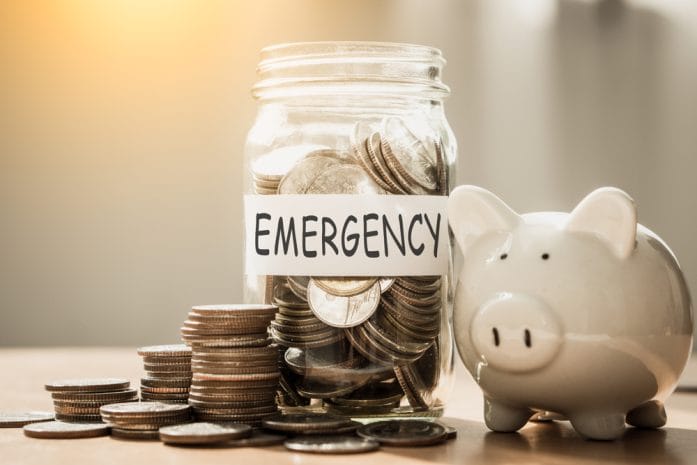
9 Ways People Screw Up Emergency Funds — Even When They Have Good Intentions

November 1, 2025 by Travis Campbell Leave a Comment

emergencies

Image source: shutterstock.com

Emergency funds are a financial safety net. People need to save money because they may face unexpected expenses, such as job loss, medical bills, and car repairs. But just having an emergency fund isn’t enough. People create mistakes that damage their safety net even though they have positive intentions. The errors in these situations will transform a security initiative with good intentions into an unsuccessful attempt at actual security protection. Creating an emergency fund requires more than just saving money, as it also requires proper management to succeed. The goal is to select appropriate methods that will activate your backup system in the event of an emergency.

1. Underestimating True Needs

Many people choose a round number for their emergency fund, such as $1,000 or one month’s expenses, without actually calculating what they’d need to weather a real storm. The result? Their emergency fund falls short when it counts. To avoid this, add up your actual monthly expenses—think rent, groceries, insurance, and minimum debt payments. Multiply by three to six months. That’s a more realistic target for your emergency fund, and it’s the foundation of a strong financial plan.

2. Keeping Emergency Funds Too Accessible

It’s tempting to leave your emergency fund in your regular checking account for easy access. But that convenience can backfire. When your emergency fund sits next to your spending money, it’s easier to dip into it for non-emergencies—a sale, a vacation, or an impulse buy. Instead, keep your emergency fund in a separate high-yield savings account. This keeps temptation at bay while still letting you access the money quickly if you really need it.

3. Investing Emergency Money in the Market

Some people want their emergency fund to “work harder,” so they put it in stocks, mutual funds, or other risky investments. But the market can drop just when you need cash the most. The point of an emergency fund is safety, not growth. Keep your emergency fund in a stable, liquid account like a savings or money market account. If you want to invest, do it with money you don’t need for emergencies.

4. Using Credit Cards as a Backup

It’s easy to think of credit cards as a substitute for an emergency fund. After all, they’re always available, right? But relying on credit means you’re adding debt at the worst possible time—when you’re already facing a crisis. Interest charges can pile up quickly, making your financial situation even tougher. For true peace of mind, a real emergency fund beats a credit card safety net every time.

5. Forgetting to Replenish After Use

Emergency funds are intended for use when needed. But after a big expense, many people forget to rebuild the fund. If you spend $1,500 on a car repair, make a plan to replace those funds as soon as possible. Set up automatic transfers or budget for larger contributions until your emergency fund is back to its target size. This keeps you prepared for whatever comes next.

6. Not Adjusting for Life Changes

Life is always changing—new jobs, kids, homes, or even a pandemic. But many people set and forget their emergency fund amount. If your expenses go up, your emergency fund should grow too. Check in at least once a year, or after major life events, to make sure your emergency fund still fits your needs. Adjust as necessary so you’re not caught off guard.

7. Using Emergency Funds for Non-Emergencies

It’s easy to rationalize dipping into your emergency fund for things that aren’t true emergencies. A last-minute getaway, a big holiday gift, or a new gadget might feel urgent, but they don’t count. Reserve your emergency fund for real, unavoidable expenses—like job loss, medical bills, or urgent repairs. For everything else, plan ahead and save separately.

8. Ignoring Inflation and Rising Costs

Over time, the cost of living goes up. If your emergency fund stays the same size for years, its buying power shrinks. Review your fund regularly and increase it as needed to keep pace with inflation. Consider using a high-yield savings account to help your emergency fund grow a bit faster and offset rising costs. This small step can make a big difference when you need it most.

9. Not Communicating With Family or Partners

If you share finances, everyone involved should know the plan for your emergency fund. Too often, one person assumes the other knows what constitutes an emergency or where to find the necessary funds. Establish clear rules regarding when and how to utilize the emergency fund, and ensure that everyone has access to it if needed. This avoids confusion and ensures your financial safety net is truly ready.

Building a Smarter Emergency Fund

Emergency funds serve as essential financial tools, but their effectiveness depends on correct management strategies that avoid typical errors. The establishment of proper targets combined with money access control will help you create an effective emergency fund that supports financial stability and requires periodic plan assessments during life transitions. Take the time to perfect your approach because it will bring you genuine peace of mind.

What stands as your most difficult experience when managing your emergency fund? Share your story in the comments!

What to Read Next…

  • What Happens When A Medical Emergency Outpaces Your Emergency Fund
  • 5 Emergency Repairs That Could Force You Into Debt Overnight
  • Why Some People Feel Rich But Can’t Afford A $400 Emergency
  • Are These 6 Helpful Budget Tips Actually Ruining Your Finances
  • 6 Money Habits That Backfire After You Turn 60
Travis Campbell
Travis Campbell

Travis Campbell is a digital marketer/developer with over 10 years of experience and a writer for over 6 years. He holds a degree in E-commerce and likes to share life advice he’s learned over the years. Travis loves spending time on the golf course or at the gym when he’s not working.

Filed Under: Cash Reserve Tagged With: emergency fund, money mistakes, Personal Finance, Planning, savings

5 Genius Moves to Maximize Your 401k Match Aggressively

October 29, 2025 by Travis Campbell Leave a Comment

401k

Image source: shutterstock.com

Your financial future will benefit greatly from maximizing your 401k match potential. Employers make matching contributions through their benefits packages, yet most employees fail to take advantage of this opportunity. You should maximize your 401k match at full capacity because it represents free money that you would otherwise miss out on. The amount you will have available during retirement depends heavily on this factor. Your current minor adjustments will produce substantial future benefits because you should maximize all monetary benefits your employer provides.

Five effective methods exist to help you achieve the maximum 401k match potential, which will lead to better retirement savings than typical expectations.

1. Contribute Enough to Get the Full Match

It sounds simple, but the first step to maximize your 401k match aggressively is to contribute at least enough to receive your employer’s full match. Every company’s policy is different. Some match dollar-for-dollar up to a certain percentage, while others offer partial matches. Check your plan documents or talk to HR to find out exactly how your employer’s 401k match works.

If you’re only contributing 2% and your employer matches up to 5%, you’re missing out on free money. Adjust your payroll contributions so you always reach the threshold for the maximum match. Even if your finances are tight, prioritize getting this match before considering other investments. Remember, this is an immediate 100% return on your investment, something you rarely see elsewhere.

2. Front-Load Your Contributions

Want to maximize your 401k match aggressively right from the start of the year? Front-loading your contributions can help. Instead of spreading contributions evenly throughout the year, increase your contribution rate early on. This strategy helps your money start working for you sooner, taking advantage of compounding returns over a longer period.

However, be aware of your employer’s matching formula. Some companies match based on each paycheck, while others match based on your total annual contribution. If your employer only matches per paycheck, front-loading too much could mean missing out on some of the match. Double-check your policy to ensure you get the full employer contribution.

3. Avoid Taking Early Withdrawals or Loans

If you’re looking to maximize your 401k match aggressively, avoid dipping into your retirement savings before you reach retirement age. Early withdrawals and loans can reduce your balance, trigger taxes, and sometimes even result in penalties. Even if you repay a loan, you might miss out on employer matching contributions during the repayment period, especially if you pause or reduce your contributions.

It’s tempting to borrow from your 401k for emergencies or big expenses, but the long-term impact on your retirement savings can be significant. Instead, build an emergency fund outside your 401k to handle life’s surprises. This way, your retirement account keeps growing, and you continue to receive every possible matched dollar.

4. Increase Contributions When You Get a Raise

When your salary increases, it’s the perfect time to boost your 401k contributions and maximize your 401k match aggressively. Many people keep their contribution percentage the same after a raise, but even a small bump can make a big difference over time. If your employer matches up to a higher percentage, increasing your contribution means you’ll get more free money added to your account.

Set a reminder to revisit your 401k contribution rate whenever you get a raise or bonus. Even raising your contribution by 1% each year can add up. Some plans offer automatic escalation features that increase your savings rate annually—take advantage of them if available. This approach helps you stay on track with your retirement goals and ensures you never leave matching dollars behind.

5. Review and Rebalance Your Investments Regularly

Maximize your 401k match aggressively by making sure your investments are working as hard as your contributions. Many people set their asset allocation once and never revisit it. Over time, market fluctuations can leave your portfolio out of balance, potentially reducing your returns.

Check your 401k investments at least once a year. Rebalance to keep your risk and reward in line with your goals. This ongoing attention helps your matched contributions grow more efficiently. If you’re unsure how to rebalance, consider target-date funds or consult a financial advisor for guidance. The more you optimize your investments, the greater the long-term benefit from every matched dollar.

Building Wealth with Every Matched Dollar

You can reach the highest 401k match potential through aggressive methods, which do not require you to make drastic changes. The process involves performing regular small actions to obtain all available benefits from your workplace. Your retirement security will improve when you contribute enough to match the full amount, make your contributions at the right time, refrain from withdrawals, boost your contributions after salary increases, and maintain proper investment levels.

Don’t underestimate the power of your employer’s 401k match. Your nest egg will grow over time as these investments and their values accumulate. Make it a habit to review your strategy at least once a year and tweak it as needed. The more proactive you are, the more you’ll benefit in the long run. What method do you suggest for getting the highest possible 401k match benefit? Share your thoughts in the comments below!

What to Read Next…

  • Is Your Retirement Plan Outdated By A Decade Without You Knowing?
  • What Retirees Regret About Rolling Over Old 401ks Too Quickly
  • 6 Retirement Plan Provisions That Disqualify You From Aid
  • How Financial Planners Are Recommending Riskier Portfolios In 2025
  • 10 Employer Perks That Void Retirement Tax Breaks
Travis Campbell
Travis Campbell

Travis Campbell is a digital marketer/developer with over 10 years of experience and a writer for over 6 years. He holds a degree in E-commerce and likes to share life advice he’s learned over the years. Travis loves spending time on the golf course or at the gym when he’s not working.

Filed Under: Retirement Tagged With: 401(k), employer match, investing, Personal Finance, Retirement, savings

6 Charges You’re Paying for… But Getting Nothing in Return

October 25, 2025 by Travis Campbell Leave a Comment

atm fees

Image source: shutterstock.com

When it comes to personal finance, every dollar counts. Yet, many of us are losing money to charges that offer absolutely nothing in return. These costs slip under the radar, quietly draining your bank account without providing any value. Understanding these unnecessary expenses is the first step toward smarter money management. By identifying and eliminating them, you can keep more of your hard-earned cash. Let’s take a closer look at six charges you’re paying for… but getting nothing in return.

1. Monthly Maintenance Fees on Checking Accounts

Monthly maintenance fees are one of the most common unnecessary charges. Banks often charge $5 to $15 per month just to keep your account open. In many cases, you get nothing extra for this fee—no better service, no higher interest, nothing. Some banks waive these charges if you meet certain requirements, like maintaining a minimum balance or setting up direct deposit. But if you’re paying this fee every month, it’s time to shop around. Many online banks and credit unions offer no-fee checking accounts with the same features, minus the cost. Stop letting money slip away for a service that should be free.

2. ATM Fees from Out-of-Network Withdrawals

Using an ATM outside your bank’s network can cost you $2 to $5 per transaction. Sometimes, both the ATM owner and your own bank charge a fee, doubling the pain. What do you get for this charge? Absolutely nothing extra—just access to your own money. These costs add up quickly, especially if you use cash often. To avoid this, use your bank’s locator tool to find fee-free ATMs or switch to a bank that reimburses out-of-network ATM fees. There’s no reason to pay for basic access to your cash.

3. Paper Statement Fees

Many banks and service providers now charge $2 to $5 a month for sending paper statements. This fee is often hidden in the fine print. In return, you get a piece of paper you might not even need. With secure digital statements available, there’s rarely a good reason to pay this charge. Opting for electronic statements not only saves you money but also helps the environment. If you still need a paper record, most institutions let you print statements from their website for free.

4. Credit Card Payment Protection Plans

Credit card issuers often pitch payment protection plans as a safety net if you lose your job or become ill. These plans can add up to $20 a month to your bill. But the reality is, most people never use them. Even if you do, the benefits can be hard to claim and are often limited. For the charge, you get peace of mind that may never pay off. Instead, consider building an emergency fund. It’s a more flexible, cost-effective way to protect yourself from financial setbacks.

5. Extended Warranties on Electronics

When you buy electronics, you’re often offered an extended warranty for an extra fee. Retailers push these hard because they’re big money-makers—for them, not you. Most products rarely break within the warranty period, and if they do, the manufacturer’s standard warranty usually covers it. So, this charge typically gives you nothing extra. Instead, check if your credit card offers free extended warranty protection. You can also self-insure by saving the money you’d spend on these plans.

6. Unused Subscription Services

Subscription services are everywhere—streaming, gym memberships, apps, and even meal kits. The average person pays for several subscriptions they rarely or never use. These recurring charges can quietly drain your budget, and you get nothing in return if you’re not actively using the service. Take a few minutes each month to review your bank statements and cancel anything you don’t need. Tools like subscription management apps can help you track and eliminate wasteful spending.

Take Control of Unnecessary Charges

Paying unnecessary charges is like throwing money out the window. Each of these fees—whether it’s monthly maintenance, ATM access, or unused subscriptions—chips away at your financial health. The good news? Most of these charges you’re paying for… but getting nothing in return are completely avoidable. With a little attention, you can spot these costs and cut them for good.

Take a close look at your statements this month. Where are you losing money for no real benefit? Cutting out these wasteful charges is one of the easiest ways to boost your savings and improve your personal finance habits. What hidden charges have you found and eliminated? Share your thoughts in the comments below!

What to Read Next…

  • 7 Hidden Fees That Aren’t Labeled As Fees At All
  • 6 Monthly Bills You Should Cancel Immediately Even If You Can Afford Them
  • Are These 7 Little Expenses Quietly Costing You Thousands A Year?
  • 8 Everyday Services That Are Slowly Becoming Subscription Only
  • Are Automatic Renewals Draining More Than You Realize?
Travis Campbell
Travis Campbell

Travis Campbell is a digital marketer/developer with over 10 years of experience and a writer for over 6 years. He holds a degree in E-commerce and likes to share life advice he’s learned over the years. Travis loves spending time on the golf course or at the gym when he’s not working.

Filed Under: Finance Tagged With: bank fees, budgeting, money management, Personal Finance, savings, subscriptions, unnecessary charges

10 New Financial Regulations Your Bank Isn’t Telling You About

October 22, 2025 by Travis Campbell Leave a Comment

money

Image source: shutterstock.com

Financial regulations change more often than most people realize. When new rules roll out, they can affect everything from your savings to how you access your accounts. Banks aren’t always upfront about these changes, leaving customers to figure things out the hard way. If you want to keep your money safe and avoid surprises, staying informed is key. This article breaks down the latest financial regulations your bank might not be telling you about, so you can make smart choices and avoid hidden pitfalls.

1. Stricter Overdraft Fee Limits

One of the biggest changes in recent financial regulations is the cap on overdraft fees. In the past, banks could charge multiple fees in a single day if your account went negative. New rules now limit the total amount they can charge per month. This protects consumers from snowballing fees, but your bank might not advertise this change. If you’ve been hit with overdraft charges before, check your account terms to see how these new limits apply to you.

2. Enhanced Data Privacy Protections

With data breaches on the rise, new financial regulations now require banks to tighten data privacy. Banks must be more transparent about how they collect and share your information. They also have to provide easier ways for you to opt out of certain data uses. However, many banks bury these options in lengthy privacy policies. Take time to review your settings and ask your bank about your data rights under these updated rules.

3. Tighter Credit Card Marketing Rules

Credit card companies are facing new restrictions on how they market to consumers. These regulations target misleading offers and aggressive sign-up tactics, especially with young adults and college students. If you’re getting fewer “pre-approved” offers in the mail, this is likely why. You still need to read the fine print, as some banks may find creative ways to market within the new limits.

4. Automatic Savings Account Transfers

Some banks are now required to offer automatic transfers from checking to savings accounts. This is part of a push to encourage better saving habits. While this sounds helpful, you might not realize that these transfers could trigger minimum balance fees or affect your account status. Review your account details and be aware of any new default settings your bank has activated under these financial regulations.

5. New Limits on Wire Transfer Fees

Sending money domestically or internationally has gotten a little cheaper, thanks to new rules capping wire transfer fees. Banks must now disclose all fees upfront, and the maximum they can charge is lower than before. If you regularly send money to family or pay bills overseas, compare your bank’s fees to see if you’re getting the benefits of these new financial regulations.

6. Changes to Mobile Deposit Policies

Banks are now required to process mobile check deposits faster. The new regulations set stricter timelines for when deposited funds must become available. However, not all banks have updated their mobile apps to reflect these changes. If you rely on mobile deposits, double-check your bank’s policy and ask about any delays that might still apply.

7. Tighter Rules on Account Closures

Financial regulations have also made it harder for banks to close accounts without proper notice. Now, banks must give you a clear reason and a set notice period before shutting down your account. This gives you time to resolve any issues or move your money. Make sure your contact information is up to date to avoid missing important notifications.

8. New Requirements for Loan Disclosures

Applying for a loan? Lenders now have to provide more detailed disclosures about interest rates, fees, and repayment schedules. This helps you compare offers and avoid hidden costs. Some banks may still use confusing language, so take your time reviewing all documents and ask questions if anything isn’t clear.

9. Stricter Anti-Fraud Measures

Anti-fraud regulations now require banks to invest in better security for online and mobile banking. This could mean more frequent password changes or extra steps to verify your identity. While these measures can be inconvenient, they help protect your money. If your bank hasn’t communicated any changes, log in to your account and review your security settings.

10. Updated Rules for Joint Accounts

Joint account holders now have more rights under new financial regulations. Banks must make it easier to add or remove account holders and clarify how funds are managed in the event of a dispute. If you share an account with a partner or family member, check with your bank to understand how these changes affect your access and responsibilities.

Staying Ahead of Changing Financial Regulations

Financial regulations are always evolving, and banks don’t always spell out what’s new. By staying proactive and asking questions, you can protect your finances and avoid costly surprises. If you’re unsure about how these changes impact your accounts, reach out to your bank or consult resources like the Consumer Financial Protection Bureau for up-to-date information.

Have you noticed your bank making any quiet changes lately? Share your experience in the comments below.

What to Read Next…

  • What Are Banks Really Doing With Your Personal Spending Data?
  • What Happens When Your Bank Changes The Terms Without Warning?
  • Could A Bank Freeze Your Account Without Telling You?
  • 7 Financial Loopholes That Lenders Exploit Behind The Scenes
  • Why Credit Limits Are Being Lowered Without Consent
Travis Campbell
Travis Campbell

Travis Campbell is a digital marketer/developer with over 10 years of experience and a writer for over 6 years. He holds a degree in E-commerce and likes to share life advice he’s learned over the years. Travis loves spending time on the golf course or at the gym when he’s not working.

Filed Under: Banking Tagged With: banking, Consumer Protection, fees, financial regulations, privacy, savings, security

Stop Making These Common Mistakes That Cost You Thousands Each Year.

October 21, 2025 by Travis Campbell Leave a Comment

Dollar burn

Image source: shutterstock.com

Every year, people unknowingly make financial mistakes that drain their wallets. These common errors don’t just chip away at your savings—they can cost you thousands of dollars annually. The good news? Most are easy to fix once you know what to watch out for. By identifying where your money is slipping through the cracks, you can make smarter choices that add up to real savings. Understanding the most common mistakes people make with their money puts you back in control. Let’s break down the habits that could be costing you big, and how to stop making these financial mistakes for good.

1. Ignoring Your Budget

Failing to set and follow a budget is one of the most common financial mistakes. Without a budget, it’s easy to lose track of spending and let small purchases add up. Many people think they have a handle on their expenses, but overspending often happens in the details—like forgotten subscriptions or impulse buys.

A budget isn’t about restriction. It’s about awareness. When you track where your money goes, you can spot areas to cut back and redirect those funds toward savings or debt repayment. If you’re new to budgeting, try a simple method like the 50/30/20 rule, or use a free online tool to help you get started. Making this change can prevent costly surprises and help you avoid the financial mistakes that keep you from reaching your goals.

2. Paying High Interest on Debt

Carrying balances on high-interest credit cards or loans is a costly mistake. Interest charges can quietly eat up hundreds or even thousands of dollars a year. Many people only pay the minimum each month, not realizing how much extra they’re spending over time.

If you have high-interest debt, look for ways to pay it down faster. Consider consolidating balances with a lower-interest loan or transferring to a card with a 0% introductory rate. Even small extra payments can make a big difference. Don’t let interest charges drain your finances year after year—tackle them head-on to save significant money.

3. Overlooking Employer Benefits

Many employees don’t take full advantage of workplace benefits, leaving free money on the table. Examples include not contributing enough to get a 401(k) match, skipping health savings accounts, or ignoring wellness incentives. These benefits are part of your compensation and can boost your bottom line.

Review your employer’s offerings at least once a year. Make sure you’re enrolled in retirement plans and taking advantage of any matching contributions. Explore flexible spending accounts, commuter benefits, and insurance options. These choices can reduce your taxable income and help you avoid the financial mistakes that cost you thousands over time.

4. Neglecting to Shop Around for Big Expenses

People often accept the first quote or renewal offer they receive for things like insurance, cell phone plans, or even major purchases. Not shopping around can mean you’re paying much more than necessary. Companies count on customer inertia to keep profits high.

Take time each year to compare rates for major expenses. A few phone calls or website visits can lead to better deals on car insurance, internet, or utilities. Don’t be afraid to negotiate or ask for discounts, either. Small savings on big-ticket items add up fast, and avoiding this common mistake can keep more money in your pocket.

5. Not Having an Emergency Fund

Life is unpredictable. Without an emergency fund, unexpected expenses like car repairs or medical bills can force you to rely on credit cards or loans. This leads to more debt and interest—another way financial mistakes can snowball.

Start with a goal of saving $500 to $1,000 for emergencies, then build up to three to six months’ worth of expenses. Keep this money in a separate, easily accessible account. Having a safety net shields you from financial shocks and reduces stress when life throws you a curveball.

6. Forgetting to Review Subscriptions and Recurring Charges

Streaming services, apps, gym memberships, and other subscriptions can sneak up on your budget. It’s easy to sign up and forget, especially when the monthly cost is small. But over a year, unused or forgotten services can cost hundreds of dollars—one of the most overlooked financial mistakes.

Review your bank and credit card statements every few months. Cancel anything you don’t use. Consider using a subscription management app to help track and manage recurring charges. This simple habit frees up money for more important goals.

7. Skipping Regular Financial Checkups

Most people only review their finances when something goes wrong. But regular checkups help you catch problems early and avoid financial mistakes before they grow. Set aside time every quarter to review your budget, check your credit report, and update your goals.

This habit helps you stay on track and adjust your plans as needed. If you’re not sure where to begin, resources like the Consumer Financial Protection Bureau offer free guides and checklists. Being proactive with your finances keeps you in control and prevents costly surprises.

How to Break the Cycle of Financial Mistakes

It’s normal to make some financial mistakes along the way. What matters is recognizing them and taking steps to do better. Start by picking one or two habits to change this month. Maybe you’ll finally set a budget, pay off a credit card, or call your insurance company for a better deal. Each small step counts—and together, they can save you thousands each year.

Don’t be afraid to ask for help or use trusted online resources. For more tips on avoiding common pitfalls, check out NerdWallet’s guide to money mistakes. Remember, the most expensive financial mistakes are often the easiest to fix once you know what to look for. Make a plan, stick with it, and watch your savings grow.

What money mistakes have you caught yourself making, and how did you fix them? Share your experience in the comments!

What to Read Next…

  • Are These 7 Little Expenses Quietly Costing You Thousands A Year?
  • 10 Ways You’re Wasting Money Just Trying To Keep Up Appearances
  • 7 Hidden Fees That Aren’t Labeled As Fees At All
  • 8 Everyday Services That Are Slowly Becoming Subscription Only
  • 10 Smart Purchases That Are Slowly Making You Broke
Travis Campbell
Travis Campbell

Travis Campbell is a digital marketer/developer with over 10 years of experience and a writer for over 6 years. He holds a degree in E-commerce and likes to share life advice he’s learned over the years. Travis loves spending time on the golf course or at the gym when he’s not working.

Filed Under: Personal Finance Tagged With: budgeting, Debt, emergency fund, financial mistakes, money management, Personal Finance, savings

Why Your $1,000 Emergency Fund Is Not Nearly Enough for 2026

October 19, 2025 by Travis Campbell Leave a Comment

emergency fund

Image source: pexels.com

For years, the $1,000 emergency fund has been a standard starting point for personal finance advice. It’s simple, achievable, and feels like a safety net. But as we look ahead to 2026, that number just doesn’t cut it anymore. Rising living costs, unpredictable economic shifts, and bigger financial risks mean a $1,000 emergency fund is not nearly enough. If you want true peace of mind and real financial security, it’s time to rethink what you need in your emergency fund. Let’s break down exactly why that old target falls short and what you should do about it.

1. Inflation Has Changed the Game

Inflation keeps pushing the cost of everything higher, from groceries to rent to medical bills. What $1,000 could cover even five years ago barely scratches the surface today. In 2026, your $1,000 emergency fund will buy less than ever before. This shrinking power means you may not be able to cover a single urgent car repair, let alone several unexpected expenses at once. If your emergency fund doesn’t keep pace with inflation, it’s not doing its job.

2. One Expense Can Wipe Out Your Fund

Think about the last time your car broke down or you needed a sudden home repair. Many common emergencies—like replacing a major appliance or paying for an urgent dental procedure—can cost well over $1,000. If you dip into your emergency fund for any one of these, you’re left with nothing for the next crisis. Relying on a $1,000 emergency fund is like walking a tightrope with no safety net underneath.

3. Medical Costs Are on the Rise

Healthcare expenses are unpredictable and increasing every year. Even with insurance, deductibles and out-of-pocket costs can be steep. A single trip to the emergency room or an unexpected surgery can easily cost thousands of dollars. In 2026, a $1,000 emergency fund won’t come close to covering a medical emergency. If you want to be prepared, you’ll need to set aside much more.

4. Job Losses Take Longer to Recover From

Job security isn’t what it used to be. Layoffs and furloughs can happen suddenly, and finding a new job often takes longer than expected. In the past, experts suggested saving three to six months’ worth of expenses as an emergency fund. If you lose your job in 2026, $1,000 won’t even cover your rent or mortgage for a month, let alone food, utilities, and other essentials. Preparing for this possibility means building a larger cushion.

5. More People Are Freelancing and Gig Working

More Americans are turning to freelance work and gig jobs for income. While flexible, these roles often come with unpredictable pay and fewer benefits. If you’re a freelancer or gig worker, you’re even more likely to face income gaps or slow months. A $1,000 emergency fund simply isn’t enough to get you through lean times. Building a more substantial emergency fund can help you weather these ups and downs without resorting to high-interest debt.

6. Credit Cards Aren’t a Backup Plan

Some people believe they can rely on credit cards if their $1,000 emergency fund runs out. But using credit cards for emergencies can lead to debt spirals, especially with interest rates climbing higher. Instead of falling back on expensive credit, aim to grow your emergency fund to a more realistic level. For advice on managing debt and building savings, you might check resources like the Consumer Financial Protection Bureau.

7. Natural Disasters and Climate Risks Are Rising

Wildfires, hurricanes, floods, and other natural disasters are becoming more common. These events can force you out of your home, damage property, or interrupt your income. The costs of evacuation, temporary lodging, and repairs can quickly exceed $1,000. If you live in an area prone to disasters, your emergency fund needs to reflect that extra risk. Planning ahead can help you bounce back faster when the unexpected hits.

How Much Should Your Emergency Fund Be in 2026?

The old $1,000 emergency fund rule is outdated for 2026. Most experts now recommend saving at least three to six months’ worth of living expenses. If your monthly expenses are $3,000, aim for $9,000 to $18,000 in your emergency fund. This larger cushion will help you handle inflation, medical bills, job loss, and other surprises without derailing your financial goals.

Building up your emergency fund takes time, especially if you’re starting small. Begin by tracking your expenses and setting a realistic savings goal. Automate transfers to a high-yield savings account so your money grows while it sits.

Are you rethinking your emergency fund for 2026? How much do you think is enough? Share your thoughts or experiences in the comments below!

What to Read Next…

  • What Happens When a Medical Emergency Outpaces Your Emergency Fund
  • Why Some People Feel Rich But Can’t Afford a $400 Emergency
  • 5 Emergency Repairs That Could Force You Into Debt Overnight
  • Are These 7 Little Expenses Quietly Costing You Thousands a Year
  • 6 Money Habits That Backfire After You Turn 60
Travis Campbell
Travis Campbell

Travis Campbell is a digital marketer/developer with over 10 years of experience and a writer for over 6 years. He holds a degree in E-commerce and likes to share life advice he’s learned over the years. Travis loves spending time on the golf course or at the gym when he’s not working.

Filed Under: Finance Tagged With: budgeting, emergency fund, Personal Finance, Planning, savings

Freebies and Huge Discounts: 11 Places You’re Overpaying Without Realizing It

October 9, 2025 by Travis Campbell Leave a Comment

discounts

Image source: shutterstock.com

It’s easy to miss out on savings when you don’t know where to look. Many people end up spending more than necessary on everyday expenses, simply because they’re unaware of available freebies and huge discounts. Whether it’s out of habit or convenience, these overlooked costs can add up quickly over time. Identifying areas where you might be overpaying can make a noticeable difference in your budget. This article highlights the most common places where you’re likely missing out on freebies and huge discounts—so you can keep more cash in your pocket.

1. Subscription Services

Monthly subscription services can sneak up on your wallet. From streaming platforms to meal kits, it’s common to forget about services you rarely use. Many companies offer freebies and huge discounts to new users, but once the trial ends, the price jumps. Audit your subscriptions regularly, cancel what you don’t use, and look for introductory offers if you want to try something new. Sometimes, simply reaching out to customer service can help you score a retention discount.

2. Gym Memberships

Gyms often lure you in with special deals, but after the initial period, you may be paying for services you barely use. Many fitness centers offer free trial classes or discounted rates during certain times of the year. Check for community centers or local parks that offer free or low-cost fitness classes. By taking advantage of these freebies and huge discounts, you can stay active without overspending.

3. Cell Phone Plans

Cell phone bills are a common area where people overpay. With frequent updates to plans and promotions, it’s easy to miss out on huge discounts. Compare your current plan to what’s available. You may find that switching providers or negotiating with your carrier leads to significant savings. Don’t forget to ask about discounts for students, military, or bundling services.

4. Grocery Shopping

Shopping without a list or ignoring store loyalty programs can cost you. Many grocery stores offer exclusive freebies and huge discounts through their apps or membership cards. Clip digital coupons, check for weekly specials, and consider buying store brands, which often offer the same quality at a lower price. Planning meals around sales can also help you avoid overpaying.

5. Restaurants and Takeout

Dining out can drain your budget if you’re not careful. Many restaurants have loyalty programs or apps that reward frequent customers with freebies and huge discounts. Sign up for email lists to receive special offers or birthday treats. Ordering directly from the restaurant instead of third-party apps can also save on extra fees.

6. Online Shopping

Impulse purchases online often mean paying full price. Before checking out, search for promo codes, cashback offers, or browser extensions that find discounts automatically. Many retailers give out freebies and huge discounts for first-time shoppers or newsletter sign-ups. Take a moment to compare prices on different sites or wait for seasonal sales to get the best deals.

7. Travel and Accommodation

Booking flights or hotels without comparison shopping can lead to overpaying. Use travel aggregator sites to compare prices and set alerts for drops. Some credit cards offer exclusive travel freebies and huge discounts, such as free checked bags or hotel upgrades. Consider flexible travel dates to take advantage of off-peak rates.

8. Car Insurance

Many drivers stick with the same insurer for years, missing out on lower rates elsewhere. Compare quotes from multiple companies every year. Some insurers offer discounts for bundling policies, safe driving, or even for being a good student. Don’t forget to ask about any available freebies and huge discounts before renewing your policy.

9. Prescription Medications

Medication costs can vary widely from one pharmacy to another. Many pharmacies offer loyalty programs or discount cards, and there are online tools that help you find the lowest price. Ask your doctor if generic alternatives are available, and check if your health plan covers mail-order options for additional savings.

10. Utility Bills

Most people don’t realize their utility providers may offer freebies and huge discounts for things like energy efficiency upgrades or paperless billing. Some areas have programs that provide free energy audits or rebates for installing efficient appliances. Contact your provider to ask about current offers and see if you qualify for lower rates or special programs.

11. Entertainment and Cultural Events

Concerts, museums, and local attractions often have discounted or free admission days. Public libraries frequently offer free passes to cultural sites or host events at no cost. Websites like Eventbrite list free community happenings in your area. Take advantage of these opportunities to enjoy entertainment without straining your budget.

Maximizing Savings with Freebies and Huge Discounts

Paying attention to where your money goes can reveal surprising opportunities to save. By being proactive and seeking out freebies and huge discounts, you’ll stretch your budget further and avoid unnecessary expenses. Small changes, like signing up for loyalty programs or regularly reviewing your bills, can add up to big savings over time.

Where have you found unexpected freebies and huge discounts in your daily life? Share your favorite money-saving tips in the comments below!

What to Read Next…

  • 7 Tactics Grocery Stores Use to Keep You From Thinking About Price
  • Are These 8 Money Saving Tricks Actually Keeping You Broke
  • 6 Online Freebies That End in Identity Theft
  • Are These 7 Little Expenses Quietly Costing You Thousands a Year
  • 5 Invisible Service Charges Eating Into Your Bank Balance
Travis Campbell
Travis Campbell

Travis Campbell is a digital marketer/developer with over 10 years of experience and a writer for over 6 years. He holds a degree in E-commerce and likes to share life advice he’s learned over the years. Travis loves spending time on the golf course or at the gym when he’s not working.

Filed Under: Frugal Living Tagged With: budgeting, discounts, freebies, money tips, Personal Finance, savings, spending

Could Ignoring Inflation Erase Decades of Savings

October 1, 2025 by Travis Campbell Leave a Comment

savings

Image source: pexels.com

Inflation is a financial force that quietly chips away at your savings, often without you noticing. Over time, the rising cost of goods and services can reduce your buying power, even if your account balances look the same. If you’re planning for retirement or saving for a big goal, ignoring inflation could mean your money won’t stretch as far as you hoped. The impact isn’t just theoretical—it can directly affect your lifestyle and future plans. Understanding how inflation works and why it matters for your savings is essential for anyone who wants their hard-earned money to keep its value over time.

1. The Stealthy Erosion of Purchasing Power

The primary reason ignoring inflation can erase decades of savings is simple: what you can buy with a dollar today isn’t the same as what you can buy with that dollar in the future. Inflation slowly makes everything more expensive—from groceries to healthcare. While you might have $100,000 in your savings account, if inflation averages 3% per year, that money could lose a third of its purchasing power over 20 years.

This erosion is especially dangerous for those on fixed incomes or retirees relying on a nest egg. Without strategies to counteract inflation, you may end up with less security than you planned for. It’s not just about numbers on a statement—it’s about what those numbers can actually do for you.

2. Fixed-Income Investments and Inflation Risk

Many people choose fixed-income investments, like bonds or certificates of deposit (CDs), for their perceived safety. While these options can provide stability, they’re particularly vulnerable to inflation. If your investment returns don’t outpace inflation, your real returns—the amount you can actually spend—shrink over time.

For example, if your CD pays 2% interest but inflation is running at 3%, you’re effectively losing money, even though your balance is growing. This is why it’s essential to consider inflation when making investment decisions, rather than focusing solely on headline interest rates. Understanding inflation risk can help you make smarter choices for your long-term savings.

3. The Long-Term Impact on Retirement Planning

When creating a retirement plan, failing to account for inflation can have serious consequences. Many people underestimate how much they’ll need in the future because they calculate their needs based on today’s costs. Over decades, even moderate inflation can make a big difference.

Imagine you plan to spend $50,000 a year in retirement. If inflation averages 2.5% annually, in 20 years you’d need about $82,000 to maintain the same standard of living. If you ignore inflation, you could find yourself cutting expenses or dipping into your savings faster than you anticipated. Properly factoring in inflation helps ensure your retirement plan is realistic and sustainable.

4. Cash Savings Lose Value Over Time

It’s comforting to see a healthy balance in your savings account, but cash is particularly vulnerable to inflation. Unlike some investments that may grow with the market, cash typically earns little interest. Over time, this means your money buys less—even if the balance never goes down.

This doesn’t mean you shouldn’t keep an emergency fund or some cash for short-term needs. But for long-term goals, letting too much money sit in cash can quietly erode the value of your savings. Exploring options that offer better protection against inflation can safeguard your financial future.

5. How to Protect Your Savings from Inflation

The good news is you don’t have to watch inflation erase decades of savings. There are practical steps you can take to protect your money. Diversifying your investments is key. Stocks, real estate, and Treasury Inflation-Protected Securities (TIPS) have historically offered returns that outpace inflation over the long run.

Review your financial plan regularly and adjust as needed. Consider working with a financial advisor who understands how inflation impacts your goals. Staying informed and proactive can make a big difference.

Securing Your Financial Future

Ignoring inflation isn’t just a minor oversight—it’s a risk that could undermine your financial security. Inflation affects everyone, but its impact is magnified the longer you save. By paying attention to how inflation erodes savings, you can take steps to protect your purchasing power and ensure your money works as hard as you do. Remember, a smart savings strategy is one that keeps pace with rising costs and adapts over time.

What steps are you taking to make sure inflation doesn’t eat away at your savings? Share your thoughts and experiences in the comments below!

What to Read Next…

  • 6 Ways Inflation Is Secretly Eating At Your Annuity Payouts
  • 9 Silent Bank Policy Changes That Eat Into Your Savings
  • Why Some Pensions Are Being Recalculated Without Disclosure
  • 10 Financial Questions That Could Undo Your Entire Retirement Plan
  • 8 Signs You’re Losing Wealth Without Realizing It
Travis Campbell
Travis Campbell

Travis Campbell is a digital marketer/developer with over 10 years of experience and a writer for over 6 years. He holds a degree in E-commerce and likes to share life advice he’s learned over the years. Travis loves spending time on the golf course or at the gym when he’s not working.

Filed Under: Finance Tagged With: Financial Security, Inflation, investing, purchasing power, retirement planning, savings

10 Financial Dangers That Hide in Everyday Habits

September 28, 2025 by Travis Campbell Leave a Comment

financial

Image source: pexels.com

Financial dangers often hide in plain sight, woven into our daily routines. While you might think you have your money under control, small habits can quietly erode your savings, pile on debt, or keep you from reaching your financial goals. Recognizing these risks is the first step toward building better money habits. Ignoring them can mean missed opportunities or unexpected setbacks. Let’s shine a light on the hidden financial dangers lurking in everyday life, so you can take control and protect your financial well-being.

1. Ignoring Small Purchases

It’s easy to overlook the impact of that daily coffee or weekly takeout. These small, frequent expenses add up faster than most realize. Over time, they can quietly drain your budget and slow your progress toward important goals. Tracking every purchase, no matter how minor, helps you spot patterns and curb unnecessary spending. This is one of the most common financial dangers because it may seem harmless, but its cumulative effect is significant.

2. Automatic Subscription Traps

Automatic renewals for streaming services, apps, or memberships can sneak up on you. You might forget about a subscription you no longer use, but your bank account remembers. Review your statements regularly and cancel anything you don’t need. Even a handful of $10 monthly charges adds up to hundreds each year, quietly sabotaging your budget.

3. Using Credit for Everyday Expenses

Relying on credit cards for groceries, gas, or bills is risky if you don’t pay off the balance each month. Interest charges can turn a $50 purchase into a much bigger debt over time. This habit can mask overspending and lead to financial dangers like mounting credit card debt. Instead, use cash or debit when possible, and reserve credit for emergencies or planned, affordable purchases.

4. Failing to Budget for Irregular Expenses

It’s easy to plan for monthly bills, but what about annual insurance premiums, vehicle repairs, or holiday gifts? Failing to budget for these irregular expenses can leave you scrambling or resorting to high-interest credit. Set aside a small amount each month in a separate savings account. This way, you’re prepared when the bills arrive and avoid financial surprises.

5. Overlooking Fees and Penalties

Bank fees, late payment charges, and ATM surcharges are easy to miss but can quietly chip away at your savings. Over time, these small amounts add up. Review account terms and set reminders for due dates. Consider switching to a no-fee account or consolidating services to reduce the risk of unnecessary charges.

6. Not Shopping Around for Everyday Purchases

Convenience often wins, but paying full price for groceries, utilities, or insurance can cost you. Comparison shopping and using coupons or cashback apps can make a real difference. Even small savings on regular purchases add up over months and years. Don’t let the ease of sticking with one provider or store turn into an ongoing expense.

7. Putting Off Saving for Retirement

Many people delay retirement savings, thinking they’ll start “someday.” But the earlier you start, the more your money grows thanks to compound interest. Waiting even a few years can mean missing out on thousands of dollars later. Make retirement savings a non-negotiable part of your budget, even if you start small. This is one of the most serious financial dangers because it affects your long-term security.

8. Emotional Spending

Retail therapy or impulse buying when you’re bored, stressed, or celebrating can bust your budget. These purchases often bring only temporary happiness, followed by regret. Try waiting 24 hours before making unplanned buys. Find healthier ways to cope with emotions, like taking a walk or connecting with a friend. Emotional spending is a sneaky way financial dangers can slip into your life without you noticing.

9. Neglecting to Review Bills and Statements

Many people set up autopay and forget about their bills. But errors, rate increases, or fraudulent charges can go unnoticed for months. Make it a habit to review your bills and bank statements regularly. Catching mistakes early keeps your finances on track and prevents long-term losses.

10. Underestimating the Impact of Lifestyle Inflation

As your income grows, it’s tempting to upgrade your lifestyle—new gadgets, bigger homes, fancier vacations. But if your spending rises with your earnings, you may never get ahead. This is called lifestyle inflation, and it’s one of the most overlooked financial dangers. Aim to save or invest a portion of every raise or bonus, rather than spending it all.

Building a Safer Financial Future

Everyday habits shape your financial future, sometimes in ways you don’t expect. By paying attention to these hidden financial dangers, you can take small steps that lead to big improvements over time. Whether it’s tracking small expenses, reviewing bills, or shopping around, awareness is the key to better money choices.

What everyday habit has affected your finances the most? Share your experience in the comments below!

What to Read Next…

  • Are These 8 Money Saving Tricks Actually Keeping You Broke?
  • 5 Things That Instantly Decrease Your Credit Score By 50 Points
  • 10 Signs You’re Living Above Your Means Without Realizing
  • 7 Hidden Fees That Aren’t Labeled As Fees At All
  • Are Automatic Renewals Draining More Than You Realize?
Travis Campbell
Travis Campbell

Travis Campbell is a digital marketer/developer with over 10 years of experience and a writer for over 6 years. He holds a degree in E-commerce and likes to share life advice he’s learned over the years. Travis loves spending time on the golf course or at the gym when he’s not working.

Filed Under: Finance Tagged With: budgeting, Debt, financial dangers, financial habits, money management, Personal Finance, savings

  • « Previous Page
  • 1
  • 2
  • 3
  • 4
  • 5
  • …
  • 7
  • Next Page »

FOLLOW US

Search this site:

Recent Posts

  • Can My Savings Account Affect My Financial Aid? by Tamila McDonald
  • 12 Ways Gen X’s Views Clash with Millennials… by Tamila McDonald
  • What Advantages and Disadvantages Are There To… by Jacob Sensiba
  • 10 Tactics for Building an Emergency Fund from Scratch by Vanessa Bermudez
  • Call 911: Go To the Emergency Room Immediately If… by Stephen Kanaval
  • 7 Weird Things You Can Sell Online by Tamila McDonald
  • 10 Scary Facts About DriveTime by Tamila McDonald

Copyright © 2026 · News Pro Theme on Genesis Framework