• Home
  • About Us
  • Toolkit
  • Getting Finances Done
    • Hiring Advisors
    • Debt Management
    • Spending Plan
  • Insurance
    • Life Insurance
    • Health Insurance
    • Disability Insurance
    • Homeowners/Renters Insurance
  • Contact Us
  • Privacy Policy
  • Risk Tolerance Quiz

The Free Financial Advisor

You are here: Home / Archives for discounts

8 Grocery Shopping Habits That Make You Spend More Without Realizing It

January 9, 2026 by Brandon Marcus Leave a Comment

Here Are 8 Grocery Shopping Habits That Make You Spend More Without Realizing It

Image Source: Shutterstock.com

Stepping into a grocery store can feel like entering a jungle. Bright lights, tantalizing smells, and endless aisles of colorful products are all competing for your attention. You might think you’re just popping in for a loaf of bread, but somehow, by the time you hit the checkout, your cart is overflowing and your wallet is lighter than expected. It’s not magic—it’s psychology, store strategy, and habits you probably don’t even notice.

Understanding these subtle traps can help you shop smarter and save money without feeling deprived. Ready to discover the habits that quietly inflate your grocery bills?

1. Always Shopping When You’re Hungry

Walking into a grocery store on an empty stomach is like stepping onto a battlefield armed with nothing but good intentions. When hunger strikes, your brain starts prioritizing immediate gratification over rational decision-making. Suddenly, the chips, cookies, and ice cream call your name like a siren. You might grab snacks you didn’t plan to buy, thinking you’re treating yourself—but really, your appetite is steering your wallet. Studies show that people shopping hungry spend significantly more than those who eat first.

Even fresh produce can become a last-minute impulse buy when your stomach rumbles. To avoid this trap, eat a small meal or snack before heading out; your future self (and bank account) will thank you.

2. Ignoring A Shopping List

A shopping list is more than a tool; it’s a shield against impulsive spending. Without a list, wandering the aisles becomes a free-for-all, with colorful packaging and clever signage influencing your choices. Even seasoned shoppers underestimate the impact of walking in “without a plan.” You might pick up three types of pasta, six sauces, and a candy bar “because it looked good,” all of which you didn’t actually need. Creating a list forces you to focus on essentials and stick to a budget. Apps or old-fashioned pen-and-paper lists work equally well. The key is not just making the list but committing to it once you’re inside the store.

3. Falling For Bulk Discounts

Bulk buying feels like a victory—buy one, get one free, or three-for-the-price-of-two deals tempt you to stock up. The math seems logical, but buying in bulk only saves money if you actually use everything. Otherwise, you end up wasting food and money simultaneously. Large packages of perishable goods often go bad before you can finish them, which negates any “savings.”

Even non-perishables can clutter your kitchen and create stress over whether you’ll ever get through them. Take a moment to calculate whether the deal truly fits your household needs. Sometimes, smaller quantities are smarter and cheaper in the long run.

4. Sticking To Familiar Brands

Brand loyalty might feel comforting, but it can cost more than you realize. Recognizable brands are often priced higher due to their reputation rather than actual quality differences. Generic or store brands frequently offer the same ingredients and taste for a fraction of the price. While there’s nothing wrong with a splurge here and there, automatically reaching for the same branded products can silently inflate your grocery bills.

Experimenting with alternatives can be both a money-saver and an opportunity to discover new favorites. Over time, those small savings add up to a substantial difference in your monthly spending.

Here Are 8 Grocery Shopping Habits That Make You Spend More Without Realizing It

Image Source: Shutterstock.com

5. Shopping With Kids In Tow

Grocery trips with children are a test of patience, strategy, and mental fortitude. Kids see bright packaging, toys, and snacks and immediately attach emotional significance to them. One “can I have this?” can turn into a cascade of unplanned purchases. Even well-behaved kids can influence spending unconsciously because parents want to avoid a meltdown or tantrum. Bringing children along doesn’t have to be a budget-buster, but setting clear rules, engaging them in the list, or shopping solo when possible can reduce unplanned expenditures. Consider small incentives for staying on track—your wallet will benefit.

6. Ignoring Store Layout Tricks

Grocery stores are designed with psychological strategies that maximize spending. Staples like milk and bread are placed at the back so you pass by aisles of tempting extras. Eye-level shelves showcase high-margin items, and end-cap displays are curated to catch your attention. Even lighting and music can influence your mood and buying habits. Shoppers often pick up items they didn’t plan on simply because the store’s layout nudged them toward it. Being aware of these tricks can help you stick to your shopping list and avoid impulsive purchases. Walk purposefully, stay aware, and don’t let your eyes wander too much.

7. Paying With Credit Instead Of Cash

Swiping a card feels abstract, almost like you’re not spending real money. This can lead to overspending because you don’t experience the immediate “pain of paying” that comes with handing over physical cash. Studies have shown that people using credit or debit cards spend more per shopping trip compared to cash users. Even contactless payments can increase spending, as the act is quick and psychologically detached from money leaving your pocket. If budgeting is your goal, consider carrying a set amount in cash or using budgeting apps that simulate the same restraint. Physical limits can curb those invisible dollars slipping away.

8. Shopping Without Comparing Prices

Rushing through a store without checking unit prices or promotions can quietly increase your bill. Two packages of cereal may look identical, but one could cost 20% more per ounce. Similarly, “on-sale” items aren’t always a better deal than regular-priced alternatives. Spending a few extra seconds comparing prices can prevent you from paying a premium unnecessarily. Over time, consistent price-checking builds a habit that keeps your grocery spending lean. Don’t assume bigger labels or flashy colors mean better deals; diligence pays off.

Take Control Of Your Cart

Grocery shopping doesn’t have to be a financial minefield. By recognizing these habits and making conscious choices, you can save money, reduce waste, and even enjoy the process more. What are your experiences navigating the tricky world of grocery aisles?

Have you discovered strategies or surprises while shopping? Drop your thoughts and stories in the comments for others to learn.

You May Also Like…

The 6 Best Ways To Save At The Grocery Store In 2026

9 Everyday Items You’re Wildly Overpaying For at the Grocery Store

Can Your Grocery Store Loyalty Card Be Used to Track You?

How Your Grocery Store Loyalty Card Could Trigger Higher Prices

How to Slash Your Grocery Bill by $200 This Month


Brandon Marcus
Brandon Marcus

Brandon Marcus is a writer who has been sharing the written word since a very young age. His interests include sports, history, pop culture, and so much more. When he isn’t writing, he spends his time jogging, drinking coffee, or attempting to read a long book he may never complete.
Filed Under: Spending Habits Tagged With: brand name, brands, discounts, grocery bill, grocery budget, grocery shopping, grocery store, grocery store data, grocery store prices, grocery store tactics, overspending, Shopping, shopping in bulk, shopping list, smart shopping, Smart Spending, spending

Freebies and Huge Discounts: 11 Places You’re Overpaying Without Realizing It

October 9, 2025 by Travis Campbell Leave a Comment

discounts

Image source: shutterstock.com

It’s easy to miss out on savings when you don’t know where to look. Many people end up spending more than necessary on everyday expenses, simply because they’re unaware of available freebies and huge discounts. Whether it’s out of habit or convenience, these overlooked costs can add up quickly over time. Identifying areas where you might be overpaying can make a noticeable difference in your budget. This article highlights the most common places where you’re likely missing out on freebies and huge discounts—so you can keep more cash in your pocket.

1. Subscription Services

Monthly subscription services can sneak up on your wallet. From streaming platforms to meal kits, it’s common to forget about services you rarely use. Many companies offer freebies and huge discounts to new users, but once the trial ends, the price jumps. Audit your subscriptions regularly, cancel what you don’t use, and look for introductory offers if you want to try something new. Sometimes, simply reaching out to customer service can help you score a retention discount.

2. Gym Memberships

Gyms often lure you in with special deals, but after the initial period, you may be paying for services you barely use. Many fitness centers offer free trial classes or discounted rates during certain times of the year. Check for community centers or local parks that offer free or low-cost fitness classes. By taking advantage of these freebies and huge discounts, you can stay active without overspending.

3. Cell Phone Plans

Cell phone bills are a common area where people overpay. With frequent updates to plans and promotions, it’s easy to miss out on huge discounts. Compare your current plan to what’s available. You may find that switching providers or negotiating with your carrier leads to significant savings. Don’t forget to ask about discounts for students, military, or bundling services.

4. Grocery Shopping

Shopping without a list or ignoring store loyalty programs can cost you. Many grocery stores offer exclusive freebies and huge discounts through their apps or membership cards. Clip digital coupons, check for weekly specials, and consider buying store brands, which often offer the same quality at a lower price. Planning meals around sales can also help you avoid overpaying.

5. Restaurants and Takeout

Dining out can drain your budget if you’re not careful. Many restaurants have loyalty programs or apps that reward frequent customers with freebies and huge discounts. Sign up for email lists to receive special offers or birthday treats. Ordering directly from the restaurant instead of third-party apps can also save on extra fees.

6. Online Shopping

Impulse purchases online often mean paying full price. Before checking out, search for promo codes, cashback offers, or browser extensions that find discounts automatically. Many retailers give out freebies and huge discounts for first-time shoppers or newsletter sign-ups. Take a moment to compare prices on different sites or wait for seasonal sales to get the best deals.

7. Travel and Accommodation

Booking flights or hotels without comparison shopping can lead to overpaying. Use travel aggregator sites to compare prices and set alerts for drops. Some credit cards offer exclusive travel freebies and huge discounts, such as free checked bags or hotel upgrades. Consider flexible travel dates to take advantage of off-peak rates.

8. Car Insurance

Many drivers stick with the same insurer for years, missing out on lower rates elsewhere. Compare quotes from multiple companies every year. Some insurers offer discounts for bundling policies, safe driving, or even for being a good student. Don’t forget to ask about any available freebies and huge discounts before renewing your policy.

9. Prescription Medications

Medication costs can vary widely from one pharmacy to another. Many pharmacies offer loyalty programs or discount cards, and there are online tools that help you find the lowest price. Ask your doctor if generic alternatives are available, and check if your health plan covers mail-order options for additional savings.

10. Utility Bills

Most people don’t realize their utility providers may offer freebies and huge discounts for things like energy efficiency upgrades or paperless billing. Some areas have programs that provide free energy audits or rebates for installing efficient appliances. Contact your provider to ask about current offers and see if you qualify for lower rates or special programs.

11. Entertainment and Cultural Events

Concerts, museums, and local attractions often have discounted or free admission days. Public libraries frequently offer free passes to cultural sites or host events at no cost. Websites like Eventbrite list free community happenings in your area. Take advantage of these opportunities to enjoy entertainment without straining your budget.

Maximizing Savings with Freebies and Huge Discounts

Paying attention to where your money goes can reveal surprising opportunities to save. By being proactive and seeking out freebies and huge discounts, you’ll stretch your budget further and avoid unnecessary expenses. Small changes, like signing up for loyalty programs or regularly reviewing your bills, can add up to big savings over time.

Where have you found unexpected freebies and huge discounts in your daily life? Share your favorite money-saving tips in the comments below!

What to Read Next…

  • 7 Tactics Grocery Stores Use to Keep You From Thinking About Price
  • Are These 8 Money Saving Tricks Actually Keeping You Broke
  • 6 Online Freebies That End in Identity Theft
  • Are These 7 Little Expenses Quietly Costing You Thousands a Year
  • 5 Invisible Service Charges Eating Into Your Bank Balance
Travis Campbell
Travis Campbell

Travis Campbell is a digital marketer/developer with over 10 years of experience and a writer for over 6 years. He holds a degree in E-commerce and likes to share life advice he’s learned over the years. Travis loves spending time on the golf course or at the gym when he’s not working.

Filed Under: Frugal Living Tagged With: budgeting, discounts, freebies, money tips, Personal Finance, savings, spending

14 Things That Are Never a Good Deal at Warehouse Stores

May 6, 2024 by Vanessa Bermudez Leave a Comment

a woman carrying boxes

123rf

Warehouse stores often entice consumers with savings through bulk purchases. However, not everything in these vast retail landscapes is a bargain. 

Savvy shoppers know that some items are consistently better to buy elsewhere, especially considering quality, quantity, and price factors. Here’s a guide to what you should think twice before tossing into your oversized shopping cart.

1. Name-Brand Clothing

a woman shopping for clothes

123rf

While tempting, name-brand clothing at warehouse stores often isn’t the best deal. The selection can be limited, and sizes are not always consistent. 

More importantly, these items often appear in warehouse stores because they didn’t sell well elsewhere, so the styles might be out of trend. Additionally, the price difference from regular retail stores, especially during sales, is usually minimal.

2. Books and DVDs

books

123rf

In the age of digital media, purchasing books and DVDs in bulk isn’t cost-effective. Streaming services offer books and movies at competitive subscriptions that are more convenient and often cheaper than physical copies. 

Moreover, warehouse stores don’t typically offer the best prices on these items compared to online retailers or digital marketplaces.

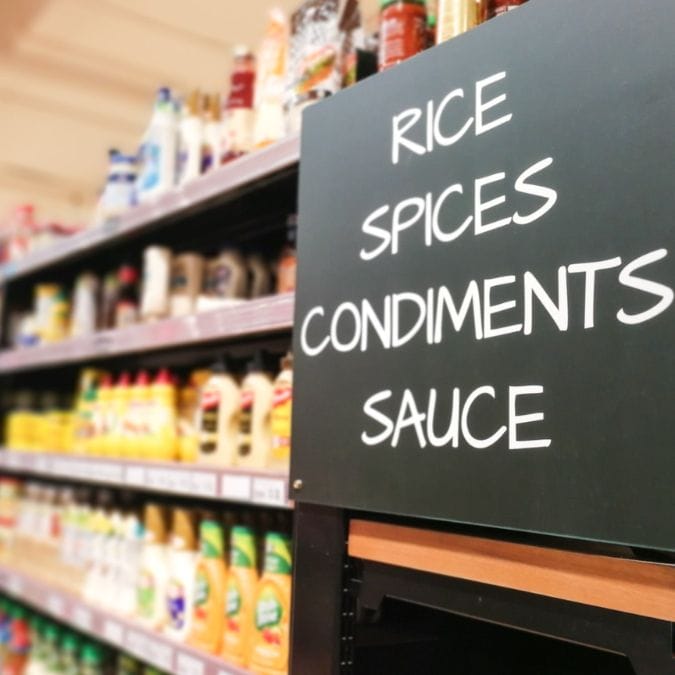
3. Condiments and Spices

condiments

123rf

Buying condiments and spices in large quantities can lead to waste. Most households can’t use a giant container of mustard or a pound of paprika before expiration. 

Not only does this negate any initial savings, but the loss of flavor over time also compromises the quality of your meals.

4. Sunscreen

sunscreen

123rf

Sunscreen has a limited shelf life, typically around three years, which can be even shorter if stored in high temperatures. Buying in bulk may mean you end up with expired sunscreen, which is less effective at protecting your skin. 

It’s wiser to purchase smaller quantities you can use within the expiration period.

5. Electronics

a man checking a phone

123rf

Warehouse stores are not always the best places for purchasing electronics. Their deals on TVs, laptops, and other gadgets might seem good, but they often feature older models. 

Additionally, electronic stores or online retailers often provide better warranties and return policies, which are crucial for significant purchases.

6. Pre-packaged Produce

fresh produce

123rf

Pre-packaged produce might look convenient, but it’s often more expensive per unit than local grocery stores. You also lose the ability to handpick the freshest items and are stuck with a large quantity that might spoil before you can use it all.

7. Diapers

bulk diapers

123rf

While buying diapers in bulk seems logical, it can be problematic due to sizing issues as babies grow. You might end up with a box of diapers that no longer fit your baby. 

It’s more practical to watch for sales at various retailers where you can buy the right size as needed.

8. Baking Ingredients

mother and child baking

123rf

Large bags of flour, sugar, or baking mixes might go to waste unless you frequently bake. These ingredients also have a shelf life and can develop bugs or go stale if stored too long. Smaller packages ensure freshness and reduce waste.

9. Canned Goods

canned goods

123rf

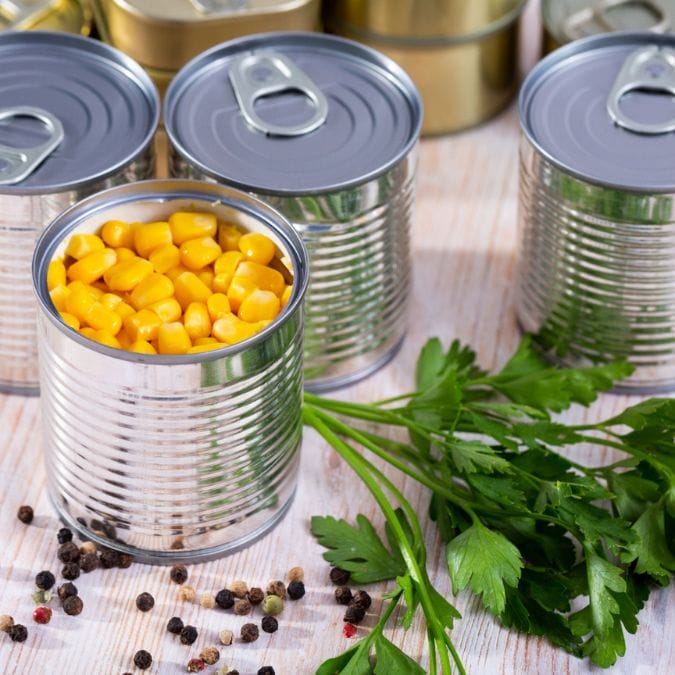
The savings on canned goods at warehouse stores can be minimal. Local supermarkets often have sales that beat warehouse prices, and you can buy quantities that match your actual needs without the risk of storing bulky items for long periods.

10. Paper Goods

toilet paper

123rf

While buying paper goods in bulk is common, prices at warehouse stores are not always competitive. Frequent sales at local grocery stores or through online subscriptions can offer better savings, plus you avoid storing massive quantities at home.

11. Over-the-Counter Medications

over the counter medicine

123rf

Bulk packages of medications can lead to having excess that you may never use. With expiration dates usually within a year or two, you could be wasting money on medication that goes unused. Smaller packs ensure you use all contents within their effective period.

12. Jewelry and Luxury Goods

jewelry

123rf

Warehouse stores often market jewelry as high-value items, but they are typically not the best places to make such personalized and significant investments. 

Specialty stores offer not just broader selections but also expert advice and better customer service, which are essential when buying luxury goods.

13. Specialty Cheeses

cheese

123rf

Warehouse stores may offer specialty cheeses in bulk, but the quality may vary, and the large quantities can lead to spoilage. Local delis or specialty stores provide a wider variety of fresh cheeses and, often, at competitive prices.

14. Pet Food

dog and pet food

123rf

Buying pet food in massive bags might save a few dollars, but it can compromise freshness and taste for your pet, particularly if it takes a long time to consume. Smaller bags ensure the food remains appetizing and nutritious for your furry friends.

Beware of These Rip-Offs 

wholesale store

123rf

Understanding what not to buy at warehouse stores can save you money, reduce waste, and ensure you get the best products available. 

Always weigh the pros and cons of bulk buying against your actual consumption, preferences, and storage capabilities to maximize your shopping trips.

Read More

13 Incredible Shopping Tips That Will Save You Money

Money-Saving Tricks for Online Shopping

Vanessa Bermudez
Vanessa Bermudez
Vanessa Bermudez is a content writer with over eight years of experience crafting compelling content across a diverse range of niches. Throughout her career, she has tackled an array of subjects, from technology and finance to entertainment and lifestyle. In her spare time, she enjoys spending time with her husband and two kids. She’s also a proud fur mom to four gentle giant dogs.

Filed Under: saving money Tagged With: bulk shopping, discounts, grocery shopping, Shopping, warehouse stores

FOLLOW US

Search this site:

Recent Posts

  • Can My Savings Account Affect My Financial Aid? by Tamila McDonald
  • 12 Ways Gen X’s Views Clash with Millennials… by Tamila McDonald
  • What Advantages and Disadvantages Are There To… by Jacob Sensiba
  • 10 Tactics for Building an Emergency Fund from Scratch by Vanessa Bermudez
  • Call 911: Go To the Emergency Room Immediately If… by Stephen Kanaval
  • 7 Weird Things You Can Sell Online by Tamila McDonald
  • 10 Scary Facts About DriveTime by Tamila McDonald

Copyright © 2026 · News Pro Theme on Genesis Framework