• Home
  • About Us
  • Toolkit
  • Getting Finances Done
    • Hiring Advisors
    • Debt Management
    • Spending Plan
  • Insurance
    • Life Insurance
    • Health Insurance
    • Disability Insurance
    • Homeowners/Renters Insurance
  • Contact Us
  • Risk Tolerance Quiz
  • Our Editorial Commitment

The Free Financial Advisor

You are here: Home / Archives for financial preparedness

8 Necessary Steps to Prepare for a Potential Hyperinflation Event

October 26, 2025 by Catherine Reed Leave a Comment

8 Necessary Steps to Prepare for a Potential Hyperinflation Event
Image source: shutterstock.com

The thought of prices skyrocketing overnight and money losing value is enough to make anyone uneasy. While hyperinflation is rare in stable economies, economic shocks, debt crises, or political instability can make it a genuine concern. The best defense isn’t panic—it’s preparation. By taking a few proactive measures, you can safeguard your finances, maintain purchasing power, and protect your family’s stability if inflation ever spins out of control. Here are eight practical steps to help you prepare for a potential hyperinflation event before it’s too late.

1. Build a Reserve of Essential Goods

When you prepare for a potential hyperinflation event, one of the smartest first steps is to stock up on everyday necessities. During hyperinflation, the cost of food, toiletries, and medicine can rise so rapidly that supplies become unaffordable or unavailable. Focus on non-perishable items like canned foods, dry grains, and hygiene products that can be stored for months or years. Having a steady inventory at home reduces dependence on unpredictable market prices. It also gives you peace of mind knowing your basic needs are covered even if currency value drops.

2. Diversify Your Income Streams

Relying on a single paycheck can be risky if the economy takes a sharp turn. To better prepare for a potential hyperinflation event, create multiple sources of income—whether through freelancing, side hustles, or small business ventures. Having several revenue streams can help offset wage devaluation if inflation erodes the real value of your earnings. Consider learning new skills or starting an online service that generates income in various currencies or asset types. The more flexible your earning potential, the better you can adapt to economic instability.

3. Invest in Tangible Assets

When paper money loses value, physical assets often hold steady or even appreciate. To prepare for a potential hyperinflation event, consider allocating part of your portfolio to tangible items like gold, silver, or real estate. Precious metals historically retain purchasing power during periods of monetary crisis. Similarly, land or property can provide long-term stability and potential rental income. Owning tangible assets ensures you have something of lasting value regardless of currency fluctuations.

4. Reduce and Eliminate Debt

Debt becomes dangerous when inflation gets out of hand. Interest rates may climb quickly, and adjustable-rate loans can become unmanageable. If you want to prepare for a potential hyperinflation event, pay off variable-rate debts as soon as possible and avoid taking on new liabilities. Focus on clearing credit card balances, personal loans, and any high-interest accounts that could spiral if rates rise. Being debt-free during economic turbulence gives you more control and fewer financial obligations to juggle.

5. Keep Emergency Cash and Bartering Items

It might sound counterintuitive, but having cash on hand can still be useful at the onset of hyperinflation. When you prepare for a potential hyperinflation event, set aside small denominations that can help during temporary disruptions in banking systems. However, once inflation accelerates, traditional currency may lose purchasing power quickly. That’s where bartering items—like canned food, batteries, and toiletries—can serve as alternative forms of trade. These goods often become valuable in local exchanges when paper money fails.

6. Strengthen Your Community Connections

No one can navigate a major economic disruption alone. One of the most overlooked ways to prepare for a potential hyperinflation event is to build relationships with neighbors, local farmers, and small business owners. Strong community networks can provide mutual support, access to local resources, and opportunities for bartering or skill-sharing. People who work together can pool resources and help stabilize each other’s needs. Investing in community trust today can be as valuable as financial preparation.

7. Learn Self-Sufficiency Skills

When inflation spirals, even basic services can become prohibitively expensive. That’s why learning self-sufficiency skills is a key way to prepare for a potential hyperinflation event. Start by learning practical abilities like gardening, home repair, or basic cooking from scratch. These skills reduce reliance on expensive goods and services while helping you stretch your resources further. Knowing how to fix, grow, or make what you need not only saves money—it empowers you to thrive under pressure.

8. Protect and Diversify Your Savings

Your bank account may not be as safe as it feels during economic instability. To prepare for a potential hyperinflation event, spread your savings across different forms of value. Keep a portion in traditional accounts for accessibility, but also consider alternatives like precious metals, stable foreign currencies, or inflation-protected bonds. Diversification prevents your entire nest egg from being tied to a single failing system. It’s about striking a balance between liquidity and long-term preservation.

Turning Preparation Into Peace of Mind

Preparing for a potential hyperinflation event doesn’t have to feel extreme—it’s simply a responsible step toward financial resilience. By taking practical measures today, you protect yourself from panic later. Focus on small, consistent actions that strengthen your financial position and reduce dependency on fragile systems. Whether or not hyperinflation occurs, these habits will leave you more stable and self-reliant. True financial confidence comes not from predicting the future, but from being ready for it.

What steps have you taken to safeguard your finances from inflation or other economic shocks? Share your strategies in the comments below!

What to Read Next…

  • 8 Genius Hacks to Beat Inflation While Maintaining Security
  • Could Ignoring Inflation Erase Decades of Savings
  • 8 Brutal Ways Inflation Punishes Retirees More Than Anyone Else
  • 10 Times Inflation Changed What Families Could Afford Overnight
  • Could the Cost of Raising Pets Outpace Inflation Itself
Catherine Reed
Catherine Reed

Catherine is a tech-savvy writer who has focused on the personal finance space for more than eight years. She has a Bachelor’s in Information Technology and enjoys showcasing how tech can simplify everyday personal finance tasks like budgeting, spending tracking, and planning for the future. Additionally, she’s explored the ins and outs of the world of side hustles and loves to share what she’s learned along the way. When she’s not working, you can find her relaxing at home in the Pacific Northwest with her two cats or enjoying a cup of coffee at her neighborhood cafe.

Filed Under: Personal Finance Tagged With: economic crisis, emergency planning, financial preparedness, hyperinflation, inflation protection, Personal Finance, wealth preservation

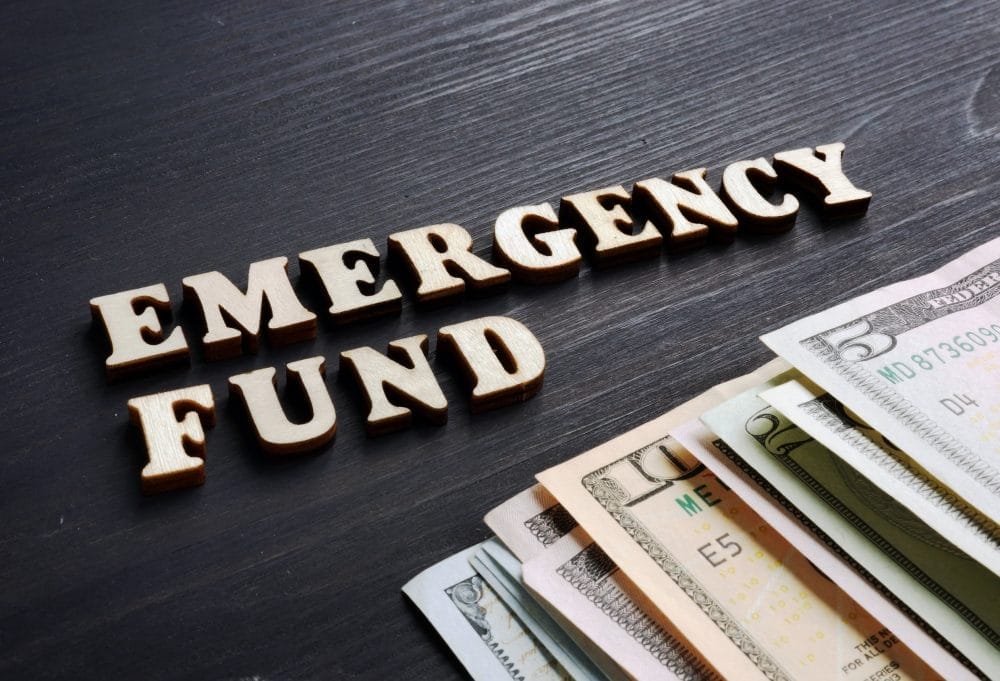
11 Essential Items to Include In Your Emergency Fund Check

October 8, 2025 by Catherine Reed Leave a Comment

11 Essential Items to Include In Your Emergency Fund Check
Image source: 123rf.com

An emergency fund isn’t just about having money saved—it’s about knowing exactly what that money should cover. Too often, people underestimate what emergencies really look like until one strikes. Building a strong financial safety net means reviewing your expenses regularly and ensuring your savings reflect real-world needs. Doing a detailed emergency fund check can help you spot gaps, prepare for unexpected costs, and keep your finances stable even during life’s toughest moments. Here are 11 items you should always include when reviewing your emergency fund check.

1. Rent or Mortgage Payments

Housing is non-negotiable, and it’s usually your largest monthly expense. Make sure your emergency fund check includes at least three to six months of rent or mortgage payments. Losing your home during a financial crisis can make recovery much harder. Whether you’re a renter or homeowner, having this cushion ensures you can stay secure while you get back on your feet. Think of it as the foundation your entire safety net rests on.

2. Utilities and Basic Services

When planning your emergency fund check, don’t overlook essentials like electricity, water, gas, and internet. These services keep your home functional and connected, especially if you’re job hunting or managing family responsibilities. Even during tough times, utilities are rarely optional. Calculate your average monthly costs and multiply by the number of months your fund covers. Including these ensures you can maintain stability and comfort during a financial disruption.

3. Groceries and Household Essentials

Food is another necessity that needs to be part of every emergency fund check. While you can trim dining-out costs during hard times, grocery bills won’t disappear. Budget realistically for basic meals, cleaning supplies, and toiletries your household uses regularly. Planning ahead prevents panic spending when funds are tight. Having this category covered helps you focus on solutions, not survival.

4. Transportation Costs

Getting to work—or looking for one—depends on reliable transportation. Whether it’s gas, public transit fares, car insurance, or maintenance, include these in your emergency fund check. Even small repairs can derail your budget if you’re unprepared. Factor in what it takes to keep your vehicle or commute running smoothly. Reliable transportation keeps your income opportunities within reach.

5. Health Care and Prescriptions

Medical costs often strike unexpectedly, which makes this category crucial in your emergency fund check. Even if you have insurance, deductibles, copays, and prescription costs can add up quickly. Budget enough to cover a few medical visits or essential medications. Good health directly impacts your ability to work and manage finances effectively. Setting aside funds for this category offers both financial and physical peace of mind.

6. Debt Payments

Debt doesn’t pause just because life gets difficult. Make sure your emergency fund check includes minimum payments for credit cards, student loans, or personal loans. Staying current protects your credit score and avoids additional fees or penalties. If things worsen, you can negotiate with lenders, but having enough set aside buys you time. Prioritizing these obligations keeps your financial reputation intact.

7. Insurance Premiums

Missing insurance payments can leave you exposed to bigger risks later. Add health, auto, and home or renters’ insurance premiums to your emergency fund check. These policies are your backup during unexpected loss or damage, so keeping them active is vital. Even a short lapse in coverage can create huge liabilities. By budgeting for premiums, you ensure your safety nets stay intact during any crisis.

8. Childcare and Education Costs

If you have children, this is one expense you can’t afford to skip. Include daycare, school fees, or after-school program costs in your emergency fund check. Kids still need care, learning materials, and stability even when your finances take a hit. These expenses can also free you up to search for new work or focus on recovery. Covering childcare ensures your family’s routines remain consistent, even during uncertainty.

9. Pet Care Expenses

For pet owners, veterinary emergencies or even basic supplies can add up. Don’t forget to include pet food, medications, and occasional vet visits in your emergency fund check. Pets are part of the family, and caring for them shouldn’t become an added stress during a financial crisis. Even setting aside a small amount helps manage surprise expenses. Planning for them now prevents difficult choices later.

10. Unexpected Repairs and Maintenance

Life happens—appliances break, cars stall, and roofs leak. An effective emergency fund check should account for these unpredictable yet inevitable costs. Even a small buffer for home or vehicle repairs can prevent you from dipping into savings meant for bigger emergencies. Think of this as your “problem-solving” category. Having this covered ensures a broken refrigerator doesn’t spiral into a financial setback.

11. Emergency Communication and Technology

If a crisis hits, staying connected becomes essential. Add phone, data, or minimal tech replacement costs to your emergency fund check. A working phone or internet connection is critical for job searches, virtual meetings, or contacting emergency services. It may seem minor, but losing connectivity can isolate you quickly. Keeping this category in your fund ensures you can respond efficiently to any situation.

Building Confidence Through a Complete Emergency Fund Check

A well-rounded emergency fund check isn’t just about numbers—it’s about security, confidence, and preparedness. Covering these essential items means you’re not just reacting to crises but actively planning for them. Regularly reviewing and adjusting your fund ensures it stays aligned with your current lifestyle and expenses. When life throws surprises your way, your emergency fund becomes your financial safety harness. Preparing now gives you peace of mind that no matter what happens, you can stay steady and secure.

What’s one category you think people often forget in their emergency fund check? Have you updated yours recently? Share your insights in the comments below!

What to Read Next…

What Happens When You Live Without Emergency Savings

5 Emergency Repairs That Could Force You Into Debt Overnight

Why Do Families Rely on Payday Loans in Emergencies

10 Financial Dangers of Skipping Emergency Funds

Why Do High Earners Still Struggle With Emergency Savings

Catherine Reed
Catherine Reed

Catherine is a tech-savvy writer who has focused on the personal finance space for more than eight years. She has a Bachelor’s in Information Technology and enjoys showcasing how tech can simplify everyday personal finance tasks like budgeting, spending tracking, and planning for the future. Additionally, she’s explored the ins and outs of the world of side hustles and loves to share what she’s learned along the way. When she’s not working, you can find her relaxing at home in the Pacific Northwest with her two cats or enjoying a cup of coffee at her neighborhood cafe.

Filed Under: Personal Finance Tagged With: budgeting, Debt Management, emergency fund, financial preparedness, money management, Personal Finance, Planning, saving money, savings tips

6 Surprising Costs That Hit Families After Natural Disasters

September 5, 2025 by Catherine Reed Leave a Comment

6 Surprising Costs That Hit Families After Natural Disasters
Image source: 123rf.com

Natural disasters leave more behind than damaged property and emotional stress. Even with insurance, families often discover a series of unexpected expenses that pile up quickly. These hidden costs can throw budgets off balance and create long-term financial challenges. Understanding the surprising costs that hit families after natural disasters helps households prepare smarter and recover faster.

1. Temporary Housing Expenses

When homes are unlivable, families often need hotels, rentals, or even extended stays with relatives. Insurance may cover some housing costs, but policies often come with limits or delays in payment. Rent in disaster-affected areas can skyrocket due to demand, leaving families paying far more than expected. Even small extras, like daily meals out while living in a hotel, add up quickly. Temporary housing is one of the most common surprising costs that hit families after natural disasters.

2. Lost Income from Work Disruptions

Storms, floods, or wildfires don’t just damage homes—they also interrupt livelihoods. Businesses may close for weeks, and workers can lose wages if they don’t have paid leave or remote options. Self-employed individuals often face even bigger setbacks, as clients cancel projects and income dries up. Rebuilding personal income takes longer than expected, straining family budgets. Lost wages are among the surprising costs that hit families after natural disasters that few think about until it happens.

3. Rising Insurance Deductibles and Gaps

Many families assume insurance will cover everything, but policies often have high deductibles or exclusions. Floods, earthquakes, and wind damage may require separate coverage, leaving gaps in protection. Even when coverage applies, the deductible amount can be thousands of dollars. Additional out-of-pocket expenses can overwhelm families already dealing with stress. Insurance shortfalls are one of the key surprising costs that hit families after natural disasters.

4. Transportation and Relocation Costs

Disasters often damage vehicles, forcing families to pay for repairs, rentals, or replacements. Gas and travel expenses rise if families must commute longer distances while living in temporary housing. Relocation costs, such as hiring movers or paying storage fees, can sneak up quickly. These added expenses pile on top of already strained budgets. Transportation disruptions are another example of surprising costs that hit families after natural disasters.

5. Replacing Essentials Beyond the Home

Even when homes are repairable, everyday essentials are often lost. Clothing, furniture, electronics, school supplies, and kitchen items may all need replacing. Insurance coverage for personal belongings is often capped, meaning families receive only a fraction of replacement value. These smaller items add up to thousands of dollars in unexpected spending. Replacing basics is one of the overlooked surprising costs that hit families after natural disasters.

6. Emotional and Health-Related Expenses

The toll of disasters isn’t just financial—it’s physical and emotional as well. Families may need counseling services, prescription refills, or medical treatment for stress-related conditions. Relocating can disrupt healthcare access, forcing families to pay out-of-pocket for immediate care. Even children may require extra support to cope with the trauma of losing stability. Health-related needs highlight another of the surprising costs that hit families after natural disasters.

Preparing for the Unexpected Before It Strikes

While no one can control when disaster will hit, families can take steps to reduce the financial shock. Emergency savings, updated insurance policies, and disaster plans provide a crucial safety net. Recognizing the surprising costs that hit families after natural disasters ensures households don’t underestimate the true price of recovery. With foresight and preparation, families can focus on rebuilding their lives instead of struggling to cover hidden bills. Protecting finances ahead of time makes all the difference when the unexpected happens.

Have you or someone you know faced hidden costs after a natural disaster? Share your experiences and advice in the comments below.

What to Read Next…

7 Times Living Paycheck to Paycheck Comes With Hidden Costs

8 Hidden Costs of Raising Children That Are Rarely Discussed

7 Financial Surprises That Hit Families After Relocation

9 Hidden Costs of Early Retirement Nobody Plans For

7 Big Purchases That Advisors Say People Regret More Than Anything Else

Catherine Reed
Catherine Reed

Catherine is a tech-savvy writer who has focused on the personal finance space for more than eight years. She has a Bachelor’s in Information Technology and enjoys showcasing how tech can simplify everyday personal finance tasks like budgeting, spending tracking, and planning for the future. Additionally, she’s explored the ins and outs of the world of side hustles and loves to share what she’s learned along the way. When she’s not working, you can find her relaxing at home in the Pacific Northwest with her two cats or enjoying a cup of coffee at her neighborhood cafe.

Filed Under: Personal Finance Tagged With: disaster recovery, emergency planning, family finances, financial preparedness, hidden costs, Insurance, natural disasters, Personal Finance

What Would Happen to Your Plan in a Trade-Tariff Spiral

August 25, 2025 by Catherine Reed Leave a Comment

What Would Happen to Your Plan in a Trade-Tariff Spiral
Image source: 123rf.com

When global trade tensions flare, ordinary families can feel the effects in surprising ways. A trade-tariff spiral doesn’t just impact big corporations and governments—it trickles down to household budgets, retirement accounts, and everyday financial plans. From higher prices at the grocery store to volatility in the stock market, your money may feel the strain faster than expected. Preparing for these changes can help you avoid costly surprises and keep your long-term financial goals intact. Understanding the risks is the first step in making sure your plan remains resilient.

1. Rising Consumer Prices Become a Daily Strain

One of the most immediate impacts of a trade-tariff spiral is higher prices for everyday goods. When tariffs are imposed, imported products cost more, and companies often pass that expense directly to consumers. Groceries, electronics, and clothing are just a few categories that can see rapid price hikes. For families on tight budgets, this makes it harder to stick to a financial plan. If your spending projections don’t account for inflation from tariffs, your plan may fall short.

2. Investment Portfolios Face Market Volatility

Stock markets react quickly to news of a trade-tariff spiral, often with sharp declines and unpredictable swings. Companies that rely on global supply chains, especially in technology and manufacturing, may see their profits shrink. For investors, this means retirement accounts and brokerage balances can take sudden hits. If your plan relies heavily on equities, those losses could disrupt your long-term projections. Building in flexibility and diversification helps soften the impact of tariff-driven volatility.

3. Retirement Timelines May Need Adjusting

A prolonged trade-tariff spiral can alter when you can comfortably retire. If markets remain unstable, the value of retirement accounts may not grow as expected, forcing some to delay their exit from the workforce. Rising costs also eat into fixed-income plans, leaving less disposable income for retirees. Adjusting your timeline by even a few years can have a big effect on long-term security. Planning ahead for possible setbacks ensures you’re not caught off guard.

4. Job Security and Income Could Be Threatened

Industries tied to imports and exports often feel the sting of a trade-tariff spiral most directly. Manufacturing jobs, agricultural work, and transportation roles can experience slowdowns as international business becomes more expensive. For employees, this can translate into layoffs, reduced hours, or stagnant wages. A sudden drop in income puts pressure on savings goals and debt repayment plans. Families should consider how to build an emergency fund that protects them from these scenarios.

5. Small Businesses May Struggle to Compete

If you own or work for a small business, a trade-tariff spiral could present serious challenges. Smaller companies often have fewer resources to absorb rising supply costs compared to large corporations. This means prices for customers rise, or profit margins shrink dramatically. When small businesses struggle, communities feel the ripple effects in jobs and services. Including contingency strategies in your financial plan can help mitigate these risks.

6. Debt Becomes Harder to Manage

When living costs rise and incomes stagnate, managing debt becomes increasingly difficult. Credit card balances can grow faster, and loan payments may feel heavier on the budget. If interest rates climb during a trade-tariff spiral, repayment costs rise even more. Families already balancing debt could see their plans unravel if they don’t adapt quickly. Keeping debt low and manageable provides more stability when outside forces affect the economy.

7. College Savings May Fall Short

Families saving for education also need to prepare for disruptions from a trade-tariff spiral. Investment accounts like 529 plans can lose value during market downturns, shrinking future tuition funds. At the same time, higher household costs make it harder to contribute consistently. This combination leaves college savings plans falling short of their targets. Revisiting savings goals and adjusting contributions helps keep education funding on track.

8. Long-Term Goals Require Flexibility

No financial plan is immune to disruption, and a trade-tariff spiral is a prime example of why flexibility is key. Families who treat their plan as a living document are better equipped to pivot when the economy shifts. Adjusting spending, rebalancing investments, or revisiting retirement timelines can keep goals achievable. The ability to adapt is what separates successful plans from those that collapse under pressure. Building resilience into your strategy ensures it can withstand uncertainty.

Preparing for the Unexpected in Global Markets

A trade-tariff spiral can feel overwhelming, but proactive planning makes all the difference. By anticipating rising prices, potential income disruptions, and market swings, you can protect your household finances. Reviewing your plan regularly with these risks in mind ensures you aren’t caught off guard. While you can’t control global trade policy, you can control how prepared you are to handle its effects. True financial security comes from readiness, not predictions.

How would your family adjust its financial plan if a trade-tariff spiral drove up costs and shook the markets? Share your thoughts in the comments!

Read More:

6 Ways the “One Big Beautiful Bill” Could Backfire on Retirees

How a New $6,000 Deduction Could Erase Your Tax Bill—Then Suddenly Disappear

Catherine Reed
Catherine Reed

Catherine is a tech-savvy writer who has focused on the personal finance space for more than eight years. She has a Bachelor’s in Information Technology and enjoys showcasing how tech can simplify everyday personal finance tasks like budgeting, spending tracking, and planning for the future. Additionally, she’s explored the ins and outs of the world of side hustles and loves to share what she’s learned along the way. When she’s not working, you can find her relaxing at home in the Pacific Northwest with her two cats or enjoying a cup of coffee at her neighborhood cafe.

Filed Under: Finance Tagged With: Budgeting Tips, family finances, financial preparedness, global economy, investment strategies, retirement planning, trade-tariff spiral

10 Questions Widows Wish Advisors Had Told Them Before It Was Too Late

August 13, 2025 by Catherine Reed Leave a Comment

10 Questions Widows Wish Advisors Had Told Them Before It Was Too Late
Image source: 123rf.com

Losing a spouse is a devastating emotional experience, and it can be equally overwhelming financially. In the midst of grief, many widows discover that critical financial conversations never took place — and that their advisors never asked the right questions in time. This lack of preparation can lead to missed benefits, unexpected tax burdens, and irreversible money mistakes. The questions widows wish advisors had told them before it was too late are not complicated, but they can make the difference between stability and financial hardship. Here are ten that every couple should address sooner rather than later.

1. Do You Know Where Every Account and Policy Is Located?

Many widows find themselves hunting through paperwork, old emails, and safety deposit boxes to locate accounts they didn’t even know existed. Advisors should ensure couples keep an updated master list of bank accounts, investment portfolios, insurance policies, and retirement plans. Without this information, assets can be overlooked or lost entirely. Knowing where everything is ahead of time saves stress and prevents missed claims. This is one of the most basic questions widows wish advisors had told them before it was too late.

2. Who Are the Beneficiaries on All Your Accounts?

Beneficiary designations override wills, yet many people forget to update them after major life events. A widow may be shocked to learn that an ex-spouse or distant relative is still listed on a retirement account. Advisors should review these designations annually to ensure they reflect current wishes. Outdated beneficiaries can cause long and costly legal battles. A few minutes of review can save years of conflict.

3. How Will Social Security Survivor Benefits Work for You?

Many widows are unaware of the rules for claiming survivor benefits, such as eligibility age, reduced benefit amounts, and timing strategies. Without this knowledge, they may claim too early and permanently reduce their income. Advisors should explain how to maximize survivor benefits while coordinating them with other retirement income. These benefits can be a lifeline if managed correctly. Unfortunately, too many widows only learn the rules after making an irreversible choice.

4. Do You Understand the Tax Impact of Losing a Spouse?

The year after a spouse dies, a widow may face a higher tax rate due to the change in filing status. Advisors should prepare clients for this “widow’s penalty” and suggest strategies to reduce the impact. Selling assets, transferring accounts, or withdrawing from retirement funds can all have tax consequences. Without guidance, widows risk paying far more than necessary. This is a financial shock many say they wish they had been warned about.

5. What Debts Will You Be Responsible For?

Some debts, like certain credit cards or loans, may still fall on the surviving spouse depending on state laws. Advisors should clarify which debts are joint, which are individual, and how they will be handled after a death. Without this knowledge, widows can be blindsided by collection calls and unexpected bills. Knowing this ahead of time allows for better planning and possible insurance coverage to offset risks. Clear answers here can prevent costly surprises.

6. Will You Be Able to Afford to Stay in Your Home?

A family home may be full of memories, but it can also be an expensive burden after losing a spouse’s income. Advisors should help evaluate the true costs of staying — including taxes, maintenance, and utilities — versus downsizing. Widows who delay this conversation may drain their savings trying to keep a home they can no longer afford. Early planning can keep emotions from driving unsustainable financial decisions. This is a key question that often goes unasked until it’s too late.

7. Do You Have an Emergency Cash Reserve?

When a spouse passes, benefits and insurance payouts may take weeks or months to process. Advisors should encourage couples to maintain a liquid emergency fund that can cover living expenses during this gap. Without it, widows may have to rely on credit cards or loans at the worst possible time. A dedicated cash reserve can prevent unnecessary debt and financial stress during a vulnerable period. This one step offers priceless peace of mind.

8. What Insurance Benefits Can You Claim Immediately?

Life insurance policies, employer-provided coverage, and certain veteran benefits may be available right away — but only if you know about them and how to claim them. Advisors should create a checklist for surviving spouses so nothing is missed. Delays in filing can sometimes reduce the amount received or cause benefits to expire. Widows who lack this information may lose out on crucial financial support. Immediate claims can make the difference between stability and struggle.

9. Are Your Legal Documents Up to Date?

Wills, powers of attorney, and healthcare directives should be current and reflect both spouses’ wishes. Advisors should work alongside estate planning attorneys to ensure these documents are in place before a crisis. Outdated or missing documents can lead to expensive legal delays and decisions being made by the courts. Widows often discover too late that paperwork wasn’t completed or updated. These conversations need to happen while both spouses are still able to make choices together.

10. What Is Your Long-Term Income Plan?

After a spouse’s death, income sources may shift dramatically — pensions may be reduced, benefits may stop, and investments may need to be reallocated. Advisors should provide widows with a clear picture of where future income will come from and how long it will last. Without this plan, widows may overspend early or take too much risk with investments. A well-designed strategy offers both financial and emotional security. This is one of the most vital questions widows wish advisors had told them before it was too late.

Preparation Today Protects Peace of Mind Tomorrow

The questions widows wish advisors had told them before it was too late are often simple but deeply important. Addressing them early gives couples time to make decisions together and ensures that surviving spouses are not left scrambling. Advisors who guide clients through these conversations provide more than financial advice — they offer lasting stability during life’s most difficult transitions. The best time to prepare is now, while the opportunity to act is still there.

Have you had these conversations with your advisor? Share your thoughts in the comments — your insight could help someone else prepare.

Read More:

6 Statements Widows Hear That Can Void Joint Checking Accounts

10 Financial Questions That Could Reveal You’re Being Advised Poorly

Catherine Reed
Catherine Reed

Catherine is a tech-savvy writer who has focused on the personal finance space for more than eight years. She has a Bachelor’s in Information Technology and enjoys showcasing how tech can simplify everyday personal finance tasks like budgeting, spending tracking, and planning for the future. Additionally, she’s explored the ins and outs of the world of side hustles and loves to share what she’s learned along the way. When she’s not working, you can find her relaxing at home in the Pacific Northwest with her two cats or enjoying a cup of coffee at her neighborhood cafe.

Filed Under: Financial Advisor Tagged With: advisor tips, Estate planning, financial preparedness, retirement income, surviving spouse finances, widow financial planning

FOLLOW US

Search this site:

Recent Posts

  • Can My Savings Account Affect My Financial Aid? by Tamila McDonald
  • 12 Ways Gen X’s Views Clash with Millennials… by Tamila McDonald
  • What Advantages and Disadvantages Are There To… by Jacob Sensiba
  • 10 Tactics for Building an Emergency Fund from Scratch by Vanessa Bermudez
  • Call 911: Go To the Emergency Room Immediately If… by Stephen Kanaval
  • 7 Weird Things You Can Sell Online by Tamila McDonald
  • 10 Scary Facts About DriveTime by Tamila McDonald

Copyright © 2026 · News Pro Theme on Genesis Framework