
• Home
  • About Us
  • Toolkit
  • Getting Finances Done
    • Hiring Advisors
    • Debt Management
    • Spending Plan
  • Insurance
    • Life Insurance
    • Health Insurance
    • Disability Insurance
    • Homeowners/Renters Insurance
  • Contact Us
  • Risk Tolerance Quiz
  • Our Editorial Commitment

The Free Financial Advisor

You are here: Home / Archives for vehicle security

7 Everyday Car Items Thieves Are Watching for Right Now

November 17, 2025 by Travis Campbell Leave a Comment

Car Thief
Image source: shutterstock.com

Most car thefts begin with drivers leaving items inside their vehicles, which are then stolen by thieves in dark parking areas and urban streets. Thieves seek fast access to stolen items, so any visible object in plain view becomes an attractive target. A person can steal from your car during any brief period when you stop at a store or school to drop off your children. Regular interior checks of your car help protect it from break-ins, as this practice helps prevent future security issues from occurring. Knowledge about car theft initiation points helps you prevent thieves from taking advantage of your situation.

1. Wallets and Loose Cash

Nothing draws attention faster than cash or a wallet on a seat. Thieves want small items they can grab in seconds, and they know a wallet usually includes far more than money. IDs, bank cards, gift cards, and membership passes can all be misused long after the thief leaves the scene.

Many drivers assume loose cash is harmless, but even a few bills can suggest that something more valuable is tucked away. This is how a quick smash-and-grab escalates from curiosity into full-blown car theft when thieves believe better items might be hidden elsewhere in the vehicle.

2. Laptops and Tablets

A laptop bag looks expensive even if it only holds a few cables. Criminals rarely assume it contains nothing important. Portable electronics resell easily, and thieves know buyers rarely ask where they came from.

Even when devices are powered off, they sometimes broadcast Bluetooth signals. Some thieves use scanners to detect them, which increases the chance of a break-in. Leaving electronics in your trunk before reaching your destination is safer than moving them once you arrive, when someone could be watching.

3. Keys and Key Fobs

Car keys left inside a vehicle can immediately escalate into full car theft. A thief no longer needs to break or hotwire anything—they simply drive away. People often hide spare keys in cupholders, center consoles, or seat pockets, assuming nobody will look there. Thieves check those spots first.

Some criminals also watch for key fobs left in gym bags or backpacks. Modern cars often unlock or start if the fob is close enough, which can make the entire vehicle an easy target. A fob left overnight inside a car can even let someone get in without breaking a window.

4. Mail and Packages

Mail feels boring, but it contains personal data that can be misused. Bank statements, tax letters, or insurance documents provide thieves with enough information to attempt identity theft. Even junk mail can reveal your address and make you an easier target later.

Packages left in cars signal that something new or valuable might be inside. Thieves assume small boxes carry electronics, and they move fast. Car theft often begins with someone spotting a simple package and guessing that it leads to something bigger worth stealing.

5. Shopping Bags

Branded shopping bags are an advertisement for potential loot. A bag from an athletic store, electronics retailer, or home goods chain can draw attention even if the item inside is inexpensive.

Even reusable grocery bags can be targeted because thieves know people sometimes leave wallets or keys buried under produce or receipts. When someone believes a car might contain something worth money, they rarely hesitate.

6. Garage Door Openers

This small device provides thieves with direct access to your home. Breaking into a car is one thing but entering a house while you’re away is far more damaging. A thief who grabs a garage opener can quickly follow it to your address if your registration paperwork is also in the glove compartment.

That combination—garage opener plus personal details—creates an opportunity for a second crime. Many victims don’t realize a break-in is coming until days later.

7. Phone Chargers and GPS Mounts

These small items may not be valuable on their own, but they hint at the presence of more expensive electronics hidden somewhere in the car. A charger suggests a phone or tablet might be tucked in a console or under a seat. A GPS mount tells thieves that a navigation device could be within reach.

Some criminals move fast and don’t bother checking whether anything else is inside. Others return later, assuming the car will eventually contain the electronics usually paired with those accessories. This is one of the subtle ways car theft patterns start.

Keeping Your Vehicle a Low-Interest Target

The selection of small actions determines how well you can stop thieves from stealing your property. Your vehicle becomes less noticeable to thieves when you keep attractive items out of sight because it blends with its environment instead of drawing attention. The process of car theft begins when thieves make quick decisions based on their assessment of a vehicle’s value. Your vehicle becomes more secure when you remove all visible clues and attractive items because this strategy deters potential intruders.

People commonly forget to remove their gym bags, old laptops, and shopping bags containing their purchases from their vehicles. Do you tend to store personal belongings inside your vehicle for longer periods than you should?

What to Read Next…

  • 9 Cities Where Car Theft Is Becoming a Daily Occurrence
  • 8 Things You’re Doing That Make Criminals Think You’re an Easy Target
  • 7 Places Criminals Watch Before Picking a Home to Rob
  • 8 Common Home Security Features That Aren’t as Safe as You Think
  • What That New Car Smell Might Be Hiding Legally
Travis Campbell
Travis Campbell

Travis Campbell is a digital marketer/developer with over 10 years of experience and a writer for over 6 years. He holds a degree in E-commerce and likes to share life advice he’s learned over the years. Travis loves spending time on the golf course or at the gym when he’s not working.

Filed Under: Car Tagged With: auto tips, car theft, Personal Finance, safety, vehicle security

9 Cities Where Car Theft Is Becoming a Daily Occurrence

July 25, 2025 by Travis Campbell Leave a Comment

car theft
Image Source: unsplash.com

Car theft is not just a big-city problem anymore. It’s happening in places you might not expect, and it’s happening more often. If you own a car, this matters. You work hard for your vehicle, and losing it can throw your life off track. Insurance rates go up, and you might have to pay out of pocket for a rental or repairs. Knowing where car theft is rising can help you protect yourself and your car. Here are nine cities where car theft is now a daily risk, plus some tips to keep your vehicle safe.

1. Oakland, California

Oakland has seen a sharp rise in car thefts. Thieves target both older and newer cars. Some people leave their cars running while grabbing coffee or food, making them easy targets. Parking on the street overnight is risky. If you live here, always lock your car and never leave valuables inside. Consider a steering wheel lock or a GPS tracker. Even a simple alarm can make a difference.

2. Denver, Colorado

Denver’s car theft numbers have jumped in the last few years. Many thefts happen in apartment parking lots and public garages. Thieves often look for cars with key fobs left inside. If you park in a lot, choose a spot near lights or cameras. Don’t leave your keys in the car, even for a minute. If you have a garage, use it. Denver police recommend etching your VIN on windows to make your car less attractive to thieves.

3. Albuquerque, New Mexico

Albuquerque has one of the highest car theft rates in the country. Many stolen cars are used for other crimes or stripped for parts. Thieves often work in teams and move fast. If you live in Albuquerque, park in well-lit areas and use anti-theft devices. Don’t leave your registration or title in the car. If your car is stolen, report it right away. Quick action can help police recover your vehicle.

4. Seattle, Washington

Seattle’s car theft problem is growing. Thieves target neighborhoods with lots of street parking. Older Hondas and Toyotas are common targets because they’re easy to steal and sell for parts. If you drive one of these models, consider extra security. Park in a garage if you can. If not, use a steering wheel lock. Seattle police also suggest installing a kill switch or immobilizer.

5. Memphis, Tennessee

Memphis has seen a big increase in car thefts, especially in the last year. Many thefts happen at night in residential areas. Thieves often break windows to grab valuables, then steal the car. If you live in Memphis, don’t leave anything in plain sight. Lock your doors and roll up your windows. If you have a home security camera, aim it at your driveway. Even a fake camera can scare off some thieves.

6. Chicago, Illinois

Chicago’s car theft numbers are up, especially in certain neighborhoods. Thieves use technology to hack keyless entry systems. They can unlock and start your car in seconds. If you have a keyless car, keep your fob in a signal-blocking pouch at home. Park in busy areas with lots of foot traffic. If you see someone acting suspiciously near cars, call the police.

7. Houston, Texas

Houston is a hotspot for car theft, with many cases reported every day. Thieves often target trucks and SUVs, which are easy to resell or ship overseas. Many thefts happen at shopping centers and gas stations. If you drive a truck or SUV, use a visible anti-theft device. Don’t leave your car running while you run inside a store. Houston police recommend parking close to entrances and under lights.

8. Portland, Oregon

Portland’s car theft rate has climbed, especially in the last two years. Many thefts happen in broad daylight. Thieves often look for unlocked cars or cars with windows cracked open. If you live in Portland, double-check your locks before walking away. Don’t leave spare keys in or near your car. Some people use window decals to warn thieves about alarms or trackers. It’s a small step, but it can help.

9. St. Louis, Missouri

St. Louis has a long-standing car theft problem, and it’s getting worse. Thieves often target cars parked on the street overnight. Many stolen cars are used in other crimes or are abandoned. If you live in St. Louis, park in a garage if possible. If not, park under a streetlight. Use a steering wheel lock or alarm. St. Louis police also suggest joining a neighborhood watch group. Working together can help keep your area safer.

Staying Ahead of Car Thieves

Car theft is a real problem in these cities, but you can lower your risk. Simple steps like locking your doors, parking in well-lit areas, and using anti-theft devices make a difference. Stay alert to what’s happening in your neighborhood. Share tips with friends and family. If you see something suspicious, report it. Protecting your car is about being aware and taking action. The more you know, the safer you and your vehicle will be.

Have you noticed more car thefts in your city? What steps are you taking to keep your car safe? Share your thoughts in the comments.

Read More

Why Amazon Packages Are Now Being Stolen by Bots

The Silent Theft: How to Spot a Relative Stealing from Your Elderly Parents

Travis Campbell
Travis Campbell

Travis Campbell is a digital marketer/developer with over 10 years of experience and a writer for over 6 years. He holds a degree in E-commerce and likes to share life advice he’s learned over the years. Travis loves spending time on the golf course or at the gym when he’s not working.

Filed Under: safety Tagged With: auto insurance, car theft, city safety, crime prevention, stolen cars, urban safety, vehicle security

What It Means If Your Car Alarm Suddenly Goes Off for No Reason

April 23, 2025 by Travis Campbell Leave a Comment

inside car
Image Source: unsplash.com

Have you ever been startled awake at 3 AM by your car alarm blaring in the driveway? Or perhaps you’ve returned to a parking lot to find concerned onlookers staring at your vehicle as its alarm screams for attention. Random car alarm activations aren’t just annoying—they can signal potential security issues, electrical problems, or sensor malfunctions that deserve your attention. Understanding why your car alarm suddenly goes off can help you determine whether it’s a minor glitch or a serious concern requiring immediate action. Let’s explore what these mysterious activations might mean and how you should respond when your vehicle creates its own midnight symphony.

1. Sensitive Shock Sensors Overreacting

Modern vehicles come equipped with sophisticated shock sensors designed to detect impacts or movement. These sensors can sometimes be overly sensitive, triggering your alarm when a heavy truck rumbles by, during thunderstorms, or even when a shopping cart gently bumps your vehicle. Many newer car models allow you to adjust the sensitivity of these sensors through your vehicle’s settings menu or with help from your dealership.

Your shock sensors might be too sensitive if your alarm frequently activates in high-traffic areas or during stormy weather. Consider recalibrating them to respond only to significant impacts rather than minor environmental vibrations. According to a study by the Insurance Institute for Highway Safety, properly calibrated alarm systems reduce false alarms by up to 70% while maintaining adequate security protection.

Adjusting these settings doesn’t compromise your vehicle’s security—it simply makes your alarm system more discerning about what constitutes a genuine threat versus normal environmental factors.

2. Battery Issues Causing Electrical Glitches

Your car’s electrical system depends on a healthy battery. As batteries age or deteriorate, they can cause various electrical malfunctions, including random alarm activations. When battery voltage drops below certain thresholds, it can create erratic electrical signals that your car’s computer might interpret as security threats.

Signs that your battery might be causing alarm issues include:

  • Alarm activations that coincide with starting difficulties
  • Dashboard warning lights are appearing alongside alarm problems
  • Intermittent electrical issues affecting other vehicle systems

A simple battery test at your local auto parts store can determine if your battery maintains a proper charge. According to Consumer Reports, most car batteries last between three and five years, so if yours is approaching this age range, replacement might resolve your alarm issues while preventing more serious electrical problems down the road.

3. Key Fob Malfunctions Sending False Signals

That small device on your keychain plays a crucial role in your vehicle’s security system. Key fobs can develop internal issues that cause them to send random signals to your vehicle, including unintentional alarm activation commands. Battery degradation within the FOB, water damage, or internal component failures can all contribute to these phantom signals.

Try replacing your key fob battery first, as this simple fix resolves many random alarm activations. If problems persist, your key fob might need reprogramming or replacement. Many vehicles also allow you to deactivate certain alarm functions temporarily through a sequence of key turns or button presses detailed in your owner’s manual—a helpful workaround until you can properly address the issue.

4. Door Latch Sensor Malfunctions

Your car monitors whether doors are closed adequately through a network of door latch sensors. When these sensors malfunction, they may incorrectly signal that a door is being opened, triggering the alarm system. This commonly occurs in vehicles with aging door components or those exposed to harsh weather conditions.

Remember whether your alarm activations coincide with specific weather changes, like heavy rain or extreme temperature fluctuations, as moisture and temperature can affect sensor performance. Having your door latch sensors inspected and cleaned by a professional can often resolve these issues without major component replacement.

5. Aftermarket Alarm System Complications

If your vehicle has an aftermarket alarm system installed, compatibility issues with your car’s factory electronics might be causing random activations. These systems sometimes conflict with the vehicle’s onboard computer, especially after software updates or as components age.

According to automotive security specialists, vehicles with aftermarket systems experience nearly twice as many false alarms as those with factory-installed security. Consider having a professional evaluate whether your aftermarket system is properly integrated with your vehicle’s electronics or whether returning to the factory security system might be more reliable.

6. Environmental Triggers Fooling Your Sensors

Your car’s alarm system relies on various environmental sensors that unexpected conditions can fool. Ultrasonic sensors might detect movement inside your car caused by balloons left inside, papers blown by air vents, or even small insects. Proximity sensors can be triggered by nearby construction vibrations or even electromagnetic interference from nearby equipment.

To determine if environmental factors are causing your alarm activations, keep a log of when and where they occur. Patterns will often emerge that can help identify specific triggers. Simple adjustments like not leaving lightweight items in your vehicle or parking farther from construction zones can significantly reduce these false alarms.

When Random Alarms Signal Serious Security Concerns

While most random alarm activations are benign, sometimes they indicate actual tampering attempts. Professional thieves sometimes deliberately trigger alarms to test response times or condition owners to ignore them. If your alarm activations show signs of tampering—such as marks around door locks, window edges, or the hood latch—take these incidents seriously.

Document any suspicious patterns and consider installing security cameras to monitor your vehicle. According to crime prevention studies, the presence of visible security measures reduces vehicle theft attempts by over 60%. Your car alarm might be annoying, but it could also be trying to tell you something important about your vehicle’s security.

Have you experienced mysterious car alarm activations? What solutions worked for you? Share your experiences in the comments below—your insights might help fellow readers solve their own automotive mysteries!

Read More

10 Car Safety Features You Didn’t Know You Needed Until Now

5 Phrases That Could Save You If You’re About to Get Carjacked

Travis Campbell
Travis Campbell

Travis Campbell is a digital marketer/developer with over 10 years of experience and a writer for over 6 years. He holds a degree in E-commerce and likes to share life advice he’s learned over the years. Travis loves spending time on the golf course or at the gym when he’s not working.

Filed Under: Car Tagged With: automotive troubleshooting, car alarm problems, car electrical issues, false car alarms, key fob malfunctions, vehicle security

The Silent Car Theft Trick That’s Fooling Even Smart Drivers

April 7, 2025 by Travis Campbell Leave a Comment

broken car window
Image Source: unsplash.com

Car theft has evolved far beyond hot-wiring and smashed windows. Today’s thieves employ sophisticated technology that leaves no trace, often stealing vehicles while owners sleep soundly, completely unaware. This silent epidemic is costing Americans billions annually, with insurance rates climbing as a result. Understanding these modern theft techniques isn’t just interesting—it’s essential financial protection for anyone who owns a vehicle.

1. The Key Fob Relay Attack: Your Convenience Turned Against You

Modern keyless entry systems offer convenience but create a dangerous vulnerability that thieves exploit with alarming efficiency. Criminals use simple relay devices that can capture and amplify your key fob’s signal from inside your home, extending its range to your parked vehicle outside. This technology effectively tricks your car into thinking the legitimate key is present, allowing thieves to unlock and start your vehicle without physical access to your keys. The entire process typically takes less than 60 seconds, with thieves working in pairs—one near your home to capture the signal, another by your car to receive it. Most concerning is that victims often discover the theft hours later, giving criminals substantial lead time to disappear with the vehicle.

2. OBD Port Hacking: The Diagnostic Backdoor

Every vehicle manufactured since 1996 contains an onboard diagnostic (OBD) port that provides direct access to your car’s computer systems. Thieves now use specialized programmers connected to this port to override security systems and program blank key fobs in minutes. These devices, originally designed for legitimate mechanics, have become widely available on black markets and even some online marketplaces for as little as $150. The OBD port typically sits under the dashboard, requiring thieves to break in first—but once inside, they can reprogram your car to accept a new key in approximately 10-15 minutes. Modern vehicles store virtually all security information in electronic systems accessible through this port, creating a significant vulnerability that manufacturers are struggling to address effectively.

3. Signal Jamming: When Your Lock Command Never Arrives

This increasingly common technique prevents your car from receiving the lock signal when you press your key fob button. Thieves use simple jamming devices that block the radio frequency between your key fob and vehicle, creating the illusion that you’ve locked your car when in reality it remains completely accessible. Many drivers simply press the button, hear the familiar beep, and walk away without visually confirming the locks engaged or lights flashed. The thieves then have unrestricted access to your vehicle and everything inside it, often focusing on stealing valuables rather than the car itself. This method is particularly effective in busy parking lots where drivers are distracted and unlikely to notice subtle details like missing lock confirmation lights.

4. The “Pinch” Method: Exploiting Keyless Ignition Systems

Modern push-button start systems create a vulnerability that sophisticated thieves exploit through a technique called “pinching.” This method involves manipulating the wiring behind the ignition button to bypass security systems entirely. Thieves access the steering column, remove panels around the ignition button, and connect specific wires that trick the car into thinking a legitimate key is present. This technique requires more technical knowledge than other methods but leaves virtually no external evidence of forced entry. The damage is typically hidden inside the steering column where most owners would never think to look. Luxury vehicles with push-button start systems are particularly vulnerable to this attack, with some models being specifically targeted due to known security weaknesses.

5. VIN Cloning: The Identity Theft of Vehicles

Vehicle Identification Number (VIN) cloning represents one of the most sophisticated auto theft techniques, essentially creating a “twin” of your legitimate vehicle. Thieves steal a car, then find an identical make and model legitimately registered elsewhere, copying its VIN onto the stolen vehicle. This technique allows criminals to create convincing fake documentation that matches the cloned VIN, making the stolen car appear legitimate to potential buyers or even during routine police checks. The cloned vehicle can often pass registration processes in different states, allowing thieves to sell it to unsuspecting buyers who may drive it for years before the fraud is discovered. This method is particularly devastating because it can create legal nightmares for both the original theft victim and the innocent buyer of the cloned vehicle.

Protecting Your Investment: Smart Countermeasures That Work

Understanding these theft techniques is only valuable when paired with effective countermeasures that protect your vehicle investment. Signal-blocking Faraday pouches can prevent relay attacks by blocking your key’s signal when not in use, creating an inexpensive first line of defense. Physical steering wheel locks and brake pedal locks, while seemingly old-fashioned, create visible deterrents that make thieves more likely to choose an easier target. Aftermarket GPS tracking systems provide recovery options should prevention fail, often allowing for quick vehicle recovery before significant damage occurs. OBD port locks physically prevent access to this vulnerable entry point, rendering many hacking tools useless against your vehicle. Most importantly, maintaining situational awareness—visually confirming locks, parking in well-lit areas, and being conscious of surroundings—remains your most powerful protection against increasingly sophisticated car thieves.

Have you noticed any suspicious activity around your vehicle recently, or taken steps to protect against these modern theft techniques? Share your experiences in the comments below!

Read More

The High-Tech Bandits: How Thieves Are Hacking Cars Right Off Your Driveway

10 Car Safety Features You Didn’t Know You Needed Until Now

Travis Campbell
Travis Campbell

Travis Campbell is a digital marketer/developer with over 10 years of experience and a writer for over 6 years. He holds a degree in E-commerce and likes to share life advice he’s learned over the years. Travis loves spending time on the golf course or at the gym when he’s not working.
Filed Under: Auto & Tech Tagged With: auto theft techniques, car security technology, car theft prevention, keyless entry security, relay attack prevention, vehicle security

The Silent Car Theft Trick That’s Fooling Even Smart Drivers

March 26, 2025 by Latrice Perez Leave a Comment

Smart Driver
Image Source: 123rf.com

Car theft continues to evolve, and a particularly unsettling tactic known as relay theft is currently on the rise. Many drivers who pride themselves on smart precautions are falling victim to this increasingly common theft strategy. What makes relay theft so concerning is how quietly and quickly it happens—often without leaving any noticeable evidence behind.

Even drivers who keep their cars locked and secure are becoming vulnerable due to the high-tech nature of relay attacks. To keep your vehicle safe, it’s crucial to understand exactly how relay theft works, why it’s so effective, and what steps you can take to protect yourself.

Understanding Relay Theft and How It Works

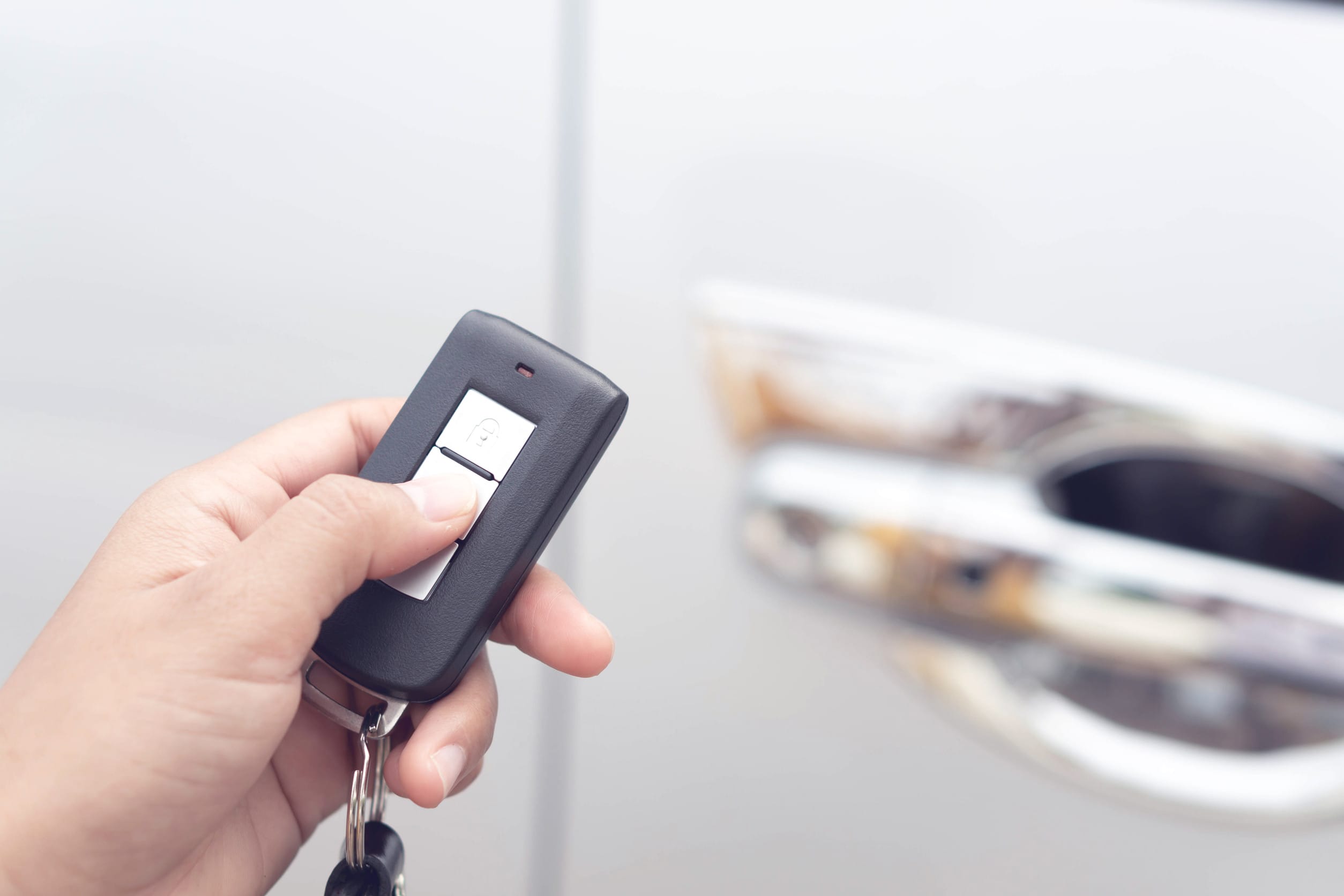
Keyless Remote
Image Source: 123rf.com

Relay theft targets vehicles equipped with keyless entry systems, a popular modern convenience allowing drivers to unlock and start their cars without physically using a key. Unfortunately, this convenient technology has unintentionally provided thieves with a new avenue of attack. During a relay theft, two criminals typically collaborate: one positions themselves near your vehicle, while the other stands close to your home’s front door or window.

Using specialized electronic devices, the thief near your home picks up and amplifies the signal from your car’s key fob, transmitting it instantly to their partner standing beside your vehicle. The car, detecting the amplified signal, mistakenly assumes the legitimate key is nearby, unlocking the doors and allowing the engine to start.

Why Relay Theft Is So Difficult to Detect

One of the main reasons relay theft has become so prevalent is the lack of physical clues. Unlike traditional break-ins, there is no smashed window or forced entry, which often delays discovery until it’s too late. The rapid execution of the theft means victims may only realize their car is missing hours later. Additionally, the absence of visible damage complicates investigations by law enforcement. This stealthy method makes it exceptionally challenging for even the smartest drivers to protect their vehicles without extra precautions.

The Technology That Makes Relay Theft Possible

Relay attacks use inexpensive electronic devices, known as relay amplifiers, that capture and extend the signal from your key fob. Even if your key is stored safely inside your home, these devices can pick up its signal from a distance. The amplified signal fools the car’s security system into believing the key is nearby. The simplicity and affordability of these devices make relay theft an increasingly popular method among car thieves. Manufacturers continue to work on countermeasures, but until then, awareness and proactive measures remain essential.

Effective Measures to Prevent Relay Theft

Fortunately, there are several practical steps you can take to reduce the risk of relay theft. Storing your key fob in a Faraday pouch or metal container blocks its signal from being intercepted by thieves. Keeping your key far from windows or entry points also minimizes the chance of detection. Installing physical deterrents like steering wheel locks and employing GPS tracking devices can further safeguard your vehicle. Regularly updating your car’s software may also help, as manufacturers release patches to counter known vulnerabilities.

Awareness and Vigilance: Your Best Defense

Ultimately, staying informed about relay theft is your most powerful defense. Understanding how the technology works enables you to adopt effective protective measures. Engaging with community resources and discussing these threats with neighbors can foster collective vigilance. Although no single method guarantees complete security, combining multiple strategies significantly lowers your risk. Proactive efforts today ensure your vehicle remains secure tomorrow.

Protecting Yourself Against Modern Car Theft

Relay theft represents the evolving nature of vehicle crime in our modern world. While the convenience of keyless entry systems is undeniable, it comes with new vulnerabilities that require our attention. By understanding the mechanics of relay theft and taking practical steps to mitigate the risk, you can better protect your vehicle. Staying alert, using preventive tools, and keeping informed are key to thwarting these silent criminals.

Have you taken measures to safeguard your car from relay theft? Share your strategies and experiences in the comments below!

Read More:

The Silent Theft: How to Spot a Relative Stealing from Your Elderly Parents

6 Scary Things Now Running Rampant on Facebook

Latrice Perez

Latrice is a dedicated professional with a rich background in social work, complemented by an Associate Degree in the field. Her journey has been uniquely shaped by the rewarding experience of being a stay-at-home mom to her two children, aged 13 and 5. This role has not only been a testament to her commitment to family but has also provided her with invaluable life lessons and insights.

As a mother, Latrice has embraced the opportunity to educate her children on essential life skills, with a special focus on financial literacy, the nuances of life, and the importance of inner peace.

Filed Under: safety Tagged With: automotive, car safety tips, car theft, keyless entry, relay attacks, vehicle security

FOLLOW US

Search this site:

Recent Posts

  • Can My Savings Account Affect My Financial Aid? by Tamila McDonald
  • 12 Ways Gen X’s Views Clash with Millennials… by Tamila McDonald
  • What Advantages and Disadvantages Are There To… by Jacob Sensiba
  • 10 Tactics for Building an Emergency Fund from Scratch by Vanessa Bermudez
  • Call 911: Go To the Emergency Room Immediately If… by Stephen Kanaval
  • 7 Weird Things You Can Sell Online by Tamila McDonald
  • 10 Scary Facts About DriveTime by Tamila McDonald

Copyright © 2026 · News Pro Theme on Genesis Framework