• Home
  • About Us
  • Toolkit
  • Getting Finances Done
    • Hiring Advisors
    • Debt Management
    • Spending Plan
  • Insurance
    • Life Insurance
    • Health Insurance
    • Disability Insurance
    • Homeowners/Renters Insurance
  • Contact Us
  • Risk Tolerance Quiz
  • Our Editorial Commitment

The Free Financial Advisor

You are here: Home / Archives for Public Safety

Why Some Fire Departments Are No Longer Responding to Burglar Alarms

July 23, 2025 by Travis Campbell Leave a Comment

Fire Department
Image Source: pexels.com

Burglar alarms used to mean a quick response from the fire department. Now, that’s changing in many places. If you have a home or business security system, this shift matters. You might think your alarm guarantees help, but that’s not always true anymore. Fire departments are rethinking their role in responding to these calls. Understanding why can help you make better choices about your own security and safety.

1. False Alarms Are Overwhelming Fire Departments

False alarms are a huge problem. Most burglar alarms that go off are not real emergencies. Sometimes it’s a pet, a gust of wind, or a system glitch. Fire departments spend a lot of time and money responding to these calls. In some cities, over 90% of burglar alarm calls turn out to be false alarms. That means firefighters are leaving real emergencies to check on empty buildings or harmless situations. This wastes resources and puts people at risk if a real fire or medical emergency happens at the same time.

2. Prioritizing Life-Threatening Emergencies

Fire departments have a clear mission: save lives and protect property from fire and other dangers. Burglar alarms rarely involve immediate threats to life. When firefighters are busy with false burglar alarms, they might not be available for fires, car accidents, or medical emergencies. Departments are choosing to focus on calls where someone’s life is actually in danger. This shift helps them use their time and skills where they matter most.

3. Police Are Better Equipped for Burglaries

Burglaries are crimes, not fires. Police officers are trained to handle criminal activity, secure scenes, and investigate break-ins. Firefighters are not. When a burglar alarm goes off, police are the right people to respond. Fire departments are stepping back so police can do their job. This change also helps avoid confusion at the scene. If you have a security system, make sure it contacts the police, not just the fire department.

4. Budget Pressures and Staffing Shortages

Many fire departments are facing tight budgets and not enough staff. Responding to every burglar alarm takes time, fuel, and money. Some cities have had to reduce services or close fire stations due to budget constraints. By not responding to burglar alarms, departments can save money and keep more firefighters available for real emergencies. This helps them perform their main job more effectively, even when resources are limited.

5. Technology Has Changed the Game

Security technology is better than ever. Many alarm systems now have cameras, motion sensors, and remote monitoring. Homeowners and business owners can check their properties from their phones. Some systems even let you verify if a break-in is real before calling for help. This means there’s less need for fire departments to rush out every time an alarm goes off. If you have a modern system, utilize its features to prevent false alarms and ensure that help is only called when it’s truly necessary.

6. Community Risk Reduction Strategies

Fire departments are focusing more on preventing emergencies before they happen. This is called community risk reduction. Instead of reacting to every alarm, they’re working to educate people about fire safety, install smoke detectors, and help with emergency planning. By spending less time on burglar alarms, they can do more to keep the whole community safe. If you want to help, learn about fire prevention and make sure your home is as safe as possible.

7. Local Laws and Policies Are Changing

Some cities and counties have changed their rules about who responds to burglar alarms. In many places, fire departments will only come if there’s a confirmed emergency, like smoke, fire, or someone trapped inside. Others have started charging fees for false alarms to encourage people to keep their systems in good shape. Check your local laws so you know what to expect if your alarm goes off. Don’t assume help will always show up.

8. What You Can Do to Protect Yourself

If your fire department no longer responds to burglar alarms, you still have options. Make sure your alarm system is up to date and well-maintained. Train everyone in your home or business on how to use it. Set up your system to contact the police or a private security company if there’s a break-in. Consider adding cameras or other smart devices for extra security. And always have a plan for what to do if you’re home during a break-in.

Rethinking Security in a Changing World

Fire departments are making tough choices about how to use their time and resources. Not responding to burglar alarms is one way they’re adapting. This doesn’t mean you’re on your own. It means you need to be smart about your security and know who to call in an emergency. Take time to review your alarm system, talk to your local police, and make sure you’re prepared. The world is changing, and your safety plan should change with it.

Have you ever had a false alarm or needed help from the fire department for a burglar alarm? Share your story or thoughts in the comments.

Read More

Household Decor That Can Increase Fire Damage

Rain, Snow, Fire: Bad Weather Is Changing the Insurance Industry

Travis Campbell
Travis Campbell

Travis Campbell is a digital marketer/developer with over 10 years of experience and a writer for over 6 years. He holds a degree in E-commerce and likes to share life advice he’s learned over the years. Travis loves spending time on the golf course or at the gym when he’s not working.

Filed Under: Public Safety Tagged With: burglar alarms, community risk reduction, emergency response, false alarms, fire department, home security, police, Public Safety

Why Amazon Packages Are Now Being Stolen by Bots

July 23, 2025 by Travis Campbell Leave a Comment

amazon
Image Source: pexels.com

Amazon packages used to be stolen by people. Now, bots are getting in on the action. This isn’t science fiction. It’s happening right now, and it affects anyone who shops online. If you’ve ever had a package go missing, you know how frustrating it feels. But when bots are involved, the problem gets even trickier. Understanding how bots steal Amazon packages can help you protect your deliveries and your wallet.

1. Bots Are Outsmarting Delivery Systems

Bots are software programs that can act faster than any human. They scan delivery schedules, track package movements, and even monitor your front porch with hacked cameras. Some bots can intercept tracking numbers or delivery notifications. When a package is marked as delivered, the bot alerts a thief, who swoops in before you even know your box is there. This new method is much faster than old-fashioned porch piracy. The bots do the hard work, and the thieves just pick up the goods.

2. Fake Delivery Updates Trick You

Some bots send fake delivery notifications. You might get a text or email saying your Amazon package has arrived, but it hasn’t. The bot’s goal is to get you to leave your house or check your porch. While you’re distracted, a thief grabs the real package. These fake alerts look real. They use Amazon’s logos and language. If you click a link, you might even give away your Amazon login or other personal info. Always check your official Amazon account before trusting any delivery message.

3. Bots Exploit Public Tracking Links

Amazon allows you to track your package using a public link. Bots scrape these links from emails, social media, or even unsecured Wi-Fi networks. Once a bot has your tracking link, it knows exactly when your package will arrive. Some bots even notify thieves in real time. This makes it easy for someone to grab your box minutes after it lands on your porch. To stay safe, don’t share tracking links online or with people you don’t trust.

4. Automated Address Changes

Bots can sometimes change the delivery address after you place an order. They do this by hacking into your Amazon account or intercepting your order confirmation. Once inside, the bot changes the shipping address to a location the thief controls. You think your package is on the way, but it’s headed somewhere else. This scam is hard to spot until it’s too late. Use strong passwords and two-factor authentication to protect your Amazon account from these attacks.

5. Bots Target High-Value Items

Not all packages are equal. Bots are programmed to look for high-value items like electronics, designer clothes, or limited-edition products. They scan order data, delivery schedules, and even social media posts to find the best targets. If you post about a new gadget you ordered, a bot might flag your address for a thief. To avoid this, don’t share details about expensive purchases online until they’re safely in your hands.

6. Bots Work With Organized Crime

Package theft used to be a solo act. Now, bots are part of larger criminal networks. These groups use bots to coordinate thefts across neighborhoods and cities. They share data, track deliveries, and even resell stolen goods online. This makes the problem bigger and harder to stop. Law enforcement agencies are working to catch up, but the technology keeps evolving.

7. Bots Bypass Security Cameras

You might think a doorbell camera will stop package theft. But some bots can hack into smart home devices. They disable cameras or loop old footage, so you never see the thief. Other bots alert thieves when you’re not home, based on your smart device activity. This makes it easier for them to steal your Amazon package without getting caught. To protect yourself, keep your smart devices updated and use strong, unique passwords.

8. Bots Exploit Delivery Windows

Amazon offers delivery windows so you know when to expect your package. Bots use this information to time thefts perfectly. They monitor when packages are dropped off and alert thieves to strike within minutes. If you can, schedule deliveries for times when you’ll be home. Some services let you pick up packages at secure lockers or stores. These options make it much harder for bots and thieves to succeed.

9. Bots Use Social Engineering

Bots don’t just rely on tech. They also use social engineering tricks. For example, a bot might send a fake message from a “neighbor” saying they picked up your package by mistake. If you reply, you might inadvertently disclose personal information or even your home address. Always verify who you’re talking to before sharing any details about your Amazon package.

10. Bots Are Getting Smarter

Bots learn from every theft. They adapt to new security measures and find new ways to steal Amazon packages. Some bots even use artificial intelligence to predict when you’ll be home or away. This makes them harder to stop. Staying informed and updating your security habits is the best way to protect your deliveries.

Staying Ahead of Bot-Driven Package Theft

Amazon package theft by bots is a growing problem. Bots are fast, smart, and always evolving. But you can fight back. Use strong passwords, enable two-factor authentication, and keep your delivery details private. Consider using secure pickup options or smart lockers. And always double-check delivery notifications before acting. The more you know about how bots steal Amazon packages, the better you can protect yourself.

Have you ever had a package stolen by a bot or a thief? Share your story or tips in the comments below.

Read More

The Growing Scam That Starts With a Fake Package Delivery Notice

Strategic Retirement Planning: Integrating Home Care Packages Into Your Future

Travis Campbell
Travis Campbell

Travis Campbell is a digital marketer/developer with over 10 years of experience and a writer for over 6 years. He holds a degree in E-commerce and likes to share life advice he’s learned over the years. Travis loves spending time on the golf course or at the gym when he’s not working.

Filed Under: Public Safety Tagged With: Amazon, bots, cybersecurity, delivery security, Online shopping, package theft, porch piracy

What Happens When You Forget to Update Your Emergency Contact Info

July 22, 2025 by Travis Campbell Leave a Comment

emergency contact
Image Source: pexels.com

Life moves fast. You change jobs, move to a new city, or lose touch with old friends. But there’s one thing most people forget to update: their emergency contact info. It seems like a small detail, but it can have big consequences. If something happens and your emergency contact is outdated, the people who need to help you might not be able to. This isn’t just about paperwork. It’s about your safety, your family, and your peace of mind. Here’s why keeping your emergency contact info current matters—and what can go wrong if you don’t.

1. Delayed Medical Help

When you’re in the hospital, doctors and nurses need to reach someone fast. If your emergency contact info is old, they might call a number that’s no longer in service or reach someone who doesn’t know you well. This can slow down important decisions about your care. Sometimes, medical staff need permission to perform certain procedures. If they can’t reach your emergency contact, you might not get the care you need as quickly as possible. In emergencies, every minute counts. Keeping your emergency contact info up to date helps make sure you get the right help, right away.

2. Family Left in the Dark

Imagine something happens to you, and your family doesn’t know. If your emergency contact is an old roommate or a former coworker, your loved ones might not hear about your situation until much later. This can cause a lot of stress and confusion. Your family wants to be there for you, but they can’t if they don’t know what’s going on. Updating your emergency contact info means the right people get the call when it matters most. It’s a simple way to keep your family in the loop and avoid unnecessary worry.

3. Problems at Work

Most employers ask for emergency contact info when you start a job. But how often do you update it? If something happens at work—like an accident or sudden illness—HR will use the info they have on file. If it’s outdated, they might not reach the right person. This can create problems for you and your employer. Your boss might have to make tough decisions without your family’s input. And your loved ones might not find out about your situation until it’s too late to help. Keeping your emergency contact info current at work protects you and your family.

4. Legal and Financial Complications

Sometimes, your emergency contact is needed for more than just medical reasons. If you’re unable to make decisions, your emergency contact might be asked to help with legal or financial matters. If the info is outdated, the wrong person could be contacted—or no one at all. This can lead to delays in important decisions, missed deadlines, or even legal trouble. For example, if you’re in the hospital and bills need to be paid, your emergency contact might need to step in. If they can’t be reached, you could face late fees or other problems. Keeping your info up to date helps avoid these headaches.

5. Missed Opportunities for Support

When something goes wrong, you want the people who care about you to know. If your emergency contact info is old, you might miss out on the support you need. Friends and family can’t help if they don’t know what’s happening. This can leave you feeling isolated at a time when you need support the most. Updating your emergency contact info makes sure the right people are there for you, whether you need a ride home or someone to talk to.

6. Complications for Children and Dependents

If you have kids or care for someone else, your emergency contact info matters even more. Schools, daycares, and caregivers rely on this info to reach you or someone you trust. If your info is outdated, your child might be left waiting, or the wrong person could be contacted in an emergency. This can be scary for kids and stressful for everyone involved. Ensure your emergency contact information is up to date everywhere it matters, including at school, with caregivers, and at work.

7. Issues During Travel

Traveling adds another layer of risk. If something happens while you’re away, local authorities or medical staff will use your emergency contact info to reach someone back home. If the info is wrong, your loved ones might not find out about your situation until much later. This can make a bad situation worse. Before you travel, check that your emergency contact info is up to date with your airline, hotel, and any travel insurance providers.

8. Difficulty in Crisis Situations

Natural disasters, accidents, or sudden health issues can happen without warning. In these moments, having the right emergency contact info can make all the difference. First responders and hospitals rely on this info to notify your loved ones and get you the help you need. If your info is outdated, it can slow down the process and create confusion. The American Red Cross stresses the importance of keeping emergency contact information current for disaster preparedness. Don’t wait for a crisis to realize your info is out of date.

Keep Your Emergency Contact Info Current—It’s Worth the Effort

Updating your emergency contact info doesn’t take long, but it can make a huge difference when it matters most. It’s about more than just filling out a form. It’s about making sure the right people are there for you in an emergency. Take a few minutes today to check your info at work, with your doctor, your child’s school, and anywhere else it matters. You’ll have peace of mind knowing you’re prepared.

Have you ever had an issue because your emergency contact info was out of date? Share your story or tips in the comments.

Read More

What Happens When Google Maps Sends Emergency Services to the Wrong Address

Why Crowdfunding Might Be Your Next Emergency Fund

Travis Campbell
Travis Campbell

Travis Campbell is a digital marketer/developer with over 10 years of experience and a writer for over 6 years. He holds a degree in E-commerce and likes to share life advice he’s learned over the years. Travis loves spending time on the golf course or at the gym when he’s not working.

Filed Under: Public Safety Tagged With: crisis planning, emergency contact, Family, health, legal, Personal Finance, safety, travel, workplace

Why Laundromats Are Riskier Than You Think—And How to Stay Safe

May 16, 2025 by Travis Campbell Leave a Comment

laundry mat
Image Source: pexels.com

If you’ve ever tossed a load of laundry into a machine at your local laundromat, you probably didn’t give much thought to risk. After all, laundromats seem like one of the most mundane places you could visit. But what if I told you that laundromats are riskier than you think? From financial pitfalls to personal safety concerns, there’s more to these coin-operated businesses than meets the eye. Whether you’re a regular user or just an occasional visitor, understanding these risks can help you protect your wallet, your health, and your peace of mind. Let’s dive into the hidden dangers of laundromats—and, more importantly, how you can stay safe.

1. Theft and Vandalism Are More Common Than You Think

Laundromats are often open late or even 24/7, making them a target for theft and vandalism. Unattended machines and distracted customers create opportunities for thieves to snatch wallets, phones, or even entire loads of laundry. Laundromats are considered “soft targets” because of their low security and high foot traffic. Vandalism, such as broken machines or graffiti, can also be a sign of a poorly managed facility.

To stay safe, never leave your belongings unattended, even for a minute. If you must step outside, take your valuables with you. Choose laundromats in well-lit, busy areas, and look for security cameras or staff presence. If you notice suspicious activity, trust your instincts and leave.

2. Germs and Allergens Lurk in Every Corner

It’s easy to assume that a place dedicated to cleaning clothes would be spotless, but laundromats can actually harbor a surprising amount of germs and allergens. Shared machines are rarely sanitized between uses, and studies have found that bacteria like E. coli and Salmonella can survive in washing machines, especially those used for heavily soiled items. WebMD reports that dirty laundry can spread germs, and public machines may not always reach the high temperatures needed to kill them.

To minimize your risk, wipe down machine handles and surfaces with disinfectant wipes before use. Wash your hands after handling laundry, and consider using the hottest water setting your fabrics can handle. Bring your own detergent and avoid folding clothes on communal tables if you have allergies.

3. Financial Risks: Overpaying and Machine Malfunctions

Laundromats can be surprisingly expensive, especially if you’re not paying attention to how much you’re spending. Prices per load can vary widely, and some machines may not work properly, causing you to lose money. Broken coin slots, jammed card readers, or machines that stop mid-cycle are all too common. Unfortunately, getting a refund can be a hassle, especially if the laundromat is unattended or the owner is hard to reach.

Always check machines for out-of-order signs or obvious issues before inserting money to avoid financial headaches. Keep track of how much you’re spending, and save receipts or take photos of malfunctioning machines if you need to request a refund. If possible, use laundromats with attendants or clear customer service contact information.

4. Personal Safety: Not All Laundromats Are Created Equal

Your personal safety should always come first, but not all laundromats are located in safe neighborhoods or have adequate security. Late-night hours, isolated locations, and a lack of staff can make some laundromats risky, especially for solo customers. There have been reports of harassment, loitering, and even violent incidents in poorly monitored facilities.

To protect yourself, visit laundromats during daylight hours and bring a friend if possible. Choose locations with good lighting, visible security cameras, and plenty of other customers. Trust your gut—if a place feels unsafe, leave and find another option. Don’t hesitate to call for help if you feel threatened.

5. Fire Hazards and Equipment Failures

Laundromats rely on heavy-duty machines that can pose fire risks if not properly maintained. Lint buildup in dryers is a leading cause of laundromat fires, and overloaded machines can overheat or malfunction. According to the National Fire Protection Association, thousands of fires are caused by dryers each year, many in commercial settings.

To stay safe, avoid overloading machines and always check lint traps if accessible. If you notice burning smells, sparks, or unusual noises, alert staff immediately and leave the area. Never leave the laundromat while your clothes are drying.

6. Privacy Concerns: Your Data and Your Identity

Modern laundromats often use card-based payment systems or mobile apps, which can expose your personal information to data breaches or hacking. If a laundromat’s payment system isn’t secure, your credit card details or other sensitive data could be at risk.

To protect your privacy, use cash when possible or choose laundromats with reputable, secure payment systems. Avoid using public Wi-Fi to access payment apps, and monitor your bank statements for unauthorized charges after your visit.

7. Unexpected Costs: Time, Stress, and Wear-and-Tear

Beyond the obvious financial risks, laundromats can cost you time and peace of mind. Waiting for machines, dealing with crowds, or finding your clothes moved by impatient customers can be stressful. Frequent use of commercial machines can also wear out your clothes faster, leading to more frequent replacements.

To make the most of your laundromat visits, go during off-peak hours, bring something to do while you wait, and use garment bags to protect delicate items. Consider whether investing in a home washer and dryer might save you money and hassle in the long run.

Staying Safe and Smart at the Laundromat

Laundromats may seem like simple, everyday places, but as you’ve seen, they come with a surprising number of risks. By staying alert, taking basic precautions, and choosing your laundromat wisely, you can protect your finances, your health, and your personal safety. Remember, a little preparation goes a long way toward making your laundry day stress-free and secure.

Have you ever had a risky or unusual experience at a laundromat? Share your story or tips in the comments below!

Read More

The Importance of Strong Security for Your Business

Don’t Turn Your Back: 12 Things You Should Never Leave Unattended in Public

Travis Campbell
Travis Campbell

Travis Campbell is a digital marketer/developer with over 10 years of experience and a writer for over 6 years. He holds a degree in E-commerce and likes to share life advice he’s learned over the years. Travis loves spending time on the golf course or at the gym when he’s not working.

Filed Under: Public Safety Tagged With: Consumer Protection, financial risks, health and hygiene, laundromat safety, laundry tips, Personal Finance, Public Safety

Should Drivers Over 70 Have to Retake the Driving Test?

April 17, 2025 by Travis Campbell Leave a Comment

older person driving
Image Source: unsplash.com

As our population ages, a crucial question about road safety and fairness emerges: Should senior drivers face mandatory retesting? This debate touches on independence, safety statistics, and balancing personal freedom and public welfare. Understanding the nuances of this issue helps us navigate the complex intersection of aging, driving privileges, and community safety.

1. The Current State of Senior Driver Regulations

Senior driver regulations vary dramatically across the United States, creating an inconsistent patchwork of requirements. Some states require in-person renewals for older drivers, while others mandate vision tests or shorter renewal periods after reaching certain age thresholds. California, for instance, requires drivers 70 and older to renew their licenses in person, completing both a vision test and a written knowledge test. Illinois has implemented a graduated system where drivers between 75-86 must renew every four years with a road test, while those 87 and older face renewal every two years. Florida takes a different approach by requiring vision tests for drivers 80 and above but doesn’t mandate road testing based solely on age.

2. The Safety Statistics Behind Age-Related Driving Concerns

Accident data reveals a complex picture regarding senior drivers and road safety that defies simple generalizations. According to the Insurance Institute for Highway Safety, drivers 70 and older have higher crash rates per mile driven than middle-aged drivers, though their rates remain lower than young drivers. Fatal crash involvement begins increasing noticeably around age 70-75, partly due to increased physical fragility rather than driving behavior alone. Cognitive changes associated with aging, including slower reaction times and decreased visual processing speed, can affect driving performance in complex traffic situations. However, many older drivers compensate effectively by avoiding night driving, bad weather conditions, and high-traffic areas, demonstrating self-regulation that younger drivers often lack.

3. The Independence Factor for Seniors

Driving represents far more than mere transportation for many seniors—it embodies personal freedom and maintains vital connections to community life. Losing driving privileges can trigger isolation, depression, and reduced access to healthcare appointments, particularly in suburban and rural areas with limited public transportation options. Research from the American Association of Retired Persons indicates that seniors who stop driving are nearly twice as likely to enter assisted living facilities within five years compared to those who maintain their driving independence. The psychological impact of surrendering keys can be devastating, affecting self-worth and identity for individuals who have driven safely for decades. Many seniors already voluntarily limit their driving to familiar routes and optimal conditions, showing responsible self-assessment.

4. Alternative Approaches to Age-Based Testing

Function-based assessments offer a more equitable approach than arbitrary age cutoffs by evaluating actual driving capabilities rather than birth dates. Several states have implemented referral systems allowing family members, doctors, and law enforcement to flag drivers of any age for reassessment based on observed impairments. Graduated licensing programs for seniors—similar to those for teenagers—could include restrictions like daytime-only driving or limited radius requirements rather than complete license revocation. Driver refresher courses specifically designed for older adults have shown promising results in improving safety outcomes while respecting seniors’ dignity and independence. Technology solutions, including adaptive equipment, semi-autonomous features, and driver assistance systems, may bridge the gap between safety concerns and maintaining mobility.

5. The Financial and Practical Implications

Implementing universal retesting for seniors would create substantial administrative burdens on already strained DMV systems nationwide. The estimated cost of comprehensive retesting programs would likely exceed $100 million annually, raising questions about resource allocation in transportation safety initiatives. Wait times at testing facilities would increase dramatically, potentially creating hardship for all drivers regardless of age. Insurance implications remain unclear, with some companies already offering discounts for seniors who voluntarily complete refresher courses, while mandatory testing could potentially lead to higher premiums. Rural communities would face disproportionate impacts, as seniors in these areas have fewer transportation alternatives and longer distances to testing facilities.

Balancing Safety and Dignity: The Path Forward

Finding a middle ground in this debate requires acknowledging both legitimate safety concerns and the importance of mobility for quality of life. Rather than implementing blanket age-based requirements, a more nuanced approach might include regular vision and cognitive screenings combined with voluntary refresher courses. Medical professionals, with clear reporting guidelines and immunity protections, could play a more significant role in identifying at-risk drivers of all ages. Most importantly, any policy changes should involve input from senior advocacy groups, transportation safety experts, and medical professionals to ensure balanced perspectives.

What do you think about this issue? Have you had conversations with older family members about driving or experienced age-based testing yourself? Share your thoughts and experiences in the comments below.

Read More

How to Save Money on Your Ride: Top Tips from Canadian Dealers

Millennials’ Guide to Picking the Right Car Insurance

Travis Campbell
Travis Campbell

Travis Campbell is a digital marketer/developer with over 10 years of experience and a writer for over 6 years. He holds a degree in E-commerce and likes to share life advice he’s learned over the years. Travis loves spending time on the golf course or at the gym when he’s not working.
Filed Under: Public Safety Tagged With: aging drivers, driver's license renewal, driving tests, elderly driving, road safety, senior drivers

Danger in Crowded Spaces: 10 Things To Look Out For In Large Crowds

March 23, 2025 by Latrice Perez Leave a Comment

Shot of a crowd of young people at an outdoor music festival.
Image Source: 123rf.com

Attending events with large crowds can be exhilarating, offering shared experiences that bring people together. However, these gatherings also come with inherent risks that can escalate rapidly if not properly managed. From crowd surges leading to crushing injuries to the threat of trampling during sudden movements, the dangers are real and often underestimated. Understanding these risks is crucial for anyone planning to participate in large events, as it empowers individuals to take proactive steps in ensuring their safety amidst the masses. ​

1. Overcrowding

Overcrowding can lead to dangerous situations like stampedes or crushing. Always be mindful of the crowd density around you. If you feel confined or notice that movement is becoming restricted, it may be wise to move to a less crowded area. Being aware of your surroundings can help you avoid potential hazards associated with overcrowding.

2. Inadequate Emergency Exits

Inadequate or poorly marked emergency exits can pose significant risks in crowded venues. In emergencies, insufficient exits can lead to bottlenecks, increasing the potential for crowd crushes. Upon entering any venue, identify all available exits, not just the main ones. Knowing alternative routes can be crucial during an emergency evacuation. Always ensure you’re aware of the nearest exits to your location.

3. Uncontrolled Crowd Surges

Sudden movements within a crowd, known as crowd surges, can be dangerous. These surges often occur when large groups push toward a focal point, such as a stage or exit. The resulting pressure can lead to individuals being knocked over and trampled. To minimize risk, remain aware of the crowd’s dynamics and avoid areas where surges are likely. If caught in a surge, move diagonally to the periphery to escape the pressure.

4. Presence of Aggressive Individuals

Large gatherings can sometimes attract individuals with aggressive intentions. Altercations in crowded spaces can escalate quickly, posing risks to bystanders. Maintain situational awareness and distance yourself from any signs of conflict. If an incident occurs nearby, move away calmly to avoid becoming inadvertently involved. Prioritizing personal safety over curiosity is essential in such scenarios.

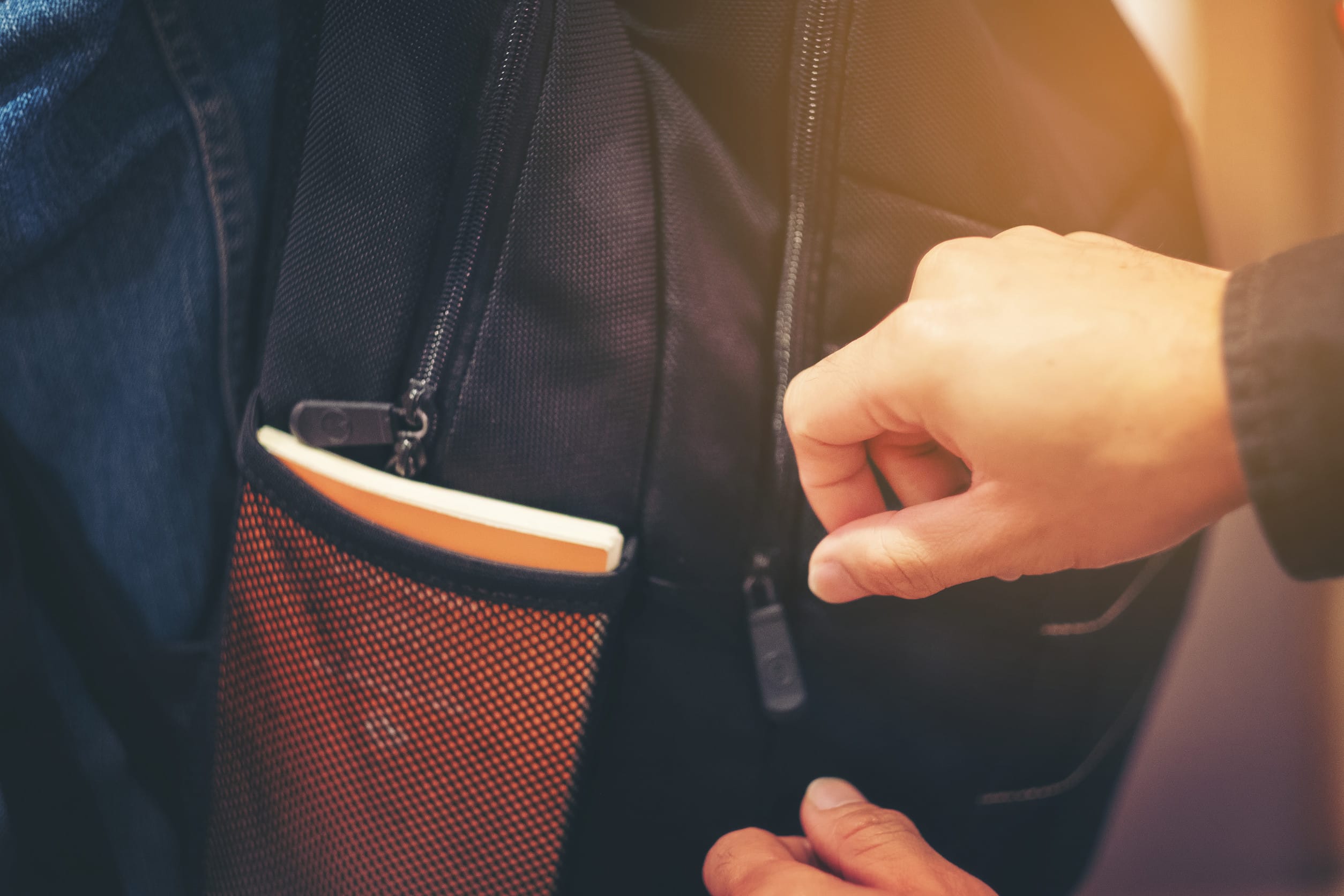
5. Pickpocketing and Theft

Pickpocket
Image Source: 123rf.com

Crowded environments are prime areas for pickpockets and thieves. The close proximity of individuals provides cover for illicit activities. Keep valuables secured and out of easy reach. Utilize bags that close securely and consider wearing them in front. Stay vigilant, especially in tightly packed areas, to deter potential thieves.

6. Limited Access to Medical Assistance

In dense crowds, accessing medical assistance can be challenging. Delays in emergency response times are common due to congestion. Familiarize yourself with the event’s medical stations upon arrival. In case of a medical emergency, alert nearby staff or security personnel immediately. Prompt action can be critical in ensuring timely medical intervention.

7. Fire Hazards

Fire outbreaks in crowded spaces can lead to catastrophic outcomes. Obstructed exits and flammable materials increase the risk. Upon entering a venue, note the locations of fire extinguishers and emergency exits. Avoid overcrowded areas where escape routes may be compromised. In the event of a fire, remain calm and follow established evacuation procedures.

8. Structural Failures

Overcrowding can lead to structural failures in venues not designed to accommodate large numbers. This includes collapsing floors, stages, or bleachers. Be cautious of signs indicating structural stress, such as unusual noises or visible cracks. If you suspect a structural issue, distance yourself from the area and notify authorities. Prioritizing safety over convenience is crucial in such situations.

9. Poor Crowd Management

Ineffective crowd management can exacerbate dangers in large gatherings. Lack of clear signage, insufficient staff, and inadequate communication contribute to confusion. Attend events organized by reputable entities known for proper crowd control measures. If you notice disorganization upon arrival, remain extra vigilant and plan your movements accordingly. Being proactive can mitigate potential risks associated with poor management.

10. Health Risks

Close contact in crowded spaces increases the transmission risk of infectious diseases. Practicing good hygiene, such as regular hand sanitization, is essential. Wearing masks in indoor or densely packed outdoor settings can provide additional protection. Stay informed about any health advisories related to the event or location. Prioritizing health precautions helps safeguard both personal and public well-being.

Staying Safe in Crowded Environments

Attending large events can be enjoyable, but it’s vital to remain aware of potential hazards. By staying vigilant and prepared, you can navigate crowded spaces safely. Always prioritize personal safety and be proactive in recognizing and avoiding potential dangers. Your awareness and actions play a crucial role in ensuring a secure experience in any large gathering.

Have you ever found yourself in a dangerous position in a crowded space? What did you do to protect yourself? Let us know in the comments.

Read More:

9 Phrases That Could Save You If Someone Tries to Kidnap You

8 Privacy Settings Everyone Should Change Immediately

Latrice Perez

Latrice is a dedicated professional with a rich background in social work, complemented by an Associate Degree in the field. Her journey has been uniquely shaped by the rewarding experience of being a stay-at-home mom to her two children, aged 13 and 5. This role has not only been a testament to her commitment to family but has also provided her with invaluable life lessons and insights.

As a mother, Latrice has embraced the opportunity to educate her children on essential life skills, with a special focus on financial literacy, the nuances of life, and the importance of inner peace.

Filed Under: Public Safety Tagged With: crowd safety, emergency preparedness, personal safety, public awareness, situational awareness

FOLLOW US

Search this site:

Recent Posts

  • Can My Savings Account Affect My Financial Aid? by Tamila McDonald
  • 12 Ways Gen X’s Views Clash with Millennials… by Tamila McDonald
  • What Advantages and Disadvantages Are There To… by Jacob Sensiba
  • 10 Tactics for Building an Emergency Fund from Scratch by Vanessa Bermudez
  • Call 911: Go To the Emergency Room Immediately If… by Stephen Kanaval
  • 7 Weird Things You Can Sell Online by Tamila McDonald
  • 10 Scary Facts About DriveTime by Tamila McDonald

Copyright © 2026 · News Pro Theme on Genesis Framework