• Home
  • About Us
  • Toolkit
  • Getting Finances Done
    • Hiring Advisors
    • Debt Management
    • Spending Plan
  • Insurance
    • Life Insurance
    • Health Insurance
    • Disability Insurance
    • Homeowners/Renters Insurance
  • Contact Us
  • Privacy Policy
  • Risk Tolerance Quiz

The Free Financial Advisor

You are here: Home / Archives for retirement income

Social Security 2026 COLA: Why Your 2.8% Raise Disappeared After Medicare Deductions

February 9, 2026 by Brandon Marcus Leave a Comment

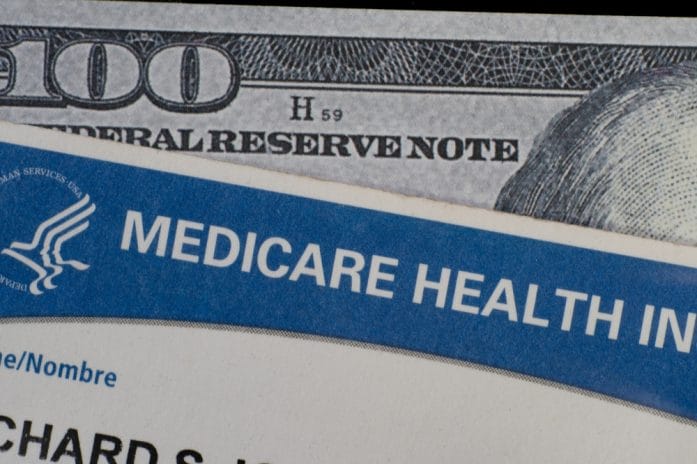
Social Security 2026 COLA: Why Your 2.8% Raise Disappeared After Medicare Deductions

Image source: shutterstock.com

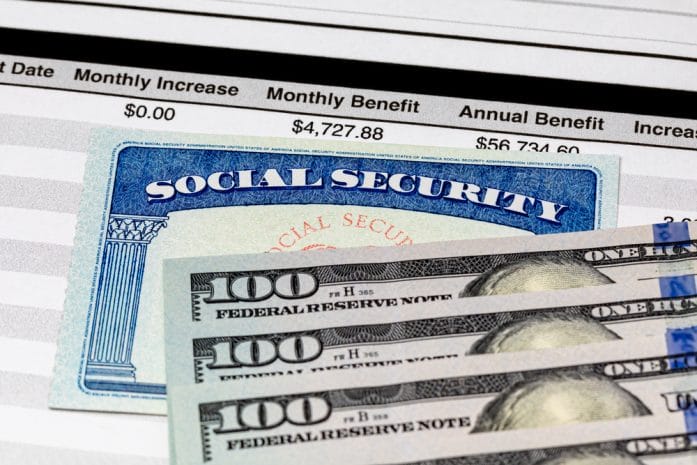
Every fall, millions of retirees wait for the Social Security Administration to announce the next year’s cost‑of‑living adjustment, hoping the increase will help them keep pace with rising prices. For 2026, the COLA came in at 2.8 percent — a modest but meaningful bump meant to reflect cooling inflation and a stabilizing economy.

On paper, it should have offered a little breathing room. But for many retirees, that raise seemed to evaporate before it ever reached their bank account. The reason wasn’t a miscalculation or a glitch. It was Medicare. More specifically, the annual increase in Medicare Part B premiums, which quietly siphons away a portion of every Social Security check.

The Raise That Looked Bigger Than It Felt

A 2.8 percent COLA may not sound dramatic, but it’s still a meaningful adjustment for retirees who rely heavily on Social Security. The COLA is designed to help benefits keep pace with inflation, using the Consumer Price Index for Urban Wage Earners and Clerical Workers as its benchmark.

In 2026, inflation had cooled compared to the spikes earlier in the decade, which is why the COLA landed in the high‑2 percent range. For many retirees, that number initially felt encouraging — a sign that their benefits would stretch a little further. But the reality is that Social Security benefits don’t operate independently. They’re directly tied to Medicare premiums, and when those premiums rise faster than the COLA, retirees feel the impact immediately. That’s exactly what happened this year, turning what looked like a helpful raise into a disappointing surprise.

Medicare Part B: The Quiet Culprit Behind Shrinking Checks

Medicare Part B premiums are automatically deducted from Social Security payments for most beneficiaries, which means any increase in those premiums reduces the net amount retirees receive. In 2026, Part B premiums rose again, continuing a long‑running trend driven by higher healthcare costs, increased utilization, and the expansion of medical services covered by Medicare.

Even a moderate premium increase can offset a significant portion of a COLA, especially for retirees with smaller monthly benefits. For some, the entire 2.8 percent raise was absorbed before it ever reached their pocket. This dynamic often catches people off guard because the COLA announcement tends to dominate headlines, while Medicare premium changes receive far less attention. Yet the two are inseparable, and understanding their relationship is key to understanding why your raise didn’t feel like a raise at all.

Social Security 2026 COLA: Why Your 2.8% Raise Disappeared After Medicare Deductions

Image source: shutterstock.com

The Hold Harmless Rule: Helpful, But Not Always Comforting

One of the most misunderstood aspects of Social Security and Medicare is the “hold harmless” provision. This rule protects most beneficiaries from seeing their net Social Security payment decrease due to rising Medicare Part B premiums. In other words, your check won’t go down — but it also might not go up.

When the COLA is modest and Medicare premiums rise, the hold harmless rule ensures that the premium increase is capped at the amount of the COLA. That sounds reassuring, and in many ways it is, but it also means that your entire COLA can be consumed by Medicare. In years with modest COLAs, like 2026, this rule becomes especially relevant. Many retirees technically received a raise, but because the raise was used to cover higher premiums, their take‑home amount stayed exactly the same.

Why Healthcare Costs Keep Outpacing Social Security Increases

The tension between Social Security increases and Medicare premiums isn’t new, and it isn’t going away. Healthcare costs have been rising faster than general inflation for decades, driven by factors such as medical technology, prescription drug prices, and the growing demand for services as the population ages.

Even when overall inflation cools, healthcare inflation often remains stubbornly high. This creates a mismatch between the COLA and Medicare premiums, which reflect the specific costs of healthcare. Retirees will continue to face the same challenge year after year: COLAs that look helpful on paper but feel underwhelming in practice. The 2026 COLA is simply the latest example of this long‑running trend.

What Retirees Can Do to Protect Their Income

While retirees can’t control the COLA or Medicare premiums, they can take steps to better manage the impact. One option is to review Medicare Advantage and Part D plans annually during open enrollment. Switching plans can sometimes reduce out‑of‑pocket costs.

Another strategy is to explore programs that help lower‑income beneficiaries pay for Medicare premiums. Retirees can also benefit from budgeting with the assumption that COLAs will be modest and that healthcare costs will continue rising.

For those still approaching retirement, delaying Social Security can increase monthly benefits and provide a larger buffer against future premium increases. None of these strategies eliminate the challenge entirely. But they can help retirees maintain more control over their financial picture.

Your Vanishing Raise

The 2026 COLA wasn’t a disappointment because it was too small — it was a disappointment because Medicare premiums rose faster. This pattern has played out many times before. It will likely continue as long as healthcare costs outpace general inflation. Social Security is designed to keep pace with inflation, but Medicare is tied to a different set of economic forces, and the two don’t always move in harmony. When they collide, retirees feel the impact immediately. The key is staying informed, planning ahead, and recognizing that the COLA is only one piece of a much larger financial puzzle.

What impact did the 2026 COLA have on your Social Security check after Medicare deductions? Share your stories, tips, and insights in our comments section.

You May Also Like…

The COLA Theft: Why Half of Your Social Security Raise Just Vanished into Medicare This Morning

Could Your 2025 COLA Push You Into a Higher Tax Bracket—Without a Pay Raise?

The Medicare Part B Increase That’s Reducing Social Security Checks By About $185/Month in 2026

Are You Overpaying Medicare? How One Small Withdrawal Can Trigger a Two-Year Surcharge

The Sunshine State Squeeze: Why Florida Retirees are Seeing Smaller Social Security Checks This Week

Brandon Marcus
Brandon Marcus

Brandon Marcus is a writer who has been sharing the written word since a very young age. His interests include sports, history, pop culture, and so much more. When he isn’t writing, he spends his time jogging, drinking coffee, or attempting to read a long book he may never complete.
Filed Under: Lifestyle Tagged With: COLA 2026, cost-of-living adjustment, fixed income, Inflation, Medicare Part B, Medicare premiums, Personal Finance, retirees, retirement income, senior finances, Social Security

6 Benefit Changes Taking Effect in 2026 That Reduce Monthly Support

February 4, 2026 by Brandon Marcus Leave a Comment

These Are 6 Benefit Changes Taking Effect in 2026 That Reduce Monthly Support

Image source: shutterstock.com

Imagine waking up, checking your bank account, and wondering why that familiar support check doesn’t stretch as far as it used to. If you’re someone who relies on government benefits—whether Social Security retirement income, food support, disability payments, or healthcare subsidies—some big changes are coming that could quietly nibble away at your monthly support.

This news isn’t meant to scare you, it’s meant to help prepare you. Keep reading for important information you’ll want to know, with a dash of clarity and yes, a little storytelling flare.

1. Social Security’s Cost-of-Living Adjustment Isn’t Enough After Medicare Premiums Bite Back

Each year, the Social Security Administration adjusts benefits to keep up with inflation, and in 2026 that adjustment—the so-called cost-of-living adjustment (COLA)—comes in at 2.8%. On paper, that sounds like a win, bumping the average monthly check up by roughly $56. But Medicare Part B premiums are rising sharply in 2026, around 10% to roughly $202.90 per month, and that increase is automatically deducted from Social Security checks for most beneficiaries.

So instead of feeling richer with that COLA bump, many folks end up with a net increase far smaller than expected—or in some cases, almost no extra spending money at all once healthcare costs are taken out. This is one of those changes where the numbers look good until you read the fine print and realize your actual take-home support is being squeezed.

2. SNAP Work Requirements Expand, Cutting Off Support for Many

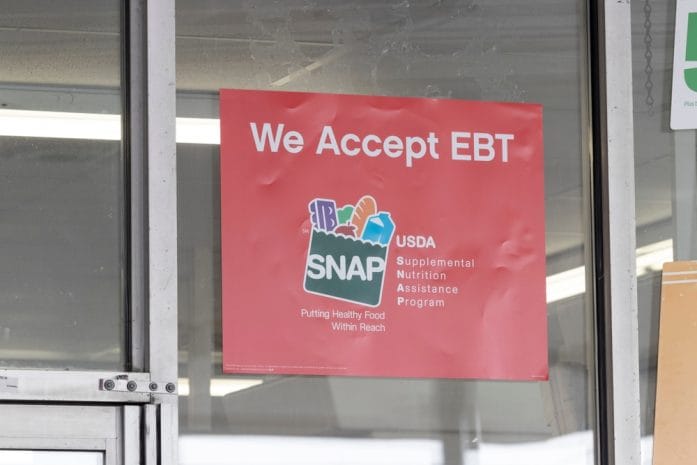
Food assistance via the Supplemental Nutrition Assistance Program (SNAP) is a lifeline for millions of households. But in 2026, expanded work requirements are rolling out in more states, meaning that able-bodied adults without dependents must work, volunteer, or train for at least 80 hours per month to keep their benefits.

What does this mean in real life? If you live in a state that implements these rules and don’t meet the work or training requirements, your monthly SNAP support could dry up—even if you struggle with transportation, caregiving, health issues, or local job availability.

3. Earnings Limits That Can Reduce Social Security Checks Are Increasing—but Still Bite

If you’re claiming Social Security early and continue to work, the government uses an earnings test that can withhold part of your monthly benefit if your income exceeds certain limits. In 2026, these limits rise but the basic rule stays the same: earn too much and part of your check gets clipped.

That sounds straightforward but remember this isn’t a temporary freeze. Benefits withheld under the earnings test might be added back later, but short-term reductions in monthly support can still bite your everyday budget, especially if you count on that monthly check for current living costs.

4. Medicare Part B Premium Hikes Eat Into Your Disposable Dollars

Yes, we mentioned Medicare Part B earlier in relation to the COLA—because it’s hard to overstate how big a deal this is. In 2026, Part B premiums jump to their highest level yet, and for many people, that means a bigger automatic deduction from your monthly Social Security benefit.

For individuals with higher incomes, this surcharge can be even steeper thanks to the Income-Related Monthly Adjustment Amount (IRMAA), meaning the more you make, the more you could lose in support each month. It’s one thing to get a bigger sticker price on your Medicare card—another to see it reflected in less cash in your pocket.

These Are 6 Benefit Changes Taking Effect in 2026 That Reduce Monthly Support

Image source: shutterstock.com

5. Higher Income Could Mean Less Benefit Through Medicare Surcharges

Speaking of income: depending on what you earn, your Medicare premium could spike even more due to income-related adjustments, which then further reduces your monthly support. This isn’t a flat fee; it’s tied to your reported income from previous years, so smart tax planning and budgeting in advance could make a difference in what you net each month.

This kind of change doesn’t always get front-page attention, but it’s very real for the folks who suddenly find their benefit checks trimmed because their income nudged them into a higher premium bracket.

6. SSI and Related Monthly Support Face Stricter Income/Asset Rules

Supplemental Security Income (SSI) and similar need-based monthly supports already have strict income and asset limits. While COLA changes technically increase payments for SSI recipients, deductions like rising healthcare premiums or asset reclassification rules can offset any nominal increase, effectively reducing the support that shows up in your checking account.

Those on SSI still benefit from a COLA adjustment, but many people on tight budgets find that higher living costs fight right back against any nominal benefit increase, leaving them feeling like they have less breathing room each month.

What to Watch (and What You Can Do)

If you or someone you love relies on monthly support, 2026 is a year to be proactive. Review eligibility rules early, track your earnings if you work while collecting benefits, and pay attention to healthcare premium notices in the fall.

The good news? Knowledge is power: understanding how these changes interact—especially the pesky policy details—can help you preserve your support as much as possible.

Now we want to hear from you: Which of these 2026 benefit changes will affect your monthly support the most—and what are you doing to prepare? Share your experience or strategy in the comments section.

You May Also Like…

Charity Strategy: 9 Giving Moves That Bring Tax Benefits Many People Ignore

Is Your Social Security Spousal Benefit Getting Slashed Without You Realizing?

The Medicare Part B Increase That’s Reducing Social Security Checks By About $185/Month in 2026

The COLA Theft: Why Half of Your Social Security Raise Just Vanished into Medicare This Morning

8 Disqualifications That Keep Veterans From Getting the Benefits They Earned

Brandon Marcus
Brandon Marcus

Brandon Marcus is a writer who has been sharing the written word since a very young age. His interests include sports, history, pop culture, and so much more. When he isn’t writing, he spends his time jogging, drinking coffee, or attempting to read a long book he may never complete.

Filed Under: Lifestyle Tagged With: 2026 benefits, benefit cuts, benefits, cost-of-living adjustment, earnings limits, government policy, Life, Lifestyle, Medicare Part B increase, retirement income, SNAP work requirements, Social Security changes 2026, SSI changes

The Medicare Part B Increase That’s Reducing Social Security Checks By About $185/Month in 2026

February 1, 2026 by Brandon Marcus Leave a Comment

The Medicare Part B Increase That's Reducing Social Security Checks by $185/Month in 2026

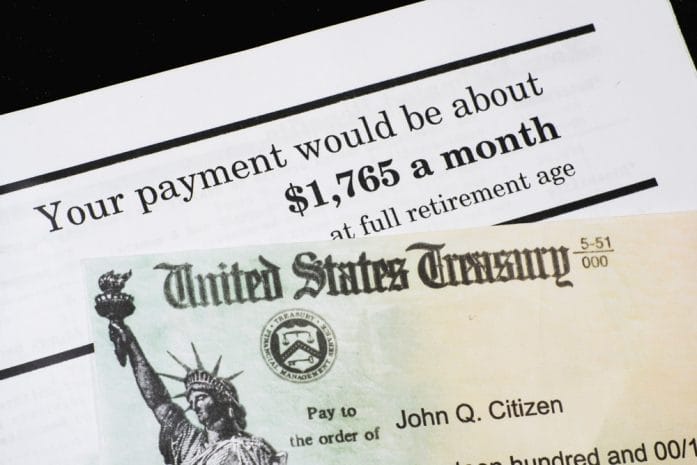
Image source: shutterstock.com

If you’re retired, planning to retire, or even just watching your future finances with one wary eye, here’s a headline that deserves your attention. A potential Medicare Part B premium increase in 2026 could translate into Social Security checks shrinking by as much as $185 per month for some Americans, and that kind of hit isn’t just a budgeting inconvenience, it’s a lifestyle shift.

This isn’t about fearmongering or flashy numbers; it’s about understanding how Medicare and Social Security are financially intertwined in ways most people never learn until it hurts.

How Medicare Part B Quietly Eats Into Your Social Security

Medicare Part B premiums are automatically deducted from Social Security checks for most beneficiaries, which means you don’t “feel” the bill, you just feel the smaller deposit. That setup makes increases feel sneaky, because there’s no invoice, no warning email, and no dramatic moment when you swipe a card. When premiums rise, your Social Security income effectively falls, even if your benefit technically stayed the same.

Eventually, that creates a psychological disconnect where people think Social Security is shrinking, when in reality Medicare is just taking a bigger bite. This is especially painful for retirees on fixed incomes who already budget down to the dollar. The system is convenient, but convenience comes at the cost of transparency, and that’s where a lot of the frustration begins.

Why Some People Could See a $185 Monthly Hit in 2026

The $185 figure is approximate and varies, and it’s important to note that it doesn’t come from a universal premium hike for everyone but from how Medicare Part B interacts with income-based surcharges known as IRMAA (Income-Related Monthly Adjustment Amount).

Higher-income retirees already pay more for Part B, and if premiums rise while IRMAA brackets also adjust, the combined increase can be massive. That’s how some beneficiaries could realistically see their Social Security checks reduced by around $185 per month. It’s not because of one single change, but because of stacked increases.

For people near income thresholds, even small financial shifts can push them into higher premium tiers. Add rising healthcare costs and inflation pressures, and the math starts working against you fast.

The “Hold Harmless” Rule—and Why It Won’t Save Everyone

There’s a rule called the “hold harmless” provision that protects many beneficiaries from seeing their Social Security checks drop due to Medicare premium increases.

Sounds comforting, right? The problem is that not everyone qualifies for this protection, especially higher-income retirees and people subject to IRMAA surcharges. For example, new enrollees, people who don’t have premiums deducted from Social Security, and higher earners often fall outside this safety net. That creates a two-tier reality where some people are shielded while others absorb the full financial impact.

What This Means for Retirement Planning Right Now

The financial decisions you make now shape how vulnerable you’ll be when these increases land. Income planning suddenly matters more than just investment returns, because your reported income can directly change your healthcare costs. Smart retirees are starting to think in terms of income thresholds, tax strategies, and timing withdrawals to avoid jumping into higher Medicare brackets. It’s a lot to keep in mind, but it all adds up.

Remember, this isn’t about gaming the system. Instead, it’s about understanding it well enough to avoid accidental penalties. Talking to a financial advisor who understands Medicare is becoming just as important as having one who understands investing.

The Medicare Part B Increase That's Reducing Social Security Checks by $185/Month in 2026

Image source: shutterstock.com

The Real Story Behind That $185 Number

The most important thing to understand is that not everyone will see a steep reduction, but some absolutely could, and that distinction matters. This isn’t a universal policy change or a flat-rate increase hitting every retiree equally. It’s the result of how Medicare pricing, income-based adjustments, and Social Security deductions overlap.

For higher-income retirees or those near IRMAA thresholds, the financial impact can feel sudden and brutal. For others, the change might be modest or barely noticeable. The real issue isn’t the exact number. It’s how unpredictable and opaque the system feels to the people living inside it.

The Wake-Up Call No One Wants, But Everyone Needs

This potential Medicare Part B increase is about how fragile fixed-income security can really be. A system designed to provide stability can still deliver financial shocks if you’re not prepared for how its many complex parts connect.

Social Security and Medicare don’t operate in isolation. They’re financially intertwined in ways that directly affect real lives and real budgets.

Are you already factoring Medicare premium increases into your retirement planning, or would a surprise $185 hit completely derail your monthly budget?

You May Also Like…

The Sunshine State Squeeze: Why Florida Retirees are Seeing Smaller Social Security Checks This Week

The COLA Theft: Why Half of Your Social Security Raise Just Vanished into Medicare This Morning

11 Roth Conversion “Cliffs” in 2025 That Accidentally Hike Your Medicare IRMAA

Medicare Now Covers Mental Health Sessions Without Cost-Sharing—Are You Using It Yet?

Why Some Seniors Are Being Dropped From Their Medicare Plans Silently

Brandon Marcus
Brandon Marcus

Brandon Marcus is a writer who has been sharing the written word since a very young age. His interests include sports, history, pop culture, and so much more. When he isn’t writing, he spends his time jogging, drinking coffee, or attempting to read a long book he may never complete.
Filed Under: social security Tagged With: financial planning for retirees, government policy, healthcare costs, IRMAA, Medicare Part B, Medicare premiums, retirement income, retirement planning, senior finances, Social Security, Social Security benefits

The “Safe” Budget Rules That Quietly Stop Working After Age 60

January 30, 2026 by Brandon Marcus Leave a Comment

Here Are The “Safe” Budget Rules That Quietly Stop Working After Age 60

Image source: shutterstock.com

For years, you were probably told that if you followed simple budget rules, stayed disciplined, and avoided lifestyle creep, you’d be financially “safe.” And for a long time, that advice worked beautifully. Your income was predictable, your expenses were structured, and your financial life followed a rhythm that made sense.

But after 60, that rhythm changes in ways most people never plan for, and the old “safe” budget rules start breaking down quietly, slowly, and expensively. What once felt responsible can suddenly become restrictive, unrealistic, and even risky if you keep applying it the same way.

The Rules Were Built For Paychecks, Not Retirement Life

Most “safe” budget rules, like the popular percentage-based systems, were designed around working income, not retirement income. They assume steady cash flow, predictable raises, and consistent monthly deposits, which simply do not exist after 60 for most people.

Retirement income comes from multiple sources—Social Security, pensions, withdrawals, investments, part-time work, or business income—and none of them behaves like a paycheck. Some months feel comfortable, others feel tight, and some surprise expenses land with zero warning. When you apply rigid percentages to unpredictable income, you create stress instead of structure. Budgeting plans after 60 need flexibility, not formulas.

Healthcare Quietly Breaks Every Old Budget Formula

Healthcare alone can dismantle any “safe” budget rule after 60, even for people who planned well. Premiums, deductibles, prescriptions, dental care, vision care, and uncovered services don’t behave like normal household expenses. They spike, fluctuate, and show up in waves instead of neat monthly lines.

Traditional budgeting rules assume stable cost categories, but healthcare doesn’t follow those rules at all. A smart post-60 budget builds buffers instead of percentages and plans for variability instead of averages.

Here Are The “Safe” Budget Rules That Quietly Stop Working After Age 60

Image source: shutterstock.com

Fixed Expenses Start Acting Like Variable Ones

Before 60, housing, utilities, insurance, and transportation often feel predictable and stable. After 60, those “fixed” costs start shifting in ways people rarely expect.

Property taxes rise, insurance premiums climb, maintenance costs increase, and vehicles need more repairs. Even paid-off homes and cars still generate rising costs that don’t follow inflation neatly. A rigid budget rule that treats these as stable categories becomes inaccurate fast. Realistic budgeting after 60 treats fixed costs as flexible risks, not guaranteed constants.

Spending Patterns Flip In Ways People Don’t Expect

Your lifestyle is bound to change in your 60s, and so will your spending too, but not always in the ways people assume. Some expenses drop, like commuting or work-related costs, but others rise, like travel, hobbies, family support, and medical care. Many retirees also spend more on experiences because time becomes more valuable than stuff.

Old budget rules often assume wants shrink with age, but that’s not how real life works. Your priorities shift, not your desire for a full life. A budget that doesn’t evolve with your values will always feel wrong, no matter how “safe” it looks on paper.

Longevity Turns “Safe” Into “Risky” Over Time

People are living longer than previous generations, and that changes everything about budgeting. A plan that works for ten or fifteen years may fail over twenty-five or thirty. Small miscalculations compound when time stretches out.

Rigid rules don’t adapt to longer timelines, changing markets, and evolving needs. Longevity requires flexibility, not rigidity. Smart financial planning after 60 focuses on sustainability, adaptability, and resilience instead of strict formulas.

Why Flexibility Beats Rules After 60

The biggest shift after 60 is that money management becomes more strategic and less mechanical. Instead of following rigid budget percentages, people do better with cash-flow planning, spending ranges, and adaptive systems. You don’t need to track every dollar, but you do need to understand patterns, risks, and priorities.

Financial safety now comes from awareness, not rules. Flexibility allows you to respond instead of react. The goal stops being “following the rule” and becomes “supporting the life you actually live.”

Smarter Budgeting After 60 Starts With These Shifts

Instead of fixed percentages, use spending ranges that adjust with income and expenses. Build healthcare buffers into your plan instead of treating medical costs like normal categories. Focus on cash flow, not just totals, so you know how money moves through your life monthly and annually. Prioritize financial flexibility over optimization, because stability matters more than squeezing out every dollar.

Revisit your budget quarterly instead of yearly so you can adapt to real-life changes faster. And most importantly, build a system that supports your lifestyle, not one that restricts it.

When “Safe” Stops Meaning Secure

The truth is simple: the old “safe” budget rule doesn’t fail because you did something wrong. It fails because life changes, and the rules weren’t built for this stage of life. Financial safety after 60 comes from adaptability, not discipline alone. It comes from understanding risk, not avoiding spending. And it comes from designing a financial life that supports freedom, not fear. The most secure retirees aren’t the ones following the strictest rules—they’re the ones making the smartest adjustments.

What financial rule are you still following out of habit, even though your life—and your money reality—has completely changed? Tell others about it in our comments section.

You May Also Like…

8 Home Upgrades Seniors Are Choosing Over Moving Into Facilities

The Retirement Income Assumption That Breaks Down First During Inflation Cycles

Why Financial Stress Feels Worse After Retirement Instead of Better

10 Common Budgeting Mistakes That Create Constant Money Stress

Why Are Everyday Essentials Taking Up More of the Budget

Brandon Marcus
Brandon Marcus

Brandon Marcus is a writer who has been sharing the written word since a very young age. His interests include sports, history, pop culture, and so much more. When he isn’t writing, he spends his time jogging, drinking coffee, or attempting to read a long book he may never complete.

Filed Under: Budgeting Tagged With: aging and money, budgeting after 60, financial independence, money habits, Personal Finance, retirement income, Retirement Lifestyle, retirement planning, senior finances, smart budgeting

The Retirement Income Assumption That Breaks Down First During Inflation Cycles

January 28, 2026 by Brandon Marcus Leave a Comment

The Retirement Income Assumption That Breaks Down First During Inflation Cycles

Image source: shutterstock.com

Inflation has a sly way of turning once-solid retirement plans into sources of anxiety, especially for people who thought they had already done everything right. Many retirees enter this phase believing their income strategy will hold steady regardless of economic shifts, only to realize purchasing power erodes faster than expected. Rising prices affect groceries, housing, healthcare, and travel at the same time, which makes “comfortable” budgets feel suddenly tight.

Understanding which assumption collapses first during inflation cycles gives retirees a chance to adjust before stress takes over.

The Comfortable Assumption Retirees Rely On

The assumption that breaks down first is the belief that a fixed withdrawal rate will remain sustainable in all economic conditions. Many retirees plan around a set percentage, often drawn from long-standing financial guidelines, and expect it to deliver consistent lifestyle support. Sadly, that isn’t the case.

This approach feels reassuring because it offers predictability and simplicity during a time of life when complexity feels unwelcome. The problem emerges when inflation accelerates, and expenses rise faster than planned withdrawals. A fixed income strategy struggles when real-world costs just refuse to stay fixed.

Why Inflation Breaks That Assumption First

Inflation directly attacks purchasing power, not account balances, which makes it especially dangerous for retirees living on distributions. Even moderate inflation compounds over time, steadily reducing what each withdrawal can actually buy. While investment returns may fluctuate, everyday expenses tend to move in one direction during inflationary cycles.

A withdrawal strategy that ignores cost increases forces retirees to choose between overspending or cutting lifestyle essentials. This is why inflation pressures income assumptions before market volatility does.

How Risk Quietly Amplifies The Damage

Risk becomes more dangerous when inflation and market downturns overlap early in retirement. Drawing a fixed stream of withdrawals from a portfolio during periods of rising prices and falling markets speeds up depletion and makes the entire situation worse. Inflation increases the dollar amount needed each year, while poor returns reduce the portfolio’s ability to recover.

This combination shortens the lifespan of retirement savings faster than many projections anticipate. Retirees who consider all strategies and adjust their withdrawals often fare better than those who stay rigid.

The Real-World Costs Retirees Underestimate

Healthcare, housing, insurance, and food often rise faster than general inflation averages suggest. Retirees frequently budget using broad inflation assumptions that underestimate these specific categories. Eventually, small miscalculations compound into meaningful financial strain.

Travel and discretionary spending may feel optional, but cutting them entirely can diminish quality of life. Accurate budgeting starts with recognizing where inflation hits hardest and planning accordingly.

Smarter Income Adjustments During Inflation

Flexibility is one of the most effective tools retirees can use when inflation rises. Adjusting withdrawals based on spending needs rather than fixed percentages helps preserve long-term stability. Building a cash buffer or short-term bond ladder can reduce the need to sell investments during unfavorable markets.

Diversifying income sources, such as combining portfolio withdrawals with annuities or part-time work, can also reduce pressure. Also, regularly revisiting budgets, examining overlooked items, and spending priorities keeps finances aligned with reality.

The Retirement Income Assumption That Breaks Down First During Inflation Cycles

Image source: shutterstock.com

A More Flexible Way To Think About Retirement Income

Retirement income works best when it adapts rather than resists change. Viewing withdrawals as adjustable decisions instead of rigid rules allows retirees to respond to inflation without panic. Planning for ranges of spending instead of exact numbers adds resilience to financial strategies. The goal shifts from maintaining a fixed lifestyle to sustaining long-term financial confidence. When income planning stays flexible, inflation becomes a challenge to manage rather than a threat to fear.

What retirement income assumption have you depended on the most, and has inflation forced you to rethink it? Talk about it with others in our comments section below.

You May Also Like…

Income Stability: 6 Retirement Income Moves That Aren’t as Safe as They Seem

Why Does Money Feel Tighter Even When Your Income Hasn’t Changed

8 Bold Strategies for Investing During Periods of High Inflation

Income Boost: 6 Ways Retirees Are Increasing Cash Flow

The Retirement Budget Trap: Why Expenses Spike Between Ages 62 and 70

Brandon Marcus
Brandon Marcus

Brandon Marcus is a writer who has been sharing the written word since a very young age. His interests include sports, history, pop culture, and so much more. When he isn’t writing, he spends his time jogging, drinking coffee, or attempting to read a long book he may never complete.

Filed Under: Retirement Tagged With: economic challenges, economic issues, Inflation, retire, retiree, retirees, Retirement, retirement income, retirement plan, retirement planning, senior citizens, seniors

Why Financial Stress Feels Worse After Retirement Instead of Better

January 28, 2026 by Brandon Marcus Leave a Comment

Why Financial Stress Feels Worse After Retirement Instead of Better

Image source: shutterstock.com

When you’ve spent decades dreaming about retirement—no alarm clocks, no bosses, days filled with long lunches and morning walks—it can feel downright surreal when that freedom finally arrives. Yet for too many retirees, freedom comes with a secret sidecar: financial stress that somehow feels sharper, more persistent, and even more exhausting than it did when they were working.

Understanding what’s really going on can help you make smarter financial decisions that bring both stability and peace of mind in retirement. Today, we are going to dig into the surprising psychological and economic realities that make financial worry feel so much heavier after you’ve stopped working.

The Disruption Of Predictable Income And Security

One of the biggest psychological jolts of retirement comes from the sudden absence of a regular paycheck, even when your savings and investments are supposedly ready to take over. During your working years, monthly income arrives like clockwork, creating a sense of financial rhythm and predictability that many retirees underestimate.

Once you retire, that rhythm disappears, and you’re left managing withdrawals from savings, investments, pensions, and Social Security—each with its own uncertainties and tax implications. Having a clear, written financial plan and regularly revisiting and reviewing it with a professional can dramatically reduce that sense of insecurity and help you feel more anchored in your new income reality.

Inflation, Healthcare Costs, And The Invisible Erosion Of Savings

Retirees face a unique financial challenge that isn’t as visible during working life: the slow but relentless erosion of purchasing power due to inflation and rising healthcare costs. Inflation eats away at savings over time, meaning the money you carefully accumulated doesn’t go as far as you once planned, especially for essentials like housing, food, and medical care.

Healthcare costs, too, often rise with age and can be unpredictable, even with Medicare or other insurance, adding another layer of stress for retirees. Preparing ahead by factoring inflation into your retirement planning and setting aside dedicated funds for healthcare can give you a buffer that helps protect both your wallet and your peace of mind.

The Emotional Cost Of Freedom Without Purpose

Retirement isn’t just a financial transition—it’s a major life change that alters identity, routine, and self-worth, and the emotional side of that shift has a huge impact on how retirees feel about their money. Many people tie their sense of purpose and contribution to their careers, and when that structure disappears, financial concerns feel much more personal and urgent than they did when work distracted from them.

Studies on mental health in retirement show that loss of identity and fear of the unknown can influence emotional well-being and amplify stress in ways that dollars and cents alone don’t capture. Integrating meaningful activities, part-time work, volunteer roles, or creative pursuits can help retirees feel more grounded and less consumed by financial worry as the sole focus of their post-career life.

Why Financial Stress Feels Worse After Retirement Instead of Better

Image source: shutterstock.com

Market Volatility And Retirement Income Anxiety

Even when you’ve planned carefully, market ups and downs can feel like emotional rollercoasters because retirees suddenly rely on investment income more directly than during working life. Stocks, bonds, and other financial instruments fluctuate with economic conditions, and watching your nest egg dip can trigger fear that you’re spending “real” money rather than a future paycheck.

This phenomenon means that taking money out of your portfolio during a downturn can permanently reduce how long your savings last unless you’ve prepared for it. One smart strategy is to diversify investments and include more stable income sources like bonds or annuities so that you’re not forced to sell assets at the worst possible times.

The Psychological Weight Of “Am I Doing It Right?”

Here’s a part that surprises a lot of retirees: financial stress isn’t always about running out of money—it’s about doubt. People often worry that they’re doing something wrong or that they should have planned better, even if their finances are objectively adequate. A lack of confidence in a retirement plan can trigger a loop of anxiety that feels heavier once you don’t have a job to distract you.

Creating a detailed retirement budget, factoring in essentials versus discretionary expenses, and updating it annually helps bring clarity and reduce that second-guessing. And remembering that retirement planning is a process—not a one-and-done decision—can help you stay empowered rather than overwhelmed.

Practical Steps To Ease Financial Stress In Retirement

Even though retirement can amplify financial worries in unexpected ways, there are practical, actionable steps you can take to ease those concerns and enjoy your retirement years more fully. Start by building or maintaining a robust emergency fund to handle unpredictable costs without dipping into long-term investments.

Look into guaranteed income options, such as delaying Social Security benefits or using annuities to secure a predictable base of income that isn’t affected by market swings. Also, taking advantage of government benefits you’re eligible for, negotiating bills, seeking discounts, and talking with a qualified financial advisor can all make a meaningful difference.

Retirement Isn’t Stress-Free—but It Can Be Less Stressful

Retirement should be a chapter of life defined by choice rather than worry. Understanding why financial stress feels so intense after you stop working is the first step toward reclaiming control. Armed with clear planning, diversified income strategies, and a willingness to revisit your plan regularly with professional support, you can transform anxiety into confidence.

Retirement isn’t a finish line. Instead, it’s the start of a new financial journey where flexibility, intentionality, and realistic expectations matter most. What financial strategy or insight has helped you feel more confident in your retirement planning journey?

You May Also Like…

The Retirement Budget Trap: Why Expenses Spike Between Ages 62 and 70

What Does Financial Stress Do To Your Body?

Why Do So Many People Feel Financially Stuck

Why So Many Retirees Are Being Forced to Spend Savings Faster Than Planned This Year

10 Costs That Make Retirement Budgets Feel Unstable

Brandon Marcus
Brandon Marcus

Brandon Marcus is a writer who has been sharing the written word since a very young age. His interests include sports, history, pop culture, and so much more. When he isn’t writing, he spends his time jogging, drinking coffee, or attempting to read a long book he may never complete.
Filed Under: Retirement Tagged With: affordable retirement, financial anxiety, financial stress, healthcare, healthcare costs, Income, income anxiety, Inflation, market volatility, retire, Retirement, retirement account, retirement income, retirement plan, retirement planning

The Retirement Budget Trap: Why Expenses Spike Between Ages 62 and 70

January 26, 2026 by Brandon Marcus Leave a Comment

The Retirement Budget Trap: Why Expenses Spike Between Ages 62 and 70

Image source: shutterstock.com

Retirement is supposed to be the victory lap. The alarm clock is silenced, the calendar opens up, and the long-awaited freedom finally arrives. Then something strange happens: the budget starts puffing up its chest and asking for more money. Not a little more—often a lot more. Between ages 62 and 70, many retirees are caught off guard by a surge in expenses that feels completely backward from everything they were promised.

This is the retirement budget trap, and it has nothing to do with bad math or poor discipline. It’s about timing, behavior, and a life stage that is far more active—and expensive—than most people expect.

The Early Retirement Lifestyle Surge

The early retirement years are not quiet years. They are loud, curious, and packed with plans that were postponed for decades. Travel tends to explode during this window, especially while health and energy are still high. Flights, longer stays, cruises, national park road trips, and visits to friends all stack up quickly. Even retirees who swear they will “travel cheaply” often find that convenience starts winning arguments over frugality.

Daily spending also creeps higher because retirees are home more. More meals at home mean higher grocery bills, and more meals out become part of the new social rhythm. Hobbies that once lived on weekends now get full-time attention, and hobbies almost always come with price tags. Add in entertainment, events, classes, and spontaneous outings, and the lifestyle line item begins to swell.

Healthcare Costs Before And After Medicare

Healthcare is one of the biggest reasons expenses spike between 62 and 70, and the timing could not be trickier. Before age 65, retirees must bridge the insurance gap on their own. Private insurance, COBRA coverage, or marketplace plans can be shockingly expensive, especially without employer subsidies. Premiums rise, deductibles are high, and out-of-pocket costs can feel relentless.

Turning 65 brings Medicare, but it doesn’t bring free healthcare. Medicare premiums, supplemental plans, prescription coverage, dental, vision, and hearing expenses all add up. Higher-income retirees may also face income-related premium surcharges, which arrive quietly and linger for years.

Helping Adult Children And Aging Parents

The sandwich generation doesn’t magically disappear at retirement—it often intensifies. Many retirees in their 60s find themselves supporting adult children who are dealing with housing costs, student loans, or career instability. Financial help may start as a one-time gesture and turn into a recurring line item. It’s given generously and rarely tracked carefully.

At the same time, aging parents may need assistance. Travel for caregiving, home modifications, medical support, or professional care services can quickly strain a retirement budget. These expenses are emotionally driven and deeply personal, which makes them harder to limit.

Big Projects, Big Moves, And Hidden Costs

The early retirement years are prime time for major life adjustments. Downsizing sounds simple, but moving is expensive. Realtor fees, repairs, staging, moving services, and temporary housing can eat into savings faster than expected. Renovations are another common culprit, whether it’s finally remodeling the kitchen or making a home more age-friendly.

New cars, second homes, or recreational vehicles often enter the picture during this phase. These purchases feel justified as “now or never” decisions, and they often are. What gets overlooked are the ongoing costs: insurance, maintenance, taxes, storage, and upgrades.

The Tax And Income Timing Surprise

Between 62 and 70, income sources are often in flux, and taxes become less predictable. Some retirees claim Social Security early, others delay, and many combine part-time work with withdrawals from retirement accounts. These overlapping income streams can push retirees into higher tax brackets than expected. Taxes on Social Security benefits catch many people off guard, especially when combined with investment income.

Required minimum distributions don’t begin until later, but strategic withdrawals often happen earlier, sometimes triggering larger tax bills. Medicare premium surcharges are also based on income from prior years, creating a delayed financial echo. The result is a period where income decisions made with good intentions quietly inflate expenses through taxes and healthcare premiums.

The Retirement Budget Trap: Why Expenses Spike Between Ages 62 and 70

Image source: shutterstock.com

Why The Spike Often Fades After 70

The expense surge between 62 and 70 doesn’t usually last forever. Travel often slows naturally, major projects taper off, and lifestyle spending becomes more predictable. Healthcare costs may stabilize, especially once insurance choices are set. Social circles shrink slightly, routines settle in, and spending becomes less impulsive.

This is why the trap is so dangerous. Retirees may assume these higher expenses are permanent and panic unnecessarily, or they may underestimate them entirely and strain their savings early. Understanding that this phase is often temporary helps retirees plan with realism instead of fear. The key is recognizing that retirement has seasons, and the early years are the most expensive ones.

Seeing The Trap Before It Springs

The retirement budget trap isn’t caused by recklessness or poor planning—it’s driven by a vibrant, transitional stage of life that deserves honesty and foresight. Expenses rise because life is full, generous, and active during these years. Recognizing this pattern helps future retirees prepare without dampening the joy that makes retirement worth waiting for.

If you’ve lived through this phase or are preparing for it now, your experiences can help others navigate it with clearer expectations and fewer surprises. Drop your thoughts or personal stories in the comments below and keep the conversation going.

You May Also Like…

8 Budget Areas That Expand After Retirement

The Sunshine State Squeeze: Why Florida Retirees are Seeing Smaller Social Security Checks This Week

The “Retirement Town” Myth: Why These 5 Dream Locations Are Currently Seeing a Mass Exodus

10 Costs That Make Retirement Budgets Feel Unstable

Savings Leap: 9 Mid-Life Moves That Boost Long-Term Retirement Odds

Brandon Marcus
Brandon Marcus

Brandon Marcus is a writer who has been sharing the written word since a very young age. His interests include sports, history, pop culture, and so much more. When he isn’t writing, he spends his time jogging, drinking coffee, or attempting to read a long book he may never complete.

Filed Under: Retirement Tagged With: adult children, early retirement, expenses, Family, family issues, healthcare, healthcare costs, Income, Life, Lifestyle, Lifestyle creep, Medicare, retire, retiree, retirees, Retirement, retirement account, retirement budget, retirement income, retirement savings, senior citizens, seniors, taxes

Income Stability: 6 Retirement Income Moves That Aren’t as Safe as They Seem

January 2, 2026 by Brandon Marcus Leave a Comment

Income Stability: 6 Retirement Income Moves That Aren’t as Safe as They Seem

Image Source: Shutterstock.com

Retirement is often sold as the great exhale of life — the moment when the clock stops yelling, the calendar loosens its grip, and your money finally works for you instead of the other way around.

But beneath that glossy vision of beach chairs and morning coffee freedom sits a quieter reality: not all “safe” income strategies are actually safe. Some are built on assumptions that worked in yesterday’s economy, not today’s faster, stranger, and more expensive world. Others look stable on paper but wobble when inflation, taxes, or timing enter the room. And a few are downright comforting illusions dressed up as financial wisdom.

If your retirement plan leans on anything that “everyone says” is reliable, it might be time to take a closer look before confidence turns into costly surprise.

1. Relying Too Heavily On Social Security Alone

Social Security feels dependable because it’s familiar, predictable, and government-backed, but that doesn’t mean it’s sufficient. The average benefit replaces only a portion of pre-retirement income, often far less than people expect when real-world expenses show up. Cost-of-living adjustments help, but they rarely keep pace with healthcare, housing, and lifestyle inflation over decades. Claiming early can permanently shrink your benefit, while waiting too long may strain savings unnecessarily. Treating Social Security as a foundation is smart, but building your entire retirement house on it is risky.

Income Stability: 6 Retirement Income Moves That Aren’t as Safe as They Seem

Image Source: Shutterstock.com

2. Assuming Pensions Are Untouchable

Pensions used to be the gold standard of retirement security, yet today they’re far from bulletproof. Many private and even public pensions face underfunding, management issues, or benefit adjustments that retirees never saw coming. Some plans reduce payouts, freeze cost-of-living increases, or shift risks onto participants without much warning. Relying on a pension as if it’s immune to economic or political change can create a false sense of permanence. A pension can be powerful, but it should be one pillar, not the whole structure.

3. Treating Dividend Stocks Like Guaranteed Paychecks

Dividend stocks feel comforting because they produce regular income without selling shares. The problem is dividends are optional, not promises, and companies can reduce or eliminate them during downturns. Market volatility, industry disruption, or poor leadership can quickly turn “reliable income” into shrinking payments. Chasing high yields often means taking on hidden risk that only becomes obvious when it’s too late. Dividend investing works best when balanced with diversification and realistic expectations, not blind trust.

4. Believing Annuities Are Always Safe Havens

Annuities are often marketed as worry-free income machines, but the fine print can tell a different story. Fees, surrender charges, and complex terms can quietly erode returns over time. Some annuities lock money away so tightly that accessing it in an emergency becomes expensive or impossible. Others rely heavily on the financial health of the issuing company, which is not guaranteed forever. Annuities can play a role, but only when the structure truly fits the retiree’s needs.

5. Counting On Real Estate To Always Pay Off

Rental income sounds like the ultimate passive income dream, until repairs, vacancies, and market shifts show up uninvited. Property values don’t always rise, and selling at the wrong time can mean locking in losses instead of gains. Taxes, insurance, and maintenance often grow faster than rental income, especially in later years. Real estate can absolutely be a strong income source, but treating it as foolproof ignores its very real volatility. Owning property still requires active management, even in retirement.

6. Ignoring Inflation Because “It Hasn’t Been That Bad”

Inflation rarely feels dangerous until it suddenly is. Even modest inflation can quietly cut purchasing power in half over a long retirement. Fixed income streams that feel generous today may struggle to cover basics 15 or 20 years from now. Healthcare, food, and housing often inflate faster than official averages, hitting retirees especially hard. Planning without accounting for inflation is like sailing with a slow leak you don’t notice until the boat starts tilting.

Stability Comes From Awareness, Not Assumptions

Retirement income isn’t about finding one perfect solution; it’s about building flexibility into a long and unpredictable chapter of life. The most dangerous plans are the ones that feel “set it and forget it,” because they quietly ignore how fast the world changes. Real stability comes from understanding the risks, diversifying income sources, and revisiting decisions as life evolves. When you question what seems safe, you give yourself the power to adjust before problems grow teeth.

If you’ve had a retirement surprise — good or bad — or learned a lesson the hard way, drop your thoughts or experiences in the comments below and keep the conversation going.

You May Also Like…

Savings Leap: 9 Mid-Life Moves That Boost Long-Term Retirement Odds

8 Harsh Truths Why Boomers Can’t Change Their Retirement Plans Now

Expense Overflow: 4 Retirement Bills That Catch People Off Guard

At What Age Should You Seriously Start Thinking About Retirement?

Savings Base: 6 Foundational Moves That Keep Retirement Plans Stable


Brandon Marcus
Brandon Marcus

Brandon Marcus is a writer who has been sharing the written word since a very young age. His interests include sports, history, pop culture, and so much more. When he isn’t writing, he spends his time jogging, drinking coffee, or attempting to read a long book he may never complete.

Filed Under: Retirement Tagged With: annuities, Dividends, Income, income moves, pensions, retire, retiree, retirees, Retirement, retirement income, retirement planning, retirement plans, senior citizens, seniors, Social Security, stock market, stocks

Income Pivot: 8 Income Streams Retirees Are Adding Before Rates Change Again

December 12, 2025 by Brandon Marcus Leave a Comment

Here Are Income Streams Retirees Are Adding Before Rates Change Again

Image Source: Shutterstock.com

Retirement used to mean slowing down, sipping coffee on the porch, and hoping your savings stretched far enough. But today, retirees are rewriting the playbook, taking bold steps to diversify income and boost financial security before interest rates shift again. It’s no longer just about Social Security checks or relying on investments to carry you through; savvy retirees are exploring multiple streams of income that keep money flowing and give them more control over their golden years.

Whether it’s side hustles, digital ventures, or creative investments, these strategies are proving that retirement doesn’t have to be passive. Let’s explore eight income streams that are catching on fast among retirees looking to stay ahead of the curve.

1. Real Estate Rentals And Short-Term Stays

Many retirees are turning spare rooms, vacation properties, or even entire homes into steady cash flow. Platforms for short-term rentals have made it easier than ever to connect with travelers seeking temporary lodging. Beyond the occasional guest, long-term rentals can provide predictable monthly income while keeping property values in play. Retirees are learning to treat real estate as both a financial and personal project, sometimes even combining it with travel or part-time management. This dual benefit makes real estate a favorite way to pivot income while staying flexible in retirement.

2. Dividend-Paying Stocks And Funds

Investments that pay dividends are a classic tool, but retirees are getting creative in how they deploy them. Rather than relying solely on growth stocks, many are seeking companies with consistent, high-yield dividends to produce a regular cash stream. Funds that focus on dividends can spread risk and provide diversification while keeping the money rolling in. This strategy doesn’t just add income—it also creates a sense of financial stability and predictability. Retirees are using dividends to supplement pensions or social security without touching their principal.

3. Consulting And Freelance Work

Experience is currency, and retirees have plenty of it. Many are leveraging decades of professional expertise to consult, freelance, or mentor in their previous industries. This type of work can be highly flexible, letting retirees choose projects they enjoy while still earning significant income. Online platforms have made finding clients or gigs easier, connecting retirees with opportunities globally. Consulting isn’t just profitable—it’s stimulating, helping retirees stay mentally sharp while maintaining professional networks.

4. Online Courses And Digital Products

Turning knowledge into income has become a retiree favorite, with online courses, e-books, and digital resources in high demand. Platforms exist that make creating, hosting, and selling digital products relatively simple. Whether it’s teaching a skill, offering financial advice, or sharing a hobby, retirees can generate income repeatedly from content created once. This form of passive income is attractive because it can scale without a proportional increase in effort. Retirees who embrace technology find this strategy both lucrative and creatively satisfying.

Here Are Income Streams Retirees Are Adding Before Rates Change Again

Image Source: Shutterstock.com

5. Peer-to-Peer Lending And Alternative Investments

For retirees looking to stretch beyond traditional investments, peer-to-peer lending and alternative investments are gaining traction. By lending money directly to individuals or small businesses through online platforms, retirees can earn interest that may outpace conventional savings accounts. These investments come with risk, but careful vetting and diversification strategies mitigate potential losses. Alternative investments, including collectibles, art, or niche funds, offer new ways to grow wealth creatively. Many retirees see these streams as a way to stay active and engaged while generating additional cash.

6. Part-Time Small Business Ventures

Retirement doesn’t mean giving up on entrepreneurship; it often marks the beginning of small business experiments. From boutique shops and cafes to hobby-based businesses like craft sales or photography, retirees are launching ventures with lower overhead and a personal touch. The beauty of these businesses is that they combine passion and profit, keeping retirees busy while adding income. Many are starting locally, testing markets before scaling or automating parts of the operation. These ventures often provide both a social outlet and financial benefit, making retirement richer in more ways than one.

7. Royalties And Intellectual Property

Retirees with creative or professional outputs are exploring royalties as a steady income source. Whether it’s books, music, photography, or patents, intellectual property can produce recurring payments for years. Platforms that manage licensing and distribution simplify the process, taking some of the administrative weight off the creator. This type of income often requires upfront effort but continues generating revenue with minimal maintenance. It’s a strategic move that lets retirees monetize past work or hobbies in ways they hadn’t considered before.

8. Annuities And Structured Payout Plans

For those prioritizing predictability, annuities and structured payout plans remain a strong option. While rates and products fluctuate, retirees are using them strategically to ensure a baseline of income that won’t be affected by market volatility. Some opt for hybrid products that combine growth potential with guaranteed payments. These plans help manage cash flow and reduce stress, especially in a shifting interest rate environment. Retirees often pair them with other income streams to create a balanced, resilient financial plan.

Share Your Retirement Income Strategy

Retirement today doesn’t have to be passive or unpredictable. By diversifying income through rentals, digital products, consulting, investments, and creative ventures, retirees are taking control of their financial destinies before rates change again. These eight strategies aren’t just about boosting cash—they’re about maintaining flexibility, engagement, and confidence in the years ahead.

Which income streams have you explored or are thinking about adding to your retirement plan? Share your experiences and tips for others to learn.

You May Also Like…

13 Intriguing Ideas for Generating Passive Rental Income Streams

7 Income Streams You’d Laugh At—Until They Out-earned Your Salary

5 Income Goals That Professionals Wish They Hit by 35

Retirement Redflag: 6 Withdrawal Moves That Could Drain Your Nest Egg Fast

How to Transition From Full-Time Work to ‘Semi-Retirement’ Smoothly


Brandon Marcus
Brandon Marcus

Brandon Marcus is a writer who has been sharing the written word since a very young age. His interests include sports, history, pop culture, and so much more. When he isn’t writing, he spends his time jogging, drinking coffee, or attempting to read a long book he may never complete.
Filed Under: Retirement Tagged With: boost your income, digital products, dividens, freelance work, Funds, Income, income pivot, income streams, interest rates, multiple income streams, online courts, Real estate, real estate rentals, retire, retirees, Retirement, retirement income, retirement savings, stocks

7 Reasons Your Pension Could Be Significantly Smaller Than You Were Promised

October 16, 2025 by Travis Campbell Leave a Comment

pension

Image source: shutterstock.com

Planning for retirement is a journey filled with hope and expectations. Many people rely on their pension to provide a sense of security in their later years. However, it’s not uncommon to find that your pension could be significantly smaller than you were promised. This can be a harsh surprise, especially if you’ve built your retirement plans around a certain number. Understanding the risks and reasons behind a shrinking pension is crucial. Being informed helps you prepare for the unexpected and make smarter financial decisions.

1. Underfunded Pension Plans

One of the main reasons your pension could be significantly smaller than you were promised is that many pension plans are underfunded. This means the plan doesn’t have enough money set aside to pay all the benefits it owes to retirees. Employers and plan managers might have made optimistic investment assumptions or skipped contributions in tough financial times. When the money isn’t there, retirees are the ones who feel the pinch.

If your employer’s plan struggles financially, you could receive only a portion of your expected benefit. In extreme cases, some plans may cut benefits for current retirees. It’s wise to regularly check your plan’s funding status and read annual statements carefully.

2. Changes in Pension Plan Rules

Pension plans aren’t always set in stone. Companies and governments can change the rules. Sometimes, they freeze benefits, adjust formulas, or raise the retirement age. Any of these changes can mean your pension could be significantly smaller than you expected. These adjustments often happen when organizations face financial pressure or need to cut costs.

It’s important to stay informed about any updates or changes to your plan. If you receive notifications from your pension provider, read them thoroughly and ask questions if anything is unclear.

3. Economic Downturns and Poor Investments

Your pension’s growth depends on the performance of the investments made by the plan managers. If there’s an economic downturn or the investments perform poorly, the value of the pension fund can shrink. This was seen during the 2008 financial crisis when many funds lost significant value.

Even if markets recover, it can take years for pension funds to rebuild. In the meantime, retirees and those nearing retirement may see smaller payouts than anticipated. Being aware of how your fund is invested can help you understand the risks involved.

4. Rising Life Expectancy

People are living longer than ever, which is good news in many ways. However, it also means pension funds have to pay benefits for more years than originally planned. This can put a financial strain on the plan and reduce the amount each retiree receives.

Some plans respond to this by changing the payout formula or offering smaller annual increases. Others may reduce future benefits. It’s a smart move to factor longevity into your own retirement planning and consider additional savings or investments.

5. Inflation Eating Away at Value

Even if your pension pays out the exact amount promised, inflation can reduce its real value. Not all pensions include cost-of-living adjustments (COLAs). Without these, the purchasing power of your monthly benefit shrinks over time as prices rise.

This means that even though you receive the same dollar amount, you can buy less with it as the years go by. If your pension doesn’t offer a COLA, think about ways to protect your retirement income from inflation, such as diversifying your savings.

6. Early Retirement Penalties

Retiring earlier than the plan’s normal retirement age can lead to significant reductions in your pension. Many plans apply penalties or offer smaller monthly payments if you start collecting benefits early. This is because the plan has to pay out for more years, stretching its resources further.

Before deciding on early retirement, check how your plan calculates benefits. Even a few years can make a big difference in the size of your pension.

7. Employer Bankruptcy or Restructuring

If your employer faces bankruptcy or major restructuring, your pension could be at risk. While insurance programs protect some pensions, not all are fully covered. In the worst-case scenario, you might receive much less than promised or lose your pension altogether.

Staying informed about your employer’s financial health is important. You can also learn more about pension insurance programs, such as the Pension Benefit Guaranty Corporation, to see what protections might be in place for your plan.

What You Can Do to Protect Your Pension

It’s unsettling to think that your pension could be significantly smaller than you were promised, but you’re not powerless. Start by reading your plan documents and staying updated on changes. Ask questions if you don’t understand something. Diversify your retirement savings with IRAs, 401(k)s, or other investments to reduce your reliance on a single income source.

Remember, a proactive approach can help you weather any surprises and give you more peace of mind as you plan for your future.

Has your pension ever turned out smaller than you expected? What steps have you taken to protect your retirement? Share your experience in the comments below!

What to Read Next…

  • Why Some Pensions Are Being Recalculated Without Disclosure
  • 10 Silent Pension Shifts That Lower Your First Distribution Check
  • 8 Silent Shifts in Pension Rules for Women Over 55
  • What Happens to Retirement Payouts When the Market Drops Mid Inheritance
  • Is Your Retirement Plan Outdated by a Decade Without You Knowing
Travis Campbell
Travis Campbell

Travis Campbell is a digital marketer/developer with over 10 years of experience and a writer for over 6 years. He holds a degree in E-commerce and likes to share life advice he’s learned over the years. Travis loves spending time on the golf course or at the gym when he’s not working.

Filed Under: Retirement Tagged With: early retirement, employer bankruptcy, Inflation, Pension, retirement income, retirement planning, underfunded pensions

  • « Previous Page
  • 1
  • 2
  • 3
  • 4
  • 5
  • 6
  • Next Page »

FOLLOW US

Search this site:

Recent Posts

  • Can My Savings Account Affect My Financial Aid? by Tamila McDonald
  • 12 Ways Gen X’s Views Clash with Millennials… by Tamila McDonald
  • What Advantages and Disadvantages Are There To… by Jacob Sensiba
  • 10 Tactics for Building an Emergency Fund from Scratch by Vanessa Bermudez
  • Call 911: Go To the Emergency Room Immediately If… by Stephen Kanaval
  • 7 Weird Things You Can Sell Online by Tamila McDonald
  • 10 Scary Facts About DriveTime by Tamila McDonald

Copyright © 2026 · News Pro Theme on Genesis Framework