
• Home
  • About Us
  • Toolkit
  • Getting Finances Done
    • Hiring Advisors
    • Debt Management
    • Spending Plan
  • Insurance
    • Life Insurance
    • Health Insurance
    • Disability Insurance
    • Homeowners/Renters Insurance
  • Contact Us
  • Privacy Policy
  • Risk Tolerance Quiz

The Free Financial Advisor

You are here: Home / Archives for Personal Finance

7 Hidden Costs of Owning “Cheap” Cars

September 1, 2025 by Travis Campbell Leave a Comment

Buying a cheap car seems like a smart way to save money. After all, the sticker price is low, and you avoid hefty monthly payments. But the true cost of ownership goes far beyond what you pay upfront. Over time, that bargain might drain your wallet in ways you didn’t expect. If you’re trying to make wise financial decisions, it’s crucial to understand the hidden costs of owning cheap cars. Knowing these hidden expenses helps you budget realistically and avoid nasty surprises down the road.

Let’s break down the seven most common hidden costs that can turn a “cheap” car into a long-term money pit. If you’re considering buying a budget vehicle, keep these factors in mind before signing any paperwork.

1. Frequent Repairs and Maintenance

The most obvious hidden cost of owning cheap cars is repairs. Older vehicles or high-mileage bargains often need constant fixing. Wear and tear parts—like brakes, alternators, and radiators—fail more often as cars age. Even minor repairs add up, and major fixes like transmission or engine work can quickly eclipse your initial savings.

Plus, cheap cars may lack a warranty, so you pay out of pocket. While a newer used car might only need oil changes and basic upkeep, a bargain-basement vehicle could spend more time at the mechanic than on the road.

2. Poor Fuel Efficiency

Many cheap cars are older models with outdated engines. They often burn more gas than newer vehicles, especially if they’re not well-maintained. Over months and years, poor fuel efficiency can significantly increase your total cost of ownership. With gas prices fluctuating, these extra fill-ups can add hundreds of dollars to your annual expenses.

Before you buy, compare the fuel economy ratings of any car you’re considering. Sometimes, spending a bit more upfront on a newer, more efficient car saves you money in the long run.

3. Higher Insurance Premiums

Insurance costs don’t always drop just because your car is cheap. In fact, owning cheap cars can sometimes mean higher premiums. Some older models lack modern safety features, making them riskier in the eyes of insurers. Others have higher theft rates, which also pushes up costs.

It’s a good idea to get an insurance quote before you buy. Factor those premiums into your budget—sometimes a slightly more expensive car can come with lower insurance costs due to better safety ratings.

4. Safety Risks and Medical Costs

Cheap cars often lack advanced safety features like airbags, anti-lock brakes, or electronic stability control. If you’re in an accident, you face a higher risk of injury. Medical bills and lost wages from time off work can be far more expensive than a higher car payment would have been.

Your safety is priceless. Before buying, check the car’s crash test ratings and safety features. Investing in a safer vehicle can help protect both your health and your finances.

5. Failing Emissions and Inspection Tests

Many states require regular emissions or safety inspections. Older, cheap cars are more likely to fail these tests. If your car doesn’t pass, you may face costly repairs or even be unable to legally drive it until issues are fixed. In some cases, persistent failures could mean junking the car entirely, wiping out any savings from your initial purchase.

Always research local regulations and estimate the cost of likely repairs before buying a budget car. A cheap car that can’t pass inspection is no bargain at all.

6. Limited Resale Value

Cheap cars lose value fast. When it’s time to upgrade, you may find your vehicle is worth little or nothing in trade-in value. This is especially true for makes and models known for reliability issues. While you might plan to drive your cheap car into the ground, unexpected repairs or life changes could force you to sell sooner than expected.

Depreciation isn’t always top of mind when buying a low-cost car, but it’s a real part of the cost of ownership. Consider how long you’ll realistically keep the vehicle and how much you might be able to recoup later.

7. Financing and Interest Costs

If you don’t have cash up front, you may need to finance your cheap car. But lenders often charge higher interest rates for older vehicles or cars with high mileage. The total interest paid over the life of the loan can turn a cheap deal into an expensive one.

Some lenders may even refuse to finance very old or high-mileage cars, forcing you to seek out loans with less favorable terms. If you need to finance, shop around and compare rates carefully. Sometimes, a slightly more expensive car with better financing options actually saves you money overall.

Smart Alternatives to Cheap Cars

Owning cheap cars can seem like the fastest route to financial freedom, but these hidden costs add up fast. Before you buy, consider alternatives like certified pre-owned vehicles, which often come with warranties and better reliability. Car-sharing services or public transportation might also be smarter options if you’re on a tight budget.

Ultimately, the key is to factor in the true cost of ownership—not just the sticker price. By understanding the risks and doing your homework, you’ll be better prepared to make a choice that fits your needs and your wallet.

Have you ever owned a budget vehicle? What hidden costs surprised you the most? Share your experiences in the comments below!

What to Read Next…

  • What That New Car Smell Might Be Hiding Legally
  • 9 Cities Where Car Theft Is Becoming a Daily Occurrence
  • 5 Emergency Repairs That Could Force You Into Debt Overnight
  • 7 Hidden Fees That Aren’t Labeled as Fees at All
  • 10 Ways You’re Wasting Money Just Trying to Keep Up Appearances
Travis Campbell
Travis Campbell

Travis Campbell is a digital marketer/developer with over 10 years of experience and a writer for over 6 years. He holds a degree in E-commerce and likes to share life advice he’s learned over the years. Travis loves spending time on the golf course or at the gym when he’s not working.

Filed Under: Car Tagged With: auto insurance, car ownership, car repairs, cheap cars, Personal Finance, used cars

Why Do So Many People Misunderstand How Credit Scores Really Work

September 1, 2025 by Travis Campbell Leave a Comment

credit

Image source: pexels.com

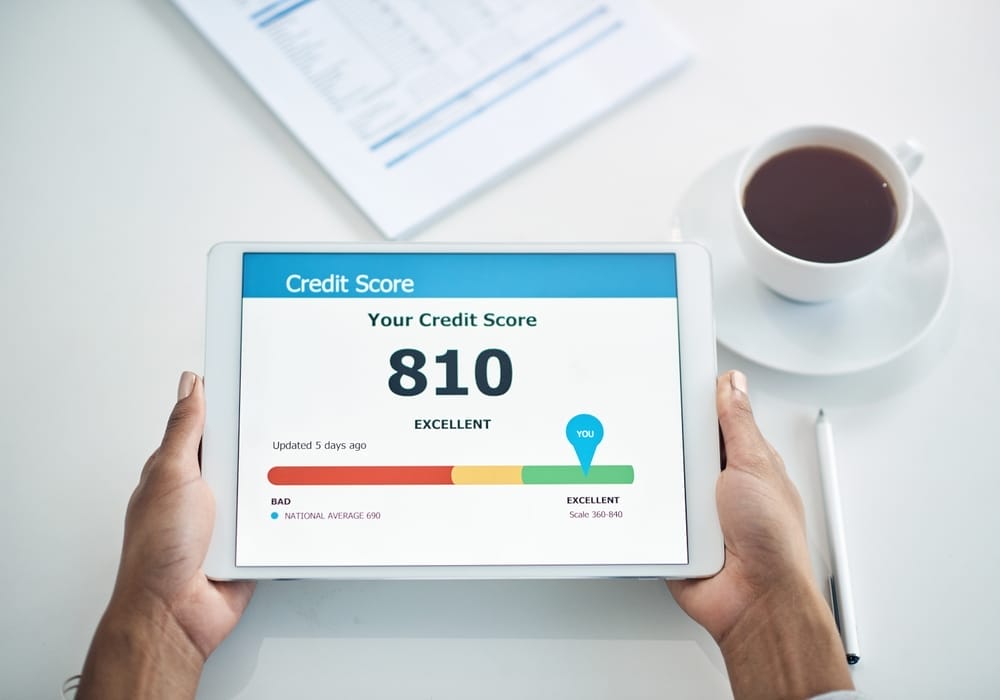
Credit scores influence so many aspects of our financial lives, from getting a loan to renting an apartment. Yet, most people don’t actually understand how credit scores really work. Misconceptions can lead to costly mistakes, like missing out on better interest rates or unknowingly damaging your credit profile. With so much at stake, it’s important to clarify the facts. Understanding your credit score isn’t just about numbers—it’s about taking control of your financial future. Let’s break down why confusion is so common and what you need to know to avoid it.

1. Credit Scores Are Not Just About Paying Bills on Time

One of the biggest misunderstandings about credit scores is the belief that paying your bills on time is all that matters. While payment history is important, it’s only one part of the equation. Your credit score also factors in how much debt you have, the types of credit you use, the length of your credit history, and recent credit inquiries. Even if you never miss a payment, maxing out your credit cards or opening several new accounts at once can still hurt your score.

People often overlook these other factors, focusing only on payment due dates. This narrow view leads to frustration when their credit score doesn’t rise as expected. A more complete understanding helps you make smarter choices about how you use credit, not just when you pay your bills.

2. Confusion Between Different Credit Scoring Models

There isn’t just one credit score. Lenders use different scoring models, such as FICO and Vantage Score, each with its own unique formula. Your score can vary depending on which model is used and even which credit bureau is reporting your information. This leads to confusion when people check their score through a free service and are surprised to see a different number when they apply for a loan.

It’s easy to assume there’s a single, definitive score, but the reality is more complicated. Understanding that multiple credit scores exist can help you interpret your number more accurately and avoid surprises when seeking credit.

3. The Impact of Credit Utilization Is Often Overlooked

Credit utilization—the amount of credit you’re using compared to your total credit limit—is a critical component of how credit scores really work. Many people don’t realize that carrying high balances, even if you pay them off each month, can lower your score. Lenders like to see that you’re not maxing out your available credit.

Keeping your credit utilization below 30% is usually recommended, but lower is better. If you’re consistently using most of your credit, your score may suffer, regardless of your payment history. This subtlety is often missed, leading people to unknowingly hurt their own credit standing.

4. Closing Old Accounts Can Backfire

It seems logical to close old or unused credit accounts to simplify your finances, but this can actually harm your credit score. The age of your credit accounts is another key factor in most scoring models. When you close an old account, you reduce the average age of your credit history, which can lower your score.

Additionally, closing accounts can increase your credit utilization ratio if you carry balances on other cards. This double impact is rarely explained in basic credit advice, leaving many people confused about why their score drops after taking what seemed like a responsible action.

5. Myths About Checking Your Own Credit

There’s a persistent myth that checking your own credit score will hurt it. In reality, checking your own score is considered a “soft inquiry” and doesn’t affect your credit at all. Only “hard inquiries,” like those made by lenders when you apply for new credit, can have a small, temporary impact.

Because of this misunderstanding, some people avoid monitoring their credit, missing out on opportunities to catch errors or signs of identity theft early. Regularly reviewing your credit report is a smart way to stay informed and protect your financial health.

6. Lack of Education and Misinformation

Many people never learn how credit scores really work. Financial education isn’t a standard part of most school curricula, so individuals rely on word-of-mouth, social media, or outdated advice. This can lead to the spread of myths and half-truths, making it even harder to separate fact from fiction.

Some people also believe that credit scores are only for “big” financial decisions, like buying a house, when in reality, they impact everything from insurance rates to job applications. Without accurate information, it’s easy to make mistakes that linger for years.

7. The Influence of Credit Repair Companies

Credit repair companies sometimes promise quick fixes or “secret” strategies for improving credit scores. While some offer legitimate services, others exaggerate their abilities or spread misinformation. This can lead people to misunderstand how credit scores really work, focusing on gimmicks instead of proven habits.

It’s important to recognize that there are no shortcuts. Consistent, responsible credit use is the only reliable way to improve your score.

What You Can Do to Understand Credit Scores Better

Getting a clear picture of how credit scores really work is possible. Start by learning the main factors that influence your score: payment history, credit utilization, length of credit history, new credit, and credit mix. Check your credit report regularly, and don’t be afraid to ask questions or seek out reputable resources.

By understanding the real drivers behind your credit score, you can make choices that genuinely improve your financial standing. Have you ever been surprised by your credit score or found out something new about how it works? Share your experience in the comments!

What to Read Next…

  • 5 Things That Instantly Decrease Your Credit Score By 50 Points
  • The Benefits Of Taking Personal Loans And Their Impact On Credit Scores
  • Why Credit Limits Are Being Lowered Without Consent
  • Why Some Credit Reports Are Withholding Important Data
  • Are Your Social Media Posts Creating A Credit Risk?
Travis Campbell
Travis Campbell

Travis Campbell is a digital marketer/developer with over 10 years of experience and a writer for over 6 years. He holds a degree in E-commerce and likes to share life advice he’s learned over the years. Travis loves spending time on the golf course or at the gym when he’s not working.

Filed Under: credit cards Tagged With: credit myths, credit repair, credit reports, credit scores, credit utilization, financial education, Personal Finance

10 Financial Dangers That Hide in Lease Agreements

September 1, 2025 by Travis Campbell Leave a Comment

agreement

Image source: pexels.com

Lease agreements often seem straightforward, but the details can hide traps that cost you money and peace of mind. Whether you’re renting an apartment, leasing a car, or signing for office space, it’s easy to miss hidden costs and unfavorable terms. Many people skip reading the fine print or don’t fully understand what they’re signing. That can lead to unpleasant surprises down the road. Knowing the financial dangers in lease agreements helps you avoid costly mistakes and make smarter decisions.

1. Automatic Renewal Clauses

One of the most common financial dangers in lease agreements is the automatic renewal clause. These terms can lock you into another lease period if you don’t give proper notice before your current lease ends. Missing the deadline, even by a day, may mean you’re responsible for months of extra rent or payments. Always check how much notice you need to give and set reminders well before the deadline.

2. Early Termination Penalties

Ending a lease early can be expensive. Many agreements include stiff penalties if you break the contract before the term is up. Sometimes, you’ll have to pay the remaining balance or a set fee. Understand exactly what those penalties are. If your situation might change, look for leases with flexible exit options or negotiate these terms before signing.

3. Hidden Fees and Charges

Lease agreements often contain hidden fees that aren’t obvious at first glance. These can include administrative fees, maintenance charges, or even charges for routine repairs. Over time, these small costs add up. Read every section and ask questions about any fee you don’t understand. Getting clarity up front can save you from budget surprises.

4. Maintenance and Repair Responsibilities

Who covers the cost of repairs? Lease agreements sometimes make tenants responsible for things you’d expect the owner or landlord to handle. For example, you might be on the hook for appliance repairs or even structural issues. Make sure the lease spells out who pays for what. If it’s vague, ask for more detailed language.

5. Security Deposit Deductions

Security deposits are meant to cover damage, but some leases allow landlords to deduct for “wear and tear” or minor issues. The definition of “damage” can be subjective. Before signing, find out what counts as normal use and what could cost you. Take photos when you move in and out. This protects your deposit and helps avoid disputes.

6. Rent Increase Clauses

Some lease agreements include terms that let landlords raise the rent during your lease. These rent increase clauses can seriously impact your budget, especially if you’re not expecting them. Understand when and how much the rent can go up. If the lease is unclear, ask for specifics or request a fixed-rate term. This financial danger can sneak up on you if you’re not careful.

7. Insurance Requirements

Many leases require tenants to carry renters’ or liability insurance. If you don’t, you could be in breach of contract. Sometimes, landlords mandate specific coverage amounts that cost more than a standard policy. Ensure you understand the requirements and compare rates to find the best deal. Include the cost of insurance in your budgeting from the start.

8. Use Restrictions and Subleasing

Some agreements limit how you can use the property or whether you can sublet. Violating these terms can result in fines or even eviction. For example, you might be barred from running a business from home or having roommates. If you think your situation might change, look for flexible terms or permission to sublease. Always get any agreement in writing.

9. Ambiguous Language and Legal Jargon

Lease agreements are full of legal terms that can be confusing. Ambiguous language hides financial dangers that may only become clear after a dispute. If you’re unsure about any section, ask for clarification. Don’t rely on verbal explanations—get all changes in writing.

10. Personal Guarantees and Joint Liability

Some leases require a personal guarantee, especially for commercial leases or if your credit is limited. This means you’re personally responsible for the payments, even if your business or roommate defaults. Joint liability clauses can also make you responsible for the full amount if another tenant skips out. Understand your obligations before agreeing to these terms—they can have long-term financial consequences.

How to Protect Yourself from Lease Agreement Risks

Financial dangers in lease agreements can be easy to overlook, but a careful review makes a big difference. Always read the entire document and don’t be afraid to negotiate terms that seem unfair. If anything is unclear, ask questions or seek advice from a professional.

Taking the time to understand your lease agreement protects you from unexpected costs and stress. What’s the most surprising lease agreement clause you’ve ever seen? Share your story in the comments!

What to Read Next…

  • 9 Times It’s Smarter to Rent Than Buy Even Long Term
  • How a Rental Property in the Wrong State Can Wreck Your Tax Bracket
  • How Homeowners Associations Are Targeting Retirees With Fines
  • 9 Reasons Boomers Are Now Facing Eviction at Record Levels
  • Can You Really Lose Your House Over One Missed HOA Payment?
Travis Campbell
Travis Campbell

Travis Campbell is a digital marketer/developer with over 10 years of experience and a writer for over 6 years. He holds a degree in E-commerce and likes to share life advice he’s learned over the years. Travis loves spending time on the golf course or at the gym when he’s not working.
Filed Under: Finance Tagged With: contracts, financial risks, Hidden Fees, lease agreements, Personal Finance, Real estate, Renting

Could Buying Too Much Insurance Be as Costly as Having None

September 1, 2025 by Travis Campbell Leave a Comment

insurance

Image source: pexels.com

Insurance is meant to offer peace of mind and protect your finances from unexpected setbacks. Most people focus on the risks of being underinsured—what happens if disaster strikes and your coverage falls short? But there’s another side to the story that often gets overlooked. Could buying too much insurance be as costly as having none at all? While it’s tempting to cover every possible scenario, overinsuring can quietly drain your wallet and complicate your financial picture. Understanding the risks and consequences of excessive insurance is crucial for anyone who wants to make smart decisions about their money. Let’s explore how too much coverage can actually work against you.

1. The Cost of Overlapping Policies

When you’re worried about protecting yourself, it’s easy to double up on coverage. For example, you might have both a comprehensive health insurance plan and multiple supplemental policies that cover the same events. Or, you could hold several types of life insurance for the same beneficiaries. These overlapping policies often mean you’re paying more than necessary for the same protection. The money spent on redundant coverage could be put to better use elsewhere—like saving for retirement or building an emergency fund.

The primary keyword here, “too much insurance,” is central to this pitfall. Too much insurance doesn’t just mean extra paperwork; it means real dollars lost every month. Take a close look at your policies and ask yourself if you’re paying twice for the same peace of mind.

2. Opportunity Cost of Excess Premiums

Every dollar spent on insurance premiums is a dollar you can’t use for other goals. If you’re consistently paying high premiums because you’re overinsured, you’re missing out on opportunities to invest or save. Over time, those missed opportunities can add up to significant lost wealth. For instance, if you’re spending $200 extra each month on unnecessary coverage, that’s $2,400 a year that could have grown in a retirement account or paid down debt.

Opportunity cost is rarely discussed when people talk about insurance, but it’s a real consequence of having too much insurance. It’s important to balance your need for protection with your long-term financial goals.

3. Unnecessary Complexity and Confusion

Managing multiple insurance policies can get complicated fast. The more policies you have, the harder it becomes to keep track of coverage limits, exclusions, and renewal dates. When you have too much insurance, you might not even know what each policy covers. This confusion can lead to missed claims, lapsed policies, or paying for coverage you no longer need.

Complexity also increases the risk of administrative errors. If you need to file a claim, you may struggle to figure out which policy applies, slowing down the process and adding stress during an already difficult time.

4. Psychological Trap: Feeling “Safer” Than You Are

Buying too much insurance can create a false sense of security. You might feel invincible, thinking every possible risk is covered. But not all policies are created equal, and some may have exclusions or limitations that leave you exposed. In some cases, the psychological comfort of over insuring can cause people to take unnecessary risks or neglect other forms of financial planning.

It’s important to remember that insurance is just one part of a healthy financial plan. Relying too heavily on insurance can distract from building savings or investing for the future.

5. The Risk of Paying for Coverage You Can’t Use

Some insurance policies have strict payout limits or conditions in place. For example, if you buy multiple health or disability policies, insurers may coordinate benefits to ensure you don’t receive more than your actual expenses or lost income. In practice, this means you could be paying premiums for coverage you’ll never be able to access. This is a classic sign of having too much insurance.

Before adding another policy, consider whether you’re likely to benefit from it. If not, those premiums might be better spent elsewhere.

6. Impact on Your Budget and Cash Flow

Monthly insurance premiums can add up quickly, especially if you have several policies. Too much insurance can quietly squeeze your budget, leaving less room for essentials or discretionary spending. Over time, this can lead to financial stress or force you to cut back in other areas.

Staying mindful of your cash flow is key. If your insurance bills are starting to feel overwhelming, it might be time to reassess your coverage and make sure you’re not paying for more than you need.

How to Find the Right Balance

Finding the sweet spot between too little and too much insurance is a personal process. Start by reviewing your existing policies and identifying any overlaps or gaps. Consider your unique risks, financial goals, and family situation. Don’t be afraid to ask questions or seek advice from a trusted, fee-only financial planner.

Remember, the goal is to protect yourself from major financial setbacks without overpaying. Too much insurance can quietly erode your wealth just as surely as having none at all. Take the time to ensure your coverage is the right fit for your life and budget.

Have you ever realized you were overinsured, or do you worry about not having enough coverage? Share your thoughts and experiences in the comments below!

What to Read Next…

  • 8 Insurance Riders That Sound Helpful But Add No Value
  • 7 Insurance Policies That Stop Making Sense After Age 65
  • What Insurance Fine Print Could Void Your Entire Claim
  • The Insurance You Bought For Legacy Planning Might Expire Before You Do
  • The Fine Print That Made Life Insurance Payouts Smaller Than Expected
Travis Campbell
Travis Campbell

Travis Campbell is a digital marketer/developer with over 10 years of experience and a writer for over 6 years. He holds a degree in E-commerce and likes to share life advice he’s learned over the years. Travis loves spending time on the golf course or at the gym when he’s not working.

Filed Under: Insurance Tagged With: budgeting, Insurance, insurance premiums, overinsurance, Personal Finance, Planning, Risk management

8 Money Secrets That Divorce Lawyers Know but Couples Don’t

September 1, 2025 by Travis Campbell Leave a Comment

divorce

Image source: pexels.com

When a marriage ends, emotions run high, and big decisions have to be made. Most couples focus on the obvious issues—who keeps the house, what happens to the kids, and how to divide the bank accounts. But divorce lawyers see a much deeper picture. There are hidden financial traps and overlooked opportunities that can cost you thousands, or even ruin your fresh start. Understanding these money secrets isn’t just about being savvy—it’s about protecting your future. If you’re facing a split or just want to be prepared, these insights can make a real difference in your financial well-being.

1. Not All Assets Are Created Equal

It’s easy to look at the bottom line and think a 50/50 split of money and property is fair. But divorce lawyers know the primary keyword—money secrets—often hide in the details. A $100,000 retirement account is not the same as $100,000 in cash. Retirement funds may come with taxes and penalties for early withdrawal, while investment accounts may have embedded capital gains tax. Make sure you understand the real, after-tax value of each asset before agreeing to any split.

2. Hidden Debts Can Haunt You

Many couples overlook debt in the emotional whirlwind of divorce. It’s not just about who racks up the credit card bill—some debts can be hidden or forgotten. Divorce lawyers warn that you could end up responsible for a spouse’s old loans, unpaid taxes, or even business debts if you don’t do your homework. Always get a full credit report for both parties and review all joint accounts. Don’t assume debts are being handled—ask for documentation.

3. The House May Be More Burden Than Blessing

People often fight to keep the family home, thinking it’s the safest bet. But among the top money secrets is that the house can be a financial trap. Mortgage payments, property taxes, maintenance, and repairs add up fast. If your income drops post-divorce, you may struggle to afford it. Sometimes, selling and downsizing are the smarter moves. Don’t let emotion cloud your judgment—run the numbers to see if keeping the house really makes sense.

4. Lifestyle May Not Be Sustainable

Divorce often means a drop in household income, but many couples try to maintain the same lifestyle. Divorce lawyers see people drain savings or rack up debt to keep up appearances. One key money secret: create a realistic post-divorce budget before you finalize anything. Factor in new expenses like health insurance, rent, or child care. Adjust your expectations early to avoid financial stress down the road.

5. Overlooking Retirement Accounts Is Costly

Retirement assets are often the largest pool of money in a marriage, but they’re frequently ignored or misunderstood. Divorce lawyers stress the importance of dividing these accounts properly using a Qualified Domestic Relations Order (QDRO). If you skip this step, you could lose out on your fair share or trigger a big tax bill.

6. Child Support and Alimony Aren’t Set in Stone

Many people think court-ordered payments are fixed forever. The truth is, these amounts can change if your circumstances do. Job loss, a big raise, or a child turning 18 can all lead to modifications. Knowing this money secret lets you plan ahead. Keep records, track changes, and don’t be afraid to revisit the agreement if your situation shifts. Consult your attorney if you think an update is needed.

7. Tax Consequences Can Be Surprising

Divorce changes your tax filing status, deductions, and even who is eligible to claim the children. Some assets, like stocks or real estate, may carry capital gains. Alimony is no longer tax-deductible for the payer or taxable for the recipient in divorces finalized after 2018. If you don’t factor in these details, you could face a surprise bill from the IRS.

8. Legal Fees Add Up Fast

One of the most overlooked money secrets is the true cost of legal help. Divorce lawyers charge hourly, and disputes over small items can balloon your bill. The longer you fight, the more you pay. Consider mediation for smaller issues or try to agree on as much as possible outside of court. Keep communication with your lawyer focused and organized to avoid unnecessary charges.

Taking Control of Your Financial Future

Divorce is challenging, but knowing these money secrets can help you make smarter choices. Don’t rush through decisions or let emotions drive your financial agreements. Take time to understand each asset, debt, and obligation. Consult with professionals if you need clarity and always get everything in writing.

The more you know about money secrets in divorce, the better you can protect your interests and set yourself up for the next chapter. Have you or someone you know learned a tough lesson about money during a divorce? Share your story or questions in the comments below!

What to Read Next…

  • What Financial Planners Know About Divorce That Most Couples Don’t
  • 7 Signs Your Marriage And Finances Are Quickly Failing
  • Why Are More Couples Using Prenups After Getting Married?
  • 10 Money Mistakes People Make After Losing A Spouse
  • Here Are 8 Things You Should Never Tell Your Spouse About Your Personal Finances
Travis Campbell
Travis Campbell

Travis Campbell is a digital marketer/developer with over 10 years of experience and a writer for over 6 years. He holds a degree in E-commerce and likes to share life advice he’s learned over the years. Travis loves spending time on the golf course or at the gym when he’s not working.

Filed Under: Legal Advice Tagged With: divorce, divorce lawyers, legal advice, Marriage, money secrets, Personal Finance

5 Things That Cost More in Poorer Areas Than Rich Ones

September 1, 2025 by Catherine Reed Leave a Comment

5 Things That Cost More in Poorer Areas Than Rich Ones

Image source: 123rf.com

It might seem logical that living in a wealthier neighborhood means higher prices, but reality often tells a different story. Surprisingly, many essentials and everyday expenses are more expensive in struggling communities than in affluent ones. Limited access, higher risks, and reduced competition drive costs up for families who can least afford them. Understanding the things that cost more in poorer areas than rich ones highlights the unfair financial burdens placed on lower-income households. By recognizing these hidden inequalities, families can look for ways to avoid or minimize unnecessary expenses.

1. Groceries and Everyday Essentials

One of the most obvious things that cost more in poorer areas than rich ones is food. Affluent neighborhoods typically have multiple grocery store chains, offering competitive prices and frequent sales. Poorer communities often rely on small corner stores or convenience shops, where options are limited and prices are inflated. A gallon of milk or a box of cereal can cost significantly more simply because there are fewer retailers to compete for customers. Over time, this lack of affordable food access, often called a “food desert,” drains family budgets.

2. Financial Services and Banking Fees

Another surprising example of things that cost more in poorer areas than rich ones is banking. Wealthier neighborhoods often have easy access to banks with low-fee accounts and financial products. In contrast, poorer communities are more likely to rely on check-cashing services, payday lenders, or prepaid debit cards. These alternatives come with high fees, interest rates, and penalties that chip away at already limited income. The lack of affordable banking options creates a cycle where the poorest households end up paying the most just to manage their money.

3. Auto Insurance Premiums

Car ownership is often essential, yet auto insurance is one of the things that cost more in poorer areas than rich ones. Insurers use location-based risk assessments, charging higher rates in neighborhoods with higher crime or accident statistics. Families in lower-income communities end up paying hundreds more per year for the same coverage that wealthier drivers enjoy at a lower cost. This penalty makes reliable transportation even more expensive for those who need it most. With fewer public transit options, the added insurance burden can feel inescapable.

4. Housing and Rent Costs

It may sound counterintuitive, but rent is another of the things that cost more in poorer areas than rich ones relative to quality. Tenants in lower-income neighborhoods often pay high rents for apartments that are smaller, older, and in worse condition than homes in wealthier areas. Because many poorer renters cannot qualify for mortgages, they’re excluded from homeownership’s long-term financial benefits. Limited housing supply and high demand in urban centers also push up costs disproportionately. This leaves families paying more for less and struggling to build equity.

5. Access to Credit and Borrowing Costs

Credit is yet another area where inequality shows. Access to affordable loans is harder in lower-income areas, making credit one of the things that cost more in poorer areas than rich ones. Families with limited credit histories often face higher interest rates, stricter terms, or outright denial from mainstream lenders. As a result, they turn to high-interest credit cards or payday loans, which trap them in cycles of debt. Meanwhile, wealthier borrowers with strong credit histories enjoy lower borrowing costs and better financial opportunities.

Breaking the Cycle of Unequal Costs

The reality is clear: there are many things that cost more in poorer areas than rich ones, and this inequality keeps families trapped financially. From groceries to credit, the systems that should support families often punish them instead. Breaking the cycle requires a combination of policy changes, community development, and personal financial strategies. Families can fight back by seeking out credit unions, budgeting for bulk purchases, or advocating for fair housing and services. Recognizing these unfair costs is the first step toward creating real financial equity.

Have you noticed things that cost more in poorer areas than rich ones where you live? What examples stand out most? Share your thoughts in the comments below!

What to Read Next…

Could Wealthy People Be Poorer Than They Appear on Paper

7 Uncomfortable Topics Advisors Should Bring Up—and Few Do

8 Signs Your Portfolio Strategy May Be Outdated in This Economy

Can You Really Build a Future With Someone Who’s Terrible With Money?

10 Shocking Fees That Advisors Say Clients Never Notice

Catherine Reed
Catherine Reed

Catherine is a tech-savvy writer who has focused on the personal finance space for more than eight years. She has a Bachelor’s in Information Technology and enjoys showcasing how tech can simplify everyday personal finance tasks like budgeting, spending tracking, and planning for the future. Additionally, she’s explored the ins and outs of the world of side hustles and loves to share what she’s learned along the way. When she’s not working, you can find her relaxing at home in the Pacific Northwest with her two cats or enjoying a cup of coffee at her neighborhood cafe.

Filed Under: Lifestyle Tagged With: community economics, Cost of living, financial inequality, hidden expenses, Personal Finance, things that cost more in poorer areas than rich ones

10 Hidden Truths About How Inflation Really Works

September 1, 2025 by Catherine Reed Leave a Comment

10 Hidden Truths About How Inflation Really Works

Image source: 123rf.com

Inflation is one of those financial concepts everyone hears about but few fully understand. We notice it when grocery bills rise or gas prices spike, but the forces behind it are much more complex. Governments, businesses, and consumers all play a role, and the ripple effects can impact everything from savings accounts to retirement plans. By learning the hidden truths about how inflation really works, you can make smarter financial decisions and protect your money. It’s not just about prices going up—it’s about understanding the entire system that drives those changes.

1. Inflation Is More Than Rising Prices

Many people think inflation is simply the increase in costs, but the hidden truth is that it reflects a broader change in purchasing power. When inflation occurs, each dollar buys less than it did before. This means wages, savings, and investments lose value unless they grow faster than inflation. Businesses pass on higher costs to consumers, compounding the problem. This shows the first layer of how inflation really works—eroding value behind the scenes.

2. Supply and Demand Aren’t the Only Drivers

Another truth about how inflation really works is that it isn’t only about supply shortages or increased demand. Policy decisions, such as interest rate adjustments or government spending, influence inflation heavily. When central banks keep interest rates low, borrowing becomes cheaper, often fueling price increases. Conversely, cutting spending or raising rates can slow inflation, but not without consequences. This highlights how much inflation depends on policy as much as markets.

3. Not All Goods Inflate Equally

A common misconception is that inflation affects everything at the same rate. In reality, some items increase in price faster than others, which is why you may feel inflation more in groceries than in electronics. Essential goods like food and fuel often rise quickly because people cannot avoid buying them. Luxury goods, on the other hand, may stay flat or even drop in price. This uneven impact is a crucial part of how inflation really works.

4. Wages Don’t Always Keep Up

One hidden truth about how inflation really works is that wage growth often lags behind rising prices. Even if incomes rise, they may not rise enough to match inflation. This creates a situation where families feel poorer despite technically earning more money. For households without investment income, the gap becomes even more noticeable. The disconnect between wages and inflation explains why everyday life can feel more expensive year after year.

5. Debt Becomes Cheaper Over Time

Here’s a surprising truth: debt can actually benefit from inflation. As the value of money decreases, the real cost of fixed debt payments shrinks. For example, a \$1,000 monthly mortgage feels smaller over time if wages and prices rise. While this helps borrowers, it hurts lenders who receive payments in devalued dollars. Understanding this dynamic is essential for grasping how inflation really works across the economy.

6. Savings Lose Value Without Protection

People often forget that inflation eats away at savings sitting in regular bank accounts. Even with modest interest rates, the growth may not keep pace with inflation. Over time, this means savers lose purchasing power despite their balances increasing on paper. The hidden truth about how inflation really works is that it punishes inaction. Without investing or inflation-protected accounts, your savings slowly erode.

7. Investors React in Complex Ways

Another overlooked fact about how inflation really works is its complicated impact on investments. Stocks in certain industries, like energy or consumer staples, may perform well during inflationary periods. Bonds, however, often lose value as interest rates rise to combat inflation. Real estate can act as a hedge, but even property markets respond differently depending on demand and location. This variety makes it critical for investors to diversify.

8. Global Events Can Trigger Local Inflation

Inflation isn’t just a domestic issue. Global supply chain disruptions, wars, and foreign trade policies all influence local prices. For example, a drought in another country can raise food prices worldwide. Similarly, oil shortages can spike transportation costs everywhere. This interconnectedness is another key to understanding how inflation really works—what happens abroad often shows up at your local store.

9. Inflation Isn’t Always Bad

While it often carries a negative reputation, a moderate level of inflation can be healthy. It encourages spending and investment instead of hoarding money, which keeps economies moving. Businesses can raise prices slightly, allowing them to grow and hire more workers. The problem arises when inflation becomes too high or too low, tipping economies toward instability. Balanced inflation is part of how inflation really works to sustain growth.

10. Your Perception Shapes Its Impact

A final hidden truth about how inflation really works is psychological. When people expect prices to rise, they often spend more quickly, which in turn accelerates inflation. Conversely, if consumers tighten spending in anticipation of higher costs, businesses may cut production, worsening supply issues. Expectations can drive inflation almost as much as actual conditions. This feedback loop shows how emotions and behavior fuel economic outcomes.

Understanding Inflation Beyond the Headlines

The hidden truths about how inflation really works reveal that it’s much more than a simple rise in prices. It’s a complex dance between policy, markets, psychology, and global events. For individuals, the lesson is clear: protect savings, diversify investments, and stay informed about economic shifts. Inflation may be unavoidable, but with knowledge and preparation, its impact doesn’t have to derail your financial future.

Which hidden truths about how inflation really works surprised you the most? Share your thoughts and experiences in the comments below!

What to Read Next…

Are Retirement Income Calculators Overestimating Inflation Impact?

7 Financial Surprises That Even Rich Families Don’t See Coming

Why Do So Many Retirees Run Out of Money Even After Saving for Decades

8 Signs Your Portfolio Strategy May Be Outdated in This Economy

Could Your 2025 COLA Push You Into a Higher Tax Bracket—Without a Pay Raise?

Catherine Reed
Catherine Reed

Catherine is a tech-savvy writer who has focused on the personal finance space for more than eight years. She has a Bachelor’s in Information Technology and enjoys showcasing how tech can simplify everyday personal finance tasks like budgeting, spending tracking, and planning for the future. Additionally, she’s explored the ins and outs of the world of side hustles and loves to share what she’s learned along the way. When she’s not working, you can find her relaxing at home in the Pacific Northwest with her two cats or enjoying a cup of coffee at her neighborhood cafe.

Filed Under: Personal Finance Tagged With: economic policy, how inflation really works, Inflation, investments, money management, Personal Finance

8 Ways Hidden Bank Fees Keep Growing Without Notice

September 1, 2025 by Catherine Reed Leave a Comment

8 Ways Hidden Bank Fees Keep Growing Without Notice

Image source: 123rf.com

Most people expect to pay some fees when using financial services, but few realize just how many hidden charges banks slip into everyday transactions. From small “maintenance” costs to penalties that feel unfair, these fees often fly under the radar until they add up to hundreds of dollars a year. For households already watching their budgets closely, hidden bank fees quietly erode savings and make it harder to get ahead. The tricky part is that many of these charges don’t show up until after the fact. Learning the ways hidden bank fees keep growing without notice helps you spot them early and protect your money.

1. Monthly Maintenance Fees

One of the most common hidden bank fees is the so-called “maintenance” charge. These are monthly costs for simply having an account open. Banks sometimes waive them if you keep a certain balance or set up direct deposit, but not everyone qualifies. Over time, these small fees can drain your account, especially if you’re unaware of the requirements to avoid them. What looks like a few dollars here and there can add up to more than $100 annually.

2. Overdraft Protection Isn’t Free

Many banks advertise overdraft protection as a safeguard, but it comes at a cost. Hidden bank fees often appear when you spend more than your balance, triggering an automatic transfer or loan to cover the shortfall. The bank then charges for the “protection” itself, sometimes multiple times in a single day. This means you’re paying for spending money you didn’t have, plus interest if linked to a credit line. What feels like a safety net quickly turns into a costly trap.

3. ATM Usage Outside Your Network

Another way hidden bank fees keep growing without notice is through ATM usage. Banks charge when you use machines outside their network, and the ATM owner often charges as well. The average ATM fee is $4.77 for a single withdrawal. Frequent travelers or people in areas without convenient branch access get hit hardest. Before long, you might spend more on fees than the cash you’re withdrawing.

4. Paper Statement Fees

In today’s digital age, some banks actually charge you for receiving paper statements. While the cost per month seems minor, it’s one more example of hidden bank fees adding up over time. Many customers don’t even realize they’re being charged simply for wanting a physical record of their transactions. By the end of the year, that “convenience” can cost $12 to $30 or more unnecessarily. Going paperless is often the only way to avoid this subtle charge.

5. Inactivity Penalties

Believe it or not, banks sometimes penalize you for not using your account. If your balance sits untouched for too long, you may face inactivity fees. This is another way hidden bank fees punish customers without them noticing until later. Accounts intended for savings or emergencies often get hit hardest. It’s frustrating to lose money simply for leaving funds where you thought they were safe.

6. Foreign Transaction Costs

When traveling abroad or making online purchases from international retailers, hidden bank fees often strike in the form of foreign transaction charges. Typically, around 1% to 3% of the purchase, these fees add up quickly during vacations or holiday shopping. Many people don’t notice until they see their statements. Even if your card offers perks like airline miles, these charges can offset the value. Choosing a no-foreign-fee card is key to avoiding this unnecessary expense.

7. Excessive Withdrawal Charges on Savings Accounts

Savings accounts are designed to encourage saving, but some banks penalize you for accessing your money too often. Hidden bank fees show up when you exceed a set number of monthly withdrawals, leading to extra charges. Customers often don’t realize these restrictions exist until they’re surprised by the fee. This discourages flexibility and makes emergency access more costly. Knowing your account’s withdrawal limits is critical to avoiding this pitfall.

8. Closing an Account Too Soon

Finally, one of the sneakier hidden bank fees comes when you try to close an account. Some banks charge if the account hasn’t been open long enough, often within 90 or 180 days. This penalizes customers who change their mind or switch banks too quickly. It’s especially frustrating because it feels like you’re being charged for moving your money elsewhere. Reading the fine print before opening an account can save you from this last surprise.

Taking Back Control from Hidden Fees

The reality is that hidden bank fees grow because they’re small, subtle, and often unnoticed until too late. By keeping a close eye on statements, understanding account requirements, and asking questions upfront, you can avoid most of these unnecessary costs. Banks rely on customer inattention to profit from these charges. Staying informed gives you the power to protect your hard-earned money. The more you know, the less you’ll pay for convenience that should be free.

Have you ever been caught off guard by hidden bank fees? Which ones frustrate you the most? Share your experiences in the comments below!

What to Read Next…

Could Too Much Cash in the Bank Actually Hurt Your Financial Future

10 Surprise Transfers in Your Account You Didn’t Authorize

6 Times You Might Unknowingly Sign Away Financial Control

7 ATM Withdrawal Behaviors That Raise Government Surveillance Flags

10 Shocking Fees That Advisors Say Clients Never Notice

Catherine Reed
Catherine Reed

Catherine is a tech-savvy writer who has focused on the personal finance space for more than eight years. She has a Bachelor’s in Information Technology and enjoys showcasing how tech can simplify everyday personal finance tasks like budgeting, spending tracking, and planning for the future. Additionally, she’s explored the ins and outs of the world of side hustles and loves to share what she’s learned along the way. When she’s not working, you can find her relaxing at home in the Pacific Northwest with her two cats or enjoying a cup of coffee at her neighborhood cafe.

Filed Under: Banking Tagged With: banking costs, financial awareness, hidden bank fees, money management, overdraft protection, Personal Finance

How Can Family Dynamics Ruin Even the Best Financial Plans

August 31, 2025 by Catherine Reed Leave a Comment

How Can Family Dynamics Ruin Even the Best Financial Plans

Image source: 123rf.com

You can spend years saving, budgeting, and investing carefully, only to watch your efforts unravel because of personal relationships. Money is deeply tied to family life, and emotions often complicate otherwise sound strategies. When disagreements, expectations, or pressure come into play, the strongest financial plans can quickly fall apart. Understanding how family dynamics ruin financial plans helps you prepare for challenges that numbers alone can’t solve. With awareness and communication, families can protect both their wealth and their relationships.

1. Conflicts Over Inheritance

One of the most common ways family dynamics ruin financial plans is through disputes over inheritance. Even when a will or trust is in place, disagreements between siblings or relatives can create costly legal battles. These conflicts often drain resources meant to provide stability for the next generation. In some cases, family members fight over sentimental items just as fiercely as large sums of money. Without clear communication and planning, inheritances that were supposed to provide security often turn into sources of division.

2. Supporting Adult Children Financially

Parents often feel compelled to provide ongoing financial help to adult children. While the intention is loving, it’s another example of how family dynamics ruin financial plans. Continued support—such as paying rent, covering debts, or financing lifestyles—can drain retirement savings and derail long-term goals. Families who don’t set boundaries may find themselves sacrificing their own security. This hidden pressure can leave parents vulnerable later in life when they need funds the most.

3. Disagreements Between Spouses

Even the most carefully built budget can collapse when spouses are not aligned on money goals. Differing views on spending, saving, or investing often lead to tension and overspending. Over time, these disagreements can result in missed opportunities and financial setbacks. Many couples underestimate how much their personal habits and communication impact long-term planning. Spousal conflicts are a clear example of how family dynamics ruin financial plans if not addressed early.

4. Caring for Aging Parents

Family responsibilities don’t only flow toward children—aging parents often need support as well. Medical bills, assisted living, or unexpected expenses can put a huge strain on adult children’s finances. Without proper preparation, these responsibilities can drain emergency savings and retirement accounts. Families may also disagree on how to split caregiving and costs, adding more tension to the situation. This caregiving challenge shows another way family dynamics ruin financial plans unexpectedly.

5. Unequal Expectations Between Siblings

Siblings often assume financial responsibilities will be divided fairly, but reality doesn’t always match expectations. One sibling may contribute more to caring for parents or managing family assets, while others contribute little. Resentment builds, and arguments erupt over fairness and obligations. These disputes not only damage relationships but can also stall decision-making about shared assets or properties. Unequal expectations are a common way family dynamics ruin financial plans and prevent cooperation.

6. Divorce and Separation

Few events have as devastating an impact on financial stability as divorce. Assets are divided, legal fees mount, and retirement savings may take a significant hit. Even carefully crafted financial plans cannot withstand the sudden disruption of splitting households. The emotional toll also makes it harder to make sound decisions in the moment. Divorce serves as a stark example of how family dynamics ruin financial plans despite careful preparation.

7. Pressure to Maintain Appearances

Some families feel pressure to keep up with appearances, whether it’s hosting lavish holidays, paying for big weddings, or funding expensive vacations. These decisions are often more about family expectations than financial logic. Over time, this lifestyle creep drains savings and undermines long-term goals. Relatives may even guilt individuals into spending more than they can afford. Social pressure within families is yet another way family dynamics ruin financial plans silently.

Protecting Finances While Preserving Relationships

The reality is that family dynamics ruin financial plans when emotions override logic. But families can prepare by having open conversations, setting boundaries, and involving neutral professionals like financial planners or mediators. Strong plans include not just numbers but strategies for handling conflict, caregiving, and expectations. By balancing financial responsibility with compassion, families can protect both their wealth and their connections. After all, the goal of money is not just security but harmony across generations.

Have you seen family dynamics ruin financial plans in your own life or others’? How did you handle it? Share your experiences in the comments below!

What to Read Next…

Are State Heir Laws Disfavoring Blended Families in 2025?

9 Promises Adult Children Make to Their Parents, But Have No Idea of How to Keep Them

8 Unsettling Consequences of Refusing to Attend Family Gatherings

Why Do Advisors Downplay the Cost of Raising Children

12 Capital-Gains Surprises When You Sell the Family Home After 55

Catherine Reed
Catherine Reed

Catherine is a tech-savvy writer who has focused on the personal finance space for more than eight years. She has a Bachelor’s in Information Technology and enjoys showcasing how tech can simplify everyday personal finance tasks like budgeting, spending tracking, and planning for the future. Additionally, she’s explored the ins and outs of the world of side hustles and loves to share what she’s learned along the way. When she’s not working, you can find her relaxing at home in the Pacific Northwest with her two cats or enjoying a cup of coffee at her neighborhood cafe.

Filed Under: Personal Finance Tagged With: family conflicts, family dynamics ruin financial plans, inheritance disputes, Money and Relationships, Personal Finance, Planning

7 Times Living Paycheck to Paycheck Comes With Hidden Costs

August 31, 2025 by Catherine Reed Leave a Comment

7 Times Living Paycheck to Paycheck Comes With Hidden Costs

Image source: 123rf.com

For many households, living paycheck to paycheck feels like a never-ending cycle of survival. On the surface, it means covering bills with little left for savings or emergencies. But the hidden costs run deeper than just a lack of extra cash. From paying higher fees to missing out on financial opportunities, the long-term consequences can quietly drain wealth and stability. Understanding the hidden costs of living paycheck to paycheck can help families spot the traps and start building toward financial freedom.

1. Late Fees and Overdraft Charges

One of the most common hidden costs of living paycheck to paycheck is the steady drain of late fees. When every dollar is allocated to bills, even a slight delay can lead to penalties. Overdraft charges from banks add to the pain, with some charging $35 or more per occurrence. These small amounts may not seem devastating individually but quickly pile up into hundreds each year. Families stuck in this cycle end up paying more simply because money runs out before the next payday.

2. Higher Credit Card Interest Payments

Another hidden cost of living paycheck to paycheck is the reliance on credit cards to bridge gaps. Carrying balances leads to steep interest charges that eat away at future income. Instead of paying for necessities once, households pay multiple times as interest compounds. This makes escaping debt even harder, locking families into long-term repayment cycles. Credit card interest becomes one of the most expensive consequences of a paycheck-to-paycheck lifestyle.

3. Missed Discounts and Savings Opportunities

When money is tight, people often can’t afford to buy in bulk or take advantage of sales. This is another hidden cost of living paycheck to paycheck that most people don’t see immediately. Paying full price for smaller quantities ends up costing more over time compared to buying ahead. Without an emergency cushion, even car repairs or seasonal sales become missed opportunities to save. The inability to plan ahead makes everything more expensive in the long run.

4. Medical Costs Get Worse Without Planning

Skipping doctor visits or prescriptions is a frequent choice for those living paycheck to paycheck. Unfortunately, untreated medical issues often lead to higher costs later. A small health problem that could have been managed with affordable care may turn into an expensive emergency. Preventive care is harder to prioritize when there’s no room in the budget. These escalating medical expenses are a dangerous hidden cost that quietly undermines financial and physical health.

5. Limited Ability to Invest or Build Wealth

One of the biggest long-term hidden costs of living paycheck to paycheck is missing out on compound growth. Without extra income to invest, families lose years of potential returns. Retirement accounts, stock investments, or even simple interest savings all pass by unrealized. Over decades, this lost opportunity can mean hundreds of thousands of dollars in missed wealth. Living for today without planning for tomorrow carries a steep invisible price tag.

6. Strain on Mental Health and Productivity

Stress is another hidden cost of living paycheck to paycheck that often gets overlooked. Constantly worrying about whether bills can be paid leads to anxiety and burnout. This stress affects productivity at work and relationships at home, sometimes even leading to reduced income opportunities. Over time, the mental toll can push families further behind financially. The connection between money stress and overall well-being is stronger than many people realize.

7. Paying More for Emergencies

Without savings, emergencies almost always cost more. A car breakdown may force someone to take out a high-interest loan or rely on credit cards. A broken appliance might be replaced with a more expensive financing plan rather than a cash purchase. This cycle ensures that unexpected expenses are not only disruptive but also financially punishing. Emergency costs are one of the clearest examples of how living paycheck to paycheck magnifies expenses.

Breaking Free From Hidden Costs

The hidden costs of living paycheck to paycheck show that it’s more expensive to stay stuck than to find a way out. By creating even a small emergency fund, cutting reliance on high-interest credit, and planning for future opportunities, families can begin to shift their financial footing. The journey may be slow, but every step builds resilience and reduces the penalties that come from having no buffer. Financial security isn’t just about having more—it’s about avoiding the traps that drain money and stability over time. Breaking the cycle creates not only freedom but also peace of mind.

Have you experienced the hidden costs of living paycheck to paycheck firsthand? Share your story and strategies in the comments below!

What to Read Next…

5 Strange Money Beliefs That Advisors Say Are Almost Impossible to Break

6 Financial Questions People Are Afraid to Ask But Should

5 Dangerous “Money Shortcuts” That End in Financial Ruin

Are These 8 Money-Saving Tricks Actually Keeping You Broke?

10 Ways You’re Wasting Money Just Trying to “Keep Up Appearances”

Catherine Reed
Catherine Reed

Catherine is a tech-savvy writer who has focused on the personal finance space for more than eight years. She has a Bachelor’s in Information Technology and enjoys showcasing how tech can simplify everyday personal finance tasks like budgeting, spending tracking, and planning for the future. Additionally, she’s explored the ins and outs of the world of side hustles and loves to share what she’s learned along the way. When she’s not working, you can find her relaxing at home in the Pacific Northwest with her two cats or enjoying a cup of coffee at her neighborhood cafe.

Filed Under: Personal Finance Tagged With: debt cycle, Financial Stability, hidden costs, living paycheck to paycheck, money management, Personal Finance

  • « Previous Page
  • 1
  • …
  • 83
  • 84
  • 85
  • 86
  • 87
  • …
  • 150
  • Next Page »

FOLLOW US

Search this site:

Recent Posts

  • Can My Savings Account Affect My Financial Aid? by Tamila McDonald
  • 12 Ways Gen X’s Views Clash with Millennials… by Tamila McDonald
  • What Advantages and Disadvantages Are There To… by Jacob Sensiba
  • Call 911: Go To the Emergency Room Immediately If… by Stephen Kanaval
  • 10 Tactics for Building an Emergency Fund from Scratch by Vanessa Bermudez
  • 7 Weird Things You Can Sell Online by Tamila McDonald
  • 10 Scary Facts About DriveTime by Tamila McDonald

Copyright © 2026 · News Pro Theme on Genesis Framework