• Home
  • About Us
  • Toolkit
  • Getting Finances Done
    • Hiring Advisors
    • Debt Management
    • Spending Plan
  • Insurance
    • Life Insurance
    • Health Insurance
    • Disability Insurance
    • Homeowners/Renters Insurance
  • Contact Us
  • Privacy Policy
  • Risk Tolerance Quiz

The Free Financial Advisor

You are here: Home / Archives for Personal Finance

9 Hidden Retirement-Plan Mistakes That Can Cost You Tens of Thousands

October 22, 2025 by Travis Campbell Leave a Comment

retirement

Image source: shutterstock.com

Planning for retirement is one of the most important financial goals you’ll tackle. But even with the best intentions, it’s surprisingly easy to make costly retirement-plan mistakes. These hidden missteps can shave tens of thousands off your nest egg, leaving you with less money and more stress when you need security the most. The details of your retirement plan matter, and overlooking them—even small ones—can have big consequences down the line. Let’s break down the most common, yet often overlooked, retirement-plan mistakes and show you how to keep your future on track.

1. Underestimating How Much You’ll Need

Most people underestimate the amount they’ll actually need in retirement. It’s easy to focus just on today’s expenses, but costs can change dramatically over time, especially with inflation and rising healthcare expenses. If your retirement plan doesn’t account for longer life expectancy or unexpected costs, you could run short. Make sure to review your spending assumptions every few years and adjust your target savings as needed. It’s better to aim a little higher than to come up short.

2. Not Taking Full Advantage of Employer Matches

Many retirement plans offer employer matching contributions, but a surprising number of people leave this free money on the table. Failing to contribute enough to get the full match is essentially missing out on a guaranteed return. Check your plan details and make sure you’re contributing at least enough to maximize the employer match. This simple step can add thousands to your retirement account over time.

3. Forgetting to Rebalance Your Investments

When you set up your retirement plan, you probably chose an investment mix that matched your goals and risk tolerance. But over time, markets move and your portfolio can drift out of balance. If you neglect to rebalance, you might end up taking on more risk than you intended—or miss out on potential growth. Review your investments at least once a year and rebalance as needed to stay aligned with your retirement-plan strategy.

4. Ignoring Fees and Expenses

Fees may seem small, but over decades, they can erode your retirement savings significantly. Hidden administrative fees, mutual fund expense ratios, and advisor charges can all add up. Take time to review the costs in your retirement plan and compare them with other options. Even a difference of 0.5% in annual fees can mean tens of thousands less by the time you retire.

5. Cashing Out When Changing Jobs

When you leave a job, it can be tempting to cash out your retirement plan. But doing so usually comes with steep penalties and immediate taxes. Even worse, you lose out on future tax-deferred growth. Instead of cashing out, consider rolling your retirement-plan balance into your new employer’s plan or an IRA. Keeping your money invested means it can continue to grow, compounding over time.

6. Not Updating Beneficiary Information

Life changes—such as marriage, divorce, having kids, or even the passing of loved ones—can make your old beneficiary designations out of date. If you don’t update your retirement plan’s beneficiaries, your money could end up in the wrong hands or tied up in probate. Make it a habit to review beneficiary information every year or after major life events to ensure your wishes are honored.

7. Overlooking Required Minimum Distributions

Once you reach a certain age (currently 73 for most retirement accounts), you’re required to start taking minimum distributions (RMDs). Missing these can result in hefty IRS penalties—up to 25% of the amount you should have withdrawn. Make sure you know when your RMDs start and set reminders so you don’t forget. Some plan providers offer automatic withdrawals to help you stay compliant with retirement-plan rules.

8. Failing to Diversify Your Investments

Putting all your retirement-plan assets into one stock or sector can be risky. If that investment suffers, so does your future. Diversification spreads risk across different types of investments, helping protect your nest egg from big market swings. Don’t just “set it and forget it”—review your plan’s diversification at least annually and adjust as needed to match your risk tolerance and goals.

9. Not Planning for Healthcare Costs

Healthcare expenses can be one of the largest costs in retirement, yet many people don’t factor them into their retirement-plan calculations. Medicare covers a lot, but not everything. Consider supplemental insurance, health savings accounts (HSAs), and researching long-term care options. Planning ahead for healthcare can prevent nasty surprises and keep your retirement budget on track.

Protecting Your Retirement-Plan Future

Retirement-plan mistakes can be easy to overlook, but the impact can last for decades. By staying proactive—reviewing your investments, updating your plan, and understanding the rules—you can avoid these costly missteps. The goal is to make your retirement as secure and comfortable as possible, and that starts with paying attention to the details today.

What retirement-plan mistakes have you seen or experienced? Share your thoughts and questions in the comments below!

What to Read Next…

  • Is Your Retirement Plan Outdated By A Decade Without You Knowing?
  • How Many Of These 8 Retirement Mistakes Are You Already Making?
  • 10 Financial Questions That Could Undo Your Entire Retirement Plan
  • 7 Retirement Perks That Come With Shocking Hidden Costs
  • 6 Retirement Plan Provisions That Disqualify You From Aid
Travis Campbell
Travis Campbell

Travis Campbell is a digital marketer/developer with over 10 years of experience and a writer for over 6 years. He holds a degree in E-commerce and likes to share life advice he’s learned over the years. Travis loves spending time on the golf course or at the gym when he’s not working.

Filed Under: Retirement Tagged With: 401(k), investing, IRA, Personal Finance, retirement planning, retirement-plan mistakes, saving for retirement

5 Debt Strategies Redditors Recommend When You’re Drowning But Financial Advisors Say Are Stupid

October 22, 2025 by Catherine Reed Leave a Comment

5 Debt Strategies Redditors Recommend When You’re Drowning But Financial Advisors Say Are Stupid

Image source: shutterstock.com

When people are buried in bills, desperate times can lead to desperate decisions. Reddit’s financial communities are full of advice—some helpful, some disastrous. Many users share unconventional debt strategies that sound clever in theory but can destroy credit, increase stress, or make recovery nearly impossible. While financial advisors agree creativity can sometimes help, they warn that shortcuts usually backfire. Here are five popular debt strategies from Reddit that experts say you should avoid if you truly want to dig out for good.

1. Paying One Credit Card with Another

Among Reddit’s most common debt strategies, using one credit card to pay another might seem like a quick fix. On the surface, it buys time and avoids late fees, but in reality, it digs the hole deeper. You’re essentially moving debt around without reducing it, often paying even higher interest in the process. Advisors say this can spiral into an endless cycle of balance transfers and fees that wreck credit scores. Instead, experts recommend contacting lenders directly for hardship programs or exploring legitimate consolidation options through reputable financial institutions.

2. Taking Out a Personal Loan to Pay Off Everything

Redditors often champion personal loans as miracle cures for overwhelming debt. They argue it simplifies repayment and lowers interest—but that only works if spending habits change. Without financial discipline, people quickly rack up new balances on cleared cards while still repaying the loan. Advisors say this debt strategy gives a false sense of progress and replaces one problem with another. True recovery requires addressing the behavior behind the debt, not just restructuring it into a new payment plan.

3. Ignoring Debt Collectors Until They “Give Up”

It’s shocking how often this bad advice circulates online. Some Reddit users claim that if you ignore collectors long enough, they’ll stop calling or the debt will disappear. Financial advisors warn this is one of the most dangerous debt strategies of all. Ignoring legitimate debts can lead to lawsuits, wage garnishment, or even judgments that stay on your record for years. Communication with creditors—especially through written, documented channels—can lead to payment plans or settlements that protect your financial future.

4. Cashing Out Retirement Accounts Early

Another risky trend among Reddit debt strategies involves dipping into retirement savings to cover short-term problems. It feels like a safety net, but early withdrawals often trigger taxes, penalties, and long-term financial losses. Advisors emphasize that retirement funds should be the last resort, not a quick bailout. By draining your future savings, you sacrifice compound growth and jeopardize stability later in life. Instead, experts recommend exploring hardship assistance, side income opportunities, or budget renegotiations before touching retirement money.

5. Filing for Bankruptcy Without Professional Guidance

Bankruptcy discussions are common in online forums, and while it’s a valid option for extreme cases, some Reddit users encourage filing without consulting a professional. They frame it as a fast way to reset finances—but it’s rarely that simple. Bankruptcy laws are complex, and one wrong move can lead to unnecessary asset loss or missed opportunities for discharge. Financial advisors strongly discourage using this as a casual debt strategy. If bankruptcy becomes necessary, a certified counselor or attorney can ensure it’s handled correctly and strategically.

Why Quick Fixes Make Debt Worse

While Reddit can be a great place for shared experiences, relying on unverified advice can be costly. Many debt strategies that promise relief actually prolong financial suffering by masking symptoms instead of addressing causes. True financial recovery depends on consistent budgeting, transparent communication with creditors, and realistic repayment planning. Advisors emphasize that slow, steady progress beats risky shortcuts every time. Financial freedom isn’t about clever hacks—it’s about disciplined decisions and long-term vision.

Have you ever tried one of these debt strategies—or seen one work out differently? Share your experiences and thoughts in the comments below!

What to Read Next…

8 Cruel Truths About Debt That Nobody Wants to Hear Loudly

6 Aggressive (But Legal) Tactics Hospitals Use to Collect on Medical Debt

7 Signs Your Credit Card Debt Is Dangerously Out of Control

The “Buy Now, Pay Later” Trap That’s Drowning People in Hidden Debt

7 Things You Should Never Say to a Debt Collector on the Phone

Catherine Reed
Catherine Reed

Catherine is a tech-savvy writer who has focused on the personal finance space for more than eight years. She has a Bachelor’s in Information Technology and enjoys showcasing how tech can simplify everyday personal finance tasks like budgeting, spending tracking, and planning for the future. Additionally, she’s explored the ins and outs of the world of side hustles and loves to share what she’s learned along the way. When she’s not working, you can find her relaxing at home in the Pacific Northwest with her two cats or enjoying a cup of coffee at her neighborhood cafe.

Filed Under: Debt Management Tagged With: bad financial advice, budgeting, credit repair, Debt Management, debt payoff, Personal Finance, Planning, Reddit finance

Embrace The Philosophy of Frugality and Watch Your Net Worth Soar

October 22, 2025 by Catherine Reed Leave a Comment

Embrace The Philosophy of Frugality and Watch Your Net Worth Soar

Image source: shutterstock.com

In a world where social media glorifies luxury lifestyles and constant consumption, choosing a different path can feel revolutionary. Yet, those who embrace the philosophy of frugality often discover that wealth isn’t just about what you earn—it’s about what you keep and how you use it. Living frugally doesn’t mean living without joy; it means being intentional about where your money goes. People who master this mindset consistently build savings, reduce debt, and grow their net worth faster than those chasing appearances. If you’re ready to trade instant gratification for long-term freedom, adopting the philosophy of frugality could change everything.

1. Understanding What the Philosophy of Frugality Really Means

The philosophy of frugality isn’t about deprivation—it’s about value. Frugality focuses on aligning spending with priorities, cutting waste, and maximizing satisfaction from what truly matters. Instead of focusing on having more, frugal living emphasizes appreciating what you already have. This mindset encourages smarter choices, like investing in quality items that last or choosing experiences over clutter. At its core, it’s a philosophy built on mindfulness and sustainability rather than restriction.

2. Learning to Differentiate Between Cheap and Frugal

A common misconception about the philosophy of frugality is that it means being cheap. Cheapness often focuses solely on price, while frugality balances cost with long-term worth. A frugal person might buy higher-quality shoes that last years instead of replacing inexpensive pairs every few months. The goal is efficiency—spending less over time without sacrificing comfort or integrity. This distinction helps build wealth, because every purchase becomes an intentional investment rather than a fleeting deal.

3. Budgeting as a Core Habit

One of the strongest tools for anyone embracing the philosophy of frugality is a clear, consistent budget. A well-structured budget turns abstract intentions into concrete results. It reveals where money leaks out unnoticed and where adjustments can make the biggest impact. By tracking income and expenses regularly, you gain the clarity needed to make informed decisions. Over time, this habit transforms into empowerment, helping your net worth grow through awareness and control.

4. Prioritizing Debt Reduction Over Lifestyle Inflation

Debt reduction plays a major role in the philosophy of frugality. Many people sabotage their financial progress by increasing spending whenever income rises. A frugal mindset redirects extra money toward paying off debts faster, saving interest, and freeing up future income. Once debt is eliminated, the same discipline can shift toward savings and investments. This cycle of mindful reallocation helps your wealth snowball faster than any luxury purchase ever could.

5. Finding Joy in Simplicity

Embracing the philosophy of frugality also means rediscovering contentment in simplicity. Instead of chasing the latest trends or gadgets, frugal individuals find happiness in experiences, relationships, and creativity. This doesn’t just save money—it also reduces stress and improves mental well-being. The shift from materialism to minimalism naturally strengthens your financial position. Over time, simplicity becomes a source of peace rather than a sacrifice.

6. Mastering the Art of Delayed Gratification

One of the most powerful aspects of the philosophy of frugality is learning to wait before spending. Delayed gratification allows you to separate wants from needs and make smarter financial choices. When you pause before purchasing, you give yourself time to reflect on whether something adds value or merely satisfies a temporary desire. This habit builds discipline, which is the foundation of wealth accumulation. By mastering patience, your savings and investments grow while unnecessary expenses fade away.

7. Embracing DIY Skills and Resourcefulness

Frugality thrives on creativity and problem-solving. Learning to cook, repair, or garden are practical expressions of the philosophy of frugality. These skills save money, reduce dependency on outside services, and bring a sense of accomplishment. Each task completed independently reinforces confidence and self-sufficiency. The more resourceful you become, the more your lifestyle aligns with long-term financial independence.

8. Making Saving Automatic

Automating savings is a modern approach that complements the timeless philosophy of frugality. When savings happen automatically, you remove the temptation to spend first and save later. This system ensures consistency and helps money grow quietly in the background. Whether through retirement accounts or high-yield savings, automation turns frugality into an effortless routine. It’s one of the simplest yet most effective ways to make progress toward wealth goals.

9. Evaluating Every Expense for Purpose

A crucial step in practicing the philosophy of frugality is evaluating each expense for meaning and purpose. Instead of asking, “Can I afford this?” ask, “Does this align with my priorities?” This mindset shift eliminates impulse spending and focuses resources on what truly enhances your life. Over time, you’ll notice how much of your old spending didn’t actually make you happier. Purpose-driven spending turns money into a tool for freedom rather than a source of stress.

10. Surrounding Yourself with Like-Minded People

Social influence plays a major role in whether you stick with the philosophy of frugality. If you’re surrounded by people who equate spending with success, maintaining financial discipline becomes harder. Building a circle of like-minded friends or online communities can help reinforce your values. These relationships offer encouragement, shared tips, and accountability. When your environment supports your financial goals, staying frugal becomes second nature instead of an uphill battle.

Living Well by Living Wisely

True wealth doesn’t come from extravagance—it comes from intentional choices that build stability and satisfaction. By embracing the philosophy of frugality, you gain control over your finances, reduce waste, and focus on what truly adds value to your life. The journey isn’t about living smaller; it’s about living smarter. Over time, frugality transforms into freedom, giving you the power to shape your financial future without fear or regret.

How has the philosophy of frugality shaped your financial journey? Share your thoughts and experiences in the comments below!

What to Read Next…

How Much Money Is Enough to Be Considered Truly Wealthy Nowadays?

6 Different Models for Projecting Your Future Net Worth Growth

12 Important Truths About How Wealthy People Manage Time

8 Automatic Saving Hacks That Quietly Build You a Million-Dollar Net Worth

Top 7 Passive Income Ideas for Young Adults Looking to Grow Wealth

Catherine Reed
Catherine Reed

Catherine is a tech-savvy writer who has focused on the personal finance space for more than eight years. She has a Bachelor’s in Information Technology and enjoys showcasing how tech can simplify everyday personal finance tasks like budgeting, spending tracking, and planning for the future. Additionally, she’s explored the ins and outs of the world of side hustles and loves to share what she’s learned along the way. When she’s not working, you can find her relaxing at home in the Pacific Northwest with her two cats or enjoying a cup of coffee at her neighborhood cafe.

Filed Under: Wealth Building Tagged With: budgeting, frugality, intentional living, minimalism, money mindset, Personal Finance, saving tips, Wealth Building

10 Steps People Wish They Took Sooner To Track Their Money Better

October 22, 2025 by Catherine Reed Leave a Comment

10 Steps People Wish They Took Sooner To Track Their Money Better

Image source: shutterstock.com

Everyone knows they should manage their finances, yet many don’t realize how much clarity and control they’re missing until years later. Tracking money isn’t just about budgeting—it’s about understanding where every dollar goes and how those choices shape the future. People who learn to monitor spending, automate savings, and plan intentionally often find peace of mind that others only discover after financial stress. The good news is that it’s never too late to start, and with a few smart steps, anyone can take charge of their finances before regret sets in.

1. Creating a Realistic Budget from the Start

One of the first things people wish they did to track their money better is to create a realistic budget early on. Too often, budgets are based on ideal scenarios instead of actual spending patterns. Taking time to analyze income, recurring bills, and discretionary expenses helps build a sustainable plan. A budget that reflects reality instead of perfection is easier to maintain and less discouraging. Over time, consistent budgeting builds the foundation for long-term financial confidence.

2. Separating Needs from Wants

Another essential step to track their money effectively is learning to distinguish between needs and wants. It sounds simple, but many people only master this after years of impulse purchases. By prioritizing necessities like housing, groceries, and transportation before nonessential spending, financial stability grows. This mindset helps identify leaks in a budget that often go unnoticed. People who adopt this discipline early typically save more and feel less financial pressure later in life.

3. Tracking Every Expense—No Matter How Small

A key strategy for anyone trying to track their money is to record every expense. Many underestimate how quickly small purchases add up—coffee runs, streaming subscriptions, or daily snacks. Using apps or spreadsheets makes it easy to log transactions and visualize spending habits. Once people start tracking everything, patterns emerge that reveal where adjustments are needed. This awareness can be eye-opening, turning casual spenders into mindful money managers.

4. Setting Up Automatic Savings Transfers

Automation is one of the most powerful ways to track their money without constant effort. By scheduling automatic transfers to savings or investment accounts, saving becomes consistent and stress-free. This removes the temptation to spend extra cash and ensures financial goals progress steadily. People often wish they had automated sooner because it builds momentum toward big milestones like emergencies or retirement. Once set up, automation makes smart financial behavior effortless.

5. Reviewing Bank and Credit Card Statements Regularly

Many people only review their statements when something goes wrong, but regular monitoring is essential to track their money accurately. Checking for errors, fraudulent charges, or forgotten subscriptions prevents unnecessary losses. It also helps people stay aware of spending categories that may have crept upward over time. Monthly reviews create accountability and awareness, two critical habits for maintaining financial health. Those who do it early often find fewer surprises and greater confidence in their accounts.

6. Using Financial Apps or Tools Wisely

Technology has made it easier than ever to track their money efficiently. Apps like YNAB or PocketGuard can categorize expenses, set savings goals, and provide real-time insights. However, the key is consistency—using the tools regularly, not just when motivated. These platforms transform vague financial goals into clear, measurable progress. People who embrace these tools early on tend to develop better habits and enjoy greater control over their finances.

7. Building an Emergency Fund Early

An emergency fund isn’t just a safety net—it’s a stress reliever that helps people track their money with purpose. Having three to six months of expenses set aside prevents reliance on credit cards or loans during crises. It also allows people to focus on long-term financial goals without the fear of unexpected setbacks. The earlier an emergency fund is built, the easier it becomes to manage life’s unpredictability. Many adults look back wishing they had started this step in their twenties.

8. Tracking Net Worth Alongside Income

Most people monitor their income but overlook their overall net worth. Keeping tabs on assets versus debts provides a clearer financial picture and helps track their money in a meaningful way. Watching debt decrease and savings grow can motivate smarter decisions. It also helps identify when lifestyle inflation might be offsetting progress. Those who measure net worth regularly tend to make more strategic choices about investing and spending.

9. Learning the Value of Saying “No”

Financial growth often depends as much on restraint as on strategy. Learning to say “no” to unnecessary purchases, events, or upgrades helps people track their money more effectively. It’s not about deprivation but about prioritizing goals over momentary satisfaction. Each “no” frees up cash for something that truly matters—like paying off debt or saving for a dream purchase. People who master this mindset early enjoy greater freedom and fewer regrets.

10. Reviewing Progress and Adjusting Often

Tracking money isn’t a one-time effort—it’s an evolving process. Life changes, incomes shift, and priorities evolve, so reviewing progress regularly is essential. Adjusting budgets, savings goals, and habits ensures financial plans stay relevant and effective. People who revisit their money management systems quarterly or annually maintain steady growth and awareness. This habit transforms short-term tracking into lifelong financial mastery.

Turning Awareness into Action

When people learn to track their money with intention, everything changes—from how they spend to how they dream. The earlier these steps become habits, the easier it is to stay ahead of financial stress and reach meaningful goals. Tracking isn’t about restriction; it’s about empowerment, clarity, and peace of mind. Even small improvements in awareness can lead to significant long-term rewards. It’s never too late to start making your money work for you instead of the other way around.

What’s one habit you wish you’d started earlier to track your money better? Share your insights and experiences in the comments below!

What to Read Next…

6 Surprising Reasons People Refuse to Create a Simple Budget

Why an Enormous Tax Refund Is Actually a Bad Sign for Your Finances

13 Vital Questions to Ask About Your Own Spending Triggers

Are These 6 “Helpful” Budget Tips Actually Ruining Your Finances?

Transform Your Spending Habits Using These Behavioral Psychology Tricks.

Catherine Reed
Catherine Reed

Catherine is a tech-savvy writer who has focused on the personal finance space for more than eight years. She has a Bachelor’s in Information Technology and enjoys showcasing how tech can simplify everyday personal finance tasks like budgeting, spending tracking, and planning for the future. Additionally, she’s explored the ins and outs of the world of side hustles and loves to share what she’s learned along the way. When she’s not working, you can find her relaxing at home in the Pacific Northwest with her two cats or enjoying a cup of coffee at her neighborhood cafe.

Filed Under: Personal Finance Tagged With: budgeting, debt reduction, financial habits, money management, Personal Finance, Planning, savings tips, Wealth Building

10 Essential Books That Will Change Your Entire Investment Philosophy

October 21, 2025 by Travis Campbell Leave a Comment

book review

Image source: shutterstock.com

Changing your investment philosophy isn’t just about picking new stocks or chasing trends. It’s about understanding the principles that guide your decisions and shape your financial future. The right investment books can challenge your assumptions, help you avoid classic mistakes, and give you the confidence to build wealth with purpose. Whether you’re just getting started or looking to refine your approach, reading widely can help you create a strategy that fits your goals and risk tolerance.

With so much information online, it’s easy to get overwhelmed. Books offer a deeper dive and a chance to learn from the experience of legendary investors. This list of essential investment books will introduce you to concepts that can truly transform the way you think about money, markets, and long-term growth. If you’re ready to rethink your investment philosophy, these titles are a great place to begin.

1. The Intelligent Investor by Benjamin Graham

Often called the bible of value investing, this classic provides timeless lessons on risk management and market psychology. Benjamin Graham’s approach centers on analyzing a company’s fundamentals and focusing on the margin of safety. If you want to build an investment philosophy that stands the test of time, this book is a must-read. It’s not about quick wins—it’s about patience, discipline, and understanding what you own.

2. A Random Walk Down Wall Street by Burton G. Malkiel

This book challenges the notion that anyone can consistently beat the market. Malkiel makes a compelling case for passive investing through index funds. He explains how markets are generally efficient and why most attempts to outsmart them fail. If you’re rethinking your investment philosophy, this book will help you appreciate the value of low-cost, diversified portfolios.

3. Common Stocks and Uncommon Profits by Philip Fisher

Philip Fisher’s classic explores the qualitative side of investing. He emphasizes the importance of understanding a company’s management, innovation, and long-term prospects. Fisher’s “scuttlebutt” method—gathering information from a wide range of sources—can add a new dimension to your investment philosophy. It’s a great complement to value investing and can help you spot growth opportunities others might miss.

4. The Little Book of Common-Sense Investing by John C. Bogle

John Bogle, founder of Vanguard, revolutionized investing with the index fund. This book boils down decades of wisdom into practical advice for everyday investors. Bogle’s central message? Keep costs low, invest for the long term, and don’t try to time the market. If you’re looking to simplify your investment philosophy, this is the place to start.

5. One Up on Wall Street by Peter Lynch

Peter Lynch argues that average investors can beat the pros by investing in what they know. He shares stories of how everyday observations can lead to great stock picks. Lynch’s approach encourages you to stay curious, do your homework, and trust your judgment. This book can help you build an investment philosophy rooted in personal experience and solid research.

6. The Psychology of Money by Morgan Housel

This book dives into the emotional side of investing. Housel explores why we make the decisions we do with money and how our behavior affects our results. It’s filled with relatable stories and practical insights. If you want your investment philosophy to account for human nature, add this to your reading list. Understanding your own biases is just as important as understanding the markets.

7. Security Analysis by Benjamin Graham and David Dodd

For those who want to go deeper, this heavyweight classic is the foundation of value investing. Graham and Dodd provide a detailed framework for analyzing stocks and bonds. While it’s dense, the lessons on careful analysis and skepticism are invaluable. If you’re serious about developing an evidence-based investment philosophy, this book is essential.

8. The Bogleheads’ Guide to Investing by Taylor Larimore, Mel Lindauer, and Michael LeBoeuf

Written by fans of John Bogle, this guide offers a step-by-step approach to building wealth. It covers everything from asset allocation to tax strategies in clear, simple language. The book is especially helpful for those who want an investment philosophy centered on simplicity and efficiency. You’ll find actionable tips for every stage of your financial journey.

9. The Millionaire Next Door by Thomas J. Stanley and William D. Danko

This classic isn’t just about investing—it’s about the habits that lead to lasting wealth. The authors studied millionaires and found that most are disciplined savers who live below their means. If you want your investment philosophy to support long-term financial health, this book will show you why frugality and consistency matter more than flashy returns.

10. Antifragile: Things That Gain from Disorder by Nassim Nicholas Taleb

Taleb’s thought-provoking book explores how to thrive in an unpredictable world. He introduces the concept of “antifragility”—systems that grow stronger under stress. Applying this idea to your investment philosophy can help you build a portfolio that not only survives market shocks but also benefits from them. It’s a challenging read, but one that can broaden your view of risk and resilience.

Building Your Own Investment Philosophy

Reading these essential investment books is more than an academic exercise. Each one offers a unique perspective that can help you question old habits and shape a strategy that fits your life. Your investment philosophy should reflect your goals, values, and comfort with risk. Don’t be afraid to combine ideas and adapt as you learn.

The journey to financial wisdom is ongoing, and every great investor keeps learning.

Which investment book has influenced your philosophy the most? Share your thoughts in the comments below!

What to Read Next…

  • 7 Investment Loopholes That Can Be Closed Without Warning
  • Why So Many Investors Are Losing Assets In Plain Sight
  • Identifying Underpriced Stocks Using The Graham Formula
  • 10 Hidden Profit Sharing Clauses In Investment Products
  • How Financial Planners Are Recommending Riskier Portfolios In 2025
Travis Campbell
Travis Campbell

Travis Campbell is a digital marketer/developer with over 10 years of experience and a writer for over 6 years. He holds a degree in E-commerce and likes to share life advice he’s learned over the years. Travis loves spending time on the golf course or at the gym when he’s not working.

Filed Under: book review Tagged With: financial literacy, investing books, investment philosophy, Personal Finance, value investing, Wealth Building

Stop Making These Common Mistakes That Cost You Thousands Each Year.

October 21, 2025 by Travis Campbell Leave a Comment

Dollar burn

Image source: shutterstock.com

Every year, people unknowingly make financial mistakes that drain their wallets. These common errors don’t just chip away at your savings—they can cost you thousands of dollars annually. The good news? Most are easy to fix once you know what to watch out for. By identifying where your money is slipping through the cracks, you can make smarter choices that add up to real savings. Understanding the most common mistakes people make with their money puts you back in control. Let’s break down the habits that could be costing you big, and how to stop making these financial mistakes for good.

1. Ignoring Your Budget

Failing to set and follow a budget is one of the most common financial mistakes. Without a budget, it’s easy to lose track of spending and let small purchases add up. Many people think they have a handle on their expenses, but overspending often happens in the details—like forgotten subscriptions or impulse buys.

A budget isn’t about restriction. It’s about awareness. When you track where your money goes, you can spot areas to cut back and redirect those funds toward savings or debt repayment. If you’re new to budgeting, try a simple method like the 50/30/20 rule, or use a free online tool to help you get started. Making this change can prevent costly surprises and help you avoid the financial mistakes that keep you from reaching your goals.

2. Paying High Interest on Debt

Carrying balances on high-interest credit cards or loans is a costly mistake. Interest charges can quietly eat up hundreds or even thousands of dollars a year. Many people only pay the minimum each month, not realizing how much extra they’re spending over time.

If you have high-interest debt, look for ways to pay it down faster. Consider consolidating balances with a lower-interest loan or transferring to a card with a 0% introductory rate. Even small extra payments can make a big difference. Don’t let interest charges drain your finances year after year—tackle them head-on to save significant money.

3. Overlooking Employer Benefits

Many employees don’t take full advantage of workplace benefits, leaving free money on the table. Examples include not contributing enough to get a 401(k) match, skipping health savings accounts, or ignoring wellness incentives. These benefits are part of your compensation and can boost your bottom line.

Review your employer’s offerings at least once a year. Make sure you’re enrolled in retirement plans and taking advantage of any matching contributions. Explore flexible spending accounts, commuter benefits, and insurance options. These choices can reduce your taxable income and help you avoid the financial mistakes that cost you thousands over time.

4. Neglecting to Shop Around for Big Expenses

People often accept the first quote or renewal offer they receive for things like insurance, cell phone plans, or even major purchases. Not shopping around can mean you’re paying much more than necessary. Companies count on customer inertia to keep profits high.

Take time each year to compare rates for major expenses. A few phone calls or website visits can lead to better deals on car insurance, internet, or utilities. Don’t be afraid to negotiate or ask for discounts, either. Small savings on big-ticket items add up fast, and avoiding this common mistake can keep more money in your pocket.

5. Not Having an Emergency Fund

Life is unpredictable. Without an emergency fund, unexpected expenses like car repairs or medical bills can force you to rely on credit cards or loans. This leads to more debt and interest—another way financial mistakes can snowball.

Start with a goal of saving $500 to $1,000 for emergencies, then build up to three to six months’ worth of expenses. Keep this money in a separate, easily accessible account. Having a safety net shields you from financial shocks and reduces stress when life throws you a curveball.

6. Forgetting to Review Subscriptions and Recurring Charges

Streaming services, apps, gym memberships, and other subscriptions can sneak up on your budget. It’s easy to sign up and forget, especially when the monthly cost is small. But over a year, unused or forgotten services can cost hundreds of dollars—one of the most overlooked financial mistakes.

Review your bank and credit card statements every few months. Cancel anything you don’t use. Consider using a subscription management app to help track and manage recurring charges. This simple habit frees up money for more important goals.

7. Skipping Regular Financial Checkups

Most people only review their finances when something goes wrong. But regular checkups help you catch problems early and avoid financial mistakes before they grow. Set aside time every quarter to review your budget, check your credit report, and update your goals.

This habit helps you stay on track and adjust your plans as needed. If you’re not sure where to begin, resources like the Consumer Financial Protection Bureau offer free guides and checklists. Being proactive with your finances keeps you in control and prevents costly surprises.

How to Break the Cycle of Financial Mistakes

It’s normal to make some financial mistakes along the way. What matters is recognizing them and taking steps to do better. Start by picking one or two habits to change this month. Maybe you’ll finally set a budget, pay off a credit card, or call your insurance company for a better deal. Each small step counts—and together, they can save you thousands each year.

Don’t be afraid to ask for help or use trusted online resources. For more tips on avoiding common pitfalls, check out NerdWallet’s guide to money mistakes. Remember, the most expensive financial mistakes are often the easiest to fix once you know what to look for. Make a plan, stick with it, and watch your savings grow.

What money mistakes have you caught yourself making, and how did you fix them? Share your experience in the comments!

What to Read Next…

  • Are These 7 Little Expenses Quietly Costing You Thousands A Year?
  • 10 Ways You’re Wasting Money Just Trying To Keep Up Appearances
  • 7 Hidden Fees That Aren’t Labeled As Fees At All
  • 8 Everyday Services That Are Slowly Becoming Subscription Only
  • 10 Smart Purchases That Are Slowly Making You Broke
Travis Campbell
Travis Campbell

Travis Campbell is a digital marketer/developer with over 10 years of experience and a writer for over 6 years. He holds a degree in E-commerce and likes to share life advice he’s learned over the years. Travis loves spending time on the golf course or at the gym when he’s not working.

Filed Under: Personal Finance Tagged With: budgeting, Debt, emergency fund, financial mistakes, money management, Personal Finance, savings

The Social Security Timing Trick That Could Add $250 a Month to Your Check

October 21, 2025 by Travis Campbell Leave a Comment

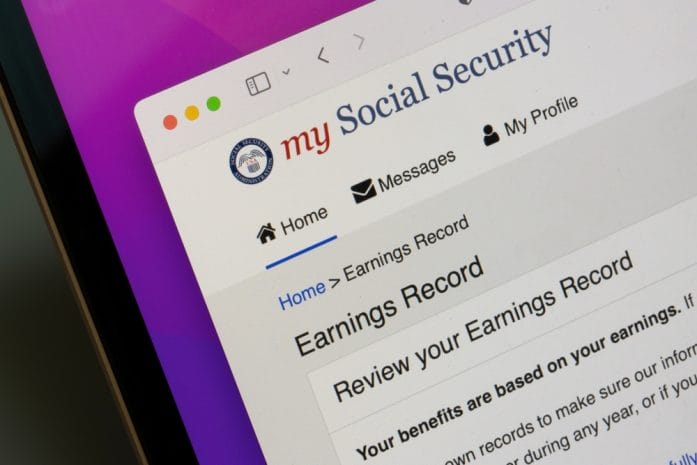
ssn and money

Image source: shutterstock.com

When it comes to Social Security, the timing of your claim can make a big difference in your monthly benefit. Many people don’t realize that a simple strategy—waiting to claim—could boost your check by as much as $250 a month. With inflation and unpredictable markets, that extra money can be a real game-changer in retirement. Understanding how this timing trick works could help you stretch your savings further and enjoy more financial security. If you’re thinking about when to start Social Security, you’ll want to know how this can impact your income for years to come. Let’s break down how the right Social Security timing trick can add more to your monthly check and why it’s worth considering.

1. Delaying Your Claim Increases Your Benefit

The primary Social Security timing trick is simple: the longer you wait to claim your benefits, the higher your monthly payment will be. Claiming as soon as you’re eligible at age 62 locks you into a permanently reduced benefit. But if you wait until your full retirement age (typically 66 or 67, depending on your birth year), you’ll get your full benefit amount.

Every year you delay beyond your full retirement age, up to age 70, your benefit increases by about 8% per year. This can easily add $250 or more to your monthly check, especially if your full retirement benefit is above average. For example, if your full retirement benefit is $2,000 a month at age 66, waiting until 70 could increase it to $2,640 a month—a $640 difference. Not everyone can or wants to wait, but if you’re healthy and can afford to delay, this Social Security timing trick can pay off for the rest of your life.

2. Understanding the Impact of Early Versus Late Claiming

Claiming Social Security early may seem tempting if you want to stop working as soon as possible. However, starting at age 62 could reduce your benefit by as much as 30% compared to waiting until full retirement age. That reduction is permanent, and it affects not just your check, but also any spousal or survivor benefits tied to your record.

On the other hand, delaying your claim lets your benefit grow. This growth is especially helpful if you expect to live into your 80s or beyond. The extra $250 a month from using the Social Security timing trick could add up to tens of thousands of dollars over a long retirement. It’s a straightforward way to create a larger, more reliable income stream.

3. The Role of Spousal and Survivor Benefits

Social Security isn’t just about your own retirement benefit. Spousal and survivor benefits can also be affected by when you claim. If you claim early, your spouse’s potential survivor benefit will be lower, since it’s based on your reduced check. Using the Social Security timing trick to delay your claim could mean a much higher benefit for your spouse if you pass away first.

This is especially important for couples where one person earns much more than the other. The higher earner’s decision on when to claim can have a lasting impact on both spouses’ financial security. Taking advantage of delayed claiming can ensure the surviving spouse receives a higher monthly benefit, providing more stability in later years.

4. How to Decide If Delaying Is Right for You

Waiting to claim Social Security isn’t the best choice for everyone. If you have health issues or need the income right away, claiming early might make sense. But if you’re in good health and have other income sources, the Social Security timing trick could be your ticket to a larger check.

Think about your longevity, your spouse’s needs, and your overall retirement plan. Use online calculators or speak with a financial advisor to see how much more you could receive each month by waiting. You can also find helpful guidance from resources like the Social Security Administration’s official page on delayed retirement credits. Weigh the pros and cons, and remember: once you start your benefit, you can’t reverse your decision after 12 months without repaying everything you’ve received.

5. Avoiding Common Mistakes with Social Security Timing

Many retirees make the mistake of claiming too early, either out of fear that Social Security will run out or because they don’t know about the benefits of waiting. Another common error is not coordinating with a spouse, which can lead to missed opportunities for higher survivor benefits. To get the most from the Social Security timing trick, plan together and look at your full retirement picture.

It’s also important not to rely on rules of thumb or advice from friends. Everyone’s situation is different, and what works for one person may not be right for you. Taking the time to understand your options can help you avoid costly mistakes and maximize your benefits.

Making the Most of the Social Security Timing Trick

Using the Social Security timing trick to boost your monthly benefit isn’t complicated, but it does require planning and patience. By waiting to claim, you could see a significant increase—often $250 a month or more—that will last as long as you live. This extra income can help cover rising costs, provide more flexibility, or simply give you peace of mind.

Whether you’re nearing retirement or still a few years away, it’s worth considering how your timing decision could impact your future. Take the time to review your options and run the numbers. That $250 a month could make a big difference in your retirement lifestyle.

Have you considered waiting to claim Social Security, or did you claim early? What influenced your decision? Share your experience or questions in the comments below!

What to Read Next…

  • What Happens to Your Social Security If the Government Shuts Down Again?
  • Is Your Social Security About to Shrink Unless Congress Acts Fast?
  • 5 Quiet Changes to Social Security That Reduce Spousal Benefits
  • 7 Asset Transfers That Disrupt Your Social Security Benefits
  • Why Widowed Spouses Are Facing Delays in Accessing Retirement Accounts
Travis Campbell
Travis Campbell

Travis Campbell is a digital marketer/developer with over 10 years of experience and a writer for over 6 years. He holds a degree in E-commerce and likes to share life advice he’s learned over the years. Travis loves spending time on the golf course or at the gym when he’s not working.

Filed Under: social security Tagged With: benefits, delayed retirement, Personal Finance, retirement planning, Social Security, spousal benefits, timing strategies

What Really Happens If You Ignore a Debt Collector’s Voicemail

October 21, 2025 by Travis Campbell Leave a Comment

debt

Image source: shutterstock.com

Getting a call from a debt collector can make anyone anxious. Often, people choose to let these calls go to voicemail, hoping the problem will just go away if they ignore it. But what really happens if you ignore a debt collector’s voicemail? Understanding the consequences is important for your financial health and peace of mind. Ignoring these messages might seem harmless, but it can lead to more complicated issues down the line. If you’re tempted to just delete that message and move on, it’s worth knowing what to expect. Let’s break down the real impact of ignoring a debt collector’s voicemail.

1. The Calls Don’t Stop—They Multiply

If you ignore a debt collector’s voicemail, the most immediate thing you’ll notice is that the calls keep coming. Debt collectors are persistent because their job is to recover money owed. They will likely continue to call, sometimes even increasing the frequency. You might start getting calls at different times of the day or from different phone numbers. Ignoring one voicemail rarely means the collector gives up. In fact, it often signals to them that they need to try harder to reach you.

Debt collectors may also use other forms of contact, like sending letters or emails. The longer you go without responding, the more creative they might get in their attempts to reach you.

2. Your Credit Score Could Take a Hit

One of the biggest consequences of ignoring a debt collector’s voicemail is the potential impact on your credit score. If the debt is legitimate and remains unpaid, the collection agency can report it to the credit bureaus. This can drag down your credit score significantly, making it harder to get approved for loans, credit cards, or even some jobs. The longer the debt sits in collections, the worse the impact can be.

Even if you’re not planning to borrow money soon, a bad credit score can affect your financial options. Some landlords, insurance companies, and employers check credit as part of their screening process. Simply ignoring a voicemail won’t stop the consequences from showing up on your credit report.

3. You Might Miss Out on Important Information

Debt collectors are required by law to provide certain information about your debt, such as the amount owed and your rights under the Fair Debt Collection Practices Act (FDCPA). If you ignore their voicemails, you could miss out on details that might actually help you. For example, the collector might offer a payment plan or a settlement amount that’s lower than what you owe. Or, the debt might not even be yours—mistakes happen, and ignoring the call means missing your chance to dispute it.

By not listening to or responding to the voicemail, you also forfeit your opportunity to request written verification of the debt. This is a key step in protecting yourself from scams or errors.

4. Legal Action Becomes More Likely

Another risk of ignoring a debt collector’s voicemail is the possibility of legal action. While not every unpaid debt results in a lawsuit, the odds increase the longer you ignore the collector. If the debt is significant, the agency might decide to sue you in civil court. If you don’t respond to the court summons, you could end up with a default judgment against you. This can lead to wage garnishment, bank account levies, or liens on your property.

Even smaller debts can sometimes lead to lawsuits, depending on the collector and state laws. Ignoring the voicemail doesn’t prevent legal action—it can actually make it more likely, since the collector hasn’t heard from you and assumes you’re not willing to work things out.

5. The Debt Collector Might Contact Others

When you ignore a debt collector’s voicemail, they may try to reach you through other means. This can include contacting people close to you, like family members or employers, in an attempt to locate you. While collectors are limited in what they can say, their calls can still be embarrassing or stressful. Ignoring the calls increases the chances they’ll try to track you down through your contacts, which can create awkward situations.

If you’re worried about privacy, responding directly to the collector can help keep the matter more contained.

How to Handle a Debt Collector’s Voicemail the Smart Way

Now that you know what really happens if you ignore a debt collector’s voicemail, it’s clear that silence can make things worse. It’s almost always better to address the issue head-on, even if you can’t pay the debt right away. Start by listening to the voicemail and taking note of the details. Verify that the debt is legitimate before making any payments. You have the right to ask for written verification, and you can negotiate payment terms if needed.

Remember, you don’t have to deal with collectors alone. There are reputable organizations, like the National Foundation for Credit Counseling, that offer free or low-cost advice. Taking action may feel uncomfortable, but it’s the best way to protect your finances and peace of mind. Ignoring a debt collector’s voicemail doesn’t erase the problem—it usually makes it bigger and harder to solve.

Have you ever ignored a debt collector’s voicemail? What happened as a result? Share your experience or tips in the comments below!

What to Read Next…

  • 5 Things That Instantly Decrease Your Credit Score By 50 Points
  • The Benefits Of Taking Personal Loans And Their Impact On Credit Scores
  • What Happens To Your Credit Score If Your Cell Provider Changes Ownership
  • Why Are So Many Seniors Being Sued Over Student Loans They Didn’t Take Out
  • Can An Unpaid Medical Bill Really Lead To Property Seizure
Travis Campbell
Travis Campbell

Travis Campbell is a digital marketer/developer with over 10 years of experience and a writer for over 6 years. He holds a degree in E-commerce and likes to share life advice he’s learned over the years. Travis loves spending time on the golf course or at the gym when he’s not working.

Filed Under: Debt Management Tagged With: consumer rights, credit score, debt collection, Debt Management, Personal Finance

10 Reasons Your Credit Card Fraud Claim Was Denied—and What You Can Do About It

October 21, 2025 by Travis Campbell Leave a Comment

credit card

Image source: shutterstock.com

Credit card fraud can feel like a punch to the gut. You spot a suspicious charge, report it, and wait for your bank to make things right. But then you get the dreaded notice: your credit card fraud claim was denied. This happens more often than you might think, and it can leave you feeling powerless and frustrated. Understanding why your claim was denied can help you avoid future headaches—and even turn things around if you act quickly. Here are the most common reasons your credit card fraud claim was denied, and what you can do about each one.

1. You Waited Too Long to Report the Fraud

Timing is everything when it comes to credit card fraud claims. Most card issuers require you to report unauthorized charges within 60 days of the statement date. If you miss this window, your credit card fraud claim could be denied automatically. Always review your statements promptly and act as soon as you spot anything unusual. If your claim was denied for this reason, call your issuer and ask if any exceptions can be made, but know that the rules are strict.

2. The Charge Was Actually Authorized

Sometimes, what looks like fraud is just a forgotten purchase or a charge from a business using a different name. If the bank investigates and determines that you or someone in your household authorized the charge, your claim will be denied. Double-check with family members and review your receipts before filing a claim. If you disagree with the bank’s findings, ask for documentation and file an appeal with additional evidence.

3. Insufficient Documentation

Your bank may request evidence to support your fraud claim, like receipts, emails, or police reports. If you don’t provide what’s needed, or if your documentation is unclear, your credit card fraud claim may be denied. Always keep a record of your correspondence and any supporting documents. If your claim was denied for lack of evidence, gather stronger proof and resubmit your claim, or escalate it with a supervisor.

4. You Shared Your Card or PIN

If you willingly gave your card or PIN to someone, even temporarily, banks may consider you responsible for any resulting charges. This often includes situations where you let a friend or family member borrow your card. To prevent this, never share your card or account details. If you think your card was used without your permission after sharing it, explain the circumstances clearly when you file your claim, though a reversal is unlikely.

5. The Transaction Was Made with a Chip or PIN

Card issuers often deny claims if the transaction was completed using your card’s chip or your PIN, as this suggests the card was present and used by someone with access. If you still have your card, but someone cloned it or guessed your PIN, make this clear in your claim. Request a detailed explanation from your bank and ask about additional steps you can take to prove the use was fraudulent.

6. The Fraud Claim Was for a Dispute, Not Fraud

There’s a difference between credit card fraud and a billing dispute. Fraud involves unauthorized use, while a dispute usually means you didn’t receive something you paid for or are unhappy with a purchase. If you file a credit card fraud claim for what’s really a merchant dispute, your claim will likely be denied. Be clear about the situation when contacting your issuer and use the correct process, such as a chargeback, for disputes.

7. You Didn’t Respond to the Bank’s Requests

After you file a credit card fraud claim, your bank may reach out for more details. If you don’t respond in a timely manner, they can close your case and deny your claim. Always keep an eye on your email and voicemail during the investigation. If your claim was denied because of missed communication, contact your bank immediately to ask if you can reopen the case.

8. The Bank Suspects Friendly Fraud

Friendly fraud happens when someone you know—like a child or partner—uses your card without your permission, but you don’t want to press charges or admit the relationship. Banks are cautious with these cases and often deny the credit card fraud claim if the story doesn’t add up. If this happens, be honest with your bank and consider filing a police report if needed. Some issuers may reconsider if you provide more information.

9. The Fraudulent Activity Didn’t Meet the Bank’s Definition

Banks have specific definitions for what counts as credit card fraud. For example, if you gave out your card info on a suspicious website, your bank may say you didn’t take reasonable precautions and deny your claim. Always read your cardholder agreement to understand what’s covered.

10. Your Account Wasn’t in Good Standing

If your account is past due, over the limit, or has been flagged for suspicious activity, your bank may deny your claim. Some issuers argue that customers who aren’t in good standing are more likely to file false claims. If this is the case, bring your account up to date and then follow up with your bank. Good standing can increase your chances of a successful credit card fraud claim in the future.

What to Do If Your Credit Card Fraud Claim Was Denied

A denied credit card fraud claim isn’t always the end of the road. Start by requesting a detailed explanation from your card issuer. Gather any missing documentation, clarify misunderstandings, and file a formal appeal. Persistence and clear communication can make a difference.

No one wants to deal with credit card fraud, but knowing the common pitfalls can help you protect your finances. Have you ever had a credit card fraud claim denied? Share your story or questions in the comments below—we’d love to hear from you.

What to Read Next…

  • 7 Credit Card Features Disappearing Without Any Notice
  • 5 Things That Instantly Decrease Your Credit Score By 50 Points
  • 6 Credit Card Perks That Come With Under The Radar Stringent Conditions
  • 8 Things You’re Doing That Make Criminals Think You’re An Easy Target
  • 10 Credit Report Errors That Saddled Retirees With Denied Loans
Travis Campbell
Travis Campbell

Travis Campbell is a digital marketer/developer with over 10 years of experience and a writer for over 6 years. He holds a degree in E-commerce and likes to share life advice he’s learned over the years. Travis loves spending time on the golf course or at the gym when he’s not working.

Filed Under: credit cards Tagged With: banking, Consumer Protection, credit card fraud, credit cards, fraud claims, Personal Finance

Cashless America: 7 Groups That Will Struggle Most When Paper Money Disappears

October 21, 2025 by Catherine Reed Leave a Comment

Cashless America: 7 Groups That Will Struggle Most When Paper Money Disappears

Image source: shutterstock.com

The idea of a fully digital economy sounds sleek and convenient—until you realize not everyone can keep up. As the world moves closer to becoming a cashless America, millions of people may find themselves left behind. Credit cards, digital wallets, and payment apps may simplify transactions for some, but they also create barriers for others who depend on physical currency. From the elderly to small business owners, the transition could reshape financial access in ways society hasn’t fully considered. Here are seven groups likely to struggle most when cash becomes a thing of the past.

1. Older Adults Unfamiliar with Digital Banking

Many seniors grew up managing their finances with checkbooks, bank tellers, and cash envelopes. The shift toward a cashless America could leave them overwhelmed by apps, passwords, and online security measures. Studies show that older adults are more vulnerable to scams and may distrust digital platforms altogether. Without in-person assistance or simple alternatives, they risk being excluded from everyday financial transactions. Helping this group requires education and technology designed with accessibility in mind.

2. Low-Income Households Without Banking Access

Roughly 4.2 percent of U.S. households remain “unbanked,” meaning they don’t have checking or savings accounts. These families rely heavily on cash to pay rent, buy groceries, or cover utilities. In a cashless America, their financial independence would depend on access to digital tools they may not afford, like smartphones or internet service. The cost of maintaining digital accounts or prepaid cards can also add up quickly. Without deliberate inclusion efforts, a cashless society risks widening the economic divide.

3. Rural Communities with Limited Connectivity

Not every region of the country has reliable internet or cellular coverage. Rural communities already face challenges with online banking and mobile payments, making a cashless America especially difficult. When connectivity drops, people in these areas could lose access to funds entirely. Small businesses that rely on physical transactions might struggle to stay open. Until infrastructure improves nationwide, rural America could be unintentionally sidelined in the digital economy.

4. Small Businesses That Rely on Cash Flow

Local shops, food trucks, barbers, and street vendors often operate in cash-heavy environments. These small businesses depend on physical money to avoid high transaction fees from card processors or payment platforms. Transitioning to digital-only payments could eat into already thin profit margins. In a cashless America, they’d need to invest in new technology, cybersecurity, and compliance measures—costs many can’t easily absorb. Unless financial systems adapt to support them, cash-dependent entrepreneurs may face serious hurdles.

5. Children and Teens Learning Financial Responsibility

Cash plays an important role in teaching kids the value of money. When children earn an allowance or pay for small purchases in cash, they physically see money leaving their hands. In a cashless America, those lessons become abstract, replaced by numbers on a screen. While digital tools like prepaid debit cards or family banking apps can help, they remove the tangible learning experience. Without proper education, younger generations might struggle to understand budgeting and saving in a virtual world.

6. Undocumented Workers and Migrant Laborers

For many undocumented workers, cash is the safest and most practical way to get paid. They often lack the identification required to open traditional bank accounts or access digital payment systems. In a cashless America, this group could lose the ability to participate in the formal economy altogether. Even alternative options like prepaid cards or mobile wallets often require verification steps they cannot complete. The result could be an increase in economic inequality and informal labor practices.

7. Privacy-Conscious Individuals

Some people value the anonymity that comes with using cash. In a cashless America, every transaction leaves a digital trail that can be tracked, analyzed, or even sold. While financial transparency helps prevent fraud, it also raises concerns about data privacy and surveillance. For individuals wary of government oversight or corporate data mining, losing the option of physical money feels intrusive. Balancing technological progress with personal freedom will be one of the biggest challenges of the transition.

Rethinking Inclusion in a Fully Digital Future

The shift toward a cashless America may be inevitable, but it doesn’t have to be exclusionary. Policymakers, financial institutions, and technology companies must design systems that ensure equal access for all groups, not just the digitally savvy. Bridging the gap means improving infrastructure, lowering fees, and prioritizing digital literacy. The ultimate goal should be convenience without sacrificing fairness. A future without cash can work—if no one is left behind.

Do you think a fully cashless America would help or harm everyday consumers? Which groups do you believe would face the biggest challenges? Share your thoughts in the comments.

What to Read Next…

8 Ways to Make Your Cash Work For You

5 Bank Fees That Are Secretly Draining Hundreds From Your Account Annually

6 Financial Dangers of Keeping Too Much Cash in Checking

7 Surprising Risks of Keeping Too Much Cash at Home

6 Situations Where Cash Is Safer Than Digital Payments

Catherine Reed
Catherine Reed

Catherine is a tech-savvy writer who has focused on the personal finance space for more than eight years. She has a Bachelor’s in Information Technology and enjoys showcasing how tech can simplify everyday personal finance tasks like budgeting, spending tracking, and planning for the future. Additionally, she’s explored the ins and outs of the world of side hustles and loves to share what she’s learned along the way. When she’s not working, you can find her relaxing at home in the Pacific Northwest with her two cats or enjoying a cup of coffee at her neighborhood cafe.

Filed Under: money management Tagged With: banking access, cashless economy, digital payments, economic inequality, financial inclusion, financial literacy, Personal Finance, technology and society

  • « Previous Page
  • 1
  • …
  • 33
  • 34
  • 35
  • 36
  • 37
  • …
  • 151
  • Next Page »

FOLLOW US

Search this site:

Recent Posts

  • Can My Savings Account Affect My Financial Aid? by Tamila McDonald
  • 12 Ways Gen X’s Views Clash with Millennials… by Tamila McDonald
  • What Advantages and Disadvantages Are There To… by Jacob Sensiba
  • Call 911: Go To the Emergency Room Immediately If… by Stephen Kanaval
  • 10 Tactics for Building an Emergency Fund from Scratch by Vanessa Bermudez
  • 7 Weird Things You Can Sell Online by Tamila McDonald
  • 10 Scary Facts About DriveTime by Tamila McDonald

Copyright © 2026 · News Pro Theme on Genesis Framework