• Home
  • About Us
  • Toolkit
  • Getting Finances Done
    • Hiring Advisors
    • Debt Management
    • Spending Plan
  • Insurance
    • Life Insurance
    • Health Insurance
    • Disability Insurance
    • Homeowners/Renters Insurance
  • Contact Us
  • Privacy Policy
  • Risk Tolerance Quiz

The Free Financial Advisor

You are here: Home / Archives for credit card fraud

Is Your State a Skimmer Hub? The 9 Places Where Credit Card Fraud Is Skyrocketing

February 24, 2026 by Brandon Marcus Leave a Comment

Is Your State a Skimmer Hub? The 9 Places Where Credit Card Fraud Is Skyrocketing

Image Source: Pexels.com

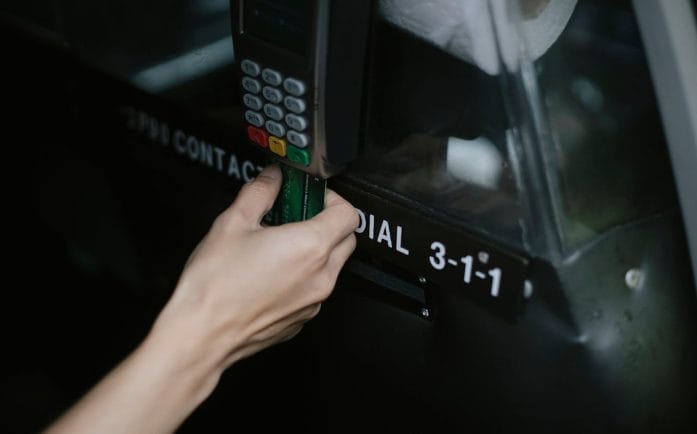
Think about this scenario: you’re fueling up, grabbing lunch, or swiping at a checkout—and somewhere in the machinery, someone isn’t playing by the rules.

Credit card fraud isn’t just something that happens to other people. It’s exploding in certain parts of the country, and understanding where it’s happening most can be the difference between catching a great deal and getting hit with a nasty financial surprise. Let’s cut through the fear-mongering and get to the facts, plus exact strategies to keep your money where it belongs.

1. Florida: Sunshine and Skimmers

Florida isn’t just a top travel destination; it also tops the list for credit card fraud reports per capita in the U.S. This has been a growing trend shaped by heavy tourism, transient customers less likely to scrutinize their statements, and endless high-traffic transactions that make perfect cover for card thieves.

Gas stations along major interstates and standalone ATMs in tourist zones often turn into magnets for skimming devices because of that constant footfall. If you find yourself in Florida, think beyond the beach umbrella: choose payment methods like tap-to-pay where possible, and ALWAYS check your statements within days of any travel. On the road, watch for unfamiliar ATMs and skip the ones tucked out of sight.

2. Georgia: The New Fraud Frontier

Georgia has rapidly risen up the charts to become one of the most common places for credit card fraud. Atlanta’s busy airport, sprawling suburbs, and high commuter traffic create a near-endless corridor of opportunity for skimming rings to plant devices unnoticed.

In addition to gas pumps, convenience store POS units and hotel lobby ATMs are frequently hit because they move so much volume in a single day it’s easier for thieves to stay under the radar. One of the few bright spots? If your card supports contactless payments through your phone or smart watch, using that option can sidestep swipe-based skimmers entirely. If you must dip your chip or swipe, glance at the reader and back away if anything seems out of place.

3. Nevada: Tourist Traps Aren’t Just Casinos

Las Vegas and Reno don’t just lure visitors for entertainment—they also attract fraudsters hunting for card data. Nevada’s blend of tourism, heavy cash flow, and high-turnover transactions makes it a perfect playground for skimming operations.

Whether you’re grabbing gas to hit the next attraction or using an ATM after dinner, criminals know that large crowds can camouflage illegal card readers. Casinos and hospitality businesses invest heavily in security, but smaller ATMs and gas station terminals often lag behind. As with other hotspots, the smartest move here is caution: prefer payments that don’t require swiping or inserting your card, and take a moment to inspect devices before touching them.

4. California: Population Power Meets Criminal Innovation

When it comes to sheer numbers of skimming events, California tops many lists. Far too many incidents have taken place in the Golden State, largely because of massive population density and a vast network of ATMs and independent gas stations.

Whether you’re in Los Angeles, the Bay Area, or smaller inland towns, the sheer volume of financial transactions gives thieves more victims with less effort. Even with advanced EMV chip technology widely deployed, the human element still matters; as more criminals switch to internal skimmers that latch inside card slots, spotting them becomes harder. Routine vigilance—like wiggling a card reader before using it or preferring chip or contactless transactions—is essential here.

5. Texas: Big State, Growing Problem

Texas often makes this list not because it has the highest per-capita rate, but because of its size and sheer number of cases reported annually. Large metropolitan areas like Houston, Dallas and Austin see a lot of card usage, and that volume gives fraudsters plenty of opportunities.

Law enforcement is cracking down in parts of the state with tougher sentencing and focused fraud units, and that’s helping to deter some shady players. However, people should stay alert everywhere from freeway gas stations to mall kiosks. If a payment terminal seems loose or sticker seals are damaged, walk inside and pay at the register. This isn’t paranoia—it’s paying attention to the details that protect you.

6. New York: Big City Risks, Big Data Losses

New York doesn’t just draw headlines for its skyline; it draws fraud activity too. Heavy travel, millions of daily transactions, and abundant independent ATMs and retail terminals make the state a high-risk zone for skimming devices.

Federal and local task forces have recently upped enforcement in cities like New York City itself to crack down on organized skimming rings, especially ones targeting lower-income communities and benefit cards that often lack modern security features. In such environments, choosing EMV chip or contactless payments isn’t just smart, it’s one of the most effective defenses you have.

Is Your State a Skimmer Hub? The 9 Places Where Credit Card Fraud Is Skyrocketing

Image Source: Pexels.com

7. Pennsylvania: A Quiet but Dangerous Player

Pennsylvania doesn’t always top the news for fraud, but its mix of urban centers like Philadelphia and Pittsburgh coupled with endless smaller towns makes it fertile ground for skimming.

Criminals know that in quieter areas, people might be less wary. Payment terminals at gas stations and smaller merchants often lack the most advanced tamper-proof protections, and that makes them inviting targets. Staying informed about local alerts—many police departments will publicize skimming devices found in their precincts—can give you an edge before you swipe. Naming unfamiliar ATMs and choosing terminals within sight of staff cuts your risk dramatically.

8 & 9. Maryland and Virginia: Beltway Busts

Down on the East Coast, Maryland and Virginia round out a cluster of states where card skimming has frequently been spotted. Their proximity to major travel corridors, commuter traffic, and dense populations means payment terminals get hammered every day. In these states, fraud isn’t always about big numbers in one city—it’s about opportunity everywhere you look.

If you’re filling up on I-95 or stopping at a rest area kiosk, assume that thieves are trying to get ahead of you. When possible, switch to contactless payments, check terminals for tampering just like you check your locks at night, and set up instant fraud alerts with your bank so if anything unusual happens, you know immediately.

Getting Ahead of the Skimmers

Credit card fraud isn’t going away. In fact, the FBI estimates card skimming alone costs consumers and banks more than $1 billion annually, and criminals keep refining their tools and tactics. While EMV chips, tokenization, and digital wallets have cut down some types of fraud, physical skimmers and the digital scams that follow still thrive because there’s always personal data to grab. Skimmers often attach to ATMs, gas pumps, and point-of-sale devices and harvest card info and PINs before you even notice a thing.

Do you think your state could be next, or have you spotted high-risk areas where you live? Share your thoughts in the comments.

You May Also Like…

8 Job-Scam Red Flags Everyone Needs to Know in 2025

8 Beauty Scams That Fooled Everyone — And Still Do

The “Love Bombing” Tactic Scammers Use to Gain Financial Control in a New Relationship

7 Reasons Credit Card Limits Drop After Paydowns — Even When You Never Miss a Payment

23% of Americans With Credit Card Debt Don’t Believe They’ll Ever Pay It Off

Brandon Marcus
Brandon Marcus

Brandon Marcus is a writer who has been sharing the written word since a very young age. His interests include sports, history, pop culture, and so much more. When he isn’t writing, he spends his time jogging, drinking coffee, or attempting to read a long book he may never complete.

Filed Under: Crime Tagged With: card skimmers, consumer advice, credit card fraud, credit theft statistics, Financial Security, fraud prevention, identity theft, skimming hotspots, U.S. fraud trends

10 Reasons Your Credit Card Fraud Claim Was Denied—and What You Can Do About It

October 21, 2025 by Travis Campbell Leave a Comment

credit card

Image source: shutterstock.com

Credit card fraud can feel like a punch to the gut. You spot a suspicious charge, report it, and wait for your bank to make things right. But then you get the dreaded notice: your credit card fraud claim was denied. This happens more often than you might think, and it can leave you feeling powerless and frustrated. Understanding why your claim was denied can help you avoid future headaches—and even turn things around if you act quickly. Here are the most common reasons your credit card fraud claim was denied, and what you can do about each one.

1. You Waited Too Long to Report the Fraud

Timing is everything when it comes to credit card fraud claims. Most card issuers require you to report unauthorized charges within 60 days of the statement date. If you miss this window, your credit card fraud claim could be denied automatically. Always review your statements promptly and act as soon as you spot anything unusual. If your claim was denied for this reason, call your issuer and ask if any exceptions can be made, but know that the rules are strict.

2. The Charge Was Actually Authorized

Sometimes, what looks like fraud is just a forgotten purchase or a charge from a business using a different name. If the bank investigates and determines that you or someone in your household authorized the charge, your claim will be denied. Double-check with family members and review your receipts before filing a claim. If you disagree with the bank’s findings, ask for documentation and file an appeal with additional evidence.

3. Insufficient Documentation

Your bank may request evidence to support your fraud claim, like receipts, emails, or police reports. If you don’t provide what’s needed, or if your documentation is unclear, your credit card fraud claim may be denied. Always keep a record of your correspondence and any supporting documents. If your claim was denied for lack of evidence, gather stronger proof and resubmit your claim, or escalate it with a supervisor.

4. You Shared Your Card or PIN

If you willingly gave your card or PIN to someone, even temporarily, banks may consider you responsible for any resulting charges. This often includes situations where you let a friend or family member borrow your card. To prevent this, never share your card or account details. If you think your card was used without your permission after sharing it, explain the circumstances clearly when you file your claim, though a reversal is unlikely.

5. The Transaction Was Made with a Chip or PIN

Card issuers often deny claims if the transaction was completed using your card’s chip or your PIN, as this suggests the card was present and used by someone with access. If you still have your card, but someone cloned it or guessed your PIN, make this clear in your claim. Request a detailed explanation from your bank and ask about additional steps you can take to prove the use was fraudulent.

6. The Fraud Claim Was for a Dispute, Not Fraud

There’s a difference between credit card fraud and a billing dispute. Fraud involves unauthorized use, while a dispute usually means you didn’t receive something you paid for or are unhappy with a purchase. If you file a credit card fraud claim for what’s really a merchant dispute, your claim will likely be denied. Be clear about the situation when contacting your issuer and use the correct process, such as a chargeback, for disputes.

7. You Didn’t Respond to the Bank’s Requests

After you file a credit card fraud claim, your bank may reach out for more details. If you don’t respond in a timely manner, they can close your case and deny your claim. Always keep an eye on your email and voicemail during the investigation. If your claim was denied because of missed communication, contact your bank immediately to ask if you can reopen the case.

8. The Bank Suspects Friendly Fraud

Friendly fraud happens when someone you know—like a child or partner—uses your card without your permission, but you don’t want to press charges or admit the relationship. Banks are cautious with these cases and often deny the credit card fraud claim if the story doesn’t add up. If this happens, be honest with your bank and consider filing a police report if needed. Some issuers may reconsider if you provide more information.

9. The Fraudulent Activity Didn’t Meet the Bank’s Definition

Banks have specific definitions for what counts as credit card fraud. For example, if you gave out your card info on a suspicious website, your bank may say you didn’t take reasonable precautions and deny your claim. Always read your cardholder agreement to understand what’s covered.

10. Your Account Wasn’t in Good Standing

If your account is past due, over the limit, or has been flagged for suspicious activity, your bank may deny your claim. Some issuers argue that customers who aren’t in good standing are more likely to file false claims. If this is the case, bring your account up to date and then follow up with your bank. Good standing can increase your chances of a successful credit card fraud claim in the future.

What to Do If Your Credit Card Fraud Claim Was Denied

A denied credit card fraud claim isn’t always the end of the road. Start by requesting a detailed explanation from your card issuer. Gather any missing documentation, clarify misunderstandings, and file a formal appeal. Persistence and clear communication can make a difference.

No one wants to deal with credit card fraud, but knowing the common pitfalls can help you protect your finances. Have you ever had a credit card fraud claim denied? Share your story or questions in the comments below—we’d love to hear from you.

What to Read Next…

  • 7 Credit Card Features Disappearing Without Any Notice
  • 5 Things That Instantly Decrease Your Credit Score By 50 Points
  • 6 Credit Card Perks That Come With Under The Radar Stringent Conditions
  • 8 Things You’re Doing That Make Criminals Think You’re An Easy Target
  • 10 Credit Report Errors That Saddled Retirees With Denied Loans
Travis Campbell
Travis Campbell

Travis Campbell is a digital marketer/developer with over 10 years of experience and a writer for over 6 years. He holds a degree in E-commerce and likes to share life advice he’s learned over the years. Travis loves spending time on the golf course or at the gym when he’s not working.

Filed Under: credit cards Tagged With: banking, Consumer Protection, credit card fraud, credit cards, fraud claims, Personal Finance

5 Little-Known Laws That Can Protect You from Getting Scammed

March 6, 2025 by Latrice Perez Leave a Comment

Little Known Laws

Image Source: 123rf.com

Scammers are becoming more sophisticated, finding new ways to deceive people and steal their money. While many consumers rely on common-sense fraud prevention tips, they often overlook legal protections that could save them from financial disaster. Some of the most powerful consumer protection laws are not widely known, but they can help you fight back against scammers, recover lost funds, and prevent fraud in the first place. Knowing these laws can empower you to take legal action if you ever become a victim of a scam.

1. Unfair and Deceptive Acts and Practices (UDAP) Statutes

Every state in the U.S. has its own Unfair and Deceptive Acts and Practices (UDAP) laws designed to protect consumers from fraud, false advertising, and scams. These laws make it illegal for businesses and individuals to engage in deceptive practices, such as making misleading claims about products or services. UDAP laws also apply to scams involving financial fraud, false billing, and fraudulent contracts.

One key advantage of UDAP laws is that they allow consumers to sue businesses for damages. In some states, victims can receive triple damages if the fraud was intentional. These laws can also apply to scams targeting the elderly or disabled, leading to additional penalties for scammers. If you’ve been tricked into a fraudulent deal, checking your state’s UDAP laws may provide a legal way to recover your losses.

2. The Cooling-Off Rule for Door-to-Door Sales

Many scams occur when aggressive salespeople pressure consumers into making impulsive purchases, especially at home or in temporary locations. The Federal Trade Commission (FTC) has a Cooling-Off Rule that gives consumers three business days to cancel certain purchases made outside of a normal business setting. This includes sales made at your home, a trade show, or a temporary store location, such as a hotel conference room.

This law is particularly useful for people who fall for high-pressure sales tactics involving overpriced home repair services, timeshares, or expensive subscription-based products. If a seller fails to inform you of your right to cancel, they are violating the law. Always check if your purchase qualifies under the Cooling-Off Rule before assuming you’re stuck with a bad deal.

3. The Fraud and Scam Reduction Act

Scammers frequently target elderly individuals, knowing they may be less familiar with digital fraud tactics. The Fraud and Scam Reduction Act, passed in 2022, was created to help prevent financial scams that disproportionately impact seniors. The law requires the Federal Trade Commission to work with businesses, banks, and consumer protection agencies to develop better fraud prevention strategies.

One of the key aspects of this law is its focus on improving scam awareness through education. Banks and financial institutions are encouraged to train employees to recognize signs of fraud targeting elderly customers. If you or a family member has been scammed, this law provides additional support by ensuring that consumer protection agencies are actively working to prevent similar fraud in the future.

4. The Fair Credit Billing Act (FCBA) for Unauthorized Charges

Credit card fraud is one of the most common types of scams, but many consumers don’t realize that they have strong legal protections under the Fair Credit Billing Act (FCBA). This law allows consumers to dispute unauthorized charges on their credit card statements and requires credit card companies to investigate claims within 30 days.

Under the FCBA, you are only liable for up to $50 of unauthorized charges, and most credit card companies waive even that fee. If a scammer fraudulently charges your credit card, you can file a dispute and have the charges removed. This law also protects you from being billed for goods or services that were never delivered. Many people assume that once a charge appears on their statement, they have to pay it, but the FCBA ensures that fraudulent or incorrect charges can be reversed.

5. The Fair Debt Collection Practices Act (FDCPA) to Prevent Fake Debt Scams

Debt Collection

Image Source: 123rf.com

One of the most common scam tactics involves fake debt collection calls, where scammers pretend to be from a debt collection agency or law firm. They pressure victims into paying non-existent debts by using threats or aggressive tactics. The Fair Debt Collection Practices Act (FDCPA) protects consumers from such scams by strictly regulating how real debt collectors can operate.

Under the FDCPA, debt collectors are prohibited from harassing consumers, making false claims, or threatening legal action they cannot take. If you receive a suspicious debt collection call, you have the right to request written proof of the debt. Scammers often rely on fear and urgency to trick people into paying, but knowing your FDCPA rights can prevent you from falling for this common scam.

6. Bonus Protection: The Electronic Fund Transfer Act (EFTA) for Unauthorized Bank Withdrawals

Many scammers try to steal money by accessing bank accounts through fraudulent electronic transfers. The Electronic Fund Transfer Act (EFTA) protects consumers from unauthorized withdrawals and ensures that banks must investigate disputed transactions.

If a scammer gains access to your bank account and withdraws funds without your authorization, you have 60 days to report the fraudulent activity. If you notify your bank within this timeframe, they are required to investigate and may be liable for reimbursing your money. The EFTA is particularly important in protecting against online banking fraud and identity theft.

Use Legal Protections to Fight Back

While scammers continue to develop new schemes, legal protections exist to help consumers fight back. The Unfair and Deceptive Acts and Practices (UDAP) statutes, Cooling-Off Rule, Fraud and Scam Reduction Act, Fair Credit Billing Act (FCBA), and Fair Debt Collection Practices Act (FDCPA) all provide valuable safeguards against fraud. Additionally, the Electronic Fund Transfer Act (EFTA) offers protection against unauthorized bank withdrawals.

Being aware of these laws allows you to take action if you become a victim of fraud and prevents scammers from exploiting you. Understanding your legal rights is one of the most effective ways to protect yourself, your finances, and your personal information.

Have you ever used a consumer protection law to fight back against a scam? How did it work out? Share your experience in the comments.

Read More:

The One Thing You Should Never Do If You Get a Call from “Your Bank”

Online Shopping Dangers: 7 Red Flags That Scream “Scam!”

Latrice Perez

Latrice is a dedicated professional with a rich background in social work, complemented by an Associate Degree in the field. Her journey has been uniquely shaped by the rewarding experience of being a stay-at-home mom to her two children, aged 13 and 5. This role has not only been a testament to her commitment to family but has also provided her with invaluable life lessons and insights.

As a mother, Latrice has embraced the opportunity to educate her children on essential life skills, with a special focus on financial literacy, the nuances of life, and the importance of inner peace.

Filed Under: Personal Finance Tagged With: Consumer Protection, cooling-off rule, credit card fraud, debt collection scams, fair credit billing, financial fraud, fraud laws, identity theft, legal rights, scam prevention

FOLLOW US

Search this site:

Recent Posts

  • Can My Savings Account Affect My Financial Aid? by Tamila McDonald
  • 12 Ways Gen X’s Views Clash with Millennials… by Tamila McDonald
  • What Advantages and Disadvantages Are There To… by Jacob Sensiba
  • Call 911: Go To the Emergency Room Immediately If… by Stephen Kanaval
  • 10 Tactics for Building an Emergency Fund from Scratch by Vanessa Bermudez
  • 7 Weird Things You Can Sell Online by Tamila McDonald
  • 10 Scary Facts About DriveTime by Tamila McDonald

Copyright © 2026 · News Pro Theme on Genesis Framework