• Home
  • About Us
  • Getting Finances Done
    • Hiring Advisors
    • Debt Management
    • Spending Plan
  • Insurance
    • Life Insurance
    • Health Insurance
    • Disability Insurance
    • Homeowners/Renters Insurance
  • Contact Us
  • Our Editorial Commitment

The Free Financial Advisor

You are here: Home / Archives for financial planning for pets

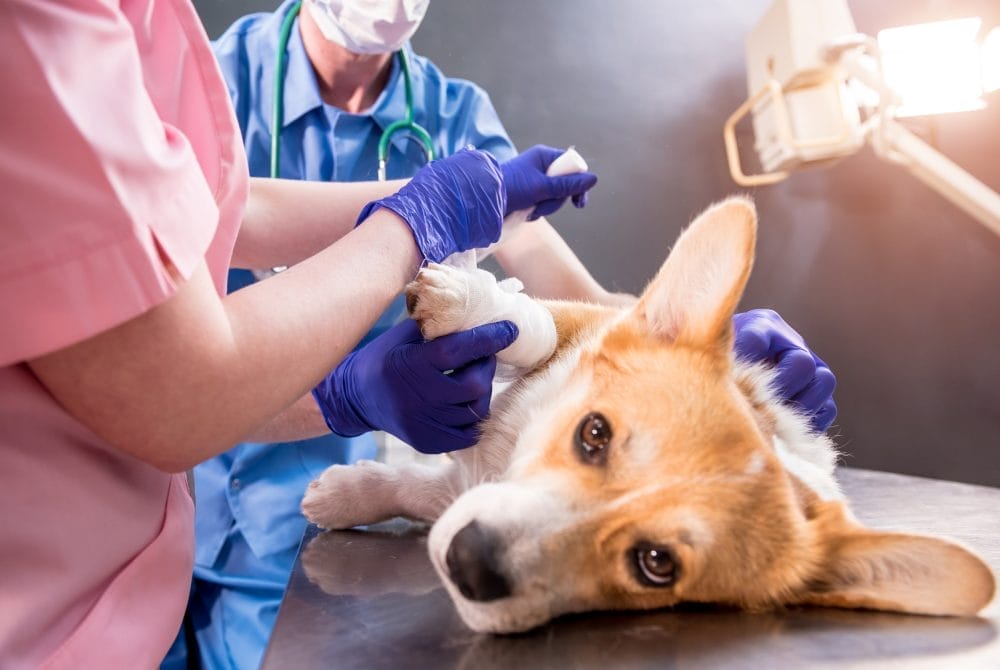
Could A Pet’s Surgery Push You Into Debt

September 26, 2025 by Catherine Reed Leave a Comment

Could A Pet’s Surgery Push You Into Debt
Image source: 123rf.com

For many families, pets are more than companions—they’re part of the family. But when a pet’s surgery becomes necessary, the emotional stress often collides with a painful financial reality. Veterinary procedures can cost thousands of dollars, sometimes due upfront, and pet owners may feel cornered between debt and their animal’s health. This dilemma raises an important question: how can you protect your finances without compromising your pet’s well-being? Let’s explore the hidden costs, practical steps, and strategies to prevent a pet’s surgery from wrecking your financial stability.

1. Why Veterinary Bills Can Skyrocket

The cost of a pet’s surgery isn’t just about the operation itself. Expenses often include pre-op bloodwork, anesthesia, hospitalization, follow-up visits, and medications. When combined, these elements can quickly climb into the thousands, especially if specialized care or emergency services are required. Unlike human healthcare, most pet procedures don’t have insurance subsidies or employer-backed plans to soften the blow. Understanding these factors helps you anticipate the true scope of what you might face if your pet requires surgery.

2. Emergency Timing Makes It Worse

One of the hardest parts of a pet’s surgery is that it usually comes without warning. Emergency care carries a higher price tag because of urgent staffing, specialized equipment, and around-the-clock monitoring. These circumstances often force pet owners into snap financial decisions, sometimes leading to high-interest credit card use or personal loans. Even if you have a savings cushion, emergencies can drain it faster than you expect. Being aware of the emergency premium helps you plan for the unplanned.

3. Financing Options Aren’t Always Friendly

When faced with the immediate cost of a pet’s surgery, many owners turn to financing plans offered by veterinary clinics. While these can provide instant relief, they often come with high interest rates or deferred interest penalties if balances aren’t paid off on time. Pet-specific credit cards and payment programs can seem appealing but may lock you into unfavorable terms. Exploring all financing details before committing is crucial to avoid compounding the financial strain. A quick decision in a stressful moment can turn into long-term debt.

4. Pet Insurance Can Make a Difference

One way to buffer the financial impact of a pet’s surgery is pet insurance. Policies vary widely, but many cover accident-related procedures, some chronic illnesses, and even certain surgeries. The catch is that you need to sign up before a crisis occurs, as pre-existing conditions are usually excluded. Monthly premiums may feel like an added expense, but in the long run, they can significantly reduce the blow of an unexpected procedure. Insurance is worth exploring if you want a layer of protection between your wallet and surprise vet bills.

5. Savings Specifically for Pets

Another smart move is creating an emergency savings fund just for pet care. Setting aside even a small monthly amount ensures you have resources earmarked for your animal’s health. This strategy avoids dipping into broader household savings or retirement accounts during a crisis. A pet’s surgery may still be costly, but having a dedicated fund provides peace of mind. Treating it like any other financial goal helps you stay prepared without adding to your debt load.

6. Hidden Costs After Surgery

Even when you manage to pay for a pet’s surgery, the expenses don’t stop at the operating table. Post-operative care can involve specialized diets, ongoing medications, physical therapy, or additional checkups. These recurring costs add up over time, often catching families off guard. If you only plan for the initial procedure, you may underestimate the long-term financial impact. Preparing for recovery-related costs is just as important as paying for the surgery itself.

7. Asking About Alternatives

Sometimes the best way to manage the financial burden of a pet’s surgery is to ask your vet about alternatives. In certain cases, less invasive treatments or phased approaches may provide comparable outcomes at lower costs. Veterinarians may also know about nonprofit programs, charitable funds, or teaching hospitals offering reduced rates. Being proactive about discussing your options can open doors you didn’t realize existed. It can make the difference between sinking into debt or finding an affordable solution.

The Takeaway: Balancing Love and Finances

A pet’s surgery can be a heart-wrenching experience, not only emotionally but financially. While no one likes to think about the possibility of their furry friend needing a costly procedure, preparing in advance helps you stay out of unnecessary debt. Whether it’s through pet insurance, savings, or exploring alternative treatments, having a plan reduces stress when emergencies strike. At the end of the day, it’s about finding the balance between protecting your finances and giving your pet the care they deserve. Thoughtful preparation can ensure you don’t have to choose between the two.

Have you ever faced a big vet bill for your pet? How did you handle the cost of a pet’s surgery without jeopardizing your finances? Share your story in the comments.

What to Read Next…

6 Financial Risks Nobody Tells You About Pet Ownership

10 Little-Known Costs That Appear With Aging Parents

Pets Over People: 6 Financial Reasons People Are Choosing Dogs Over Children

7 Strange Truths About Middle-Class Spending Habits

The Financial Advice That Works—But Almost No One Follows

Catherine Reed
Catherine Reed

Catherine is a tech-savvy writer who has focused on the personal finance space for more than eight years. She has a Bachelor’s in Information Technology and enjoys showcasing how tech can simplify everyday personal finance tasks like budgeting, spending tracking, and planning for the future. Additionally, she’s explored the ins and outs of the world of side hustles and loves to share what she’s learned along the way. When she’s not working, you can find her relaxing at home in the Pacific Northwest with her two cats or enjoying a cup of coffee at her neighborhood cafe.

Filed Under: Pets Tagged With: emergency savings, financial planning for pets, pet debt, pet insurance, pet’s surgery, veterinary bills

5 Overlooked Costs of Caring for Aging Pets

September 9, 2025 by Catherine Reed Leave a Comment

5 Overlooked Costs of Caring for Aging Pets
Image source: 123rf.com

Pets bring us years of unconditional love, but as they age, their needs can become more demanding—and more expensive. Many owners are surprised to learn how quickly veterinary bills, specialized diets, and mobility aids can add up. The hidden costs of caring for aging pets can take a toll on household budgets if they aren’t anticipated in advance. By recognizing these expenses early, you can make better financial decisions while ensuring your furry friend enjoys comfort and dignity in their later years.

1. Rising Veterinary Expenses

One of the most significant costs of caring for aging pets is frequent veterinary care. As animals get older, they often develop chronic conditions such as arthritis, diabetes, or kidney disease that require ongoing treatment. Routine visits may shift from annual checkups to multiple appointments each year, each one carrying exam fees, diagnostic costs, and prescription charges. Emergency care also becomes more likely as health problems progress, and those visits can be shockingly expensive. Planning for higher veterinary bills is crucial for anyone with a senior pet.

2. Specialized Diets and Nutritional Needs

Nutrition plays a major role in managing health conditions, and aging pets often require specialized diets. These foods can be significantly more expensive than standard kibble, especially when prescribed for issues like kidney disease, weight management, or digestive problems. Some pets may even need supplements such as glucosamine, fish oil, or probiotics to maintain mobility and overall well-being. While these costs seem small compared to vet bills, they add up over months and years. Recognizing this shift in diet expenses is an important part of preparing for the financial side of pet care.

3. Mobility Aids and Home Adjustments

Pets lose mobility as they age, which means they may need additional support at home. Items like ramps, orthopedic beds, non-slip mats, or even wheelchairs are common solutions for senior animals struggling with arthritis or hip issues. These aids not only improve comfort but also reduce the risk of injury, which can save on future vet costs. However, they are another expense that families often overlook when considering the costs of caring for aging pets. Even simple adjustments like upgrading flooring or rearranging furniture can come with unexpected price tags.

4. Medications and Ongoing Treatments

Medications are another unavoidable cost when pets reach their senior years. From pain relievers and insulin to heart or thyroid medications, these prescriptions can become a permanent part of your budget. Some pets require daily doses for years, and refills quickly accumulate into hundreds or even thousands of dollars annually. Treatments like laser therapy, acupuncture, or physical rehabilitation are also increasingly used to improve quality of life. Factoring in the cost of long-term medical care helps prevent sticker shock later.

5. End-of-Life Care and Final Expenses

Perhaps the most emotionally difficult, but important, overlooked cost of caring for aging pets is end-of-life care. Families may face expenses related to palliative treatments, in-home hospice services, or emergency interventions during a pet’s final days. When the time comes, euthanasia and cremation or burial services also come with their own fees. These expenses often arrive unexpectedly, creating financial and emotional strain at the same time. By planning ahead, you can focus on honoring your pet without added financial worry.

The Takeaway: Planning Ahead Protects Both Pets and Wallets

The true costs of caring for aging pets go far beyond food and routine checkups. Veterinary bills, medications, mobility aids, special diets, and final arrangements can add up quickly, especially when they arrive all at once. By anticipating these expenses early, you can set aside funds and avoid having to make difficult decisions during stressful times. Financial preparation ensures your pet’s later years are filled with comfort, love, and dignity. When you’re ready for the hidden costs, you’re also better equipped to give your companion the care they deserve.

Have you experienced any surprising costs of caring for aging pets? Share your stories and tips in the comments below!

What to Read Next…

Could Pet Ownership Now Be More Expensive Than Raising Kids

Why Do Some People Spend More on Pets Than on Healthcare

Could the Cost of Raising Pets Outpace Inflation Itself

8 Financial Surprises That Appear During Big Family Events

Here Are The Top 10 Worst “GoFundMe” Requests

Catherine Reed
Catherine Reed

Catherine is a tech-savvy writer who has focused on the personal finance space for more than eight years. She has a Bachelor’s in Information Technology and enjoys showcasing how tech can simplify everyday personal finance tasks like budgeting, spending tracking, and planning for the future. Additionally, she’s explored the ins and outs of the world of side hustles and loves to share what she’s learned along the way. When she’s not working, you can find her relaxing at home in the Pacific Northwest with her two cats or enjoying a cup of coffee at her neighborhood cafe.

Filed Under: Pets Tagged With: costs of caring for aging pets, end-of-life care, financial planning for pets, pet care expenses, pet medications, pet nutrition, senior pets, veterinary bills

5 Reasons People Are Starting Trust Funds for Their Pets

April 28, 2025 by Travis Campbell Leave a Comment

dog with sunglasses
Image Source: pexels.com

In an era where pets are increasingly considered family members, ensuring their care extends beyond our lifetime has become a priority for many pet owners. Pet trust funds, once viewed as eccentric luxuries for the wealthy, are now mainstream financial planning tools. The growing trend reflects our evolving relationship with companion animals and recognition of our responsibility to provide for their entire lives. Whether you have a pampered poodle or a cherished cat, understanding how pet trusts work could be essential for your peace of mind and your pet’s future security.

1. Ensuring Continuous Care When You’re No Longer There

The primary motivation behind pet trust funds is straightforward: guaranteeing your beloved animal companion receives proper care after you’re gone. Unlike human beneficiaries, pets cannot inherit money directly or manage their own affairs. A pet trust creates a legal framework where designated funds are specifically allocated for your pet’s needs and administered by a trustee you select.

This arrangement provides detailed instructions for your pet’s care, including veterinary preferences, dietary requirements, exercise routines, and even behavioral quirks that caregivers should know. The trust can specify who will physically care for your pet and how the trustee will distribute funds to support this care.

According to the American Pet Products Association, Americans spend over $100 billion annually on their pets, demonstrating the significant financial commitment pet ownership entails. A trust ensures this level of care continues uninterrupted, regardless of what happens to you.

2. Protecting Pets from Uncertain Futures

Without specific legal provisions, pets face uncertain futures when their owners die or become incapacitated. Family members might be unwilling or unable to take on pet care responsibilities, leading to pets being surrendered to shelters or worse.

A pet trust eliminates this uncertainty by legally designating both caregivers and financial resources. The trust can name multiple potential caregivers in succession, ensuring alternatives if your first choice becomes unavailable. It can also include provisions for regular check-ins by the trustee to verify your pet is receiving proper care.

The structure provides accountability that informal arrangements lack. While a verbal agreement with family members might seem sufficient, without legal backing and financial support, these promises can fall through when circumstances change.

3. Accommodating Special Needs and Expensive Care

Modern veterinary medicine offers treatments comparable to human healthcare, including cancer therapies, organ transplants, and long-term medication regimens. These advanced treatments come with substantial costs that can strain finances.

For pets with chronic conditions or special needs, a trust fund ensures resources are available for specialized care throughout their lives. The trust can earmark funds specifically for medical expenses, ensuring decisions about treatment are based on what’s best for the pet rather than financial constraints.

Complex veterinary procedures can cost thousands of dollars, with some treatments exceeding $10,000. A properly funded pet trust removes the burden of these financial decisions from caregivers, ensuring your pet receives the level of care you would have provided.

4. Providing Legal Recognition of Pets’ Importance

Creating a pet trust fund makes a powerful statement about your pet’s significance in your life. It acknowledges their status as more than property and recognizes their emotional value and right to continued care.

This legal recognition helps ensure your wishes regarding your pet are taken seriously by family members, courts, and other interested parties. Without such formal arrangements, pets may be treated as mere possessions to be distributed along with furniture and household items.

The trust can include specific provisions about your pet’s lifestyle, from maintaining their routine to ensuring they stay in familiar surroundings. These details reflect your intimate knowledge of what makes your pet happy and comfortable, preserving their quality of life.

5. Offering Flexibility for Changing Circumstances

Pet trust funds provide adaptability that other arrangements lack. They can be structured to address various scenarios, including your temporary incapacity, multiple pets with different needs, or pets with unusually long lifespans.

The trust can include provisions for how remaining funds should be distributed after your pet passes away, often directing them to animal welfare organizations. This ensures your commitment to animal wellbeing extends beyond your own pet.

Trusts can also be modified during your lifetime as circumstances change—perhaps you adopt additional pets or your financial situation evolves. This flexibility makes them superior to simple will provisions, which take effect only after death and cannot adapt to changing needs.

Securing Peace of Mind for the Pet-Human Bond

Perhaps the most valuable aspect of pet trust funds is the peace of mind they provide. Knowing you’ve made comprehensive arrangements for your pet’s future allows you to enjoy your relationship without worrying about what might happen if you’re suddenly unable to provide care.

This security benefits not just pets but their human companions as well. During illness or aging, pet owners can focus on their own needs without the additional stress of concern for their animals’ welfare. The trust becomes an expression of the deep bond between pets and their people—a recognition that responsibility to those we love extends beyond our own lifetimes.

For many, pets provide emotional support, companionship, and unconditional love that enriches life immeasurably. A pet trust fund acknowledges this contribution and ensures it’s reciprocated with lifelong care and protection.

Have you considered creating a trust fund for your pet, or do you have other arrangements in place to ensure their care if something happens to you? Share your thoughts or experiences in the comments below.

Read More

Who Will Take Care of the Kids When You’re Gone?

5 Reasons You Need to Solve Your Credit Issues Now

Travis Campbell
Travis Campbell

Travis Campbell is a digital marketer/developer with over 10 years of experience and a writer for over 6 years. He holds a degree in E-commerce and likes to share life advice he’s learned over the years. Travis loves spending time on the golf course or at the gym when he’s not working.

Filed Under: Pets Tagged With: financial planning for pets, Pet Care, pet estate planning, pet inheritance, pet trust funds

Follow Us

Search this site:

Recent Posts

  • Can My Savings Account Affect My Financial Aid? by Tamila McDonald
  • 12 Ways Gen X’s Views Clash with Millennials… by Tamila McDonald
  • What Advantages and Disadvantages Are There To… by Jacob Sensiba
  • 10 Tactics for Building an Emergency Fund from Scratch by Vanessa Bermudez
  • Call 911: Go To the Emergency Room Immediately If… by Stephen Kanaval
  • 7 Weird Things You Can Sell Online by Tamila McDonald
  • 10 Scary Facts About DriveTime by Tamila McDonald

Copyright © 2026 · News Pro Theme on Genesis Framework