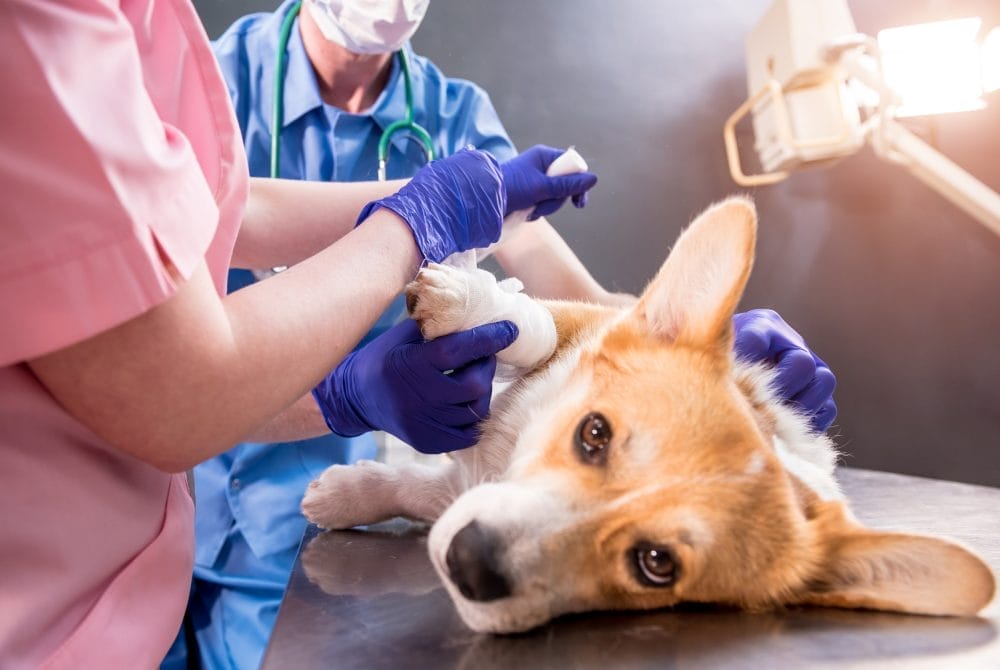
For many families, pets are more than companions—they’re part of the family. But when a pet’s surgery becomes necessary, the emotional stress often collides with a painful financial reality. Veterinary procedures can cost thousands of dollars, sometimes due upfront, and pet owners may feel cornered between debt and their animal’s health. This dilemma raises an important question: how can you protect your finances without compromising your pet’s well-being? Let’s explore the hidden costs, practical steps, and strategies to prevent a pet’s surgery from wrecking your financial stability.
1. Why Veterinary Bills Can Skyrocket
The cost of a pet’s surgery isn’t just about the operation itself. Expenses often include pre-op bloodwork, anesthesia, hospitalization, follow-up visits, and medications. When combined, these elements can quickly climb into the thousands, especially if specialized care or emergency services are required. Unlike human healthcare, most pet procedures don’t have insurance subsidies or employer-backed plans to soften the blow. Understanding these factors helps you anticipate the true scope of what you might face if your pet requires surgery.
2. Emergency Timing Makes It Worse
One of the hardest parts of a pet’s surgery is that it usually comes without warning. Emergency care carries a higher price tag because of urgent staffing, specialized equipment, and around-the-clock monitoring. These circumstances often force pet owners into snap financial decisions, sometimes leading to high-interest credit card use or personal loans. Even if you have a savings cushion, emergencies can drain it faster than you expect. Being aware of the emergency premium helps you plan for the unplanned.
3. Financing Options Aren’t Always Friendly
When faced with the immediate cost of a pet’s surgery, many owners turn to financing plans offered by veterinary clinics. While these can provide instant relief, they often come with high interest rates or deferred interest penalties if balances aren’t paid off on time. Pet-specific credit cards and payment programs can seem appealing but may lock you into unfavorable terms. Exploring all financing details before committing is crucial to avoid compounding the financial strain. A quick decision in a stressful moment can turn into long-term debt.
4. Pet Insurance Can Make a Difference
One way to buffer the financial impact of a pet’s surgery is pet insurance. Policies vary widely, but many cover accident-related procedures, some chronic illnesses, and even certain surgeries. The catch is that you need to sign up before a crisis occurs, as pre-existing conditions are usually excluded. Monthly premiums may feel like an added expense, but in the long run, they can significantly reduce the blow of an unexpected procedure. Insurance is worth exploring if you want a layer of protection between your wallet and surprise vet bills.
5. Savings Specifically for Pets
Another smart move is creating an emergency savings fund just for pet care. Setting aside even a small monthly amount ensures you have resources earmarked for your animal’s health. This strategy avoids dipping into broader household savings or retirement accounts during a crisis. A pet’s surgery may still be costly, but having a dedicated fund provides peace of mind. Treating it like any other financial goal helps you stay prepared without adding to your debt load.
6. Hidden Costs After Surgery
Even when you manage to pay for a pet’s surgery, the expenses don’t stop at the operating table. Post-operative care can involve specialized diets, ongoing medications, physical therapy, or additional checkups. These recurring costs add up over time, often catching families off guard. If you only plan for the initial procedure, you may underestimate the long-term financial impact. Preparing for recovery-related costs is just as important as paying for the surgery itself.
7. Asking About Alternatives
Sometimes the best way to manage the financial burden of a pet’s surgery is to ask your vet about alternatives. In certain cases, less invasive treatments or phased approaches may provide comparable outcomes at lower costs. Veterinarians may also know about nonprofit programs, charitable funds, or teaching hospitals offering reduced rates. Being proactive about discussing your options can open doors you didn’t realize existed. It can make the difference between sinking into debt or finding an affordable solution.
The Takeaway: Balancing Love and Finances
A pet’s surgery can be a heart-wrenching experience, not only emotionally but financially. While no one likes to think about the possibility of their furry friend needing a costly procedure, preparing in advance helps you stay out of unnecessary debt. Whether it’s through pet insurance, savings, or exploring alternative treatments, having a plan reduces stress when emergencies strike. At the end of the day, it’s about finding the balance between protecting your finances and giving your pet the care they deserve. Thoughtful preparation can ensure you don’t have to choose between the two.
Have you ever faced a big vet bill for your pet? How did you handle the cost of a pet’s surgery without jeopardizing your finances? Share your story in the comments.
What to Read Next…
6 Financial Risks Nobody Tells You About Pet Ownership
10 Little-Known Costs That Appear With Aging Parents
Pets Over People: 6 Financial Reasons People Are Choosing Dogs Over Children
7 Strange Truths About Middle-Class Spending Habits
The Financial Advice That Works—But Almost No One Follows

Catherine is a tech-savvy writer who has focused on the personal finance space for more than eight years. She has a Bachelor’s in Information Technology and enjoys showcasing how tech can simplify everyday personal finance tasks like budgeting, spending tracking, and planning for the future. Additionally, she’s explored the ins and outs of the world of side hustles and loves to share what she’s learned along the way. When she’s not working, you can find her relaxing at home in the Pacific Northwest with her two cats or enjoying a cup of coffee at her neighborhood cafe.