• Home
  • About Us
  • Toolkit
  • Getting Finances Done
    • Hiring Advisors
    • Debt Management
    • Spending Plan
  • Insurance
    • Life Insurance
    • Health Insurance
    • Disability Insurance
    • Homeowners/Renters Insurance
  • Contact Us
  • Privacy Policy
  • Risk Tolerance Quiz

The Free Financial Advisor

You are here: Home / Archives for travel safety

13 Secrets Every Solo Traveler Learns the Hard Way

November 6, 2025 by Travis Campbell Leave a Comment

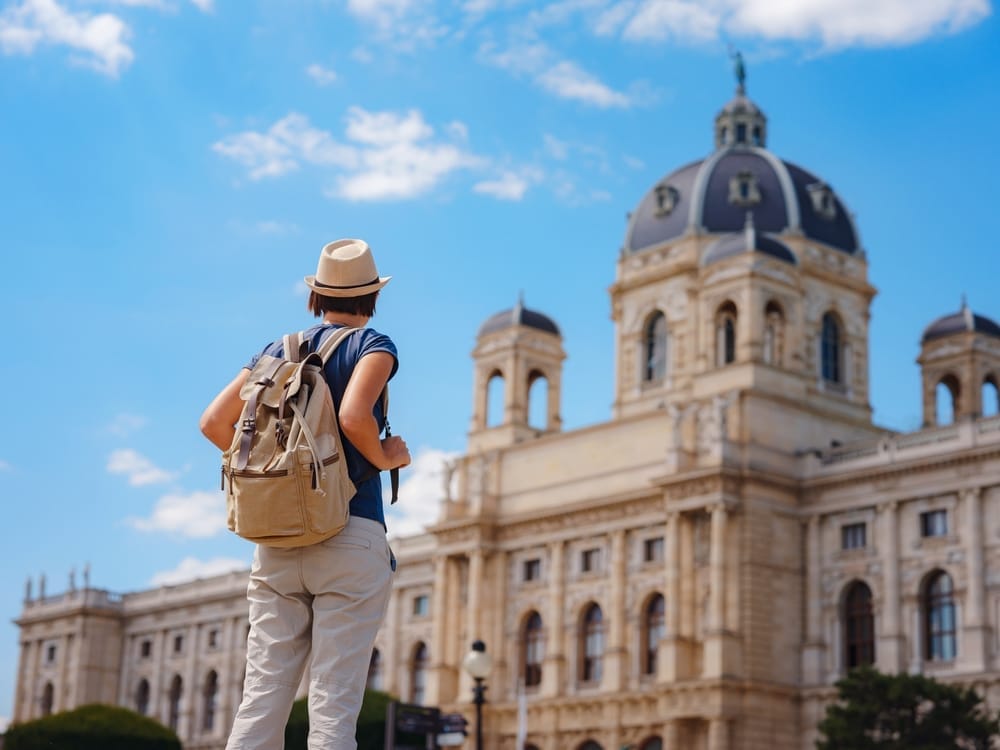
solo traveller

Image source: shutterstock.com

The experience of traveling by yourself brings both thrilling moments and frightening situations. The first mistakes of solo travelers lead to various challenges, which help them learn important lessons. Your knowledge from previous trips will enable you to avoid mistakes while you achieve the most from your travels. The ability to adapt, be flexible, and be resourceful develops through actual practice when traveling alone. This guide covers the truths every solo traveler learns so that you can hit the road with more confidence and less stress. The following guide discusses the genuine educational experiences that solo travelers encounter during their journeys.

1. Planning Pays Off (But Flexibility Matters More)

Researching your destination is important, but solo travel rarely goes exactly as planned. Trains get delayed. Museums close unexpectedly. The best experiences often come from saying yes to something new or changing your route on the fly. Create a loose itinerary, leaving space for spontaneous adventures and downtime. The freedom to pivot is one of the biggest perks of traveling alone.

2. Safety Precautions Aren’t Optional

Every solo traveler learns to trust their instincts. That means listening to your instincts if a situation feels off, keeping valuables hidden, and always having emergency contacts readily available. Share your itinerary with someone back home and check in regularly. Little steps—like carrying a doorstop for your hotel room or using a taxi app—can make a big difference in your peace of mind.

3. Budgeting Is a Constant Balancing Act

When you travel solo, every expense is on you. There’s no one to split that cab fare or hotel bill. Budgeting becomes second nature, from hunting for deals to choosing street food over restaurant splurges. Track your spending and set aside a “just in case” fund for emergencies.

4. Eating Alone Gets Easier—With Practice

The first solo dinner can feel awkward, but you’ll soon appreciate the freedom to eat what and when you want. Bring a book or journal, or sit at the bar to strike up a conversation. Over time, you’ll find joy in savoring meals at your own pace, and you might even meet fellow travelers along the way.

5. Packing Light Is Non-Negotiable

Solo travel means you’re responsible for all your luggage. Overpacking is a rookie mistake. Stick to essentials, choose versatile clothing, and remember that you can usually buy what you forget. A lighter bag makes every step of your journey easier, from navigating crowded trains to climbing hostel stairs.

6. Loneliness Is Real—But So Is Connection

Every solo traveler feels lonely sometimes. The good news is, traveling alone often leads to more conversations and unexpected friendships. Stay in hostels, join group tours, or use apps to connect with locals. Reaching out can turn a lonely night into a memorable adventure.

7. Navigation Skills Are a Must

Getting lost is almost a rite of passage for solo travelers. Download offline maps, learn a few key phrases, and don’t be afraid to ask for directions. Confidence in finding your way will grow with each trip. Remember, a little preparation goes a long way toward avoiding stress.

8. You Learn to Trust Yourself

One of the biggest rewards of solo travel is the self-reliance you develop. You’ll make decisions, solve problems, and handle setbacks on your own. Each challenge you overcome boosts your confidence and independence—skills that serve you long after the trip ends.

9. Not Everything Goes on Social Media

It’s tempting to share every moment online, but solo travelers quickly realize the value of keeping some experiences private. Savor the moment for yourself. Plus, posting in real time can compromise your safety by revealing your location. Share your adventures later, once you’re safely on the move.

10. Local Etiquette Matters

Every solo traveler learns the importance of respecting local customs. What’s normal at home might be rude or inappropriate elsewhere. Research basic etiquette—like dress codes, tipping, or greetings—before you go. Small gestures of respect go a long way in making connections and avoiding misunderstandings.

11. Scams Happen—Stay Alert

Tourist scams exist everywhere, and solo travelers are often prime targets. Learn common scams for your destination and stay vigilant, especially around busy attractions or transportation hubs. Trust your instincts, and don’t be afraid to walk away from a situation that feels off.

12. Self-Care Is Essential

Traveling solo can be both physically and mentally exhausting. Prioritize sleep, eat well, and permit yourself to take breaks. Don’t feel guilty for spending a quiet night in or skipping a museum in favor of a nap. Listening to your body keeps you healthy and ready for new adventures.

13. Every Trip Makes You a Better Solo Traveler

With each solo journey, you’ll pick up new skills and confidence. Mistakes become stories; challenges become lessons. The more you travel alone, the better you get at handling the ups and downs. Embrace the process, knowing every experience shapes you into a savvy solo traveler.

Embracing the Solo Travel Journey

Traveling alone brings both difficult times and meaningful life experiences to every person who embarks on a solo journey. Learning each new lesson, from budgeting to self-care, enables you to develop as a traveler while becoming a better version of yourself. These travel tips will help both first-time solo explorers and experienced travelers achieve a better and more pleasant experience during their trips. Every solo traveler encounters obstacles during their journey, but the way you respond to them and what you discover becomes more important than the obstacles themselves.

What has proven to be your most challenging experience since embarking on your solo travel journey? Share your stories in the comments below!

What to Read Next…

  • The Danger Of Using Debit Cards While Traveling Abroad
  • How Your Wi-Fi Router Placement Might Be Sharing Personal Info
  • What Happens To Your Credit Score If Your Cell Provider Changes Ownership
  • What Your Google Search History Could Say In A Probate Case
  • Why ChatGPT May Be Generating Fake Financial Advice And Getting Away With It
Travis Campbell
Travis Campbell

Travis Campbell is a digital marketer/developer with over 10 years of experience and a writer for over 6 years. He holds a degree in E-commerce and likes to share life advice he’s learned over the years. Travis loves spending time on the golf course or at the gym when he’s not working.

Filed Under: Travel Tagged With: budget travel, packing, self-care, solo adventures, solo travel, travel safety, travel tips

The Danger of Using Debit Cards While Traveling Abroad

July 24, 2025 by Travis Campbell Leave a Comment

debit card

Image Source: pexels.com

Traveling abroad is exciting. You get to see new places, try new foods, and meet people from different cultures. But when it comes to money, things can get tricky. Many travelers reach for their debit cards out of habit. It feels easy and familiar. But using a debit card while traveling abroad can lead to problems you might not expect. If you want to keep your money safe and avoid headaches, it’s important to know the risks. Here’s why using a debit card overseas can be dangerous—and what you can do instead.

1. Fraud Risk Is Higher Abroad

Debit cards are convenient, but they’re also easy targets for fraud. When you use your debit card in another country, you’re often using unfamiliar ATMs or payment terminals. Some of these machines may have skimmers or hidden cameras. If someone steals your credit card information, they can quickly drain your bank account. Unlike credit cards, which usually have strong fraud protection, debit cards pull money straight from your account. That means if someone gets your details, your cash is gone until your bank investigates. And that can take days or even weeks.

2. Limited Fraud Protection and Slow Recovery

If your debit card is compromised, recovering your money can be a slow process. Banks often take time to investigate claims of fraud. While you wait, your money is tied up. This can be a big problem if you need cash for hotels, food, or emergencies. Credit cards, on the other hand, usually offer better protection and faster resolution. With a debit card, you’re left waiting and worrying. Some banks may not even cover all losses, especially if you don’t report the fraud quickly.

3. Foreign Transaction Fees Add Up

Every time you use your debit card abroad, you might pay extra fees. Banks often charge foreign transaction fees, which can be around 1% to 3% of every purchase. Some ATMs also add their own fees. These costs add up fast, especially if you use your card for small purchases. You might not notice at first, but when you check your bank statement, the total can be surprising. Some credit cards waive these fees, but most debit cards do not. That means you’re paying more for everything, just because you used your debit card.

4. Dynamic Currency Conversion Can Cost You

When you pay with your debit card in another country, you might be asked if you want to pay in your home currency or the local one. This is called dynamic currency conversion. It sounds helpful, but it’s usually a bad deal. The exchange rate is often worse than what your bank would give you. Plus, there may be extra fees hidden in the conversion. If you’re not careful, you could end up paying much more than you expected. Always choose to pay in the local currency, but even then, using a debit card can still cost you more.

5. Account Holds and Blocks

Some hotels, car rental companies, and even gas stations put a hold on your debit card when you check in or fill up. This hold can be much higher than the actual cost of your stay or purchase. The money is frozen in your account until the hold is released, which can take several days. If you’re traveling on a budget, this can leave you short on cash. With a credit card, these holds don’t affect your bank balance. But with a debit card, you could find yourself unable to access your own money when you need it most.

6. ATM Scams and Skimming Devices

ATMs in tourist areas are prime targets for scammers. Skimming devices can be attached to the card slot, capturing your card information and PIN. Some scammers even install tiny cameras to watch you enter your PIN. If your debit card is skimmed, thieves can empty your account quickly. It’s hard to spot these devices, especially in a hurry or in an unfamiliar place. Credit cards are safer because they don’t give direct access to your bank account.

7. Daily Withdrawal Limits Can Trap You

Most banks set daily withdrawal limits on debit cards. This is meant to protect you, but it can be a problem if you need a lot of cash in an emergency. If your card is lost or stolen, or if you need to pay for something big, you might not be able to get enough money out. In some countries, ATMs also have their own limits, which can be even lower. This can leave you stuck, especially if you’re far from home and need to pay for a hotel, medical care, or a flight.

8. Your Account Could Be Frozen

Banks monitor for unusual activity. If you use your debit card in a foreign country, your bank might see it as suspicious and freeze your account. This can happen even if you told your bank you’d be traveling. If your account is frozen, you can’t access your money until you contact your bank and prove your identity. This can be stressful and time-consuming, especially if you’re in a different time zone or don’t have easy access to a phone.

9. Limited Support in Emergencies

If you run into trouble abroad, getting help with a debit card issue can be tough. Many banks have limited customer service hours, and calling from another country can be expensive or difficult. If your card is lost or stolen, you might have to wait days for a replacement. In the meantime, you’re without access to your money. Credit cards often offer better support, including emergency card replacement and cash advances.

Protect Your Money: Smarter Ways to Pay Abroad

Using a debit card while traveling abroad is risky. The dangers include fraud, high fees, account holds, and limited support. Instead, consider using a credit card with strong fraud protection and no foreign transaction fees. Carry some local cash for small purchases or emergencies. If you must use a debit card, use it only at trusted ATMs inside banks, and monitor your account closely. Tell your bank about your travel plans, but don’t rely on that alone. Protecting your money means thinking ahead and choosing safer ways to pay.

Have you ever had trouble using a debit card while traveling? Share your story or tips in the comments below.

Read More

What Does The CV On The Back of Your Credit and Debit Card Mean

7 Important Things You Should Know About Debit Cards Before You Get One

Travis Campbell
Travis Campbell

Travis Campbell is a digital marketer/developer with over 10 years of experience and a writer for over 6 years. He holds a degree in E-commerce and likes to share life advice he’s learned over the years. Travis loves spending time on the golf course or at the gym when he’s not working.

Filed Under: Crime & Safety Tagged With: debit cards, fraud prevention, international travel, money tips, travel banking, travel finance, travel safety

Here’s What Happens When You Post Vacation Photos Before You Get Home

July 15, 2025 by Travis Campbell Leave a Comment

vacation

Image Source: pexels.com

Vacations are a time to relax, explore, and make memories. It’s natural to want to share those moments with friends and family. Social media makes it easy to post vacation photos in real time. But posting those photos before you get home can create problems you might not expect. This isn’t just about privacy. It’s about your safety, your finances, and even your relationships. Here’s why you should think twice before sharing your trip while you’re still away.

1. You Advertise an Empty Home

Posting vacation photos before you get home tells everyone you’re not there. It’s like putting a sign on your front door that says, “No one’s home.” Even if your social media accounts are private, it’s hard to know exactly who sees your posts. Friends of friends, old acquaintances, or even strangers can find out you’re away. This makes your home a target for break-ins. Burglars often look for clues online. If they see you’re out of town, they know they have time to act. The risk is real. In fact, police departments have warned about this issue for years. Waiting to post until you’re back is a simple way to protect your home.

2. Your Insurance Claim Could Be Denied

If your home is burglarized while you’re away, your insurance company will investigate. If they find out you posted vacation photos in real time, they might say you were careless. Some policies have clauses about “reasonable care.” Posting your location publicly could be seen as failing to protect your property. This can lead to denied claims or reduced payouts. It’s not just about the loss. It’s about the hassle and stress of fighting with your insurer. Protect your coverage by keeping your travel plans private until you return.

3. You Risk Identity Theft

Sharing vacation photos often means sharing details about your location, your habits, and your family. Thieves can use this information to guess passwords, security questions, or even your address. Posting a photo with a geotag or a recognizable landmark gives away your exact location. Identity thieves look for these clues. They can use them to build a profile and steal your identity. This can lead to financial loss, damaged credit, and a long road to recovery. Keep your personal information safe by waiting to share.

4. You Invite Unwanted Attention

Not everyone who sees your vacation photos has good intentions. Posting in real time can attract scammers, stalkers, or people who want to take advantage of your absence. You might get messages from strangers or even fake accounts. Some people use social media to track when people are away from home. This can lead to harassment or worse. Protect yourself and your family by keeping your travel updates private until you’re safely home.

5. You Could Jeopardize Your Job

Some employers monitor employees’ social media accounts. If you post vacation photos during a time you claimed to be sick or unavailable, you could get in trouble. Even if you’re on approved leave, your boss might not appreciate seeing you relaxing on a beach while work piles up. This can affect your reputation at work. It can also create tension with coworkers who have to cover for you. Think about your professional image before you post.

6. You Might Upset Friends and Family

Not everyone can afford to travel. Posting vacation photos in real time can make some people feel left out or jealous. It can also create tension if you didn’t invite certain friends or family members. Some people might feel hurt if they see you having fun without them. Waiting to share your photos gives you time to think about who you want to share them with and how.

7. You Miss Out on Being Present

When you focus on posting photos, you’re not fully enjoying your vacation. You’re thinking about likes, comments, and how your photos look online. This takes you out of the moment. You might miss special experiences because you’re glued to your phone. Waiting to post lets you enjoy your trip and make real memories. You can always share your photos later, when you have time to reflect.

8. You Create a Digital Trail

Every photo you post adds to your digital footprint. This information can be used by companies, hackers, or even future employers. Once something is online, it’s hard to take it back. Even if you delete a post, it might still be saved or shared by others. Think about the long-term impact before you post. Protect your privacy by being careful about what you share and when.

9. You Could Violate Local Laws or Customs

Some countries have strict rules about photography or sharing images online. Posting certain photos could get you in trouble with local authorities. In some places, sharing images of certain landmarks or people is illegal. You could face fines or even arrest. Always check local laws before posting vacation photos. This protects you and shows respect for the places you visit.

Think Before You Share: Protect Your Home, Privacy, and Peace of Mind

Posting vacation photos before you get home might seem harmless, but it can create real problems. You risk your home, your finances, your job, and your relationships. The best way to stay safe is to wait until you’re back. Enjoy your trip, make memories, and share your photos when you’re home. Your future self will thank you.

Have you ever posted vacation photos before getting home? Did anything unexpected happen? Share your story in the comments.

Read More

Why Vacationing At Least 3 Times A Year Can Save You Money and Your Sanity

How That Free Trial You Forgot About Is Costing You a Vacation

Travis Campbell
Travis Campbell

Travis Campbell is a digital marketer/developer with over 10 years of experience and a writer for over 6 years. He holds a degree in E-commerce and likes to share life advice he’s learned over the years. Travis loves spending time on the golf course or at the gym when he’s not working.

Filed Under: safety Tagged With: home security, identity theft, Insurance, privacy, Social media, travel safety, vacation

7 Travel Safety Tips You’ve Never Heard Before

June 10, 2025 by Travis Campbell Leave a Comment

travel

Image Source: pexels.com

Traveling is one of life’s greatest joys, but it also comes with its own set of risks. Whether you’re exploring a new city or venturing off the beaten path, staying safe should always be a top priority. While you’ve probably heard the standard advice—like keeping your valuables close and avoiding poorly lit areas—there’s a whole world of lesser-known travel safety tips that can make a real difference. These strategies aren’t just for the ultra-cautious; they’re for anyone who wants to enjoy their trip with peace of mind. If you’re ready to go beyond the basics and truly protect yourself on your next journey, these seven travel safety tips you’ve never heard before are for you.

1. Create a “Digital Breadcrumb Trail”

Most travelers know to share their itinerary with a friend or family member, but you can take this a step further by creating a digital breadcrumb trail. Use a secure cloud service to upload copies of your passport, travel insurance, and important documents. Then, set up a shared folder with someone you trust and update it with your location or plans as you go. This way, if you lose your phone or get into trouble, someone back home can help authorities track your movements and provide critical information. It’s a simple, tech-savvy way to enhance your travel safety tips arsenal.

2. Use a Decoy Wallet

Pickpocketing is a common concern, especially in crowded tourist areas. Instead of just hiding your cash, carry a decoy wallet with a small amount of money and expired cards. If you’re ever confronted, you can hand over the decoy without losing your real valuables. Keep your actual wallet in a hidden money belt or a secure pocket. This clever trick can help you avoid a major financial headache and is one of those travel safety tips that’s easy to implement but often overlooked.

3. Learn Local Emergency Codes

Every country has its emergency numbers and procedures, which are not always 911. Before you travel, look up the local emergency codes for police, fire, and medical help. Save them in your phone and write them down somewhere accessible. Some countries even have specific numbers for tourist police or embassy assistance. Knowing these codes can save precious time in a crisis and is a travel safety tip that can make all the difference when seconds count.

4. Pack a Doorstop Alarm

Hotel room security is often taken for granted, but break-ins can happen anywhere. A portable doorstop alarm is a lightweight, inexpensive device that wedges under your door and emits a loud sound if someone tries to enter. Packaging and working in hotels, hostels, or even Airbnb rentals is easy. This extra layer of protection can help you sleep soundly and is one of those travel safety tips that’s especially useful for solo travelers or anyone staying in unfamiliar accommodations.

5. Use “Invisible” Luggage Markings

Luggage theft is a real risk, especially at busy airports and train stations. Instead of flashy tags or ribbons, mark your bags with something only you would recognize, like a small piece of colored tape inside a pocket or a unique stitch. This makes it easier to identify your luggage if it’s lost or stolen and won’t attract unwanted attention. For added security, take photos of your bags and their contents before you travel. This travel safety tip can help you recover your belongings faster and provide proof for insurance claims if needed.

6. Master the Art of “Blending In”

Standing out as a tourist can make you a target for scams or theft. Research local dress codes and customs before you go, and try to blend in as much as possible. Avoid wearing expensive jewelry, branded gear, or anything that screams “tourist.” Even small changes—like carrying a reusable shopping bag instead of a backpack—can help you look more like a local. This travel safety tip isn’t about losing your identity; it’s about minimizing risk and confidently moving through new environments.

7. Set Up “Geo-Fencing” Alerts

Many smartphones and banking apps now offer geo-fencing features, which send you alerts if your cards are used outside a designated area. Before your trip, set up these alerts to monitor your accounts for suspicious activity. If your card is used in a location you haven’t visited, you’ll know immediately and can take action. This proactive travel safety tip helps you stay ahead of potential fraud and gives you greater control over your finances while on the road.

Travel Smarter, Worry Less

Traveling should be about making memories, not worrying about what could go wrong. By adding these lesser-known travel safety tips to your routine, you’ll be better prepared for the unexpected and able to focus on enjoying your adventure. Remember, safety isn’t about paranoia—it’s about being proactive and making smart choices that protect your well-being and your wallet.

What’s the most unusual travel safety tip you’ve ever used? Share your stories or advice in the comments below!

Read More

5 Safety Measures You’re Probably Ignoring That Could Save Your Life

How to Keep Your Car Secure from Vandals and Thieves

Travis Campbell
Travis Campbell

Travis Campbell is a digital marketer/developer with over 10 years of experience and a writer for over 6 years. He holds a degree in E-commerce and likes to share life advice he’s learned over the years. Travis loves spending time on the golf course or at the gym when he’s not working.
Filed Under: Travel Tagged With: Personal Finance, safe travel, travel hacks, travel planning, travel safety, travel security, travel tips

5 Popular Spots Around the World Where Americans Are Now Unwelcome

May 3, 2025 by Travis Campbell Leave a Comment

globe

Image Source: pexels.com

In recent years, shifting geopolitical tensions, trade disputes, and changing international relations have created new challenges for American travelers. According to recent surveys, 72% of experienced travelers believe Americans will be perceived more negatively abroad in 2025 (Global Rescue). While most destinations still welcome American tourists, certain popular locations have become notably less hospitable. Here’s a look at five destinations where Americans may face a chilly reception in 2025.

1. Russia: From Tourist Hotspot to No-Go Zone

Once a bucket-list destination for Americans eager to explore Moscow’s Red Square or St. Petersburg’s Hermitage Museum, Russia has become increasingly unwelcoming to U.S. citizens. Diplomatic tensions have escalated to the point where travel is uncomfortable and potentially dangerous.

According to travel reports, “Moscow and St. Petersburg, once popular destinations for American tourists, are now off-limits. In 2023 alone, over 300,000 American tourists visited Russia, contributing millions to the local economy” (SZ Travel Blog). The current political climate has made visa acquisition nearly impossible, and Americans who do manage to enter face heightened scrutiny, potential harassment, and limited consular support due to reduced diplomatic presence.

2. Venezuela: Political Tensions Create Barriers

Venezuela’s stunning landscapes and Angel Falls once attracted adventure seekers from the U.S.. Still, the ongoing political crisis has transformed this South American nation into a hostile environment for American visitors.

The country is “currently considered an authoritarian state under President Nicolás Maduro” with documented human rights abuses including “forced disappearances and extrajudicial killings” (The Modern Day Adventurer). American citizens face particular challenges, as they “are routinely detained by the regime’s security forces and become targets of robberies, carjackings, and homicides.” With the U.S. Embassy in Caracas closed since 2019, Americans have minimal emergency support options, making Venezuela effectively off-limits for most U.S. travelers.

3. Egypt: Growing Anti-American Sentiment Amid Tourism Decline

Egypt, home to the pyramids and once a staple on American travelers’ itineraries, has experienced a significant shift in attitude toward U.S. visitors. Political instability and security concerns have created an increasingly uncomfortable atmosphere for Americans.

“While Egypt is a popular destination for tourists, political instability and security concerns may make it a less welcoming place for Americans. In 2025, additional barriers could occur due to tense diplomatic relations and safety risks,” notes travel experts. Local sentiment has soured as economic challenges intensify, with some Egyptians blaming U.S. policies for regional instability.

American travelers report facing more intensive questioning at borders, higher unofficial “tourist taxes,” and occasionally hostile interactions in areas outside major tourist zones. While the Egyptian government officially welcomes tourism dollars, the on-the-ground reality for Americans has become increasingly uncomfortable.

4. Belarus: Europe’s Last Dictatorship Closes Its Doors

Belarus, with its preserved Soviet architecture and pristine national parks, has become increasingly inaccessible to American travelers as relations between the two countries deteriorate.

The country has become increasingly authoritarian in recent years, with a worsening relationship with the West. Americans may find entering increasingly difficult, especially with political crackdowns and international sanctions limiting access”. The Belarusian government’s alignment with Russia has further complicated matters for American visitors, who now face extensive background checks, visa denials, and surveillance if they do manage to enter the country.

Tourism infrastructure for English speakers has diminished significantly, with American-friendly hotels and tour operators shutting down or pivoting to visitors from “friendly” nations.

5. Certain European Destinations: Unexpected Friction in Traditional Allies

Perhaps most surprising is the growing coolness toward American tourists in parts of Europe, traditionally the most welcoming region for U.S. travelers. While Europeans generally distinguish between American government policies and individual citizens, recent trade tensions have created palpable friction.

According to travel experts, “In just the past couple of weeks, the American president had a very public argument with the leader of a country that was, until that moment, considered a close American ally; questioned the USA’s role in NATO; threatened to impose 25% tariffs on European countries” (Rick Steves’ Europe). These tensions have translated into real-world impacts for travelers.

International travel to major U.S. airports has “dropped sharply this year, as potential visitors balk at President Donald Trump’s trade war and aggressive statements toward traditional allies like Canada and the European Union” (MSN Travel News). This cooling works both ways, with American travelers reporting more political confrontations and occasionally hostile interactions, particularly in countries most affected by tariffs.

Navigating a Changing Travel Landscape

Despite these challenges, Americans can still travel globally with proper preparation. Security experts recommend maintaining a low profile, staying informed about local attitudes, demonstrating cultural awareness, and avoiding political discussions in public spaces.

The decline in travel demand attributed to international tensions “may have significant repercussions for the U.S. economy,” with analysts predicting “billions could be wiped from GDP as international tourism wanes” (Devdiscourse). This economic impact underscores the importance of maintaining positive international relations.

For Americans planning international travel in 2025, flexibility, cultural sensitivity, and thorough research have never been more important. While these five destinations present particular challenges, with proper preparation and realistic expectations, global travel remains possible and valuable for building cross-cultural understanding during these tense times.

Have you experienced changing attitudes toward Americans in your recent travels? Share your experiences and tips for navigating these new challenges in the comments below.

Read More

Vacation Without Breaking the Bank

10 Vacation Spots That Are No Longer Worth the Time or Money

Travis Campbell
Travis Campbell

Travis Campbell is a digital marketer/developer with over 10 years of experience and a writer for over 6 years. He holds a degree in E-commerce and likes to share life advice he’s learned over the years. Travis loves spending time on the golf course or at the gym when he’s not working.
Filed Under: Travel Tagged With: American tourists abroad, anti-American sentiment, global politics, international travel, tourism challenges, travel advisories, travel restrictions, travel safety

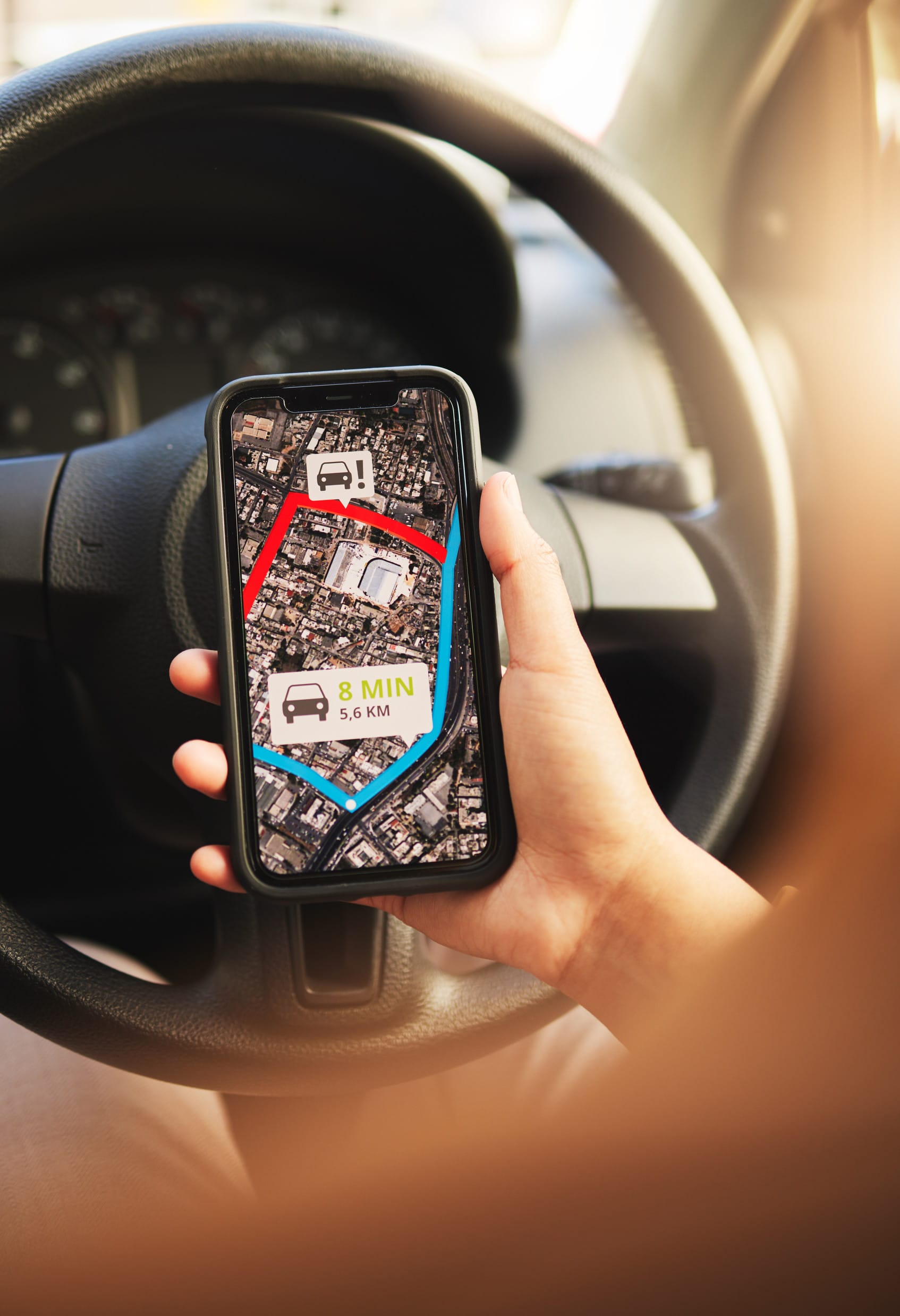
Why Your GPS Could Be the Reason You Get Robbed While Traveling

March 6, 2025 by Latrice Perez Leave a Comment

GPS

Image Source: 123rf.com

GPS technology has revolutionized travel, making it easier than ever to navigate unfamiliar destinations. Whether using a built-in car system, Google Maps, or another navigation app, travelers rely on GPS to guide them efficiently. However, this dependence comes with hidden risks. Criminals have learned to exploit GPS vulnerabilities, leading to thefts, scams, and even physical danger. If you’re not careful, your GPS could be putting you in harm’s way without you even realizing it.

1. GPS Can Lead You Into High-Crime Areas

Most GPS systems focus on finding the shortest or fastest route, not the safest one. As a result, travelers can unknowingly be guided through high-crime neighborhoods, especially in cities where crime rates vary significantly by block. Some areas are notorious for carjackings, muggings, or robberies, and blindly following GPS directions can make you an easy target.

Criminals often wait in isolated locations where unsuspecting drivers stop due to a wrong turn or GPS miscalculation. In some cases, carjackers deliberately disable traffic signs or create roadblocks to trap drivers following GPS directions. Checking a map beforehand and researching safe areas can prevent you from accidentally ending up in a dangerous location.

2. Thieves Can Track Your GPS Usage

If you leave your GPS device visible in your car, thieves may assume you’re a traveler unfamiliar with the area. This makes you an easy target for car break-ins, especially at rest stops, gas stations, or parking garages. Even suction cup marks on your windshield can signal to criminals that a GPS device is in your car, leading them to search for it.

Additionally, some advanced GPS-enabled apps and smart devices track your location history. If your phone or car’s GPS data is compromised, criminals can determine where you are, where you’ve been, and when you’re likely to be away from your hotel or vehicle. To stay safe, always remove or conceal your GPS device when leaving your car, and turn off unnecessary location tracking in your apps.

3. GPS-Related Scams Are on the Rise

Scammers have learned how to manipulate GPS systems to trick travelers. In some tourist-heavy cities, scammers deliberately mislabel locations on Google Maps or other navigation services to redirect travelers to fake businesses or overpriced services. For example, taxi drivers in some areas alter GPS locations of popular tourist attractions to take customers to affiliated businesses that overcharge for goods and services.

Another common scam involves fake road closures or detour signs that redirect drivers to isolated areas where criminals wait to rob them. Before trusting GPS directions, verify locations through multiple sources or ask locals for confirmation.

4. Publicly Sharing Your Location Puts You at Risk

Many travelers enjoy documenting their trips in real-time, tagging their locations on social media. However, broadcasting your whereabouts can alert criminals to the fact that you’re in an unfamiliar place—and potentially distracted. If your GPS location is constantly being shared through social media or apps, thieves can track your movements and determine the best time to strike.

Additionally, criminals sometimes use location-sharing to target travelers who have just arrived at airports or checked into hotels. If you must share updates, wait until after you’ve left a location rather than posting in real-time. Turning off automatic location-sharing settings in apps can also add an extra layer of protection.

5. GPS Jamming and Spoofing Can Lead You Astray

Criminals are using increasingly sophisticated methods to manipulate GPS signals. GPS jamming disrupts navigation signals, causing devices to lose accuracy or fail completely. This can leave travelers stranded in unfamiliar areas or force them to stop in vulnerable locations.

GPS spoofing, on the other hand, tricks navigation systems into displaying false locations, redirecting travelers away from their intended route. Some criminals use this technique to lead unsuspecting drivers to isolated areas where they can be robbed. To protect yourself, always have an offline map or an alternative navigation method as a backup.

6. Rental Cars with Built-In GPS Can Be Compromised

Rental Car Website

Image Source: 123rf.com

If you’re renting a car, be cautious about using the built-in GPS system. Some rental companies store previous customers’ travel data, which could leave you vulnerable if that data is accessed by the wrong people. In some cases, criminals working with corrupt employees can track rental vehicles in real-time, following them until the right opportunity to strike arises.

To minimize risk, clear location history from the GPS system before driving, and consider using your personal navigation device instead of the car’s built-in GPS. Always check that the rental company has disabled remote tracking capabilities once you’ve rented the vehicle.

7. Leaving GPS Set to “Home” Can Lead Thieves to Your House

Many people store their home address in their GPS system for convenience, but this can be a serious security risk. If your car is stolen while you’re traveling, criminals can easily navigate to your house, knowing you’re not home.

A better alternative is to set a location near your home, such as a nearby store or landmark, rather than your exact address. This prevents thieves from easily finding out where you live if they gain access to your GPS device.

Conclusion: How to Stay Safe While Using GPS

GPS is an incredibly useful tool, but relying on it blindly can put you at risk while traveling. Criminals exploit GPS in various ways, from leading travelers into unsafe areas to using GPS data for tracking and scams. By staying aware of these dangers and taking proactive steps—such as verifying routes, securing devices, and limiting real-time location sharing—you can avoid falling victim to GPS-related crimes.

Were you aware of the potential dangers of using your GPS? Will this information help you make different decisions in it’s use? Let us know in the comments below.

Read More:

10 Scary Reasons You Should Never Ignore a Strange Car Parked Near Your House

Our Society Is More Dangerous Than Ever—And No One Is Paying Attention

Latrice Perez

Latrice is a dedicated professional with a rich background in social work, complemented by an Associate Degree in the field. Her journey has been uniquely shaped by the rewarding experience of being a stay-at-home mom to her two children, aged 13 and 5. This role has not only been a testament to her commitment to family but has also provided her with invaluable life lessons and insights.

As a mother, Latrice has embraced the opportunity to educate her children on essential life skills, with a special focus on financial literacy, the nuances of life, and the importance of inner peace.

Filed Under: safety Tagged With: crime prevention, GPS jamming, GPS risks, GPS spoofing, navigation security, rental car safety, theft prevention, travel safety, travel scams, travel technology

FOLLOW US

Search this site:

Recent Posts

  • Can My Savings Account Affect My Financial Aid? by Tamila McDonald
  • 12 Ways Gen X’s Views Clash with Millennials… by Tamila McDonald
  • What Advantages and Disadvantages Are There To… by Jacob Sensiba
  • 10 Tactics for Building an Emergency Fund from Scratch by Vanessa Bermudez
  • Call 911: Go To the Emergency Room Immediately If… by Stephen Kanaval
  • 7 Weird Things You Can Sell Online by Tamila McDonald
  • 10 Scary Facts About DriveTime by Tamila McDonald

Copyright © 2026 · News Pro Theme on Genesis Framework