• Home
  • About Us
  • Toolkit
  • Getting Finances Done
    • Hiring Advisors
    • Debt Management
    • Spending Plan
  • Insurance
    • Life Insurance
    • Health Insurance
    • Disability Insurance
    • Homeowners/Renters Insurance
  • Contact Us
  • Privacy Policy
  • Risk Tolerance Quiz

The Free Financial Advisor

You are here: Home / Archives for outdoor safety

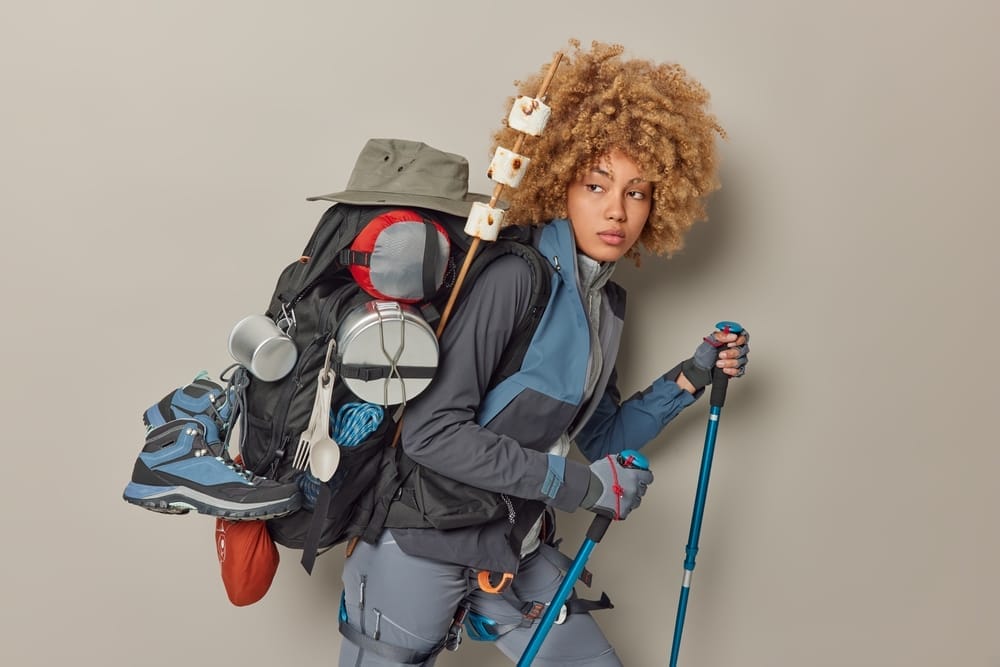
8 Must-Have Items Every Hiker Should Pack Before the Trail

November 10, 2025 by Travis Campbell Leave a Comment

hiking

Image source: shutterstock.com

Heading into nature can clear the mind, strengthen the body, and refresh the spirit. Hikers who fail to prepare properly will find that their most appealing trail routes become dangerous paths. The selection of proper equipment makes all the difference between a safe and enjoyable journey and a dangerous and uncomfortable one. Hikers need to prepare their trips by considering both their comfort needs and potential emergencies, as well as weather conditions and route navigation. The following eight items will help you pack efficiently, keep you safe, and deliver the best hiking experience. The essential items for hiking need to be prepared in advance by all hikers regardless of their outdoor experience level.

1. Reliable Navigation Tools

Getting lost is easier than most people think, especially when trails split or signage fades. A paper map and a compass remain essential tools even in the age of smartphones. Batteries die, signals drop, and weather can interfere with GPS. Always bring a physical map of your route and know how to use it. Pair it with a compass for accuracy. For extra peace of mind, consider a GPS watch or a handheld device with offline maps. These tools help you stay oriented and minimize the risk of getting lost.

2. Water and a Filtration System

Staying hydrated is non-negotiable. Dehydration can sap energy, cloud judgment, and lead to serious health problems. Bring enough water for your hike, but also pack a lightweight filtration or purification system. Rivers and streams may look clean, but can contain bacteria or parasites. A small filter or purification tablets weigh almost nothing and can save you if you run low. Reusable bottles or hydration bladders make drinking on the go easier. Hydration planning should always be part of your must-have hiking items list.

3. Weather-Appropriate Clothing

The weather can shift quickly, especially in mountains or forests. Dress in layers so you can adjust to temperature changes. Start with moisture-wicking base layers to keep sweat off your skin. Add insulating layers for warmth and a waterproof shell to block rain and wind. Avoid cotton—it holds moisture and chills you fast. Lightweight gloves, a hat, and a buff can make a big difference in comfort. Proper clothing isn’t just about comfort; it’s a safety measure that protects you from hypothermia or overheating.

4. First Aid Kit

Blisters, scrapes, and insect bites are common on the trail, but serious injuries can happen, too. A compact first aid kit should include bandages, antiseptic wipes, adhesive tape, pain relievers, and any personal medications. Add items like tweezers, moleskin for blisters, and a small roll of gauze. It’s wise to learn basic first aid before your trip. Some hiking groups offer short courses that teach how to handle minor injuries and stabilize someone until help arrives.

5. Nutritious Food and Snacks

Food fuels your hike. Choose items that are calorie-dense, non-perishable, and easy to eat on the go. Trail mix, jerky, nuts, and energy bars are perfect for quick bites. For longer treks, pack dehydrated meals or simple sandwiches. Keep a small portion of extra food in case your hike takes longer than expected. Balanced nutrition helps maintain steady energy levels, supports your body’s recovery, and prevents fatigue from setting in too early. Make food planning part of your pre-hike checklist.

6. Emergency Shelter

Even if you plan a day hike, bring a lightweight emergency shelter or bivy sack. Weather and daylight can change more quickly than expected, leaving you vulnerable. An emergency blanket or tarp can shield you from wind and rain. Compact shelters fit easily in your pack and can mean the difference between an uncomfortable night and a dangerous one. Always prepare for the unexpected, especially when hiking in remote areas.

7. Illumination and Fire Tools

Light is essential if your hike extends past sunset or you find yourself delayed. A headlamp keeps your hands free and lights the trail ahead. Pack extra batteries or a backup flashlight. Fire-starting tools—like waterproof matches or a small lighter—help you stay warm, cook food, and signal for help if needed. Keep them in a waterproof container. Light and fire are basic survival tools that every hiker should include among their must-have hiking items.

8. Multi-Tool and Repair Kit

A multi-tool can handle countless small problems on the trail. Loose screws, broken straps, or torn gear can quickly become major inconveniences. A knife, scissors, and screwdriver attachments can fix most issues. Add duct tape, zip ties, and a few safety pins to your repair kit. These small items can patch holes, secure equipment, or even help in an emergency. Keeping your gear functional ensures your trip stays on track.

Preparing for the Unexpected

People can explore nature through hiking, but they need to prepare correctly to stay safe and have a good time. The essential items you bring will help you deal with any emergency that may occur while hiking. The goal should be to select essential gear that ensures safety and comfort, rather than attempting to move all belongings. The process of smart packing enables you to feel assured, so you can appreciate your environment while avoiding worries about forgotten items.

What single item do you always bring when you head out for hiking? Share your thoughts and experiences in the comments below.

What to Read Next…

  • 8 Things You’re Doing That Make Criminals Think You’re an Easy Target
  • 7 Places Criminals Watch Before Picking a Home to Rob
  • 8 Common Home Security Features That Aren’t as Safe as You Think
  • 7 Ways Your Neighbor Could Be Spying on You Without Breaking the Law
  • What Do Police Say About These Safe Neighborhood Assumptions?
Travis Campbell
Travis Campbell

Travis Campbell is a digital marketer/developer with over 10 years of experience and a writer for over 6 years. He holds a degree in E-commerce and likes to share life advice he’s learned over the years. Travis loves spending time on the golf course or at the gym when he’s not working.

Filed Under: Smart Shopping Tagged With: Hiking Gear, hiking preparation, outdoor safety, packing tips., trail essentials

7 Risky Outdoor Activities Every Man Should Think Twice About

April 20, 2025 by Travis Campbell Leave a Comment

mountain climbing

Image Source: unsplash.com

Adventure seekers often chase the adrenaline rush that comes with outdoor activities, but some pursuits carry risks that deserve serious consideration. While pushing boundaries can be rewarding, understanding the potential dangers of high-risk outdoor activities is essential for making informed decisions about your safety. Before you sign up for your next adventure, consider these seven outdoor activities that might require more preparation, training, or reconsideration than you initially thought. These activities may offer thrilling experiences but demand respect for their inherent dangers.

1. Free Solo Rock Climbing

Free soloing—climbing without ropes or protective equipment—represents the ultimate risk in climbing sports. Even experienced climbers with years of training face potentially fatal consequences from a single mistake. According to the American Alpine Club, climbing accidents result in dozens of fatalities annually, with free soloing being particularly dangerous.

The mental pressure is as challenging as the physical demands. Climbers must maintain perfect focus for hours, as any lapse in concentration could be fatal. Even elite climbers like Alex Honnold, famous for free soloing El Capitan, spend years preparing for major climbs with extensive practice on the same routes with protection before attempting them without ropes.

If you’re drawn to climbing, consider starting with traditional roped climbing at established areas with qualified instructors before even contemplating free soloing.

2. Backcountry Skiing and Snowboarding

Venturing beyond resort boundaries puts you in avalanche territory without the safety infrastructure of patrolled slopes. Avalanches kill an average of 28 people annually in North America alone, according to the Colorado Avalanche Information Center.

Backcountry snow sports require specialized equipment (beacon, probe, shovel), avalanche safety training, and weather assessment skills. Even experienced skiers can be caught off guard by rapidly changing mountain conditions.

If backcountry skiing appeals to you, invest in proper avalanche safety courses and always check local avalanche forecasts before heading out. Never venture into the backcountry alone; ensure everyone in your group has adequate training and equipment.

3. Bull Riding

This rodeo staple involves mounting a 2,000-pound animal specifically bred for bucking. The average bull-riding career lasts just 3-5 years due to injuries. Nearly every professional bull rider has experienced significant injuries, including concussions, broken bones, and internal injuries.

The sport’s danger comes from the fall and being stomped or gored after being thrown. Even with protective vests and helmets, riders face extreme risks each time they enter the chute.

If you’re interested in Western sports, consider starting with less dangerous options like team roping or barrel racing. These activities still provide Western cultural experiences without the extreme danger.

4. Cave Diving

Underwater cave exploration combines the risks of scuba diving with additional hazards of overhead environments, limited visibility, and complex navigation. According to diving safety organizations, cave diving has one of the highest fatalities among recreational activities when attempted without proper training.

The confined spaces, potential for silt-outs (zero visibility), and limited gas supply create a situation where minor problems can quickly become life-threatening. Even experienced open-water divers need specialized training for cave environments.

If you are interested in underwater exploration, consider starting with open-water diving and gradually building experience before pursuing technical specialties like cave diving.

5. Big Wave Surfing

Faced with waves over 20 feet tall, surfers risk being held underwater for extended periods, suffering impact injuries from powerful waves, and dealing with dangerous currents. The force of a breaking wave can push surfers deep underwater, creating disorientation and risking drowning.

Professional big wave surfers train extensively for breath-holding and underwater recovery, often practicing holding their breath for 4+ minutes. They also use specialized equipment and safety teams with jet skis for rescue.

Consider progressively developing your surfing skills on smaller waves before attempting larger ones, and never surf big ones alone.

6. Wingsuit Flying

This extreme form of skydiving involves flying through the air in a specialized suit that adds surface area to the human body. According to skydiving safety statistics, fatality rates are estimated at one death per 500-1,000 jumps, making it considered among the most dangerous recreational activities in the world.

The margin for error is incredibly small, with jumpers reaching speeds over 100 mph while navigating close to terrain. Most wingsuit fatalities occur when jumpers misjudge distances or encounter unexpected conditions.

If you’re drawn to the skies, consider starting with traditional skydiving and accumulating hundreds or thousands of jumps before considering wingsuit progression.

7. Free Diving

Descending to extreme depths on a single breath without scuba equipment puts tremendous physiological stress on the body. Blackouts near the surface (shallow water blackout) are particularly dangerous and can occur without warning.

Competitive free divers train extensively to hold their breath for 4+ minutes and dive to depths exceeding 100 meters, but even with safety divers present, the sport has seen numerous fatalities.

If you’re interested in underwater exploration, consider starting with snorkeling in safe environments before pursuing free diving training with qualified instructors.

Balancing Adventure and Safety: The Wiser Approach

The appeal of these high-risk activities is understandable—they offer unparalleled thrills and profound experiences. However, the wisest adventurers understand that proper training, equipment, and risk assessment aren’t signs of weakness but of intelligence. Many of these activities can be enjoyed with significantly reduced risk through proper progression, training, and safety protocols.

Remember that adventure doesn’t always require extreme risk. Often, the most rewarding outdoor experiences come from challenging yourself within reasonable safety margins while progressively developing skills.

Have you ever tried any high-risk outdoor activities, or do you have safety tips from your adventure experiences? Share your stories in the comments below.

Read More

7 Risky Behaviors That Could Be Sabotaging Your Job Prospects

6 Dangerous Home Appliances That You’re Using Every Day

Travis Campbell
Travis Campbell

Travis Campbell is a digital marketer/developer with over 10 years of experience and a writer for over 6 years. He holds a degree in E-commerce and likes to share life advice he’s learned over the years. Travis loves spending time on the golf course or at the gym when he’s not working.

Filed Under: safety Tagged With: adventure risks, extreme sports, men's activities, outdoor adventures, outdoor safety, risk assessment

FOLLOW US

Search this site:

Recent Posts

  • Can My Savings Account Affect My Financial Aid? by Tamila McDonald
  • 12 Ways Gen X’s Views Clash with Millennials… by Tamila McDonald
  • What Advantages and Disadvantages Are There To… by Jacob Sensiba
  • Call 911: Go To the Emergency Room Immediately If… by Stephen Kanaval
  • 10 Tactics for Building an Emergency Fund from Scratch by Vanessa Bermudez
  • 7 Weird Things You Can Sell Online by Tamila McDonald
  • 10 Scary Facts About DriveTime by Tamila McDonald

Copyright © 2026 · News Pro Theme on Genesis Framework