• Home
  • About Us
  • Getting Finances Done
    • Hiring Advisors
    • Debt Management
    • Spending Plan
  • Insurance
    • Life Insurance
    • Health Insurance
    • Disability Insurance
    • Homeowners/Renters Insurance
  • Contact Us
  • Our Editorial Commitment

The Free Financial Advisor

You are here: Home / Archives for Medicare

Retirees Face $172,500 in Healthcare Costs—And Many Haven’t Saved for It

August 15, 2025 by Catherine Reed Leave a Comment

Retirees Face $172,500 in Healthcare Costs—And Many Haven’t Saved for It
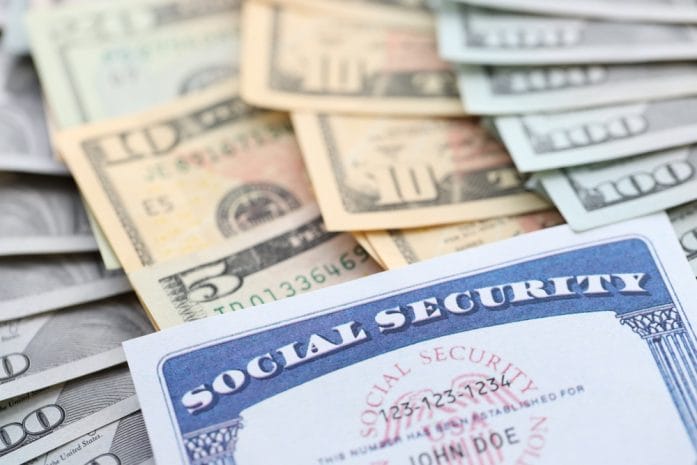
Image source: 123rf.com

For many people, retirement planning focuses on housing, leisure, and day-to-day living expenses. But there’s one major cost that catches many off guard — healthcare. Recent estimates show that retirees face $172,500 in healthcare costs—and many haven’t saved for it. That figure covers expenses like Medicare premiums, prescription drugs, and out-of-pocket treatments over the course of retirement, and it doesn’t even include long-term care. Without preparation, these expenses can quickly drain savings, leaving retirees with difficult financial decisions in their later years.

1. Where the $172,500 Figure Comes From

The $172,500 estimate is based on average lifetime healthcare costs for a 65-year-old couple retiring today. It includes Medicare Part B and D premiums, supplemental insurance, and typical out-of-pocket costs for doctor visits and prescriptions. However, this is just an average — actual costs can be much higher depending on health, location, and lifestyle. For single retirees, the number is lower but still significant, averaging over $150,000 for women and slightly less for men due to life expectancy differences. Knowing that retirees face$172,500 in healthcare costs—and many haven’t saved for it is the first step toward realistic planning.

2. Medicare Isn’t Completely Free

Many assume that Medicare will cover all medical expenses after age 65, but that’s far from the truth. While it helps cover major costs, retirees still pay monthly premiums, copays, and deductibles. Vision, dental, and hearing care are often excluded, requiring separate insurance or out-of-pocket payments. Without supplemental coverage, these gaps can be financially draining. This misunderstanding is one reason retirees face $172,500 in healthcare costs—and many haven’t saved for it.

3. Prescription Drug Prices Continue to Rise

Even with Medicare Part D, prescription drug costs can be a major burden. Many retirees take multiple medications, and brand-name drugs can cost hundreds of dollars a month. Inflation and limited generic options in certain categories mean these costs are likely to keep rising. Failing to plan for them can put retirees in a position where they must choose between necessary treatments and other expenses. This is another factor in why retirees face $172,500 in healthcare costs—and many haven’t saved for it.

4. Chronic Conditions Increase Lifetime Expenses

Conditions like diabetes, heart disease, and arthritis require ongoing treatment, specialist visits, and medications. Over time, these costs add up far beyond what many retirees expect. Preventive care can help, but some health issues are unavoidable and grow more common with age. Managing these conditions without proper savings can lead to financial strain and reduced quality of life. This reality is a major reason why retirees face $172,500 in healthcare costs—and many haven’t saved for it.

5. Long-Term Care Isn’t Included

The $172,500 estimate does not account for long-term care, such as assisted living, in-home nursing, or memory care facilities. These services can cost thousands per month and may be needed for years. Medicare covers very limited long-term care, leaving most of the expense to individuals and their families. Without long-term care insurance or dedicated savings, these costs can quickly overwhelm even a well-prepared retirement plan. This gap is why retirees face $172,500 in healthcare costs—and many haven’t saved for it.

6. Inflation Will Make the Problem Worse

Healthcare inflation often outpaces general inflation, meaning costs will likely rise faster than retirees’ income. A 65-year-old today could see expenses increase significantly over a 20- to 30-year retirement. Without investments or income sources that grow over time, savings can be eroded quickly. Planning for rising costs is essential to avoid future shortfalls. This is another reason retirees face $172,500 in healthcare costs—and many haven’t saved for it.

7. How to Start Preparing Now

Even if retirement is still years away, it’s never too early to factor healthcare into your savings plan. Opening a Health Savings Account (HSA), if eligible, allows you to save tax-free for medical expenses. Reviewing Medicare supplemental plans annually can help control costs once you retire. Maintaining a healthy lifestyle can also reduce long-term medical expenses, though it’s not a guarantee. Taking proactive steps now can help address why retirees face $172,500 in healthcare costs—and many haven’t saved for it.

Building a Retirement Plan That Covers Healthcare

Healthcare is one of the most predictable yet underestimated expenses in retirement. By acknowledging that retirees face $172,500 in healthcare costs—and many haven’t saved for it, you can take meaningful steps to protect your financial security. This includes saving specifically for medical needs, staying informed on Medicare changes, and considering supplemental and long-term care insurance. The more you prepare, the less likely healthcare expenses will derail your retirement dreams. Addressing this cost head-on ensures you can focus on enjoying life, not worrying about how to pay for it.

Have you included healthcare costs in your retirement plan? Share your approach in the comments below!

Read More:

Why Some Seniors Are Being Dropped From Their Medicare Plans Silently

What Happens If You Forget to Update a Power of Attorney Before Moving States

Catherine Reed
Catherine Reed

Catherine is a tech-savvy writer who has focused on the personal finance space for more than eight years. She has a Bachelor’s in Information Technology and enjoys showcasing how tech can simplify everyday personal finance tasks like budgeting, spending tracking, and planning for the future. Additionally, she’s explored the ins and outs of the world of side hustles and loves to share what she’s learned along the way. When she’s not working, you can find her relaxing at home in the Pacific Northwest with her two cats or enjoying a cup of coffee at her neighborhood cafe.

Filed Under: Insurance Tagged With: 500 in healthcare costs—and many haven’t saved for it, healthcare costs, Long-term care, medical expenses, Medicare, retirees face $172, retirement planning

Could IRMAA Be the Reason Your Part B Bill Crosses $600 a Month?

August 12, 2025 by Travis Campbell Leave a Comment

medicare
Image source: pexels.com

Medicare is supposed to make healthcare more affordable in retirement. But for some, the monthly bill for Part B can be a shock—especially when it jumps past $600. If you’re staring at a higher-than-expected premium, IRMAA might be the reason. IRMAA stands for Income-Related Monthly Adjustment Amount. It’s a surcharge added to your Medicare Part B (and Part D) premiums if your income is above certain limits. Many people don’t see it coming until it’s too late. Here’s what you need to know about IRMAA, why it matters, and how you can keep your Medicare costs in check.

1. What Is IRMAA and Why Does It Exist?

IRMAA is a monthly charge added to your standard Medicare Part B premium if your income is above a set threshold. The government uses your tax return from two years ago to decide if you owe IRMAA. For example, your 2025 Medicare premiums are based on your 2023 tax return. The idea is simple: people with higher incomes pay more for Medicare. This extra charge can push your Part B bill well over $600 a month if your income is high enough. The standard Part B premium in 2025 is about $180, but with IRMAA, it can climb much higher.

2. How Does IRMAA Push Your Part B Bill Over $600?

The standard Part B premium is only the starting point. IRMAA adds a surcharge based on your modified adjusted gross income (MAGI). If your MAGI is above $103,000 (single) or $206,000 (married filing jointly) in 2023, you’ll pay more in 2025. The higher your income, the higher your IRMAA charge. At the top tier, your Part B premium can reach over $600 a month. This isn’t a rare situation for people who sell a business, cash out retirement accounts, or have a big one-time income event. Even a single year of high income can trigger IRMAA for two years. That’s why it’s important to know where you stand.

3. What Counts as Income for IRMAA?

Not all income is treated the same. IRMAA is based on your modified adjusted gross income, which includes wages, Social Security, pensions, withdrawals from traditional IRAs and 401(k)s, capital gains, rental income, and even tax-exempt interest. Roth IRA withdrawals don’t count, but most other sources do. If you sell a house, take a large distribution, or have a big investment gain, it can push you into IRMAA territory. Many retirees are surprised to learn that even one-time events can affect their Medicare costs for two years.

4. Can You Avoid or Reduce IRMAA?

You can’t always avoid IRMAA, but you can plan for it. Spreading out large withdrawals over several years, converting traditional IRAs to Roth IRAs before you turn 65, or managing capital gains can help. If you have a one-time event like selling a home or business, consider the timing. Sometimes, you can delay or split the income across tax years. If your income drops due to retirement, divorce, death of a spouse, or other life-changing events, you can ask Social Security to lower your IRMAA. This is called a “life-changing event” appeal. You’ll need to provide proof, but it can make a big difference in your premiums.

5. What If You Think Your IRMAA Is Wrong?

Mistakes happen. If you think Social Security used the wrong tax year or made an error, you can appeal. You’ll need to fill out a form and provide documentation. If your income has dropped due to a life-changing event, you can also request a new determination. Don’t ignore the notice—act quickly. The process isn’t complicated, but it does require paperwork. If you win your appeal, your premiums can be adjusted, and you may get a refund for overpayments.

6. How to Plan Ahead for IRMAA

The best way to avoid IRMAA surprises is to plan ahead. Know your income sources and how they affect your MAGI. Work with a tax advisor or financial planner who understands IRMAA. Review your income each year, especially before you start Medicare. If you’re close to the IRMAA threshold, small changes can make a big difference. For example, taking a little less from your IRA or managing capital gains can keep you below the line. Planning ahead can save you hundreds—or even thousands—of dollars a year.

7. Why IRMAA Matters for Your Retirement Budget

IRMAA isn’t just a line item. It can have a real impact on your retirement budget. If you’re not expecting it, a $600+ monthly bill can throw off your plans. That’s money you could use for travel, hobbies, or other expenses. And because IRMAA is based on your income from two years ago, it can catch you off guard. Understanding how it works helps you make better decisions about withdrawals, investments, and even when to claim Social Security. It’s not just about paying more—it’s about keeping more of your money for what matters to you.

IRMAA: The Hidden Cost You Can’t Ignore

IRMAA can sneak up on anyone with a higher income or a big one-time event. It’s not just for the wealthy. Even middle-income retirees can get hit if they’re not careful. The key is to know how IRMAA works, watch your income, and plan ahead. If you’re already paying IRMAA, look for ways to reduce it in the future. If you’re not, take steps now to avoid it. A little planning can go a long way in keeping your Medicare costs under control.

Have you ever been surprised by an IRMAA charge? Share your story or tips in the comments below.

Read More

6 Overlooked Retirement Age Triggers That Can Spike Your Tax Bill

7 Financial Medicare Mistakes to Avoid

Travis Campbell
Travis Campbell

Travis Campbell is a digital marketer/developer with over 10 years of experience and a writer for over 6 years. He holds a degree in E-commerce and likes to share life advice he’s learned over the years. Travis loves spending time on the golf course or at the gym when he’s not working.

Filed Under: Retirement Tagged With: healthcare costs, income planning, IRMAA, Medicare, Medicare premiums, Part B, Retirement, Social Security

6 Overlooked Retirement Age Triggers That Can Spike Your Tax Bill

August 9, 2025 by Catherine Reed Leave a Comment

6 Overlooked Retirement Age Triggers That Can Spike Your Tax Bill
Image source: 123rf.com

You’ve worked hard, saved diligently, and planned for a relaxing retirement—but all of that effort can be undercut by a surprisingly high tax bill if you’re not prepared. Certain age-related milestones can unintentionally push you into higher tax brackets, reduce deductions, or trigger penalties. These moments often fly under the radar until it’s too late to make adjustments. By learning the retirement age triggers that can spike your tax bill, you’ll be better positioned to keep more of what you’ve earned. Here are six sneaky moments to plan for before they cost you.

1. Turning 59½ and Taking Early Distributions

Age 59½ is a critical turning point in retirement planning because it marks the first time you can withdraw from retirement accounts like IRAs and 401(k)s without a 10% early withdrawal penalty. But just because you can doesn’t mean you should. Many retirees begin tapping into these funds right away, forgetting that those withdrawals count as taxable income. This can unexpectedly bump you into a higher tax bracket, especially if you’re still earning other income or collecting Social Security. One of the lesser-known retirement age triggers that can spike your tax bill is taking distributions too aggressively without a tax plan.

2. Starting Social Security at 62

You’re eligible to start claiming Social Security benefits at age 62, but doing so early comes with both lower monthly payments and a tax trap. If you’re still working or earning other income, your Social Security benefits may be partially taxed—up to 85%—depending on your total income. Many people underestimate how quickly Social Security income adds to their taxable base when combined with pensions or investment withdrawals. That early claim might give you immediate cash flow, but it could also lead to bigger tax bills year after year. Consider delaying benefits to avoid this trigger and allow your benefit to grow.

3. Hitting Medicare Eligibility at 65

Turning 65 makes you eligible for Medicare, which is great news. However, your income at this stage also determines your premiums for Medicare Part B and D. If your modified adjusted gross income is too high, you’ll face income-related monthly adjustment amounts (IRMAAs), which can significantly increase your healthcare costs. Because these premiums are deducted from Social Security, many retirees don’t even realize they’re paying more due to higher income. Managing this retirement age trigger that can spike your tax bill means keeping an eye on income levels in the years leading up to and after age 65.

4. Age 70½ and Qualified Charitable Distributions (QCDs)

Once you reach age 70½, you become eligible to make qualified charitable distributions directly from your IRA to a nonprofit. This strategy helps reduce your taxable income if done properly—but if you’re not aware of it, you could miss a chance to lower your tax bill. QCDs can satisfy part or all of your required minimum distribution (RMD) and keep that income off your tax return. Many retirees overlook this option and end up taking full RMDs that increase their taxes. Taking advantage of QCDs is one of the smartest ways to respond to retirement age triggers that can spike your tax bill.

5. Required Minimum Distributions (RMDs) at Age 73

Once you turn 73 (or 72, depending on your birth year), you must begin taking required minimum distributions from your traditional IRAs and 401(k)s—even if you don’t need the money. These distributions are taxed as ordinary income and can quickly inflate your tax liability if your retirement accounts are large. Worse, failing to take the full RMD can result in a steep penalty—up to 25% of the amount you were supposed to withdraw. Many retirees are surprised by how much they’re forced to take out, and how much of it goes to taxes. Planning ahead with Roth conversions or strategic drawdowns can ease the blow.

6. Passing Away Without a Tax-Efficient Plan

It might sound grim, but how you plan for the end of your retirement years matters just as much as how you start. If you leave large retirement accounts to heirs without a tax-efficient structure, they could face higher taxes under the 10-year withdrawal rule for inherited IRAs. Additionally, if your estate is sizable, your heirs could also be hit with estate taxes depending on current thresholds. Some retirees don’t realize that failing to plan for this can leave their loved ones with an unexpected tax burden. Don’t overlook the long-term impact of final account values on your family’s tax future.

Awareness Is Your Best Tax-Saving Tool

Retirement is supposed to be a reward, not a financial landmine. But these retirement age triggers that can spike your tax bill have a way of creeping in when you’re least expecting them. By paying attention to milestone ages and coordinating withdrawals, Social Security, and Medicare decisions carefully, you can hold onto more of your savings and avoid unnecessary surprises. You don’t need to become a tax expert—you just need to stay informed, ask the right questions, and work with professionals who understand how retirement planning affects your bottom line.

Which retirement milestone caught you by surprise—or are you preparing for one now? Share your experience or tips in the comments!

Read More:

6 Financial Traps Retirees Walk Into Without Questioning

What Retirees Regret About Rolling Over Old 401(k)s Too Quickly

Catherine Reed
Catherine Reed

Catherine is a tech-savvy writer who has focused on the personal finance space for more than eight years. She has a Bachelor’s in Information Technology and enjoys showcasing how tech can simplify everyday personal finance tasks like budgeting, spending tracking, and planning for the future. Additionally, she’s explored the ins and outs of the world of side hustles and loves to share what she’s learned along the way. When she’s not working, you can find her relaxing at home in the Pacific Northwest with her two cats or enjoying a cup of coffee at her neighborhood cafe.

Filed Under: Retirement Tagged With: Medicare, Planning, retirement age triggers, retirement milestones, retirement planning, retirement tax tips, RMDs, Social Security, tax planning for retirees

Why Some Seniors Are Being Dropped From Their Medicare Plans Silently

August 7, 2025 by Travis Campbell 1 Comment

medicare
Image source: unsplash.com

Medicare is supposed to be a safety net for seniors. It’s the health coverage many people count on after retirement. But lately, some seniors are finding out—often too late—that their Medicare plans have dropped them without warning. This isn’t just a paperwork problem. It can mean losing access to doctors, missing out on needed medicine, or facing big bills. If you or someone you care about relies on Medicare, you need to know why this is happening and what you can do about it. Here’s what’s really going on with silent Medicare plan drops, and how you can protect yourself.

1. Missed Premium Payments

One of the most common reasons for being dropped from a Medicare plan is missing premium payments. Medicare Advantage and Part D plans often require monthly payments. If you miss a payment, you might get a warning letter. But if you miss more than one, your plan can drop you. Sometimes, these letters get lost or look like junk mail. Some people don’t even realize they’ve missed a payment until they try to use their coverage and find out it’s gone. Always check your mail and email for notices from your plan. Set up automatic payments if you can. If you’re having trouble paying, call your plan right away. They may offer a grace period or help you set up a payment plan.

2. Address or Contact Information Errors

If your Medicare plan can’t reach you, it can drop you. This happens more often than you’d think. Maybe you moved and forgot to update your address. Maybe your phone number changed. If your plan sends you important information and it bounces back, they may assume you’re no longer eligible. This can lead to a silent drop. Always update your contact information with Medicare and your plan provider. Even small mistakes—like a missing apartment number—can cause problems. Double-check your details every year during open enrollment.

3. Changes in Plan Service Areas

Medicare Advantage and Part D plans are tied to specific service areas. If you move out of your plan’s area, you may lose coverage. Sometimes, plans themselves change their service areas. They might stop offering coverage in your county or state. If this happens, you should get a notice. But sometimes, the notice is easy to miss or doesn’t arrive. If you’re planning to move, check if your plan will still cover you. If your plan is leaving your area, you have a special enrollment period to pick a new one. Don’t wait—act as soon as you know.

4. Plan Termination or Non-Renewal

Every year, some Medicare plans decide not to renew their contracts with Medicare. When this happens, the plan ends, and everyone enrolled is dropped. You should get a letter about this, but not everyone does. Sometimes, the letter is confusing or arrives late. If your plan is ending, you have the right to choose a new one. Use the annual open enrollment period to review your options. You can also check the Medicare Plan Finder to see what’s available in your area.

5. Eligibility Changes

Medicare plans have rules about who can join and stay enrolled. If you lose eligibility—maybe because you no longer live in the plan’s area, or you get other coverage—you can be dropped. Sometimes, eligibility changes are triggered by mistakes in paperwork or misunderstandings. For example, if you enroll in a different type of health plan, your Medicare Advantage plan might drop you. Always check with your plan before making changes to your health coverage. If you get a notice about eligibility, respond right away.

6. Problems with Medicaid or Extra Help

Many seniors qualify for both Medicare and Medicaid or get Extra Help with drug costs. If your Medicaid or Extra Help status changes, your Medicare plan might drop you. This can happen if your income goes up, or if you miss a renewal deadline. Sometimes, the change is temporary, but your plan doesn’t know that. If you get help paying for Medicare, keep track of your renewal dates. If you lose Medicaid or Extra Help, contact your plan and your state Medicaid office to see if you can fix the problem.

7. Administrative Errors

Sometimes, seniors are dropped from their Medicare plans because of simple mistakes. Maybe a form was filled out wrong. Maybe a computer glitch caused your enrollment to disappear. These errors are frustrating and can be hard to fix. If you find out you’ve been dropped and you don’t know why, call your plan and Medicare right away. Keep records of every call and letter. If you can’t get help, contact your State Health Insurance Assistance Program (SHIP) for free advice.

8. Lack of Communication

Many seniors don’t realize how important it is to read every letter from their Medicare plan. Some notices look like spam or are hard to understand. But missing a single letter can mean missing a deadline to fix a problem. If you get a letter from your plan, open it right away. If you don’t understand it, call your plan or ask a trusted friend or family member for help. Staying informed is the best way to avoid being dropped from your Medicare plan.

Staying Covered Means Staying Alert

Medicare is supposed to be reliable, but silent drops are a real risk. The main reasons include missed payments, outdated contact information, moving out of your plan’s area, plan terminations, eligibility changes, Medicaid or Extra Help issues, administrative errors, and lack of communication. The best way to protect yourself is to stay organized, keep your information up to date, and respond quickly to any notices. If you ever find out you’ve been dropped, act fast to fix the problem. Staying alert can help you keep the Medicare coverage you need.

Have you or someone you know been dropped from a Medicare plan without warning? Share your story or advice in the comments.

Read More

7 Financial Medicare Mistakes to Avoid

The Cost of Medicare Plan G In 2022

Travis Campbell
Travis Campbell

Travis Campbell is a digital marketer/developer with over 10 years of experience and a writer for over 6 years. He holds a degree in E-commerce and likes to share life advice he’s learned over the years. Travis loves spending time on the golf course or at the gym when he’s not working.

Filed Under: Insurance Tagged With: health insurance, healthcare, insurance tips, Medicare, Medicare Advantage, open enrollment, Retirement, seniors

7 Insurance Policies That Stop Making Sense After Age 65

August 5, 2025 by Travis Campbell Leave a Comment

insurance
Image source: unsplash.com

Turning 65 is a big milestone. For many, it means retirement, Medicare, and a new phase of life. But it also means your insurance needs change. Some policies you needed in your 40s or 50s just don’t fit anymore. Keeping the wrong coverage can waste money or even cause headaches. If you’re over 65, it’s smart to review your insurance and see what still makes sense. Here are seven insurance policies that often stop being useful after age 65—and what you should know before you renew.

1. Life Insurance for Income Replacement

Life insurance is important when you have people who depend on your income. But after 65, most people are retired. If your kids are grown and your spouse has their own income or retirement savings, you may not need a big life insurance policy anymore. The main reason to keep life insurance at this age is if someone were to face financial hardship without you. If that’s not the case, you could save money by dropping or reducing your coverage. Instead, focus on final expenses or small policies if you want to leave something behind.

2. Long-Term Disability Insurance

Disability insurance is designed to replace your income if you can’t work due to illness or injury. But after 65, most people are no longer working. Social Security and retirement savings usually take over. Disability policies often end at 65 anyway, or the benefits drop sharply. If you’re still working part-time, check your policy’s terms. But for most, paying for long-term disability insurance after 65 just doesn’t add up. That money could be better spent on health care or other needs.

3. Children’s Life Insurance

Many people buy life insurance for their kids or grandkids. The idea is to lock in low rates or provide a small nest egg. But after 65, your children are likely adults. They can buy their own coverage if they need it. Keeping these policies going often costs more than it’s worth. If you want to help your family, consider other ways—like gifts, college savings, or helping with a down payment. Insurance for grown children rarely makes sense at this stage.

4. Mortgage Life Insurance

Mortgage life insurance pays off your home loan if you die. It’s meant to protect your family from losing the house. But if you’re 65 or older, you may have already paid off your mortgage or have a small balance left. Even if you still owe money, your heirs might not need this coverage. Regular life insurance or savings can cover the mortgage if needed. Plus, mortgage life insurance is often expensive and limited. Review your situation and see if this policy is still needed.

5. Accidental Death and Dismemberment (AD&D) Insurance

AD&D insurance pays out if you die or are seriously injured in an accident. The odds of dying from an accident drop as you age, and most deaths after 65 are from illness, not accidents. These policies rarely pay out for seniors. If you have other coverage, like health or life insurance, AD&D is usually not needed. The money you spend on this could go toward better health care or other priorities.

6. Private Health Insurance (When You Have Medicare)

Once you turn 65, you’re eligible for Medicare. Many people keep their old private health insurance out of habit or fear of losing coverage. But Medicare covers most basic health needs. You might want a Medicare Supplement (Medigap) or Medicare Advantage plan, but keeping a full private policy is usually a waste. You could be paying for duplicate coverage. Review your options and make sure you’re not over-insured. Medicare is designed to be your main health insurance after 65.

7. Travel Insurance for Medical Emergencies (If You Don’t Travel)

Travel insurance can be helpful if you travel often, especially abroad. But if you’re not traveling much after 65, you probably don’t need it. Many people keep renewing travel medical policies out of habit. If your trips are rare or you stay close to home, skip this coverage. If you do travel, check if your Medicare or Medigap plan covers emergencies abroad. Only buy travel insurance when you actually need it.

Rethink Your Insurance After 65

Insurance is about protecting what matters. After 65, your needs change. Some policies that made sense before just don’t fit your life now. Review your coverage every year. Ask yourself: Does this policy still protect something important? Or am I just paying out of habit? Dropping unneeded insurance can free up money for things you care about—like health, family, or enjoying retirement. The right coverage gives peace of mind, not extra bills.

What insurance policies have you dropped—or kept—after turning 65? Share your thoughts in the comments.

Read More

5 Times Financial Power Was Abused—Without Breaking a Single Law

6 Retirement Plan Provisions That Disqualify You From Aid

Travis Campbell
Travis Campbell

Travis Campbell is a digital marketer/developer with over 10 years of experience and a writer for over 6 years. He holds a degree in E-commerce and likes to share life advice he’s learned over the years. Travis loves spending time on the golf course or at the gym when he’s not working.

Filed Under: Insurance Tagged With: Disability insurance, Insurance, life insurance, Medicare, over 65, Planning, Retirement, travel insurance

7 Retirement “Perks” That Come With Shocking Hidden Costs

July 27, 2025 by Travis Campbell Leave a Comment

senior
Image Source: pexels.com

Retirement is supposed to be the reward for decades of hard work. You picture more free time, fewer worries, and maybe even a few perks you’ve been waiting for. But some of those so-called “perks” come with hidden costs that can catch you off guard. If you’re not careful, these surprises can eat into your savings and make retirement more stressful than you expected. Understanding these hidden costs is key to protecting your financial future. Here’s what you need to know before you start celebrating those retirement “perks.”

1. Senior Discounts Aren’t Always the Best Deal

Senior discounts sound great. Restaurants, stores, and travel companies offer them everywhere. But sometimes, these deals aren’t as good as they seem. Businesses may raise their base prices or limit the discount to certain days or products. You might find a better price by shopping around or using a coupon that anyone can use. Don’t assume the “senior” price is the lowest. Always compare before you buy. This is especially true for travel, where “senior” fares can be higher than regular sales or online deals.

2. Free Time Can Get Expensive

You finally have time to do what you want. But filling your days can cost more than you think. Hobbies, travel, and entertainment all add up. Even simple things like going out for coffee or lunch more often can strain your budget. Many retirees spend more in the first years of retirement than they planned. It’s easy to underestimate how much you’ll spend when you’re not working. Track your spending for a few months to see where your money goes. Adjust your plans if you notice your “free time” is costing too much.

3. Downsizing Isn’t Always a Money Saver

Selling your big house and moving to a smaller place sounds like a smart way to save. But downsizing comes with its own costs. Real estate fees, moving expenses, and new furniture can eat up your profits. Sometimes, smaller homes or condos have higher monthly fees or property taxes. If you move to a popular retirement area, prices may be higher than you expect. Before you sell, add up all the costs and compare them to your expected savings. You might find that staying put is the better deal.

4. “Free” Time with Family Can Strain Your Finances

Many retirees look forward to helping family—babysitting grandkids, hosting holidays, or even supporting adult children. But these acts of love can get expensive. Travel to see family, extra groceries, and gifts add up. Some retirees end up giving financial help to children or grandchildren, which can drain savings fast. It’s important to set boundaries and stick to your budget. Helping family is rewarding, but not if it puts your own retirement at risk.

5. Medicare Doesn’t Cover Everything

Many people think Medicare will handle all their health costs. It doesn’t. Medicare has premiums, deductibles, and copays. It doesn’t cover dental, vision, hearing aids, or long-term care. These gaps can lead to big bills. For example, the average couple retiring at 65 may need over $315,000 for health care in retirement, not counting long-term care costs. Consider a supplemental plan or a health savings account if you’re still working. Plan for these costs so you’re not caught off guard.

6. Early Retirement Can Mean Lower Social Security

Retiring early sounds appealing, but it can shrink your Social Security checks. If you claim benefits before your full retirement age, your monthly payment drops—sometimes by as much as 30%. That lower payment lasts for life. Plus, retiring early means fewer years to save and more years to spend your savings. If you can, wait until your full retirement age or even later to claim Social Security. The longer you wait, the bigger your check. This can make a big difference over time.

7. Relocating for Lower Taxes Isn’t Always Cheaper

Moving to a state with no income tax or lower property taxes seems like a smart move. But there are trade-offs. Some states make up for low taxes with higher sales taxes, insurance costs, or fees. You might pay more for health care, utilities, or even groceries. And moving itself is expensive. Before you relocate, research the total cost of living, not just taxes. Talk to locals and check online cost-of-living calculators. Sometimes, the savings aren’t as big as you hoped.

Retirement Perks: Look Before You Leap

Retirement perks can be tempting, but they often come with strings attached. The key is to look past the surface and ask, “What will this really cost me?” A little research and planning can help you avoid surprises and keep your retirement on track. Don’t let hidden costs eat away at your hard-earned savings. Stay alert, ask questions, and make choices that fit your real budget—not just your dreams.

What hidden retirement costs have surprised you? Share your story or advice in the comments below.

Read More

How These 5 States Are Taxing Retirement Income Twice

8 Apps That Are Quietly Stealing Your Retirement Budget

Travis Campbell
Travis Campbell

Travis Campbell is a digital marketer/developer with over 10 years of experience and a writer for over 6 years. He holds a degree in E-commerce and likes to share life advice he’s learned over the years. Travis loves spending time on the golf course or at the gym when he’s not working.

Filed Under: Retirement Tagged With: downsizing, hidden costs, Medicare, Personal Finance, Retirement, retirement planning, senior living, Social Security

What Happens to Your Social Security If the Government Shuts Down Again?

July 26, 2025 by Travis Campbell 2 Comments

social security
Image Source: unsplash.com

A government shutdown can feel like a looming storm. You hear about it on the news, see the headlines, and wonder what it means for your daily life. If you rely on Social Security, the worry can hit even harder. Will your check arrive? Will you be able to reach someone if you have a problem? These are real concerns for millions of Americans. Understanding what happens to your Social Security if the government shuts down again can help you plan and stay calm. Here’s what you need to know.

1. Social Security Payments Will Still Go Out

The most important thing to know: Social Security payments do not stop during a government shutdown. The Social Security Administration (SSA) is considered an essential service. This means the people who process and send out your payments keep working, even if other parts of the government close. Your monthly check or direct deposit should arrive on time, just like usual. This is true for retirement, disability, and survivor benefits. The money for Social Security comes from a trust fund, not from the annual budget Congress fights over. So, even if lawmakers can’t agree, your Social Security payment is safe.

2. New Applications May Face Delays

If you need to apply for Social Security benefits during a shutdown, be ready for possible delays. While payments keep going out, some SSA offices may have fewer staff. This can slow down how fast new applications are processed. If you’re planning to retire soon or need to file for disability, try to get your paperwork in before a possible shutdown. If you can’t, just know it might take longer to get a decision. The same goes for appeals or requests for reconsideration. The process keeps moving, but it may crawl instead of walk.

3. Customer Service Will Be Limited

During a government shutdown, many SSA employees are furloughed. This means fewer people are available to answer phones or help at local offices. You might wait longer on hold or have trouble getting an appointment. Some offices may close or offer only basic services. If you have a simple question, try using the SSA’s online tools first. You can check your benefits, update your address, or print a benefit letter online. For more complex issues, patience will be key.

4. Online Services Remain Available

Even if local offices are short-staffed, the SSA’s website stays up and running. You can use it to apply for benefits, check your status, or manage your account. This is often the fastest way to get things done during a shutdown. The online system is designed to handle most routine tasks. If you haven’t set up a “my Social Security” account yet, it’s a good idea to do so. This gives you more control and can help you avoid long waits if the government shuts down again.

5. Medicare and Other Related Benefits Are Not Affected

Social Security and Medicare are closely linked, so it’s natural to worry about both. The good news: Medicare benefits continue as usual during a shutdown. You can still go to the doctor, fill prescriptions, and use your coverage. The same goes for Social Security Disability Insurance (SSDI) and Supplemental Security Income (SSI). These programs are funded separately from the annual budget. Your health and income support are not at risk, even if Congress can’t agree on funding.

6. Some Services May Be Suspended

While payments keep coming, some non-essential services may pause. This can include things like replacing a lost Social Security card or getting help with certain paperwork. If you need a service that isn’t urgent, you may have to wait until the government reopens. Planning ahead can help you avoid surprises.

7. Plan Ahead for Possible Disruptions

If you rely on Social Security, it’s smart to plan for possible hiccups. Keep extra copies of important documents. Make sure your bank information is up to date. If you need to contact the SSA, try to do it before a shutdown starts. If you’re helping a family member or friend, remind them to check their mail and bank account for any changes. Being prepared can make a stressful situation easier to handle.

8. Stay Informed and Watch for Scams

Shutdowns can create confusion, and scammers know this. Be careful if you get calls or emails claiming your Social Security is at risk. The SSA will never threaten to cut off your benefits or ask for your personal information by phone or email. If you’re unsure, hang up and call the official SSA number. Staying informed through trusted sources can help you avoid falling for a scam.

9. What If the Shutdown Lasts a Long Time?

Most government shutdowns are short, but some have lasted weeks. Even in a long shutdown, Social Security payments have always continued. The SSA has plans in place to keep essential services running. If you’re worried, keep an eye on the news and the SSA website for updates. If anything changes, you’ll hear about it from official sources first.

Your Social Security: Reliable Even in Uncertain Times

A government shutdown can be stressful, but your Social Security is built to withstand it. Payments keep coming, and most services continue, even if some things slow down. The best thing you can do is stay informed, use online tools, and plan ahead for possible delays. Your benefits are a promise, not a bargaining chip.

Have you ever experienced a government shutdown while receiving Social Security? How did it affect you? Share your story in the comments.

Read More

Social Security Offices Are Facing Backlogs—What It Means for You

5 Measures You Can Take If You’re Barely Getting By on Your Social Security

Travis Campbell
Travis Campbell

Travis Campbell is a digital marketer/developer with over 10 years of experience and a writer for over 6 years. He holds a degree in E-commerce and likes to share life advice he’s learned over the years. Travis loves spending time on the golf course or at the gym when he’s not working.

Filed Under: Retirement Tagged With: benefits, Disability, government shutdown, Medicare, Personal Finance, Retirement, Social Security, SSA, SSI

Warning: This Is Why Your Social Security Payment Just Dropped

June 12, 2025 by Travis Campbell 2 Comments

social security
Image Source: pexels.com

If you’ve recently checked your bank account and noticed your Social Security payment is lower than usual, you’re not alone. Many retirees and beneficiaries see unexpected changes in their monthly deposits, causing confusion and concern. Social Security payments are a lifeline for millions, so any drop can throw off your budget and peace of mind, no matter how small. Understanding why your Social Security payment dropped is crucial for protecting your finances and planning. Let’s discuss the most common reasons behind these changes and what you can do about them.

1. Medicare Premium Increases

One of the most common reasons your Social Security payment just dropped is an increase in Medicare premiums. The premium is typically deducted directly from your Social Security check if you’re enrolled in Medicare Part B. The Centers for Medicare & Medicaid Services (CMS) may adjust these premiums yearly based on healthcare costs and inflation. For 2025, the standard Part B premium rose, which means less money lands in your account each month. Those premiums can further reduce your payment if you’ve also opted for Part D (prescription drug coverage) or a Medicare Advantage plan.

2. Higher Income-Related Monthly Adjustment Amount (IRMAA)

If your income has increased, you might be subject to the Income-Related Monthly Adjustment Amount, or IRMAA. This extra charge is added to your Medicare Part B and Part D premiums if your income exceeds certain thresholds. The Social Security Administration reviews your tax returns from two years prior to determine if you owe IRMAA. Even a one-time spike in income—like a large capital gain or retirement account withdrawal—can trigger this adjustment. If you think your income will drop, you can file an appeal to recalculate your IRMAA.

3. Tax Withholding Changes

Did you recently update your tax withholding preferences? Social Security recipients can choose to have federal taxes withheld from their payments. If you or your tax preparer changed your withholding amount, your monthly benefit will decrease accordingly. Sometimes, the IRS may also require a higher withholding if you owe back taxes. Reviewing your withholding choices annually is a good idea, especially if your financial situation changes. Adjusting your withholding can help you avoid a surprise tax bill, but it will reduce your monthly cash flow.

4. Overpayment Recovery

If the Social Security Administration determines that you were overpaid in the past, they will recoup the excess by reducing your future payments. Overpayments can happen for various reasons, such as changes in your income, marital status, or eligibility for other benefits. The SSA typically notifies you before making any deductions, but the process can still catch people off guard. If you believe the overpayment was a mistake, you have the right to appeal or request a waiver. Acting quickly is key to minimizing the impact on your finances.

5. State or Local Benefit Offsets

Some states and local governments offer additional benefits to retirees, such as supplemental income or property tax relief. However, if you start receiving these benefits, your Social Security payment may be reduced to offset the extra income. This is especially common for those who qualify for Supplemental Security Income (SSI) or other need-based programs. If you’re unsure whether a new benefit will affect your Social Security, contact your local Social Security office for guidance.

6. Garnishments for Debts

Social Security payments are generally protected from most creditors, but there are exceptions. The government can garnish a portion of your Social Security payment if you owe federal debts, like student loans, unpaid taxes, or child support. The Treasury Offset Program allows federal agencies to collect what you owe by reducing your monthly benefit. If you’re facing garnishment, it’s important to address the debt directly with the agency involved. Ignoring the issue can lead to ongoing reductions and financial stress.

7. Cost-of-Living Adjustment (COLA) Didn’t Keep Up

Every year, Social Security payments are adjusted for inflation through the Cost-of-Living Adjustment (COLA). However, if your Medicare premiums or other deductions rise faster than the COLA increase, your net payment can actually drop. This can be frustrating, especially when everyday expenses are climbing. While you can’t control the COLA, you can review your budget and look for ways to cut costs or boost income to offset the difference.

8. Changes in Family Status

Life changes such as marriage, divorce, or the death of a spouse can affect your Social Security payment. For example, if you were receiving spousal or survivor benefits and your circumstances change, your payment may be recalculated. It’s important to report any major life events to the Social Security Administration promptly to ensure your benefits are accurate and up to date.

Protecting Your Social Security Payment: What You Can Do Next

A drop in your Social Security payment can be unsettling, but you’re not powerless. Review your most recent Social Security statement and any notices you’ve received. Compare your current payment to previous months and look for changes in deductions or withholdings. Contact the Social Security Administration for clarification if something doesn’t add up. Staying proactive and informed is the best way to protect your benefits and avoid surprises. Remember, your Social Security payment is a vital part of your retirement income, and understanding the reasons behind any changes helps you stay in control.

Have you noticed a change in your Social Security payment recently? Share your experience or tips in the comments below!

Read More

11 Key Changes to Your Social Security Benefits After Losing a Spouse

9 States Where Social Security Benefits May Be at Risk

Travis Campbell
Travis Campbell

Travis Campbell is a digital marketer/developer with over 10 years of experience and a writer for over 6 years. He holds a degree in E-commerce and likes to share life advice he’s learned over the years. Travis loves spending time on the golf course or at the gym when he’s not working.

Filed Under: Retirement Tagged With: benefits, income planning, Medicare, Personal Finance, Retirement, seniors, Social Security

10 Things You Must Do Before You Turn 65

June 7, 2025 by Travis Campbell Leave a Comment

older people
Image Source: pexels.com

Turning 65 is a major milestone, and it’s about more than just birthday cake and well wishes. It’s a time when many important decisions come into play—decisions that can shape your health, finances, and overall happiness for years to come. Whether you’re looking forward to retirement, planning to keep working, or just want to make sure you’re set up for success, there are crucial steps you should take before you turn 65. This guide will walk you through the top 10 things you must do before you turn 65, so you can approach this new chapter with confidence and peace of mind.

1. Review Your Medicare Options

One of the most important things to do before you turn 65 is to understand your Medicare options. Enrollment begins three months before your 65th birthday, and missing the window can lead to penalties or gaps in coverage. Take time to research the different parts of Medicare—Part A, Part B, Part C (Medicare Advantage), and Part D (prescription drug coverage). Consider your current health needs and compare plans to find the best fit. The official Medicare website is a great place to start your research.

2. Maximize Your Social Security Benefits

Deciding when to start taking Social Security is a big decision that can impact your monthly income for life. While you can start as early as age 62, waiting until your full retirement age (or even 70) can significantly increase your benefits. Use the Social Security Administration’s online calculators to estimate your benefits and explore different scenarios. This is a key step before you turn 65, as it helps you plan for a more comfortable retirement.

3. Assess Your Retirement Savings

Take a close look at your retirement accounts, including 401(k)s, IRAs, and any pensions. Are you on track to meet your retirement goals? If not, consider making catch-up contributions, which are allowed once you hit 50. Review your investment allocations to ensure they match your risk tolerance and time horizon. This is a great time to meet with a financial advisor to fine-tune your strategy before you turn 65.

4. Create or Update Your Estate Plan

Estate planning isn’t just for the wealthy—it’s for anyone who wants to make sure their wishes are honored. Before you turn 65, make sure you have a will, power of attorney, and healthcare directive in place. Review beneficiary designations on your accounts and insurance policies. If you already have an estate plan, update it to reflect any major life changes, such as marriage, divorce, or the birth of grandchildren.

5. Evaluate Your Health Insurance Needs

If you’re planning to retire before you turn 65, you’ll need to bridge the gap until Medicare kicks in. Explore options like COBRA, the Health Insurance Marketplace, or a spouse’s plan. Even after enrolling in Medicare, consider whether you need supplemental insurance (Medigap) to cover out-of-pocket costs. Health care expenses can be a major part of your budget, so plan ahead to avoid surprises.

6. Pay Down Debt

Carrying debt into retirement can put a strain on your finances. Before you turn 65, focus on paying down high-interest debt like credit cards and personal loans. If you have a mortgage, consider whether it makes sense to pay it off or refinance. Reducing your debt load gives you more flexibility and peace of mind as you transition into retirement.

7. Plan for Long-Term Care

No one likes to think about needing long-term care, but it’s a reality for many as they age. Research your options, including long-term care insurance, which is often more affordable if purchased before you turn 65. Consider how you would pay for care if needed, and talk with your family about your wishes.

8. Organize Important Documents

Gather and organize all your important documents, such as birth certificates, marriage licenses, Social Security cards, insurance policies, and account statements. Store them in a safe, accessible place, and let a trusted family member know where to find them. This simple step can save your loved ones a lot of stress in an emergency.

9. Revisit Your Housing Situation

Think about whether your current home will meet your needs as you age. Is it accessible? Is it affordable on a fixed income? Before you turn 65, consider downsizing, relocating, or making modifications to your home. Planning ahead can help you avoid rushed decisions later on.

10. Set New Goals for Retirement

Retirement isn’t just about finances—it’s about living a fulfilling life. Before you turn 65, take time to dream about what you want your next chapter to look like. Do you want to travel, volunteer, start a new hobby, or spend more time with family? Setting personal goals can give you a sense of purpose and excitement for the years ahead.

Embracing 65: Your Launchpad for the Future

Turning 65 is more than a finish line—it’s a launchpad for new adventures, opportunities, and growth. By taking these steps before you turn 65, you’re not just preparing for retirement; you’re setting yourself up for a vibrant, secure, and meaningful future. The choices you make now can help you enjoy the freedom and peace of mind you’ve worked so hard to achieve.

What steps are you taking before you turn 65? Share your thoughts and experiences in the comments below!

Read More

Vacation Without Breaking the Bank

2011 Money Lessons

Travis Campbell
Travis Campbell

Travis Campbell is a digital marketer/developer with over 10 years of experience and a writer for over 6 years. He holds a degree in E-commerce and likes to share life advice he’s learned over the years. Travis loves spending time on the golf course or at the gym when he’s not working.

Filed Under: Retirement Tagged With: aging, Estate planning, health, life milestones, Medicare, Planning, retirement checklist, retirement planning, Social Security, turning 65

  • « Previous Page
  • 1
  • …
  • 5
  • 6
  • 7

Follow Us

Search this site:

Recent Posts

  • Can My Savings Account Affect My Financial Aid? by Tamila McDonald
  • 12 Ways Gen X’s Views Clash with Millennials… by Tamila McDonald
  • What Advantages and Disadvantages Are There To… by Jacob Sensiba
  • 10 Tactics for Building an Emergency Fund from Scratch by Vanessa Bermudez
  • Call 911: Go To the Emergency Room Immediately If… by Stephen Kanaval
  • 7 Weird Things You Can Sell Online by Tamila McDonald
  • 10 Scary Facts About DriveTime by Tamila McDonald

Copyright © 2026 · News Pro Theme on Genesis Framework