• Home
  • About Us
  • Toolkit
  • Getting Finances Done
    • Hiring Advisors
    • Debt Management
    • Spending Plan
  • Insurance
    • Life Insurance
    • Health Insurance
    • Disability Insurance
    • Homeowners/Renters Insurance
  • Contact Us
  • Privacy Policy
  • Risk Tolerance Quiz

The Free Financial Advisor

You are here: Home / Archives for retiree benefits

Pension Shock: 9 Myths About Social Security That Could Derail Your Retirement

December 22, 2025 by Brandon Marcus Leave a Comment

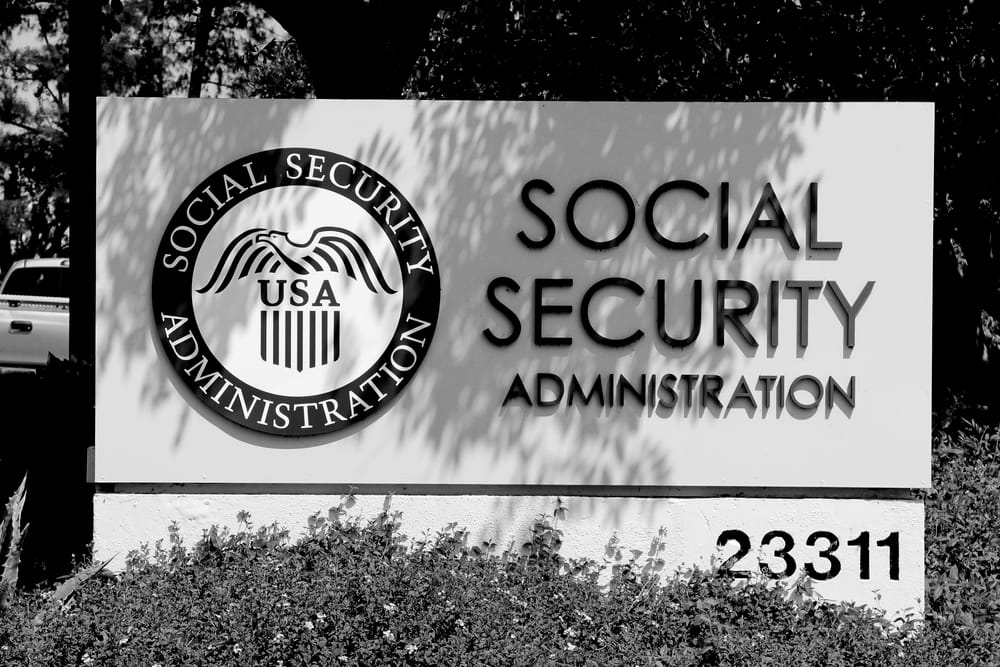
9 Myths About Social Security That Could Derail Your Retirement

Image Source: Shutterstock.com

Retirement is supposed to feel like a well-earned victory lap, complete with morning coffee, leisurely walks, and perhaps a hobby you never had time for before.

Yet for millions, the looming specter of Social Security confusion turns that dream into a stressful puzzle. How much will you really get? When should you claim? And are the rules more complicated than a Rubik’s Cube designed by a cryptographer?

If you’ve ever second-guessed what you know about Social Security, buckle up. It’s time to bust myths, dodge pitfalls, and take control of your retirement with clarity and confidence.

Myth 1: Social Security Will Cover All Your Retirement Expenses

Many believe Social Security will fully fund a comfortable retirement, but the truth is far from that. The average monthly benefit in 2025 is around $1,800—hardly enough for a lavish lifestyle. Housing, healthcare, and unexpected expenses often require supplemental savings. Treat Social Security as a cornerstone, not the entire foundation. Planning ahead with other income sources is critical to avoid financial stress.

Myth 2: You Must Claim At Age 62

It’s tempting to grab Social Security as soon as possible, but claiming at 62 can significantly reduce your monthly payments. Benefits increase each year you delay until 70, thanks to delayed retirement credits. Early claims may seem like a win, but they can cost tens of thousands over time. Understanding your ideal claiming age is like finding a hidden cheat code for your financial game. Timing matters, and a strategic plan pays off big.

Myth 3: Social Security Is Only For Retirees

Think Social Security is just for people kicking back in their golden years? Think again. It also provides benefits to survivors, spouses, and disabled workers. This means Social Security is a safety net that goes beyond your retirement paycheck. Knowing all the ways you or your family could benefit maximizes the program’s potential. It’s more than a retirement tool—it’s a financial shield for many life stages.

Myth 4: Your Benefits Are Guaranteed Forever

While Social Security is a government-backed program, it’s not completely immune to economic or policy changes. Future adjustments to benefits or taxes could impact your retirement income. Experts recommend not relying solely on it as your single income source. Diversifying with personal savings and investments is a smart hedge. Treat your benefits as reliable, but not invincible.

Myth 5: Social Security Won’t Be There For You

A common fear is that Social Security will disappear entirely by the time you retire. The program is facing challenges, but projections show it will still pay out at least 75% of scheduled benefits in the coming decades. Even with reform, Social Security is far from vanishing. Staying informed about legislative changes can help you adjust your retirement plans. Fear alone should not dictate your financial strategy.

Myth 6: Higher Earners Lose Out

Some assume if they earn more, they won’t benefit as much from Social Security. In reality, the system is progressive: higher earners contribute more but also receive higher maximum benefits. However, there is a cap on taxable earnings, which limits contributions and benefits. Understanding the rules ensures you make informed decisions about when and how to claim. Maximizing benefits requires strategy, not just income level.

Myth 7: Your Spouse Can’t Affect Your Benefits

Spousal benefits are often overlooked, yet they can significantly boost household income. A spouse may be entitled to up to 50% of the other spouse’s benefit if it’s higher than their own. Coordinating claim timing can optimize both individuals’ benefits. Ignoring spousal strategies can leave tens of thousands of dollars on the table. Retirement planning is a team sport when marriage is involved.

9 Myths About Social Security That Could Derail Your Retirement

Image Source: Shutterstock.com

Myth 8: Social Security Is Tax-Free

Many retirees are shocked to learn that Social Security benefits can be taxable. Depending on your income, up to 85% of benefits may be subject to federal taxes. State taxes may apply as well, further reducing your take-home amount. Planning withdrawals and other income carefully can minimize tax surprises. Ignorance here can create an unwelcome shock during what should be your relaxing retirement years.

Myth 9: You Can’t Change Your Mind

It’s commonly believed once you start claiming Social Security, the decision is final. Actually, you can withdraw your application within the first 12 months under certain conditions, repaying the benefits received. This flexibility allows you to recalibrate your retirement strategy if circumstances change. Understanding the rules gives you control over timing and maximizing payouts. It’s a powerful tool if you use it wisely.

Take Control Of Your Retirement Today

Social Security is filled with complexities, misconceptions, and missed opportunities. By knowing the facts, you can avoid common pitfalls that derail retirement plans. Planning, timing, and awareness are your keys to a secure and comfortable future. Consider these myths carefully, and take action now to protect your financial freedom.

We’d love to hear your experiences, tips, or thoughts about navigating Social Security in the comments section below.

You May Also Like…

The Social Security Timing Trick That Could Add $250 a Month to Your Check

7 Ways the Social Security Administration Is Quietly Changing Benefits — and What It Means for You

Retirement Redflag: 6 Withdrawal Moves That Could Drain Your Nest Egg Fast

8 Harsh Truths Why Boomers Can’t Change Their Retirement Plans Now

Did You Know Social Security Has a Hidden Bonus for Widowers?

Brandon Marcus
Brandon Marcus

Brandon Marcus is a writer who has been sharing the written word since a very young age. His interests include sports, history, pop culture, and so much more. When he isn’t writing, he spends his time jogging, drinking coffee, or attempting to read a long book he may never complete.

Filed Under: social security Tagged With: accelerated retirement, delayed retirement, future of Social Security, retiree, retiree benefits, retirees, Retirement, retirement age, retiring, Social Security, Social Security benefits, social security claims, social security myths

Most Retirees Lose Their Employer OPEBs Without Even Knowing It—Check Yours Now

August 20, 2025 by Catherine Reed Leave a Comment

Most Retirees Lose Their Employer OPEBs Without Even Knowing It—Check Yours Now

Image source: 123rf.com

Many retirees assume the benefits they had while working will follow them into retirement, but that’s not always the case. Employer-provided Other Post-Employment Benefits (OPEBs), such as health coverage and life insurance, are disappearing quietly across the country. The truth is, most retirees lose their employer OPEBs without realizing it until they need them most. By understanding how these benefits work and whether they’re still available, you can avoid financial surprises in retirement. Checking now could save you thousands of dollars and ensure you’re prepared for the future.

1. What Exactly Are OPEBs?

OPEBs, or Other Post-Employment Benefits, typically cover retiree health insurance, dental, vision, and sometimes life insurance. They’re separate from pensions or retirement accounts, though many employees mistakenly assume they’re guaranteed. In reality, these benefits are often offered at the discretion of employers. Most retirees lose their employer OPEBs because they don’t realize the coverage isn’t always permanent. Understanding the difference between pensions and OPEBs is the first step in protecting your retirement security.

2. Why Most Retirees Lose Their Employer OPEBs

Over the last few decades, companies have been scaling back on retiree benefits due to rising healthcare costs. Many organizations quietly reduce or eliminate OPEBs as part of cost-saving measures. Most retirees lose their employer OPEBs because the terms are buried in retirement paperwork, making it easy to overlook. By the time retirees notice, coverage may have already ended or been severely reduced. This trend makes it critical for workers nearing retirement to review their benefits in detail.

3. The Hidden Cost of Losing Coverage

Losing OPEBs can create massive financial strain on retirees. Without employer-provided healthcare, many turn to Medicare alone, which may not cover all medical needs. Prescription drugs, long-term care, and supplemental insurance can quickly add up. Most retirees lose their employer OPEBs and then face higher premiums or unexpected out-of-pocket expenses. Knowing this risk ahead of time helps you prepare alternative coverage before retirement begins.

4. Industries Where OPEBs Are Disappearing Fast

While some government and union jobs still provide OPEBs, private-sector employers are phasing them out quickly. Industries like manufacturing, retail, and finance have cut back significantly in recent years. Even large corporations that once offered generous benefits are scaling down due to long-term costs. Most retirees lose their employer OPEBs without realizing that their industry has been trending in this direction for decades. Checking industry trends can give you a clearer picture of what to expect.

5. How to Check If You Still Have OPEBs

It’s essential to review your retirement package carefully before leaving the workforce. Start by requesting a benefits summary from your HR department or employer. Pay close attention to sections that mention post-employment healthcare or insurance. Most retirees lose their employer OPEBs because they never confirmed the details in writing. By reviewing the paperwork and asking questions early, you’ll avoid unpleasant surprises later.

6. Alternatives to Employer OPEBs

If your employer no longer offers OPEBs, there are still options available. Supplemental health insurance, Health Savings Accounts (HSAs), and private plans can help fill the gap. Some retirees also explore coverage through a spouse’s employer if they are still working. Most retirees lose their employer OPEBs without realizing these alternatives exist. Proactively exploring options ensures you won’t be left without coverage.

7. The Role of Medicare in Filling the Gaps

Medicare provides essential healthcare coverage for retirees but doesn’t cover everything. Out-of-pocket costs like co-pays, deductibles, and prescriptions can add up quickly. Most retirees lose their employer OPEBs and then find Medicare alone isn’t enough. This is why supplemental insurance, like Medigap or Medicare Advantage, becomes so important. Understanding Medicare’s limits helps you plan a more realistic retirement healthcare budget.

8. Legal Protections and Limitations

Employees often assume OPEBs are guaranteed like pensions, but that’s not the case. Legally, most employers can change or eliminate OPEBs at any time. This lack of protection is one of the main reasons most retirees lose their employer OPEBs unexpectedly. While some union contracts may provide stronger protections, most private-sector employees have little recourse. Knowing the law can help you advocate for yourself while still employed.

9. Planning Ahead for Healthcare Costs

Since OPEBs are increasingly unreliable, planning for healthcare expenses is more important than ever. Building savings specifically for medical costs can prevent financial hardship. Consider setting up an HSA if you qualify, as these accounts offer tax advantages. Most retirees lose their employer OPEBs, but those who planned ahead are better equipped to handle the loss. Treat healthcare costs as a critical part of your retirement plan, not an afterthought.

Protecting Yourself Before It’s Too Late

The unfortunate truth is that most retirees lose their employer OPEBs, often without any warning. Taking the time now to review your benefits, ask questions, and plan for alternatives can make a world of difference. By being proactive, you’ll avoid unexpected medical costs and keep your retirement more secure. Don’t wait until coverage disappears—check yours now and prepare accordingly. A little effort today can safeguard your peace of mind tomorrow.

Have you reviewed your retirement benefits to see if your OPEBs are secure? Share your experience in the comments below!

Read More:

Could Delaying Social Security by 1 Year Mean a 76% Benefit Uplift at 70? More Do It Than You Think

Social Security Could Run Out by 2032, Not 2033—What That Means for Your Future Benefits

Catherine Reed
Catherine Reed

Catherine is a tech-savvy writer who has focused on the personal finance space for more than eight years. She has a Bachelor’s in Information Technology and enjoys showcasing how tech can simplify everyday personal finance tasks like budgeting, spending tracking, and planning for the future. Additionally, she’s explored the ins and outs of the world of side hustles and loves to share what she’s learned along the way. When she’s not working, you can find her relaxing at home in the Pacific Northwest with her two cats or enjoying a cup of coffee at her neighborhood cafe.

Filed Under: Retirement Tagged With: employer coverage, healthcare costs, Medicare, OPEBs, Planning, retiree benefits, retirement planning

Are You Still Getting Off-Market Retiree Health Perks from Your Former Employer?

August 19, 2025 by Catherine Reed Leave a Comment

Are You Still Getting Off-Market Retiree Health Perks from Your Former Employer?

Image source: 123rf.com

Many retirees are surprised to learn that valuable benefits from a former employer can quietly disappear if they’re not actively maintained. Among the most overlooked are off-market retiree health perks — health-related programs, insurance subsidies, and wellness benefits offered only to former employees of certain companies. These perks can significantly reduce healthcare costs, expand coverage, or provide access to specialized services you might not find in standard Medicare plans. Unfortunately, if you don’t know they still exist or fail to meet eligibility requirements, you could lose them without notice. Here’s how to find out if you’re still getting these perks — and how to keep them.

1. Understanding What Off-Market Retiree Health Perks Are

Off-market retiree health perks refer to employer-sponsored benefits that aren’t available to the general public. They can include premium subsidies for supplemental insurance, exclusive access to group health plans, or discounts on dental and vision care. Many companies negotiated these perks decades ago to attract and retain employees, and they often remain in place for qualifying retirees. However, they may be hidden in human resources paperwork or buried in company benefit portals. Knowing how to identify them is the first step in making sure you don’t miss out.

2. Why These Perks Can Be So Valuable

Healthcare is one of the largest expenses in retirement, and off-market retiree health perks can help bridge coverage gaps. A company-subsidized Medigap policy, for example, can reduce out-of-pocket expenses dramatically compared to buying one on the open market. Other perks may include no-cost prescription delivery, access to private health clinics, or even stipends for fitness programs. These benefits can save retirees hundreds or even thousands of dollars each year. The key is to understand exactly what your former employer offers and how it stacks up against other available options.

3. How to Check If You Still Qualify

Eligibility for off-market retiree health perks often depends on factors like years of service, retirement date, and whether you left the company in good standing. Some benefits are only available to retirees who began their pensions before a certain year, while others may require you to maintain a specific type of insurance. To verify your status, contact your former employer’s HR or retiree benefits department and request a summary of your current perks. You may also find details in annual retiree newsletters or company websites. Regularly confirming your eligibility helps prevent unpleasant surprises.

4. Common Ways People Lose Their Benefits

Many retirees lose their off-market retiree health perks simply by failing to stay enrolled in a linked insurance plan. Others miss annual re-enrollment deadlines or forget to update their contact information with the company. In some cases, mergers or acquisitions can change the structure of retiree benefits, leading to confusion about what’s still available. Even moving to another state can affect eligibility for certain healthcare networks. Staying organized and keeping records of all communication with your former employer can protect your access.

5. How Employer Changes Can Impact Your Perks

Corporate restructuring, budget cuts, or changes in benefit contracts can alter or eliminate off-market retiree health perks. Employers may replace a generous health plan with a less comprehensive option or shift retirees to a health exchange with limited subsidies. While companies are generally required to notify you of major changes, these notices can be easy to overlook. Understanding the terms of your retiree health agreement can help you anticipate and adapt to changes. Keeping in touch with fellow retirees can also provide early warnings of benefit adjustments.

6. Coordinating Perks with Medicare and Other Coverage

If you’re eligible for Medicare, your off-market retiree health perks may work as secondary coverage, reducing your overall costs. For example, an employer-sponsored dental plan can fill gaps left by Medicare, or a supplemental prescription plan might cover medications not included in Part D. However, it’s important to coordinate benefits carefully to avoid overlaps or gaps. In some cases, you might need to maintain certain Medicare parts to keep your retiree perks active. Consulting a benefits advisor or SHIP counselor can help you optimize your coverage mix.

7. Steps to Take If You’ve Lost Coverage

If you discover you’ve lost your off-market retiree health perks, act quickly to explore alternatives. You may be able to enroll in a similar plan through a spouse’s former employer, a union, or a professional association. Some companies also offer limited reinstatement periods if you missed a deadline by accident. Additionally, state health insurance marketplaces and Medicare Advantage plans can provide replacement coverage, though often at a higher cost. The sooner you address the gap, the less likely you are to face large unexpected medical bills.

Staying in Control of Your Health Benefits

Off-market retiree health perks can make a huge difference in both your healthcare quality and your retirement budget. The key is to stay informed, proactive, and organized so you never lose benefits simply due to oversight. Review your retiree benefits annually, keep your contact details updated with your former employer, and track important enrollment dates. By staying on top of these details, you can ensure your retirement years are healthier, less stressful, and more financially secure.

Does your former employer still offer off-market retiree health perks, and have you checked your eligibility recently? Share your experience in the comments.

Read More:

10 Employer “Perks” That Void Retirement Tax Breaks

10 Silent Pension Shifts That Lower Your First Distribution Check

Catherine Reed
Catherine Reed

Catherine is a tech-savvy writer who has focused on the personal finance space for more than eight years. She has a Bachelor’s in Information Technology and enjoys showcasing how tech can simplify everyday personal finance tasks like budgeting, spending tracking, and planning for the future. Additionally, she’s explored the ins and outs of the world of side hustles and loves to share what she’s learned along the way. When she’s not working, you can find her relaxing at home in the Pacific Northwest with her two cats or enjoying a cup of coffee at her neighborhood cafe.

Filed Under: Retirement Tagged With: healthcare in retirement, HR benefits, Medicare coordination, off-market retiree health perks, retiree benefits, retirement planning

FOLLOW US

Search this site:

Recent Posts

  • Can My Savings Account Affect My Financial Aid? by Tamila McDonald
  • 12 Ways Gen X’s Views Clash with Millennials… by Tamila McDonald
  • What Advantages and Disadvantages Are There To… by Jacob Sensiba
  • Call 911: Go To the Emergency Room Immediately If… by Stephen Kanaval
  • 10 Tactics for Building an Emergency Fund from Scratch by Vanessa Bermudez
  • 7 Weird Things You Can Sell Online by Tamila McDonald
  • 10 Scary Facts About DriveTime by Tamila McDonald

Copyright © 2026 · News Pro Theme on Genesis Framework