• Home
  • About Us
  • Toolkit
  • Getting Finances Done
    • Hiring Advisors
    • Debt Management
    • Spending Plan
  • Insurance
    • Life Insurance
    • Health Insurance
    • Disability Insurance
    • Homeowners/Renters Insurance
  • Contact Us
  • Privacy Policy
  • Risk Tolerance Quiz

The Free Financial Advisor

You are here: Home / Archives for Social Security COLA

Social Security COLA Gains Are Being Offset by Rising Medicare Costs

April 16, 2026 by Brandon Marcus Leave a Comment

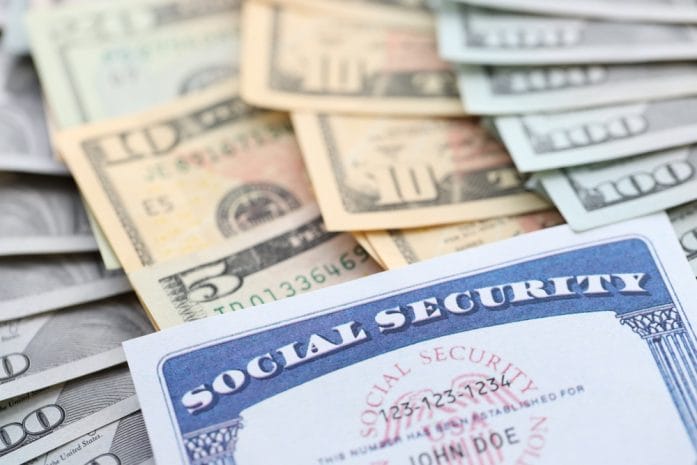
Social Security COLA Gains Are Being Offset by Rising Medicare Costs

Image Source: Shutterstock.com

The annual Social Security increase usually feels like a tiny but important victory, especially in times when everyday expenses seem to climb without warning. Headlines highlight the boost, retirees breathe a bit easier, and budgets get a quick mental refresh. But then reality hits in the form of rising healthcare costs, particularly Medicare premiums that quietly chip away at those gains. What looks like a raise on paper can end up feeling like a wash in practice. Understanding why this happens can make a huge difference in how retirees plan, spend, and protect their income.

For millions of Americans, Social Security serves as a primary income source, not just a supplement. That makes every adjustment matter, especially the annual Social Security COLA increase designed to keep up with inflation. However, when Medicare costs rise at the same time, the net benefit shrinks or disappears entirely.

Why Social Security COLA Doesn’t Always Feel Like a Raise

The Social Security COLA adjustment aims to keep benefits aligned with inflation, using data from the Consumer Price Index. On paper, this increase looks like a straightforward way to maintain purchasing power over time. However, the formula does not account for the specific spending patterns of retirees, especially healthcare costs. Medicare premiums often rise faster than general inflation, which means they eat into the Social Security COLA increase. As a result, many retirees see only a small net gain, or sometimes none at all, after deductions. This mismatch between general inflation and real-world expenses creates a gap that continues to frustrate beneficiaries.

The Role of Medicare Part B Premium Increases

Medicare Part B premiums come directly out of Social Security checks for most beneficiaries, making their impact immediate and unavoidable. Each year, the government adjusts these premiums based on projected healthcare costs, which have been steadily rising.

Even a modest increase in Part B premiums can significantly reduce the benefit of a Social Security COLA increase. For example, if benefits rise by $50 per month but premiums increase by $30, the actual gain shrinks dramatically. This dynamic explains why many retirees feel like they are running in place financially. It also highlights the importance of paying attention to both sides of the equation, not just the COLA announcement.

Healthcare Inflation Is Outpacing Everything Else

Healthcare costs have consistently risen faster than other categories, and that trend shows no signs of slowing down. Prescription drugs, outpatient services, and specialist visits all contribute to higher overall expenses for Medicare. While the Social Security COLA attempts to keep up with inflation broadly, it cannot fully match the pace of healthcare-specific increases.

This imbalance creates ongoing pressure on retirees who rely heavily on fixed incomes. Over time, even small gaps between income growth and expense growth can compound into significant financial strain. That reality makes it essential to plan for healthcare as a major, growing expense rather than a fixed cost.

Social Security COLA Gains Are Being Offset by Rising Medicare Costs

Image Source: Shutterstock.com

The “Hold Harmless” Provision Isn’t a Perfect Shield

The “hold harmless” rule protects many Social Security recipients from seeing their benefits decrease due to rising Medicare Part B premiums. While this sounds reassuring, it does not prevent premiums from absorbing most or all of a Social Security COLA increase.

In practice, the rule simply ensures that net benefits do not drop below the previous year’s level. That means retirees might not lose money outright, but they also might not see any meaningful gain. Additionally, not everyone qualifies for this protection, especially higher-income beneficiaries. Understanding how this rule works can help set realistic expectations for annual benefit changes.

How Retirees Can Protect Their Buying Power

Retirees can take proactive steps to manage the impact of rising Medicare costs on their Social Security COLA increases. Reviewing Medicare plan options annually can uncover savings, especially during open enrollment periods. Some plans offer better coverage for prescriptions or lower out-of-pocket costs, which can offset premium increases.

Budgeting with a focus on healthcare expenses helps create a more accurate financial picture. Building even a modest emergency fund can also provide a buffer against unexpected medical costs. Taking control of these variables can help retirees stretch their benefits further and reduce financial stress.

What This Means for Future Retirement Planning

Younger workers and those approaching retirement should pay close attention to the interaction between Social Security COLA and healthcare costs. Relying solely on Social Security without factoring in rising medical expenses can lead to unpleasant surprises later. Financial plans should include realistic projections for Medicare premiums and out-of-pocket healthcare spending.

Diversifying income sources, such as savings or investments, can provide added stability. Planning ahead allows for more flexibility and less dependence on annual adjustments. This forward-thinking approach can make a significant difference in long-term financial security.

The Bottom Line on COLA and Costs

The Social Security COLA increase remains an important tool for protecting retirees from inflation, but it does not tell the whole story. Rising Medicare costs, especially Part B premiums, often reduce the real benefit of those increases. Understanding this relationship allows retirees to make smarter financial decisions and avoid unrealistic expectations. Taking steps to manage healthcare expenses and plan ahead can help preserve purchasing power over time. The key lies in looking beyond the headline numbers and focusing on the net impact.

What’s your experience with Social Security COLA increases—have they actually helped your budget, or do rising costs cancel them out? Let’s hear your thoughts and strategies in the comments!

You May Also Like…

Social Security Is Under Pressure — The Worker-to-Retiree Ratio Is Falling

Why Every Newly Married Woman Should Update Her Social Security Record Right Away

How Seniors Jeopardize Their Social Security Right After Retirement

Social Security Checks Are Getting Smaller for Some Retirees — And It’s Not a Benefit Cut

The COLA Theft: Why Half of Your Social Security Raise Just Vanished into Medicare This Morning

Brandon Marcus
Brandon Marcus

Brandon Marcus is a writer who has been sharing the written word since a very young age. His interests include sports, history, pop culture, and so much more. When he isn’t writing, he spends his time jogging, drinking coffee, or attempting to read a long book he may never complete.


Filed Under: social security Tagged With: budgeting, cost-of-living adjustment, fixed income, healthcare inflation, Medicare costs, Medicare Part B, retirement planning, senior finances, Social Security benefits, Social Security COLA

The COLA Theft: Why Half of Your Social Security Raise Just Vanished into Medicare This Morning

January 14, 2026 by Brandon Marcus 2 Comments

The COLA Theft: Why Half of Your Social Security Raise Just Vanished into Medicare This Morning

Image Source: Shutterstock.com

Your morning coffee hits differently when you check your Social Security statement and realize half of your cost-of-living adjustment (COLA) has evaporated into thin air. That number you were dreaming about for extra groceries, a mini-vacation, or that shiny new gadget? Gone. Vanished. Not because of a bank error or mysterious financial conspiracy, but because Medicare decided to gatecrash your raise.

This is a financial reality served with a twist, and it’s time we unpack why half of your new money just disappeared into the healthcare black hole you didn’t ask for.

How Social Security COLA Actually Works

Social Security COLA is supposed to be a beacon of relief for retirees. It’s calculated every year based on inflation, specifically the Consumer Price Index for Urban Wage Earners and Clerical Workers (CPI-W). When prices rise, Social Security steps in to adjust your benefits so you don’t feel like your wallet is shrinking while your bills balloon. Sounds great, right? Well, the twist comes with Medicare premiums.

The COLA is calculated first, but before you even get to dream about splurging, the Centers for Medicare & Medicaid Services (CMS) takes its cut. That means a chunk of your raise is immediately swallowed by Medicare Part B premiums, leaving you with significantly less than you expected. Many retirees are blindsided because the headline COLA number feels like money you can actually spend, but the reality is more like a “gross income” versus “net income” scenario.

Why Medicare Premiums Keep Rising

Medicare Part B premiums aren’t static. They rise every year, often in step with healthcare costs, which historically climb faster than inflation. Think of it like a rent increase, but for your health insurance. For 2026, premiums rose enough that nearly half of the average Social Security COLA was absorbed before recipients even saw their checks. That’s right—those months of careful budgeting and mental math to account for your COLA bump? The spreadsheet just got a rude awakening. Why do premiums go up? It’s a combination of increasing costs of medical services, more expensive drugs, and an aging population that requires more care. And unfortunately, Social Security beneficiaries foot the bill through deductions that feel automatic, invisible, and sometimes unfair. It’s one of those realities of modern retirement that feels like an adult version of trick-or-treating—except you’re left holding the empty bag.

The Psychological Sting Of The COLA Theft

There’s a real psychological effect when you see your raise disappear instantly. It’s a mix of betrayal and disbelief, like finding a surprise pop quiz in your mailbox. Retirees count on COLA to help keep up with the rising cost of groceries, utilities, and other essentials. When half of it vanishes, it’s not just numbers on paper—it’s the snack you wanted to buy at the store, the coffee you hoped to enjoy, or the little indulgence you were planning. Experts call this “benefit erosion,” and it’s real, measurable, and emotionally impactful. It feels personal, even though it’s purely systemic. That sting of disappointment can make financial planning seem more like a guessing game, leading many retirees to rethink budgets and lifestyle choices mid-year.

How To Calculate What You Actually Receive

Understanding exactly what hits your bank account requires a little math, but it’s not complicated. Start with your announced COLA percentage and multiply it by your current benefit. That gives you your expected increase. Then, subtract your new Medicare Part B premium increase. The result is your “real” raise—the amount you can actually spend or save. For example, if your COLA is 3% on a $2,000 monthly benefit, that’s $60. But if Medicare premiums rise $30 for the month, suddenly your effective gain is only $30. That’s not small potatoes for retirees living on fixed incomes. Being proactive about this calculation helps avoid surprise disappointment and makes budgeting a little less painful. Awareness is power, even if the system sometimes feels like it’s rigged against you.

Strategies To Make The Most Of Your COLA

While you can’t stop Medicare from taking its slice, you can still be strategic about how you use your COLA. Some retirees focus on paying down debt first—credit cards, car loans, or other high-interest obligations—before spending any extra. Others treat the real COLA as a “bonus” and redirect it to small indulgences or emergency funds. Timing purchases and being intentional about monthly budgets can prevent that half-gain from feeling like a loss.

Some retirees even explore income-driven strategies, like adjusting tax withholding or reviewing supplemental insurance options, to ensure they’re maximizing the dollars that remain. In short, while you can’t avoid the COLA theft entirely, you can make your remaining money work smarter.

The COLA Theft: Why Half of Your Social Security Raise Just Vanished into Medicare This Morning

Image Source: Shutterstock.com

Why Understanding This Matters

Being aware of the interaction between COLA and Medicare premiums is crucial for realistic retirement planning. It prevents nasty surprises and gives retirees the tools to adapt their financial strategies. More importantly, understanding these mechanics fosters financial literacy and empowers individuals to make choices about healthcare, savings, and lifestyle. Social Security is not a perfect system, and Medicare premiums can feel like a stealthy deduction, but awareness allows retirees to plan ahead instead of reacting. Knowledge doesn’t just save money—it saves stress, and for many, that’s priceless.

Let’s Talk About Your Experience

The COLA theft is more than a numbers game—it’s a shared experience for millions of retirees. If you’ve felt that sting of watching your hard-earned raise disappear, you’re not alone. We want to hear about your reactions, adjustments, and strategies.

How did you handle the surprise? Did it change your monthly planning? Post your thoughts and stories in the comments section below, and let’s get a conversation started.

Retirement planning is complex enough, but discussing real experiences can make it feel a little less lonely—and a lot more empowering.

You May Also Like…

Pension Shock: 9 Myths About Social Security That Could Derail Your Retirement

Could Your Social Security Plans Collapse If The Economy Shifts Again This Winter?

11 Social Security Surprises That Hit You After Losing a Spouse

Is There Any Way to Get More Social Security Than You Qualify For?

Why Do People Underestimate the True Cost of Living Longer


Brandon Marcus
Brandon Marcus

Brandon Marcus is a writer who has been sharing the written word since a very young age. His interests include sports, history, pop culture, and so much more. When he isn’t writing, he spends his time jogging, drinking coffee, or attempting to read a long book he may never complete.

Filed Under: social security Tagged With: America, COLA, Cost of living, government policy, Medicare, Medicare premiums, senior citizens, seniors, Social Security, Social Security benefits, social security changes, Social Security COLA, social security plans, social security reform, United States

FOLLOW US

Search this site:

Recent Posts

  • Can My Savings Account Affect My Financial Aid? by Tamila McDonald
  • 12 Ways Gen X’s Views Clash with Millennials… by Tamila McDonald
  • What Advantages and Disadvantages Are There To… by Jacob Sensiba
  • 10 Tactics for Building an Emergency Fund from Scratch by Vanessa Bermudez
  • Call 911: Go To the Emergency Room Immediately If… by Stephen Kanaval
  • 7 Weird Things You Can Sell Online by Tamila McDonald
  • 10 Scary Facts About DriveTime by Tamila McDonald

Copyright © 2026 · News Pro Theme on Genesis Framework