• Home
  • About Us
  • Toolkit
  • Getting Finances Done
    • Hiring Advisors
    • Debt Management
    • Spending Plan
  • Insurance
    • Life Insurance
    • Health Insurance
    • Disability Insurance
    • Homeowners/Renters Insurance
  • Contact Us
  • Privacy Policy
  • Risk Tolerance Quiz

The Free Financial Advisor

You are here: Home / Archives for social security reform

The COLA Theft: Why Half of Your Social Security Raise Just Vanished into Medicare This Morning

January 14, 2026 by Brandon Marcus 2 Comments

The COLA Theft: Why Half of Your Social Security Raise Just Vanished into Medicare This Morning

Image Source: Shutterstock.com

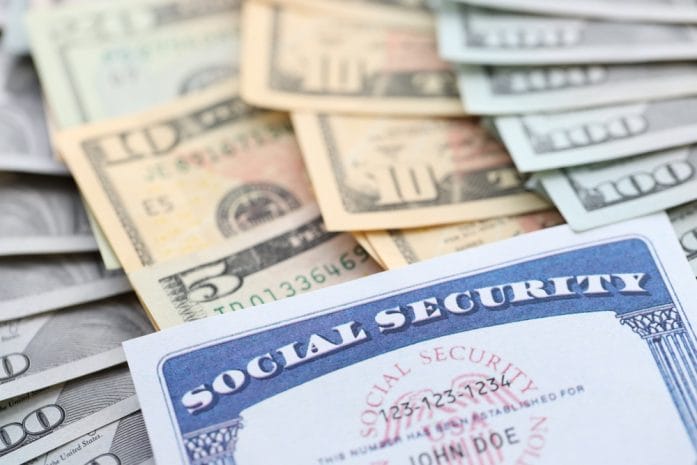
Your morning coffee hits differently when you check your Social Security statement and realize half of your cost-of-living adjustment (COLA) has evaporated into thin air. That number you were dreaming about for extra groceries, a mini-vacation, or that shiny new gadget? Gone. Vanished. Not because of a bank error or mysterious financial conspiracy, but because Medicare decided to gatecrash your raise.

This is a financial reality served with a twist, and it’s time we unpack why half of your new money just disappeared into the healthcare black hole you didn’t ask for.

How Social Security COLA Actually Works

Social Security COLA is supposed to be a beacon of relief for retirees. It’s calculated every year based on inflation, specifically the Consumer Price Index for Urban Wage Earners and Clerical Workers (CPI-W). When prices rise, Social Security steps in to adjust your benefits so you don’t feel like your wallet is shrinking while your bills balloon. Sounds great, right? Well, the twist comes with Medicare premiums.

The COLA is calculated first, but before you even get to dream about splurging, the Centers for Medicare & Medicaid Services (CMS) takes its cut. That means a chunk of your raise is immediately swallowed by Medicare Part B premiums, leaving you with significantly less than you expected. Many retirees are blindsided because the headline COLA number feels like money you can actually spend, but the reality is more like a “gross income” versus “net income” scenario.

Why Medicare Premiums Keep Rising

Medicare Part B premiums aren’t static. They rise every year, often in step with healthcare costs, which historically climb faster than inflation. Think of it like a rent increase, but for your health insurance. For 2026, premiums rose enough that nearly half of the average Social Security COLA was absorbed before recipients even saw their checks. That’s right—those months of careful budgeting and mental math to account for your COLA bump? The spreadsheet just got a rude awakening. Why do premiums go up? It’s a combination of increasing costs of medical services, more expensive drugs, and an aging population that requires more care. And unfortunately, Social Security beneficiaries foot the bill through deductions that feel automatic, invisible, and sometimes unfair. It’s one of those realities of modern retirement that feels like an adult version of trick-or-treating—except you’re left holding the empty bag.

The Psychological Sting Of The COLA Theft

There’s a real psychological effect when you see your raise disappear instantly. It’s a mix of betrayal and disbelief, like finding a surprise pop quiz in your mailbox. Retirees count on COLA to help keep up with the rising cost of groceries, utilities, and other essentials. When half of it vanishes, it’s not just numbers on paper—it’s the snack you wanted to buy at the store, the coffee you hoped to enjoy, or the little indulgence you were planning. Experts call this “benefit erosion,” and it’s real, measurable, and emotionally impactful. It feels personal, even though it’s purely systemic. That sting of disappointment can make financial planning seem more like a guessing game, leading many retirees to rethink budgets and lifestyle choices mid-year.

How To Calculate What You Actually Receive

Understanding exactly what hits your bank account requires a little math, but it’s not complicated. Start with your announced COLA percentage and multiply it by your current benefit. That gives you your expected increase. Then, subtract your new Medicare Part B premium increase. The result is your “real” raise—the amount you can actually spend or save. For example, if your COLA is 3% on a $2,000 monthly benefit, that’s $60. But if Medicare premiums rise $30 for the month, suddenly your effective gain is only $30. That’s not small potatoes for retirees living on fixed incomes. Being proactive about this calculation helps avoid surprise disappointment and makes budgeting a little less painful. Awareness is power, even if the system sometimes feels like it’s rigged against you.

Strategies To Make The Most Of Your COLA

While you can’t stop Medicare from taking its slice, you can still be strategic about how you use your COLA. Some retirees focus on paying down debt first—credit cards, car loans, or other high-interest obligations—before spending any extra. Others treat the real COLA as a “bonus” and redirect it to small indulgences or emergency funds. Timing purchases and being intentional about monthly budgets can prevent that half-gain from feeling like a loss.

Some retirees even explore income-driven strategies, like adjusting tax withholding or reviewing supplemental insurance options, to ensure they’re maximizing the dollars that remain. In short, while you can’t avoid the COLA theft entirely, you can make your remaining money work smarter.

The COLA Theft: Why Half of Your Social Security Raise Just Vanished into Medicare This Morning

Image Source: Shutterstock.com

Why Understanding This Matters

Being aware of the interaction between COLA and Medicare premiums is crucial for realistic retirement planning. It prevents nasty surprises and gives retirees the tools to adapt their financial strategies. More importantly, understanding these mechanics fosters financial literacy and empowers individuals to make choices about healthcare, savings, and lifestyle. Social Security is not a perfect system, and Medicare premiums can feel like a stealthy deduction, but awareness allows retirees to plan ahead instead of reacting. Knowledge doesn’t just save money—it saves stress, and for many, that’s priceless.

Let’s Talk About Your Experience

The COLA theft is more than a numbers game—it’s a shared experience for millions of retirees. If you’ve felt that sting of watching your hard-earned raise disappear, you’re not alone. We want to hear about your reactions, adjustments, and strategies.

How did you handle the surprise? Did it change your monthly planning? Post your thoughts and stories in the comments section below, and let’s get a conversation started.

Retirement planning is complex enough, but discussing real experiences can make it feel a little less lonely—and a lot more empowering.

You May Also Like…

Pension Shock: 9 Myths About Social Security That Could Derail Your Retirement

Could Your Social Security Plans Collapse If The Economy Shifts Again This Winter?

11 Social Security Surprises That Hit You After Losing a Spouse

Is There Any Way to Get More Social Security Than You Qualify For?

Why Do People Underestimate the True Cost of Living Longer


Brandon Marcus
Brandon Marcus

Brandon Marcus is a writer who has been sharing the written word since a very young age. His interests include sports, history, pop culture, and so much more. When he isn’t writing, he spends his time jogging, drinking coffee, or attempting to read a long book he may never complete.

Filed Under: social security Tagged With: America, COLA, Cost of living, government policy, Medicare, Medicare premiums, senior citizens, seniors, Social Security, Social Security benefits, social security changes, Social Security COLA, social security plans, social security reform, United States

Teachers, Firefighters, and Other Public Servants: This New Law Could Add Over $300 Month to Your Benefit

August 19, 2025 by Catherine Reed Leave a Comment

Teachers, Firefighters, and Other Public Servants: This New Law Could Add Over $300 Month to Your Benefit

Image source: 123rf.com

If you’re a teacher, firefighter, police officer, or another type of public servant, your retirement income may be getting a boost. After years of debate, lawmakers have passed a reform that changes how certain public sector pensions interact with Social Security. For many, this new law could add over $300 month to your benefit, removing a long-standing penalty that reduced payments for retirees who dedicated their careers to public service. This change could significantly improve financial security for thousands of retirees and soon-to-be retirees. Here’s what you need to know about how the law works and whether you qualify.

1. Ending the Reduction from the Windfall Elimination Provision

For decades, the Windfall Elimination Provision (WEP) has reduced Social Security benefits for people who also receive a public pension from work that did not pay into Social Security. Teachers, firefighters, and police officers in certain states were among the hardest hit. This new law could add over $300 month to your benefit by revising the WEP calculation, allowing more of your earned Social Security credits to count toward your payment. The reform ensures that your benefit reflects your actual work history rather than being sharply reduced. This change alone is expected to help hundreds of thousands of retirees.

2. Changes to the Government Pension Offset

The Government Pension Offset (GPO) previously reduced or eliminated spousal and survivor benefits for those with a public pension. Many public servants lost out on benefits their spouses had earned through Social Security contributions. Under this new law, the offset has been relaxed, meaning more public servants will qualify for full or partial spousal benefits. For some, this new law could add over $300 month to your benefit simply by restoring access to payments that had been reduced to zero. This adjustment helps ensure widows, widowers, and spouses aren’t left financially vulnerable.

3. Who Will Benefit the Most

Not all public servants will see the same increase, but those in states where public workers don’t pay into Social Security are likely to benefit the most. These include states like California, Texas, Illinois, and Massachusetts, where many teachers and first responders have historically faced steep WEP and GPO reductions. For workers with a mix of public and private employment, this new law could add over $300 month to your benefit depending on your earnings record. Retirees already collecting benefits may see adjustments in their payments within the next year. Those close to retirement age could factor the higher benefit into their planning.

4. Impact on Future Retirees

While the change is a huge win for current retirees, it also offers long-term benefits for younger workers. Future retirees will have a clearer and fairer formula for calculating Social Security alongside their public pensions. This new law could add over $300 month to your benefit down the line if you’ve worked both in the public sector and in Social Security-covered jobs. Knowing that your Social Security benefit will be less penalized can make retirement planning more accurate. It also provides greater incentive to continue working in public service without sacrificing future income.

5. How to Check Your Eligibility

The easiest way to determine if this new law could add over $300 month to your benefit is to review your Social Security statement and compare it to your public pension details. If you previously saw a significant WEP or GPO reduction in your estimated benefits, you are likely to be positively affected. You can contact the Social Security Administration (SSA) directly to request an updated calculation based on the new law. State retirement systems are also providing resources to help members understand the changes. Staying proactive ensures you get the full increase you’re entitled to.

6. When You Might See the Increase

For current retirees, the SSA has indicated that adjustments will roll out gradually over the next 12 months. The exact timing depends on when your case is reviewed and recalculated. Those approaching retirement may see the higher amount in their initial benefit award. This new law could add over $300 month to your benefit starting as early as your next annual cost-of-living adjustment cycle if you’re already receiving payments. Patience is key, but the extra income will be worth the wait.

7. Planning for the Extra Income

An increase of $300 or more per month can significantly change your retirement budget. You might use the extra money to cover rising healthcare costs, pay down debt, or increase discretionary spending on travel or hobbies. Financial planners recommend viewing the increase as an opportunity to strengthen long-term financial stability. Since this new law could add over $300 month to your benefit, you may also want to revisit your tax planning, as higher Social Security income can affect your taxable income. Adjusting your budget now can help you make the most of the change.

A Win for Public Servants Everywhere

For too long, outdated rules have reduced the retirement benefits of those who dedicated their lives to teaching, protecting communities, and serving the public. This new law could add over $300 month to your benefit, correcting an inequity that has hurt countless families. Whether you’re already retired or planning your future, now is the time to review your records, update your financial plan, and prepare to enjoy the benefits you’ve earned. Public servants finally have a reason to celebrate a fairer retirement system.

If you’re a public servant, how will you use the extra income from this new law? Share your plans in the comments.

Read More:

Is Your Social Security About to Shrink Unless Congress Acts Fast?

What Financial Advisors Are Quietly Warning About in 2025

Catherine Reed
Catherine Reed

Catherine is a tech-savvy writer who has focused on the personal finance space for more than eight years. She has a Bachelor’s in Information Technology and enjoys showcasing how tech can simplify everyday personal finance tasks like budgeting, spending tracking, and planning for the future. Additionally, she’s explored the ins and outs of the world of side hustles and loves to share what she’s learned along the way. When she’s not working, you can find her relaxing at home in the Pacific Northwest with her two cats or enjoying a cup of coffee at her neighborhood cafe.

Filed Under: social security Tagged With: GPO, pensions, public servants, retirement planning, social security reform, this new law could add over $300 month to your benefit, WEP

Is Your Social Security About to Shrink Unless Congress Acts Fast?

August 14, 2025 by Catherine Reed Leave a Comment

Is Your Social Security About to Shrink Unless Congress Acts Fast?

Image source: 123rf.com

If you depend on Social Security to cover your retirement expenses, there’s growing concern that your monthly benefits could be on the chopping block in the near future. According to recent projections, the Social Security trust fund is expected to face a funding shortfall within the next decade, which could force automatic benefit reductions if Congress doesn’t intervene. That means millions of retirees, disabled individuals, and surviving family members could see their payments decrease. While lawmakers are discussing potential solutions, nothing is guaranteed yet. Understanding what’s at stake can help you prepare in case changes come sooner than expected.

Why Social Security Faces a Funding Shortfall

The Social Security system is funded through payroll taxes collected from workers and employers. As more people retire and live longer, the number of beneficiaries is growing faster than the number of workers paying into the system. This imbalance is straining the trust fund that helps cover benefits. Current estimates suggest that without legislative action, the trust fund could be depleted within about a decade. That’s why many are asking, is your social security about to shrink unless Congress acts fast to address this gap?

What a Reduction Could Mean for Retirees

If the trust fund runs dry, Social Security will still collect enough in payroll taxes to pay about 75% of scheduled benefits. While that means the program wouldn’t disappear entirely, it would result in a significant pay cut for millions of recipients. For someone relying on Social Security as their main source of income, a 25% drop could mean having to make tough choices about housing, healthcare, and daily expenses. The potential impact is particularly concerning for lower-income retirees with limited savings. This raises the question for many: is your social security about to shrink unless Congress acts fast to protect those most vulnerable?

Why Congress Hasn’t Fixed It Yet

Lawmakers have debated Social Security reform for years, but political disagreements over solutions have stalled action. Some proposals suggest raising payroll taxes, while others recommend adjusting the retirement age or modifying benefits for higher-income recipients. Each option has supporters and critics, making compromise difficult. In the meantime, the funding gap continues to grow. Until consensus is reached, the question remains unresolved: is your social security about to shrink unless Congress acts fast?

Possible Solutions on the Table

There are several potential ways to stabilize Social Security’s finances. One approach would be to gradually raise the payroll tax rate, spreading the burden over many years. Another option is increasing or eliminating the cap on taxable earnings so higher-income workers contribute more. Some lawmakers propose means-testing benefits, reducing payments for wealthier retirees to preserve funds for others. No matter the solution, swift action will be needed to avoid the scenario where your social security is about to shrink unless Congress acts fast.

How You Can Prepare for Possible Changes

While you can’t control what Congress does, you can take steps to safeguard your financial future. Building additional retirement savings through IRAs, 401(k) plans, or other investment accounts can help offset potential cuts. Reviewing your budget now to identify areas where you can reduce expenses will make you more resilient if benefits decrease. Staying informed about proposed legislation and understanding how it might affect you is also key. If you’re wondering, is your social security about to shrink unless Congress acts fast, preparation is your best defense.

The Importance of Public Pressure

Elected officials are more likely to act when they hear directly from constituents. Writing to your representatives, participating in advocacy campaigns, and raising awareness in your community can help keep Social Security reform on the political agenda. The more voters show that this issue matters to them, the harder it is for lawmakers to ignore. History has shown that public demand can push Congress to protect vital programs. With time running short, asking the question — is your social security about to shrink unless Congress acts fast — could be the spark for needed change.

Staying Calm While Staying Ready

It’s easy to feel anxious about the possibility of reduced benefits, especially if you’re close to retirement. But panicking won’t help you make the best financial decisions. Instead, focus on what you can do now to strengthen your financial position while monitoring developments in Washington. Social Security has faced challenges before, and reforms have been made to keep it going. Staying calm but proactive is the smartest way to face the uncertainty around whether your social security is about to shrink unless Congress acts fast.

Do you think Congress will act in time to protect benefits? Share your thoughts in the comments below!

Read More:

7 Asset Transfers That Disrupt Your Social Security Benefits

6 Overlooked Retirement Age Triggers That Can Spike Your Tax Bill

Catherine Reed
Catherine Reed

Catherine is a tech-savvy writer who has focused on the personal finance space for more than eight years. She has a Bachelor’s in Information Technology and enjoys showcasing how tech can simplify everyday personal finance tasks like budgeting, spending tracking, and planning for the future. Additionally, she’s explored the ins and outs of the world of side hustles and loves to share what she’s learned along the way. When she’s not working, you can find her relaxing at home in the Pacific Northwest with her two cats or enjoying a cup of coffee at her neighborhood cafe.

Filed Under: social security Tagged With: Congress, government benefits, Planning, retirement income, retirement planning, Social Security, social security reform

FOLLOW US

Search this site:

Recent Posts

  • Can My Savings Account Affect My Financial Aid? by Tamila McDonald
  • 12 Ways Gen X’s Views Clash with Millennials… by Tamila McDonald
  • What Advantages and Disadvantages Are There To… by Jacob Sensiba
  • 10 Tactics for Building an Emergency Fund from Scratch by Vanessa Bermudez
  • Call 911: Go To the Emergency Room Immediately If… by Stephen Kanaval
  • 7 Weird Things You Can Sell Online by Tamila McDonald
  • 10 Scary Facts About DriveTime by Tamila McDonald

Copyright © 2026 · News Pro Theme on Genesis Framework