Filing anything online should feel fast, smooth, and satisfying—but lately, many Social Security Administration (SSA) users hit a frustrating wall within minutes. An identity mismatch error pops up, blocks access, and leaves filers staring at their screens wondering what went wrong. This isn’t some rare glitch buried deep in the system—it’s happening often enough to raise eyebrows and slow down applications.
Even worse, the error usually appears after only a few minutes of input, which makes it feel like a trap rather than a mistake. So, what’s the good news? Well, these mismatches rarely come out of nowhere, and most of them trace back to surprisingly simple issues.
Why That “Identity Mismatch” Message Shows Up So Fast
The SSA system checks personal information in real time, and it does not show much patience for even tiny inconsistencies. One small mismatch—like a missing middle initial or a slightly outdated address—can trigger an immediate rejection. Many users assume the system will “figure it out,” but SSA databases require near-perfect alignment with official records. Speed also plays a role here, because the system flags entries quickly to prevent fraud rather than allowing questionable submissions to proceed. That means even a five-minute filing attempt can hit a dead end if anything looks even slightly off.
Plenty of people run into this problem after life changes that never made it into SSA records. A recent move, name change, or even a corrected birthdate can create discrepancies between what users enter and what the system expects. For example, someone who updated their name with the DMV but not with Social Security could trigger an instant mismatch. The same applies to married individuals who use a new last name in some places but not others. These tiny details pile up fast, and the system refuses to guess which version counts as correct.
The Most Common Data Entry Mistakes Filers Make
Typos may sound harmless, but SSA systems treat them like major red flags. A single incorrect digit in a Social Security number immediately stops the process, even if everything else looks perfect. Names also cause trouble, especially when users switch between full legal names and shortened versions without realizing it. Entering “Mike” instead of “Michael” or skipping a suffix like “Jr.” can create a mismatch that shuts everything down instantly. The system doesn’t “autocorrect” identity—it verifies it exactly as stored.
Addresses create another surprisingly common headache for online filers. The SSA database may store addresses in a very specific format, and even small formatting differences can trigger issues. For example, writing “Street” instead of “St.” or leaving out an apartment number can throw off verification. Some users also rely on autofill tools, which sometimes insert outdated or incorrect details without warning. That combination of human error and automated shortcuts creates a perfect storm for identity mismatches.
How Timing and System Updates Complicate Things
SSA databases update regularly, but not always instantly, and that timing gap causes confusion. Someone who recently updated their information might assume everything synced across systems right away. In reality, those updates can take days or even weeks to reflect everywhere they need to. Filing too soon after a change increases the chances of hitting a mismatch error. The system simply hasn’t caught up yet.
System maintenance and security updates also play a role in these errors. When the SSA strengthens fraud detection tools, it tightens verification rules at the same time. That means entries that once passed easily might now fail under stricter standards. These updates don’t always come with clear warnings, so users experience them as sudden roadblocks. It feels random, but the system actually enforces higher accuracy behind the scenes.
Simple Fixes That Solve Most Identity Mismatches
The fastest way to fix an identity mismatch starts with double-checking every single entry before submitting again. Users should match their information exactly to official SSA records, including full names, correct spellings, and proper formatting. Pulling up a Social Security card or official document helps eliminate guesswork. It may feel tedious, but precision beats speed every time in this situation. Taking an extra two minutes often saves hours of frustration.
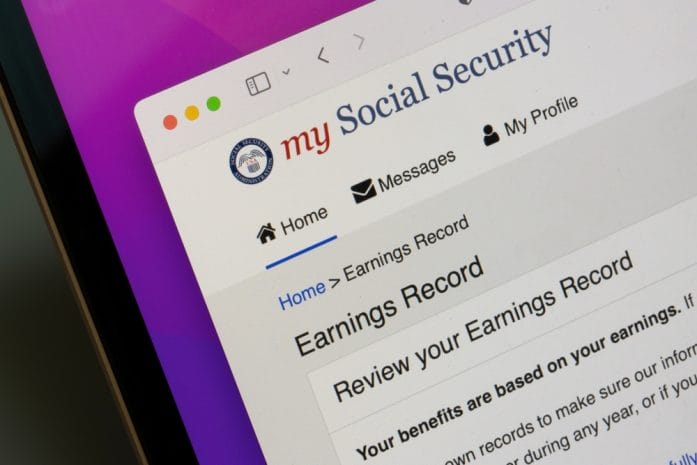
Another smart move involves verifying account details directly through the SSA before attempting another filing. Logging into an SSA account and reviewing stored information can reveal discrepancies immediately. If anything looks outdated, updating it first prevents repeated errors during filing. In some cases, contacting SSA support or visiting an office resolves deeper mismatches tied to records that need manual correction. These steps might slow things down temporarily, but they clear the path for a successful submission.
When the Error Signals Something More Serious
Not every mismatch stems from a simple typo, and ignoring repeated errors can create bigger problems. In some cases, identity mismatches hint at potential fraud or unauthorized use of personal information. If the system repeatedly rejects correct details, users should take that as a signal to investigate further. Checking credit reports and monitoring financial accounts helps identify suspicious activity early. Acting quickly reduces the risk of long-term damage.
The SSA also flags accounts when it detects unusual patterns or repeated failed attempts. That security measure protects users, but it can temporarily lock legitimate filers out of their accounts. Anyone facing multiple mismatches should avoid rapid retries and instead pause to verify all details carefully. If concerns about identity theft arise, contacting SSA directly becomes essential. A short delay beats dealing with a compromised identity later.
How To Avoid the 5-Minute Error
That quick identity mismatch message might feel like an annoying glitch, but it actually reveals how strict modern verification systems have become. The SSA prioritizes accuracy and fraud prevention over convenience, and that approach shows up in every online interaction. Filers who slow down, verify their identity, and stay consistent across records avoid most of these issues entirely. Treating personal data like a precise code rather than flexible information makes all the difference. A few extra minutes of attention up front can turn a frustrating experience into a smooth, successful filing.
So the next time an identity mismatch appears, don’t rush to blame the system—dig into the details and fix the root cause. What’s the strangest error message that’s ever stopped an online form in its tracks for you?
You May Also Like…
The Overlooked Spousal Benefit Guideline That Quietly Cuts Monthly Social Security Payments
The 4 Social Security Rules Experts Say Everyone Should Know Before Age 62
New Retirees Are Waiting Weeks for Their First Social Security Check—Here’s Why
Why Every Newly Married Woman Should Update Her Social Security Record Right Away
The Financial Review Process Most People Skip That Exposes Them to Identity and Account Abuse

Brandon Marcus is a writer who has been sharing the written word since a very young age. His interests include sports, history, pop culture, and so much more. When he isn’t writing, he spends his time jogging, drinking coffee, or attempting to read a long book he may never complete.