• Home
  • About Us
  • Toolkit
  • Getting Finances Done
    • Hiring Advisors
    • Debt Management
    • Spending Plan
  • Insurance
    • Life Insurance
    • Health Insurance
    • Disability Insurance
    • Homeowners/Renters Insurance
  • Contact Us
  • Privacy Policy
  • Risk Tolerance Quiz

The Free Financial Advisor

You are here: Home / Archives for financial mistakes

5 Unsettling Truths About Payday Loan Companies

September 10, 2025 by Catherine Reed Leave a Comment

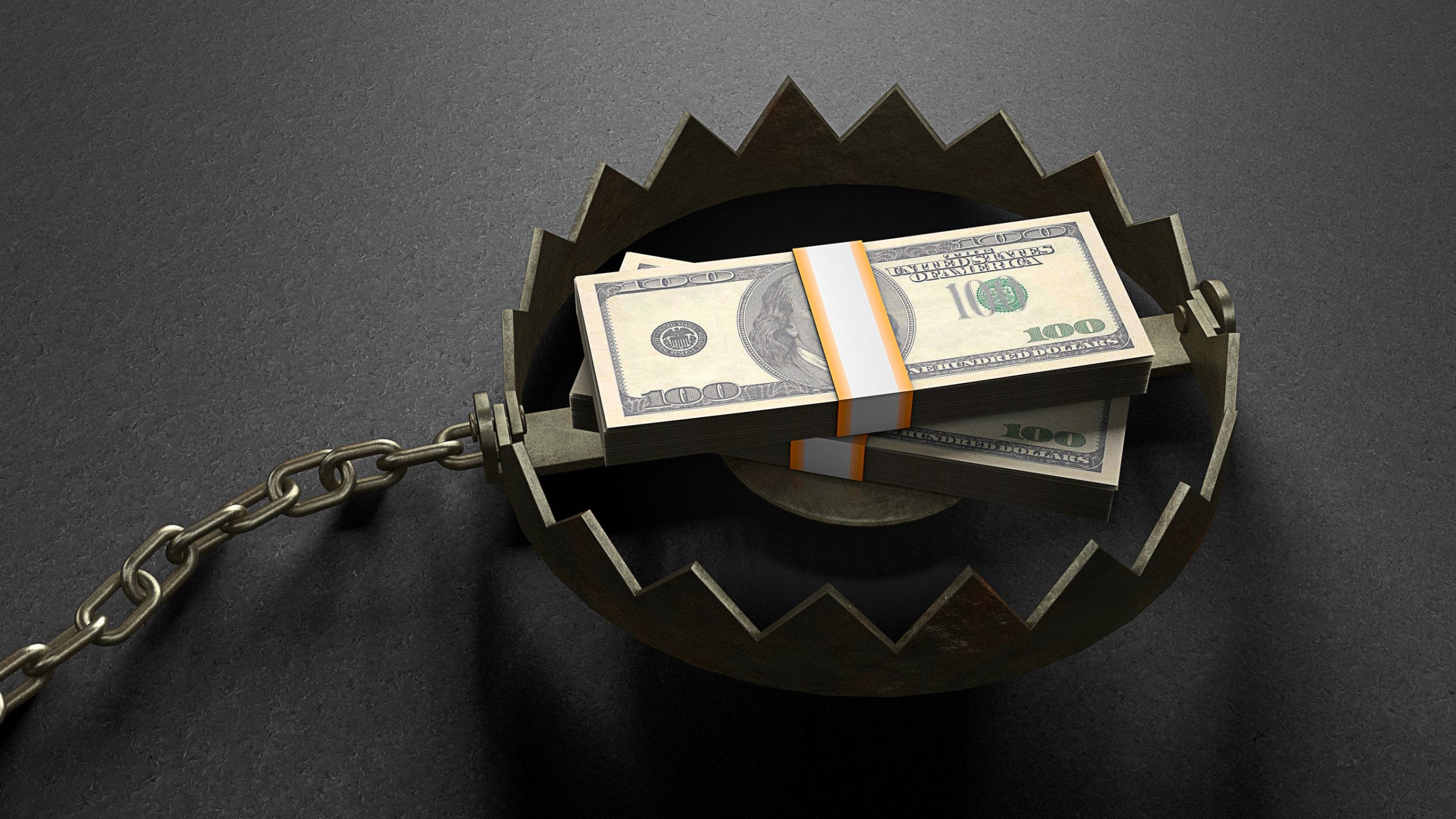
5 Unsettling Truths About Payday Loan Companies

Image source: 123rf.com

When money gets tight, it can feel tempting to grab quick cash from payday loan companies. Their advertisements promise fast approval and no credit checks, making them look like a safety net in emergencies. But behind the flashy signs and friendly pitches lies a business model designed to trap borrowers in long-term cycles of debt. Understanding the unsettling truths about payday loan companies can help you avoid falling into their costly financial traps and seek safer alternatives.

1. Interest Rates Are Shockingly High

One of the most unsettling truths about payday loan companies is how they structure interest rates. While the fee may look small upfront, annual percentage rates often soar past 300 percent. That means borrowing just a few hundred dollars can quickly balloon into thousands if repayment gets delayed. Many borrowers who thought they would only owe a little more than they borrowed end up trapped in a snowball of growing debt. This staggering cost is what makes payday loans among the most expensive forms of credit.

2. Borrowers Often Get Trapped in a Cycle of Debt

Payday loan companies rely heavily on repeat customers to make profits. Many borrowers take out a new loan to pay off the old one, creating a revolving cycle that is nearly impossible to escape. Each renewal adds more fees and interest, digging the borrower deeper into financial trouble. Instead of solving short-term problems, these loans often create long-term struggles. This cycle is intentionally built into the payday lending business model, keeping customers dependent on their services.

3. They Target the Most Vulnerable Populations

Another unsettling truth about payday loan companies is how they target communities already under financial stress. Low-income neighborhoods, military families, and people with limited access to traditional banks are frequent targets of payday loan storefronts. Their marketing focuses on desperation, offering “quick fixes” for urgent needs like rent, utilities, or medical bills. Unfortunately, these same customers are often least able to absorb the crushing interest and fees. This predatory targeting makes payday lending especially harmful to those already struggling.

4. Transparency Is Often Misleading

While payday loan companies are legally required to disclose terms, the way they present information can be confusing. Many borrowers do not realize how much the loan will truly cost because the focus is on small fees instead of the astronomical annual percentage rates. Contracts are often filled with complicated language that buries the real costs. This lack of clarity prevents borrowers from making informed financial decisions. In practice, payday lenders thrive on confusion and misrepresentation.

5. Better Alternatives Are Usually Overlooked

The unsettling truth is that payday loan companies make borrowers believe they have no other options. In reality, alternatives such as credit unions or nonprofit lenders often provide safer relief. Many people also overlook community programs that can help with emergency expenses. Payday lenders succeed when customers feel trapped and unaware of these resources. Knowing your options can save you from entering a cycle of expensive debt.

Choosing Smarter Paths When Cash Gets Tight

The reality about payday loan companies is clear: they profit from high interest rates, repeat borrowing, and targeting vulnerable people. While they promise fast money, the long-term damage far outweighs the short-term relief. By recognizing these unsettling truths, you can protect yourself and explore better solutions when money runs short. A thoughtful plan and awareness of safer alternatives can keep you from paying far more than you borrowed. Financial health starts with avoiding traps designed to keep you struggling.

Have you or someone you know ever dealt with payday loan companies? How did it affect your finances? Share your story in the comments below!

What to Read Next…

How Can Student Loans Quietly Shape Life Decisions for Decades

5 Times Debt Was Used as a Tool Instead of a Burden

10 Financial Risks That Come From Ignoring Small Debts

5 Financial Moves That Sound Smart but Hurt Over Time

How Much Home Can You Really Afford? Hint: Don’t Believe The Mortgage Company

Catherine Reed
Catherine Reed

Catherine is a tech-savvy writer who has focused on the personal finance space for more than eight years. She has a Bachelor’s in Information Technology and enjoys showcasing how tech can simplify everyday personal finance tasks like budgeting, spending tracking, and planning for the future. Additionally, she’s explored the ins and outs of the world of side hustles and loves to share what she’s learned along the way. When she’s not working, you can find her relaxing at home in the Pacific Northwest with her two cats or enjoying a cup of coffee at her neighborhood cafe.

Filed Under: Debt Management Tagged With: borrowing, credit alternatives, debt traps, financial mistakes, money management, payday loans, Personal Finance

10 Financial Mistakes People Make in Their Final Years

September 10, 2025 by Catherine Reed Leave a Comment

10 Financial Mistakes People Make in Their Final Years

Image source: 123rf.com

As retirement approaches, the financial decisions you make carry more weight than ever. Small missteps can have long-lasting consequences, affecting your lifestyle, healthcare, and even the legacy you leave behind. Many people don’t realize that the financial mistakes people make in their final years often stem from avoidable oversights rather than lack of resources. By understanding these common errors, you can take proactive steps to secure peace of mind and financial stability in your later years.

1. Not Having a Comprehensive Estate Plan

One of the most common financial mistakes people make in their final years is failing to prepare an estate plan. Without clear instructions, assets may end up tied in probate, creating stress and unnecessary costs for loved ones. Proper planning ensures your wishes are honored and your family avoids disputes. Estate documents should include a will, power of attorney, and healthcare directives. Keeping these updated helps prevent confusion and unexpected expenses.

2. Ignoring Long-Term Care Planning

Healthcare needs often increase with age, and many underestimate the potential costs. Long-term care expenses can quickly deplete savings, leaving little for other needs or family support. Relying solely on Medicare is risky because it does not cover extended care in nursing homes or assisted living facilities. Exploring options like long-term care insurance or setting aside dedicated funds helps protect your resources. Planning ahead ensures you’re not forced into difficult financial decisions later.

3. Withdrawing Too Much from Retirement Accounts

Spending freely after retirement is tempting, but excessive withdrawals can leave you short of funds. Many retirees underestimate how long their money needs to last, leading to early depletion. Establishing a safe withdrawal rate is critical to maintaining financial health. Consulting with a financial advisor can help balance spending and sustainability. Proper planning ensures you enjoy retirement without the fear of running out of money.

4. Failing to Adjust for Inflation

Another financial mistake people make in their final years is ignoring the impact of inflation. While prices rise, fixed incomes often stay the same, reducing purchasing power over time. Without investments that grow with inflation, retirees may struggle to keep up with everyday expenses. Even modest inflation can make a big difference over a decade. Protecting your finances requires adjusting your strategy to account for rising costs.

5. Overlooking Tax Planning Strategies

Taxes don’t disappear in retirement, and poor planning can result in unnecessary losses. Withdrawals from certain accounts, Social Security benefits, and even pension income can be taxable. Many retirees fail to structure their withdrawals in a tax-efficient way, leading to higher bills. Strategies like Roth conversions or coordinating withdrawals across accounts can reduce your burden. Ignoring tax planning is one of the preventable financial mistakes people make in their final years.

6. Keeping All Assets in Risky Investments

Some people continue investing aggressively, chasing high returns late in life. While growth is important, heavy exposure to volatile markets can backfire during downturns. Losing significant savings late in retirement leaves little time to recover. Diversification and risk adjustment become more important than maximizing returns. Protecting capital is often wiser than chasing speculative gains.

7. Not Communicating Financial Plans with Family

Silence about money matters often leads to confusion and conflict. When loved ones don’t know your financial intentions, they may struggle to make decisions on your behalf. This can delay important choices regarding healthcare, housing, or inheritance. Open communication prevents misunderstandings and prepares family members to support your wishes. Sharing plans is a vital step in avoiding unnecessary stress.

8. Carrying High Levels of Debt

Carrying debt into retirement is another major error. Mortgages, credit cards, and personal loans can weigh heavily on a fixed income. Interest payments reduce the money available for daily living or healthcare needs. Tackling debt before retirement helps free up resources for more important expenses. Reducing financial burdens is key to maintaining independence.

9. Forgetting to Update Beneficiaries

Life changes such as marriage, divorce, or the birth of grandchildren may alter who you want to inherit your assets. Forgetting to update beneficiary designations on retirement accounts or insurance policies is a simple but costly mistake. Outdated information can lead to assets going to the wrong person. Regularly reviewing accounts ensures your intentions are honored. Staying proactive avoids painful surprises for your family.

10. Underestimating Healthcare Costs in Later Years

Medical expenses often rise sharply in the final years of life. Many people fail to plan adequately, believing Medicare will cover most of their needs. Out-of-pocket expenses for specialists, medications, and hospital stays can be overwhelming. Without sufficient savings, these costs can drain financial resources quickly. Accounting for healthcare ensures stability when you need it most.

Protecting Your Legacy Through Smart Choices

Avoiding the financial mistakes people make in their final years requires foresight, honesty, and discipline. By planning for long-term care, updating legal documents, reducing debt, and keeping loved ones informed, you safeguard both your well-being and your legacy. The choices made in your later years don’t just affect you—they shape the future for those you leave behind. Taking control now ensures that your final chapter is one of security and peace.

What financial lessons have you learned from watching older relatives or planning your own future? Share your insights in the comments below!

What to Read Next…

6 Retirement Planning Shifts to Expect by 2035

Why Do Some Retirees Keep Working Even When They Don’t Need To

7 Little-Known Costs of Living Longer Than Expected

Are Retirement Calculators Exaggerating Safe Withdrawal Rates?

Could Retirement Savings Be Safer in Cash Than in Stocks

Catherine Reed
Catherine Reed

Catherine is a tech-savvy writer who has focused on the personal finance space for more than eight years. She has a Bachelor’s in Information Technology and enjoys showcasing how tech can simplify everyday personal finance tasks like budgeting, spending tracking, and planning for the future. Additionally, she’s explored the ins and outs of the world of side hustles and loves to share what she’s learned along the way. When she’s not working, you can find her relaxing at home in the Pacific Northwest with her two cats or enjoying a cup of coffee at her neighborhood cafe.

Filed Under: Retirement Tagged With: Debt Management, Estate planning, financial mistakes, Legacy Planning, Long-term care, retirement planning, tax planning

9 Expenses That Quietly Double After Divorce

September 10, 2025 by Catherine Reed Leave a Comment

9 Expenses That Quietly Double After Divorce

Image source: 123rf.com

Divorce is not just an emotional transition—it is a financial turning point that often catches people off guard. While many expect legal fees or alimony, they rarely anticipate how everyday costs can quietly increase. The truth is, there are many expenses that quietly double after divorce, leaving one or both partners struggling to maintain the lifestyle they once shared. Understanding these hidden financial challenges can help you prepare and create a more sustainable post-divorce budget.

1. Housing Costs

One of the most noticeable expenses that quietly double after divorce is housing. Instead of sharing rent or a mortgage, each person must cover their own. That means paying for separate utility bills, property taxes, and maintenance. For many, downsizing becomes necessary to avoid being house-poor. The shift from one household to two creates a dramatic spike in living costs.

2. Utilities and Household Bills

Utilities are often overlooked, but they represent another set of expenses that quietly double after divorce. Electricity, water, heating, internet, and trash service now fall on one person instead of being split. Even small monthly bills add up when duplicated across two households. The financial strain is especially hard when one partner moves into a new place without energy-efficient systems. This change can quickly eat into disposable income.

3. Groceries and Food Expenses

Cooking for one or for a smaller household is often less cost-effective than buying in bulk for a family. Groceries are another category of expenses that quietly double after divorce because each parent must now stock a separate kitchen. Eating out becomes more tempting when cooking solo, which adds to the cost. Parents with shared custody also find themselves buying duplicate snacks, meals, and drinks for when the children visit. Over time, these expenses make a big dent in the budget.

4. Insurance Premiums

Insurance is one of the most underestimated expenses that quietly double after divorce. Health, auto, and even life insurance often cost more without the benefits of family plans. Many employers provide cheaper group coverage for couples, so switching to individual coverage raises premiums. Auto insurance may increase as well, especially if teenage drivers are covered under two separate policies. These changes can lead to hundreds of extra dollars per month.

5. Childcare and Parenting Costs

Childcare costs often rise sharply after divorce, especially if both parents now work full-time. Even with shared custody, expenses for babysitters, after-school care, and extracurricular activities may duplicate across households. Clothing, school supplies, and medical bills can also end up being purchased twice to avoid constant transfers between homes. Parenting time often comes with financial overlap. This makes childcare one of the most financially draining expenses that quietly double after divorce.

6. Transportation Costs

Transportation becomes more complicated post-divorce. Each parent may need a reliable car, adding another monthly payment, insurance premium, and maintenance schedule. Gasoline costs often rise as children are shuttled between homes, schools, and activities. Public transportation passes may also be duplicated if both parents live in separate areas. With two households to manage, transportation costs are no longer streamlined.

7. Holidays and Special Occasions

Holidays, birthdays, and other milestones can also trigger expenses that quietly double after divorce. Each parent often wants to provide a complete experience for their children, which means duplicate gifts, decorations, and celebrations. While well-intentioned, these efforts can create unnecessary financial pressure. Many parents spend more than they should to make up for lost time or to compete with their ex-spouse. Over time, these repeated splurges add up significantly.

8. Furniture and Household Items

When one partner moves out, they usually need to furnish a new home from scratch. Buying new furniture, cookware, linens, and electronics can cost thousands. Even small items like cleaning supplies and tools add up quickly. These expenses that quietly double after divorce are often overlooked during planning but can cause major financial stress. Starting over often requires a budget reset to account for these one-time but essential costs.

9. Legal and Administrative Fees

Even after the divorce papers are signed, legal and administrative costs may continue. Updating wills, refinancing loans, changing names, or revising custody agreements all carry fees. Ongoing disputes over child support or alimony may also result in additional court costs. These expenses that quietly double after divorce are not only financial but emotional, creating ongoing stress. Planning for them in advance helps avoid surprises later.

Preparing for Financial Reality After Divorce

The reality is clear: there are many expenses that quietly double after divorce, and they can create lasting financial strain if not managed wisely. From housing and utilities to childcare and insurance, the shift to two separate households almost always costs more than maintaining one. Being proactive by creating a detailed post-divorce budget, exploring cost-sharing solutions, and seeking financial guidance can ease the transition. Divorce may be costly, but careful planning ensures it does not derail your financial future.

Have you experienced expenses that quietly double after divorce firsthand? What strategies helped you manage them? Share your thoughts in the comments!

What to Read Next…

8 Money Secrets That Divorce Lawyers Know but Couples Don’t

7 Expensive Mistakes Made During Divorce Settlements

8 Financial Risks That Appear When Couples Separate

7 Times When You Have No Option Better Than a Financial Advisor

Why Some Beneficiaries Can’t Access IRA Funds Without Lawyers

Catherine Reed
Catherine Reed

Catherine is a tech-savvy writer who has focused on the personal finance space for more than eight years. She has a Bachelor’s in Information Technology and enjoys showcasing how tech can simplify everyday personal finance tasks like budgeting, spending tracking, and planning for the future. Additionally, she’s explored the ins and outs of the world of side hustles and loves to share what she’s learned along the way. When she’s not working, you can find her relaxing at home in the Pacific Northwest with her two cats or enjoying a cup of coffee at her neighborhood cafe.

Filed Under: Marriage & Money Tagged With: budgeting after divorce, divorce finances, family expenses, financial mistakes, hidden costs, money management, Personal Finance

How Can Small Banking Errors Snowball Into Huge Losses

September 7, 2025 by Catherine Reed Leave a Comment

How Can Small Banking Errors Snowball Into Huge Losses

Image source: 123rf.com

Most people assume their bank accounts are accurate and reliable, but even minor mistakes can cause big problems if overlooked. Whether it’s a tiny transaction error or a misapplied fee, these seemingly harmless issues can add up over time. The reality is that small banking errors snowball into huge losses when they go unnoticed and compound into bigger financial setbacks. From overdraft fees to damaged credit scores, the consequences can extend far beyond the initial slip. Understanding how this happens can help you spot problems early and protect your money.

1. Overdraft Fees Add Up Quickly

One of the most common ways small banking errors snowball into huge losses is through overdraft charges. A simple mistake, like forgetting to record a purchase or miscalculating a balance, can trigger an overdraft. While the amount may be minor, banks often tack on fees that range from $30 to $35 per transaction. If multiple payments clear at once, these fees can multiply within hours. For those living paycheck to paycheck, overdraft charges can snowball into debt that becomes difficult to escape.

2. Incorrect Automatic Payments

Automatic payments are convenient, but they also leave room for errors. Sometimes a payment is scheduled for the wrong amount or continues after a service has been canceled. These small banking errors snowball into huge losses when the charges pile up month after month without being noticed. Many people fail to review their statements closely, which allows these errors to persist for long periods. Regular account monitoring is the best defense against recurring mistakes that drain accounts unnecessarily.

3. Misapplied Deposits or Withdrawals

Banks occasionally misapply funds, placing money into the wrong account or withdrawing from the wrong source. Even if the error is small, the impact can be serious. These small banking errors snowball into huge losses when they interfere with bill payments or lead to missed obligations. For example, a delayed deposit might cause a mortgage payment to bounce, resulting in late fees or penalties. Without immediate correction, the chain reaction of financial consequences can be overwhelming.

4. Accrued Interest from Unnoticed Errors

Another way small banking errors snowball into huge losses is through unnoticed interest accrual. For example, if a loan payment is recorded incorrectly, the balance may appear higher than it should be. This can cause interest charges to accumulate on amounts that weren’t truly owed. Over time, the added interest can amount to hundreds or even thousands of dollars. Failing to catch these errors early leaves borrowers paying more than necessary.

5. Damaged Credit from Reporting Mistakes

Credit scores are highly sensitive to late or missed payments. If a small banking error leads to a delayed payment, the mistake can appear on your credit report. These small banking errors snowball into huge losses by lowering credit scores, which in turn raise borrowing costs on loans, mortgages, and credit cards. A dip in credit can also affect opportunities like renting an apartment or securing a job. Correcting a reporting error is possible, but it can take months of effort to undo the damage.

6. Hidden Fees That Go Unnoticed

Banks sometimes impose hidden fees for account maintenance, paper statements, or foreign transactions. These charges may look small on a monthly statement, but they add up quickly over time. When left unchecked, these small banking errors snowball into huge losses that drain savings and reduce financial stability. Many people don’t realize how much they’re paying until they total the fees for the year. Keeping a close eye on your statements helps prevent banks from quietly chipping away at your balance.

7. Missed Opportunities to Grow Wealth

Perhaps the most overlooked way small banking errors snowball into huge losses is through missed financial opportunities. For example, if a deposit doesn’t earn the correct interest or funds aren’t transferred into a higher-yield account, the lost growth adds up. Over the years, the difference in compound interest can become staggering. These errors don’t just cost you money today—they reduce what you could have had tomorrow. Catching mistakes early helps ensure your money works as hard as possible for you.

Staying Vigilant Protects Your Finances

The truth is, small banking errors snowball into huge losses not because of the size of the mistake, but because of how long it goes unnoticed. Overdraft fees, credit score damage, and missed financial growth are all avoidable with regular monitoring and quick action. Reviewing statements monthly, setting up alerts, and questioning anything unusual are simple habits that can save thousands of dollars. Protecting your finances requires vigilance, but the payoff is peace of mind. By staying proactive, you can stop small mistakes from turning into major setbacks.

Have you ever caught a banking error before it caused serious damage? Share your story and tips in the comments below!

What to Read Next…

  • Could Having Too Many Bank Accounts Complicate Wealth Instead of Protect It
  • Some U.S. Banks Are Now Charging a “Cash Handling” Fee—Even at ATMs
  • 10 Surprise Transfers in Your Account You Didn’t Authorize
  • 7 ATM Withdrawal Behaviors That Raise Government Surveillance Flags
  • 9 Lifestyle Changes That Quietly Save Thousands a Year
Catherine Reed
Catherine Reed

Catherine is a tech-savvy writer who has focused on the personal finance space for more than eight years. She has a Bachelor’s in Information Technology and enjoys showcasing how tech can simplify everyday personal finance tasks like budgeting, spending tracking, and planning for the future. Additionally, she’s explored the ins and outs of the world of side hustles and loves to share what she’s learned along the way. When she’s not working, you can find her relaxing at home in the Pacific Northwest with her two cats or enjoying a cup of coffee at her neighborhood cafe.

Filed Under: Banking Tagged With: banking errors, credit score, financial mistakes, financial protection, money management, overdraft fees, Personal Finance

Why Do Families Overspend on Vacations They Can’t Afford

September 7, 2025 by Catherine Reed Leave a Comment

Why Do Families Overspend on Vacations They Can’t Afford

Image source: 123rf.com

Vacations are meant to create memories, but for many households, they also create debt. Families often get caught up in the excitement of planning trips and overlook the financial strain that follows. The real question is, why do families overspend on vacations they can’t afford? From social pressure to emotional decision-making, the reasons run deeper than just poor budgeting. Understanding these factors can help families avoid financial pitfalls while still enjoying meaningful getaways.

1. Social Pressure and Comparison

One of the top reasons why families overspend on vacations they can’t afford is the influence of social pressure. Social media is filled with photos of exotic destinations, luxury resorts, and picture-perfect adventures. Families often feel compelled to keep up, even if it means stretching their budgets too thin. The fear of missing out pushes them to choose pricier trips instead of simpler, affordable alternatives. This need to “keep up appearances” can turn vacations into financial burdens rather than relaxing experiences.

2. Emotional Spending for Family Bonding

Vacations are often tied to the idea of creating lasting memories and bonding time. This is another reason why families overspend on vacations they can’t afford. Parents sometimes believe spending more money equates to better experiences for their children. The emotional desire to provide unforgettable trips overshadows financial practicality. While intentions are good, overspending for the sake of bonding can lead to debt that lingers long after the vacation ends.

3. Underestimating Hidden Costs

Travel expenses extend far beyond airfare and hotels. Meals, tips, transportation, attraction tickets, and even unexpected emergencies can pile up quickly. Many families fail to account for these add-ons, which explains why families overspend on vacations they can’t afford. A trip that looked affordable at first can easily double in cost once all the extras are tallied. Proper planning and realistic budgeting are essential to prevent these hidden costs from snowballing.

4. Overreliance on Credit Cards

Another major factor in why families overspend on vacations they can’t afford is credit card use. Swiping a card feels painless in the moment, but interest charges can turn a vacation into a long-term financial burden. Families may convince themselves they’ll pay it off quickly, only to face months of lingering debt. Credit cards also make it easier to ignore budget limits while traveling. Without a cash-based plan, overspending becomes almost inevitable.

5. Lack of Pre-Planning and Budgeting

Poor planning often lies at the heart of overspending. This is yet another reason why families overspend on vacations they can’t afford. Last-minute bookings and impulsive choices often result in paying higher prices. Without a clear budget in place, families often underestimate their actual spending. The absence of a financial roadmap often leads to overspending that could have been avoided with a little foresight.

6. Belief That Vacations Should Be Extravagant

Many families buy into the myth that a vacation only counts if it’s extravagant. This mindset explains why families overspend on vacations they can’t afford. Instead of appreciating local getaways or affordable options, they equate luxury with quality. The idea that more money equals more fun pushes families toward destinations and activities outside their financial comfort zones. True relaxation and enjoyment, however, don’t require draining savings accounts or racking up debt.

7. Unexpected Emergencies During Travel

Even the best-planned trips can face surprises—medical emergencies, lost luggage, or sudden changes in plans. These unplanned situations often force families to spend more than they intended. This reality adds another layer to why families overspend on vacations they can’t afford. Without an emergency fund or travel insurance, small problems can become expensive setbacks. Preparing for the unexpected ensures that surprises don’t derail both the vacation and the family budget.

Choosing Memories Without the Money Pit

So why do families overspend on vacations they can’t afford? The reasons range from emotional pressure to poor planning and unrealistic expectations. The good news is that family trips don’t have to drain finances to be meaningful. Affordable vacations can still deliver incredible memories when approached with creativity and planning. By setting realistic budgets and resisting unnecessary pressure, families can travel smart and come home without regrets.

Have you ever spent more than planned on a vacation? What lessons did you learn that could help other families avoid overspending? Share your story in the comments!

What to Read Next…

  • 10 Big Purchases That Quietly Wreck Retirement Plans
  • Could Owning a Second Home Be the Worst Investment of the Decade
  • 8 Financial Surprises That Appear During Big Family Events
  • 10 Unusual Spending Habits That Reveal Someone Is Quietly Rich
  • Why Do Couples Keep Financial Secrets Even in Happy Marriages
Catherine Reed
Catherine Reed

Catherine is a tech-savvy writer who has focused on the personal finance space for more than eight years. She has a Bachelor’s in Information Technology and enjoys showcasing how tech can simplify everyday personal finance tasks like budgeting, spending tracking, and planning for the future. Additionally, she’s explored the ins and outs of the world of side hustles and loves to share what she’s learned along the way. When she’s not working, you can find her relaxing at home in the Pacific Northwest with her two cats or enjoying a cup of coffee at her neighborhood cafe.

Filed Under: Travel Tagged With: Budgeting Tips, family finances, family travel, financial mistakes, overspending, travel costs, vacation spending

Could Ignoring Credit Reports Be the Most Costly Mistake

September 7, 2025 by Catherine Reed Leave a Comment

7 Times Living Paycheck to Paycheck Comes With Hidden Costs

Image source: 123rf.com

Your credit report is more than just a piece of financial paperwork—it’s a detailed reflection of your borrowing history, repayment habits, and overall financial trustworthiness. Yet many people don’t check theirs regularly, assuming everything is fine as long as bills get paid. Could ignoring credit reports be the most costly mistake? The answer is yes, because overlooking them can lead to missed errors, higher interest rates, and even lost opportunities. Staying on top of your credit is one of the simplest yet most powerful tools for protecting your financial future.

1. Hidden Errors Can Drain Your Wallet

One of the main reasons ignoring credit reports is so costly is that errors are surprisingly common. A simple mistake, like an account wrongly marked delinquent or a balance listed higher than it really is, can drag your score down. When this happens, you may face higher loan costs or even rejection from lenders. Many people pay thousands more in interest over time simply because of incorrect information. Regularly reviewing your report allows you to catch and dispute errors before they harm your finances.

2. Missed Signs of Identity Theft

Another risk of ignoring credit reports is overlooking fraudulent activity. Identity thieves often open accounts or take out loans under someone else’s name, and victims only find out when collection agencies call. A quick review of your report can reveal unfamiliar accounts or sudden spikes in debt. The earlier you catch suspicious activity, the easier it is to stop the damage. Waiting too long can leave you with months or even years of financial repair.

3. Higher Borrowing Costs Without Realizing It

Could ignoring credit reports be the most costly mistake when it comes to borrowing? Absolutely, because lenders use your report to set interest rates. A small dip in your credit score could mean paying thousands more on a mortgage, car loan, or credit card over time. Without checking, you might not even realize why your costs are higher than expected. Staying aware of your credit profile helps you take steps to keep borrowing as affordably as possible.

4. Lost Opportunities Beyond Loans

Credit reports affect more than just borrowing. Employers, landlords, and insurance companies sometimes review them as part of their decision-making process. Ignoring credit reports could cost you a dream job, a new apartment, or lower insurance premiums. Even with a good financial history, an unnoticed error could lead to unnecessary rejection. Keeping your credit profile accurate and healthy opens more doors in both personal and professional life.

5. Difficulty Planning for the Future

When people ask, “Could ignoring credit reports be the most costly mistake?” one overlooked angle is its impact on long-term planning. Without knowing where you stand, it’s difficult to set realistic financial goals or strategies. For example, planning to buy a home or start a business requires strong credit, and fixing issues often takes months or years. By ignoring credit reports, you may delay important milestones or end up paying far more along the way. Awareness gives you control and confidence in your planning.

6. Missing Out on Building Better Credit

Reviewing your credit report isn’t just about spotting problems—it’s also about identifying opportunities. If you see areas where your credit use could improve, you can make changes that strengthen your profile. Ignoring credit reports robs you of this chance to build better habits and raise your score. Higher scores can unlock better loan terms, higher credit limits, and valuable financial perks. Being proactive today can save thousands of dollars tomorrow.

Knowledge Is Your Best Defense Against Costly Mistakes

So, could ignoring credit reports be the most costly mistake? Without a doubt, because the consequences reach far beyond a simple number. Errors, fraud, higher costs, and lost opportunities all stem from neglecting this critical financial tool. By making a habit of checking your report regularly, you protect yourself and take control of your financial path. In the end, awareness and action are the best ways to avoid the hidden price of neglect.

How often do you check your credit report, and has it ever saved you from a costly mistake? Share your experience in the comments below!

What to Read Next…

  • 10 Financial Risks That Come From Ignoring Small Debts
  • Why Do So Many People Believe Credit Cards Are Safer Than They Really Are
  • Why Do Some Believe Debt Is Freedom Instead of a Burden
  • 5 Financial Moves That Sound Smart but Hurt Over Time
  • 7 Times Living Paycheck to Paycheck Comes With Hidden Costs
Catherine Reed
Catherine Reed

Catherine is a tech-savvy writer who has focused on the personal finance space for more than eight years. She has a Bachelor’s in Information Technology and enjoys showcasing how tech can simplify everyday personal finance tasks like budgeting, spending tracking, and planning for the future. Additionally, she’s explored the ins and outs of the world of side hustles and loves to share what she’s learned along the way. When she’s not working, you can find her relaxing at home in the Pacific Northwest with her two cats or enjoying a cup of coffee at her neighborhood cafe.

Filed Under: credit score Tagged With: credit reports, credit score, financial mistakes, identity theft, loan costs, personal finance tips, Planning

7 Expensive Mistakes Made During Divorce Settlements

September 6, 2025 by Catherine Reed Leave a Comment

7 Expensive Mistakes Made During Divorce Settlements

Image source: 123rf.com

Divorce is rarely simple, and the financial consequences can last for years if not handled carefully. While emotions often take center stage, the real damage frequently comes from overlooked details and rushed decisions. The most expensive mistakes made during divorce settlements often happen because individuals don’t fully understand their rights, assets, or long-term financial obligations. What feels like a fair compromise in the moment can turn into regret once the dust settles. By learning what to avoid, you can better protect your financial future while navigating one of life’s toughest transitions.

1. Overlooking Hidden Assets

One of the most common expensive mistakes made during divorce settlements is failing to identify all assets. Whether intentional or unintentional, hidden accounts, investments, or retirement funds can drastically alter what each spouse is entitled to. If one partner fails to disclose, the other may walk away with far less than they deserve. Thorough financial disclosure and legal assistance are essential to uncover every source of value. Taking shortcuts here can cost thousands of dollars over a lifetime.

2. Underestimating Tax Consequences

Taxes often become an afterthought during divorce negotiations, yet they play a huge role in long-term wealth. For example, taking the family home may seem like a win until property taxes, capital gains, and maintenance costs come into play. Similarly, dividing retirement accounts without proper planning can trigger unexpected tax penalties. This is one of the expensive mistakes made during divorce settlements that can be avoided with professional guidance. Always consult with tax experts before finalizing asset division.

3. Fighting for Assets Without Considering Costs

It’s natural to want to hold onto sentimental possessions like the family house or vacation property. However, one of the expensive mistakes made during divorce settlements is prioritizing emotional wins over financial practicality. Large assets often come with significant upkeep, insurance, and repair costs that can become overwhelming. Choosing to keep something simply to “win” the settlement can backfire when long-term costs add up. A clear-eyed approach is often the most financially beneficial in the long run.

4. Ignoring Retirement Accounts

Many people focus on immediate assets like property or bank accounts while overlooking retirement savings. Yet retirement funds are often the most valuable part of a marital estate. One of the expensive mistakes made during divorce settlements is failing to secure a fair share of pensions, 401(k)s, or IRAs. Without proper legal documentation, such as a Qualified Domestic Relations Order (QDRO), you may lose your rightful portion. Ensuring retirement accounts are divided correctly is key to financial stability later in life.

5. Forgetting About Debt Responsibility

Debt division is just as important as asset division. One of the most overlooked and expensive mistakes made during divorce settlements is assuming your ex-spouse will handle shared debts. If their name remains on loans or credit cards tied to yours, missed payments can damage your credit. Courts may assign responsibility, but creditors still hold both parties liable until accounts are settled or refinanced. Addressing debt early prevents future financial headaches.

6. Rushing Through the Settlement Process

Divorces are emotionally draining, and many people just want it over with as quickly as possible. Unfortunately, rushing can lead to expensive mistakes made during divorce settlements by leaving key details unresolved. Skipping careful review of financial statements or signing agreements without legal advice often results in unfair outcomes. Taking time to fully understand what you’re agreeing to is worth the extra effort. Patience here can save significant money and stress down the road.

7. Overlooking Child-Related Expenses

Child support agreements often cover basics like food, clothing, and shelter, but may leave out extras. One of the expensive mistakes made during divorce settlements is ignoring future costs such as medical bills, extracurricular activities, or college tuition. Without specific agreements in place, these expenses can cause disputes and strain years later. Parents should negotiate detailed arrangements to ensure children’s needs are met without unexpected financial burdens. Planning for the future helps protect both the children and your wallet.

Protecting Your Financial Future After Divorce

Divorce is challenging enough without adding long-term money troubles to the mix. Many of the expensive mistakes made during divorce settlements come from rushing, overlooking details, or letting emotions cloud judgment. With careful planning, professional advice, and a focus on long-term stability, you can avoid these pitfalls. Protecting your financial health during divorce ensures a smoother path to rebuilding your life. The choices made today will shape tomorrow’s financial security.

What do you think is the most overlooked financial detail in divorce settlements? Share your thoughts in the comments below!

What to Read Next…

8 Money Secrets That Divorce Lawyers Know but Couples Don’t

5 Shocking Financial Dangers Hidden in Everyday Marriage Contracts

7 Times When You Have No Option Better Than a Financial Advisor

Can You Really Build a Future With Someone Who’s Terrible With Money?

Here Are 8 Things You Should NEVER Tell Your Spouse About Your Personal Finances

Catherine Reed
Catherine Reed

Catherine is a tech-savvy writer who has focused on the personal finance space for more than eight years. She has a Bachelor’s in Information Technology and enjoys showcasing how tech can simplify everyday personal finance tasks like budgeting, spending tracking, and planning for the future. Additionally, she’s explored the ins and outs of the world of side hustles and loves to share what she’s learned along the way. When she’s not working, you can find her relaxing at home in the Pacific Northwest with her two cats or enjoying a cup of coffee at her neighborhood cafe.

Filed Under: Marriage & Money Tagged With: asset division, Debt Management, divorce settlements, family finance, financial mistakes, retirement planning, tax consequences

7 Things That Wealthy People Buy That Rarely Hold Value

September 3, 2025 by Catherine Reed Leave a Comment

7 Things That Wealthy People Buy That Rarely Hold Value

Image source: 123rf.com

It’s no secret that wealthy people often have the means to purchase extravagant items that most households could never justify. Yet, not everything that looks glamorous or exclusive ends up being a smart investment. In fact, some of the priciest purchases lose value faster than a budget car leaving the dealership. What seems like a symbol of success can quietly become a financial sinkhole. Let’s take a closer look at seven things wealthy people buy that rarely hold value.

1. Luxury Cars

Luxury cars are one of the most common splurges among wealthy people, but they depreciate rapidly. The moment a new car drives off the lot, its value can drop by 10% or more. After just a few years, luxury models often lose half their worth, regardless of how pristine they look. While these cars deliver comfort, style, and status, they rarely serve as solid investments. For most buyers, the satisfaction lies in the experience rather than financial returns.

2. Designer Clothing and Accessories

High-end clothing, handbags, and shoes can cost thousands of dollars but usually lose value immediately. Wealthy people may buy these items for fashion shows, special events, or daily life in elite circles. However, unless a piece becomes a rare collectible, resale markets offer only a fraction of the original price. Trends change quickly, and yesterday’s must-have accessory is today’s closet filler. Ultimately, the prestige attached to designer items is fleeting compared to their long-term worth.

3. Private Jets

Few symbols of status are more striking than owning a private jet, yet the financial reality is sobering. Private jets not only depreciate rapidly but also come with high maintenance, storage, and staffing costs. Wealthy people may see them as a convenience, but from a value perspective, they are more liability than asset. Chartering or fractional ownership usually makes far more sense than outright purchase. The prestige of ownership often overshadows the poor financial return.

4. Yachts

Yachts are another favorite indulgence of wealthy people, and like jets, they rarely hold value. The costs of docking, fuel, and upkeep are staggering, and resale markets are saturated with used models. A yacht can depreciate by millions within just a few years. While they provide a luxurious lifestyle on the water, they are financial drains rather than investments. Owners often spend far more maintaining them than they could ever hope to recoup.

5. Exotic Pets

Some wealthy people are drawn to exotic pets such as tigers, rare birds, or reptiles. While unique, these animals require expensive specialized care and often cannot be resold legally. In many cases, ownership leads to hefty fines or complicated legal issues. Beyond the financial loss, the ethical and logistical challenges outweigh any supposed prestige. These purchases often turn into lifelong costs with little to no value retained.

6. High-End Electronics and Gadgets

Wealthy people frequently buy the latest technology, from custom home theaters to cutting-edge gadgets. Unfortunately, electronics lose value the moment a newer version hits the market. Even limited-edition tech products are rarely sought after in the resale world. Unlike art or antiques, electronics are driven by constant innovation, which erodes their worth quickly. The enjoyment of ownership is short-lived, while the depreciation is nearly immediate.

7. Custom-Made Furniture

Custom-made furniture may seem like a timeless investment, but it usually does not hold value outside its original setting. Wealthy people often commission unique pieces that perfectly match their homes. However, once they move or redecorate, resale markets rarely value these items highly. Customization that feels luxurious to one person may not appeal to anyone else. While beautiful and functional, these purchases are more about personal satisfaction than financial return.

Status Comes at a Price

The truth is that wealthy people often spend money on experiences and prestige rather than investments. Luxury cars, yachts, jets, and designer goods may showcase success, but they are poor at retaining value. These items highlight the difference between spending for enjoyment and spending for growth. While there’s nothing wrong with indulging when you can afford it, understanding the long-term cost is essential. Wealth may allow for extravagance, but smart financial choices keep wealth sustainable.

Which of these luxury purchases do you think is the worst offender when it comes to losing value? Share your thoughts in the comments!

What to Read Next…

9 Lesser-Known Costs of Wealth That Advisors Say No One Prepares For

8 Silent Wealth Killers That Hide in Everyday Expenses

9 Luxuries That Quietly Drain Wealth Faster Than Bad Investments

10 Secrets About Wealth Transfer That the Public Rarely Knows

Why Do Some Millionaires Borrow Money They Don’t Need

Catherine Reed
Catherine Reed

Catherine is a tech-savvy writer who has focused on the personal finance space for more than eight years. She has a Bachelor’s in Information Technology and enjoys showcasing how tech can simplify everyday personal finance tasks like budgeting, spending tracking, and planning for the future. Additionally, she’s explored the ins and outs of the world of side hustles and loves to share what she’s learned along the way. When she’s not working, you can find her relaxing at home in the Pacific Northwest with her two cats or enjoying a cup of coffee at her neighborhood cafe.

Filed Under: Wealth Building Tagged With: financial mistakes, lifestyle choices, luxury spending, money habits, Personal Finance, poor investments, wealthy people

5 Financial Moves That Sound Smart but Hurt Over Time

September 2, 2025 by Travis Campbell Leave a Comment

money moves

Image source: pexels.com

Financial advice is everywhere, and some tips just sound right. But not everything that looks smart on the surface actually helps you in the long run. In fact, some common financial moves that sound smart can quietly drain your wallet or limit your growth over time. It’s easy to fall for conventional wisdom, especially when it comes to money. But taking a closer look at these financial decisions can save you headaches and lost dollars. Let’s break down five financial moves that seem smart but can hurt over time, so you can make choices that actually support your financial health.

1. Paying Off Your Mortgage Early at All Costs

Getting rid of debt is usually a good thing, but aggressively paying off your mortgage isn’t always the best move. Many homeowners rush to pay extra on their mortgage, thinking they’ll save tons in interest and gain peace of mind. But if your mortgage has a low interest rate, those extra payments could be put to better use.

By sending extra money to your mortgage, you might miss out on higher returns from investing. For example, the stock market historically offers better growth than the average mortgage rate. Once you’ve locked that money into your house, it’s hard to get it back in an emergency. Before choosing this financial move, consider if you have enough saved for retirement, emergencies, or other goals. Sometimes, keeping a manageable mortgage and investing your extra funds is the smarter play for long-term financial health.

2. Putting Every Spare Dollar into Retirement Accounts

Maxing out your retirement accounts is a great goal, but it shouldn’t come before building a solid emergency fund. Many people funnel every extra dollar into their 401(k) or IRA, believing this move guarantees security. But life’s surprises—like medical bills or sudden job loss—can hit when you least expect them. If all your cash is tied up in retirement accounts, you might face penalties or taxes for early withdrawals.

A more balanced approach is to first create an emergency fund with three to six months’ living expenses. Once you have that cushion, you can boost your retirement savings without risking your short-term stability. Financial moves that sound smart sometimes overlook the importance of liquidity and flexibility.

3. Avoiding All Debt, No Matter What

Debt gets a bad rap, and for good reason: high-interest debt like credit cards can be a financial trap. But not all debt is created equal. Swearing off all forms of debt—even manageable, low-interest loans—can actually hold you back. For example, using a reasonable mortgage to buy a home or taking out a low-interest student loan to invest in your education can be wise moves that pay off down the road.

Being debt-averse might mean missing out on opportunities to build wealth or improve your life. The key is understanding the difference between “good” and “bad” debt. Strategic borrowing can help you buy a house, start a business, or further your career, while still keeping your finances healthy.

4. Using Credit Cards Only for the Rewards

Credit card rewards programs are tempting. Who doesn’t want cash back, points, or free travel? It sounds smart to use credit cards for everything, pay the balance in full, and rack up the perks. But this financial move can backfire if you’re not careful.

Studies show that people tend to spend more when using credit cards instead of cash. The convenience and rewards can nudge you to buy things you wouldn’t have otherwise. Even if you pay off the balance each month, overspending can erode your savings or derail your budget. Plus, chasing rewards can lead to opening multiple cards, increasing your risk of missed payments or identity theft. Focus on using credit cards as a tool, not a strategy, and always prioritize your budget over bonus points.

5. Refinancing Loans Too Frequently

Refinancing your mortgage, student loans, or other debt can lower your payments or interest rate. That sounds like a win, right? But refinancing too often comes with hidden downsides. Every time you refinance, you may pay closing costs, fees, or extend the loan term. Over time, these costs can outweigh the savings from a lower interest rate.

Additionally, refinancing resets the clock on your loan. If you keep extending your payoff date, you could end up paying more interest in the long run. Before refinancing, carefully crunch the numbers and consider the total cost—not just the monthly payment. Make sure the move fits your long-term financial goals.

How to Make Financial Moves That Truly Help

It’s easy to get caught up in financial moves that sound smart but hurt over time. The key is to look beyond the surface and consider both the short-term and long-term effects. Ask yourself: Does this decision help me build wealth, provide flexibility, and prepare for the unexpected?

Instead of following blanket advice, tailor your actions to your own needs and goals. Remember, the smartest financial moves are the ones that keep you moving forward—not just today, but for years to come.

What’s one financial move you once thought was smart, but realized later it wasn’t? Share your experience in the comments!

What to Read Next…

  • 10 Smart Purchases That Are Slowly Making You Broke
  • Are These 6 Helpful Budget Tips Actually Ruining Your Finances?
  • 7 Hidden Fees That Aren’t Labeled As Fees At All
  • 5 Financial Habits That Quietly Void Long Term Care Policies
  • 5 Costly Retirement Moves Men Realize Only After The Damage Is Done
Travis Campbell
Travis Campbell

Travis Campbell is a digital marketer/developer with over 10 years of experience and a writer for over 6 years. He holds a degree in E-commerce and likes to share life advice he’s learned over the years. Travis loves spending time on the golf course or at the gym when he’s not working.

Filed Under: Personal Finance Tagged With: credit cards, Debt, financial mistakes, money management, mortgage, Personal Finance, retirement planning

8 Times Cutting Corners Created Bigger Financial Disasters

September 1, 2025 by Travis Campbell Leave a Comment

maintenance

Image source: pexels.com

Most people want to save money, but sometimes cutting corners backfires. Skipping important steps or choosing the cheapest option can lead to much bigger financial disasters down the road. Whether it’s home repairs, insurance, or business decisions, the urge to save a quick buck often results in long-term costs. These stories are more common than you might think, and they serve as valuable lessons. Understanding the risks of cutting corners can help you make smarter choices and avoid financial headaches. If you’re serious about protecting your wallet, it’s worth learning from these eight real-life scenarios.

1. Skimping on Home Repairs

Trying to fix a leaky roof with duct tape or hiring an unlicensed contractor may seem like a good way to save. But these shortcuts can turn minor problems into major disasters. A small roof leak, left untreated or improperly patched, can cause water damage, mold, and even structural issues. The initial savings pale in comparison to the cost of full remediation. This is a classic case where cutting corners created bigger financial disasters for homeowners who tried to avoid professional repairs.

2. Forgoing Adequate Insurance Coverage

Some people opt for the bare minimum insurance to save on premiums. But when disaster strikes—whether it’s a car accident, storm, or medical emergency—the lack of coverage can be financially devastating. For example, skipping flood insurance in a flood-prone area might save a few hundred dollars a year, but one bad storm could wipe out your savings and leave you with massive debt. Insurance is one area where cutting corners almost always leads to bigger financial disasters when things go wrong.

3. DIY Legal Work Instead of Hiring a Professional

Using free templates or online tools for legal documents may seem like a smart way to cut costs. However, if these documents are incomplete or incorrect, they can cause expensive legal battles later. Estate plans, business contracts, and even divorce agreements are complex. When people try to handle them without legal expertise, they often end up spending much more to fix mistakes than they would have paid upfront for professional help.

4. Ignoring Regular Car Maintenance

Skipping oil changes, tire rotations, or other routine maintenance is a tempting way to save a few bucks. But neglecting car care can lead to breakdowns and costly repairs. A missed oil change can cause engine failure, turning a $50 service into a $5,000 disaster. Cutting corners with car maintenance is a classic example of how short-term savings can create much larger financial disasters down the road.

5. Choosing Cheap Materials in Construction

Builders or homeowners sometimes pick the lowest-cost materials to save money on a renovation or new build. While the upfront expense is lower, cheap materials often wear out or fail faster. Water damage, structural issues, or safety hazards can result. Replacing subpar materials later is almost always more expensive than doing the job right the first time. This is a well-known case where cutting corners created bigger financial disasters for those who tried to cut costs during construction.

6. Underfunding Business Safety Measures

Business owners sometimes skimp on safety training, proper equipment, or compliance with regulations to save money. But if an accident happens or a regulation is violated, the fines, lawsuits, and loss of reputation can be crushing. In some cases, businesses have had to close entirely after a single incident. Investing in safety and compliance protects both employees and the company’s bottom line. Cutting corners here is a risk that often leads to disaster.

7. Failing to Back Up Critical Data

Individuals and businesses alike sometimes skip regular data backups to save time or money. When hard drives crash or cyberattacks hit, the loss can be catastrophic. Rebuilding lost data is expensive, if it’s possible at all. The cost of regular backups is a fraction of what it costs to recover from total data loss. This is a modern example of how cutting corners created bigger financial disasters, especially as more information moves online.

8. Hiring Unqualified Help for Important Jobs

Whether it’s hiring a friend to do your taxes or a cheap handyman for electrical work, unqualified help can lead to costly mistakes. Incorrect tax filings can trigger IRS penalties and audits. Poor electrical work can cause fires or require expensive repairs. Saving on labor costs is rarely worth the risk when expertise matters. Cutting corners with unqualified help has caused many bigger financial disasters than just paying for the right professional.

Learning from Costly Shortcuts

Cutting corners created bigger financial disasters in each of these scenarios. While saving money is important, it’s just as crucial to recognize where shortcuts can backfire. Investing in quality, expertise, and preparedness can save much more in the long run.

Have you experienced a financial disaster because of cutting corners? Share your story in the comments below!

What to Read Next…

  • 5 Emergency Repairs That Could Force You Into Debt Overnight
  • 8 Signs Your Financial Advisor Is Not Acting In Your Best Interest
  • 10 Money Mistakes People Make After Losing A Spouse
  • 7 Hidden Fees That Aren’t Labeled As Fees At All
  • 8 Financial Red Flags You Might Be Missing In Joint Accounts
Travis Campbell
Travis Campbell

Travis Campbell is a digital marketer/developer with over 10 years of experience and a writer for over 6 years. He holds a degree in E-commerce and likes to share life advice he’s learned over the years. Travis loves spending time on the golf course or at the gym when he’s not working.

Filed Under: Finance Tagged With: business safety, cutting corners, data loss, financial mistakes, home repairs, Insurance, Personal Finance

  • « Previous Page
  • 1
  • 2
  • 3
  • 4
  • 5
  • 6
  • Next Page »

FOLLOW US

Search this site:

Recent Posts

  • Can My Savings Account Affect My Financial Aid? by Tamila McDonald
  • 12 Ways Gen X’s Views Clash with Millennials… by Tamila McDonald
  • What Advantages and Disadvantages Are There To… by Jacob Sensiba
  • 10 Tactics for Building an Emergency Fund from Scratch by Vanessa Bermudez
  • Call 911: Go To the Emergency Room Immediately If… by Stephen Kanaval
  • 7 Weird Things You Can Sell Online by Tamila McDonald
  • 10 Scary Facts About DriveTime by Tamila McDonald

Copyright © 2026 · News Pro Theme on Genesis Framework