
• Home
  • About Us
  • Toolkit
  • Getting Finances Done
    • Hiring Advisors
    • Debt Management
    • Spending Plan
  • Insurance
    • Life Insurance
    • Health Insurance
    • Disability Insurance
    • Homeowners/Renters Insurance
  • Contact Us
  • Privacy Policy
  • Risk Tolerance Quiz

The Free Financial Advisor

You are here: Home / Archives for systemic inequality

9 Bold Actions to Take Against Financial Oppression Systemically

October 10, 2025 by Travis Campbell Leave a Comment

money

Image source: shutterstock.com

Financial oppression systemically affects millions of people every day. It shows up as unfair lending, wage gaps, predatory fees, and barriers to ownership. These issues often feel too big for one person to tackle, but collective and strategic actions can challenge the status quo. By learning about the roots of financial oppression and taking bold steps, you can help create a fairer system for everyone. Whether you’re directly impacted or simply want to be an ally, your choices matter. Here are nine bold actions you can take to push back against the financial oppression systemically.

1. Educate Yourself and Others

Knowledge is a powerful tool against the financial oppression systemically. Start by learning how the financial system works, including how policies and historical practices have created and maintained inequality. Read books, attend workshops, and follow trusted sources that break down complex topics in plain language. Share what you learn with friends and family—conversations can spark awareness and inspire action. The more people understand the system, the harder it becomes for unjust practices to continue unchecked.

2. Support and Use Community Banks or Credit Unions

Large financial institutions have a history of practices that can perpetuate a financial oppression systemically, like redlining or predatory lending. By moving your money to community banks or credit unions, you support organizations that often invest directly in local neighborhoods. These institutions are more likely to offer fair rates, transparent fees, and better access to credit for underserved populations. Even if you keep a main account elsewhere, opening a savings or checking account at a local credit union can make a difference over time.

3. Advocate for Fair Lending Laws

Unfair lending practices, such as payday loans with sky-high interest rates, trap people in cycles of debt. Contact your local representatives to support fair lending laws that protect vulnerable borrowers. Get involved in campaigns that push for caps on interest rates or demand transparency from lenders. Advocacy doesn’t require a law degree—sending an email, signing a petition, or showing up at a town hall meeting can help drive change. Remember, laws and regulations shape the way financial oppression systemically impacts communities.

4. Demand Pay Equity and Wage Transparency

Wage gaps based on gender, race, or background are a core part of systemic financial oppression. At work, support or initiate conversations about pay equity and wage transparency. Encourage your employer to conduct pay audits and publish salary ranges for all positions. If you’re a business owner or manager, lead by example and set fair pay policies. When workers can see and compare pay, it becomes much harder for discrimination to hide.

5. Invest in Organizations Fighting Financial Injustice

Many nonprofits and grassroots groups are dedicated to fighting financial oppression systemically. Consider donating money, volunteering time, or offering skills to these organizations. Your support can help provide financial education, legal aid, or advocacy for those most affected. Research groups in your area or national organizations like the Prosperity Now network are available. Even small contributions, when combined with others, can fuel important work for change.

6. Promote Financial Literacy in Your Community

Lack of financial knowledge can keep people trapped in cycles of debt or poverty. Organize or volunteer for financial literacy workshops in your neighborhood, school, or workplace. Teach basic skills like budgeting, understanding credit, and avoiding predatory loans. When more people have the tools to navigate the system, the financial oppression systemically loses its grip.

7. Support Policies for Affordable Housing and Healthcare

High housing and healthcare costs are major drivers of financial oppression systemically. Advocate for policies that increase access to affordable housing, cap rent hikes, or expand healthcare coverage. Join local housing coalitions or attend city council meetings to voice your support. Even signing petitions or writing letters can influence policy decisions. When basic needs are met, families have more freedom and stability to build wealth and break cycles of oppression.

8. Leverage Your Vote and Civic Engagement

Voting is one of the most direct ways to influence systems that create or maintain financial oppression. Learn about candidates’ positions on economic justice, banking reform, and consumer protection. Vote in local, state, and federal elections—not just presidential races. Attend community forums, participate in budget hearings, or join neighborhood associations. Civic engagement helps ensure the voices of those affected by systemic financial oppression are heard and respected.

9. Mentor and Sponsor Underrepresented Individuals

Systemic barriers often limit access to networks and opportunities. Offer mentorship or sponsorship to individuals from marginalized backgrounds, especially in fields like finance, law, or business. Help them navigate career paths, understand workplace dynamics, and build valuable connections. By lifting others as you climb, you chip away at the financial oppression systemically and help create a more inclusive system for future generations.

Taking Action Together

Challenging the financial oppression systemically is not a one-person job. Real change happens when individuals, families, and communities join forces and push for a fairer financial system. You don’t need to do everything at once, but every step counts. Start where you are, use your strengths, and connect with others who share your vision for justice. Financial freedom should be possible for everyone, not just a privileged few.

Which actions have you tried, or what bold steps would you add to this list? Share your thoughts in the comments below!

What to Read Next…

  • 7 Financial Loopholes That Lenders Exploit Behind The Scenes
  • 8 Everyday Scams Seniors Are Falling For Right Now
  • 6 Online Freebies That End In Identity Theft
  • 7 Legal Loopholes That Let Authorities Freeze Assets Without Warning
  • Why Are So Many Seniors Being Sued Over Student Loans They Didn’t Take Out?
Travis Campbell
Travis Campbell

Travis Campbell is a digital marketer/developer with over 10 years of experience and a writer for over 6 years. He holds a degree in E-commerce and likes to share life advice he’s learned over the years. Travis loves spending time on the golf course or at the gym when he’s not working.

Filed Under: Finance Tagged With: advocacy, community banking, financial literacy, financial oppression, pay equity, Personal Finance, systemic inequality

These 6 States Have The Highest Rates of Poverty

April 4, 2025 by Latrice Perez Leave a Comment

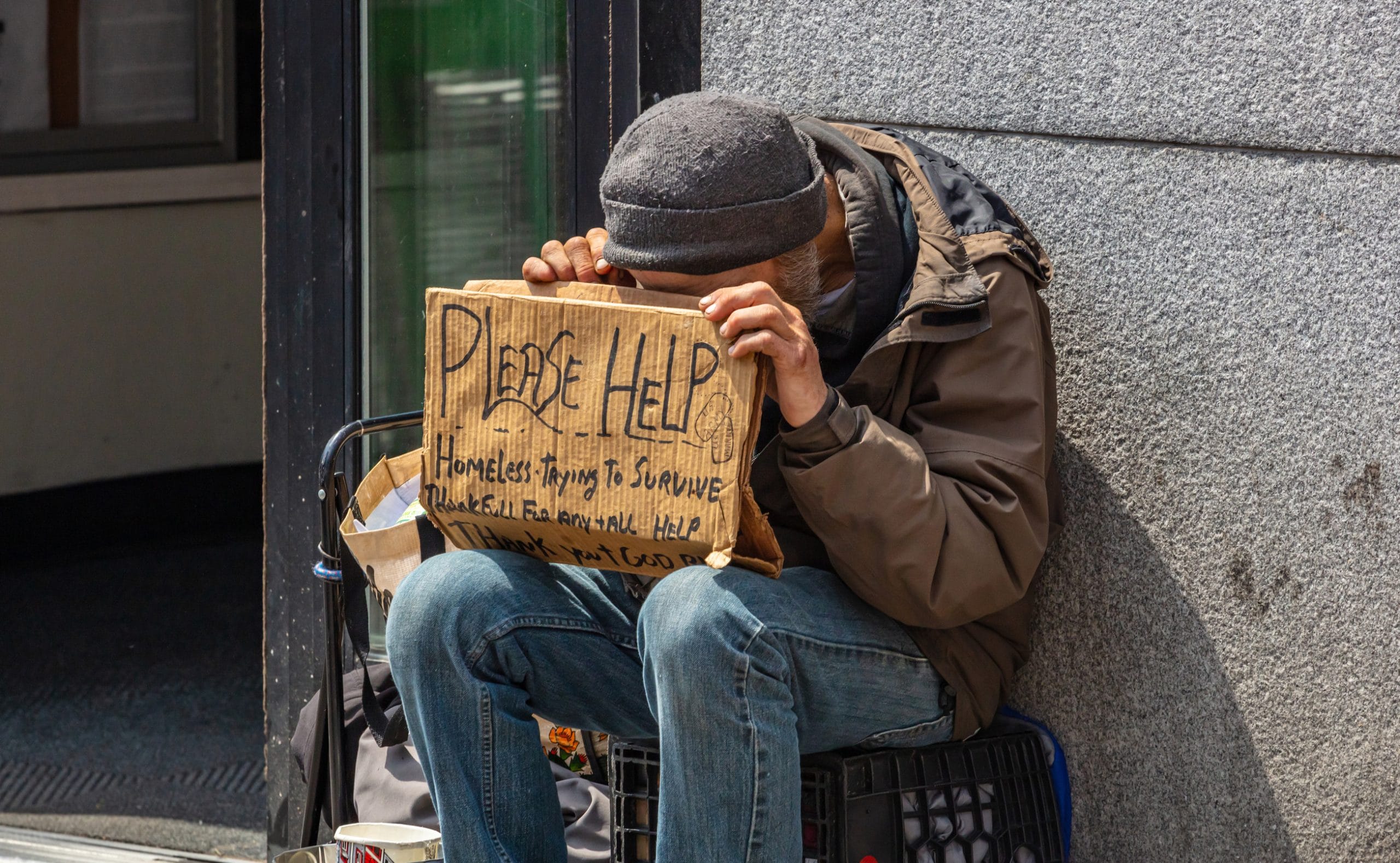
Homeless man holding a cardboard sign, asking for help, Manhattan downtown, sunny day in spring

Image Source: 123rf.com

Poverty remains a persistent challenge across the United States, affecting millions of individuals and families each year. While poverty rates vary significantly from state to state, certain regions face more pressing economic difficulties than others. Understanding these disparities is crucial for addressing systemic issues and developing solutions that uplift vulnerable communities. In this article, we’ll explore the six states with the highest poverty rates and what factors contribute to their struggles.

1. Mississippi

Mississippi consistently ranks as the state with the highest poverty rate in the U.S. The lack of diversified industries and limited access to quality education perpetuate economic hardships. Rural communities are particularly affected, with limited job opportunities compounding the issue. Many residents rely on agriculture and low-wage jobs that fail to provide long-term stability. Addressing these challenges requires a focus on education, job training, and infrastructure development.

2. Louisiana

Louisiana faces significant economic challenges due to natural disasters, limited access to healthcare, and an overreliance on low-paying industries. Hurricane damage over the years has disrupted communities and contributed to high unemployment rates. Additionally, many families struggle to afford basic needs, with rural areas experiencing the most severe impacts. Investing in disaster resilience and expanding economic opportunities could provide long-term relief. Addressing poverty in Louisiana also requires tackling systemic inequalities in healthcare and education.

3. New Mexico

New Mexico’s poverty rate is driven by a combination of high unemployment and limited access to educational resources. Many rural communities face infrastructure challenges, making it difficult for residents to access jobs or vocational training. A lack of well-paying industries further contributes to widespread economic struggles. Supporting initiatives that promote education and workforce development could help break the cycle of poverty. Community-driven programs have shown promise in addressing these systemic issues.

4. West Virginia

West Virginia

Image Source: 123rf.com

West Virginia has long struggled with poverty due to the decline of coal mining and limited economic diversification. Many residents have been unable to transition to new industries, leading to high unemployment rates. The state also faces challenges in healthcare access, which exacerbates economic difficulties for families. Supporting renewable energy initiatives and investing in education could help create sustainable job opportunities. Long-term change will require collaborative efforts from local and state leaders.

5. Arkansas

Arkansas is another state grappling with high poverty rates, particularly in rural regions where job opportunities are scarce. Limited access to higher education and healthcare services creates additional hurdles for families trying to escape poverty. Many households rely on government assistance to meet basic needs, but systemic improvements are needed to address root causes. Expanding access to affordable childcare and job training programs could provide a pathway to economic stability. Local leaders play a critical role in implementing change.

6. Kentucky

Kentucky’s poverty issues stem from high unemployment rates and limited access to education in rural areas. The state also faces challenges with substance abuse, which can contribute to economic instability for affected families. Revitalizing struggling communities requires a focus on healthcare, education, and economic development. Programs aimed at addressing addiction and supporting workforce readiness could help reduce poverty rates over time. A multi-faceted approach is key to creating meaningful change in Kentucky.

The Six States Aren’t The Only Places

While poverty affects these six states most acutely, it’s an issue that touches every corner of the United States. Addressing the root causes of poverty requires collaborative efforts from policymakers, community organizations, and individuals. By investing in education, healthcare, and economic development, we can create a more equitable future.

Which strategies do you believe are most effective for combating poverty? Share your thoughts and ideas in the comments below!

Read More:

12 Ways Your “Poverty Mentality” Is Hurting Your Financial Future

10 Myths About Poverty That Prevent Progress


Latrice Perez

Latrice is a dedicated professional with a rich background in social work, complemented by an Associate Degree in the field. Her journey has been uniquely shaped by the rewarding experience of being a stay-at-home mom to her two children, aged 13 and 5. This role has not only been a testament to her commitment to family but has also provided her with invaluable life lessons and insights.

As a mother, Latrice has embraced the opportunity to educate her children on essential life skills, with a special focus on financial literacy, the nuances of life, and the importance of inner peace.

Filed Under: Finance Tagged With: economic challenges, poverty rates, rural poverty, state-by-state analysis, systemic inequality, U.S. poverty

FOLLOW US

Search this site:

Recent Posts

  • Can My Savings Account Affect My Financial Aid? by Tamila McDonald
  • 12 Ways Gen X’s Views Clash with Millennials… by Tamila McDonald
  • What Advantages and Disadvantages Are There To… by Jacob Sensiba
  • 10 Tactics for Building an Emergency Fund from Scratch by Vanessa Bermudez
  • Call 911: Go To the Emergency Room Immediately If… by Stephen Kanaval
  • 7 Weird Things You Can Sell Online by Tamila McDonald
  • 10 Scary Facts About DriveTime by Tamila McDonald

Copyright © 2026 · News Pro Theme on Genesis Framework