• Home
  • About Us
  • Getting Finances Done
    • Hiring Advisors
    • Debt Management
    • Spending Plan
  • Insurance
    • Life Insurance
    • Health Insurance
    • Disability Insurance
    • Homeowners/Renters Insurance
  • Contact Us
  • Our Editorial Commitment

The Free Financial Advisor

You are here: Home / Archives for cashless society

Digital Dollar Discussions Are Raising New Concerns About Privacy and Banking

May 18, 2026 by Brandon Marcus Leave a Comment

Digital Dollar Discussions Are Raising New Concerns About Privacy and Banking
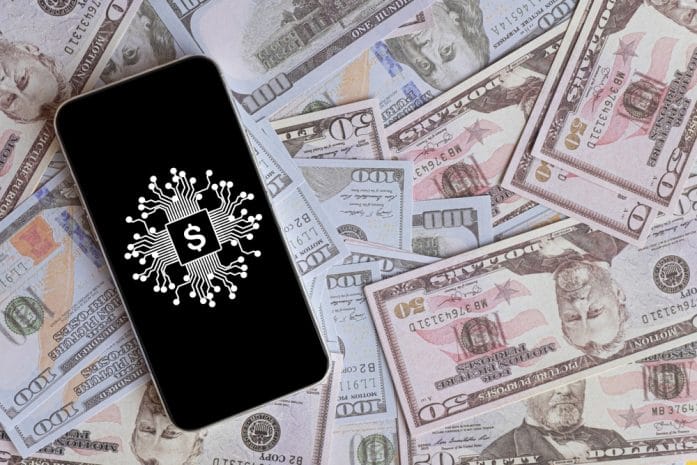
A collection of dollar bills underneath a smartphone – Shutterstock

Digital dollar discussions have moved from policy rooms into everyday conversations across America. Central bank digital currency proposals, often tied to the Federal Reserve, now sit at the center of heated debates about financial control. Supporters point to faster payments and stronger fraud prevention, while critics warn about surveillance risks and reduced privacy. Banks, fintech companies, and lawmakers continue to weigh how this system could reshape money itself. The conversation grows louder as more Americans rely on digital payments instead of cash.

Public interest keeps rising because money touches every part of daily life, from groceries to rent. Many people now wonder how a fully digital dollar could change the way financial institutions handle personal data. Concerns about tracking, data storage, and government oversight dominate online discussions and community forums. At the same time, financial experts highlight potential benefits like quicker transactions and reduced banking friction. This tension sets the stage for a national debate that shows no signs of slowing down.

Privacy Concerns Are Driving Much of the Resistance to a Digital Dollar System

Privacy stands at the heart of the digital dollar debate, and critics do not hold back. Many Americans worry that a central bank digital currency could allow too much visibility into individual spending habits. Even though proposals often include safeguards, skeptics fear expanded data collection compared to traditional cash transactions. Financial privacy advocates argue that cash gives people a level of anonymity that digital systems simply cannot match. That fear continues to shape public opinion and policy conversations.

On the other side, supporters insist that strong encryption and strict regulations could protect user data. They point to modern banking apps that already track transactions without major privacy breakdowns. Still, the idea of a centralized digital currency raises bigger questions about who controls financial information. Lawmakers now face pressure to balance innovation with personal freedom. The outcome of that balance could redefine trust in the financial system for decades.

Banks Face a Possible Shake-Up as Digital Currency Models Gain Attention

Traditional banks now watch digital dollar discussions with a mix of curiosity and concern. A government-backed digital currency could shift how people store money, especially if individuals hold accounts directly with the central bank. That possibility raises questions about whether commercial banks could lose deposits and influence. Some analysts believe banks may need to reinvent their services to stay competitive in a digital-first financial world. The entire structure of lending, saving, and transaction processing could shift in unexpected ways.

At the same time, banks could also benefit from streamlined systems and reduced transaction costs. Faster settlements and improved fraud detection tools might make banking more efficient for customers. However, competition from fintech companies already pushes traditional banks to modernize quickly. A digital dollar could accelerate that pressure significantly. Financial institutions across the United States now prepare for multiple scenarios as policymakers continue reviewing potential frameworks.

Everyday Payments Could Change Faster Than Most Consumers Expect

Daily financial habits in America already lean heavily toward digital tools, from mobile wallets to online banking apps. A digital dollar could push that shift even further by standardizing digital payments across all platforms. That change might eliminate delays in transfers and reduce reliance on third-party payment processors. Consumers could experience near-instant transactions for everything from retail purchases to peer-to-peer transfers. Convenience could rise sharply, but so could dependence on digital systems.

Yet convenience often comes with trade-offs, especially in financial systems. People who lack reliable internet access or digital literacy could face new barriers. Cybersecurity risks also grow when more money flows through centralized digital channels. Experts continue to stress the importance of strong safeguards to prevent hacking or system failures. The future of everyday payments now depends on how policymakers address these competing challenges.

Digital Dollar Discussions Are Raising New Concerns About Privacy and Banking
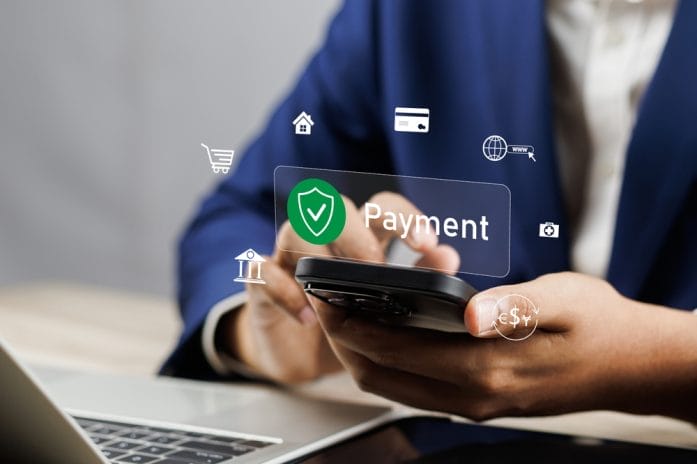
Someone using their smart phone for sending money – Shutterstock

Policy Decisions Could Define the Future of Financial Freedom in America

Lawmakers now sit at the center of the digital dollar debate, and their decisions carry long-term consequences. The Federal Reserve continues studying models used in other countries while evaluating potential risks at home. Some policymakers emphasize innovation and global competitiveness, while others prioritize civil liberties and privacy protections. This split creates ongoing debate inside Congress and regulatory agencies. The final framework could shape how Americans interact with money for generations.

Public input also plays a growing role as advocacy groups and industry leaders weigh in. Americans increasingly demand transparency about how a digital dollar would operate in real life. Trust remains a major factor, especially when financial systems evolve quickly. Policymakers must navigate these concerns carefully to avoid backlash or confusion. The direction they choose could redefine financial freedom in the digital age.

The Future of Money Now Depends on Trust, Technology, and Balance

Digital dollar discussions reveal a larger truth about the future of money in America. Technology continues to reshape financial systems at a rapid pace, but trust determines whether people accept those changes. Privacy concerns, banking disruptions, and policy debates all intersect in this evolving conversation. No single answer fits every concern, which keeps the discussion both complex and urgent. Americans now watch closely as decisions move from theory into potential reality.

What do you think about the idea of a digital dollar—exciting innovation or a step too far? Share your thoughts below.

You May Also Like…

9 Digital Payment Habits That Banks Are Quietly Flagging in 2026

Digital Payment Apps Could Soon Become Mandatory for Federal Benefits

How the IRS’s New Digital Asset Form Could Affect Casual Crypto Users

Keeping Finances Separate in Marriage — What Works and What Doesn’t

Banks Are Moving Toward All-Digital Payments—What That Means for Your Money

Brandon Marcus
Brandon Marcus

Brandon Marcus is a writer who has been sharing the written word since a very young age. His interests include sports, history, pop culture, and so much more. When he isn’t writing, he spends his time jogging, drinking coffee, or attempting to read a long book he may never complete.
Filed Under: Finance Tagged With: banking regulation, banking system, cashless society, CBDC, central bank digital currency, consumer privacy, digital dollar, digital payments, federal reserve, Financial Security, fintech, privacy concerns, US economy

Banks Are Moving Toward All-Digital Payments—What That Means for Your Money

May 9, 2026 by Brandon Marcus Leave a Comment

Banks Are Moving Toward All-Digital Payments—What That Means for Your Money
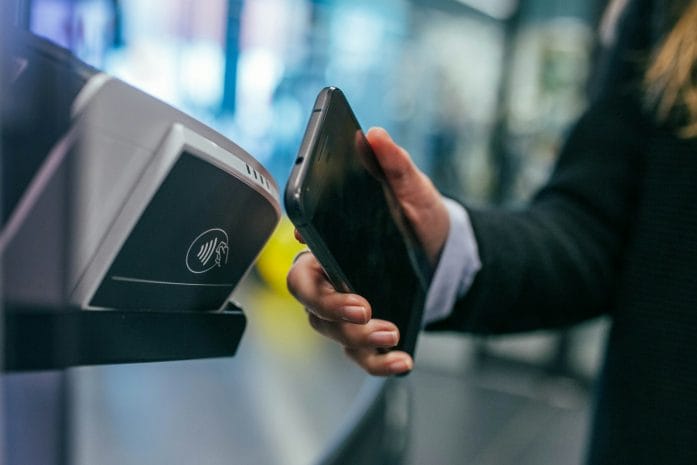
Someone initiating a digital payment on their smartphone – Shutterstock

The way money moves is changing fast, and it is not waiting for anyone to catch up. Banks across the financial world continue pushing toward all-digital payment systems, reshaping how people send, receive, and store money. Cash no longer sits at the center of daily transactions, and digital tools now handle everything from grocery purchases to rent payments. This shift does not just tweak banking habits—it rewires them completely.

People already feel the change through mobile banking apps, tap-to-pay cards, and instant transfers that land in seconds. Many banks now prioritize digital-first services, reducing reliance on physical branches and paper-based systems. That transformation brings convenience, but it also raises important questions about access, security, and control over personal finances. The financial landscape continues evolving, and everyday money decisions evolve right along with it.

The Shift to All-Digital Banking Is Speeding Up

Banks across the industry continue investing heavily in digital infrastructure because customers demand faster and easier transactions. Mobile apps now handle deposits, transfers, bill payments, and even loan approvals without requiring a branch visit. Financial institutions also reduce physical locations in many regions as digital usage grows year after year. This trend signals a major pivot toward a system where physical cash plays a smaller role. Experts describe this as a long-term structural shift rather than a temporary convenience upgrade.

Fintech companies also accelerate this movement by offering seamless digital wallets and instant payment services that traditional banks must match. Consumers now expect transactions to happen in real time without delays or paperwork. Governments and regulators in many countries also encourage safer digital systems to reduce fraud tied to physical cash handling. This growing ecosystem pushes banking deeper into a fully connected digital environment where speed defines value.

What Happens to Cash, Cards, and Traditional Banking?

Cash still exists, but its role continues shrinking as digital payments dominate everyday life. Many retailers now prefer contactless or card payments because they speed up checkout lines and reduce handling risks. Traditional debit and credit cards also evolve into digital versions stored in smartphones and wearable devices. Banks still support physical cash, but they design fewer services around it as demand slowly declines. This shift does not eliminate cash overnight, but it clearly pushes it into a secondary role.

Traditional banking branches also change as fewer people visit them for routine transactions. Many banks convert physical locations into advisory centers instead of full-service transaction hubs. Customers now complete most banking tasks through apps or online platforms that operate 24/7. This change reduces wait times but also removes the face-to-face experience many people once relied on for financial guidance. The entire system moves toward automation, speed, and self-service tools.

How Digital Payments Change Everyday Money Management

Digital payments transform how people track spending because every transaction leaves an instant record. Budgeting apps now connect directly to bank accounts and categorize purchases automatically. This visibility helps people spot spending patterns that often go unnoticed with cash usage. Many users also benefit from instant alerts that flag unusual activity or overspending in real time. This level of control gives consumers a sharper view of their financial habits than ever before.

Digital systems also make money more mobile, allowing instant transfers between accounts, friends, and businesses. People no longer need to visit a bank or wait days for cleared checks. Subscription services, online shopping, and bill payments all integrate into a single digital ecosystem that simplifies daily life. However, this convenience also demands stronger digital awareness because every transaction depends on secure access to accounts. Financial control now depends as much on technology literacy as it does on income management.

Banks Are Moving Toward All-Digital Payments—What That Means for Your Money
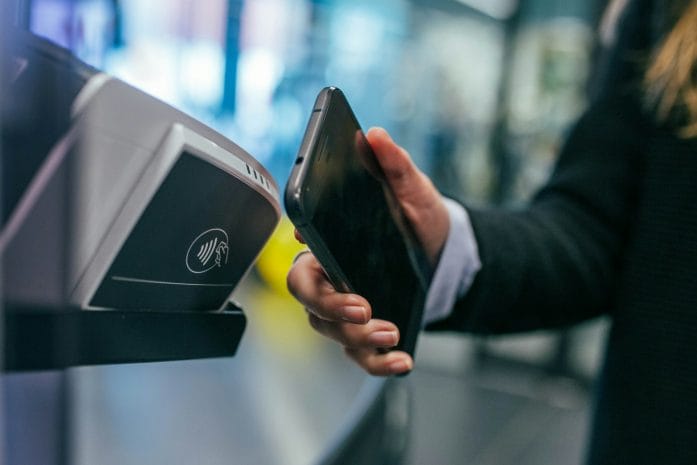
A person using their smartphone for a digital payment – Unsplash

Risks, Security Concerns, and What Consumers Need to Watch

Digital banking introduces strong protections, but it also creates new vulnerabilities that consumers must recognize. Cybersecurity threats continue evolving, and scammers constantly develop new ways to target digital accounts. Banks invest heavily in encryption, biometric logins, and fraud detection systems to reduce these risks. Still, users play a major role in protecting their financial information through strong passwords and safe browsing habits. Security now works as a shared responsibility between banks and customers.

Outages and technical failures also highlight the risks of a fully digital system. When apps or networks go down, access to money can temporarily disappear, even if funds remain safe. This dependence on technology creates pressure for banks to maintain reliable systems with minimal downtime. Consumers also need backup options, such as alternative payment methods, in case digital platforms become unavailable. Awareness of these risks helps people adapt without losing financial stability.

What This Digital Shift Really Means for Your Financial Future

The move toward all-digital payments reshapes financial life into something faster, more connected, and more data-driven. Banks continue reducing friction in transactions while increasing automation across services. Consumers gain convenience, but they also take on more responsibility for managing digital access and security. Financial habits evolve as real-time tools replace traditional banking routines. The entire system leans toward efficiency, but it also demands greater awareness from everyone who uses it.

What do you think about a future where most payments go fully digital and cash becomes rare in daily life?

You May Also Like…

API Banking Lock: Why Budget Apps May Lose Access Under New Security Standards

I Saved $5,000 in Change — Then Found Out Banks Might Not Take It

5 Digital Banking Changes That May Be Adding New Fees Without Notice

5 Outrageous Fees Hidden in Everyday Banking Services

Banks Are Holding Cash Transfers Over $2,000 for Verification—What Seniors Need to Know

Brandon Marcus
Brandon Marcus

Brandon Marcus is a writer who has been sharing the written word since a very young age. His interests include sports, history, pop culture, and so much more. When he isn’t writing, he spends his time jogging, drinking coffee, or attempting to read a long book he may never complete.
Filed Under: Banking Tagged With: bank accounts, banking future, banking technology, cashless society, digital banking, digital wallets, Financial Security, financial trends, fintech, mobile banking, money management, online payments, payment systems, Personal Finance

Banks Are Moving Toward All-Digital Payments — What That Means for Your Money

March 28, 2026 by Brandon Marcus Leave a Comment

Banks Are Moving Toward All-Digital Payments — What That Means for Your Money
Image Source: Unsplash.com

Ever pulled out a crumpled dollar bill at the grocery store and wondered if paper money will even exist in ten years? The financial world is hurtling into a cashless future faster than most people realize, and banks are leading the charge. Across the country, institutions are investing heavily in digital payment systems, mobile apps, and online banking features that make physical money seem almost prehistoric. From tap-to-pay smartphones to instant peer-to-peer transfers, the days of waiting for checks to clear or fumbling for coins are slipping away. This shift isn’t just about convenience; it’s reshaping how money flows in everyday life, and it’s happening faster than many customers can keep up with.

As banks go fully digital, they aren’t just changing how people pay—they’re changing how people think about money itself. The rise of digital payments is influencing spending habits, saving patterns, and even the way we handle financial emergencies. That’s why understanding what’s happening now isn’t just smart—it’s essential.

The Digital Dollar Is Taking Over

The push toward digital payments isn’t a gimmick or a passing trend. Banks are increasingly phasing out paper checks and encouraging customers to adopt mobile wallets, contactless cards, and app-based transfers. Digital transactions have been growing at double-digit rates over the past few years, with mobile payments like Apple Pay, Google Wallet, and Venmo accounting for a substantial share of everyday transactions. The convenience of sending money with a tap or a swipe is undeniable, but there’s more than just speed at play here. Banks also see digital payments as a way to collect data, streamline operations, and reduce the costs associated with handling physical cash.

For consumers, this transition means reevaluating how they carry and use money. A digital-first approach can save time and make budgeting easier, as app notifications track spending in real time and allow users to categorize expenses automatically. However, it also comes with responsibilities. Digital wallets and banking apps are vulnerable to hacks, phishing scams, and identity theft if users aren’t careful. The key takeaway? Embracing digital payments doesn’t mean giving up control—it means staying vigilant and using the tools smartly. Learning to protect passwords, enabling two-factor authentication, and keeping software updated aren’t optional anymore—they’re essential.

Goodbye Cash, Hello Convenience

The appeal of a cashless lifestyle isn’t hard to see. Forget digging for coins or standing in line to deposit checks. Mobile and online payments let people pay bills, split tabs, and shop online faster than ever. But convenience doesn’t automatically translate to safety. While banks implement encryption and security protocols to protect transactions, individuals must also adopt safe practices to avoid cyber threats. Using verified apps, avoiding public Wi-Fi for financial activities, and monitoring accounts for unusual activity are critical steps.

Moreover, the rise of digital payments has sparked a cultural shift. Spending money has become instantaneous and often less tangible. People feel the financial impact in real time rather than counting physical cash, which can influence budgeting habits. For some, this is empowering; for others, it may require adopting new strategies to avoid overspending. Automated alerts, digital envelopes, and regular app-based reconciliations can help keep spending habits in check while embracing the speed and simplicity of modern banking.

The Banks’ Big Bet on Mobile

It isn’t just consumers driving the move to digital payments—banks are betting big on mobile-first experiences. Apps now allow users to deposit checks with a photo, transfer money instantly to friends and family, and even track credit scores all in one place. According to studies, many U.S. banks have upgraded their mobile platforms to support advanced features, signaling a clear commitment to a fully digital future. The competition isn’t just about convenience—it’s about survival in a world where nimble fintech companies are snapping at the heels of traditional institutions.

For customers, this means more options but also more decisions. Comparing app features, transaction fees, and security protocols can help ensure that choosing a digital bank aligns with personal financial goals. Experimenting with different tools—like budgeting integrations, AI-powered alerts, or investment tracking features—can turn mobile banking from a mundane task into a genuinely useful resource. Staying informed and proactive allows people to take full advantage of what banks are offering without being blindsided by fees or limitations.

Banks Are Moving Toward All-Digital Payments — What That Means for Your Money
Image Source: Unsplash.com

Protecting Your Money in a Digital World

As digital payments dominate, protecting financial data has never been more critical. Cybersecurity threats evolve alongside technology, and relying solely on a bank’s security measures isn’t enough. Consumers must take active steps, such as using strong, unique passwords, monitoring accounts daily, and setting up fraud alerts. Biometrics, like fingerprint or facial recognition, add another layer of protection, especially for mobile payments.

Beyond security, having a backup plan for emergencies remains essential. Even the most tech-savvy individuals can encounter outages, frozen accounts, or lost devices. Keeping a small reserve of cash for unavoidable situations and knowing alternative payment options can prevent panic if digital systems fail. The goal isn’t to fear the digital shift but to navigate it confidently and safely, ensuring that convenience never comes at the expense of security.

Embracing the Future Without Losing Control

The all-digital payment era promises speed, simplicity, and efficiency, but it also demands responsibility and awareness. Banks are accelerating this transition, and consumers who adapt quickly can reap the benefits while staying protected. Learning how to manage digital wallets, safeguard accounts, and track spending proactively transforms what might feel like a chaotic shift into a smooth, empowering experience.

The move toward cashless living isn’t just a technical evolution—it’s a lifestyle change. Embracing it offers remarkable opportunities for efficiency, financial insight, and convenience, as long as people stay attentive to the risks. Thinking strategically about security, budgeting, and emergency plans allows anyone to thrive in a fully digital banking environment. As banks continue to innovate, the question isn’t whether the shift will happen—it’s how well people will adapt and take control of their digital financial future.

What strategies or tools have worked best for navigating digital payments? Give us your ideas, experiences, and tips in the comments below and spark the conversation about mastering money in the digital age.

You May Also Like…

Biometric Banking and the Rise of Fraud Concerns in 2026

5 Budgeting Apps That Integrate With Biometric Banking

6 Data-Scraping Features in Online Banking

6 Banking Terms That Invalidate Joint Ownership Intentions

What Are the Hidden Dangers of Digital-Only Banking?


Brandon Marcus
Brandon Marcus

Brandon Marcus is a writer who has been sharing the written word since a very young age. His interests include sports, history, pop culture, and so much more. When he isn’t writing, he spends his time jogging, drinking coffee, or attempting to read a long book he may never complete.
Filed Under: Banking Tagged With: banking trends, cashless society, consumer finance, digital payments, digital wallets, financial technology, fintech, future of banking, mobile banking, money management, Online banking

Follow Us

Search this site:

Recent Posts

  • Can My Savings Account Affect My Financial Aid? by Tamila McDonald
  • 12 Ways Gen X’s Views Clash with Millennials… by Tamila McDonald
  • What Advantages and Disadvantages Are There To… by Jacob Sensiba
  • 10 Tactics for Building an Emergency Fund from Scratch by Vanessa Bermudez
  • Call 911: Go To the Emergency Room Immediately If… by Stephen Kanaval
  • 7 Weird Things You Can Sell Online by Tamila McDonald
  • 10 Scary Facts About DriveTime by Tamila McDonald

Copyright © 2026 · News Pro Theme on Genesis Framework