• Home
  • About Us
  • Toolkit
  • Getting Finances Done
    • Hiring Advisors
    • Debt Management
    • Spending Plan
  • Insurance
    • Life Insurance
    • Health Insurance
    • Disability Insurance
    • Homeowners/Renters Insurance
  • Contact Us
  • Privacy Policy
  • Risk Tolerance Quiz

The Free Financial Advisor

You are here: Home / Archives for debt risks

Could Your Advisor Be Overlooking The Biggest Risk Hiding In Your Portfolio This Winter?

December 12, 2025 by Brandon Marcus Leave a Comment

Your Advisor Be Overlooking The Biggest Risk Hiding In Your Portfolio This Winter

Image Source: Shutterstock.com

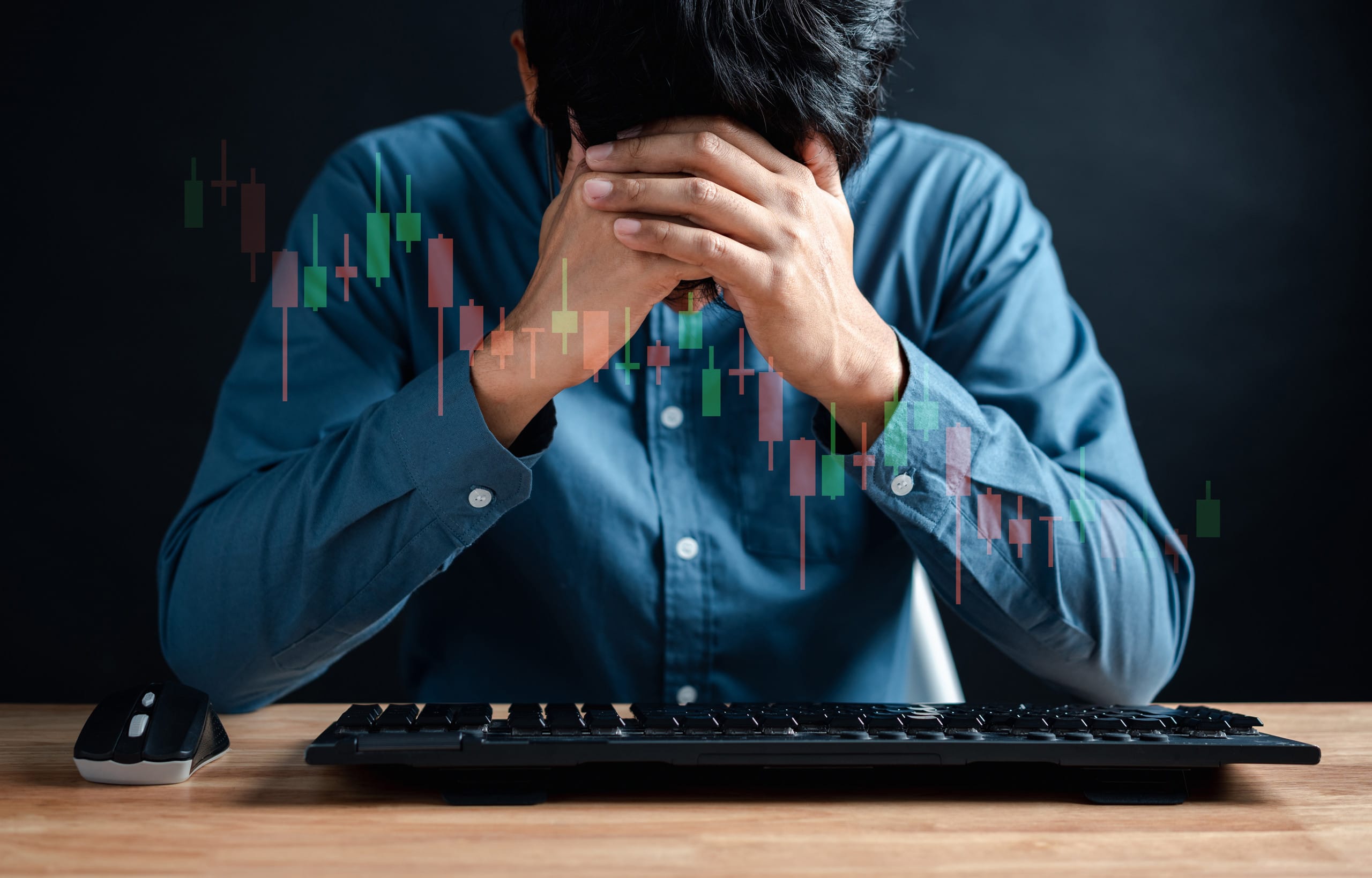
Winter isn’t just the season of cozy sweaters, hot cocoa, and endless holiday playlists—it’s also the season when portfolios can quietly wobble under the radar. Investors often focus on the obvious risks: stock market volatility, interest rate swings, or geopolitical events making headlines.

But what about the sneaky, hidden hazards that rarely show up in quarterly reports? The kind of risks that can quietly erode gains while everyone is distracted by year-end celebrations and financial checklists? If you’ve ever felt like your portfolio is “fine” but something doesn’t quite add up, it’s time to dig deeper.

1. Concentration Risk Is Often Underestimated

Many investors think they’re diversified because they have a few mutual funds or a mix of stocks and bonds. The catch? Those funds can still be heavily concentrated in the same sectors, industries, or even single companies. Advisors may assume diversification exists without digging into the underlying holdings. A portfolio that seems spread out could be vulnerable if one industry tanks, and you might not see it coming until it’s too late. Understanding concentration risk means looking beyond the labels and truly assessing the weight of each exposure in your portfolio.

2. Interest Rate Sensitivity Can Blindside Even Seasoned Investors

Winter often brings reflection on past financial performance, but few consider how rising or falling interest rates quietly shape their returns. Bonds, dividend stocks, and even certain ETFs can react unpredictably when rates shift. Advisors may model past behavior and assume history will repeat itself, overlooking the impact of sudden rate changes. Investors often discover too late that small movements in rates can significantly erode income or total returns. Being aware of interest rate sensitivity allows you to adjust allocations proactively rather than reacting to losses after the fact.

3. Inflation Risk Hides In Plain Sight

Everyone talks about inflation when it spikes, but few portfolios are stress-tested for subtle, creeping price increases over time. Advisors might focus on short-term performance and miss the long-term erosion of purchasing power. Even modest inflation can quietly eat into fixed-income investments, cash holdings, and conservative portfolios. Ignoring inflation risk may leave your portfolio looking stable while your real wealth slowly diminishes. Winter is a perfect time to assess whether your allocations can actually keep up with the rising cost of living.

Your Advisor Be Overlooking The Biggest Risk Hiding In Your Portfolio This Winter

Image Source: Shutterstock.com

4. Liquidity Issues Can Leave You Stranded

It’s easy to assume that all investments can be sold quickly if needed, but liquidity risk is a hidden pitfall many investors overlook. Some assets, like certain ETFs, bonds, or niche funds, can experience delays or steep discounts when sold in a rush. Advisors may not highlight this risk if they assume clients won’t need immediate access to cash. Yet, unexpected expenses, tax obligations, or market swings can suddenly demand liquidity. Reviewing liquidity and planning for emergency access ensures you’re not stuck selling at the worst possible time.

5. Behavioral Bias Risk Is Often Ignored

Financial risk isn’t always about numbers—it’s about human behavior. Even the most seasoned investors can fall prey to emotional decision-making, panic selling, or chasing trends. Advisors may overlook this because it’s hard to quantify and doesn’t appear on any statement. Yet behavioral biases can quietly sabotage returns, leading to missed opportunities or losses. Recognizing how emotions impact decisions—and having a strategy to counteract them—can protect your portfolio when markets turn choppy.

6. Hidden Correlations Can Amplify Volatility

Diversification isn’t just about having different asset types—it’s about how those assets move in relation to each other. Hidden correlations occur when supposedly unconnected investments actually rise and fall together. Advisors may assume risk is reduced simply by mixing assets without checking how they behave under stress. In winter, when markets react to seasonal patterns, economic reports, or geopolitical headlines, these hidden correlations can amplify swings. Analyzing correlations gives a clearer picture of true portfolio risk beyond what a surface-level allocation chart might show.

7. Tax Inefficiency Can Quietly Reduce Gains

Even well-constructed portfolios can be silently eating away at returns through poor tax management. Advisors might focus on investment performance without addressing the timing of capital gains, dividend distributions, or tax-loss harvesting. Over time, this can make a significant difference in after-tax returns. Winter is the perfect time to review tax strategies before the new year begins. Ensuring your portfolio is tax-efficient means more of your money actually stays in your account instead of slipping away to unexpected liabilities.

Don’t Let Hidden Risks Freeze Your Progress

The biggest risks are often the ones you can’t see at first glance. Winter is the perfect season to pause, reassess, and ask tough questions about your portfolio. Whether it’s concentration, liquidity, behavioral biases, or hidden correlations, understanding these silent threats can make the difference between steady growth and surprise losses.

Have you ever noticed a hidden risk quietly affecting your portfolio? Give us your experiences, insights, or strategies in the comments section below.

You May Also Like…

11 Cryptocurrencies Your Advisor Doesn’t Want You Researching Alone

Does Your Advisor Only Get Paid When You Buy Something New From Them?

8 Creative Methods to Hold Your Advisor Fully Accountable

8 Unusual Financial Fears Advisors Say Are Actually Smart

6 Vital Signs Your Advisor Isn’t Putting Your Interests First


Brandon Marcus
Brandon Marcus

Brandon Marcus is a writer who has been sharing the written word since a very young age. His interests include sports, history, pop culture, and so much more. When he isn’t writing, he spends his time jogging, drinking coffee, or attempting to read a long book he may never complete.

Filed Under: Financial Advisor Tagged With: debt risks, finance, finances, financial advisor, financial risk, general finance, Inflation, interest rates, liquidity, portfolio, seasonal, seasons, tax inefficiency, volatility, winter

6 Unsettling Truths About Rent-to-Own Stores

September 16, 2025 by Catherine Reed Leave a Comment

6 Unsettling Truths About Rent-to-Own Stores

Image source: 123rf.com

At first glance, rent-to-own stores seem like a convenient solution for families who need furniture, electronics, or appliances but can’t afford to pay upfront. The appeal of taking items home immediately with little or no credit check is undeniable. However, the reality of these deals often looks very different once the fine print and long-term costs come into play. Many shoppers find themselves stuck in financial arrangements that drain their budgets and limit their options. To make an informed choice, it’s important to know the unsettling truths about rent-to-own stores before signing any agreement.

1. The True Cost Is Shockingly High

One of the most troubling realities of rent-to-own stores is how much customers end up paying in the long run. An item that sells for $500 in a retail store could cost $1,500 or more through a rent-to-own agreement. The weekly or monthly payments look manageable at first, but they add up quickly. By the time you finish paying off the item, you may have spent three or four times its actual value. This hidden markup is one of the biggest financial traps of rent-to-own stores.

2. Ownership Isn’t Guaranteed Until the End

Rent-to-own stores often advertise the idea of taking items home “today,” but that doesn’t mean you actually own them. Until you’ve made every payment in full, the store still has legal ownership. If you fall behind, the store can repossess the item, leaving you with nothing despite the money you’ve already paid. This risk makes these agreements especially dangerous for families living paycheck to paycheck. Missing even one or two payments can wipe out months of progress.

3. Contracts Are Loaded With Fine Print

The agreements from rent-to-own stores are often packed with terms and conditions that work in the store’s favor. Many contracts include steep penalties for late payments or early cancellations. Some even charge fees for basic wear and tear on items that were already used when rented out. Customers rarely realize how restrictive these agreements are until they run into trouble. By then, it’s too late to avoid the extra charges.

4. Better Alternatives Usually Exist

While rent-to-own stores market themselves as the only option for people with limited credit, alternatives often cost much less. Layaway programs, personal loans, or saving for a few months can provide the same outcome without the extreme markups. Secondhand stores, online marketplaces, and local classifieds also offer affordable options. Rent-to-own agreements rely on the belief that buyers have no other choices. In reality, looking outside these stores usually leads to better deals and stronger financial outcomes.

5. They Target Vulnerable Consumers

Rent-to-own stores often place themselves in low-income neighborhoods or areas where credit access is limited. Their business model relies on appealing to people who feel trapped financially. The lack of credit checks may seem like a lifeline, but it comes at a steep price. Instead of helping customers, these stores profit from their struggles. This targeting raises serious questions about whether the model helps or harms communities.

6. Items May Not Be New or High Quality

Many shoppers assume the products in rent-to-own stores are brand new. In reality, items are often used, refurbished, or lower-quality models compared to what you’d find in a retail store. Yet, the inflated prices make it seem like you’re paying for premium goods. This mismatch between price and quality is another unsettling truth about rent-to-own stores. Customers end up spending more for less while thinking they’re getting a good deal.

Knowledge Is Your Best Defense

Rent-to-own stores make big promises, but the reality behind those promises can be financially devastating. High costs, repossession risks, and predatory contracts turn what looks like convenience into a long-term burden. The good news is that by understanding these unsettling truths about rent-to-own stores, you can make smarter choices. Exploring alternatives, planning purchases, and avoiding these traps will protect your budget and help you keep more of your hard-earned money.

Have you ever dealt with rent-to-own stores? Did the experience help or hurt your finances? Share your thoughts in the comments below.

What to Read Next…

7 Things That End Up Costing More in Poor Neighborhoods

5 Outrageous Fees Hidden in Everyday Banking Services

10 Financial Traps People Walk Into After Buying a New House

The Debt Trap: Why People Go Broke Right After Getting Free

Could Hidden Medical Fees Be the Biggest Threat to Savings

Catherine Reed
Catherine Reed

Catherine is a tech-savvy writer who has focused on the personal finance space for more than eight years. She has a Bachelor’s in Information Technology and enjoys showcasing how tech can simplify everyday personal finance tasks like budgeting, spending tracking, and planning for the future. Additionally, she’s explored the ins and outs of the world of side hustles and loves to share what she’s learned along the way. When she’s not working, you can find her relaxing at home in the Pacific Northwest with her two cats or enjoying a cup of coffee at her neighborhood cafe.

Filed Under: Spending Habits Tagged With: Budgeting Tips, consumer advice, debt risks, financial traps, hidden costs, Personal Finance, rent-to-own stores

How Can Market Hype Lead Ordinary Investors Into Debt

September 8, 2025 by Catherine Reed Leave a Comment

How Can Market Hype Lead Ordinary Investors Into Debt

Image source: 123rf.com

The financial markets are full of stories about everyday people striking it rich overnight. Social media posts, news headlines, and viral success stories create a sense of urgency that pushes investors to act quickly. Unfortunately, hype-driven decisions often backfire, leaving individuals with losses and sometimes even debt. Asking how can market hype lead ordinary investors into debt reveals how emotions, misinformation, and risky behaviors combine to create financial pitfalls. Let’s break down the most common ways hype traps investors.

1. Fear of Missing Out Creates Rash Decisions

One of the clearest examples of how market hype can lead ordinary investors into debt is fear of missing out, also known as FOMO. When people see others posting massive gains, they feel pressure to join in before it’s too late. Instead of carefully analyzing investments, they buy into the trend at inflated prices. If the market dips, they are often left holding overvalued assets. This fear-driven approach frequently leads to borrowing or dipping into savings to “get in on the action.”

2. Social Media Spreads Unrealistic Promises

Another aspect of how market hype can lead ordinary investors into debt is the role of social media. Platforms like TikTok, YouTube, and Reddit amplify investment trends, often without offering context or warnings. Influencers highlight big wins but rarely discuss losses. Ordinary investors may follow this advice without fully understanding the risks involved. Chasing hype-driven tips often results in poor timing and unnecessary financial strain.

3. Leveraging Borrowed Money Magnifies Losses

A dangerous part of how market hype can lead ordinary investors into debt is the temptation to invest with borrowed money. Margin accounts and personal loans are marketed as ways to “maximize gains.” While leverage can increase profits, it also magnifies losses dramatically. When markets swing the wrong way, investors not only lose their own money but also owe lenders. This cycle can trap people in debt long after the hype fades.

4. Ignoring Fundamentals in Favor of Trends

When discussing how market hype can lead ordinary investors into debt, ignoring fundamentals is a major issue. Instead of researching a company’s financial health or long-term potential, hype-driven investors focus only on momentum. Stocks, cryptocurrencies, and other assets can skyrocket quickly, but without solid foundations, they often crash just as fast. Ordinary investors who buy late in the cycle end up paying top dollar. The result is debt when they sell at a loss or struggle to cover other financial obligations.

5. Overconfidence After Small Wins

Another reason market hype can lead ordinary investors into debt is overconfidence. A few successful trades during a hype cycle can create the illusion of skill. Investors may double down, investing more money than they can afford to lose. When the market inevitably turns, those overextended positions lead to heavy losses. This false sense of security encourages people to take bigger risks than they normally would.

6. Hidden Fees and Transaction Costs

A less obvious answer to how market hype can lead ordinary investors into debt is the cost of trading itself. Frequent buying and selling can rack up fees, commissions, and taxes. Even commission-free platforms may have hidden costs like wider spreads or poor execution. Over time, these expenses eat into any gains and amplify losses. Many investors don’t realize how quickly small charges add up during hype-driven trading sprees.

7. Emotional Stress Leads to Bad Financial Choices

Finally, emotional pressure plays a significant role in how market hype can lead ordinary investors into debt. Watching investments rise and fall quickly creates anxiety and impulsive decision-making. Instead of sticking to a long-term plan, many sell low or buy high out of panic. This constant stress can even spill over into other financial areas, such as using credit cards to cover living expenses while waiting for investments to rebound. Emotional investing often leads to deeper debt than the market loss itself.

Staying Grounded in a Noisy Market

Understanding how market hype can lead ordinary investors into debt highlights the importance of discipline and research. Hype thrives on emotions, but smart investing depends on patience and fundamentals. By avoiding rash decisions, steering clear of borrowed money, and focusing on long-term goals, ordinary investors can protect themselves from debt traps. Market noise may be loud, but calm strategies always last longer than quick wins.

Have you ever been caught up in market hype, for better or worse? Share your experiences in the comments and help others avoid costly mistakes.

What to Read Next…

10 Strange Investments That Wealthy People Keep Secret

8 Smart Investing Rules the Wealthy Actually Follow

10 Shocking Ways Wealth Disappears During a Market Crash

8 Suspicious Portfolio Shifts After Advisor Change

7 Strange Things That End Up in High-Net-Worth Portfolios

Catherine Reed
Catherine Reed

Catherine is a tech-savvy writer who has focused on the personal finance space for more than eight years. She has a Bachelor’s in Information Technology and enjoys showcasing how tech can simplify everyday personal finance tasks like budgeting, spending tracking, and planning for the future. Additionally, she’s explored the ins and outs of the world of side hustles and loves to share what she’s learned along the way. When she’s not working, you can find her relaxing at home in the Pacific Northwest with her two cats or enjoying a cup of coffee at her neighborhood cafe.

Filed Under: Investing Tagged With: debt risks, Financial Discipline, FOMO investing, investing mistakes, market hype, ordinary investors, Personal Finance

FOLLOW US

Search this site:

Recent Posts

  • Can My Savings Account Affect My Financial Aid? by Tamila McDonald
  • 12 Ways Gen X’s Views Clash with Millennials… by Tamila McDonald
  • What Advantages and Disadvantages Are There To… by Jacob Sensiba
  • Call 911: Go To the Emergency Room Immediately If… by Stephen Kanaval
  • 10 Tactics for Building an Emergency Fund from Scratch by Vanessa Bermudez
  • 7 Weird Things You Can Sell Online by Tamila McDonald
  • 10 Scary Facts About DriveTime by Tamila McDonald

Copyright © 2026 · News Pro Theme on Genesis Framework